
Introduction
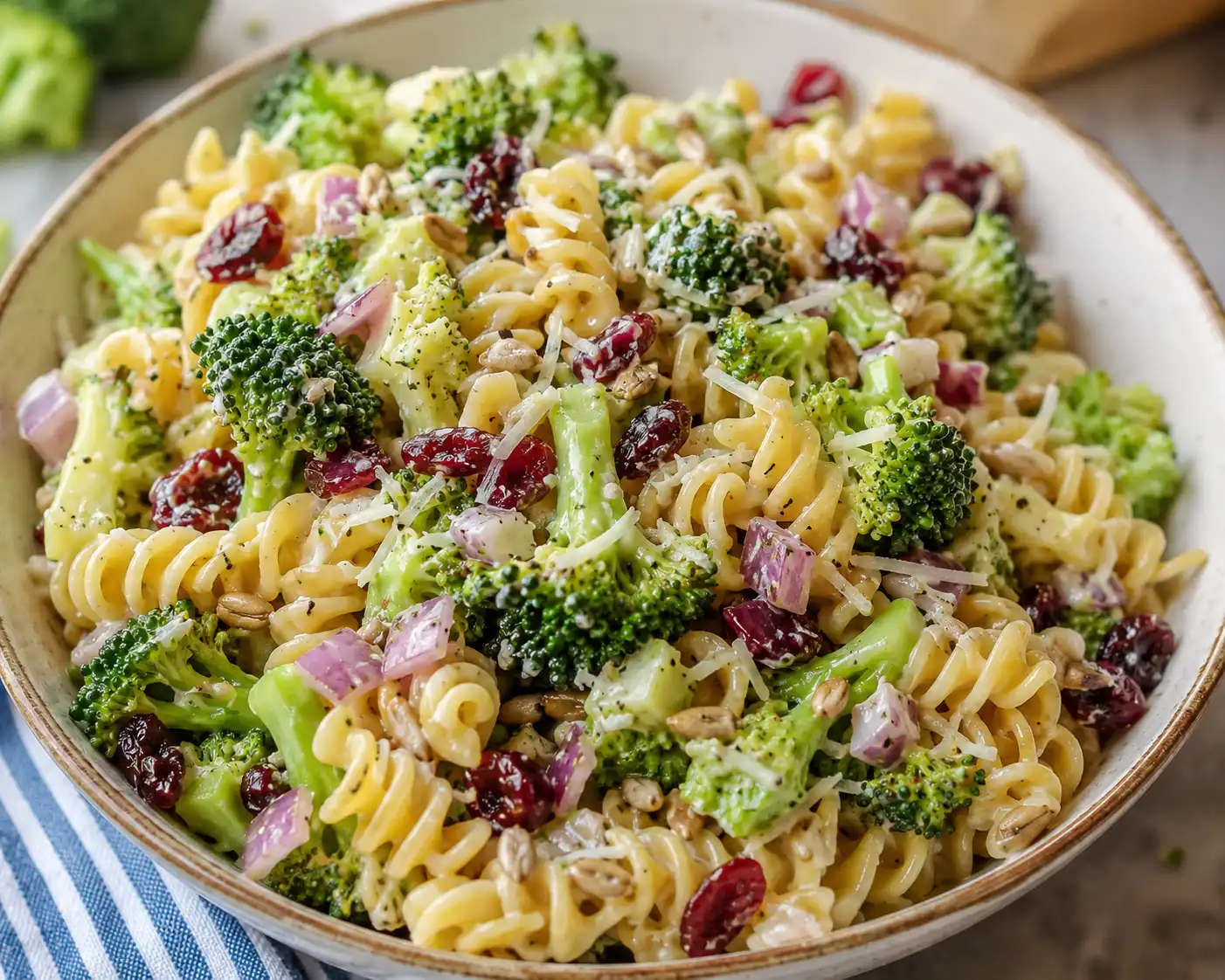
Fresh Broccoli Pasta Salad is a vibrant, nutrient-dense, and refreshingly crisp dish that effortlessly bridges the gap between comfort food and health-conscious eating. Far from the heavy, mayo-laden versions of yesteryear, today’s iteration celebrates seasonal freshness, bold textures, and bright, balanced flavors—making it an ideal centerpiece for picnics, potlucks, weeknight dinners, or meal-prep lunches. Its versatility shines whether served chilled straight from the fridge or at room temperature on a sun-drenched patio; each forkful delivers a satisfying crunch from raw broccoli florets, tender-chewy pasta, creamy yet tangy dressing, and layers of complementary garnishes. More than just a side dish, this salad embodies modern Mediterranean-inspired sensibility—light without being sparse, hearty without being heavy, and endlessly adaptable to dietary preferences and pantry availability.
The History
Broccoli’s journey into Western salads traces back to its Italian roots—broccolo, meaning “cabbage sprout,” was cultivated in the southern Apennines as early as the 6th century BCE and later refined by Roman horticulturists. However, broccoli didn’t gain widespread popularity in the United States until the 1920s, when Italian immigrants brought both seeds and culinary traditions to California and the East Coast. Early American broccoli salads were often simple—boiled broccoli tossed with vinegar and oil—but evolved dramatically post–World War II, coinciding with the rise of convenience foods and suburban entertaining culture. The 1970s saw the emergence of “picnic salads” featuring elbow macaroni, shredded carrots, and bottled dressings—a precursor to today’s broccoli pasta salad. A pivotal shift occurred in the late 1990s and early 2000s, as chefs and home cooks began embracing raw broccoli for its superior texture and phytonutrient retention, while whole-grain and legume-based pastas expanded accessibility for gluten-sensitive and plant-forward eaters. Influences from Middle Eastern tabbouleh (herb-forward, lemon-kissed), Japanese sunomono (vinegar-based brightness), and Southern U.S. slaw traditions (crunch + cream + acid) have all left indelible marks on the contemporary Fresh Broccoli Pasta Salad—transforming it from a nostalgic potluck staple into a globally resonant, chef-driven composition grounded in whole-food integrity.
Ingredients Breakdown
Every exceptional Fresh Broccoli Pasta Salad begins not with a list—but with intention. Each ingredient plays a distinct sensory and functional role:
- Broccoli: Use fresh, dark green, tightly clustered florets with firm, purplish-tinged stems—this indicates peak glucosinolate content (precursors to sulforaphane, a potent antioxidant). The stems are not waste; they’re edible, mildly sweet, and add brilliant crunch when julienned or shaved.
- Pasta: Short, ridged shapes like fusilli, rotini, or orecchiette trap dressing and grip vegetables best. Opt for bronze-die extruded pasta for superior texture, or choose high-protein alternatives (lentil, chickpea, or edamame pasta) for added satiety and fiber.
- Dressing Base: A harmonious triad of extra-virgin olive oil (fruity and peppery), raw apple cider vinegar (enzymatically active, gently tart), and Dijon mustard (emulsifier + depth) forms the backbone—no mayonnaise required for creaminess.
- Aromatics & Alliums: Red onion offers sharp-sweet bite; shallots provide subtler nuance; scallions lend verdant freshness. Soaking sliced red onion in ice water for 10 minutes tames pungency while preserving crunch.
- Herbs: Flat-leaf parsley contributes chlorophyll-rich bitterness and detox-supportive apigenin; fresh dill adds anise-like brightness; mint brings cooling contrast—use at least two for layered complexity.
- Cheese (optional but transformative): Crumbled feta offers salty tang and creamy crumble; shaved Pecorino Romano delivers umami punch; nutritional yeast satisfies vegan needs with B12 and cheesy depth.
- Crunch Elements: Toasted sunflower seeds, slivered almonds, or pepitas contribute healthy fats, magnesium, and textural counterpoint—never skip this layer.
- Acid & Brightness Boosters: Lemon zest (not just juice) unlocks volatile citrus oils; capers or chopped cornichons add briny pop; a splash of white wine vinegar or yuzu juice can elevate acidity with sophistication.
- Umami Enhancers (secret weapons): A teaspoon of white miso paste whisked into the dressing deepens savoriness without soy sauce’s sodium load; toasted sesame oil (½ tsp) adds nutty resonance; sun-dried tomato paste lends concentrated sweetness and glutamate richness.
Crucially, this salad thrives on *contrast*: cool vs. room-temp, raw vs. al dente, creamy vs. crunchy, acidic vs. earthy, salty vs. sweet. Every ingredient must earn its place—not just fill volume.
Step-by-Step Recipe
- Select & Prep Broccoli (15 minutes, includes resting time): Choose 1 large head (about 1 lb / 450g) of organic broccoli. Rinse thoroughly under cold running water, then pat dry with clean linen towels—excess moisture dilutes dressing. Trim stem ends cleanly; reserve stems. Separate florets into uniform 1–1.5 inch pieces. Using a sharp chef’s knife or mandoline, thinly slice stems lengthwise into ribbons or julienne—no thicker than ⅛ inch. Place florets and stems in a large bowl. Toss with 1 tsp fine sea salt and let sit 10 minutes—this draws out excess water and enhances crispness. Rinse lightly and spin dry in a salad spinner (or pat vigorously with towels) until completely moisture-free.
- Cook Pasta with Precision (12–14 minutes): Bring 5 quarts well-salted water (2 tbsp kosher salt) to a rolling boil. Add 12 oz (340g) pasta and stir immediately. Cook 1–2 minutes *less* than package directions for al dente texture (it will soften further when dressed and chilled). Reserve ½ cup starchy cooking water before draining. Drain pasta in a colander and rinse *briefly* under cold water only if using immediately—otherwise, spread on a parchment-lined baking sheet and cool uncovered for 15 minutes to prevent clumping. For optimal texture, toss warm pasta with 1 tbsp olive oil to coat strands.
- Build the Dressing (5 minutes): In a small non-reactive bowl, combine ⅓ cup extra-virgin olive oil, 3 tbsp raw apple cider vinegar, 1½ tsp Dijon mustard, 1 tsp white miso paste, 1 tsp lemon zest, 2 tsp fresh lemon juice, 1 minced garlic clove (or microplaned), ½ tsp freshly ground black pepper, and ¾ tsp flaky sea salt. Whisk vigorously for 60 seconds until emulsified and slightly thickened. Taste and adjust: more lemon for brightness, more miso for depth, more pepper for warmth.
- Assemble with Layered Technique (10 minutes): In a very large stainless steel or glass mixing bowl, combine cooled pasta, blotted broccoli florets and stems, ½ cup finely diced red onion (soaked and drained), ⅓ cup chopped parsley, 2 tbsp chopped dill, ¼ cup crumbled feta, and ⅓ cup toasted sunflower seeds. Pour dressing over top. Using two large silicone spoons or clean hands, gently fold from bottom up—avoid stirring aggressively, which bruises broccoli. Fold for 45 seconds until evenly coated but still vibrant. Let rest 5 minutes for initial absorption.
- Chill & Marinate Strategically (Minimum 1 hour, ideally 3–4 hours): Cover bowl tightly with beeswax wrap or lid. Refrigerate for at least 60 minutes—but no longer than 24 hours. Why? Broccoli softens gradually; 3 hours yields ideal tenderness-crisp balance. Longer chilling dulls herbal notes and oversaturates pasta. For make-ahead success: refrigerate undressed components separately, then combine 1–2 hours before serving.
- Final Garnish & Serve (2 minutes): Just before serving, stir in 2 tbsp chopped fresh mint and 1 tbsp capers. Taste and adjust seasoning—often needs a final pinch of salt or squeeze of lemon. Transfer to a wide, shallow serving platter. Top with additional feta, lemon zest curls, microgreens, and a drizzle of high-quality olive oil. Serve chilled or at cool room temperature (60°F/16°C).
Tips
- Broccoli Blanching Is Optional—But Strategic: While raw broccoli delivers maximum enzymes and crunch, *briefly blanching* (30 seconds in boiling water, then ice bath) tames bitterness in mature or waxy varieties—ideal for picky eaters or summer heat when raw veg feels too assertive.
- Pasta Water Is Liquid Gold: If salad seems dry after chilling, add reserved starchy pasta water—one tablespoon at a time—while tossing. It re-emulsifies dressing and creates a silky cling without adding fat or calories.
- Garlic Management Matters: Raw garlic can turn harsh and acrid when chilled. For mellower flavor, crush cloves with the side of your knife, mince finely, then mix with ½ tsp salt and mash into a paste before adding to dressing—this releases allicin gently.
- Prevent Sogginess Religiously: Never dress while pasta or broccoli is warm or damp. Always chill components separately first. Use a colander lined with paper towels to drain cooked pasta—then spread on parchment to air-dry.
- Texture Preservation Hack: Add delicate elements—fresh herbs, nuts, cheese, citrus zest—*only* during final assembly or just before serving. This prevents wilting, oxidation, and flavor bleed.
- Vinegar Variability: Apple cider vinegar provides fruity acidity, but sherry vinegar adds nuttiness, rice vinegar imparts subtle sweetness, and champagne vinegar lends elegance. Rotate based on seasonal produce—e.g., use blood orange vinegar in winter, Meyer lemon-infused vinegar in spring.
- Salting Timing: Salt broccoli *before* dressing to draw out moisture—and salt pasta water *aggressively* (like seawater) for seasoned-from-within flavor. But hold final salt adjustment until *after* chilling, as feta and miso contribute sodium that concentrates over time.
- Chill Vessel Choice: Glass or stainless steel bowls chill evenly and don’t retain odors. Avoid plastic—it can leach compounds and mute herbal aromas. For transport, use insulated salad carriers with gel packs nestled around the container—not inside.
- Reviving Leftovers: If pasta absorbs too much dressing overnight, stir in 1 tsp lemon juice + 1 tsp olive oil + 1 tsp pasta water. Gently toss, then let sit 10 minutes before serving.
- Taste Temperature Matters: Always taste chilled salad at serving temperature—not straight from the fridge. Cold dulls perception of salt and acid. Let it sit 5–8 minutes on the counter before final seasoning.
Variations and Customizations
This recipe is a living template—designed for personalization across seasons, cultures, and dietary frameworks:
Global Flavor Profiles
- Mediterranean Twist: Swap feta for crumbled halloumi (pan-seared first), add halved cherry tomatoes, kalamata olives, roasted red peppers, and oregano. Finish with lemon-thyme oil.
- Asian-Inspired: Replace Dijon with 1 tbsp tahini + 1 tsp tamari + 1 tsp grated ginger + 1 tsp rice vinegar. Use soba or brown rice noodles. Top with pickled daikon, nori strips, and wasabi peas.
- Mexican Fresca: Toss with lime-cilantro dressing (lime zest/juice, jalapeño, cilantro, avocado oil). Add black beans, charred corn, pickled red onion, cotija cheese, and crushed tortilla chips.
- Indian Spice Garden: Dress with yogurt-turmeric-mustard seed vinaigrette. Mix in golden raisins, toasted cumin seeds, diced cucumber, and fresh mint. Garnish with mango chutney swirl.
Dietary Adaptations
- Gluten-Free: Use certified GF pasta (brown rice, quinoa, or lentil blends). Ensure tamari or coconut aminos replace soy sauce in variations.
- Vegan: Omit cheese; boost umami with 1 tbsp nutritional yeast + ½ tsp smoked paprika + 1 tsp caper brine. Add marinated tempeh cubes or roasted chickpeas for protein.
- Keto/Low-Carb: Replace pasta entirely with spiralized zucchini (“zoodles”), blanched shirataki noodles, or riced cauliflower. Increase healthy fats: avocado slices, macadamia nuts, extra olive oil.
- Low-FODMAP: Omit garlic/onion; use garlic-infused oil and green parts of scallions only. Choose gluten-free pasta, omit legumes, and limit broccoli to ½ cup per serving (FODMAP threshold).
- Nut-Free: Substitute pumpkin seeds, roasted chickpeas, or toasted quinoa for nuts/seeds. Use seed butter instead of nut-based dressings.
Seasonal Swaps
- Spring: Add English peas, asparagus tips, radish ribbons, and chive blossoms.
- Summer: Incorporate heirloom tomatoes, grilled zucchini, basil ribbons, and fresh corn kernels.
- Fall: Fold in roasted delicata squash, dried cranberries, toasted walnuts, and sage-infused oil.
- Winter: Feature citrus segments (blood orange, grapefruit), pomegranate arils, endive leaves, and toasted hazelnuts.
Protein-Powered Upgrades
- Grilled Proteins: Top with lemon-herb grilled chicken, shrimp, or salmon fillets (flaked).
- Plant-Based Power: Add 1 cup cooked lentils, ½ cup hemp hearts, or marinated tofu cubes.
- Eggcellent Addition: Nestle in soft-boiled eggs (6-minute), halved, or vibrant turmeric-scrambled eggs.
- Seafood Spark: Fold in lump crab meat, seared scallops, or flaked smoked trout.
Health Considerations and Nutritional Value
Fresh Broccoli Pasta Salad isn’t just delicious—it’s a synergistic nutritional powerhouse rooted in food-as-medicine principles. One generous 1.5-cup serving (made with whole wheat pasta, olive oil, and full ingredients) delivers approximately:
- Calories: 385 kcal — balanced between complex carbs (42g), plant-based fats (18g), and quality protein (12g)
- Fiber: 9.5g (38% DV) — primarily insoluble (broccoli stems, whole grain pasta) for gut motility, plus soluble (onion, apple cider vinegar) for cholesterol modulation
- Vitamin C: 142mg (158% DV) — broccoli florets contain more vitamin C per gram than oranges; raw preparation preserves heat-sensitive ascorbic acid
- Sulforaphane Potential: Up to 45mg — activated when raw broccoli is chopped and allowed to sit 40 minutes before dressing (myrosinase enzyme converts glucoraphanin); chilling preserves this bioactive compound better than cooking
- Phytonutrient Diversity: Contains kaempferol (anti-inflammatory), lutein (eye health), indole-3-carbinol (estrogen metabolism support), and quercetin (allergy modulation)
- Healthy Fats: Monounsaturated fats from EVOO improve polyphenol absorption (e.g., broccoli’s flavonoids) and support HDL cholesterol synthesis
- Electrolytes & Minerals: Rich in potassium (broccoli, tomatoes), magnesium (seeds, greens), and calcium (feta, broccoli stems) — crucial for nerve conduction and muscle function
- Gut-Health Friendly: Prebiotic fibers feed beneficial Bifidobacterium; apple cider vinegar supports gastric acid production; fermented elements (capers, miso) add probiotic strains when unpasteurized
Important Considerations:
- Thyroid Note: Broccoli contains goitrogens—compounds that may interfere with iodine uptake. However, moderate intake (1–2 cups daily) poses no risk for iodine-sufficient individuals. Cooking reduces goitrogens, but raw offers superior sulforaphane; balance with iodine-rich foods (sea vegetables, iodized salt, dairy).
- Oxalate Awareness: Broccoli is low-oxalate, making it safe for those prone to calcium-oxalate kidney stones—unlike spinach or beet greens.
- Sodium Mindfulness: Most sodium comes from cheese and miso—not added salt. Reduce feta by half and increase lemon zest/vinegar for brightness without sodium compromise.
- Antinutrient Context: Phytic acid in seeds/grains is minimized by toasting; tannins in broccoli are beneficial antioxidants—not problematic inhibitors—at culinary doses.
- Medication Interactions: Vitamin K in broccoli supports coagulation—consult your physician if taking warfarin, though consistent daily intake (not erratic binges) maintains stable INR levels.
This salad exemplifies the “nutrient synergy” principle: olive oil increases carotenoid absorption from herbs; vitamin C regenerates vitamin E in the dressing; fiber slows glucose absorption from pasta—making it far more metabolically favorable than isolated nutrients in supplement form.
Ingredients
- 1 large head fresh broccoli (about 1 lb / 450g), florets and stems separated and prepped as directed
- 12 oz (340g) short-cut pasta (fusilli, rotini, or whole wheat/corn blend)
- ⅓ cup extra-virgin olive oil (preferably single-estate, peppery Tuscan)
- 3 tbsp raw, unfiltered apple cider vinegar
- 1½ tsp Dijon mustard (stone-ground preferred)
- 1 tsp white miso paste (gluten-free if needed)
- 1 tsp finely grated lemon zest (organic, unwaxed)
- 2 tsp fresh lemon juice
- 1 garlic clove, finely minced or microplaned
- ½ tsp freshly ground black pepper
- ¾ tsp flaky sea salt (plus 2 tbsp for pasta water)
- ½ cup finely diced red onion (soaked in ice water 10 min, drained)
- ⅓ cup chopped flat-leaf parsley
- 2 tbsp chopped fresh dill
- ¼ cup crumbled feta cheese (or sub nutritional yeast for vegan)
- ⅓ cup toasted sunflower seeds (or slivered almonds)
- 2 tbsp fresh mint leaves, chopped (added last)
- 1 tbsp capers, drained
- Lemon zest curls, microgreens, and extra-virgin olive oil for garnish
Directions
- Prepare broccoli florets and stems as detailed in Step-by-Step Recipe (salting, resting, rinsing, drying).
- Bring 5 quarts water to boil with 2 tbsp kosher salt. Cook pasta until 1–2 minutes shy of al dente. Reserve ½ cup starchy water. Drain, rinse briefly if serving immediately, then cool completely on parchment.
- In a small bowl, whisk together olive oil, apple cider vinegar, Dijon, miso, lemon zest, lemon juice, garlic, pepper, and ¾ tsp salt until emulsified.
- In a large bowl, combine cooled pasta, blotted broccoli, soaked red onion, parsley, dill, feta, and sunflower seeds. Pour dressing over top.
- Gently fold for 45 seconds until evenly coated. Rest 5 minutes.
- Cover and refrigerate 3–4 hours (no longer than 24 hours).
- Just before serving, stir in mint and capers. Adjust seasoning. Garnish generously and serve.
FAQ
- Can I make this salad ahead of time?
- Yes—with caveats. For best texture and flavor, prepare components separately up to 2 days ahead: store dressed broccoli in one container, cooled pasta in another (tossed with 1 tsp oil), and dressing in a jar. Combine 1–2 hours before serving and chill. Fully assembled salad holds beautifully for 3–4 hours chilled, but beyond 8 hours, broccoli softens and herbs lose vibrancy.
- Why does my broccoli taste bitter?
- Bitterness often signals age or improper storage (warm temps, light exposure). Choose tight, dark-green heads with purplish stems. Salt-and-rest technique (Step 1) significantly reduces bitterness by drawing out sinigrin compounds. Also, pairing with sweet elements (dried fruit in variations) or creamy fats (feta, olive oil) balances perception.
- Can I freeze Fresh Broccoli Pasta Salad?
- Not recommended. Freezing ruptures broccoli cell walls, resulting in irreversible sogginess and off-flavors upon thawing. Pasta also becomes gummy. Instead, freeze *components*: blanched broccoli florets (dry-packed), cooked pasta (with oil), or homemade dressing—all retain quality for 3 months.
- Is raw broccoli safe to eat every day?
- Absolutely—and encouraged. Raw broccoli delivers maximal sulforaphane, vitamin C, and myrosinase activity. Just ensure thorough washing to remove soil and pesticide residue (use vinegar-water soak: 1 part vinegar to 3 parts water, 15 minutes, then rinse). Organic reduces systemic pesticide load.
- What’s the best pasta to use for optimal nutrition?
- Legume-based pastas (lentil, chickpea, black bean) offer 2–3× more protein and fiber than wheat, with lower glycemic impact. Whole wheat provides robust B vitamins and lignans. Brown rice pasta suits sensitive digestions. Avoid refined semolina unless prioritizing texture over nutrition.
- My dressing separated—how do I fix it?
- Emulsions break due to temperature shock or insufficient whisking. To recombine: pour broken dressing into a blender with 1 tsp cold water and blend 15 seconds. Or, slowly whisk in ½ tsp Dijon mustard—it acts as a powerful secondary emulsifier. Always bring all dressing ingredients to room temperature before combining.
- How do I keep the salad from getting watery?
- Three non-negotiable steps: (1) Salt and dry broccoli thoroughly, (2) Cool pasta completely and pat dry, (3) Never add juicy ingredients (tomatoes, cucumbers) until serving. If using them, seed and salt them first, then drain rigorously.
- Can I add meat or seafood?
- Yes—grilled chicken, shrimp, flaked salmon, or seared tuna complement the salad’s brightness. Add proteins *just before serving* to prevent carryover cooking or texture degradation. For meal prep, store proteins separately and assemble per serving.
- Is this salad suitable for diabetics?
- Yes—with smart modifications. Choose low-glycemic pasta (legume-based), increase non-starchy vegetables (double broccoli), add 1 tbsp vinegar (lowers postprandial glucose), and include healthy fats/protein to slow carb absorption. Monitor portion size (1 cup cooked pasta max per serving).
- What wine pairs well with this salad?
- Opt for high-acid, low-oak whites: Vermentino, Grüner Veltliner, or Sauvignon Blanc. Their citrus and herbal notes mirror the salad’s brightness, while acidity cuts through olive oil richness. For red lovers, try chilled Loire Cabernet Franc—its green pepper and graphite notes harmonize with broccoli’s vegetal character.
Summary
Fresh Broccoli Pasta Salad is a masterclass in whole-food synergy—where raw cruciferous crunch, artisanal pasta texture, and vibrant herb-forward dressing converge into a nutritionally dense, globally inspired, and endlessly customizable dish that nourishes body and spirit alike. It’s not merely food—it’s edible wellness, crafted with intention, adapted with joy, and shared with generosity.
Whether you’re feeding a family, prepping for busy weeks, hosting a garden party, or simply craving something vividly alive on your plate, this salad delivers profound satisfaction without compromise—proving that healthful eating need never sacrifice depth, delight, or decadence.