
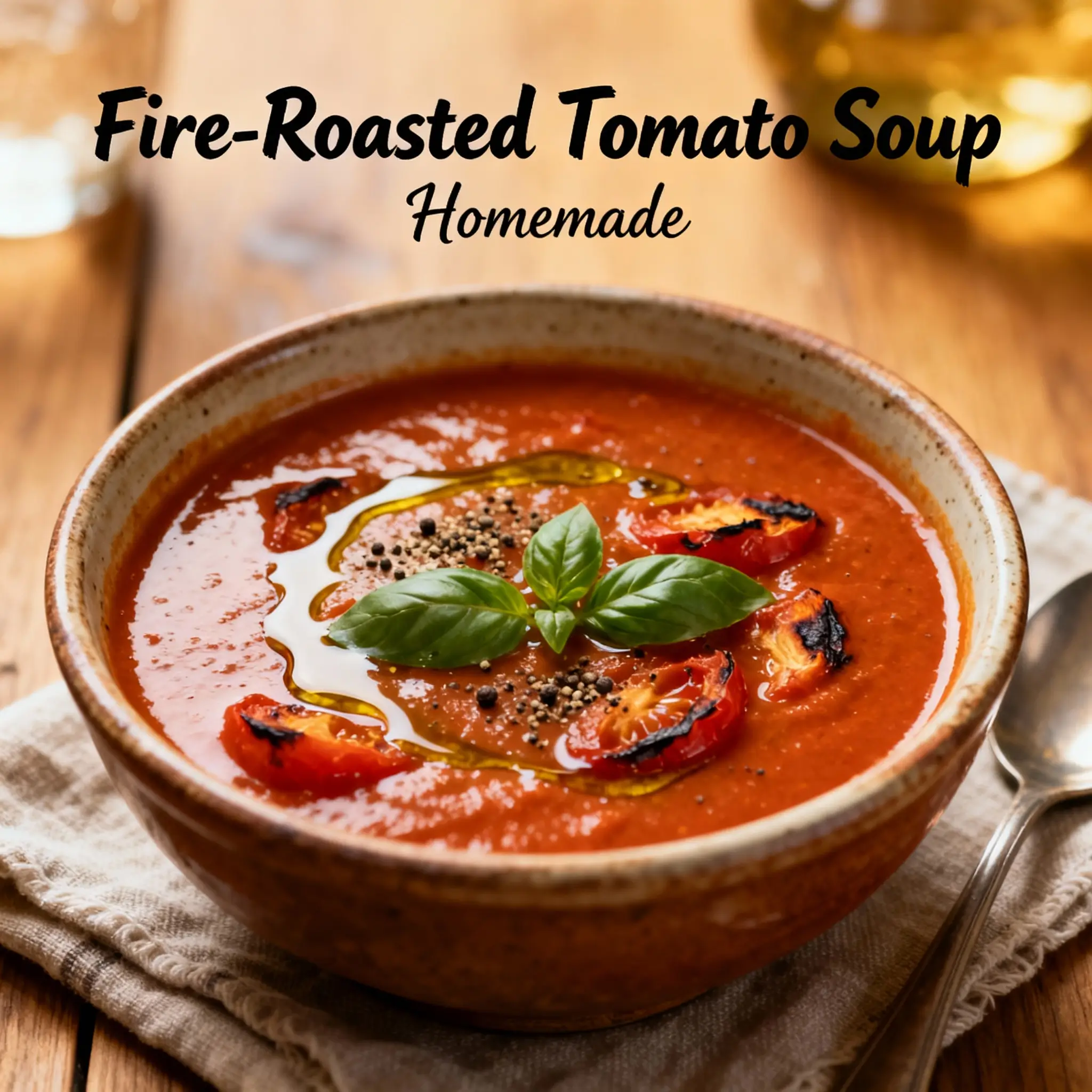
Fire-Roasted Tomato Soup: A Smoky, Comforting Classic
There’s something deeply satisfying about a warm bowl of fire-roasted tomato soup. Whether served with a grilled cheese sandwich on the side or enjoyed on its own, this rich and velvety soup brings comfort with every spoonful. The signature smokiness from fire-roasted tomatoes elevates it far beyond the standard canned version, giving it a depth of flavor that warms both body and soul. This guide dives into everything you need to know—from history to health benefits—to master the perfect pot of fire-roasted tomato soup.
The History of Tomato Soup
The story of tomato soup begins in South America, where tomatoes were first cultivated by the Aztecs and other Mesoamerican civilizations. When Spanish explorers brought tomatoes to Europe in the 16th century, they were initially met with suspicion due to their resemblance to poisonous nightshades. It wasn’t until the 18th and 19th centuries that tomatoes gained widespread acceptance in European and American cuisine.
The first known tomato soup recipe was published in 1808 by British cookbook author Maria Rundell, but it was Joseph Campbell’s condensed tomato soup, introduced in 1897, that made the dish a household staple in the United States. Over time, home cooks began experimenting with roasting tomatoes to enhance their flavor. Fire-roasting—originally done over open flames in traditional cooking methods—was adopted commercially and eventually became accessible to home kitchens through broilers and grills. Today, fire-roasted tomato soup stands as a gourmet evolution of the classic, combining heritage techniques with modern convenience.
Ingredients Breakdown: Why Each One Matters
What sets fire-roasted tomato soup apart is not just the method but also the thoughtful selection of ingredients that build layers of flavor:
- Fire-Roasted Tomatoes: These are typically Roma or plum tomatoes charred over an open flame, which caramelizes their natural sugars and imparts a deep, smoky essence. Canned fire-roasted tomatoes (like those from Muir Glen or San Marzano) are widely available and offer consistent quality year-round.
- Onion and Garlic: Sautéed until golden, they form the aromatic base, adding sweetness and pungency that balance the acidity of the tomatoes.
- Carrots: Often overlooked, carrots add natural sweetness and help thicken the soup while contributing beta-carotene for nutritional value.
- Celery: Part of the “holy trinity” in many cuisines, celery provides earthy notes and enhances the savory profile.
- Vegetable or Chicken Stock: Forms the liquid base. Homemade stock adds richness, but low-sodium store-bought versions work well too.
- Fresh Herbs: Thyme and bay leaves infuse subtle woodsy notes during simmering, while fresh basil added at the end brightens the entire dish.
- Heavy Cream or Coconut Milk: For creaminess and body. Dairy cream adds luxurious richness, while full-fat coconut milk makes a delicious dairy-free alternative.
- Olive Oil: Used for sautéing, high-quality extra virgin olive oil contributes fruity, peppery notes.
- Sugar (optional): A pinch helps neutralize any excessive tartness, especially if using very acidic tomatoes.
- Red Pepper Flakes: Add a gentle heat that complements the smokiness without overpowering it.
Step-by-Step Recipe for Fire-Roasted Tomato Soup
Follow these detailed steps to create a restaurant-quality fire-roasted tomato soup right in your kitchen.
Ingredients
- 2 tablespoons extra virgin olive oil
- 1 large yellow onion, finely diced
- 2 medium carrots, peeled and diced
- 2 celery stalks, diced
- 4 cloves garlic, minced
- 2 (28-ounce) cans fire-roasted diced tomatoes (with juices)
- 4 cups vegetable or chicken broth (low sodium preferred)
- 1 tablespoon tomato paste
- 1 teaspoon dried thyme (or 1 sprig fresh)
- 1 bay leaf
- ½ teaspoon red pepper flakes (adjust to taste)
- 1 teaspoon sugar (optional)
- Salt and freshly ground black pepper, to taste
- ½ cup heavy cream, half-and-half, or full-fat coconut milk
- ¼ cup fresh basil, chopped
- Grated Parmesan cheese, for serving (optional)
Directions
- Sauté the Aromatics: In a large, heavy-bottomed pot or Dutch oven, heat the olive oil over medium heat. Add the onion, carrots, and celery. Cook, stirring occasionally, until softened and lightly golden—about 8–10 minutes.
- Add Garlic and Tomato Paste: Stir in the minced garlic and cook for 1 minute until fragrant. Add the tomato paste and stir constantly for another minute to deepen its flavor and eliminate any raw taste.
- Incorporate Tomatoes and Liquids: Pour in the fire-roasted tomatoes with all their juices. Stir well to combine. Add the broth, thyme, bay leaf, red pepper flakes, and sugar (if using). Season with salt and pepper.
- Simmer for Depth: Bring the mixture to a boil, then reduce the heat to low. Cover and simmer gently for 30–40 minutes, allowing the flavors to meld and the vegetables to become very tender.
- Remove Bay Leaf and Blend: Remove the bay leaf (and thyme sprig, if using fresh). Use an immersion blender to puree the soup directly in the pot until smooth. Alternatively, carefully transfer the soup in batches to a countertop blender and blend until silky. Return to the pot if using a blender.
- Add Cream and Fresh Herbs: Stir in the heavy cream or coconut milk and heat through over low heat—do not boil after adding cream. Taste and adjust seasoning with additional salt, pepper, or a splash of balsamic vinegar for brightness.
- Finish with Basil: Stir in the fresh basil just before serving to preserve its vibrant color and aroma.
- Serve Warm: Ladle into bowls. Top with a drizzle of olive oil, cracked black pepper, fresh basil, and grated Parmesan cheese if desired.
Tips for the Perfect Fire-Roasted Tomato Soup
- Roast Your Own Tomatoes: For ultimate flavor, roast fresh tomatoes in the oven at 425°F (220°C) for 30–40 minutes with olive oil, garlic, and herbs until blistered and caramelized.
- Don’t Rush the Sauté: Taking time to slowly caramelize the onions and soften the vegetables builds a complex flavor base.
- Use an Immersion Blender: It’s safer and easier than transferring hot soup to a traditional blender. If using a regular blender, vent the lid and cover with a towel to prevent steam explosions.
- Balance Acidity: If the soup tastes too sharp, add a pinch of baking soda (¼ tsp at a time) to neutralize acid, or swirl in a bit more cream.
- Chill Before Reheating: Like many soups, this one tastes even better the next day after the flavors have matured.
- Garnish Creatively: Try croutons, pesto swirl, roasted chickpeas, or a dollop of sour cream for added texture and flair.
Variations and Customizations
This versatile soup can be adapted to suit various dietary needs and flavor preferences:
- Dairy-Free/Vegan: Substitute heavy cream with full-fat coconut milk or cashew cream. Use vegetable broth and skip the Parmesan garnish or use a vegan alternative.
- Spicy Version: Add a chipotle pepper in adobo sauce when blending for a smoky, spicy kick. You can also increase red pepper flakes or add cayenne.
- Roasted Red Pepper Addition: Blend in 1 cup of roasted red peppers for a sweeter, fruitier twist and vibrant color.
- Herb Variations: Swap basil for parsley, oregano, or marjoram. A touch of rosemary can add warmth, but use sparingly.
- Protein Boost: Stir in cooked lentils, white beans, or shredded rotisserie chicken to make it heartier.
- Smoky Umami Kick: Add a dash of smoked paprika or a teaspoon of miso paste for extra depth.
- Gluten-Free Friendly: Naturally gluten-free, just ensure your broth and canned tomatoes are certified GF if needed.
Health Considerations and Nutritional Value
Fire-roasted tomato soup isn’t just comforting—it can be part of a healthy diet when prepared mindfully.
Nutrient Highlights:
- Lycopene: Found abundantly in tomatoes, especially when cooked, lycopene is a powerful antioxidant linked to reduced risk of heart disease and certain cancers. The roasting process increases its bioavailability.
- Vitamins A and C: Carrots and tomatoes provide high levels of these essential vitamins, supporting immune function and skin health.
- Fiber: From vegetables and optional legumes, fiber aids digestion and promotes satiety.
- Low in Calories (when modified): Using low-fat dairy or plant-based milk and reducing cream content keeps the soup light while maintaining flavor.
Considerations:
- Watch sodium levels, especially in canned tomatoes and broth. Opt for no-salt-added versions and season to taste.
- While cream adds richness, it increases saturated fat. For a lighter version, use evaporated skim milk or Greek yogurt stirred in at the end.
- For diabetics, monitor added sugar; rely on natural sweetness from carrots instead.
Approximate Nutritional Value (per 1.5-cup serving, with cream):
- Calories: 180–220
- Fat: 10–14g (Saturated: 4–6g)
- Carbohydrates: 20–25g (Fiber: 4g, Sugar: 12g)
- Protein: 4–6g
- Sodium: 600–800mg (varies by broth and tomatoes)
Frequently Asked Questions (FAQ)
Can I freeze fire-roasted tomato soup?
Yes! Cool completely and store in airtight containers or freezer bags for up to 3 months. Thaw overnight in the fridge and reheat gently on the stove. Avoid freezing if you’ve already added cream, as it may separate—add cream after reheating instead.
Why is my soup too acidic?
Tomatoes naturally contain citric and malic acids. To reduce acidity, add a small pinch of baking soda (start with ⅛ tsp), a bit more cream, or a teaspoon of honey or maple syrup. Roasting the tomatoes also reduces acidity over time.
Can I make this in a slow cooker?
Absolutely. Sauté the vegetables first, then transfer to a slow cooker with remaining ingredients (except cream and basil). Cook on low for 6–8 hours or high for 3–4 hours. Blend and stir in cream before serving.
What’s the best way to reheat the soup?
Reheat gently on the stovetop over medium-low heat, stirring frequently. Do not boil, especially if cream has been added, to prevent curdling.
Are fire-roasted tomatoes necessary?
While you can make tomato soup without them, fire-roasted tomatoes give this version its signature smoky character. If unavailable, roast regular canned tomatoes under the broiler for 10–15 minutes to mimic the effect.
Can I use fresh tomatoes instead of canned?
Yes, but you’ll need about 3 pounds of ripe Roma or plum tomatoes. Roast them at 400°F (200°C) for 30–40 minutes with olive oil, garlic, and herbs until blistered and soft. Then proceed with the recipe.
Summary
Fire-roasted tomato soup combines the natural sweetness of tomatoes with a deep, smoky flavor from charred roasting, creating a rich and satisfying dish perfect for any season. Packed with antioxidants, easy to customize, and endlessly delicious, it’s a timeless recipe that deserves a place in every home cook’s repertoire.