
Introduction
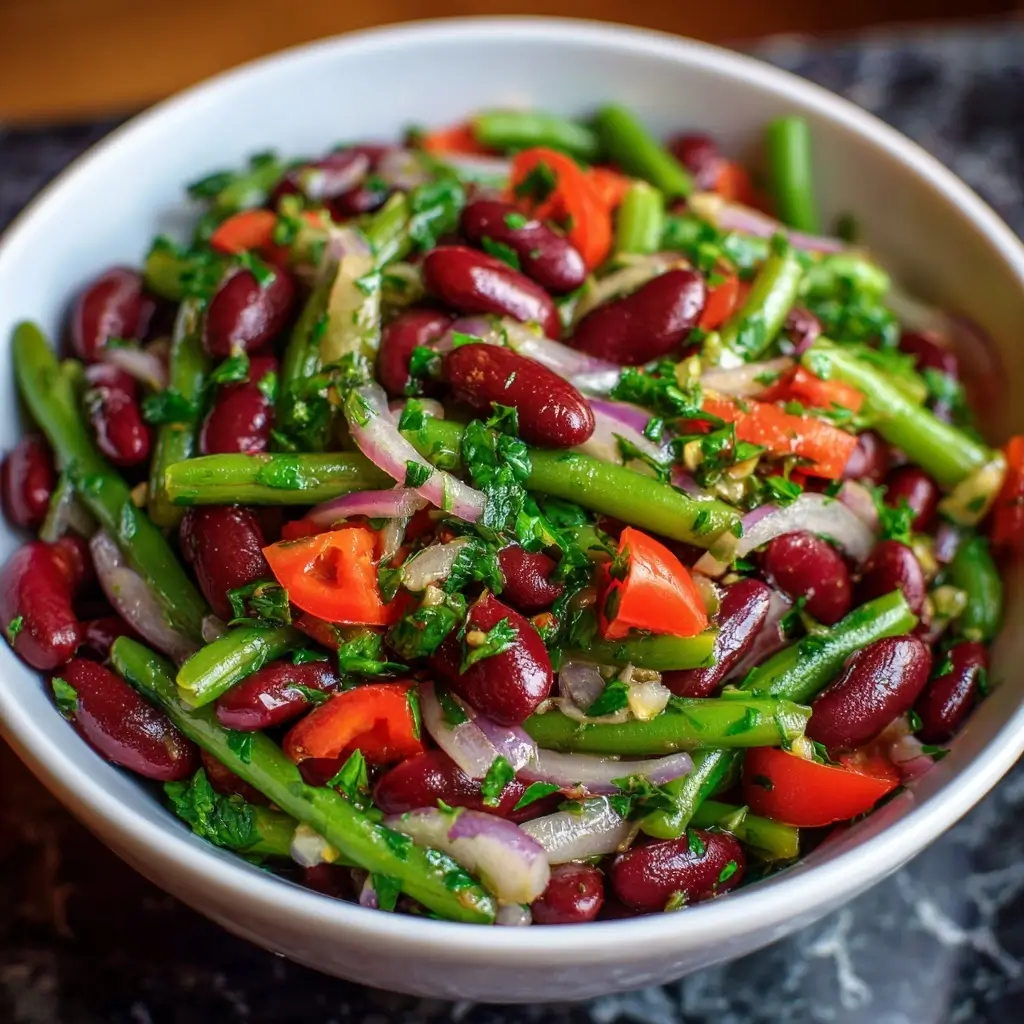
Dense Bean Salad is a hearty, nutrient-dense, plant-powered dish that transcends the realm of typical side salads—it’s a complete, satisfying meal in a bowl. Unlike lighter green or grain-based salads, this version leans into legume abundance, delivering exceptional fiber, protein, complex carbohydrates, and essential micronutrients without relying on heavy dressings or processed add-ins. Its “density” refers not only to its substantial mouthfeel and compact texture but also to its unparalleled nutritional payload per bite. Whether served chilled after marinating overnight, warmed gently for a cozy lunch, or packed into mason jars for meal prep success, Dense Bean Salad is engineered for satiety, longevity, and culinary versatility. It’s a favorite among athletes seeking sustained energy, busy professionals needing grab-and-go nourishment, plant-based eaters prioritizing whole-food protein, and anyone looking to crowd out refined carbs with fiber-rich, slow-digesting legumes.
The History
While no single origin story defines the “Dense Bean Salad” as a formal culinary tradition, its roots run deep across multiple food cultures that have long revered beans as foundational staples. Ancient civilizations—from the Andean highlands (where kidney beans and lima beans were domesticated over 8,000 years ago) to Mesopotamian river valleys (cultivating fava beans by 6,000 BCE) and the Indus Valley (chickpea cultivation dating to 3,000 BCE)—relied on dried pulses for caloric resilience, storage stability, and soil fertility via nitrogen fixation. In Mediterranean cuisine, bean-based salads like Greek fasolakia (stewed green beans with tomatoes and herbs) and Turkish barbunya pilaki (cranberry beans in olive oil-tomato sauce) laid groundwork for cold, dressed legume preparations. Latin American traditions contributed ensalada de frijoles, often featuring black or pinto beans with lime, cilantro, and red onion—emphasizing brightness against earthy legumes. The modern “Dense Bean Salad” emerged organically in the late 20th and early 21st centuries amid growing interest in functional foods, anti-inflammatory diets, and sustainable eating. Nutritionists, macrobiotic chefs, and whole-foods advocates began intentionally layering 3–5 varieties of cooked beans—often including both canned convenience and home-soaked/cooked heirloom types—to maximize amino acid complementarity, resistant starch content, and phytonutrient diversity. Its rise parallels the popularity of “power bowls” and “protein-packed salads,” yet it remains distinct in its deliberate emphasis on legume density over greens, grains, or animal proteins—making it a quiet revolution in plant-forward gastronomy.
Ingredients Breakdown
Every element in Dense Bean Salad serves a functional, flavor, and textural purpose—nothing is filler. Below is a comprehensive breakdown of each category:
- Base Beans (The Density Core): A minimum of three complementary legumes forms the structural foundation. Ideal combinations balance color, size, starch content, and digestibility—for example: black beans (rich in anthocyanins and fiber), cannellini beans (creamy, mild, high in folate and iron), and French lentils (Puy lentils) (hold shape well, peppery finish, excellent source of non-heme iron and manganese). Optional additions include chickpeas (for nuttiness and chew), navy beans (delicate and starchy), or even lupini beans (for uniquely high alkaloid-protected protein and prebiotic oligosaccharides).
- Aromatics & Alliums: Finely diced red onion provides sharpness and quercetin; shallots offer subtler sweetness; scallions contribute fresh top-note aroma. Garlic—either raw minced for pungency or roasted for mellow depth—enhances umami and supports immune-modulating allicin compounds.
- Acid Component: A dual-acid approach maximizes brightness and shelf stability: unfiltered apple cider vinegar contributes acetic acid and probiotic potential, while freshly squeezed lemon or lime juice adds citric acid, vitamin C (which boosts non-heme iron absorption from beans), and volatile citrus oils for aromatic lift.
- Fat Medium: Extra-virgin olive oil is preferred—not just for monounsaturated fats and polyphenols (like oleocanthal, a natural anti-inflammatory), but for its ability to emulsify and carry fat-soluble phytonutrients (e.g., carotenoids from vegetables). Toasted sesame oil or avocado oil may be used in small amounts for variation, but EVOO remains the gold standard for balance and health synergy.
- Herbs & Fresh Greens: Flat-leaf parsley anchors the herb profile with chlorophyll and apiol; cilantro adds linalool and a polarizing freshness; mint contributes cooling menthol and rosmarinic acid. Baby spinach or arugula may be folded in last-minute for added micronutrient density (vitamin K, nitrates) without wilting.
- Crunch & Texture Contrast: Diced cucumber (seeds removed to prevent sogginess), julienned radish, toasted sunflower or pumpkin seeds, and/or chopped celery provide enzymatic crispness and mechanical resistance—slowing gastric emptying and enhancing satisfaction.
- Umami & Depth Enhancers (Optional but Recommended): A splash of tamari or coconut aminos adds savory depth without gluten; rinsed capers or chopped green olives lend briny complexity; nutritional yeast contributes B12-fortified cheesiness and glutamic acid; a pinch of smoked paprika or ground cumin ties earthy notes together.
- Salt & Mineral Balance: Fine sea salt is used initially to season beans during cooking (if preparing from dry); flaky Maldon or Himalayan pink salt is added at the end for surface crystallization and mineral trace diversity (including magnesium, potassium, and trace iodine).
Step-by-Step Recipe
- Prep the Beans (1–2 days ahead for best results): If using dried beans, sort and rinse thoroughly. Soak overnight in triple volume cold water with 1 tsp baking soda (to reduce raffinose-family oligosaccharides responsible for gas). Drain, rinse again, then cook in fresh water with a bay leaf and strip of kombu (for additional digestibility enzymes and mineral infusion) until tender but not mushy—typically 45–90 minutes depending on variety. Cool completely before combining. If using canned, choose low-sodium or no-salt-added versions; rinse *extremely* well under cold running water for 60 seconds per can to remove excess sodium, preservatives, and the starchy liquid that inhibits dressing adhesion.
- Build the Flavor Base: In a large non-reactive mixing bowl (glass or stainless steel), whisk together ⅓ cup extra-virgin olive oil, 3 tbsp apple cider vinegar, 2 tbsp fresh lemon juice, 1½ tsp fine sea salt, 1 tsp freshly cracked black pepper, 2 minced garlic cloves, and 1 tsp Dijon mustard (acts as emulsifier and adds tangy complexity). Let sit 5 minutes to allow garlic’s compounds to infuse.
- Combine Aromatics & Vegetables: In a separate bowl, gently toss 1 finely diced medium red onion, ½ cup finely diced English cucumber (peeled and seeded), ¼ cup matchstick-cut daikon radish, 3 tbsp chopped fresh flat-leaf parsley, 2 tbsp chopped fresh cilantro, and 1 tbsp chopped fresh mint. This ensures even distribution and prevents herbs from bruising prematurely.
- Layer the Legumes: Add cooled, drained beans in this order: 1½ cups cooked French lentils (cooled), 1 cup cooked cannellini beans, 1 cup black beans, and ¾ cup cooked chickpeas. Gently fold using a silicone spatula—never a metal spoon—to avoid crushing delicate lentils.
- Emulsify & Marinate: Pour the dressing mixture over the bean mixture. Using a gentle folding motion, incorporate fully—about 90 seconds. Fold in the aromatic vegetable-herb blend. Cover tightly with beeswax wrap or lid and refrigerate *minimum 4 hours*, preferably overnight (12–16 hours). This marination allows flavors to penetrate cell walls, softens residual phytic acid, and improves digestibility via natural enzymatic activity.
- Final Adjustments & Serving: Remove from fridge 20 minutes before serving. Taste and adjust: more lemon for brightness, more salt for savoriness, more olive oil for richness, or a pinch of crushed red pepper flakes for heat. Fold in ⅓ cup toasted pepitas and 2 cups lightly packed baby spinach or arugula *just before serving* to preserve texture and nutrient integrity. Garnish with lemon zest, flaky salt, and extra herbs.
Tips
- Bean Cooking Precision: Never salt beans during soaking—but always add salt *during the last 10–15 minutes of cooking*. Early salting toughens skins by interacting with pectin; late salting seasons without compromising texture.
- Rinsing Ritual: Rinse canned beans under *cold* water—not warm—for full 60 seconds. Warm water can partially cook starches on the surface, increasing gumminess. Use a fine-mesh strainer and agitate beans with fingers.
- Chill Time Is Non-Negotiable: Under-4-hour marination yields disjointed flavor and unbalanced acidity. Overnight chilling transforms the salad: acids soften bean skins slightly, olive oil coats each legume evenly, and herbs release essential oils gradually—creating harmony, not competition.
- Texture Preservation Hack: To keep cucumbers and radishes crisp for meal-prepped portions (up to 5 days), store them separately in a small container with a paper towel, then stir in just before eating.
- Dressing Emulsion Stability: If your dressing separates after chilling, don’t panic. Whisk vigorously with ½ tsp Dijon or 1 tsp tahini to re-emulsify—no need to discard or remake.
- Batch Scaling Gracefully: This recipe scales beautifully up to quadruple batch—but increase marination time proportionally (e.g., 2x batch = 18–24 hrs chill). Stir gently once at midpoint to ensure even saturation.
- Freezing Feasibility: While not ideal due to water crystal formation in legumes, you *can* freeze Dense Bean Salad base (beans + dressing only, *without* fresh herbs, greens, or crunchy veggies) for up to 3 months. Thaw overnight in fridge, then refresh with all fresh components before serving.
- Acidity Calibration: Always taste *after chilling*. Cold dulls perception of acidity—what tastes balanced at room temp may taste flat when chilled. Err on the side of slightly brighter pre-chill.
Variations and Customizations
Dense Bean Salad is inherently modular—designed to reflect seasonal availability, regional pantry staples, dietary needs, and personal cravings. Here are thoughtfully curated variations, each preserving the core density principle while offering distinct identity:
- Mediterranean-Inspired: Substitute cannellini with gigante beans; add ⅓ cup chopped kalamata olives, 2 tbsp crumbled sheep’s milk feta (optional for vegetarians), 1 tsp dried oregano, and ¼ cup quartered cherry tomatoes (added last-minute). Replace lemon juice with red wine vinegar.
- Southwest Smoked: Use black beans, pinto beans, and hominy (calcium-rich, nixtamalized corn kernels); add 1 tsp chipotle purée, ½ tsp smoked paprika, ¼ cup charred corn (fresh or frozen, pan-seared), and 2 tbsp pickled red onions. Top with crushed tortilla chips and avocado slices.
- East Asian Fusion: Swap in adzuki beans, black soybeans, and mung beans; use tamari instead of salt, rice vinegar instead of ACV, and grated fresh ginger + toasted sesame oil in dressing. Add shredded nori, blanched snow peas, and pickled shiitakes.
- Protein-Boosted Athletic Version: Add ½ cup cooked quinoa or farro (pre-cooled), ¼ cup hemp hearts, and 2 tbsp crumbled tempeh bacon. Increase lentils to 2 cups and add 1 scoop unflavored pea protein isolate (blended into dressing).
- Low-FODMAP Adaptation: Replace black beans and lentils with small portions of canned lentils (rinsed thoroughly) and firm tofu cubes; use canned chickpeas (limit to ¼ cup) and swap onion for 2 tbsp green onion tops (green part only); substitute garlic-infused oil instead of raw garlic; omit apple cider vinegar for lemon only.
- Kid-Friendly Mild: Omit raw garlic and red onion; use butter beans and garbanzo beans only; add ¼ cup finely grated carrot and 2 tbsp raisins or chopped dried apples; sweeten dressing with 1 tsp pure maple syrup and use lime instead of lemon for softer acidity.
- Winter Root Variation: Incorporate 1 cup roasted, cooled diced beetroot and ½ cup roasted golden potatoes; add 1 tbsp orange zest and 1 tsp whole-grain mustard; garnish with crumbled goat cheese and toasted walnuts.
- Vegan “Tuna” Style: Replace half the beans with mashed, well-drained firm tofu; add 1 tbsp nori flakes, 1 tsp capers, 1 tsp yellow mustard, and ½ tsp turmeric for color and anti-inflammatory synergy.
Health Considerations and Nutritional Value
A single 1-cup (185g) serving of standard Dense Bean Salad delivers an extraordinary convergence of macro- and micronutrients backed by clinical nutrition research:
- Macronutrient Profile: ~220–260 kcal, 12–15g plant-based protein (containing all 9 essential amino acids when combined intelligently), 38–45g complex carbohydrates (of which 14–18g is dietary fiber—70–90% of daily target), and 8–11g heart-healthy monounsaturated fats. The high fiber-to-carb ratio ensures minimal glycemic impact (estimated GI ≈ 25–30), making it exceptionally suitable for insulin resistance, prediabetes, and metabolic syndrome management.
- Fiber Diversity: Contains soluble fiber (beta-glucans from lentils, pectin from apples in ACV), insoluble fiber (cellulose from bean skins, cucumber), and resistant starch (retrograded amylose formed during cooling)—each feeding distinct beneficial gut microbes (Bifidobacterium, Lactobacillus, Ruminococcus bromii) and producing short-chain fatty acids (butyrate, propionate) linked to reduced colon cancer risk, improved barrier integrity, and appetite regulation.
- Phytonutrient Powerhouse: Anthocyanins (black beans), flavonols (onions, parsley), limonene (citrus), oleuropein (EVOO), apigenin (parsley), and luteolin (celery) act synergistically as antioxidants, anti-inflammatories, and epigenetic modulators—supporting cellular repair and reducing oxidative stress biomarkers like 8-OHdG.
- Mineral Bioavailability: Vitamin C from lemon/lime enhances non-heme iron absorption from beans by up to 300%; pairing with EVOO further increases uptake of fat-soluble co-factors needed for iron metabolism (vitamin A, vitamin E). Magnesium from beans and seeds supports calcium channel regulation and muscle relaxation.
- Digestive Notes: Proper soaking, thorough rinsing, slow cooking, and overnight marination significantly reduce oligosaccharides (raffinose, stachyose) and phytates—two primary contributors to bloating. Adding kombu during cooking introduces naturally occurring alpha-galactosidase enzyme, further breaking down gas-causing sugars.
- Allergen & Sensitivity Considerations: Naturally gluten-free, soy-free (unless tamari added), dairy-free, and nut-free (unless seeds/nuts added). Low in histamine when prepared with fresh ingredients and consumed within 5 days. Not suitable for strict low-FODMAP diets unless adapted (see Variations section).
- Pregnancy & Lactation Support: Exceptionally rich in folate (critical for neural tube development), iron (to support expanded blood volume), fiber (to counter constipation), and plant protein (for tissue synthesis)—making it a cornerstone food during gestation and postpartum recovery.
- Longevity Alignment: Mirrors key components of Blue Zone diets (e.g., Ikaria, Sardinia, Okinawa): legume-centric, minimally processed, herb-forward, olive oil–based, and vinegar-acidified—all associated with extended healthspan and reduced all-cause mortality in longitudinal studies.
Ingredients
- 1½ cups cooked French green lentils (Puy lentils), cooled
- 1 cup cooked cannellini beans, rinsed and drained
- 1 cup cooked black beans, rinsed and drained
- ¾ cup cooked chickpeas, rinsed and drained
- 1 medium red onion, finely diced (about 1 cup)
- ½ English cucumber, peeled, seeded, and finely diced (about ¾ cup)
- ¼ cup daikon radish, julienned or matchstick-cut (about ½ cup loosely packed)
- ⅓ cup raw pepitas (shelled pumpkin seeds), toasted
- ⅓ cup fresh flat-leaf parsley, finely chopped
- 2 tbsp fresh cilantro, finely chopped
- 1 tbsp fresh mint, finely chopped
- 2 cups baby spinach or arugula, lightly packed (added just before serving)
- ⅓ cup extra-virgin olive oil
- 3 tbsp raw, unfiltered apple cider vinegar
- 2 tbsp fresh lemon juice (preferably from 1 organic lemon)
- 2 garlic cloves, finely minced
- 1 tsp Dijon mustard
- 1½ tsp fine sea salt (adjust to taste)
- 1 tsp freshly ground black pepper
- Flaky sea salt (such as Maldon), for finishing
- Lemon zest, for garnish
Directions
- In a large glass or stainless-steel mixing bowl, whisk together olive oil, apple cider vinegar, lemon juice, minced garlic, Dijon mustard, fine sea salt, and black pepper. Set aside for 5 minutes to allow flavors to meld and garlic to infuse.
- In a separate medium bowl, combine diced red onion, cucumber, daikon radish, parsley, cilantro, and mint. Toss gently to mix aromatics evenly.
- Add cooled, drained lentils, cannellini beans, black beans, and chickpeas to the large bowl with dressing. Using a flexible silicone spatula, gently fold for approximately 90 seconds until all beans are lightly coated.
- Carefully fold in the onion-vegetable-herb mixture. Cover bowl tightly with lid or beeswax wrap.
- Refrigerate for a minimum of 4 hours—but ideally 12 to 16 hours—to allow full flavor integration, texture harmonization, and enzymatic enhancement of digestibility.
- Remove from refrigerator 20 minutes before serving. Give a final gentle fold. Taste and adjust seasoning if needed—more lemon for brightness, more salt for depth, or more olive oil for silkiness.
- Just before serving, fold in toasted pepitas and baby spinach or arugula. Portion into bowls or jars.
- Garnish generously with lemon zest, a pinch of flaky sea salt, and an extra sprinkle of fresh herbs.
- Serve chilled or at cool room temperature. Keeps refrigerated for up to 5 days (store undressed greens separately if prepping ahead).
FAQ
- Can I make Dense Bean Salad oil-free?
- Yes—with trade-offs. Replace olive oil with ¼ cup unsweetened plant-based yogurt or aquafaba (chickpea brine) blended with 1 tbsp tahini and 1 tsp miso for creaminess and emulsification. Note: Fat aids absorption of fat-soluble nutrients; oil-free versions still deliver fiber and protein but lose some phytonutrient bioavailability.
- Why do you recommend French lentils instead of brown or green lentils?
- French (Puy) lentils retain their shape and firm, peppery bite after cooking and chilling—critical for textural density. Brown lentils become too soft and mushy; standard green lentils often split. Their dense seed coat also holds up better to acidic dressings without leaching starch.
- Can I use dry beans exclusively—and skip canned entirely?
- Absolutely—and highly encouraged for maximal control and nutrition. Dry beans offer superior mineral content (less sodium leaching), greater resistant starch potential post-cooling, and zero BPA exposure. Just remember the soak-and-rinse protocol with baking soda and kombu for optimal digestibility.
- How do I prevent the salad from getting watery in the jar?
- Three keys: (1) Remove cucumber seeds thoroughly; (2) Drain *all* beans for full 2 minutes in a fine strainer, then pat gently with clean cloth; (3) Layer dressing on bottom, beans in middle, and fresh herbs/greens on top—shake gently before eating to distribute.
- Is this salad suitable for diabetics?
- Yes—especially when portioned mindfully (¾–1 cup per serving). Its high fiber, low glycemic load, and vinegar content improve insulin sensitivity and blunt postprandial glucose spikes. Clinical trials show vinegar ingestion before meals reduces glucose response by 20–35%.
- Can kids eat this? What age is appropriate?
- From age 2+, assuming no choking hazards (finely dice all components). For toddlers, omit raw garlic/onion or replace with roasted versions; add mild herbs only (parsley/mint); and consider blending a small portion into a smooth bean dip with avocado for picky eaters.
- What’s the best way to reheat Dense Bean Salad?
- Gently warm in a covered skillet over low heat for 4–5 minutes, stirring occasionally and adding 1–2 tsp water or veg broth to loosen. Do not microwave uncovered—it dries out lentils and makes beans rubbery. Best enjoyed cold or cool, but warming is perfectly safe and delicious.
- Can I add cheese or eggs for non-vegan versions?
- Yes—grated aged cheddar, crumbled feta, or sliced hard-boiled eggs pair beautifully. Add eggs just before serving to avoid sulfur odor. Cheese should be folded in last to preserve creaminess and prevent clumping.
- How do I boost protein without adding meat or dairy?
- Add 3 tbsp hemp hearts + 2 tbsp nutritional yeast + ¼ cup cooked quinoa. Or stir in ½ cup crumbled, baked tofu (marinated in tamari and maple) during final fold. These increase complete protein without altering core texture.
- Why does my Dense Bean Salad taste bitter sometimes?
- Bitterness usually stems from overcooked lentils (burnt notes), oxidized olive oil (check harvest date—EVOO lasts ~12–18 months unopened), or excessive raw garlic. Solution: Use fresher oil, reduce garlic to 1 clove, or roast garlic first. Also, ensure lemon juice is freshly squeezed—not bottled.
Summary
Dense Bean Salad is a meticulously engineered, culturally rooted, nutritionally profound plant-based dish built on layered legumes, vibrant aromatics, smart acid-fat balance, and intentional marination—designed for maximum satiety, gut health, and metabolic support.
It’s not just a salad—it’s a resilient, scalable, adaptable, and deeply nourishing cornerstone food that honors ancestral wisdom while meeting the highest standards of modern nutritional science and culinary creativity.