
Introduction
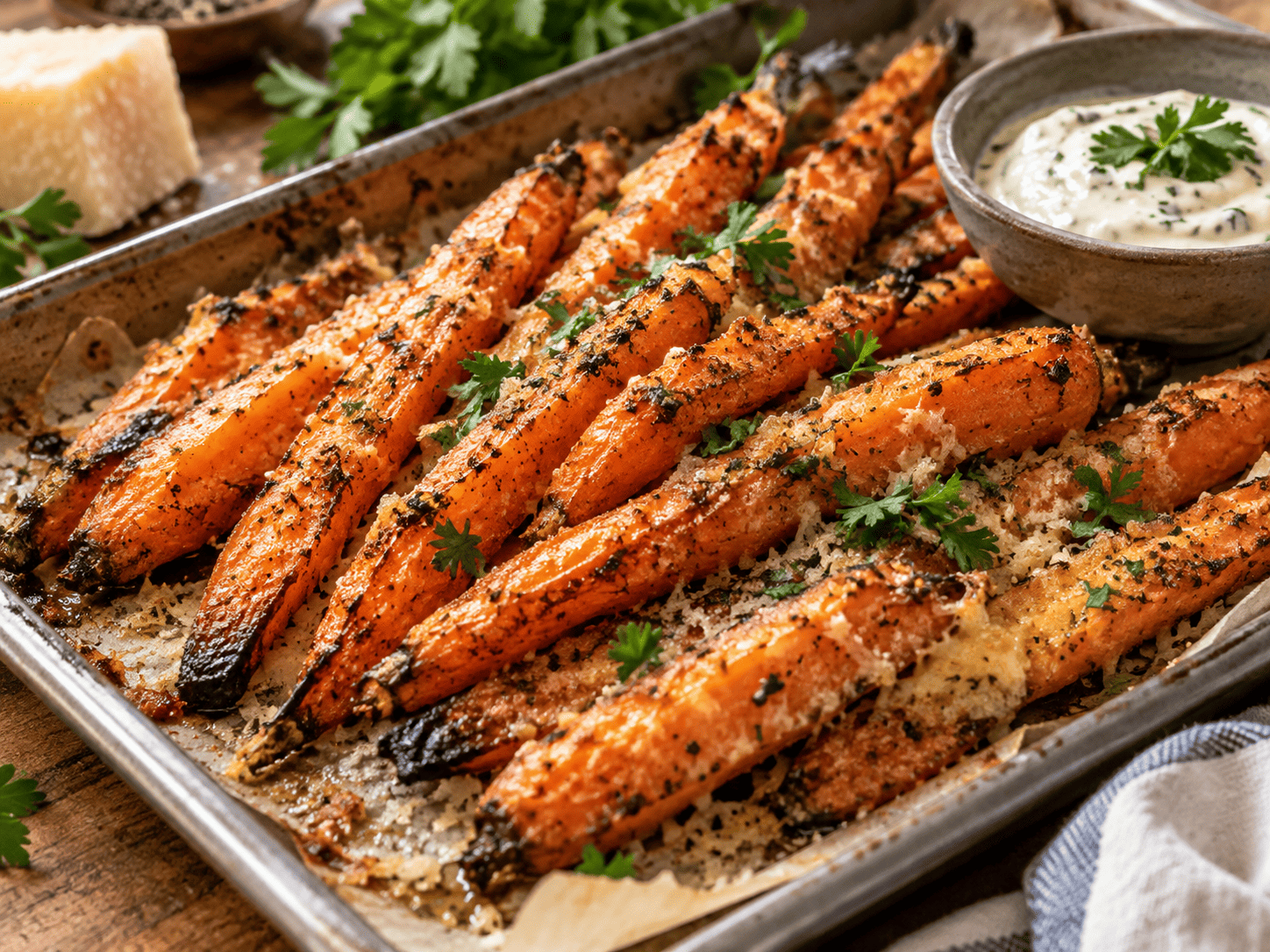
There is a particular magic that happens in the kitchen when raw, earthy vegetables meet the intense heat of a roaring oven. Among the pantheon of side dishes that grace dinner tables across the globe, Delicious Maple Dijon Roasted Vegetables stand out as a testament to the perfect balance of sweet and savory. This dish is not merely a method of cooking; it is a culinary experience that transforms humble root vegetables and cruciferous greens into caramelized, tender morsels glazed with a sophisticated sauce. The combination of pure maple syrup and tangy Dijon mustard creates a flavor profile that is both comforting and exciting, appealing to palates young and old.
Whether you are hosting a holiday feast, preparing a wholesome weeknight dinner, or looking for a vibrant addition to your meal prep routine, this recipe delivers consistency and flavor in every bite. The natural sugars in the vegetables mingle with the maple syrup to create a sticky, golden glaze, while the Dijon mustard cuts through the richness with a sharp, acidic kick that prevents the dish from becoming overly sweet. It is a versatile centerpiece that pairs effortlessly with roasted meats, grilled fish, or hearty grains, making it an essential addition to any home cook’s repertoire.
The History
The art of roasting vegetables is as old as cooking itself, dating back to when humanity first learned to harness fire. Ancient cultures roasted root vegetables in hot embers to soften their tough textures and unlock their natural sugars. However, the specific fusion of flavors found in Maple Dijon Roasted Vegetables is a more modern invention, born out of the contemporary culinary movement that seeks to elevate simple ingredients through gourmet pairings. Maple syrup, a staple of Indigenous North American cuisine, has been harvested for centuries, traditionally used as a sweetener and medicine before becoming a global culinary treasure.
Dijon mustard, hailing from the Dijon region of France, gained prominence in the 19th century for its smooth texture and complex flavor derived from brown mustard seeds and white wine. The marriage of these two distinct ingredients—North American maple and French mustard—represents the globalization of cuisine, where regional specialties blend to create new classics. In recent decades, as health-conscious eating has risen in popularity, roasted vegetables have moved from a humble side dish to a star attraction. The Maple Dijon glaze emerged in modern cookbooks and food blogs as a way to make healthy eating feel indulgent, bridging the gap between nutrition and satisfaction without relying on heavy creams or excessive salts.
Ingredients Breakdown
To truly master this dish, one must understand the role each component plays in the final flavor profile. It is not enough to simply throw items into a pan; understanding the chemistry and flavor contribution of each ingredient ensures a superior result.
The Vegetables
The foundation of this dish lies in the selection of vegetables. Root vegetables like carrots, parsnips, and sweet potatoes are ideal because their high starch content converts to sugar during roasting, enhancing the maple glaze. Cruciferous vegetables such as Brussels sprouts, broccoli, and cauliflower offer a slight bitterness that contrasts beautifully with the sweet sauce. Firm vegetables hold their shape better under high heat, ensuring they do not turn to mush before caramelization occurs.
The Maple Syrup
Not all syrups are created equal. For this recipe, pure maple syrup is essential. Artificial pancake syrups are primarily composed of high fructose corn syrup and artificial flavorings, which will burn quickly and lack the nuanced woody notes of real maple. Grade A Dark Robust Taste or Grade B syrup offers a deeper flavor that stands up well to roasting temperatures, providing a rich amber color and a complex sweetness that refined sugar cannot mimic.
The Dijon Mustard
Dijon mustard provides the necessary acid to balance the sweetness of the maple. It contains vinegar and mustard seeds, which help emulsify the oil and syrup into a cohesive glaze. The sharpness of the mustard penetrates the vegetables, ensuring that every bite has a hint of tang. Yellow mustard is too mild and vinegary, while whole grain mustard may provide too much texture; smooth Dijon is the perfect middle ground for a silky coating.
The Oil and Seasonings
A high-smoke-point oil such as olive oil or avocado oil is crucial for roasting at high temperatures without burning. The oil conducts heat evenly and helps the glaze adhere to the vegetables. Fresh garlic adds an aromatic pungency, while salt and black pepper enhance the natural flavors. Fresh herbs like thyme or rosemary added at the end provide a fragrant finish that lifts the entire dish.
Step-by-Step Recipe
Creating the perfect Maple Dijon Roasted Vegetables requires attention to detail and timing. Follow this comprehensive guide to ensure your vegetables are tender inside and caramelized outside.
Phase 1: Preparation
Begin by preheating your oven to a high temperature, typically around 400°F to 425°F (200°C to 220°C). High heat is necessary for caramelization. While the oven heats, wash and dry your vegetables thoroughly. Moisture is the enemy of roasting; wet vegetables will steam instead of roast, preventing the glaze from sticking. Cut the vegetables into uniform sizes to ensure even cooking. If some pieces are larger than others, the smaller ones will burn before the larger ones are tender.
Phase 2: Creating the Glaze
In a small mixing bowl, whisk together the maple syrup, Dijon mustard, minced garlic, salt, and black pepper. Slowly drizzle in the oil while whisking to create an emulsion. This ensures the sauce coats the vegetables evenly rather than sliding off to the bottom of the pan. Taste the mixture; it should be a balance of sweet, tangy, and savory. Adjust the ratio of mustard to maple if you prefer more zing or more sweetness.
Phase 3: Tossing and Arranging
Place the cut vegetables in a large bowl and pour the glaze over them. Use tongs or your hands to toss the vegetables until every surface is lightly coated. Transfer the vegetables to a large baking sheet lined with parchment paper or a silicone mat. It is vital to spread the vegetables out in a single layer with space between them. Overcrowding the pan will cause the vegetables to steam, resulting in a soggy texture rather than a crispy, roasted finish.
Phase 4: Roasting and Finishing
Place the baking sheet in the center rack of the preheated oven. Roast for 25 to 35 minutes, depending on the density of the vegetables. Halfway through the cooking time, remove the pan and toss the vegetables to ensure even browning on all sides. Keep a close eye on them during the last few minutes, as the sugar in the maple syrup can burn quickly. Once tender and caramelized, remove from the oven and garnish with fresh herbs before serving immediately.
Tips
To elevate your Maple Dijon Roasted Vegetables from good to exceptional, consider these professional tips and tricks gathered from experienced chefs and home cooks alike.
- Avoid Overcrowding: This is the most common mistake. If your baking sheet is too full, use two sheets. The air needs to circulate around each vegetable piece to allow moisture to evaporate and caramelization to occur.
- Preheat the Pan: For extra crispiness, place your empty baking sheet in the oven while it preheats. Adding the vegetables to a hot pan jumpstarts the searing process.
- Cut Uniformly: Spend time cutting your vegetables into similar sizes. A mix of large chunks and small pieces will result in uneven cooking where some parts are burnt and others are raw.
- Pat Dry: After washing your vegetables, use a clean kitchen towel to pat them completely dry. Surface water inhibits browning.
- Watch the Sugar: Maple syrup burns faster than oil. If you notice the glaze darkening too quickly, lower the oven temperature slightly and extend the cooking time.
- Acid at the End: A squeeze of fresh lemon juice right before serving can brighten the flavors and cut through the richness of the oil and syrup.
- Rest Before Serving: Let the vegetables rest for five minutes after coming out of the oven. This allows the juices to redistribute and the glaze to set slightly.
Variations and Customizations
One of the greatest strengths of this recipe is its adaptability. You can modify the ingredients to suit seasonal availability, dietary restrictions, or personal taste preferences without compromising the integrity of the dish.
Seasonal Swaps
In the spring, try asparagus and radishes for a lighter touch. During the summer, zucchini and bell peppers work well, though they require less cooking time. Autumn is perfect for butternut squash, pumpkins, and hearty root vegetables. Winter calls for kale, parsnips, and turnips that can withstand longer roasting times.
Protein Additions
To turn this side dish into a main course, consider adding protein. Chickpeas or cannellini beans can be tossed in with the vegetables for a vegan protein boost. For meat eaters, diced ham, bacon bits, or sliced sausages can be roasted alongside the vegetables to add smokiness and saltiness that complements the maple glaze.
Spice and Heat
If you enjoy a bit of heat, add a pinch of red pepper flakes or a dash of cayenne pepper to the glaze. Smoked paprika is another excellent addition that adds depth and a subtle smoky flavor that pairs wonderfully with the sweetness of the maple.
Nutty Crunch
For added texture, sprinkle toasted pecans, walnuts, or almonds over the vegetables during the last five minutes of roasting. The nuts will toast in the oven and provide a satisfying crunch that contrasts with the tender vegetables.
Health Considerations and Nutritional Value
Delicious Maple Dijon Roasted Vegetables are not only a treat for the taste buds but also a powerhouse of nutrition. Understanding the health benefits can help you feel good about serving this dish regularly.
Vitamin and Mineral Content
Root vegetables are rich in essential vitamins such as Vitamin A, Vitamin C, and potassium. Carrots and sweet potatoes are loaded with beta-carotene, which supports eye health and immune function. Cruciferous vegetables like broccoli and Brussels sprouts contain compounds known as glucosinolates, which have been studied for their potential cancer-fighting properties.
Fiber and Digestion
Vegetables are an excellent source of dietary fiber, which aids in digestion and promotes gut health. Fiber helps regulate blood sugar levels and keeps you feeling full longer, which can assist in weight management. Roasting preserves the fiber content better than boiling, where nutrients can leach into the water.
Sweetener Choices
Using pure maple syrup instead of refined white sugar offers a lower glycemic index and contains antioxidants and minerals like manganese and zinc. While it is still a sugar and should be consumed in moderation, it is a more nutrient-dense sweetener option compared to processed alternatives.
Heart Health
The use of olive oil provides healthy monounsaturated fats which are beneficial for heart health. Dijon mustard is low in calories and fat while adding significant flavor, reducing the need for excessive salt. This combination supports a heart-healthy diet when paired with lean proteins and whole grains.
Ingredients
- 4 cups mixed vegetables (carrots, Brussels sprouts, sweet potatoes, broccoli), cut into uniform chunks
- 3 tablespoons pure maple syrup (Grade A Dark or Robust)
- 2 tablespoons Dijon mustard (smooth)
- 3 tablespoons olive oil or avocado oil
- 2 cloves garlic, minced finely
- 1 teaspoon sea salt (adjust to taste)
- 1/2 teaspoon freshly cracked black pepper
- 1 tablespoon fresh thyme or rosemary, chopped (for garnish)
- 1 teaspoon lemon juice (optional, for finishing)
Directions
- Preheat your oven to 425°F (220°C) and line a large baking sheet with parchment paper or a silicone baking mat.
- Wash all vegetables thoroughly and pat them completely dry with a clean kitchen towel to remove excess moisture.
- Cut the vegetables into bite-sized pieces, ensuring they are roughly the same size to promote even cooking.
- In a small bowl, whisk together the maple syrup, Dijon mustard, minced garlic, olive oil, salt, and black pepper until well emulsified.
- Place the cut vegetables in a large mixing bowl and pour the glaze over them. Toss gently until all pieces are evenly coated.
- Spread the vegetables onto the prepared baking sheet in a single layer, ensuring there is space between each piece to allow for air circulation.
- Roast in the preheated oven for 25 to 35 minutes. Halfway through the cooking time, remove the pan and toss the vegetables to ensure even browning.
- Check for doneness; the vegetables should be tender when pierced with a fork and caramelized at the edges.
- Remove from the oven and transfer to a serving dish. Garnish with fresh herbs and a squeeze of lemon juice if desired.
- Serve immediately while hot to enjoy the best texture and flavor.
FAQ
Here are answers to some of the most frequently asked questions regarding Maple Dijon Roasted Vegetables to help you troubleshoot and perfect your dish.
Can I make this dish ahead of time?
Yes, you can prep the vegetables and mix the glaze up to 24 hours in advance. Store them separately in the refrigerator. However, for the best texture, it is recommended to roast them fresh before serving. Reheating roasted vegetables can sometimes make them soggy, though reheating in an oven or air fryer works better than a microwave.
Can I freeze the leftovers?
While you can freeze roasted vegetables, the texture may change upon thawing, becoming softer. If you plan to freeze them, undercook them slightly before freezing. Reheat them directly from frozen in a hot oven to restore some crispiness.
What if I don’t have Dijon mustard?
You can substitute with whole grain mustard for a different texture, or a mix of yellow mustard and a splash of white wine vinegar. However, Dijon provides the specific smoothness and depth required for the glaze to adhere properly.
Why are my vegetables soggy?
Sogginess is usually caused by overcrowding the pan or not drying the vegetables thoroughly before tossing them in oil. Ensure there is space between the vegetables and that they are completely dry before roasting.
Is this recipe vegan?
Yes, this recipe is naturally vegan as long as you use pure maple syrup and ensure no animal products are added in the variations. It is a great option for plant-based diets.
Can I use air fryer instead of an oven?
Absolutely. Cook the vegetables in an air fryer at 375°F (190°C) for about 15 to 20 minutes, shaking the basket halfway through. The air fryer circulates heat efficiently and can produce a crispier result in less time.
Summary
Delicious Maple Dijon Roasted Vegetables offer a perfect balance of sweet and savory flavors through caramelized veggies and a tangy glaze. This versatile, nutrient-rich dish is easy to prepare and elevates any meal with minimal effort.