
Introduction
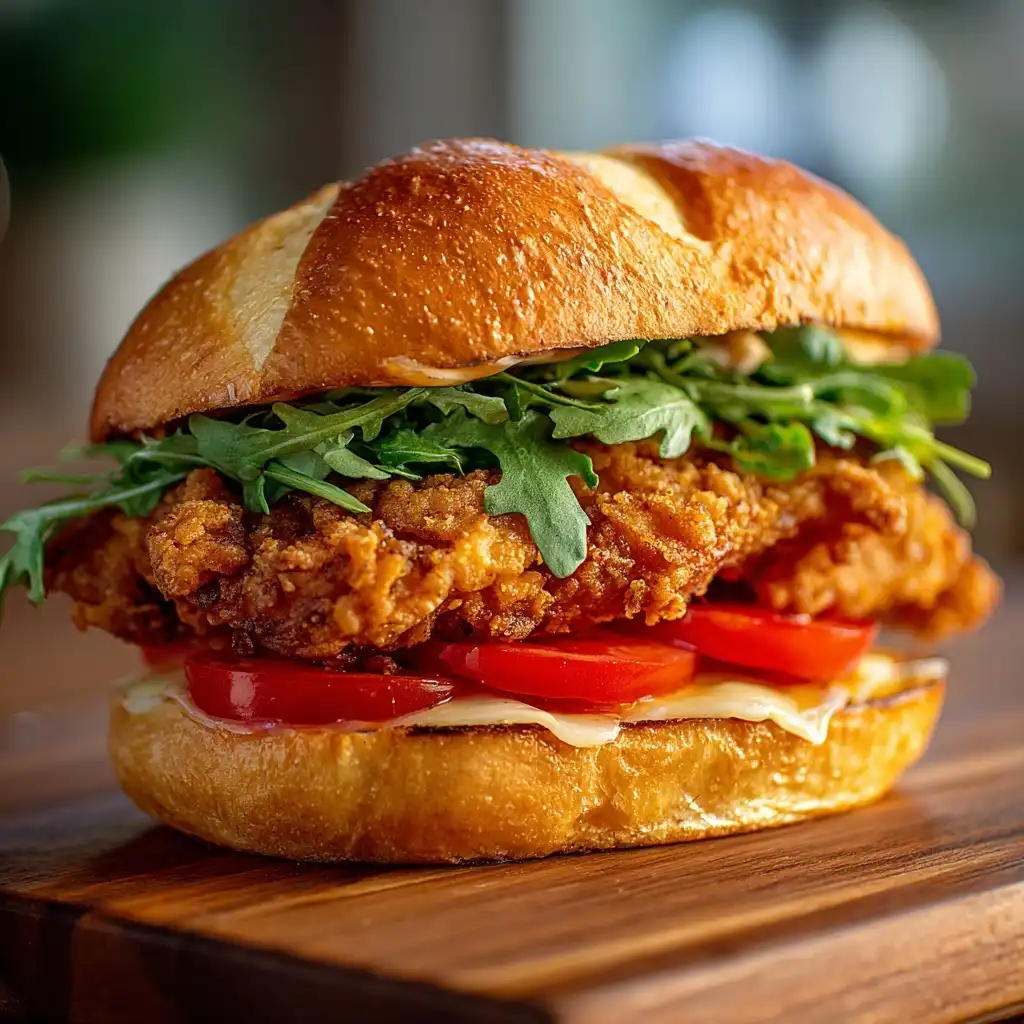
The Crispy Chicken Sandwich has transcended its humble fast-food origins to become a cultural phenomenon—a beloved, crave-worthy staple celebrated for its irresistible contrast of textures, bold seasonings, and comforting familiarity. More than just a meal, it’s a canvas for culinary creativity, a benchmark for quality in quick-service restaurants, and a weekend kitchen project for home cooks seeking restaurant-grade results. Whether you’re drawn to the golden crunch of a perfectly breaded thigh fillet, the tangy kiss of signature sauce, or the pillowy softness of a brioche bun, this sandwich delivers layered satisfaction in every bite. Its rise reflects shifting consumer tastes—demanding both indulgence and authenticity—and signals a broader renaissance of elevated comfort food. This guide is your definitive, deeply researched companion to mastering the Crispy Chicken Sandwich at home: from historical roots and ingredient science to pro-level frying techniques, health-conscious adaptations, global riffs, and everything in between.
The History
The Crispy Chicken Sandwich’s story begins not in a modern test kitchen, but in the segregated American South of the 1940s and ’50s—where Black entrepreneurs pioneered soul food traditions that laid the foundation for today’s iconic format. While fried chicken itself dates back centuries (with West African, Scottish, and Indigenous influences converging in Southern U.S. kitchens), the *sandwiched* iteration emerged as a practical innovation: portable, portion-controlled, and socially adaptable. A pivotal moment arrived in 1952, when Harland Sanders—better known as Colonel Sanders—began franchising Kentucky Fried Chicken, standardizing pressure-fried chicken with his “11 herbs and spices” and popularizing the concept of serving it on a bun in select locations. Yet it wasn’t until the 1980s that chains like Chick-fil-A codified the modern archetype: boneless, hand-breaded breast filets, double-dipped in seasoned flour, pressure-fried to juicy perfection, and served on a toasted, buttered bun with pickles—a formula rooted in founder S. Truett Cathy’s 1946 Dwarf House diner in Hapeville, Georgia. The 2019 “Chicken Sandwich Wars” ignited a national frenzy when Popeyes launched its Cajun-seasoned, buttermilk-brined, craggy-crusted version, sparking viral social media debates, record-breaking sales, and industry-wide menu overhauls. Since then, chefs, food scientists, and home cooks have deconstructed and reimagined the sandwich endlessly—exploring brining chemistry, gluten-free breading physics, air-fryer thermodynamics, and even plant-based molecular gastronomy—all testifying to its enduring, evolving legacy.
Ingredients Breakdown
Every exceptional Crispy Chicken Sandwich rests on the precise synergy of seven foundational components—each playing a non-negotiable functional and flavor role:
- Chicken Breast Fillets (Boneless, Skinless): Opt for uniform, center-cut tenders (6–8 oz each) or thick-cut breast cutlets. High-quality, air-chilled, no-antibiotics-ever poultry ensures superior moisture retention and clean flavor. Brining is essential—not optional—for juiciness and seasoning penetration.
- Brine Solution: A balanced mix of water, kosher salt (1/4 cup per quart), brown sugar (1/4 cup), garlic powder, onion powder, smoked paprika, and whole black peppercorns. Brining for 30 minutes to 2 hours hydrates muscle fibers and seasons deep into the meat, preventing dryness during high-heat cooking.
- Buttermilk Soak: Full-fat, cultured buttermilk (not milk + vinegar substitute) provides lactic acid for tenderization, tangy depth, and a sticky surface for breading adhesion. Enhance with hot sauce, Dijon mustard, Worcestershire, and additional spices for complexity.
- Dry Breading Blend: A triple-layered system: (1) Fine-ground all-purpose flour as the base; (2) Cornstarch (25% by weight) for crispness and reduced gumminess; (3) Toasted panko or crushed cornflakes for structural crunch; plus leavening (baking powder, 1 tsp per cup) for lift and blistering. Season aggressively: garlic powder, onion powder, cayenne, white pepper, celery salt, dried oregano, and MSG (optional but transformative for umami).
- Frying Medium: Peanut oil remains the gold standard—high smoke point (450°F), neutral flavor, and ideal viscosity for even crust formation. Alternatives include high-oleic sunflower oil or refined avocado oil. Never reuse oil more than 2–3 times; discard if darkened, foamy, or smelling burnt.
- Bun: Brioche is preferred—rich, slightly sweet, eggy, and sturdy enough to hold up without disintegrating. Lightly toasted on a griddle with clarified butter for caramelized edges and structural integrity. Alternatives: potato roll, milk bread, or Japanese-style shokupan for ultra-soft luxury.
- Signature Sauce & Toppings: The “secret sauce” bridges heat, acidity, creaminess, and sweetness. Classic versions combine mayonnaise, yellow mustard, apple cider vinegar, pickle relish, minced dill pickles, garlic powder, onion powder, smoked paprika, and a touch of honey. Fresh dill pickle chips (not slices) deliver bright, crunchy acidity—non-negotiable for balance.
Step-by-Step Recipe
- Prepare the Brine: In a large non-reactive pot, combine 4 cups cold water, 1/4 cup Diamond Crystal kosher salt, 1/4 cup light brown sugar, 1 tbsp garlic powder, 1 tbsp onion powder, 1 tsp smoked paprika, and 1 tsp whole black peppercorns. Heat over medium until salt/sugar dissolves (~3 minutes), then cool completely to room temperature. Submerge 4 (6–8 oz) chicken breast fillets fully. Refrigerate 1–2 hours.
- Make the Buttermilk Soak: In a wide, shallow dish, whisk together 2 cups full-fat buttermilk, 3 tbsp hot sauce (Frank’s RedHot recommended), 1 tbsp Dijon mustard, 1 tsp Worcestershire sauce, 1 tsp garlic powder, 1 tsp onion powder, and 1/2 tsp cayenne. Remove chicken from brine, pat *very* dry with paper towels, then submerge in buttermilk. Refrigerate 30 minutes–2 hours.
- Prepare the Dry Breading: In a large paper bag or wide bowl, combine 2 cups all-purpose flour, 1/2 cup cornstarch, 1/2 cup finely crushed panko (pulse in food processor), 1 tbsp baking powder, 2 tsp garlic powder, 2 tsp onion powder, 1 tsp cayenne, 1 tsp white pepper, 1 tsp celery salt, 1/2 tsp dried oregano, and 1/4 tsp MSG (optional). Whisk thoroughly.
- Bread the Chicken: Remove chicken from buttermilk, letting excess drip off. Place 1 piece in the dry mix, seal bag/bowl, and shake vigorously for 30 seconds. Open, press breading firmly onto all surfaces, flip, and shake again. Transfer to a wire rack; repeat. Let rest 10 minutes—this sets the crust and prevents sloughing during frying.
- Heat the Oil: Fill a heavy-bottomed Dutch oven or deep fryer with 3–4 inches peanut oil. Heat to 350°F using a deep-fry thermometer. Maintain within 345–355°F range—critical for even cooking and minimal oil absorption.
- Fry to Perfection: Carefully lower 2 fillets into hot oil using tongs or a spider strainer. Fry undisturbed for 4 minutes. Flip gently and fry 4–5 more minutes until deep golden brown, internal temperature reaches 165°F, and crust sounds hollow when tapped. Remove, drain vertically on a wire rack over parchment—not paper towels—to preserve crispness. Rest 2 minutes before assembling.
- Toast the Buns: Split 4 brioche buns. Spread cut sides with clarified butter. Toast on a cast-iron griddle or skillet over medium-low heat until deeply golden and fragrant (2–3 min per side).
- Assemble with Precision: Spread 1 tbsp signature sauce on bottom bun. Layer 2–3 thick dill pickle chips. Place hot chicken centered on pickles. Top with another 1 tbsp sauce. Cap with top bun. Serve immediately.
Tips
- Dryness is Destiny: Pat chicken *thoroughly* after brining AND after buttermilk soak—any surface moisture causes breading to slide off and oil to splatter violently.
- Double-Dip for Dimension: For extra crunch, dip breaded chicken back into buttermilk *lightly*, then into fresh dry mix—a “double-dredge” creates a craggy, multi-textured crust.
- Thermometer Non-Negotiable: Visual cues lie. Use an instant-read thermometer: insert horizontally into thickest part. Target 165°F—but remove at 160°F; carryover heat will finish it.
- Oil Temperature Discipline: Every 5°F drop below 345°F adds 30 seconds to cook time and invites greasiness. Use a clip-on thermometer and adjust burner heat constantly.
- Rack > Towels: Draining on wire racks allows steam to escape, keeping the bottom crust crisp. Paper towels trap steam and soften it instantly.
- Season the Bun: Lightly sprinkle toasted buns with flaky sea salt and cracked black pepper—it elevates the entire experience.
- Prep Ahead, Fry Fresh: Brine and buttermilk-soak chicken up to 24 hours ahead. Bread only 15–30 minutes before frying—longer resting makes breading gummy.
- Crispness Insurance: If serving multiple sandwiches, keep fried chicken on a wire rack in a 200°F oven while finishing batches—never covered or in a container.
- Pickle Power: Use genuine Kosher dill pickle chips—crunchy, vinegary, garlicky. Avoid sweet or bread-and-butter varieties; they clash with savory notes.
- Sauce Consistency Matters: Chill sauce 1 hour before use—cold sauce doesn’t melt the bun. If too thick, thin with 1 tsp apple cider vinegar; if too thin, add 1/2 tsp mayonnaise.
Variations and Customizations
The Crispy Chicken Sandwich is gloriously adaptable—here are 12 globally inspired, dietary-aligned, and chef-driven riffs, each with distinct technique notes:
- Spicy Nashville Hot: After frying, brush chicken with a paste of 1/4 cup melted butter, 2 tbsp cayenne, 1 tsp brown sugar, 1/2 tsp garlic powder, 1/2 tsp onion powder, and 1/4 tsp smoked paprika. Serve on white bread with pickles and coleslaw.
- Korean Gochujang-Glazed: Toss hot chicken in a glaze of 2 tbsp gochujang, 1 tbsp soy sauce, 1 tbsp rice vinegar, 1 tsp sesame oil, 1 tsp grated ginger, and 1 tsp honey. Top with quick-pickled daikon radish and scallions.
- Japanese Katsu-Style: Use panko exclusively (no flour/cornstarch), pound chicken thin, and pan-fry in 1/4 inch oil. Serve with tonkatsu sauce, shredded cabbage, and steamed rice bun.
- Buffalo Ranch: Toss fried chicken in 1/4 cup Frank’s + 2 tbsp melted butter. Layer with cool ranch dressing, shredded romaine, and crumbled blue cheese.
- Mediterranean Za’atar: Infuse buttermilk with 2 tbsp za’atar and 1 minced garlic clove. Breading includes sumac and toasted sesame seeds. Top with cucumber-tomato salad and tahini drizzle.
- Breakfast Sandwich: Add a runny-yolk fried egg, sharp cheddar, and maple-sage sausage crumbles. Use a potato roll and swap sauce for chipotle aioli.
- Gluten-Free: Replace flour with brown rice flour, cornstarch with arrowroot, and panko with crushed gluten-free cornflakes. Verify all seasonings are GF-certified. Fry in dedicated clean oil.
- Low-Carb/Keto: Skip breading entirely. Brine chicken, coat in crushed pork rinds + almond flour + spices, and air-fry at 400°F for 12–14 minutes. Serve in lettuce cups or keto buns.
- Plant-Based “Chicken”: Use pressed, marinated tofu or seitan cutlets. Brine in tamari-miso broth, batter in aquafaba + rice flour, and fry. Sauce: vegan mayo + nutritional yeast + lemon.
- Seafood Swap: Substitute Alaskan cod loin or catfish fillets. Brine lightly (15 min), use beer batter instead of buttermilk, and serve with remoulade and lemon wedges.
- Smoky Chipotle: Add 1 tbsp chipotle in adobo (minced) to buttermilk. Dry mix includes ancho chili powder and cocoa powder. Sauce: chipotle mayo + lime zest.
- Dessert “Chicken” Sandwich: For fun: fry banana “cutlets” (sliced bananas dipped in cinnamon-sugar batter), serve on brioche with dulce de leche and candied pecans.
Health Considerations and Nutritional Value
A traditionally prepared Crispy Chicken Sandwich (one 6-oz breast, brioche bun, 2 tbsp sauce, 3 pickle chips) contains approximately 680–750 calories, 38–42g protein, 40–45g carbohydrates (including 5–7g fiber if using whole-grain bun), and 36–44g total fat (10–12g saturated). Sodium ranges from 1,100–1,500mg—primarily from brine, seasoning, and sauce—exceeding 50% of the daily recommended limit (2,300mg). Key health considerations include:
- Fat Quality: Peanut oil is rich in heart-healthy monounsaturated fats, but repeated heating degrades it, forming harmful aldehydes. Always use fresh oil and avoid exceeding smoke point.
- Acrylamide Risk: Browning starchy breading above 338°F can form acrylamide, a potential carcinogen. Mitigate by frying at precise 350°F, avoiding over-browning, and pairing with antioxidant-rich toppings (pickles, greens).
- Sodium Management: Reduce brine salt by 25%, skip added salt in breading, use low-sodium soy sauce in variations, and opt for unsalted butter on buns. Rinse pickles briefly to cut sodium by 30%.
- Protein Efficiency: Chicken breast remains one of the most bioavailable, lean protein sources—supporting muscle synthesis and satiety. Pairing with fiber-rich sides (roasted vegetables, quinoa salad) slows glucose absorption.
- Dietary Modifications: Air-frying reduces oil use by 70–80%, cutting ~200 calories and 22g fat per sandwich. Baking (425°F on wire rack) yields 30% less fat but sacrifices textural complexity. Gluten-free and plant-based versions improve digestibility for sensitive individuals but require careful label-checking for hidden sodium and preservatives.
- Nutrient Synergy: Vitamin C in pickles enhances non-heme iron absorption from chicken. Lycopene in tomato-based sauces (if used) offers antioxidant benefits. Omega-3s from flaxseed in GF breading support inflammation balance.
For balanced enjoyment, treat as a mindful indulgence—not daily fare. Pair with a large mixed green salad dressed in lemon-tahini, or roasted seasonal vegetables. Portion control (using smaller 4-oz fillets) and homemade sauce (no high-fructose corn syrup) significantly improve nutritional profile.
Ingredients
- 4 (6–8 oz) boneless, skinless chicken breast fillets, center-cut
- 4 cups cold water
- 1/4 cup Diamond Crystal kosher salt (or 2 tbsp Morton’s)
- 1/4 cup light brown sugar, packed
- 1 tbsp garlic powder
- 1 tbsp onion powder
- 1 tsp smoked paprika
- 1 tsp whole black peppercorns
- 2 cups full-fat cultured buttermilk
- 3 tbsp Frank’s RedHot Original Cayenne Pepper Sauce
- 1 tbsp Dijon mustard
- 1 tsp Worcestershire sauce
- 1 tsp garlic powder (additional)
- 1 tsp onion powder (additional)
- 1/2 tsp cayenne pepper (additional)
- 2 cups all-purpose flour
- 1/2 cup cornstarch
- 1/2 cup panko breadcrumbs, finely crushed
- 1 tbsp aluminum-free baking powder
- 2 tsp garlic powder (additional)
- 2 tsp onion powder (additional)
- 1 tsp cayenne pepper (additional)
- 1 tsp freshly ground white pepper
- 1 tsp celery salt
- 1/2 tsp dried oregano
- 1/4 tsp MSG (optional, but recommended)
- 3–4 cups refined peanut oil (for frying)
- 4 brioche hamburger buns
- 4 tbsp unsalted butter, clarified
- For Signature Sauce: 1/2 cup high-quality mayonnaise, 2 tbsp yellow mustard, 1 tbsp apple cider vinegar, 1 tbsp finely minced dill pickle chips, 1 tsp finely minced garlic, 1/2 tsp smoked paprika, 1/4 tsp onion powder, pinch of sugar, salt to taste
- 6–8 thick dill pickle chips (Kosher style)
Directions
- Brine the Chicken: In a non-reactive pot, combine water, kosher salt, brown sugar, 1 tbsp garlic powder, 1 tbsp onion powder, smoked paprika, and peppercorns. Bring to a simmer over medium heat, stirring until salt and sugar fully dissolve (~3 minutes). Remove from heat and cool completely to room temperature (about 45 minutes). Once cool, submerge chicken fillets fully. Cover and refrigerate for 1 hour (minimum) or up to 2 hours.
- Prepare Buttermilk Soak: In a wide, shallow dish (like a 9×13 baking dish), whisk together buttermilk, Frank’s RedHot, Dijon mustard, Worcestershire sauce, 1 tsp garlic powder, 1 tsp onion powder, and 1/2 tsp cayenne until smooth.
- Soak Chicken: Remove chicken from brine and place on several layers of paper towels. Pat *extremely* dry—every surface must be moisture-free. Gently place each fillet into buttermilk, turning to coat. Cover and refrigerate for 30 minutes (minimum) or up to 2 hours.
- Make Dry Breading: In a large paper grocery bag (or wide bowl), combine flour, cornstarch, crushed panko, baking powder, 2 tsp garlic powder, 2 tsp onion powder, 1 tsp cayenne, white pepper, celery salt, oregano, and MSG. Whisk vigorously with a fork until uniformly blended and aerated.
- Bread the Chicken: Remove one fillet from buttermilk, letting excess drip off for 5 seconds. Place inside the paper bag with dry mix. Seal the top and shake vigorously for 30 seconds. Open bag, use your fingers to press breading firmly into all crevices, flip chicken, and shake again for 15 seconds. Transfer breaded chicken to a wire rack set over parchment. Repeat with remaining fillets. Let rest uncovered on rack for 10 minutes—do not skip this step.
- Heat Oil: Pour peanut oil into a heavy-bottomed Dutch oven to a depth of 3–4 inches. Attach a deep-fry thermometer. Heat over medium-high heat until oil reaches 350°F. Adjust heat to maintain 345–355°F throughout frying—monitor constantly.
- Fry the Chicken: Carefully lower two fillets into hot oil using tongs or a spider strainer. Do not overcrowd. Fry undisturbed for 4 minutes. Gently flip using tongs. Fry 4–5 more minutes until deep golden brown, crust is rigid and blistered, and internal temperature reads 160°F when checked with an instant-read thermometer inserted horizontally into thickest part. Remove and drain vertically on wire rack. Repeat with remaining two fillets. Let all chicken rest 2 minutes before assembly—this allows juices to redistribute.
- Toast Buns: Split brioche buns. Spread cut sides evenly with clarified butter. Heat a cast-iron griddle or large skillet over medium-low heat. Place buns butter-side down. Toast 2–3 minutes until deeply golden, fragrant, and slightly crisp. Flip and toast interior 1 minute. Keep warm in a low oven.
- Make Sauce: In a small bowl, combine mayonnaise, mustard, apple cider vinegar, minced pickles, minced garlic, smoked paprika, onion powder, pinch of sugar, and salt. Stir until smooth. Chill for at least 15 minutes for flavors to meld.
- Assemble: Spread 1 tablespoon sauce on bottom bun. Arrange 2–3 pickle chips over sauce. Center hot chicken directly on pickles. Drizzle top of chicken with another 1 tablespoon sauce. Cap with top bun. Serve immediately—within 3 minutes of assembly for optimal texture.
FAQ
- Can I bake or air-fry instead of deep-frying?
- Yes—but expect trade-offs. For baking: preheat oven to 425°F. Place breaded chicken on a wire rack over a baking sheet. Spray generously with avocado oil. Bake 18–22 minutes, flipping halfway, until 165°F and golden. Crispness is ~60% of fried. For air-frying: preheat to 400°F. Spray basket and chicken with oil. Cook 12–15 minutes, flipping at 7 minutes. Best results come from thinner cutlets and double-dredging.
- Why does my breading fall off?
- Three main culprits: (1) Inadequate drying—moisture creates steam that lifts breading; (2) Skipping the rest period—breading needs time to hydrate and adhere; (3) Oil too cold—causes premature sealing and slippage. Also, avoid touching or moving chicken during first 3 minutes of frying.
- Can I freeze breaded chicken?
- Absolutely. Bread chicken, place on a parchment-lined tray, and freeze solid (2 hours). Then transfer to a freezer bag for up to 3 months. Fry straight from frozen—add 1–2 minutes to cook time and ensure internal temp hits 165°F.
- What’s the best oil for frying?
- Peanut oil is ideal due to its high smoke point (450°F), neutral taste, and ability to produce shatteringly crisp crusts. Refined avocado oil (smoke point 520°F) is excellent for high-volume or extended frying. Avoid olive oil, unrefined coconut oil, or butter—they burn easily.
- How do I keep the sandwich from getting soggy?
- Assembly order matters: sauce → pickles → chicken → sauce → bun. Pickles act as a moisture barrier. Never place sauce directly on bun without pickles. Toast buns thoroughly. Use fresh, cold sauce (chilled). Serve immediately—do not let sit.
- Can I make this gluten-free?
- Yes. Substitute all-purpose flour with brown rice flour or certified GF all-purpose blend. Replace cornstarch with arrowroot. Use certified GF panko or crushed GF cornflakes. Verify all spices, sauces, and buttermilk are GF-labeled. Fry in dedicated clean oil to avoid cross-contamination.
- Why use buttermilk instead of regular milk?
- Buttermilk’s lactic acid tenderizes proteins, yielding juicier meat. Its acidity also reacts with baking powder in the breading, creating micro-bubbles for extra crispness and lightness—milk lacks this reaction.
- How long does leftover fried chicken last?
- Refrigerate within 2 hours. Store uncovered on a wire rack in an airtight container for up to 3 days. Re-crisp in a 400°F oven for 10–12 minutes or air-fryer at 375°F for 5–6 minutes. Do not microwave—it steams and ruins texture.
- Can I prep components ahead?
- Yes! Brine and buttermilk-soak chicken up to 24 hours ahead. Dry breading mix stays fresh in an airtight container for 1 month. Sauce keeps refrigerated for 1 week. Toast buns day-of for best texture.
- What’s the
Advertisment