
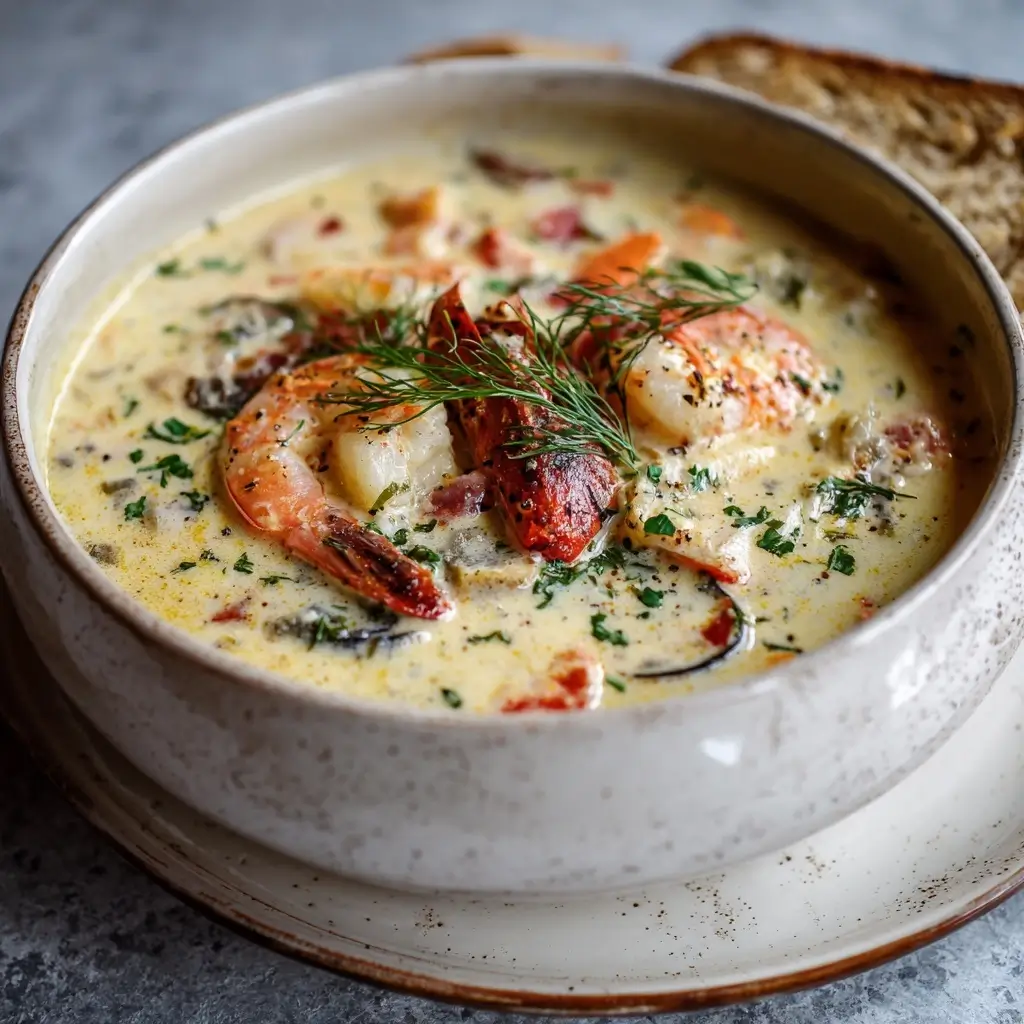
Creamy Seafood Chowder: A Rich and Comforting Delight
There are few dishes as satisfying, warming, and deeply flavorful as a bowl of creamy seafood chowder. This beloved soup has long been a staple along coastal regions, especially in New England and Atlantic Canada, where fresh catches from the sea inspire rich culinary traditions. Whether enjoyed on a chilly winter evening or served at a seaside summer festival, creamy seafood chowder brings together the ocean’s bounty with a velvety, comforting broth that warms you from the inside out. In this comprehensive guide, we’ll dive into every aspect of this classic dish—from its fascinating history to an in-depth look at ingredients, step-by-step preparation, expert tips, variations, health considerations, and frequently asked questions—so you can master the art of crafting the perfect chowder in your own kitchen.
The History of Creamy Seafood Chowder
The origins of seafood chowder trace back to the fishing villages of Brittany in northern France, where fishermen created thick, hearty soups using whatever they had on hand after returning from the sea. The word “chowder” is believed to derive from the French word chaudière, meaning “cauldron,” which refers to the large pots used to simmer these rustic stews over open fires. As French settlers moved to North America, particularly to what is now eastern Canada and the northeastern United States, they brought their chowder-making traditions with them.
By the 18th and 19th centuries, chowder had become a regional specialty, with distinct styles emerging across coastal communities. While New England clam chowder—made with clams, potatoes, onions, and cream—is perhaps the most famous version, the broader category of seafood chowder evolved to include a medley of shellfish and fish. Over time, cooks began incorporating shrimp, scallops, cod, salmon, and even lobster into their chowders, enriching both flavor and texture. Today, creamy seafood chowder stands as a symbol of maritime heritage and culinary ingenuity—a dish that honors tradition while embracing creativity and abundance.
Ingredients Breakdown: What Makes It Creamy and Delicious?
The magic of creamy seafood chowder lies in the harmony of its ingredients. Each component plays a vital role in building layers of flavor, texture, and richness. Let’s take a closer look at the key elements:
- Fresh Seafood: A combination of white fish (like cod or haddock), shrimp, scallops, and sometimes crab or lobster creates a luxurious blend of textures and briny sweetness. Freshness is paramount for optimal taste and safety.
- Potatoes: Typically Yukon Gold or russet potatoes are used for their ability to break down slightly and thicken the broth while adding heartiness.
- Aromatics: Onions, garlic, celery, and sometimes leeks form the flavor base (known as mirepoix) that gives the chowder depth and complexity.
- Butter and Flour: Used to create a roux, which acts as a thickening agent and adds a rich, nutty undertone to the soup.
- Heavy Cream and Whole Milk: These provide the signature creaminess and smooth mouthfeel. Some recipes use half-and-half for a lighter version, but full-fat dairy ensures maximum richness.
- Fish or Vegetable Stock: A high-quality stock enhances the umami notes and ties all the ingredients together. Homemade fish stock made from bones and shells intensifies the seafood essence.
- Bay Leaves and Herbs: Thyme, parsley, and bay leaves contribute aromatic warmth without overpowering the delicate seafood flavors.
- Salt and White Pepper: Seasoning is crucial. Sea salt enhances natural flavors, while white pepper provides gentle heat without dark specks.
- Optional Additions: Corn kernels, smoked paprika, Worcestershire sauce, or a splash of dry sherry can elevate the profile with subtle sweetness, smokiness, or depth.
Together, these ingredients meld into a luxuriously creamy, savory stew that celebrates the sea in every spoonful.
Step-by-Step Recipe: How to Make Creamy Seafood Chowder from Scratch
Follow this detailed recipe to create a restaurant-quality creamy seafood chowder at home. Serves 6–8.
Ingredients
- 3 tablespoons unsalted butter
- 1 medium yellow onion, finely diced
- 2 celery stalks, finely chopped
- 2 cloves garlic, minced
- ⅓ cup all-purpose flour
- 4 cups fish or seafood stock (homemade preferred)
- 2 cups whole milk
- 1½ cups heavy cream
- 1½ pounds mixed seafood (cod, shrimp, scallops—peeled, deveined, and cut into bite-sized pieces)
- 1½ pounds Yukon Gold potatoes, peeled and diced into ½-inch cubes
- 2 bay leaves
- 1 teaspoon fresh thyme (or ½ tsp dried)
- Salt and freshly ground white pepper to taste
- 2 tablespoons fresh parsley, chopped (for garnish)
- Optional: 1 cup corn kernels (fresh or frozen), 1 tablespoon dry sherry
Directions
- Sauté the Aromatics: In a large, heavy-bottomed pot or Dutch oven, melt the butter over medium heat. Add the onions and celery, cooking until softened and translucent—about 5–7 minutes. Stir in the garlic and cook for another 30 seconds until fragrant.
- Create the Roux: Sprinkle the flour over the vegetables and stir continuously for 2–3 minutes to cook out the raw flour taste. The mixture should form a smooth paste and turn a light golden color.
- Add Liquids Gradually: Slowly pour in the fish stock, whisking constantly to prevent lumps. Once fully incorporated, add the milk and heavy cream, stirring gently to combine.
- Add Potatoes and Seasonings: Stir in the diced potatoes, bay leaves, thyme, salt, and white pepper. Bring the mixture to a gentle simmer (do not boil vigorously), then reduce the heat to low. Cover and cook for 15–20 minutes, or until the potatoes are tender when pierced with a fork.
- Incorporate the Seafood: Gently add the mixed seafood to the pot. If using shrimp and scallops, add them first and simmer for 3 minutes before adding more delicate fish like cod to avoid overcooking. Cook for an additional 5–7 minutes, or until all seafood is opaque and cooked through. Avoid boiling, as high heat can cause the cream to curdle.
- Final Touches: Remove the bay leaves. Taste and adjust seasoning as needed. For added depth, stir in a tablespoon of dry sherry or a pinch of smoked paprika. If desired, add corn during the last 5 minutes of cooking.
- Serve Warm: Ladle the chowder into bowls, garnish with fresh parsley, and serve immediately with oyster crackers, crusty bread, or a side salad.
Tips for Perfect Creamy Seafood Chowder Every Time
- Don’t Rush the Roux: Cooking the flour-butter mixture thoroughly prevents a pasty taste and ensures a smooth, stable base for the soup.
- Use Low Heat When Adding Dairy: High temperatures can cause cream to separate. Keep the heat low and never let the chowder come to a rolling boil after adding milk or cream.
- Add Seafood in Stages: Delicate fish cooks faster than shellfish. Add shrimp and scallops first, then white fish toward the end to ensure even doneness.
- Choose the Right Potatoes: Waxy or medium-starch potatoes like Yukon Gold hold their shape better than starchy russets, though a slight breakdown helps thicken the broth naturally.
- Make Your Own Stock: Simmer shrimp shells, fish bones, onions, celery, and herbs for 30 minutes, strain, and use as the base. The flavor difference is remarkable.
- Let It Rest: Allow the chowder to sit for 10–15 minutes off the heat before serving. This helps flavors meld and improves texture.
- Reheat Gently: Leftovers should be warmed slowly over low heat. Add a splash of milk if the chowder thickens too much in the fridge.
Variations and Customizations
Creamy seafood chowder is incredibly versatile. Here are some popular twists to personalize your pot:
- Lobster Chowder: Substitute or supplement with fresh lobster meat for a decadent upgrade. Use lobster stock if available.
- Smoked Seafood Chowder: Add smoked haddock or smoked salmon for a deeper, earthier flavor profile.
- Vegetarian “Sea” Chowder: Use hearts of palm, king oyster mushrooms, or seaweed to mimic seafood texture, and add kelp or dulse for oceanic umami.
- Spicy Chowder: Add a pinch of cayenne, diced jalapeños, or hot sauce like Tabasco for a kick.
- Gluten-Free Version: Replace flour with cornstarch or a gluten-free all-purpose blend. Mix 3 tablespoons cornstarch with ¼ cup cold stock before adding to avoid lumps.
- Dairy-Free Option: Use coconut milk and a cashew cream base instead of dairy. Add a bit of nutritional yeast for cheesy depth.
- Loaded Chowder: Top with crumbled bacon, grated cheddar, green onions, or sour cream for a heartier meal.
- Manhattan-Style Twist: While traditionally tomato-based, you can blend a small amount of puréed tomatoes into your creamy base for a pink-hued hybrid chowder.
Health Considerations and Nutritional Value
Creamy seafood chowder is undeniably rich, but it also offers several nutritional benefits when prepared thoughtfully:
- High-Quality Protein: Seafood is an excellent source of lean protein, essential for muscle repair and immune function.
- Omega-3 Fatty Acids: Fish like cod and salmon contribute heart-healthy fats that support brain and cardiovascular health.
- Vitamins and Minerals: Potatoes provide potassium and vitamin C; seafood delivers selenium, iodine, and B vitamins.
- Calcium and Vitamin D: From dairy ingredients, supporting bone health (use fortified milk if needed).
However, traditional chowder can be high in calories, saturated fat, and sodium. To make a healthier version:
- Use low-fat milk or evaporated skim milk instead of heavy cream.
- Reduce butter and replace part of the roux with blended potatoes or cauliflower for thickness.
- Limit added salt and rely on herbs, lemon zest, and garlic for flavor.
- Include more vegetables like carrots, peas, or spinach to boost fiber and nutrients.
- Watch portion sizes—this is a satisfying dish, so smaller servings can still feel indulgent.
Per typical serving (1½ cups), expect approximately:
- Calories: 350–450
- Protein: 20–25g
- Fat: 20–28g (saturated fat: 10–14g)
- Carbohydrates: 25–30g
- Sodium: 600–900mg (varies by stock and seasoning)
Frequently Asked Questions (FAQ)
Can I freeze creamy seafood chowder?
It’s not recommended due to the dairy content. Freezing can cause the cream to separate and become grainy upon thawing. For best results, enjoy within 3–4 days refrigerated or freeze without dairy and add fresh cream when reheating.
What kind of seafood works best?
Cod, halibut, and haddock are ideal white fish. Shrimp and scallops add sweetness and texture. Avoid overly oily fish like mackerel, which can dominate the flavor.
How do I prevent curdling?
Avoid boiling after adding dairy. Keep heat low, and consider tempering the cream by slowly mixing a small amount of hot broth into it before stirring it into the pot.
Can I use canned seafood?
Yes, canned clams or tuna can be used in a pinch. Drain and rinse well, and add near the end just to heat through. Fresh or frozen seafood generally yields superior flavor and texture.
Why is my chowder too thin?
If the chowder isn’t thick enough, simmer uncovered for a few extra minutes to reduce, or make a slurry of cornstarch and water (1 tbsp cornstarch + 2 tbsp cold water) and stir it in gradually.
Can I make it in a slow cooker?
Yes! Sauté aromatics and make roux first, then transfer to a slow cooker with stock, potatoes, and seasonings. Cook on low for 6–7 hours. Add seafood and dairy in the last 30 minutes.
Is seafood chowder gluten-free?
Not traditionally, due to flour in the roux. But it can easily be adapted using gluten-free thickeners like cornstarch, arrowroot, or rice flour.
Summary
Creamy seafood chowder is a timeless, soul-warming dish that combines the freshest catch of the day with a velvety, herb-infused broth and tender potatoes. With its rich history, customizable ingredients, and luxurious texture, it remains a favorite for comfort food lovers around the world.