
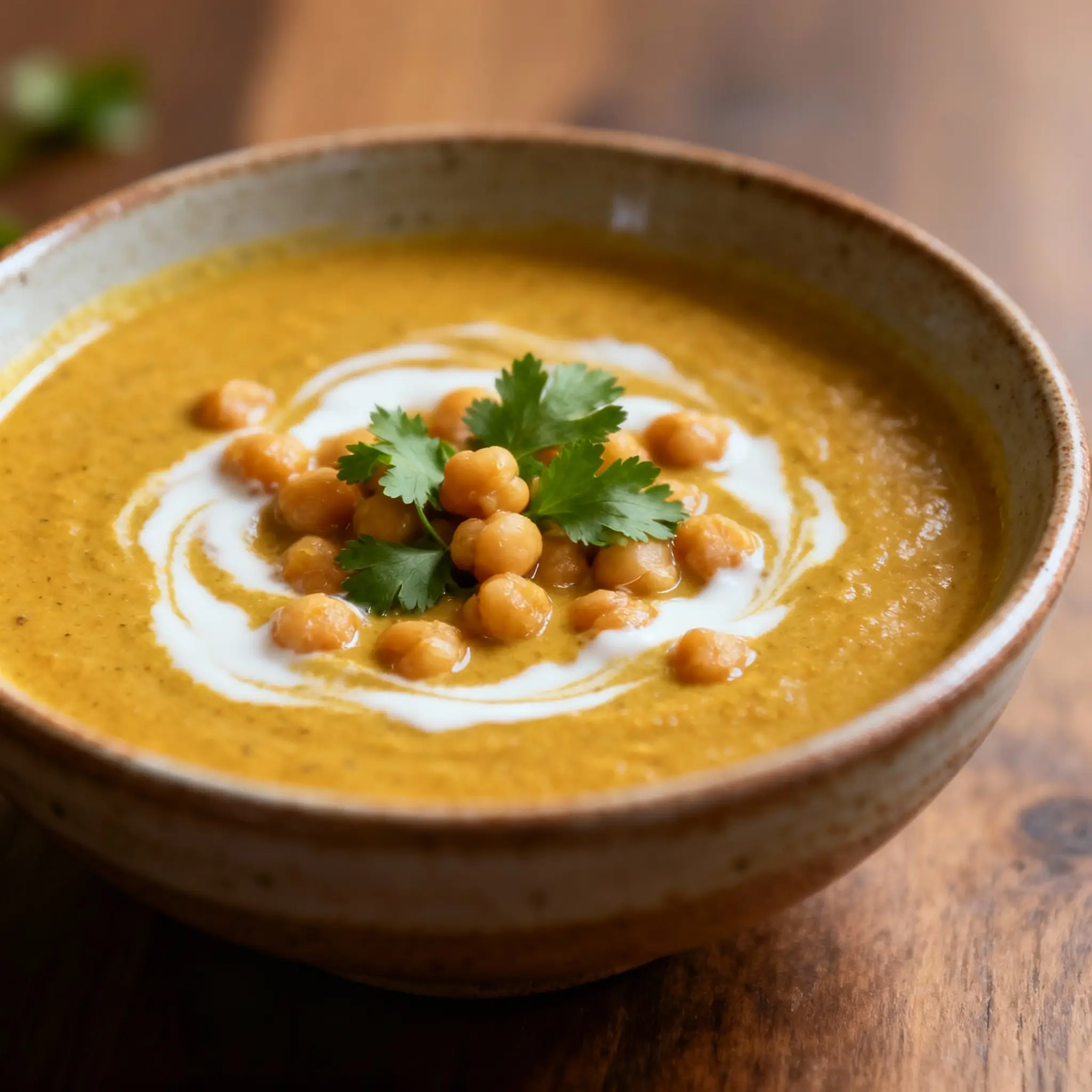
Creamy Coconut Curry Chickpea Soup: A Comforting, Flavor-Packed Delight
If you’re looking for a soul-warming, nourishing, and deeply flavorful soup that’s both plant-based and satisfying, the Creamy Coconut Curry Chickpea Soup is your answer. This luscious dish combines the earthy richness of chickpeas with the luxurious creaminess of coconut milk and the aromatic warmth of Indian-inspired spices. Whether you’re cooking for a cozy night in, meal prepping for the week, or serving a crowd with dietary preferences, this soup delivers on every level—flavor, nutrition, and ease.
The History
Curry-based soups have deep roots in South Asian cuisine, particularly across India, Sri Lanka, and Southeast Asia, where coconut milk, legumes, and spices form the backbone of many traditional dishes. The use of chickpeas (also known as garbanzo beans) in savory preparations dates back thousands of years, with archaeological evidence suggesting their cultivation began in the Middle East over 7,500 years ago. As trade routes expanded, so did the exchange of culinary traditions. Coconut milk, abundant in tropical regions, became a natural pairing with legumes and spices, creating rich, creamy curries and stews.
The modern version of Creamy Coconut Curry Chickpea Soup likely emerged from fusion kitchens and health-conscious home cooks who wanted to simplify traditional dals and curries into one-pot meals without sacrificing depth of flavor. It reflects a global appreciation for bold spices, plant-powered proteins, and comforting textures—all wrapped in a bowl that feels both exotic and familiar.
Ingredients Breakdown
This soup brings together humble pantry staples and vibrant fresh ingredients to create something truly special. Here’s what each component contributes:
- Chickpeas: Packed with protein and fiber, chickpeas provide a hearty texture and mild nutty flavor that absorbs the surrounding spices beautifully. Canned chickpeas offer convenience, while dried ones can be used for a more traditional approach.
- Coconut Milk: Full-fat canned coconut milk gives the soup its signature creaminess and subtle sweetness, balancing the heat from the spices. Light coconut milk can be substituted for a lower-calorie version, though the richness will be reduced.
- Aromatics (Onion, Garlic, Ginger): These foundational ingredients build layers of savory depth and pungency, essential for any well-rounded curry.
- Curry Powder: A blend typically containing turmeric, cumin, coriander, fenugreek, mustard, and chili, curry powder is the soul of this dish. Choose a high-quality brand or make your own for maximum flavor.
- Turmeric: Adds vibrant color and anti-inflammatory benefits, along with a warm, earthy note.
- Cumin and Coriander: Ground or freshly toasted, these spices enhance the aroma and complexity of the broth.
- Vegetable Broth: Forms the liquid base, allowing all flavors to meld. Homemade or low-sodium store-bought works well.
- Tomatoes (diced or crushed): Introduce acidity and brightness, helping to cut through the richness of the coconut milk.
- Lime Juice: Freshly squeezed at the end, it lifts the entire dish with a zesty tang.
- Fresh Cilantro: Used as garnish, it adds a refreshing herbal finish.
- Optional Add-ins: Spinach, kale, sweet potatoes, bell peppers, or red lentils can be incorporated for added nutrition and texture.
Step-by-Step Recipe
- Sauté the Aromatics: In a large pot or Dutch oven, heat 1–2 tablespoons of coconut oil or olive oil over medium heat. Add 1 chopped yellow onion and cook until translucent, about 5 minutes. Stir in 3–4 minced garlic cloves and 1 tablespoon of freshly grated ginger, cooking for another minute until fragrant.
- Bloom the Spices: Add 2 tablespoons of curry powder, 1 teaspoon ground cumin, 1 teaspoon ground coriander, and ½ teaspoon ground turmeric. Stir constantly for 30–60 seconds to toast the spices, releasing their essential oils and enhancing their flavor. Be careful not to burn them.
- Add Tomatoes and Liquid: Pour in one 14-ounce can of diced tomatoes (with juices) and stir to combine. Then add 3 cups of vegetable broth and bring the mixture to a gentle simmer.
- Incorporate Chickpeas: Drain and rinse two 15-ounce cans of chickpeas. Add them to the pot. For a thicker, creamier texture, consider mashing about half of the chickpeas with a potato masher or fork before adding them.
- Simmer: Allow the soup to simmer uncovered for 20–25 minutes, stirring occasionally. This helps develop the flavors and slightly reduces the broth.
- Add Coconut Milk: Stir in one 13.5-ounce can of full-fat coconut milk. Bring the soup back to a gentle simmer but avoid boiling vigorously, which can cause the coconut milk to separate.
- Season and Adjust: Taste and season with salt and black pepper to your liking. Add a pinch of red pepper flakes if you prefer extra heat. Squeeze in the juice of half a lime for brightness.
- Optional Greens: If using spinach or kale, stir in 2–3 cups and cook just until wilted, about 2–3 minutes.
- Final Touches: Remove from heat. Stir in a handful of chopped fresh cilantro. For an extra layer of richness, swirl in a tablespoon of almond butter or tahini.
Tips
- Bloom Your Spices: Never skip toasting the spices in oil—it unlocks their full potential and prevents a raw, dusty taste.
- Use Full-Fat Coconut Milk: The thick, creamy layer at the top of the can makes a huge difference in mouthfeel. Shake the can well before opening, or chill it overnight and scoop out the solid cream first.
- Balance Acidity: If the soup tastes too rich, a splash more lime juice or a teaspoon of apple cider vinegar can brighten it up.
- Thicken Naturally: For a silkier texture without blending, mash some of the chickpeas directly in the pot.
- Low and Slow Simmer: Letting the soup bubble gently for longer develops deeper flavors. Try simmering for 30–40 minutes if time allows.
- Rest Before Serving: Like many curries, this soup tastes even better the next day after the flavors have had time to meld.
- Freeze Well: Store in airtight containers for up to 3 months. Thaw overnight in the fridge and reheat gently on the stove.
Variations and Customizations
This recipe is incredibly adaptable. Here are some popular twists:
- Thai-Inspired Version: Swap curry powder for red or green Thai curry paste, add lemongrass, and garnish with basil instead of cilantro.
- Root Vegetable Addition: Dice and add sweet potatoes, carrots, or parsnips during the sauté step for extra heartiness.
- Protein Boost: Add cooked chicken, shrimp, tofu, or tempeh for a non-vegetarian or vegan protein upgrade.
- Legume Swap: Use white beans, lentils, or butter beans instead of chickpeas for a different texture and flavor profile.
- Spice Level: Control the heat by adjusting the amount of cayenne, red pepper flakes, or fresh chili peppers like jalapeño or serrano.
- Grain Integration: Stir in cooked quinoa, brown rice, or millet to turn it into a stew-like bowl.
- Smoky Twist: Add a pinch of smoked paprika or a small piece of kombu seaweed while simmering for a subtle umami depth.
- Creamier Texture: Blend half the soup with an immersion blender or in a countertop blender, then return to the pot for a velvety consistency.
Health Considerations and Nutritional Value
Creamy Coconut Curry Chickpea Soup is not only delicious but also highly nutritious when prepared with wholesome ingredients.
Nutritional Highlights (per serving, approximately 1.5 cups):
- Calories: ~320 kcal (varies based on coconut milk and added fats)
- Protein: 10–12g (from chickpeas and optionally added legumes or tofu)
- Fiber: 8–10g (supports digestion and satiety)
- Healthy Fats: Medium-chain triglycerides (MCTs) from coconut milk may support metabolism and energy levels.
- Iron & Folate: Chickpeas are a great source of plant-based iron and B-vitamins, especially important for vegetarians and vegans.
- Anti-Inflammatory Properties: Turmeric contains curcumin, a compound studied for its antioxidant and anti-inflammatory effects. Pairing it with black pepper enhances absorption.
- Low Glycemic Index: The combination of fiber and protein helps regulate blood sugar levels.
Dietary Notes:
- Vegan & Dairy-Free: Naturally compliant—just ensure your vegetable broth is certified vegan.
- Gluten-Free: This recipe is naturally gluten-free, provided all packaged ingredients (like broth and curry powder) are certified GF.
- Allergen-Friendly: Free from common allergens like nuts, soy (if using soy-free broth), and dairy. Always check labels for cross-contamination risks.
- Heart-Healthy: Rich in soluble fiber and healthy plant fats, supporting cardiovascular wellness when consumed as part of a balanced diet.
Note: While coconut milk is nutritious, it is high in saturated fat. Moderation is key, especially for individuals managing cholesterol. Opting for light coconut milk or diluting full-fat with extra broth can reduce fat content.
Ingredients
- 2 tablespoons coconut oil or olive oil
- 1 large yellow onion, finely chopped
- 4 garlic cloves, minced
- 1 tablespoon fresh ginger, grated
- 2 tablespoons curry powder (preferably organic and additive-free)
- 1 teaspoon ground cumin
- 1 teaspoon ground coriander
- ½ teaspoon ground turmeric
- ½ teaspoon sea salt (adjust to taste)
- ¼ teaspoon black pepper
- ¼–½ teaspoon red pepper flakes (optional, for heat)
- 1 (14 oz) can diced tomatoes (with juice)
- 3 cups low-sodium vegetable broth
- 2 (15 oz) cans chickpeas, drained and rinsed (reserve liquid for thickening if needed)
- 1 (13.5 oz) can full-fat coconut milk (shake well before opening)
- Juice of ½–1 lime (to taste)
- 2 cups fresh spinach or chopped kale (optional)
- ¼ cup fresh cilantro, chopped (plus more for garnish)
- 1 tablespoon almond butter or tahini (optional, for creaminess)
Directions
- Heat oil in a large heavy-bottomed pot over medium heat. Add onion and cook until soft and golden, about 5–7 minutes.
- Add garlic and ginger; stir for 1 minute until fragrant.
- Stir in curry powder, cumin, coriander, turmeric, salt, black pepper, and red pepper flakes. Toast the spices for 30–60 seconds, stirring constantly to prevent burning.
- Pour in diced tomatoes with their juice and stir to combine. Cook for 2 minutes to deepen the flavor.
- Add vegetable broth and bring to a simmer.
- Stir in chickpeas. For creamier texture, lightly mash about half of them with a spoon or potato masher.
- Simmer uncovered for 20–25 minutes, stirring occasionally.
- Reduce heat to low and stir in coconut milk. Warm gently without boiling.
- Add spinach or kale (if using) and cook until wilted, about 2–3 minutes.
- Remove from heat. Stir in lime juice, cilantro, and almond butter (if using).
- Taste and adjust seasoning—add more salt, lime, or spice as desired.
- Serve hot, garnished with extra cilantro, a drizzle of coconut milk, lime wedges, or a sprinkle of toasted coconut flakes.
FAQ
Can I make this soup in a slow cooker?
Yes! Sauté the onions, garlic, and spices first, then transfer to a slow cooker. Add remaining ingredients except lime juice and cilantro. Cook on low for 6–8 hours or high for 3–4 hours. Stir in lime and herbs before serving.
How do I prevent coconut milk from separating?
Avoid boiling the soup after adding coconut milk. Keep the heat low and warm gently. Adding a starch (like mashed chickpeas or a cornstarch slurry) can also stabilize the emulsion.
Can I freeze this soup?
Absolutely. Cool completely and store in freezer-safe containers for up to 3 months. Thaw in the refrigerator and reheat slowly on the stove. Stir well, as separation may occur.
Is this soup spicy?
It depends on your curry powder and added heat. Most blends are mildly warm. Adjust with more red pepper flakes or fresh chilies for extra kick, or use mild curry powder for a family-friendly version.
What can I serve with this soup?
Excellent with basmati rice, naan bread, roti, or quinoa. A side of cucumber raita or mango chutney complements the flavors beautifully.
Can I use dried chickpeas instead of canned?
Yes, but they must be soaked and cooked beforehand. Use about 1.5 cups of cooked chickpeas per can. Dried chickpeas yield a more tender texture and less sodium.
Why is my soup too thin/thick?
Too thin? Simmer longer to reduce, or mash more chickpeas. Too thick? Add more broth or water, ¼ cup at a time, until desired consistency is reached.
Summary
Creamy Coconut Curry Chickpea Soup is a rich, aromatic, and nourishing one-pot meal that blends the earthiness of chickpeas with the luxurious silkiness of coconut milk and a symphony of warm spices. Perfect for weeknights, meal prep, or impressing guests, it’s a versatile, healthy, and deeply satisfying dish that warms the body and delights the palate.