
Introduction
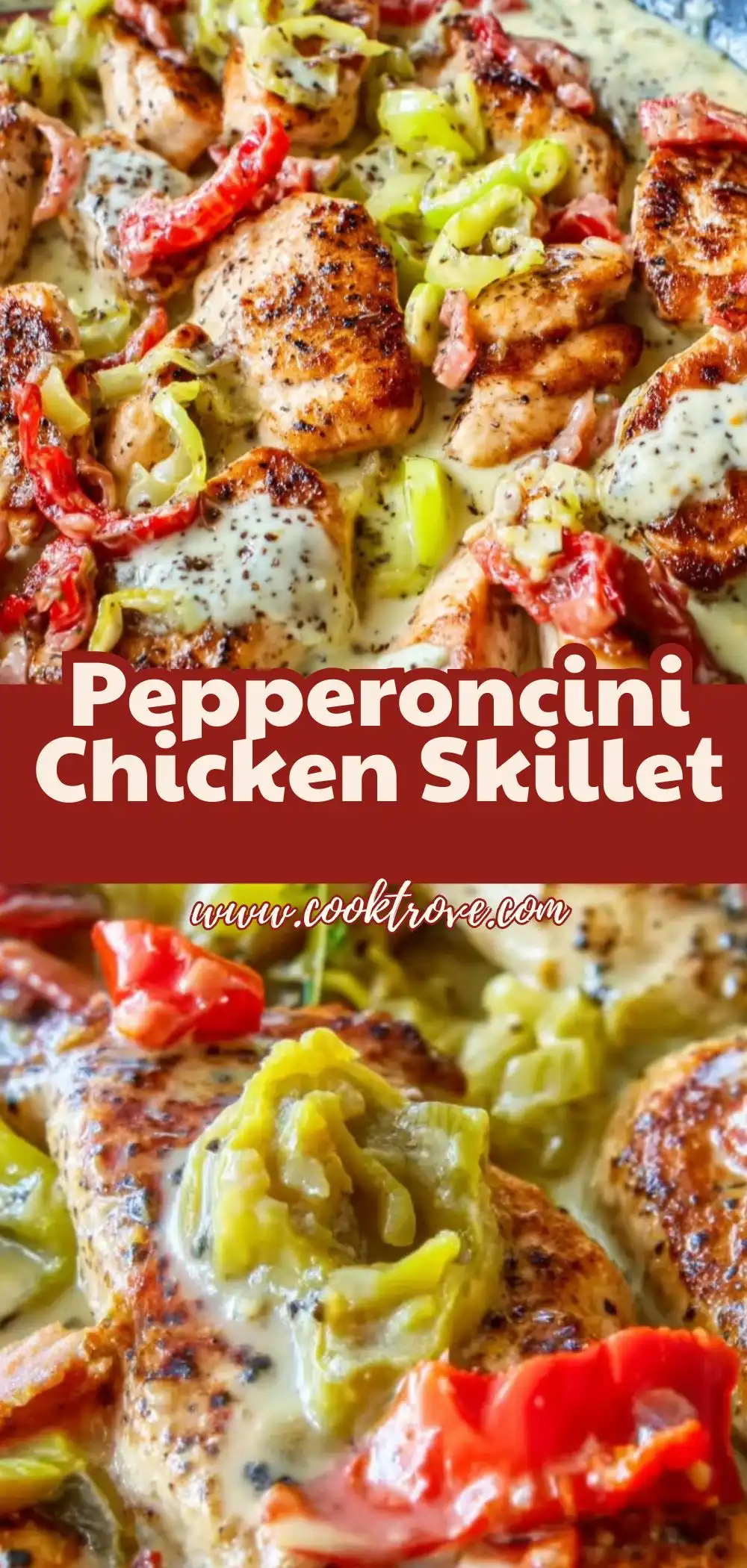
Welcome to the ultimate weeknight dinner solution: Creamy Banana Pepper Chicken Skillet. This vibrant, flavorful, and comforting one-pan meal delivers bold tang, gentle heat, rich creaminess, and tender protein—all in under 30 minutes. Designed with busy home cooks in mind, it’s a harmonious balance of pantry-friendly staples and bright, garden-fresh accents that transforms simple ingredients into something truly memorable. Whether you’re feeding a family of four, prepping for meal prep, or simply craving a satisfying yet stress-free dinner, this skillet checks every box—delicious, nutritious, adaptable, and deeply satisfying.
The History
While banana peppers themselves have roots stretching back to Central and South America (where they were cultivated by Indigenous peoples long before European contact), their integration into American skillet cooking is a relatively modern evolution—born from mid-20th-century home economics, regional Southern pantries, and the rise of convenience-driven recipes. Banana peppers gained popularity across the U.S. in the 1950s–60s, especially in pickled form, thanks to their mild heat, crisp texture, and versatility. Meanwhile, creamy skillet chicken dishes surged in the 1980s and ’90s as home chefs sought quick, comforting meals that avoided heavy frying or lengthy simmering. The fusion of these two culinary threads—the zesty-sweet tang of banana peppers and the luxurious mouthfeel of a velvety pan sauce—emerged organically in food blogs and community cookbooks during the early 2010s. Today, Creamy Banana Pepper Chicken Skillet stands as a beloved staple in Midwest supper clubs, Southern potluck rotations, and urban meal-prep circles alike—a testament to how humble ingredients, when thoughtfully combined, can create enduring comfort food traditions.
Ingredients Breakdown
Every ingredient in this recipe serves both functional and sensory purpose—no filler, no afterthoughts. Let’s explore why each one matters:
- Boneless, skinless chicken breasts or thighs: Lean and quick-cooking (breasts) or richer and more forgiving (thighs). Thighs add natural fat that enhances sauce emulsification and prevents dryness—especially ideal for weeknight speed.
- Fresh banana peppers: Mild (Scoville 0–500), slightly sweet, tangy, and crunchy. Their subtle heat builds complexity without overwhelming—unlike jalapeños or serranos, they let other flavors shine while adding brightness. Use whole, sliced rings for visual appeal and even distribution; avoid over-chopping to preserve texture.
- Pickled banana peppers: A double dose of flavor! Adds concentrated acidity, salt-forward depth, and fermented nuance. The brine becomes part of the sauce base—don’t discard it!
- Garlic and yellow onion: The aromatic foundation. Yellow onions offer balanced sweetness and structure; minced garlic delivers pungent, savory umami that blooms when sautéed just until fragrant—not browned.
- All-purpose flour: Used for light dredging (not battering) to encourage golden sear and provide gentle thickening power without gumminess. Gluten-free all-purpose blends work seamlessly here.
- Low-sodium chicken broth: Provides savory backbone and liquid volume without excess salt. Homemade or high-quality low-sodium store-bought ensures control over seasoning—critical when balancing the brine from pickled peppers.
- Full-fat sour cream (or plain Greek yogurt): The “creamy” anchor. Sour cream adds lactic tang and lush body; Greek yogurt offers higher protein and brighter acidity. Both stabilize beautifully when stirred in off-heat to prevent curdling.
- Grated Parmesan cheese: Not just garnish—it deepens umami, adds salty-nutty complexity, and helps bind the sauce. Freshly grated melts evenly and integrates seamlessly; pre-grated versions contain anti-caking agents that hinder smoothness.
- Heavy cream or half-and-half (optional but recommended): For extra silkiness and sheen. Heavy cream contributes richness and mouth-coating luxury; half-and-half offers lighter indulgence with excellent emulsifying properties.
- Dried oregano and smoked paprika: Earthy, floral, and subtly smoky notes that bridge Italian-American and Southern sensibilities. Smoked paprika adds dimension—not heat—and complements the peppers’ sweetness.
- Fresh parsley or cilantro: A final herbaceous lift and pop of color. Parsley offers clean, grassy freshness; cilantro adds citrusy vibrancy—choose based on preference or cultural context.
- Extra-virgin olive oil & unsalted butter: A hybrid fat blend. Olive oil withstands initial high-heat searing; butter added later infuses nutty aroma and enriches the sauce. Together, they maximize flavor and texture control.
Step-by-Step Recipe
- Prep & Marinate (5 minutes): Slice chicken into uniform ½-inch strips or bite-sized pieces. Pat *very* dry with paper towels—this is non-negotiable for proper browning. Toss gently with 1 tbsp olive oil, ½ tsp smoked paprika, ¼ tsp oregano, and a pinch of black pepper. Let sit 5 minutes while prepping aromatics.
- Prep Vegetables (4 minutes): Finely dice ½ medium yellow onion. Mince 2 garlic cloves. Slice 4–5 fresh banana peppers into thin rings (remove seeds if desired for less heat). Reserve ¼ cup pickled banana pepper rings + 2 tbsp brine.
- Sear Chicken (6–7 minutes): Heat 1½ tbsp olive oil in a large, heavy-bottomed 12-inch skillet (stainless steel or cast iron preferred) over medium-high heat until shimmering. Add chicken in a single layer—do not overcrowd. Sear undisturbed 3–4 minutes until deeply golden on one side, then flip and cook 2–3 more minutes until just cooked through (165°F internal temp). Transfer to a clean plate; tent loosely with foil.
- Sauté Aromatics (3 minutes): Reduce heat to medium. Add diced onion to same skillet; cook 2 minutes until translucent. Add garlic and cook 30 seconds—just until fragrant, stirring constantly. Avoid browning garlic.
- Bloom Spices & Deglaze (2 minutes): Stir in remaining ¼ tsp smoked paprika and ¼ tsp dried oregano; toast 15 seconds. Pour in reserved pepper brine and ½ cup chicken broth, scraping up all browned bits (fond) with a wooden spoon—this is where deep flavor lives.
- Simmer Base Sauce (4 minutes): Bring to a gentle simmer. Add fresh and pickled banana pepper rings. Reduce heat to low-medium and simmer uncovered 3–4 minutes, allowing liquid to reduce slightly and flavors to meld.
- Thicken & Enrich (3 minutes): Whisk 1 tbsp flour into remaining ¼ cup cold broth until smooth. Stir slurry into skillet. Simmer 1–2 minutes until lightly thickened. Reduce heat to low. Stir in ½ cup sour cream, 2 tbsp grated Parmesan, and 2 tbsp heavy cream (if using). Stir constantly until fully incorporated and glossy—do not boil.
- Finish & Rest (2 minutes): Return chicken and any accumulated juices to skillet. Gently fold to coat. Simmer on lowest heat 1 minute—just to warm through. Remove from heat. Stir in 1 tbsp cold unsalted butter for extra sheen and richness. Taste and adjust: more black pepper? A splash of lemon juice for brightness? A pinch of flaky sea salt? Let rest 2 minutes—this allows sauce to settle and thicken further.
- Serve Immediately: Garnish generously with fresh parsley or cilantro and additional Parmesan. Serve hot, directly from skillet or portioned into bowls.
Tips
- Dry chicken thoroughly: Wet chicken steams instead of sears—use triple-layered paper towels and press firmly.
- Don’t rush the fond: That caramelized crust on the bottom of the pan = concentrated flavor. Deglaze thoroughly with broth and brine—scrape every corner.
- Temper dairy properly: Always stir cold sour cream/yogurt and cream into a warm (not boiling) sauce. Off-heat addition is safest—but if adding on-stove, keep heat at absolute lowest setting and whisk constantly.
- Use room-temp dairy: Cold sour cream added to hot liquid is more prone to separation. Let it sit out 10–15 minutes before using.
- Reserve some pickled pepper brine for finishing: If sauce tastes flat after combining, a teaspoon of brine can revive brightness and balance richness.
- Let it rest before serving: Just 2 minutes off-heat allows starches to fully hydrate and sauce to cling luxuriously to chicken and peppers.
- Skillet choice matters: Avoid nonstick if possible—stainless or cast iron develops superior fond and handles temperature shifts better. If using nonstick, reduce initial heat slightly and extend sear time by 30 seconds per side.
- Uniform cuts = even cooking: Cut chicken against the grain into consistent pieces—this ensures tenderness and prevents some bites from drying out while others remain underdone.
- Acid is your friend: A final ½ tsp fresh lemon juice or white wine vinegar lifts the entire dish—brightens, balances fat, and refreshes the palate.
- Save leftovers smartly: Store in an airtight container for up to 4 days. Reheat gently on stove with a splash of broth to re-emulsify the sauce—microwaving often causes separation.
Variations and Customizations
This recipe is intentionally built for flexibility—whether adapting to dietary needs, seasonal produce, pantry limitations, or global flavor profiles. Here’s how to make it uniquely yours:
Dietary Adaptations
- Gluten-Free: Swap all-purpose flour for 1 tsp cornstarch or ½ tsp arrowroot powder mixed with cold broth. Ensure broth and pickled peppers are certified GF (some brines contain malt vinegar or wheat-based seasonings).
- Dairy-Free: Replace sour cream with unsweetened coconut cream (chilled, solid part only) or cashew cream (soaked raw cashews blended with water and lemon). Use dairy-free butter and omit Parmesan—or sub nutritional yeast (1 tbsp) for umami depth.
- Keto/Low-Carb: Omit flour entirely; rely on reduction and egg yolk (1 pasteurized yolk whisked in off-heat) for thickening. Increase healthy fats—add ¼ avocado per serving or top with toasted pepitas.
- Whole30/Paleo: Skip dairy entirely. Use coconut aminos instead of soy-based seasonings, and thicken with 1 tsp tapioca starch. Boost creaminess with puréed cauliflower (½ cup steamed & blended) stirred in at the end.
Protein Swaps
- Shrimp: Sauté 1 lb peeled, deveined shrimp 1–2 minutes per side—add *after* sauce is finished and just warm through.
- Tofu: Use extra-firm pressed tofu, cubed and pan-seared until golden. Marinate in tamari, garlic, and smoked paprika before cooking.
- White fish (cod, haddock): Gently poach fillets in simmering broth mixture for 5–6 minutes until flaky—fold in at the end.
- Ground turkey or chicken: Brown 1 lb lean ground poultry with onions and spices; skip dredging and searing steps.
Vegetable & Flavor Twists
- Mediterranean Style: Add halved cherry tomatoes, kalamata olives, crumbled feta, and fresh oregano. Swap smoked paprika for regular.
- Tex-Mex Fusion: Stir in 1 tsp cumin, ½ tsp chipotle powder, black beans, and corn. Top with avocado slices and lime crema.
- Garden Fresh: Fold in 1 cup baby spinach or arugula at the end until just wilted. Add roasted red peppers and fresh basil.
- Spicy Upgrade: Include 1 minced serrano (seeds in for heat, out for control) or ½ tsp crushed red pepper flakes with the garlic.
- Herb-Forward: Replace oregano with 1 tsp herbes de Provence; finish with chives, dill, and lemon zest.
Meal Prep & Serving Ideas
- Rice Bowls: Spoon over jasmine rice, quinoa, or cauliflower rice.
- Pasta Twist: Toss with hot penne or linguine and extra Parmesan—add ¼ cup pasta water to loosen sauce.
- Taco/Fajita Mode: Warm corn or flour tortillas; serve skillet mixture with pickled red onions and cotija.
- Stuffed Peppers: Hollow out bell peppers, fill with mixture, top with mozzarella, and bake at 375°F for 25 minutes.
- Breakfast Hash: Double the onions, add diced potatoes (parboiled), and serve with fried eggs on top.
Health Considerations and Nutritional Value
A single 1¾-cup serving (chicken + sauce + ~½ cup peppers) provides approximately:
- Calories: 420–460 kcal (varies by dairy/fat choices)
- Protein: 34–38g (excellent source—supports muscle maintenance and satiety)
- Fat: 22–26g (mostly unsaturated from olive oil, with moderate saturated fat from dairy—heart-healthy in context of balanced diet)
- Carbohydrates: 8–11g (low net carb—fiber-rich from peppers and onions)
- Fiber: 2–3g (supports digestive health and glycemic control)
- Vitamin C: ~95mg (105% DV—banana peppers are exceptionally rich, supporting immunity and collagen synthesis)
- Vitamin A (as beta-carotene): ~1200 IU (from onions, peppers, and paprika—beneficial for vision and skin)
- Calcium & Vitamin K: From Parmesan and leafy green garnishes—supports bone metabolism
- Potassium: ~620mg (peppers and chicken contribute significantly—important for blood pressure regulation)
Key Health Highlights:
- Natural Anti-Inflammatory Profile: Garlic, onions, peppers, olive oil, and herbs contain quercetin, allicin, capsaicin (even mild amounts), and polyphenols linked to reduced oxidative stress.
- Low Added Sugar: No refined sugars—natural sweetness comes solely from peppers and onions. Pickled peppers contain minimal added sugar if choosing low-sugar brands (check labels—many contain <1g per serving).
- No Artificial Preservatives or Colors: When made with whole-food ingredients, this dish avoids common ultra-processed additives.
- Supports Blood Sugar Balance: High-protein, moderate-fat, low-glycemic load makes it suitable for prediabetic or diabetic meal planning—especially when paired with non-starchy sides.
- Gut-Friendly Potential: Fermented pickled peppers provide trace probiotics; fiber from vegetables feeds beneficial gut bacteria.
Considerations for Specific Needs:
- Sodium-Conscious Eaters: Opt for low-sodium broth, rinse pickled peppers briefly to reduce brine residue, and skip added salt until final tasting—rely on herbs, lemon, and smoked paprika for flavor.
- Lactose Sensitivity: Full-fat sour cream contains minimal lactose (<1g per ½ cup); many tolerate it well. For strict avoidance, use lactose-free sour cream or coconut cream.
- GERD/Acid Reflux: Limit garlic/onion quantity (sweat longer to mellow), omit black pepper initially, and avoid eating within 3 hours of bedtime.
- Kid-Friendly Adaptation: Omit black pepper and smoked paprika; increase sweet banana pepper ratio; serve with whole-grain roll for dipping.
Ingredients
- 1½ lbs boneless, skinless chicken breasts or thighs, cut into ½-inch strips
- 2 tbsp extra-virgin olive oil, divided
- ½ medium yellow onion, finely diced
- 2 cloves garlic, minced
- 4–5 fresh banana peppers, thinly sliced (seeds optional)
- ¼ cup pickled banana pepper rings, plus 2 tbsp brine
- 1 tsp smoked paprika, divided
- ½ tsp dried oregano, divided
- ¼ tsp freshly ground black pepper, plus more to taste
- 2 tbsp all-purpose flour (or GF substitute)
- ¾ cup low-sodium chicken broth, divided
- ½ cup full-fat sour cream (or plain Greek yogurt)
- 2 tbsp heavy cream or half-and-half (optional but recommended)
- ¼ cup freshly grated Parmesan cheese, plus more for garnish
- 1 tbsp unsalted butter, cold
- 2 tbsp fresh flat-leaf parsley or cilantro, chopped
- Flaky sea salt, to taste (start with ¼ tsp)
- Optional finishing touch: ½ tsp fresh lemon juice or white wine vinegar
Directions
- Pat chicken completely dry with paper towels. In a bowl, toss with 1 tbsp olive oil, ½ tsp smoked paprika, ¼ tsp oregano, and ¼ tsp black pepper. Set aside 5 minutes.
- Heat remaining 1 tbsp olive oil in a large skillet over medium-high heat. When shimmering, add chicken in a single layer. Sear 3–4 minutes per side until golden and cooked through (165°F). Transfer to a plate; tent with foil.
- Reduce heat to medium. Add onion to skillet; cook 2 minutes until soft. Stir in garlic and cook 30 seconds until fragrant.
- Add remaining ½ tsp smoked paprika and ¼ tsp oregano; toast 15 seconds. Pour in reserved pepper brine and ½ cup broth, scraping up all browned bits.
- Stir in fresh and pickled banana peppers. Simmer gently 3–4 minutes.
- In a small bowl, whisk flour into remaining ¼ cup cold broth until smooth. Stir slurry into skillet. Simmer 1–2 minutes until slightly thickened.
- Reduce heat to low. Stir in sour cream, heavy cream (if using), and Parmesan until fully combined and glossy. Do not boil.
- Return chicken and juices to skillet. Gently fold to coat. Simmer 1 minute to warm through.
- Remove from heat. Stir in cold butter, parsley/cilantro, and lemon juice (if using). Taste and adjust with flaky salt and extra black pepper.
- Let rest 2 minutes. Serve hot, garnished with extra Parmesan and herbs.
FAQ
- Can I use frozen chicken?
- Yes—but thaw completely first and pat *extremely* dry. Frozen-to-skillet cooking leads to steaming, not searing, and dilutes the sauce. For true weeknight ease, keep raw chicken pre-portioned and freeze flat; thaw overnight in fridge.
- Why does my sauce break or look grainy?
- Most commonly caused by overheating dairy (boiling after adding sour cream), using cold dairy in hot sauce, or adding pre-grated cheese (anti-caking agents inhibit melting). Solution: Remove from heat before adding dairy; use freshly grated Parmesan; whisk constantly; and stir in cold butter at the end to rescue texture.
- Can I make this ahead and reheat?
- Absolutely—it reheats beautifully! Store cooled in an airtight container up to 4 days. Reheat gently in a skillet with 1–2 tbsp broth or water, stirring frequently over low heat until warmed through. Avoid microwave-only reheating unless stirring every 30 seconds with a splash of liquid.
- What’s the best side dish to serve with this?
- It’s wonderfully versatile: steamed jasmine or brown rice soaks up the sauce; buttered egg noodles add comforting chew; a crisp green salad with lemon vinaigrette cuts richness; roasted sweet potatoes offer earthy contrast; or warm crusty bread for dipping. For low-carb: zucchini noodles, cauliflower rice, or a kale-and-apple slaw.
- Are banana peppers spicy? Will kids like this?
- Fresh banana peppers range from 0–500 Scoville units—milder than a bell pepper. Pickled ones may carry slight tangy heat, but overall this dish is very approachable. For sensitive palates, reduce pickled peppers by half and add an extra fresh pepper. Most children enjoy the creamy, savory-sweet profile—especially when served over familiar rice or pasta.
- Can I air fry the chicken instead of pan-searing?
- You can—but pan-searing yields superior fond for the sauce. If air frying: marinate chicken, spray basket with oil, air fry at 400°F for 12–14 minutes (shaking halfway), then proceed with sauce steps. You’ll miss the fond, so deglaze with 1 extra tbsp broth and consider adding ½ tsp tomato paste with the onions for depth.
- Is there a way to make this lower in calories?
- Yes—swap sour cream for nonfat Greek yogurt (adds protein, reduces fat), use 1 tbsp butter instead of 2, reduce heavy cream to 1 tbsp or omit, and increase fresh peppers to 6–7 for volume and fiber. Total calories drop to ~340 per serving while preserving satisfaction.
- What if I don’t have banana peppers?
- Substitute with mild poblano strips (roast first for sweetness), canned mild green chiles (drained), or a mix of yellow bell pepper + 1 small jalapeño (seeded). Avoid banana pepper *substitutes* labeled “imitation”—they’re often made with wax peppers and lack authentic flavor.
- Can I freeze this dish?
- Yes—with caveats. Dairy-based sauces may separate slightly upon thawing, but stirring while reheating restores creaminess. Cool completely, portion into freezer-safe containers with ½-inch headspace, and freeze up to 3 months. Thaw overnight in fridge, then reheat slowly on stove with broth as needed.
- How do I scale this for a crowd (8–10 people)?
- Double all ingredients except broth (use 1¼ cups total) and dairy (increase sour cream to ¾ cup, cream to 3 tbsp, Parmesan to ⅓ cup). Cook in two skillets or a wide Dutch oven. Sear chicken in batches to avoid crowding. Add sauce components in stages—onions first, then peppers, then liquids—to maintain even cooking and fond development.
Summary
Creamy Banana Pepper Chicken Skillet is a brilliantly balanced, pantry-smart, 30-minute weeknight hero—melding the bright, tangy crunch of banana peppers with luxuriously smooth, herb-kissed cream sauce and perfectly seared chicken in one effortless pan.
Infinitely adaptable, nutritionally thoughtful, and deeply flavorful without relying on processed shortcuts, it’s the kind of dish that earns repeat requests, simplifies dinner decisions, and turns ordinary evenings into moments of genuine, comforting joy.