
Introduction
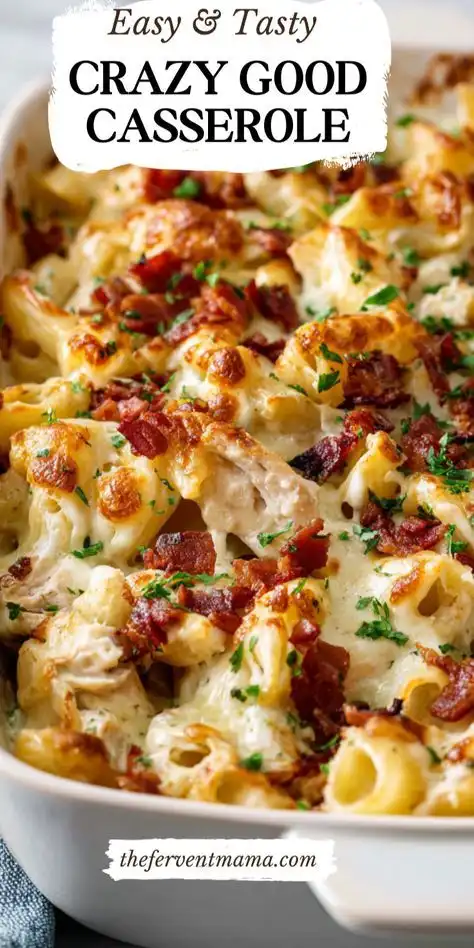
Welcome to the ultimate celebration of comfort, convenience, and crave-worthy flavor—the Crazy Good Casserole. This isn’t just another casserole—it’s a culinary phenomenon that has earned its name through generations of rave reviews, pantry-clearing versatility, and that unmistakable “I-can’t-believe-how-good-this-is” reaction every single time it’s served. Whether you’re feeding a hungry family after soccer practice, hosting a cozy Sunday supper, or prepping meals for the week ahead, the Crazy Good Casserole delivers hearty satisfaction with minimal effort and maximum impact. It’s the kind of dish that starts as dinner and ends up as legend—passed down in scribbled notes on recipe cards, recreated with loving improvisation, and always met with second helpings and spontaneous compliments.
The History
The origins of the Crazy Good Casserole are delightfully unpretentious—and deeply American. While no single inventor or debut date is officially documented, food historians and home economists trace its emergence to the mid-20th century postwar era, when economical, one-dish meals surged in popularity thanks to innovations like canned soups, frozen vegetables, and convenient processed cheeses. However, the “Crazy Good” moniker didn’t appear until the 1980s, when a now-famous community cookbook from rural Iowa featured a variation dubbed “Aunt Mabel’s Crazy Good Tuna-Pasta Bake”—a riff on tuna noodle casserole elevated with toasted panko, sun-dried tomatoes, and a splash of sherry. Over decades, the name stuck—not as a brand, but as a cultural shorthand for any casserole so reliably delicious, adaptable, and soul-soothing that calling it merely “good” felt like an understatement. Today, it lives in church potlucks, college dorm kitchens, meal-prep Instagram feeds, and even Michelin-starred chefs’ “off-duty” home menus—proof that greatness doesn’t need complexity; it needs heart, balance, and just the right amount of cheese.
Ingredients Breakdown
What makes the Crazy Good Casserole truly “crazy good” isn’t just what’s in it—but how each component plays its part in harmony:
- Base Protein: Traditionally ground beef or Italian sausage (though shredded rotisserie chicken, flaked white fish, plant-based crumbles, or even lentils work beautifully). Provides savory depth and satisfying chew.
- Pasta or Grain Foundation: Elbow macaroni, penne, or fusilli lend ideal sauce-holding geometry; brown rice, farro, or quinoa offer whole-grain integrity and nutty texture.
- Creamy Binder: A luxurious blend of full-fat sour cream, sharp cheddar, and a touch of Dijon mustard or Worcestershire—no canned soup required! This trio creates rich, tangy, umami-forward cohesion without gumminess.
- Veggie Medley: Sautéed onions, garlic, bell peppers, mushrooms, and spinach add sweetness, earthiness, and moisture control—plus essential fiber and micronutrients.
- Umami Boosters: Sun-dried tomatoes, roasted red peppers, caramelized shallots, or a spoonful of tomato paste deepen flavor complexity without overpowering.
- Herb & Aromatic Finish: Fresh thyme, rosemary, parsley, and a whisper of lemon zest brighten the richness and elevate aroma.
- Crunchy, Golden Topping: A signature blend of panko breadcrumbs, grated Parmesan, melted butter, smoked paprika, and toasted pine nuts—or walnuts for crunch and omega-3s.
Every ingredient is chosen not just for taste, but for function: moisture balance, textural contrast, structural integrity during baking, and layered flavor development. Nothing is filler—everything is intentional.
Step-by-Step Recipe
- Prep & Preheat: Position oven rack in the center. Preheat oven to 375°F (190°C). Lightly grease a 9×13-inch ceramic or enameled cast-iron baking dish with olive oil or butter.
- Sauté Aromatics: In a large Dutch oven or deep skillet over medium heat, warm 2 tbsp olive oil. Add 1 finely diced yellow onion, 3 minced garlic cloves, and 1 diced red bell pepper. Sauté 6–8 minutes until softened and fragrant. Stir in 8 oz sliced cremini mushrooms; cook 4 more minutes until golden and liquid evaporates.
- Brown the Protein: Push veggies to the edges. Add 1 lb lean ground beef (or preferred protein). Break apart with a wooden spoon and cook until no pink remains (~7 minutes). Drain excess fat if needed, then stir in 1 tsp dried oregano, ½ tsp smoked paprika, and ¼ tsp crushed red pepper flakes. Cook 1 minute more to bloom spices.
- Build Flavor Layers: Stir in ¼ cup dry white wine (optional but recommended) and simmer 2 minutes to deglaze. Add ½ cup sun-dried tomatoes (oil-packed, drained and chopped), 2 tbsp tomato paste, and 1 tsp Worcestershire sauce. Cook 3 minutes, stirring constantly.
- Combine Base Ingredients: In a large mixing bowl, whisk together 1½ cups full-fat sour cream, 2 cups shredded sharp cheddar, ½ cup grated Parmesan, ¼ cup mayonnaise (for silkiness), 2 tsp Dijon mustard, 1 tbsp fresh lemon juice, 1 tsp kosher salt, and ½ tsp black pepper.
- Integrate Pasta & Veggies: Stir in 3 cups cooked pasta (al dente—reserve ½ cup pasta water), the sautéed veggie-protein mixture, and 2 packed cups fresh baby spinach. Fold gently until evenly coated. If mixture seems tight, add reserved pasta water 1 tbsp at a time until cohesive but not soupy.
- Transfer & Top: Pour into prepared baking dish. Smooth top with spatula. For the crown jewel topping: melt 3 tbsp unsalted butter, mix with 1 cup panko, ⅓ cup grated Parmesan, 2 tbsp toasted pine nuts, ½ tsp smoked paprika, and ¼ tsp garlic powder. Sprinkle evenly over casserole.
- Bake to Perfection: Cover loosely with parchment-lined foil (to prevent premature browning) and bake 25 minutes. Remove foil and bake uncovered 15–20 minutes more, until bubbling at edges and topping is deep golden and crisp. Let rest 12–15 minutes before slicing—this allows flavors to marry and structure to set.
Tips
- Al Dente Is Non-Negotiable: Overcooked pasta turns mushy during baking. Cook 1–2 minutes shy of package instructions, drain well, and rinse briefly with cold water to halt cooking—then toss with a drizzle of olive oil to prevent sticking.
- Room-Temp Dairy = Seamless Blending: Let sour cream, mayo, and cheeses sit out 20 minutes before mixing. Cold dairy can cause separation or graininess in the sauce.
- Resting Is Secret Sauce: That 15-minute rest isn’t optional—it lets residual heat finish cooking the center, firms the custard-like binder, and prevents a lava-hot, soupy first bite.
- Customize Your Crust: Swap panko for crushed Ritz crackers, pretzels, or even crushed kettle-cooked potato chips for playful crunch. Add a sprinkle of everything bagel seasoning for savory depth.
- Freeze Like a Pro: Assemble unbaked casserole (without topping), cover tightly with plastic + foil, and freeze up to 3 months. Thaw overnight in fridge, add topping, and bake 10 minutes longer.
- Golden Rule of Baking Dishes: Ceramic and stoneware retain heat longer than metal—reduce oven temp by 25°F if using metal pans, and check 5 minutes earlier.
- Acid Balances Richness: Don’t skip the lemon juice or a splash of apple cider vinegar in the binder—it cuts through fat and lifts every other flavor.
Variations and Customizations
The Crazy Good Casserole is designed for reinvention. Here are 12 beloved riffs—all tested, all delicious:
- The Garden Harvest: Swap beef for 1½ cups cooked lentils + 1 cup roasted zucchini & cherry tomatoes; use feta instead of cheddar; top with basil oil and crumbled goat cheese.
- Tex-Mex Fiesta: Use seasoned ground turkey, black beans, corn, jalapeños, and chipotle in adobo; bind with pepper jack and lime crema; top with crushed tortilla chips and pickled red onions.
- Mediterranean Olive & Feta: Ground lamb base, kalamata olives, artichoke hearts, oregano, lemon zest; bind with feta, Greek yogurt, and tahini; top with toasted sesame and mint.
- Breakfast-for-Dinner: Scrambled eggs + cooked breakfast sausage + hash browns + cheddar + chives; bind with whole milk ricotta; top with crispy bacon bits.
- Seafood Sensation: Shrimp, scallops, and flaked cod with leeks, dill, and white wine; bind with crème fraîche and Gruyère; top with herbed panko and lemon zest.
- Vegan Vitality: Walnut-tahini “meat,” roasted sweet potatoes, kale, and chickpeas; bind with cashew cream, nutritional yeast, and miso; top with pepitas and nori flakes.
- Buffalo Blue: Shredded chicken tossed in buffalo sauce, blue cheese crumbles, celery, and red onion; bind with ranch + Greek yogurt; top with crumbled blue and crispy fried onions.
- Asian-Inspired Umami: Ground pork + ginger-scallion stir-fry + shiitakes + edamame; bind with hoisin-miso-sesame sauce; top with scallions, sesame seeds, and chili crisp.
- Thanksgiving Leftover Remix: Turkey, stuffing cubes, cranberry compote, sage, and gravy-thickened binder; top with crispy sage and roasted pecans.
- Breakfast Casserole Upgrade: Sourdough cubes, maple-glazed bacon, caramelized apples, cinnamon, and sharp cheddar; bind with eggnog-spiked custard; top with candied walnuts.
- Low-Carb Zoodle Delight: Spiralized zucchini (salted, squeezed dry), ground chicken, marinara, ricotta, mozzarella; top with almond flour “breadcrumbs” and fresh basil.
- Dessert Casserole Surprise: Vanilla cake cubes, caramelized bananas, dulce de leche, toasted coconut, and cinnamon; bind with vanilla bean pastry cream; top with crushed graham crackers and sea salt.
Each variation honors the core structure—protein + starch + creamy binder + veggie layer + crunchy topping—while inviting personal storytelling, seasonal produce, dietary needs, and global inspiration.
Health Considerations and Nutritional Value
A single 1-cup serving (approx. 1/12th of the full recipe) provides approximately:
- Calories: 425–480 kcal (varies by protein and cheese choices)
- Protein: 24–28 g (complete amino acid profile from animal proteins or complementary plant sources)
- Fiber: 5–7 g (especially with whole-grain pasta, lentils, or added veggies)
- Healthy Fats: 22–26 g (mostly unsaturated from olive oil, nuts, and full-fat dairy—supports satiety and nutrient absorption)
- Vitamins & Minerals: Rich in calcium, vitamin B12, zinc, selenium, folate, and antioxidants (lycopene from tomatoes, lutein from spinach, beta-carotene from peppers)
Dietary Adaptability:
- Gluten-Free? Yes—use certified GF pasta, tamari instead of Worcestershire, and GF panko or crushed gluten-free crackers.
- Dairy-Free? Substitute coconut cream or cashew cream for sour cream/mayo; nutritional yeast + white miso for cheesy depth; vegan butter + almond Parmesan for topping.
- Lower-Sodium? Use low-sodium broth, skip added salt, rely on herbs, citrus, and umami-rich ingredients (mushrooms, tomato paste, sun-dried tomatoes) for flavor.
- Keto-Friendly? Replace pasta with cauliflower rice or shirataki noodles; boost fats with avocado oil, extra cheese, and bacon; track net carbs (≈8–10g/serving).
- Pregnancy-Safe? Fully cooked proteins, pasteurized dairy, and thorough veggie sautéing ensure safety. Avoid raw sprouts or unpasteurized cheeses unless clearly labeled safe.
Importantly, the Crazy Good Casserole supports intuitive eating: it’s nutrient-dense *and* emotionally nourishing—proving that healthful food doesn’t have to be restrictive, bland, or joyless. Its flexibility encourages inclusion, reduces food waste, and fosters kitchen confidence across ages and abilities.
Ingredients
- 2 tablespoons extra-virgin olive oil
- 1 large yellow onion, finely diced
- 3 garlic cloves, minced
- 1 red bell pepper, diced
- 8 ounces cremini mushrooms, sliced
- 1 pound lean ground beef (85/15) or preferred protein
- 1 teaspoon dried oregano
- ½ teaspoon smoked paprika
- ¼ teaspoon crushed red pepper flakes
- ¼ cup dry white wine (optional)
- ½ cup sun-dried tomatoes, oil-packed, drained and chopped
- 2 tablespoons tomato paste
- 1 teaspoon Worcestershire sauce
- 1½ cups full-fat sour cream
- 2 cups shredded sharp cheddar cheese
- ½ cup grated Parmesan cheese, plus extra for garnish
- ¼ cup high-quality mayonnaise
- 2 teaspoons Dijon mustard
- 1 tablespoon fresh lemon juice
- 1 teaspoon kosher salt (plus more to taste)
- ½ teaspoon freshly ground black pepper
- 3 cups cooked pasta (elbow, penne, or fusilli), al dente
- 2 packed cups fresh baby spinach
- ½ cup reserved pasta water (as needed)
- For the Topping:
- 3 tablespoons unsalted butter
- 1 cup panko breadcrumbs
- ⅓ cup grated Parmesan
- 2 tablespoons toasted pine nuts
- ½ teaspoon smoked paprika
- ¼ teaspoon garlic powder
Directions
- Preheat oven to 375°F (190°C). Lightly grease a 9×13-inch baking dish with olive oil or butter.
- In a large Dutch oven or deep skillet over medium heat, warm olive oil. Add onion, garlic, and red bell pepper. Sauté 6–8 minutes until softened and fragrant.
- Add mushrooms and cook 4 minutes more, stirring occasionally, until golden and moisture has evaporated.
- Add ground beef, breaking it apart with a wooden spoon. Cook until no pink remains, about 7 minutes. Drain excess fat if desired.
- Stir in oregano, smoked paprika, and red pepper flakes. Cook 1 minute to toast spices.
- Pour in white wine (if using) and simmer 2 minutes, scraping up browned bits.
- Add sun-dried tomatoes, tomato paste, and Worcestershire sauce. Cook 3 minutes, stirring constantly.
- In a large mixing bowl, whisk together sour cream, cheddar, ½ cup Parmesan, mayonnaise, Dijon, lemon juice, salt, and pepper until smooth and fully combined.
- Add cooked pasta, veggie-protein mixture, and baby spinach to the bowl. Gently fold until evenly coated. Add reserved pasta water 1 tablespoon at a time if mixture feels dry or stiff.
- Transfer mixture to prepared baking dish. Smooth top with a spatula.
- In a small saucepan or microwave-safe bowl, melt butter. Stir in panko, remaining ⅓ cup Parmesan, pine nuts, smoked paprika, and garlic powder until crumbs are evenly coated.
- Sprinkle topping evenly over casserole.
- Cover dish loosely with parchment-lined aluminum foil. Bake 25 minutes.
- Remove foil and bake uncovered 15–20 minutes longer, until edges bubble vigorously and topping is deep golden brown and crisp.
- Let rest 12–15 minutes before slicing into 12 generous squares. Garnish with additional grated Parmesan and fresh parsley or chives.
FAQ
- Can I make this ahead of time?
- Absolutely! Assemble completely (including topping), cover tightly, and refrigerate up to 24 hours before baking. Add 5–8 minutes to initial covered bake time. For longer storage, freeze unbaked (see Tips section).
- Why does my casserole turn out watery?
- Most often due to under-drained pasta, un-squeezed spinach, or mushrooms that weren’t fully sautéed to remove moisture. Always cook mushrooms until dry and golden, and squeeze spinach firmly in a clean towel before adding.
- Can I use low-fat dairy?
- You can—but expect less richness and potential graininess. Full-fat sour cream and cheese emulsify best and provide the signature creamy-yet-sturdy texture. For lighter versions, try blending ½ cup cottage cheese + ½ cup plain Greek yogurt instead of sour cream.
- What’s the best way to reheat leftovers?
- Individual portions: Microwave covered at 50% power for 90 seconds, then uncover and heat in 30-second bursts until hot throughout. For oven reheating: Place in oven-safe dish, cover with foil, and bake at 325°F for 15–20 minutes. Add a splash of broth or milk before reheating to restore moisture.
- Is this kid-friendly?
- Yes—with built-in stealth nutrition! The creamy binder masks spinach and mushrooms beautifully. Serve with a side of applesauce or fruit salad to round out the meal. For picky eaters, let them customize their own mini-casseroles with favorite toppings.
- Can I double this recipe?
- Yes—but use two 9×13-inch dishes rather than one oversized pan. Doubling in a single pan leads to uneven baking and soggy centers. Adjust bake time slightly: covered 28 minutes, uncovered 18–22 minutes.
- What sides pair well with Crazy Good Casserole?
- Keep it simple: a crisp green salad with lemon vinaigrette, steamed green beans with almonds, roasted carrots with thyme, or crusty whole-grain bread for mopping up every last bite.
- How do I know when it’s done?
- Look for steady, gentle bubbling around the edges and a golden, crisp, fragrant topping. Insert a knife into the center—it should come out hot (not cold or lukewarm) and the casserole should hold its shape when cut, not slump or ooze excessively.
Summary
The Crazy Good Casserole is more than a recipe—it’s a timeless, adaptable, deeply comforting ritual that transforms humble ingredients into unforgettable meals with remarkable ease.
Whether you’re cooking for one, feeding a crowd, navigating dietary needs, or simply craving something soul-warming and deliciously reliable, this casserole delivers extraordinary flavor, nourishment, and joy—every single time.