
Introduction
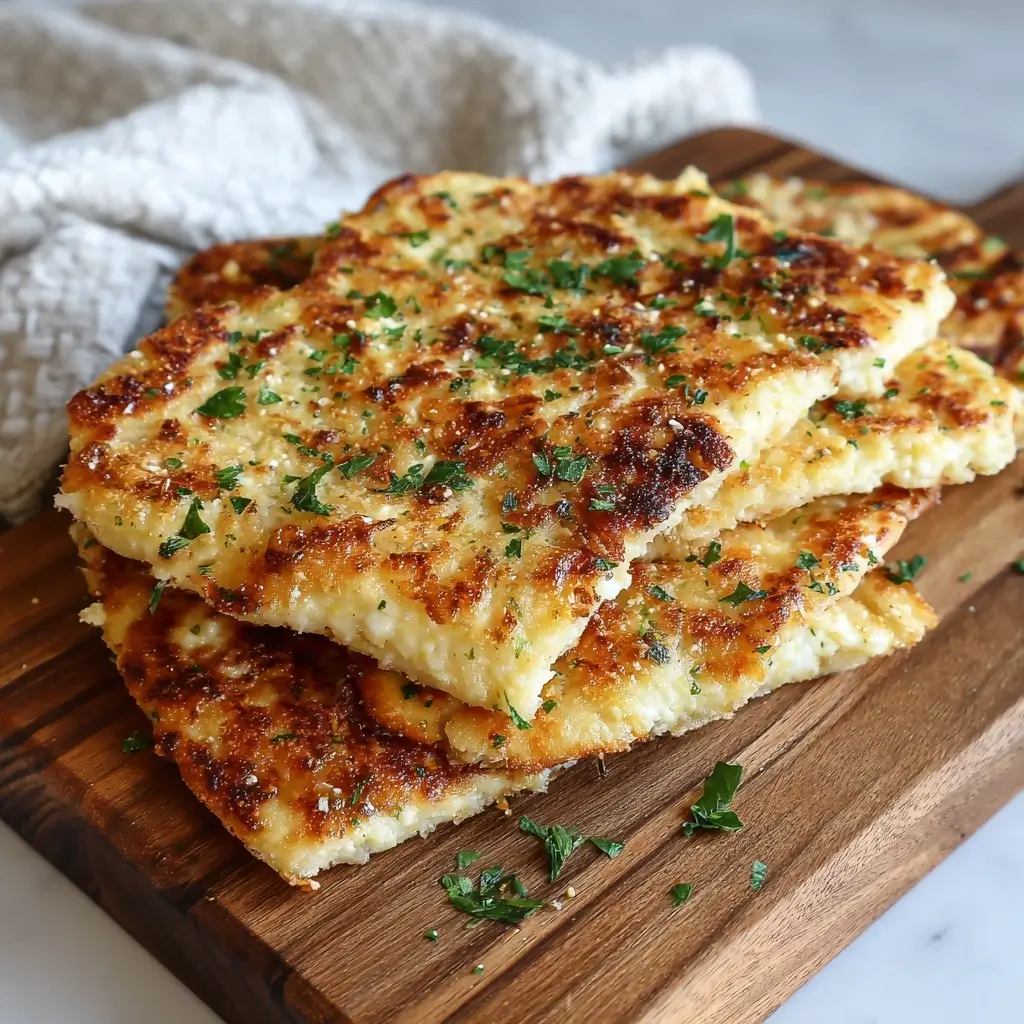
Cottage cheese flatbread is a modern, nutrient-dense twist on traditional flatbreads—combining the protein-rich creaminess of cottage cheese with the simplicity and versatility of unleavened dough. Unlike conventional flatbreads that rely heavily on refined flour and added fats, this version leverages cottage cheese as both a binding agent and a functional ingredient that enhances moisture, tenderness, and nutritional profile. It’s naturally low in carbs, high in slow-digesting casein protein, and requires no yeast, no resting time, and minimal ingredients—making it ideal for busy mornings, post-workout meals, meal prep, keto or high-protein diets, and even gluten-sensitive individuals when made with certified gluten-free flour alternatives. Whether cooked on a griddle, baked in the oven, or air-fried for crispness, cottage cheese flatbread delivers satisfying chew, subtle tang, and remarkable adaptability across global cuisines—from Mediterranean wraps to Indian-inspired parathas and Mexican-style tortilla substitutes.
The History
While flatbreads themselves trace back over 14,000 years—to the Natufian culture in the Levant—the intentional incorporation of cottage cheese into flatbread dough is a relatively recent culinary innovation rooted in mid-20th-century American home economics and Eastern European dairy traditions. Cottage cheese, a fresh acid-coagulated cheese with origins in medieval Europe (particularly Poland, Russia, and Germany), was historically used in dumplings (like Polish pyzy), pancakes (syrniki), and cheesecakes—but rarely as a primary structural component in unleavened breads. The breakthrough emerged in the 1970s–1980s among fitness communities and dietitians seeking high-protein, low-calorie alternatives to conventional wraps; early iterations appeared in bodybuilding cookbooks and USDA extension bulletins promoting dairy utilization. In the 2010s, social media platforms like Pinterest and Instagram catalyzed its viral reinvention: food bloggers began experimenting with blending small-curd cottage cheese into whole wheat or almond flour doughs, discovering its unique ability to replace eggs, yogurt, and even part of the liquid while adding satiety and structure. Today, cottage cheese flatbread exists at the intersection of ancestral grain wisdom, functional nutrition science, and contemporary dietary pragmatism—honoring tradition while boldly redefining what “bread” can be.
Ingredients Breakdown
Every ingredient in cottage cheese flatbread serves a precise functional and nutritional role—no element is arbitrary:
- Cottage Cheese (small-curd, full-fat or 2% preferred): Acts as the primary binder, moisture source, and protein backbone. Its lactic acid tenderizes gluten (if using wheat flour), while its curds provide natural leavening pockets during cooking. Full-fat versions yield superior pliability and browning due to milk fat’s Maillard reaction enhancement; low-fat or nonfat varieties often result in drier, crumblier flatbreads unless supplemented with oil or egg.
- Flour (All-Purpose, Whole Wheat, Oat, Almond, Coconut, or Gluten-Free Blend): Provides starch for gelatinization (which sets the structure) and gluten (if present) for elasticity. Protein content directly affects chew: higher-gluten flours (bread flour) increase resilience; lower-gluten options (cake flour, oat flour) require binding support. Whole grain flours add fiber and B-vitamins but absorb more liquid—necessitating hydration adjustments.
- Baking Powder (optional but recommended): A chemical leavener that creates subtle lift and airy tenderness—especially valuable in thicker flatbreads or when using dense, high-fiber flours. Not strictly necessary for ultra-thin versions, but improves mouthfeel and prevents rubberiness.
- Garlic Powder, Onion Powder, Dried Herbs (e.g., oregano, dill, rosemary): Enhance savory depth without adding moisture or compromising structure. Fat-soluble flavor compounds bloom beautifully when heated with the flatbread’s natural dairy fats.
- Salt: Critical for flavor balance and gluten development modulation—it strengthens protein networks just enough to prevent tearing while keeping the crumb supple.
- Oil (neutral or olive): Optional but highly beneficial for pan-frying: promotes even browning, prevents sticking, adds richness, and improves pliability—especially in low-moisture or high-protein formulations. Can be omitted for baking or air-frying.
- Egg (optional, for extra binding & richness): Adds emulsifying lecithin and additional protein, improving rollability and reducing breakage—ideal for wrap applications or when using >50% alternative flours.
- Spices & Sweeteners (cumin, smoked paprika, cinnamon, monk fruit, or erythritol): Used strategically for global variations—e.g., cumin + coriander for Mexican fusion, cinnamon + nutmeg for dessert flatbreads, za’atar for Levantine style.
Step-by-Step Recipe
- Prep & Drain (5 minutes): Place cottage cheese in a fine-mesh strainer lined with cheesecloth or paper towel over a bowl. Gently press with the back of a spoon to remove excess whey—especially crucial if using large-curd or watery brands. Aim for ~½ cup residual liquid per 2 cups cheese. Reserve whey for smoothies or soups!
- Dry Mix (2 minutes): In a medium bowl, whisk together flour(s), baking powder (if using), salt, garlic powder, onion powder, and any dried herbs or spices until fully homogenous. Sifting ensures no clumps interfere with smooth dough formation.
- Wet Mix (1 minute): In a separate bowl, mash drained cottage cheese with a fork until mostly smooth (small curds are fine—don’t over-blend into glue). Add egg (if using) and whisk gently just to combine—avoid over-aeration.
- Combine (3 minutes): Gradually pour wet mixture into dry ingredients. Use a silicone spatula or wooden spoon to fold—not stir—until shaggy clumps form. Let rest 2 minutes to allow flour hydration. Then, knead *gently* by hand on a lightly floured surface for 60–90 seconds until dough is cohesive, slightly tacky (not sticky), and pulls away cleanly from the bowl. Over-kneading develops excess gluten and causes toughness.
- Rest (10–15 minutes): Shape dough into a ball, cover with damp cloth or plastic wrap, and let rest at room temperature. This relaxes gluten, improves rollability, and allows residual moisture to distribute evenly—critical for tear-resistant wraps.
- Divide & Portion (2 minutes): Divide dough into 4–6 equal portions (depending on desired size: 4 for 8-inch wraps, 6 for 6-inch lunch-sized rounds). Roll each into a smooth ball, then flatten slightly with palm.
- Roll Out (3 minutes per flatbread): On a generously floured surface (or between two sheets of parchment), roll each portion into a 6–8 inch circle, ~⅛-inch thick. Rotate dough ¼ turn after every 2–3 rolls to maintain even thickness and prevent sticking. If dough resists, cover and rest 1 minute before continuing.
- Cook (2–3 minutes per side): Heat a heavy-bottomed skillet (cast iron or nonstick) over medium heat. Lightly brush or spray with oil. Carefully transfer rolled flatbread. Cook 60–90 seconds until bubbles form and edges lift slightly, then flip. Cook second side 60–90 seconds until golden brown spots appear and flatbread feels flexible yet firm. Avoid high heat—it causes rapid drying and cracking.
- Cool & Store (5 minutes): Transfer cooked flatbreads to a wire rack or clean kitchen towel. Stack with parchment between layers to retain steam and pliability. Cool completely before storing. Best served warm, but reheats beautifully.
Tips
- Drain Thoroughly: Excess whey is the #1 cause of gummy, steaming flatbreads that won’t crisp or hold shape. Never skip straining—even “dry” cottage cheese benefits from 2 minutes of pressing.
- Flour Matters: All-purpose works universally, but for wraps: blend 75% AP + 25% vital wheat gluten for stretch; for keto: use ½ cup almond flour + ¼ cup coconut flour + 1 tbsp psyllium husk powder. Always weigh flour (120g/cup AP) for accuracy.
- Chill Before Rolling (Optional Pro Tip): Refrigerate rested dough balls for 20 minutes before rolling—cold dough is less elastic and rolls thinner without springback.
- Roll Between Parchment: Eliminates flour dust (which makes wraps gritty) and prevents tearing. Peel top parchment off gently after rolling.
- Don’t Flip Too Early: Wait for visible bubbles and slight puffing—flipping prematurely causes sticking and uneven cooking.
- Steam for Flexibility: For burrito-grade pliability, place cooked flatbread in a covered glass dish for 2 minutes post-cooking—the trapped steam softens starches.
- Reheat Smart: Microwave 10–15 sec wrapped in damp paper towel; or dry-toast 20 sec per side in skillet. Avoid ovens—they dry out quickly.
- Batch Cook & Freeze: Cool completely, stack with parchment, seal in freezer bag. Reheat from frozen—no thawing needed. Lasts 3 months frozen, 5 days refrigerated.
- Fix Cracking Dough: If dough cracks while rolling, it’s too dry—spritz with ½ tsp water, knead 15 sec, rest 2 min. If too sticky, dust with ½ tsp flour—never more.
- Scale Wisely: This recipe multiplies well, but avoid doubling the cottage cheese without adjusting flour—you’ll need ~20g extra flour per additional ½ cup cheese due to variable whey content.
Variations and Customizations
Global-Inspired Flavors
- Mediterranean: Add 2 tbsp chopped sun-dried tomatoes, 1 tbsp crumbled feta, 1 tsp dried oregano, and ½ tsp lemon zest to dough. Serve with tzatziki and grilled vegetables.
- Indian Masala: Stir in 1 tsp garam masala, ½ tsp grated ginger, 1 finely minced green chili, and 1 tbsp chopped cilantro. Cook in ghee and serve with mango chutney.
- Mexican Street Corn (Elote): Fold in ¼ cup roasted corn kernels, 2 tbsp cotija cheese, ½ tsp chipotle powder, and 1 tbsp lime juice. Top with crema and pickled red onions.
- Herb & Garlic Naan-Style: Brush cooked flatbread with garlic-infused ghee and sprinkle with fresh cilantro, minced garlic, and nigella seeds.
Diet-Specific Adaptations
- Keto/Low-Carb: Replace wheat flour with ¾ cup almond flour + ¼ cup flaxseed meal + 1 tsp xanthan gum. Add 1 tbsp MCT oil to wet mix. Net carbs: ~2g per flatbread.
- Gluten-Free: Use certified GF 1:1 blend (Bob’s Red Mill or King Arthur). Add ½ tsp xanthan gum if not included. Rest dough 20 min longer for optimal viscosity.
- Vegan (Dairy-Free “Cottage Cheese” Version): Blend 1 cup soaked raw cashews + ¼ cup lemon juice + 2 tbsp nutritional yeast + ½ tsp salt + 3 tbsp water until thick & curd-like. Proceed as directed—yields nutty, rich flatbreads with 12g plant protein.
- High-Fiber: Substitute ⅓ of flour with psyllium husk powder (1 tbsp) + 1 tbsp ground flax + 2 tbsp oat bran. Increases soluble fiber to 6g/flatbread.
- Savory Breakfast: Mix in 2 tbsp grated cheddar, 1 tbsp cooked crumbled bacon, and ¼ tsp black pepper. Ideal for egg scrambles or avocado smash.
- Dessert Flatbread: Replace savory spices with 2 tbsp maple syrup (reduce other liquids by 1 tbsp), 1 tsp cinnamon, ¼ tsp nutmeg, and 2 tbsp dark chocolate chips. Serve with Greek yogurt and berries.
Texture & Function Upgrades
- Crispy Crackers: Roll ultra-thin (1/16”), dock with fork, bake at 375°F for 12–14 min until golden and brittle.
- Puffy Pita-Style: Cook on ungreased skillet over medium-low heat until puffed (60 sec), flip, press gently with spatula to encourage pocket formation, cook 45 sec more.
- Stuffed Paratha: Roll dough thin, spread with spiced potato or paneer filling, fold into triangle, re-roll gently—seal edges well to prevent leakage.
- Overnight Fermented: Add ¼ tsp active dry yeast + 1 tsp honey to wet mix; ferment covered 8–12 hours in fridge. Develops complex flavor and improved digestibility.
- Color Infusions: Blend in 1 tsp matcha (green), 1 tbsp beetroot powder (pink), 1 tsp turmeric (golden), or 1 tbsp spinach purée (vibrant green)—adjust liquid slightly.
Health Considerations and Nutritional Value
A standard 7-inch cottage cheese flatbread (made with ½ cup full-fat cottage cheese, ¾ cup all-purpose flour, ¼ tsp salt, ½ tsp baking powder) delivers approximately:
- Calories: 220–240 kcal
- Protein: 14–16g (65–75% from high-bioavailability dairy casein—slow-digesting, muscle-sparing, highly satiating)
- Carbohydrates: 28–32g (of which 1–2g dietary fiber; glycemic load ~12—moderate, especially with whole grain flour)
- Fat: 6–8g (primarily unsaturated + conjugated linoleic acid [CLA] from dairy fat—linked to anti-inflammatory and metabolic benefits)
- Calcium: ~120mg (12% DV)
- Phosphorus, Selenium, Vitamin B12, Riboflavin: Significant contributors to bone health, antioxidant defense, and energy metabolism
Key Health Advantages:
- Superior Satiety Profile: High protein + moderate fat + low glycemic impact delays gastric emptying, stabilizes blood sugar, and reduces between-meal cravings—studies show cottage cheese consumption increases PYY and GLP-1 gut hormones linked to fullness.
- Reduced Refined Carbohydrate Load: Uses ~30% less flour than traditional flatbreads (due to cottage cheese’s structural contribution), lowering net carb count without sacrificing volume.
- Naturally Low in Added Sugar & Sodium: No sweeteners required; salt content remains controllable (under 200mg per flatbread with careful measurement).
- Digestive Compatibility: Lactic acid bacteria in fresh cottage cheese may support gut microbiota; fermentation variants further enhance probiotic potential.
- Allergen-Friendly Potential: Easily adapted for dairy-free, nut-free, soy-free, and gluten-free diets—unlike many commercial wraps laden with gums, preservatives, and hidden allergens.
Considerations: Those with lactose intolerance should opt for lactose-free cottage cheese (naturally low-lactose due to fermentation) or fermented vegan alternatives. Individuals managing hypertension should monitor added salt and choose low-sodium cottage cheese. For renal patients, consult a dietitian regarding phosphorus and potassium levels—though cottage cheese is moderate in both, portion control applies.
Ingredients
- 2 cups small-curd cottage cheese, full-fat or 2% (drained weight: ~1 ¾ cups)
- ¾ cup (90g) all-purpose flour (or gluten-free 1:1 blend)
- ½ teaspoon baking powder (aluminum-free preferred)
- ¼ teaspoon fine sea salt
- ½ teaspoon garlic powder
- ½ teaspoon onion powder
- 1 large egg (optional, but recommended for wrap integrity)
- 1–2 teaspoons neutral oil (avocado, grapeseed) or olive oil, for cooking
- Additional flour for dusting (as needed)
Directions
- Place cottage cheese in a fine-mesh strainer lined with double-layer cheesecloth or paper towels over a bowl. Gently press with the back of a spoon to extract ~3–4 tablespoons whey. Discard whey or save for other uses. Let drain 5 minutes.
- In a medium mixing bowl, whisk together flour, baking powder, salt, garlic powder, and onion powder until no streaks remain.
- In a separate bowl, mash drained cottage cheese with a fork until mostly smooth with fine curds. Whisk in egg (if using) until just combined—do not overmix.
- Pour wet mixture into dry ingredients. Stir with a silicone spatula until shaggy clumps form. Let rest 2 minutes.
- Turn dough onto a lightly floured surface. Knead gently for 60–90 seconds until smooth, slightly tacky, and cohesive. If too sticky, add ½ tsp flour; if too dry, spritz with ¼ tsp water.
- Shape into a ball, cover with damp cloth, and rest at room temperature for 15 minutes.
- Divide dough into 4 equal pieces (~115g each). Roll each into a smooth ball, then flatten slightly.
- On a generously floured surface (or between parchment), roll each portion into an 8-inch circle, ~⅛-inch thick. Rotate 90° every few rolls to maintain roundness and even thickness.
- Heat a 10-inch cast iron or nonstick skillet over medium heat. Lightly brush with oil. Carefully peel flatbread onto hot surface.
- Cook 75–90 seconds until surface bubbles, edges curl, and underside is speckled golden. Flip and cook 75–90 seconds more until flexible and lightly browned.
- Transfer to cooling rack or folded kitchen towel. Stack with parchment between layers. Serve warm or store as directed.
FAQ
- Can I make this without eggs?
- Yes! Eggs are optional but improve elasticity and reduce tearing—especially with alternative flours. For egg-free success: add 1 tsp ground flaxseed + 2.5 tsp water per egg (let thicken 5 min), or ½ tsp psyllium husk + 1 tbsp water. Rest dough 5 minutes longer before rolling.
- Why did my flatbread crack while rolling?
- Most commonly due to insufficient resting (gluten tension) or under-draining (excess whey evaporates and shrinks dough). Also check ambient humidity—dry climates may require +1 tsp water; humid ones may need -½ tsp.
- Can I prepare the dough ahead?
- Absolutely. Refrigerate covered for up to 48 hours—chill improves handling. Bring to room temp 20 minutes before rolling. For longer storage, freeze unrolled dough balls in a sealed bag for 3 months. Thaw overnight in fridge before use.
- My flatbread turned out rubbery—what went wrong?
- Rubberiness usually stems from over-kneading (developing too much gluten), using non-fat cottage cheese without compensating fat (add 1 tsp oil to wet mix), or cooking at too low heat (steam doesn’t escape, creating gummy texture). Try reducing knead time and increasing skillet temp slightly.
- Can I bake these instead of stovetop cooking?
- Yes! Preheat oven to 425°F (220°C). Roll flatbreads thin (⅛”), place on parchment-lined baking sheet. Bake 8–10 minutes, flipping halfway, until puffed and golden. Less pliable than stovetop but excellent for crispy applications.
- Is cottage cheese flatbread suitable for freezing?
- Exceptionally well! Cool completely, stack with parchment, seal in freezer bag, expel air. Freeze up to 3 months. Reheat from frozen in dry skillet 60 sec/side or microwave 15 sec wrapped in damp towel.
- What’s the best cottage cheese brand to use?
- Look for small-curd, low-sodium, full-fat varieties with minimal ingredients (milk, bacterial culture, rennet, salt). Recommended: Good Culture, Muir Glen Organic, Nancy’s, or local dairy co-op brands. Avoid “whipped” or “blended” styles—they contain stabilizers that inhibit proper binding.
- Can I add fresh herbs or vegetables to the dough?
- You can—but limit high-moisture additions (like raw spinach or zucchini) to ≤2 tbsp finely chopped and well-drained. Better options: sun-dried tomatoes (oil-packed, blotted), roasted peppers, caramelized onions, or dried mushrooms (rehydrated & minced). Fresh herbs (dill, chives, parsley) are perfect—add 1–2 tbsp at the wet-mix stage.
- How do I make these truly gluten-free and safe for celiacs?
- Use certified gluten-free flour blend AND ensure your cottage cheese is processed in a GF facility (some brands use shared lines with wheat-based additives). Clean all tools thoroughly. Add ½ tsp xanthan gum if blend doesn’t include it. Rest dough 20+ minutes for optimal viscosity.
- Why does my flatbread bubble excessively and pop?
- This indicates too much baking powder, overly vigorous mixing (trapping air), or rolling too thin. Reduce baking powder to ¼ tsp, mix gently, and aim for consistent ⅛” thickness. Bubbling is normal—but large ruptures suggest structural weakness.
Summary
Cottage cheese flatbread is a revolutionary, protein-forward staple that transforms humble pantry ingredients into endlessly adaptable, nutritionally robust wraps and flatbreads—requiring no yeast, no lengthy rests, and delivering exceptional tenderness, flavor, and dietary flexibility.
With smart ingredient substitutions, global seasoning profiles, and precision technique, it seamlessly bridges health-conscious eating, culinary creativity, and everyday practicality—proving that wholesome food need never compromise on taste, texture, or tradition.