
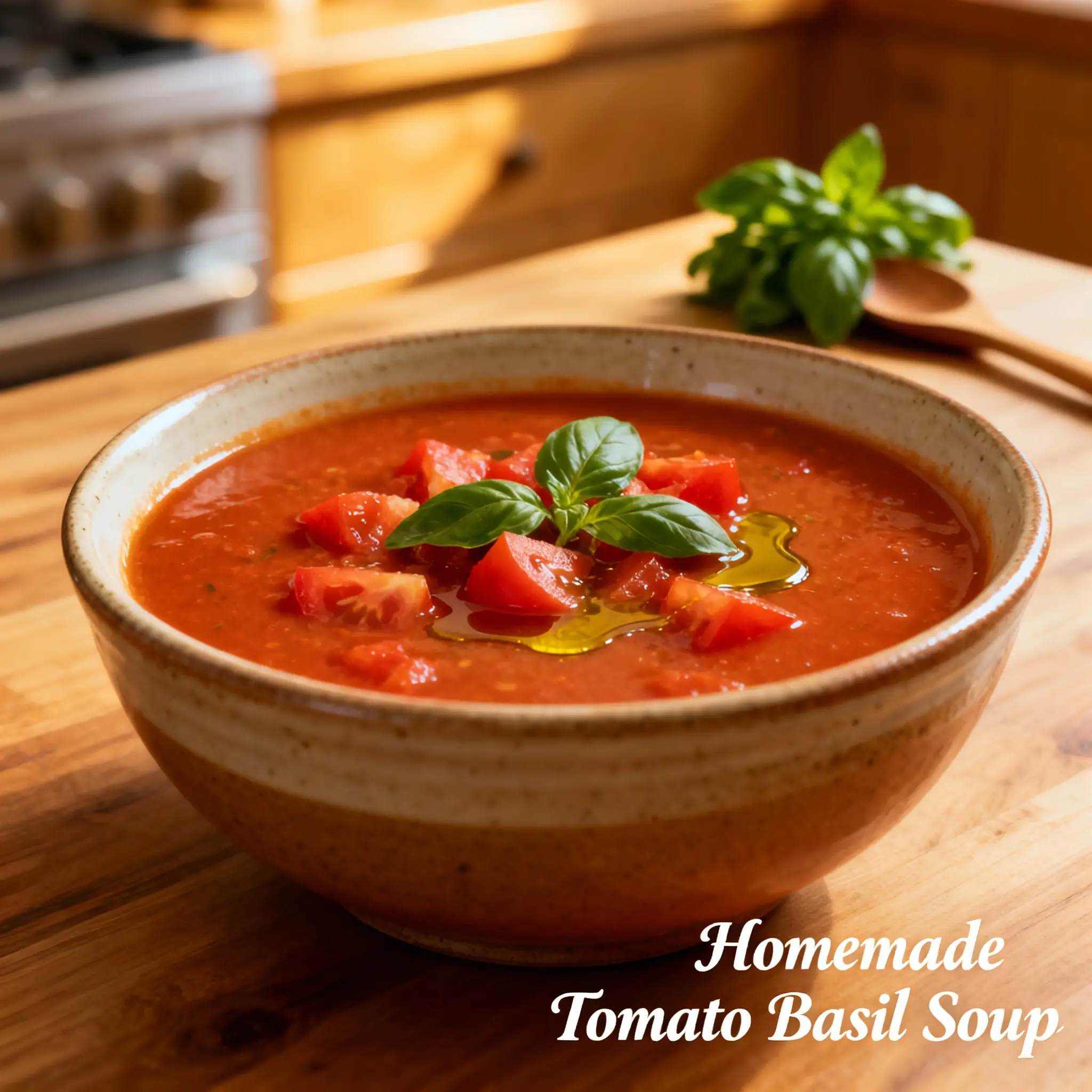
Classic Tomato Basil Comfort Soup: A Timeless Culinary Treasure
There’s something deeply comforting about a warm bowl of Classic Tomato Basil Comfort Soup. Whether served on a chilly winter evening, during a rainy afternoon, or as a soothing remedy when feeling under the weather, this soup wraps you in warmth and flavor with every spoonful. Rich, velvety, aromatic, and bursting with the natural sweetness of ripe tomatoes and the herbal freshness of basil, this dish has earned its place as a beloved staple in kitchens around the world. In this comprehensive guide, we’ll explore the history, ingredients, preparation, variations, nutritional benefits, and everything you need to know to make the perfect pot of tomato basil soup right at home.
The History of Tomato Basil Soup
The roots of tomato soup stretch back centuries, beginning long before the ingredient even entered European cuisine. Tomatoes originated in western South America, particularly in regions that are now Peru, Ecuador, and northern Chile. The Aztecs were among the first to cultivate and consume tomatoes, referring to them as “tomatl.” When Spanish explorers arrived in the Americas in the 16th century, they brought tomatoes back to Europe, where they were initially met with suspicion due to their resemblance to poisonous nightshade plants.
It wasn’t until the 18th and 19th centuries that tomatoes gained widespread acceptance in European cooking, especially in Mediterranean countries like Italy, Spain, and southern France. Italian cuisine, in particular, embraced the tomato wholeheartedly, integrating it into sauces, stews, and soups. The combination of tomatoes with fresh herbs like basil became a hallmark of Italian culinary tradition—simple, flavorful, and rooted in seasonal ingredients.
The modern version of tomato soup began gaining popularity in the late 19th century. In 1897, John T. Dorrance, a chemist working for the Campbell Soup Company, invented condensed tomato soup, which revolutionized American eating habits. This convenient canned version made tomato soup accessible to households across the United States and cemented its status as a comfort food classic.
Today, homemade tomato basil soup stands as a gourmet evolution of that humble canned original. By using fresh, high-quality ingredients and taking time to build layers of flavor, home cooks elevate this simple dish into a restaurant-worthy meal. It’s a testament to how a dish can transcend time, culture, and convenience to become a symbol of nourishment and care.
Ingredients Breakdown: Why Each Component Matters
The beauty of Classic Tomato Basil Comfort Soup lies in its simplicity and the synergy between a few key ingredients. Here’s a detailed look at each component and why it plays a crucial role:
- Fresh Ripe Tomatoes or High-Quality Canned Tomatoes: The star of the show. While fresh tomatoes are ideal in season (especially Roma, San Marzano, or vine-ripened varieties), high-quality canned crushed or whole peeled tomatoes offer consistent flavor and texture year-round. San Marzano tomatoes, grown in the volcanic soil near Mount Vesuvius in Italy, are prized for their sweet taste, low acidity, and thick flesh.
- Fresh Garlic: Adds depth and aromatic complexity. When sautéed gently, garlic mellows and infuses the soup with a savory backbone.
- Yellow Onion: Provides natural sweetness and body. Slowly caramelizing the onion enhances the soup’s richness and balances the acidity of the tomatoes.
- Fresh Basil: The herb that gives this soup its signature aroma and freshness. Basil contains compounds like linalool and eugenol that contribute floral, peppery notes. It’s best added toward the end of cooking to preserve its volatile oils.
- Olive Oil: Used for sautéing and enriching the soup. Extra virgin olive oil adds a fruity, grassy note that complements the tomatoes beautifully.
- Vegetable or Chicken Stock: Builds depth and umami. Homemade stock is ideal, but a good-quality low-sodium store-bought version works well. For vegetarians, stick with vegetable broth.
- Tomato Paste: Concentrated tomato flavor that deepens the color and richness of the soup. Cooking it briefly with onions and garlic (a technique called “blooming”) intensifies its sweetness and removes any raw taste.
- Heavy Cream or Coconut Milk (optional): Adds creaminess and smoothness. Dairy cream brings a luxurious mouthfeel, while coconut milk offers a dairy-free alternative with a subtle tropical undertone.
- Sugar (optional): A small pinch may be used to balance overly acidic tomatoes, though ripe, in-season tomatoes often don’t require it.
- Salt and Black Pepper: Essential for seasoning and enhancing all other flavors.
- Dried Herbs (such as thyme or oregano): Optional but recommended for additional depth. Thyme pairs especially well with tomatoes.
Step-by-Step Recipe: Crafting the Perfect Bowl
Follow this detailed method to create a silky, aromatic, and deeply satisfying tomato basil soup from scratch.
Ingredients
- 2 tablespoons extra virgin olive oil
- 1 large yellow onion, finely chopped
- 4 cloves garlic, minced
- 2 (28-ounce) cans whole peeled San Marzano tomatoes (with juice) OR 3 pounds ripe fresh tomatoes, blanched and peeled
- 2 tablespoons tomato paste
- 4 cups vegetable or chicken stock
- 1 teaspoon sugar (optional)
- 1 teaspoon dried thyme (or 1 sprig fresh thyme)
- 1 bay leaf
- Salt and freshly ground black pepper, to taste
- 1 cup fresh basil leaves, plus extra for garnish
- ½ cup heavy cream, half-and-half, or full-fat coconut milk (optional)
Directions
- Sauté the Aromatics: In a large heavy-bottomed pot or Dutch oven, heat the olive oil over medium heat. Add the chopped onion and a pinch of salt. Cook slowly for 8–10 minutes, stirring occasionally, until the onions are soft and translucent. Avoid browning them unless you want a deeper, caramelized flavor.
- Add Garlic and Tomato Paste: Stir in the minced garlic and cook for 1 minute until fragrant. Add the tomato paste and stir continuously for 2–3 minutes. This step “cooks out” the raw taste and deepens the flavor through the Maillard reaction.
- Incorporate Tomatoes: Pour in the canned tomatoes (crushing them by hand or with a wooden spoon as you add them). If using fresh tomatoes, add them now along with any juices collected during peeling. Stir well to combine.
- Add Liquids and Seasonings: Pour in the stock, then add the sugar (if using), dried thyme, and bay leaf. Season lightly with salt and pepper. Bring the mixture to a gentle boil, then reduce the heat to low and simmer uncovered for 30–40 minutes, allowing the flavors to meld and the soup to reduce slightly.
- Blend Until Smooth: Remove the bay leaf and thyme sprig (if using fresh). Carefully transfer the soup in batches to a blender and blend until completely smooth. Alternatively, use an immersion blender directly in the pot. Caution: Hot liquids expand—blend in short pulses and hold the lid down with a towel.
- Stir in Basil and Cream: Return the blended soup to the pot (if using a countertop blender). Stir in the fresh basil leaves and cream (if using). Heat gently over low heat for 3–5 minutes—do not boil after adding cream to prevent curdling.
- Taste and Adjust: Season with additional salt, pepper, or a splash of balsamic vinegar for brightness if desired. For a thinner consistency, add more stock or water.
- Serve Warm: Ladle into bowls, garnish with a swirl of cream, fresh basil leaves, croutons, or grated Parmesan cheese. Serve immediately.
Tips for Success: Elevating Your Soup Game
- Use the Best Tomatoes You Can Find: Quality matters. San Marzano canned tomatoes are consistently recommended by chefs for their superior taste and texture.
- Don’t Rush the Onions: Low and slow cooking of onions builds a sweeter, more complex base. Rushing this step can result in a sharp or bitter flavor.
- Bloom the Tomato Paste: Cooking the paste with oil, onions, and garlic unlocks its full potential and eliminates any tinny aftertaste.
- Reserve Some Fresh Basil for Garnish: Adding some torn basil leaves at the end preserves their vibrant color and aroma.
- Acidity Balance: If your soup tastes too acidic, a tiny pinch of sugar or a teaspoon of balsamic vinegar can help round it out.
- Texture Control: For an ultra-smooth texture, strain the soup through a fine-mesh sieve after blending. For a rustic feel, leave it slightly chunky.
- Make Ahead Friendly: This soup tastes even better the next day as flavors continue to develop. Store in an airtight container in the refrigerator for up to 5 days or freeze for up to 3 months.
- Avoid Boiling After Adding Cream: High heat can cause dairy to separate. Always warm creamed soups gently.
Variations and Customizations
One of the joys of Classic Tomato Basil Comfort Soup is its versatility. Here are some creative twists to suit different tastes and dietary needs:
- Vegan/Dairy-Free Version: Skip the cream or substitute with coconut milk, cashew cream, or unsweetened oat milk for a rich, plant-based alternative.
- Roasted Tomato Basil Soup: Roast halved tomatoes, onions, and garlic with olive oil and herbs at 400°F (200°C) for 30–40 minutes before blending. Roasting deepens the flavor with a smoky, caramelized edge.
- Spicy Kick: Add a pinch of red pepper flakes or a dash of hot sauce for heat. A small diced jalapeño sautéed with the onions also works well.
- Creamy Avocado Swirl: Blend ripe avocado into the soup or swirl guacamole on top for added creaminess and healthy fats.
- Protein-Packed: Stir in cooked lentils, white beans, or shredded rotisserie chicken to make it a heartier meal.
- Herb Variations: Try adding oregano, marjoram, or tarragon for a different herbal profile. Parsley or chives make excellent garnishes.
- Grilled Cheese Croutons: Instead of plain croutons, cube and toast pieces of grilled cheese sandwich for an indulgent topping.
- Smoky Flavor: Add a small piece of smoked paprika or a drop of liquid smoke for a campfire-like depth.
- With Pesto: Swirl in a spoonful of basil pesto just before serving for an herby punch.
Health Considerations and Nutritional Value
Tomato basil soup isn’t just delicious—it can be a nutritious addition to your diet when prepared thoughtfully. Here’s a breakdown of its health benefits and considerations:
- Lycopene Powerhouse: Tomatoes are rich in lycopene, a powerful antioxidant linked to reduced risk of heart disease, certain cancers (especially prostate cancer), and improved skin health. Cooking tomatoes increases lycopene bioavailability.
- Vitamins and Minerals: Tomatoes provide vitamin C, potassium, folate, and vitamin K. Onions and garlic contribute prebiotic fibers and compounds like allicin, which may support immune function and cardiovascular health.
- Basil Benefits: Fresh basil contains antioxidants, essential oils with anti-inflammatory properties, and small amounts of vitamin A, magnesium, and iron.
- Low in Calories (Without Cream): A basic version without cream can be as low as 100–150 calories per serving, making it a great choice for weight management.
- Dietary Flexibility: Easily adapted for vegan, vegetarian, gluten-free, and dairy-free diets.
- Watch Sodium Levels: If using canned tomatoes or broth, choose low-sodium versions and adjust salt to taste, especially for those managing blood pressure.
- Cream Adds Saturated Fat: While delicious, heavy cream increases saturated fat content. Use in moderation or opt for lighter alternatives like half-and-half or plant-based milks.
- Fiber Content: Blending retains fiber from skins and pulp (especially if not strained), supporting digestive health.
Nutritional Estimate (per serving, without cream, 1.5 cups):
Calories: ~120 | Carbohydrates: 22g | Fiber: 5g | Sugar: 14g | Protein: 4g | Fat: 3g (mostly from olive oil) | Sodium: 600mg (varies by broth) | Vitamin C: 40% DV | Vitamin A: 30% DV | Lycopene: High
Frequently Asked Questions (FAQ)
Can I make this soup in advance?
Absolutely! Tomato basil soup reheats beautifully and often tastes even better the next day. Store in the fridge for up to 5 days or freeze for up to 3 months. Reheat gently on the stove.
Can I use fresh tomatoes instead of canned?
Yes, but keep in mind that fresh tomatoes have higher water content. You may need to simmer longer to concentrate the flavor. Blanching and peeling them first ensures a smoother texture.
Why did my soup turn out too acidic?
Some tomatoes are naturally more acidic. To balance, try adding a pinch of sugar, a teaspoon of butter, or a splash of balsamic vinegar, which enhances sweetness and complexity.
Can I make it without cream?
Definitely. The soup will be lighter and still delicious. For creaminess without dairy, blend in cooked potatoes, cauliflower, or white beans.
How do I prevent the soup from splattering when blending?
Always allow the soup to cool slightly, fill the blender no more than halfway, remove the center cap from the lid, and cover with a kitchen towel. Start blending on low speed.
Can I add pasta or rice?
Yes, but add them separately when serving to avoid mushiness. Cook the pasta or rice al dente and stir in just before serving.
Is this soup freezer-friendly?
Yes, but avoid freezing with cream. Freeze the base, then add cream when reheating. Soups with dairy can separate upon thawing.
What’s the best way to reheat tomato soup?
Reheat gently over medium-low heat on the stove, stirring occasionally. Avoid boiling, especially if cream has been added.
Summary
Classic Tomato Basil Comfort Soup is a harmonious blend of rich tomatoes, aromatic herbs, and savory aromatics, simmered to perfection for a soul-warming experience. Simple to make yet deeply satisfying, it’s a timeless recipe that nourishes both body and spirit with every spoonful.