
Introduction
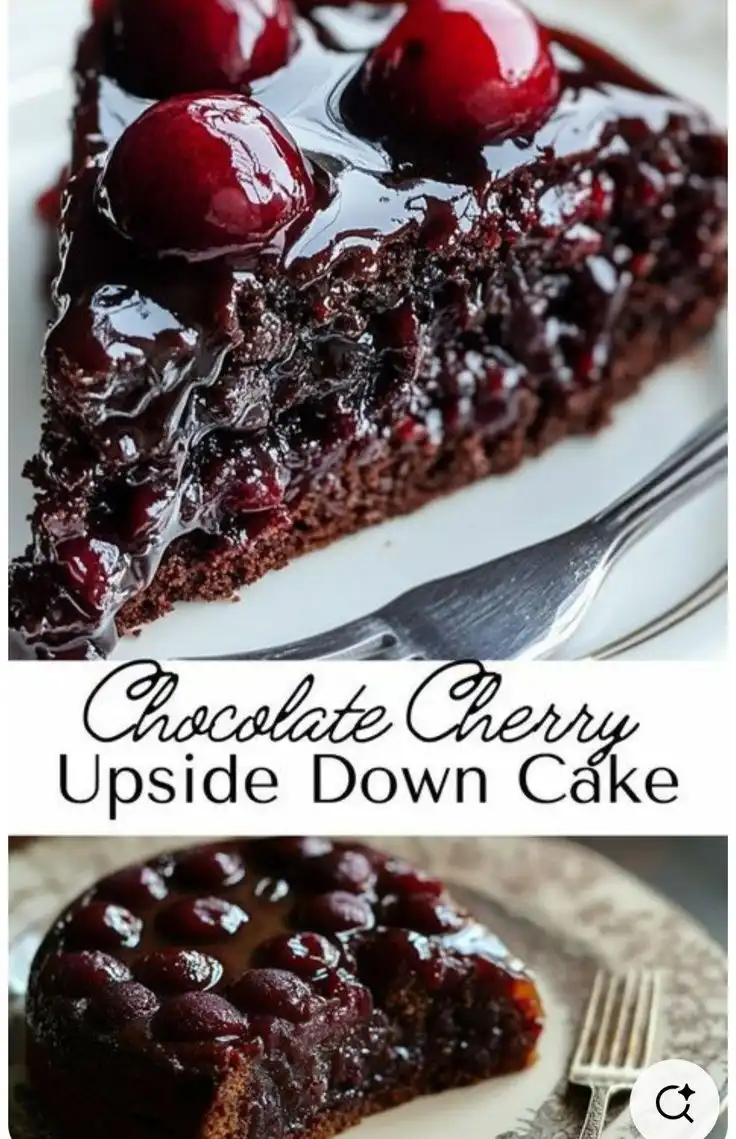
The Chocolate Cherry Upside-Down Cake is a luscious, decadent twist on the classic American upside-down cake—a dessert that marries deep cocoa richness with the bright, tangy-sweet burst of cherries. Unlike traditional pineapple or apple versions, this iteration elevates the format with layers of velvety chocolate cake batter poured over a glossy, caramelized cherry topping—then baked until golden, flipped while warm, and served with an irresistible sheen of syrupy fruit glaze pooling around tender, moist chocolate crumb. It’s a showstopping centerpiece for holidays, dinner parties, or cozy Sunday afternoons—equally comforting and elegant, nostalgic yet refreshingly modern.
The History
The upside-down cake traces its roots to early 20th-century American home baking, gaining widespread popularity in the 1920s and ’30s—especially after brands like Dole Pineapple Company promoted their canned pineapple as the perfect topping in clever marketing campaigns. Before refrigeration was commonplace, fruit-based upside-down cakes were practical: they used pantry-stable canned or preserved fruit, required no fancy equipment, and showcased seasonal produce with minimal fuss. The technique itself—arranging fruit and sugar in the bottom of a pan, adding batter, and flipping post-bake—was likely inspired by French tarte tatin, though adapted for American ovens and ingredients. Chocolate entered the upside-down repertoire much later—gaining traction in the 1950s and ’60s as cocoa powder became more accessible and cake mixes surged in popularity. The Chocolate Cherry variation emerged organically from home bakers experimenting with contrasting flavors: the tartness of sour cherries (especially Morello or Montmorency) beautifully cutting through the bitterness of dark cocoa, while the natural pectin in cherries helped thicken the caramelized syrup into a luxuriously sticky glaze. Today, it’s celebrated across food blogs, vintage cookbook revivals, and artisanal bakeries—from Brooklyn to Portland—as a masterclass in balance, texture, and old-fashioned craftsmanship with contemporary flair.
Ingredients Breakdown
Every element in this cake serves a precise purpose—flavor, structure, moisture, lift, or visual appeal. Here’s a detailed breakdown of why each ingredient matters:
- Dark Sweet or Tart Cherries (fresh, frozen, or high-quality jarred): Provide acidity, juiciness, and natural pectin. Tart cherries offer superior flavor complexity and prevent cloying sweetness; frozen cherries (unsweetened) retain firmness better than canned, which can become mushy. If using canned, opt for those packed in light syrup or water—not heavy syrup—to avoid excessive sugar dilution.
- Brown Sugar (dark or light): The cornerstone of the topping—its molasses content lends deep caramel notes, moisture retention, and helps create a rich, viscous syrup when melted with butter. Dark brown sugar intensifies the toffee-like depth.
- Unsalted Butter: Adds richness and promotes even browning in the topping. Clarified or European-style butter (higher fat, lower water) yields a more stable, glossy glaze with less splatter.
- Vanilla Extract (pure, not imitation): Enhances fruit aroma and rounds out cocoa’s sharp edges. A splash of almond extract (¼ tsp) complements cherries beautifully but is optional.
- All-Purpose Flour: Provides gluten structure. For extra tenderness, substitute up to 25% with cake flour—or add 1 tbsp cornstarch per cup of AP flour.
- Natural or Dutch-Process Cocoa Powder: Natural cocoa (acidic) reacts strongly with baking soda for optimal rise and delivers sharp, fruity chocolate notes; Dutch-process (alkalized) offers mellow, earthy depth and works best with baking powder. This recipe uses natural cocoa for brighter contrast with cherries—but both work with proper leavener adjustments.
- Baking Soda + Baking Powder Combo: Ensures reliable, dual-action lift—soda for immediate reaction with acidic cocoa/vinegar, powder for sustained oven spring. Critical for preventing a dense, sunken center.
- Granulated Sugar: Balances bitterness, feeds yeast-like action in leaveners, and contributes to crust formation and shelf life.
- Eggs (large, room temperature): Bind ingredients, emulsify fats, trap air for volume, and contribute to structure via coagulation. Cold eggs can cause batter to curdle—always bring to room temp.
- Buttermilk (or DIY substitute): Its acidity activates baking soda, tenderizes gluten, and adds subtle tang that mirrors cherry brightness. For dairy-free, use cultured coconut milk or plant-based milk + 1 tsp vinegar.
- Vegetable Oil (or melted coconut oil): Keeps the crumb exceptionally moist and fine-grained—unlike butter-based cakes, which can dry out faster. Neutral oil ensures chocolate and cherry remain front-and-center.
- Apple Cider Vinegar (or white vinegar): Boosts leavening power and enhances cocoa’s flavor without detectable sourness—especially vital if using Dutch-process cocoa or low-acid buttermilk alternatives.
- Salt (fine sea or kosher): Not just for seasoning—it heightens all other flavors and controls yeast activity (even in chemically-leavened bakes).
- Optional Luxe Additions: A pinch of flaky sea salt sprinkled atop before serving; ½ tsp ground cinnamon or cardamom in the batter; 1–2 tbsp kirsch or cherry brandy folded into the cherry layer; toasted sliced almonds or chopped dark chocolate sprinkled over the topping pre-bake.
Step-by-Step Recipe
- Preheat & Prep Pan: Position oven rack in the center. Preheat oven to 350°F (175°C). Generously grease a 9-inch round, light-colored metal cake pan (not nonstick-only—some grip helps topping adhere). Line the bottom with parchment paper, then grease the parchment and sides again. Lightly flour interior or dust with cocoa powder (to prevent sticking and enhance chocolate tone).
- Prepare Cherry Topping: In a medium bowl, combine ¾ cup dark brown sugar, 6 tbsp unsalted butter (cut into small cubes), and 1 tsp pure vanilla extract. Using a silicone spatula or wooden spoon, stir over low heat in a small saucepan until butter melts and mixture is smooth and glossy (about 3–4 minutes). Remove from heat. Gently fold in 2 cups pitted fresh or thawed frozen cherries (tossed with 1 tsp cornstarch to absorb excess juice), 1 tbsp lemon juice, and optional ¼ tsp almond extract. Pour evenly into prepared pan and spread into a uniform layer. Set aside while preparing batter.
- Mix Dry Ingredients: In a large bowl, sift together 1¼ cups all-purpose flour, ¾ cup natural unsweetened cocoa powder, 1 tsp baking soda, 1 tsp baking powder, ½ tsp fine sea salt, and (optional) ¼ tsp ground cinnamon. Whisk vigorously for 30 seconds to fully aerate and combine—this prevents cocoa clumps and ensures even leavening.
- Cream Wet Base: In a separate medium bowl, whisk 1 cup granulated sugar, 2 large room-temperature eggs, and ⅓ cup neutral oil until fully emulsified and slightly thickened (~1 minute). Add 1 cup buttermilk, 1 tsp apple cider vinegar, and 1 tsp pure vanilla. Whisk until smooth—no streaks of oil or separated liquid.
- Combine Batter: Pour wet mixture into dry ingredients. Using a whisk or spatula, gently fold together *just until no dry streaks remain*. Do NOT overmix—batter will be thin and fluid (like pancake batter), and a few small lumps are ideal. Overmixing develops gluten, leading to toughness. Let batter rest 5 minutes—this hydrates cocoa and starches, improving texture and reducing tunneling.
- Pour & Bake: Carefully pour batter over cherry layer. Tilt pan gently to spread evenly—do not stir or disturb cherries. Tap pan firmly twice on counter to release air bubbles. Place pan on a parchment-lined baking sheet (for stability and easy handling; also catches any potential overflow). Bake 38–45 minutes—until a toothpick inserted into the *center of the cake* (not near cherries) comes out with moist crumbs—not wet batter, not completely clean. Edges should be set and pulling slightly from pan; top should spring back lightly when touched.
- Cool & Flip: Remove from oven and let cool in pan on a wire rack for exactly 15 minutes—*no more, no less*. Cooling too long causes topping to harden and stick; too short risks collapse or scalding. Run a thin knife around inner edge. Place a large, heat-safe serving plate or platter (slightly larger than pan) upside-down over cake. With oven mitts, firmly grip both pan and plate, and in one confident motion, flip. Lift pan straight up—topping should release cleanly. If any cherries cling, gently nudge with spatula. Let rest 10 more minutes before slicing—this allows syrup to reabsorb and set slightly.
- Serve: Best served warm (within 2 hours) with a scoop of Madagascar vanilla bean ice cream, crème fraîche, or a dusting of powdered sugar and fresh mint. Leftovers keep covered at room temperature up to 2 days—or refrigerated up to 5 days (re-warm slices in toaster oven or microwave with damp paper towel).
Tips
- Pan Choice Matters: Use a *light-colored, 9-inch round metal pan*—dark or glass pans overheat edges, causing premature crust formation and uneven bake. Avoid springform pans unless tightly wrapped in foil—leaks ruin the topping.
- Cherry Prep Precision: Always pit cherries thoroughly—even tiny pits impart bitter tannins. For frozen cherries, thaw *completely*, then drain in a fine-mesh sieve pressed with paper towels. Excess water = steamed, soggy topping instead of caramelized glaze.
- Butter Temperature Control: Melt butter *just enough*—don’t boil the topping. Overheating burns sugars and creates graininess. If mixture separates, whisk in 1 tsp hot water to re-emulsify.
- Batter Consistency Check: Ideal batter resembles heavy cream—fluid enough to pour smoothly but thick enough to hold a trail briefly when lifted. Too thin? Add 1 tsp flour. Too thick? Stir in 1 tsp buttermilk.
- Oven Thermometer Essential: Most home ovens run hot or cold. An inaccurate 25°F variance can mean underbaked center or cracked, dry cake. Calibrate first.
- No Peek Rule: Resist opening the oven door before 30 minutes—temperature drops cause collapse. Use oven light and interior window instead.
- Flip Timing is Non-Negotiable: Set a timer. At 15 minutes, the syrup is still fluid enough to coat cherries beautifully but firm enough to hold shape. Waiting leads to irreversible adhesion.
- Rest Before Slicing: Cutting too soon releases steam and makes cherries slide off. Let sit 10 minutes post-flip—this firms the glaze and sets the crumb.
- Storage Hack: To prevent drying, store leftovers *upside-down* (cherry-side up) in an airtight container lined with parchment. The residual syrup keeps the top moist.
- Reviving Leftovers: Reheat individual slices on a parchment-lined baking sheet at 325°F for 8–10 minutes—or microwave 15 seconds covered with damp paper towel. Never reheat uncovered—it dries out instantly.
Variations and Customizations
- Vegan Version: Replace eggs with 2 flax eggs (2 tbsp ground flax + 6 tbsp water, rested 10 min); use plant-based butter and buttermilk (soy or oat milk + 1 tsp vinegar); ensure cocoa and sugar are vegan-certified. Add 1 tsp guar gum to batter for binding.
- Gluten-Free Adaptation: Substitute 1:1 gluten-free all-purpose flour blend (with xanthan gum included); increase cocoa to ¾ cup + 1 tbsp (GF flours absorb more moisture); add 2 tbsp psyllium husk powder for elasticity. Bake 5–7 minutes longer—GF batters often need extra time to set.
- Black Forest-Inspired: Add ¼ cup Kirschwasser to cherry layer; fold ½ cup finely chopped dark chocolate (70%) into batter; garnish with whipped cream, chocolate curls, and brandied cherries.
- Mini Individual Cakes: Use six 4-inch round cake pans. Reduce bake time to 22–26 minutes. Perfect for portion control or elegant dinner service.
- Spiced Cherry Variation: Infuse cherry topping with 1 star anise pod (removed before pouring) or add ½ tsp grated fresh ginger + ⅛ tsp black pepper to brown sugar mixture.
- White Chocolate Cherry: Swap cocoa for ¾ cup white chocolate chips melted with 1 tbsp coconut oil; reduce granulated sugar to ¾ cup; use white chocolate shavings in topping.
- Maraschino Cherry Twist: Use high-quality maraschino cherries (drained well) + 2 tbsp reserved syrup in topping; omit lemon juice; add ¼ tsp orange zest to batter.
- Cherry-Almond Crumble Top: After pouring batter, sprinkle topping with ⅓ cup sliced almonds + 2 tbsp brown sugar + 1 tbsp cold butter, rubbed in. Adds delightful crunch and nutty aroma.
- Boozy Reduction Glaze: Simmer ½ cup cherry juice (from canned cherries or reduced fresh cherry purée) with 2 tbsp brown sugar and 1 tbsp bourbon until thickened to syrup consistency. Drizzle over cooled cake.
- Decadent Ganache Finish: After flipping and cooling, pour warm dark chocolate ganache (1 part cream to 2 parts chocolate) over top, letting it drip down sides for restaurant-worthy presentation.
Health Considerations and Nutritional Value
While undeniably indulgent, this cake offers surprising nutritional nuance when viewed beyond “dessert = empty calories.” A standard slice (1/12 of recipe) contains approximately:
- Calories: ~380–420 kcal (varies by cherry type, sugar level, and oil choice)
- Total Fat: 16–18g (mostly unsaturated from oil and cocoa butter; ~5g saturated)
- Carbohydrates: 62–68g (including 42–48g naturally occurring sugars from fruit and added sweeteners)
- Fiber: 3–4g (from cherries, cocoa, and whole grains if using whole wheat pastry flour substitution)
- Protein: 4–5g (from eggs and dairy/buttermilk)
- Key Micronutrients: Iron (from cocoa), potassium (cherries), magnesium (cocoa), vitamin C (cherries), and polyphenols (both cherries and dark chocolate—potent antioxidants linked to reduced inflammation and improved vascular function).
Health-Conscious Tweaks:
- Sugar Reduction: Cut granulated sugar by ¼ cup and brown sugar by 2 tbsp—cherries provide ample sweetness; compensate with 1 extra tbsp buttermilk for moisture.
- Oil Swap: Replace half the oil with unsweetened applesauce or mashed ripe banana for reduced fat and added fiber—though texture becomes denser.
- Flour Upgrade: Substitute ½ cup of AP flour with oat flour or almond flour for added protein and healthy fats—note: requires slight liquid adjustment.
- Cherry Power: Tart cherries contain anthocyanins—the same compounds in blueberries—that support muscle recovery and sleep regulation (via melatonin precursors). Opt for organic, unsulfured dried cherries or frozen unsweetened for maximum phytonutrient retention.
- Portion Mindfulness: Serve smaller slices (1/16 instead of 1/12) alongside Greek yogurt or cottage cheese for balanced macros and satiety.
- Allergen Notes: Naturally nut-free and soy-free (if using soy-free chocolate and oil); easily adaptable for egg/dairy allergies using tested substitutes. Always verify labels on cocoa, extracts, and canned goods for hidden allergens.
Remember: Enjoyment is a core component of holistic health. Savoring this cake mindfully—with attention to flavor, texture, and shared joy—supports emotional well-being as meaningfully as its nutrients support physical health.
Ingredients
For the Cherry Topping:
- ¾ cup (150g) dark brown sugar, packed
- 6 tablespoons (85g) unsalted butter, cut into small cubes
- 1 teaspoon pure vanilla extract
- 2 cups (300g) pitted fresh or frozen-thawed dark sweet or tart cherries (Morello, Montmorency, or Bing)
- 1 tablespoon (8g) cornstarch
- 1 tablespoon (15ml) fresh lemon juice
- ¼ teaspoon pure almond extract (optional, but highly recommended)
For the Chocolate Cake Batter:
- 1¼ cups (160g) all-purpose flour (spooned & leveled)
- ¾ cup (75g) natural unsweetened cocoa powder (not Dutch-process)
- 1 teaspoon baking soda
- 1 teaspoon baking powder
- ½ teaspoon fine sea salt
- 1 cup (200g) granulated sugar
- 2 large eggs, room temperature
- ⅓ cup (80ml) neutral oil (vegetable, canola, or grapeseed)
- 1 cup (240ml) buttermilk, room temperature
- 1 teaspoon apple cider vinegar
- 1 teaspoon pure vanilla extract
Directions
- Preheat oven to 350°F (175°C). Grease a 9-inch round cake pan with butter, line bottom with parchment, grease parchment, then lightly flour or dust with cocoa powder.
- In a small saucepan over low heat, combine brown sugar, butter, and vanilla. Stir constantly until butter melts and mixture is smooth and glossy (~3–4 minutes). Remove from heat.
- Gently fold in cherries (tossed with cornstarch), lemon juice, and almond extract (if using). Pour into prepared pan and spread evenly. Set aside.
- In a large bowl, sift together flour, cocoa, baking soda, baking powder, and salt. Whisk 30 seconds to aerate.
- Pour wet mixture into dry ingredients. Gently fold with spatula until *just* combined—batter will be thin and may have small lumps. Let rest 5 minutes.
- Pour batter evenly over cherry layer. Tap pan firmly twice on counter. Place on parchment-lined baking sheet.
- Bake 38–45 minutes, until toothpick in center comes out with moist crumbs. Edges should pull from sides; top springs back when lightly pressed.
- Let cool in pan on wire rack for exactly 15 minutes.
- Run knife around edge. Place heat-safe serving plate upside-down over pan. Flip confidently. Lift pan. Let rest 10 minutes before slicing.
- Serve warm with ice cream or crème fraîche. Store covered at room temperature up to 2 days or refrigerated up to 5 days.
FAQ
- Can I use canned cherries?
- Yes—but choose those packed in water or light syrup, *not* heavy syrup. Drain thoroughly and pat dry. Expect slightly softer texture and milder flavor than fresh/frozen.
- Why did my cake stick to the pan?
- Most common causes: pan not greased thoroughly enough (especially parchment edges), cooled too long before flipping (>15 min), or used nonstick pan without flour/cocoa dusting. Always grease *and* flour—even parchment needs it!
- Can I make this ahead?
- Absolutely. Bake, cool completely, and refrigerate upside-down (cherry-side up) in airtight container up to 5 days. Re-warm slices before serving for best texture.
- My topping is watery—what went wrong?
- Excess moisture from undrained cherries or undercooked topping. Always press frozen cherries dry and ensure brown sugar/butter mixture simmers long enough to thicken before adding fruit.
- Can I freeze this cake?
- Yes! Cool completely, wrap *tightly* in plastic + foil, and freeze up to 3 months. Thaw overnight in fridge, then re-warm in 325°F oven for 12–15 minutes before serving.
- Is Dutch-process cocoa okay?
- Yes—with modification: replace baking soda with *2 tsp baking powder* and omit vinegar. Dutch-process lacks acidity, so leavening must be fully acid-independent.
- Why does my cake sink in the middle?
- Common culprits: opening oven too soon, underbaking, overmixing batter, or expired leaveners. Always test with toothpick *in center only*—not near fruit—and verify baking soda/powder freshness (fizz test in hot water).
- Can I add nuts or chocolate chips?
- Yes! Fold ½ cup toasted walnuts or pecans into batter—or stir ⅓ cup mini chocolate chips into batter *after* folding. Avoid adding to topping unless you want crunchy pockets.
- What’s the best cherry variety?
- Tart varieties (Montmorency, Morello) offer the brightest contrast to chocolate. Sweet Bing or Rainier work but require extra lemon juice to balance.
- Can I double the recipe for a sheet cake?
- Yes—double all ingredients and bake in a greased 9×13-inch pan at 350°F for 42–50 minutes. Rotate pan halfway through. Flip carefully onto large platter using two large spatulas.
Summary
The Chocolate Cherry Upside-Down Cake is a harmonious marriage of bold, earthy cocoa and vibrant, tart-sweet cherries—transformed by caramelized brown sugar and butter into a glossy, jewel-toned crown atop an impossibly moist, tender crumb. Baked with precision and flipped with confidence, it delivers nostalgia, elegance, and soul-satisfying depth in every warm, syrup-draped slice.
Whether served simply with a dollop of crème fraîche or elevated with kirsch-infused ganache and toasted almonds, this cake proves that tradition and innovation, simplicity and sophistication, and indulgence and intention can coexist—beautifully, deliciously, and unforgettably.