
Introduction
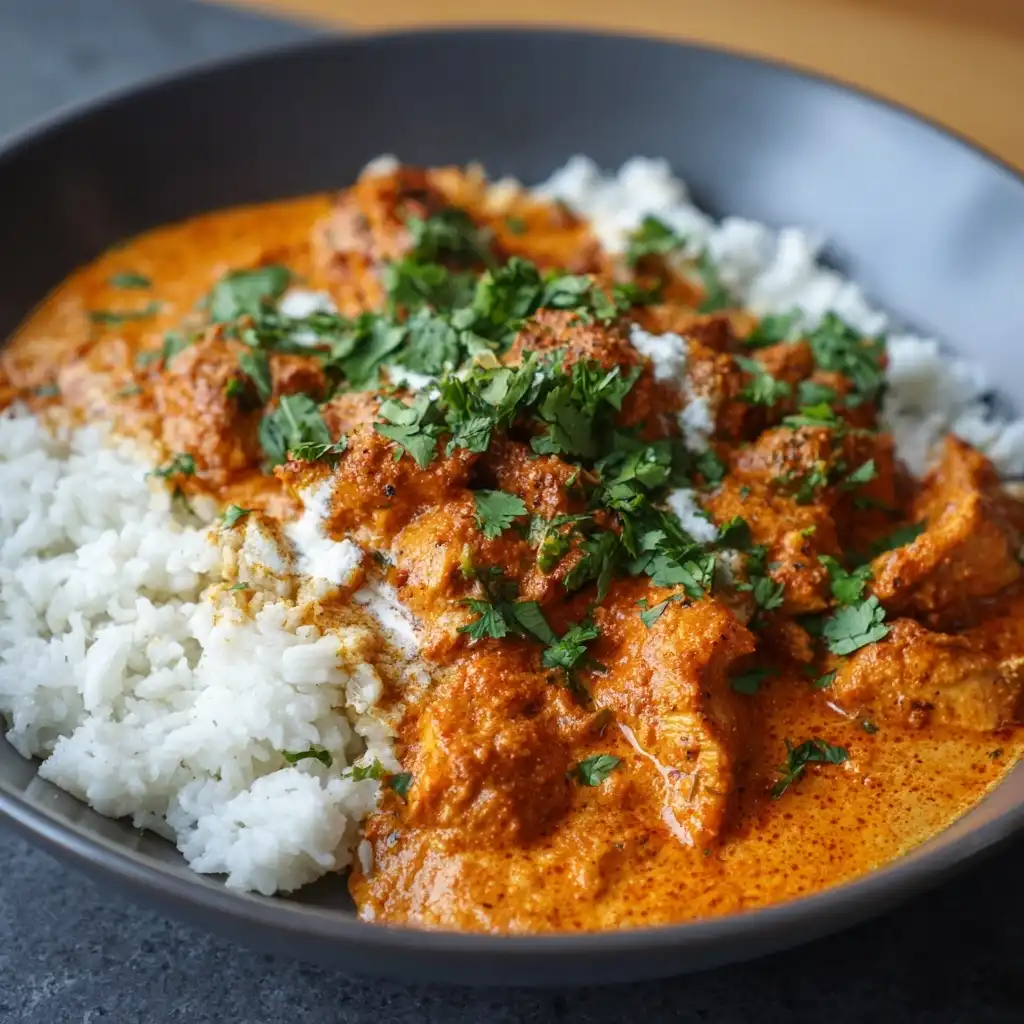
Chicken Tikka Masala is more than just a beloved dish—it’s a cultural phenomenon, a culinary bridge between tradition and innovation, and arguably the most iconic Indian-inspired meal in the global gastronomic landscape. Revered for its tender, smoky chicken morsels bathed in a luxuriously spiced, creamy tomato-based sauce, this dish embodies balance: heat and sweetness, tang and richness, rustic authenticity and refined elegance. Though often mistaken for a centuries-old Indian classic, Chicken Tikka Masala emerged from dynamic cross-cultural exchange—born in post-war Britain through the ingenuity of South Asian chefs adapting to local palates, yet deeply rooted in the techniques and flavors of Mughlai and Punjabi cooking traditions. Whether served in a bustling London curry house, a fine-dining restaurant in Tokyo, or your own kitchen on a cozy Sunday evening, Chicken Tikka Masala delivers comfort, complexity, and irresistible aroma—all in one vibrant, soul-warming bowl.
The History
The origins of Chicken Tikka Masala are steeped in spirited debate, folklore, and scholarly inquiry—making it one of the most contested yet celebrated origin stories in food history. The most widely cited narrative traces its birth to the 1960s or early 1970s in Glasgow or Newcastle upon Tyne, where Bangladeshi or Pakistani chefs working in British curry houses responded to customer requests for something “milder” or “saucier” than traditional tandoori chicken tikka. Legend has it that a diner asked for gravy to accompany his dry, charred tikka—and the chef, improvising with available ingredients (tomato soup, cream, spices, and yogurt), created an impromptu sauce that instantly captivated. By the late 1970s, variations appeared on menus across the UK, evolving rapidly with regional interpretations.
Academic research—including a 2001 study by the University of Edinburgh and a 2009 BBC documentary—supports the British-Indian genesis theory, citing archival menu evidence and oral histories from pioneering restaurateurs like Ali Ahmed Aslam of the Shish Mahal in Glasgow. In 2001, then-British Foreign Secretary Robin Cook famously declared Chicken Tikka Masala “a true British national dish,” noting its embodiment of multiculturalism: “It is a perfect illustration of the way Britain absorbs and adapts external influences.” While purists may argue that no direct precedent exists in classical Indian cookbooks, modern Indian chefs—including those at Delhi’s historic Moti Mahal and Mumbai’s Trishna—now proudly serve elevated versions, acknowledging its legitimacy as a diasporic evolution rather than an inauthentic imitation. Today, it holds protected status in some European contexts, appears in UK school lunches, and even inspired a 2023 UNESCO nomination dossier (jointly submitted by the UK and Bangladesh) advocating for intangible cultural heritage recognition.
Ingredients Breakdown
Understanding each ingredient’s role transforms Chicken Tikka Masala from a simple recipe into a masterclass in layered flavor development:
- Chicken Breast & Thigh (Boneless, Skinless): A strategic blend—thigh offers fat, tenderness, and moisture retention during high-heat grilling; breast adds lean texture and subtle contrast. Cubed uniformly (1.5–2 inches) ensures even marination and cooking.
- Full-Fat Plain Yogurt: Acts as both tenderizer (lactic acid breaks down proteins) and moisture barrier during grilling. Must be thick (strained if necessary); low-fat versions separate and curdle under heat.
- Ginger-Garlic Paste: Freshly ground—not jarred—is non-negotiable for pungent, aromatic depth. Ginger contributes bright warmth; garlic adds umami backbone. Ratio matters: 2:1 ginger-to-garlic yields optimal balance.
- Kashmiri Red Chili Powder: The soul of color and mild, fruity heat. Unlike cayenne, it delivers vibrant red hue without overwhelming fire—essential for authentic appearance and nuanced spice profile.
- Garam Masala: A warm, complex finishing blend (typically including cinnamon, cardamom, cloves, cumin, coriander, black pepper, nutmeg). Added twice—once in marinade for penetration, once at the end for volatile aromatic lift.
- Smoked Paprika & Kasuri Methi (Dried Fenugreek Leaves): Secret weapons. Smoked paprika mimics tandoor’s charred nuance; crushed kasuri methi adds bittersweet, maple-like depth when rubbed in at the end.
- Tomatoes: Use ripe, meaty Roma or San Marzano tomatoes—simmered until collapsed into a rich, jammy base. Avoid canned “tomato sauce”; opt for whole peeled tomatoes (crushed by hand) or passata for purity of flavor.
- Heavy Cream & Cashew Paste: Cream provides silkiness and cools heat; cashew paste (soaked + blended) lends body, subtle sweetness, and velvety emulsion stability—reducing risk of splitting.
- Ghee & Neutral Oil: Ghee contributes nutty richness and high-heat stability for sautéing aromatics; a touch of sunflower or grapeseed oil prevents ghee from burning during initial frying.
- Fresh Cilantro & Green Chilies: Stirred in at the end for herbaceous brightness and fresh heat—non-negotiable for aromatic finish.
Step-by-Step Recipe
- Prep & Marinate the Chicken (Minimum 4 hours, ideally overnight): In a large stainless-steel or glass bowl, combine 1.5 lbs chicken cubes, 1 cup full-fat yogurt, 3 tbsp ginger-garlic paste, 2 tsp Kashmiri chili powder, 1.5 tsp garam masala, 1 tsp turmeric, 1.5 tsp salt, 1 tbsp lemon juice, 1 tsp smoked paprika, and 1 tbsp neutral oil. Massage thoroughly. Cover and refrigerate. For deeper flavor, add 1 tsp crushed kasuri methi in the last 30 minutes before cooking.
- Grill or Broil the Tikka (20–25 minutes): Preheat grill or broiler to high. Thread marinated chicken onto skewers (if using wooden, soak 30 mins first). Grill 8–10 minutes per side until charred at edges and just cooked through (165°F internal temp). Rest 5 minutes, then gently remove from skewers. Reserve any juices.
- Build the Aromatics Base (12–15 minutes): Heat 3 tbsp ghee + 1 tbsp oil in a heavy-bottomed Dutch oven or kadhai over medium-low heat. Add 1 large finely chopped onion; sauté 8 minutes until deep golden. Add 2 tbsp ginger-garlic paste; cook 2 minutes until raw smell disappears. Stir in 2 tsp cumin seeds, 1 tsp mustard seeds, and 2 dried red chilies—sizzle 30 seconds. Add 1 tbsp tomato paste; cook 3 minutes until brick-red and fragrant.
- Develop the Tomato Sauce (20–25 minutes): Add 1.5 lbs chopped tomatoes (or 1 can/400g whole peeled tomatoes, crushed). Simmer uncovered, stirring every 3–4 minutes, until tomatoes break down completely, reduce by half, and oil begins to separate (~18 minutes). Season with 1.5 tsp salt, 1 tsp sugar, and ½ tsp black pepper.
- Enrich & Emulsify (10 minutes): Lower heat to low. Whisk in ¼ cup cashew paste and ⅓ cup heavy cream. Simmer gently 5 minutes—do not boil vigorously. Stir in reserved chicken juices and ½ tsp garam masala.
- Combine & Finish (5 minutes): Gently fold in grilled chicken. Simmer 3–4 minutes to meld flavors. Adjust consistency with 2–4 tbsp warm water or cream if too thick. Finish with 1 tsp crushed kasuri methi, 2 tbsp fresh cilantro, 1–2 finely sliced green chilies, and a drizzle of cream or ghee. Taste and adjust salt/acid—add lemon juice drop by drop if needed.
Tips
- Yogurt Consistency is Crucial: Strain excess whey from yogurt using cheesecloth for 30 minutes—this prevents watery marinade and ensures superior adhesion and char.
- Don’t Skip the Rest: After grilling, let chicken rest before adding to sauce—this preserves juiciness and prevents shredding during stirring.
- Low-and-Slow Simmering: Rushing the tomato reduction leads to sour, thin sauce. Patience unlocks natural sweetness and depth—watch for the “oil separation” stage, signaling Maillard reaction completion.
- Cashew Paste Technique: Soak raw cashews in hot water for 20 minutes, then blend with ¼ cup soaking liquid until ultra-smooth—no grit allowed. Almond or sunflower seed paste works as nut-free alternative.
- Smoke Without a Tandoor: Place chicken under broiler with a smoking chip (oak or hickory) in a foil pouch with holes, or use a stovetop smoker for 3 minutes pre-grilling.
- Sauce Texture Hack: If sauce splits, whisk in 1 tsp cold cream off-heat, then gently reheat while stirring constantly.
- Make-Ahead Advantage: Marinate chicken up to 48 hours; cook sauce base (through tomato reduction) 2 days ahead—cool, refrigerate, then reheat and finish with chicken and cream day-of.
- Serving Temperature Matters: Serve piping hot—ideally within 10 minutes of finishing—to preserve aroma volatility and textural contrast.
Variations and Customizations
Chicken Tikka Masala is inherently adaptable—here’s how to honor tradition while expressing creativity:
- Dietary Adaptations: Vegan—swap chicken for king oyster mushrooms or pressed tofu; use coconut cream + cashew paste; replace ghee with coconut oil; add 1 tsp nutritional yeast for umami. Gluten-Free: Ensure all spice blends and tomato products are certified GF (some garam masalas contain wheat fillers). Keto: Omit sugar and yogurt marinade; use coconut cream + almond flour slurry instead of cashew paste; increase healthy fats with extra ghee and toasted nuts.
- Regional Twists: Punjabi Style: Add 1 tbsp butter and 1 tsp fenugreek seeds to sauce; finish with dollop of malai (clotted cream). Goan Influence: Substitute ¼ cup coconut milk for cream; add 1 tsp roasted cumin and ½ tsp tamarind pulp for tangy brightness. Kashmiri Version: Infuse sauce with saffron soaked in warm milk; garnish with fried shallots and rose petals.
- Protein Swaps: Lamb tikka masala (use shoulder, longer marination), Paneer tikka masala (bake or air-fry cubes), Shrimp tikka masala (reduce grilling to 2–3 minutes per side), or Jackfruit tikka masala (young green jackfruit in brine, pressure-cooked then marinated).
- Flavor Elevations: Add 1 star anise during onion sauté for licorice nuance; stir in 1 tbsp pomegranate molasses at finish for tart-sweet complexity; top with pickled red onions or mango chutney swirl for contrast.
- Cooking Method Innovations: Air Fryer: Marinate chicken, air-fry at 400°F for 12–14 minutes, shaking halfway. Instant Pot: Sauté aromatics via Sauté mode, pressure-cook sauce base 10 minutes, then quick-release and finish with chicken and cream manually. Smoker: Cold-smoke chicken pre-marination, then hot-smoke at 375°F for 20 minutes.
- Texture & Presentation: For restaurant-style elegance, serve in a traditional copper handi; garnish with edible silver leaf (varq), micro cilantro, and crispy fried curry leaves. For home comfort, ladle over saffron-infused basmati rice or warm garlic naan.
Health Considerations and Nutritional Value
A 1.5-cup serving (approx. 380g) of homemade Chicken Tikka Masala—with whole ingredients and mindful preparation—offers notable nutritional benefits while allowing for health-conscious customization:
- Macronutrient Profile (Approximate): 420–480 kcal | 32–38g protein | 24–28g fat (12–14g saturated, primarily from ghee/cream) | 18–22g carbohydrates (6–8g fiber from tomatoes/onions/spices) | 850–1,100mg sodium (highly variable—control via salt reduction and low-sodium tomato products).
- Key Nutrients & Bioactives: Rich in selenium (chicken), lycopene (cooked tomatoes—enhanced by fat for absorption), curcumin (turmeric—anti-inflammatory, boosted by black pepper), allicin (garlic—cardio-protective), and ferulic acid (fenugreek—blood-sugar modulating). Ginger offers potent gingerols for digestion and nausea relief.
- Heart Health Notes: Ghee contains butyrate and CLA—studies suggest anti-inflammatory and cholesterol-modulating effects when consumed moderately. Opt for grass-fed ghee and limit added saturated fat to ≤15g/serving for heart-conscious diets.
- Digestive Support: Yogurt’s probiotics (if unheated during marination) and ginger-garlic synergy aid gut motility and enzyme production. Kasuri methi’s soluble fiber promotes satiety and microbiome diversity.
- Weight Management: High-protein, moderate-fat composition increases thermogenesis and prolongs satiety. Avoid excessive cream/ghee—substitute ½ the cream with Greek yogurt (added off-heat) to cut ~60 kcal and 6g fat per serving.
- Allergen & Sensitivity Guidance: Dairy-free? Use coconut cream + coconut yogurt. Nightshade-sensitive? Replace tomatoes with roasted red peppers + beetroot puree (adds earthy sweetness and color). Low-FODMAP? Omit onion/garlic—use infused oil + garlic-infused salt; choose lactose-free yogurt.
- Food Safety Reminder: Always cook chicken to 165°F internally. Refrigerate leftovers within 2 hours. Consume within 3 days—or freeze for up to 3 months (sauce freezes better than grilled chicken; reheat gently to avoid drying).
Ingredients
- 1.5 lbs boneless, skinless chicken (¾ lb breast + ¾ lb thigh), cut into 1.5-inch cubes
- 1 cup full-fat plain yogurt (strained 30 min in cheesecloth)
- 3 tbsp freshly grated ginger + 3 tbsp minced garlic (or 6 tbsp ginger-garlic paste)
- 2 tsp Kashmiri red chili powder (plus extra for garnish)
- 1.5 tsp ground turmeric
- 1.5 tsp garam masala (divided—1 tsp for marinade, ½ tsp for finish)
- 1.5 tsp kosher salt (plus more to taste)
- 1 tbsp fresh lemon juice
- 1 tsp smoked paprika
- 1 tbsp neutral oil (sunflower or grapeseed)
- 3 tbsp ghee (plus extra for garnish)
- 1 large yellow onion, finely diced
- 2 tsp cumin seeds
- 1 tsp black mustard seeds
- 2 dried red chilies (Kashmiri or arbol)
- 1 tbsp tomato paste
- 1.5 lbs ripe Roma or San Marzano tomatoes, roughly chopped (or 1 (14.5 oz) can whole peeled tomatoes, crushed by hand)
- 1 tsp sugar (optional, balances acidity)
- ½ tsp freshly ground black pepper
- ¼ cup raw cashews, soaked in hot water 20 min, drained
- ⅓ cup heavy whipping cream (36% fat)
- 1 tsp crushed kasuri methi (dried fenugreek leaves)
- 2 tbsp fresh cilantro leaves, chopped
- 1–2 green serrano or jalapeño chilies, thinly sliced
- Extra virgin olive oil or ghee, for drizzling
Directions
- In a large non-reactive bowl, combine chicken, strained yogurt, ginger-garlic paste, Kashmiri chili powder, turmeric, 1 tsp garam masala, salt, lemon juice, smoked paprika, and neutral oil. Massage vigorously for 3 minutes until fully coated. Cover and refrigerate for minimum 4 hours—preferably 12–24 hours.
- Preheat grill, broiler, or cast-iron grill pan to high heat. Thread chicken onto metal or soaked wooden skewers. Grill/broil 8–10 minutes per side until deeply charred and cooked through (165°F internal temperature). Transfer to a plate, tent loosely with foil, and rest 5 minutes. Remove from skewers; reserve juices.
- In a heavy-bottomed Dutch oven or wide kadhai, heat ghee and oil over medium-low heat. Add diced onion and sauté 8 minutes until caramelized and golden brown. Stir in remaining ginger-garlic paste and cook 2 minutes until fragrant.
- Add cumin seeds, mustard seeds, and dried chilies. Toast 30 seconds until sputtering. Stir in tomato paste and cook 3 minutes, stirring constantly, until dark brick-red and aromatic.
- Add chopped tomatoes (with juices), sugar, black pepper, and remaining salt. Bring to gentle simmer, then reduce heat to low. Cook uncovered 20–25 minutes, stirring every 4 minutes, until sauce thickens, reduces by half, and oil separates around edges.
- While sauce simmers, blend soaked cashews with ¼ cup warm water until perfectly smooth—no graininess. Set aside.
- Reduce heat to lowest setting. Whisk cashew paste and heavy cream into tomato mixture. Simmer gently 5 minutes—do not boil. Stir in reserved chicken juices and ½ tsp garam masala.
- Gently fold in grilled chicken pieces. Simmer 3–4 minutes to warm through and absorb sauce. Do not overcook.
- Remove from heat. Stir in crushed kasuri methi, fresh cilantro, and green chilies. Drizzle with ghee or olive oil. Taste and adjust—add lemon juice for brightness or salt for depth.
- Serve immediately with steamed basmati rice, naan, or roti. Garnish with extra kasuri methi, cilantro, and a dusting of Kashmiri chili powder.
FAQ
- Can I make Chicken Tikka Masala without a grill or broiler?
- Absolutely. Use a heavy cast-iron skillet over medium-high heat—sear chicken 4–5 minutes per side until charred and cooked. Or bake at 425°F for 18–20 minutes on a wire rack set over a baking sheet for airflow and crispness.
- Why does my sauce sometimes split or look greasy?
- Sauce splitting usually occurs from overheating after adding dairy or insufficient emulsification. Always add cream and cashew paste off-boil, on low heat. If separation happens, whisk in 1 tsp cold cream while off-heat, then gently re-warm while stirring constantly. Using full-fat dairy and proper reduction prevents this.
- Is Chicken Tikka Masala gluten-free?
- Yes—if you verify all spice blends (especially garam masala) and tomato products are certified gluten-free. Some commercial blends contain wheat starch as anti-caking agent. Homemade spice mixes eliminate this risk entirely.
- Can I freeze Chicken Tikka Masala?
- Yes—the sauce freezes exceptionally well for up to 3 months. For best texture, freeze sauce separately from grilled chicken. Thaw overnight in fridge, reheat sauce gently, then add freshly grilled or pan-seared chicken just before serving.
- What’s the difference between Chicken Tikka and Chicken Tikka Masala?
- Chicken Tikka refers only to the marinated, skewered, and grilled chicken pieces—dry, smoky, and spiced. Chicken Tikka Masala is the complete dish: tikka served in a rich, spiced, creamy tomato-based sauce (“masala” means “spice mixture” or “sauce” in Hindi/Urdu).
- Can I use store-bought tikka masala sauce?
- You can—but most commercial versions contain excessive sodium (often 800–1,200mg per serving), preservatives, artificial colors (like Red #40), and unstable thickeners (modified food starch). Homemade offers superior flavor control, nutrition, and absence of hidden sugars or MSG.
- How spicy is authentic Chicken Tikka Masala?
- Genuine versions prioritize aromatic complexity over heat. Kashmiri chili provides vivid color and mild warmth—not searing fire. Adjust heat by varying chili quantity or adding ¼ tsp cayenne only if desired. Traditional UK versions are intentionally mild to appeal broadly.
- What wine or beverage pairs best with it?
- Opt for off-dry whites: Riesling (Kabinett or Spätlese) or Gewürztraminer—their residual sugar balances spice and acidity cuts richness. For beer, try a citrusy IPA or creamy wheat beer. Non-alcoholic: Mango lassi, mint-cucumber cooler, or chilled hibiscus iced tea.
- Can kids eat Chicken Tikka Masala?
- Yes—with modifications: omit green chilies and reduce chili powder by half; increase cream and cashew paste for milder, creamier texture; add a touch of honey or apple sauce for sweetness. Its high protein and lycopene make it nutritionally valuable for growing children.
- Why does my chicken turn rubbery?
- Overcooking is the main culprit—especially with breast meat. Use a meat thermometer (165°F max), avoid prolonged simmering *after* adding chicken, and consider using 100% thigh meat for guaranteed tenderness. Also, ensure yogurt marinade isn’t overly acidic (limit lemon juice to 1 tbsp) and marination doesn’t exceed 24 hours.
Summary
Chicken Tikka Masala is a globally cherished dish born from British-Indian culinary ingenuity—featuring succulent, yogurt-marinated chicken grilled to smoky perfection and enveloped in a velvety, aromatic tomato-cream sauce infused with garam masala, ginger, garlic, and dried fenugreek.
With careful attention to ingredient quality, slow-simmered technique, and thoughtful customization options—from vegan adaptations to keto tweaks—it delivers exceptional flavor, cultural resonance, and nourishing value, making it as suitable for weeknight dinners as it is for celebratory feasts.