
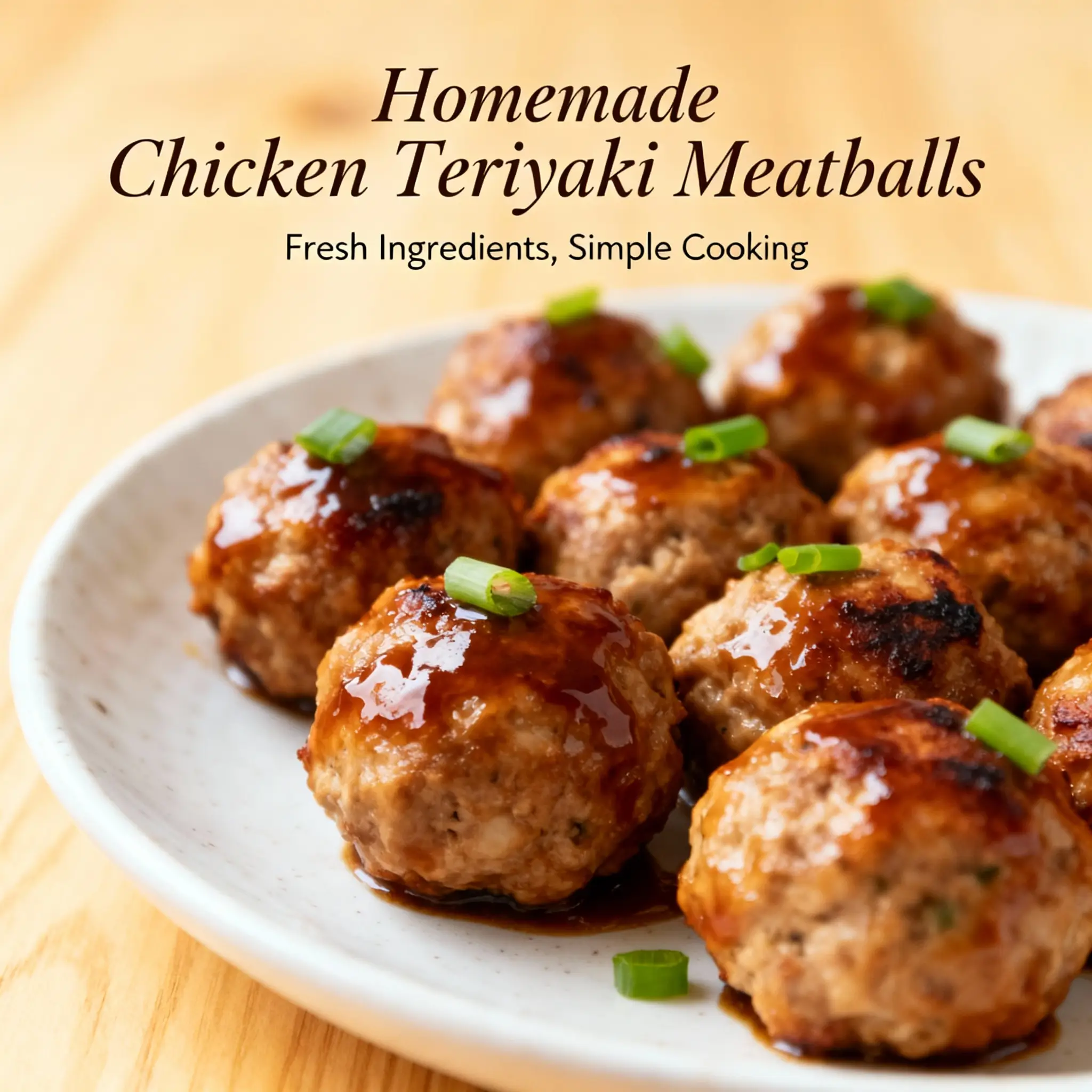
Chicken Teriyaki Meatballs: A Flavorful Fusion of East Meets Comfort
There’s something irresistibly satisfying about the combination of tender, juicy meatballs bathed in a glossy, savory-sweet teriyaki glaze. Chicken Teriyaki Meatballs are a modern culinary masterpiece that blends the comfort of classic American meatballs with the bold umami flavors of traditional Japanese cuisine. Whether served as an appetizer at a party, a main course over steamed rice, or nestled inside a soft slider bun, these meatballs deliver an explosion of flavor in every bite. Lighter than their beef counterparts yet just as rich and satisfying, they’re perfect for weeknight dinners, meal prepping, or impressing guests at your next gathering.
The History Behind Chicken Teriyaki Meatballs
The origins of this delightful dish lie at the intersection of two beloved food traditions: Japanese teriyaki and Western-style meatballs. Teriyaki, a cooking technique originating in Japan, involves grilling or broiling foods with a glaze made from soy sauce, mirin (sweet rice wine), sake, and sugar. The word “teri” refers to the lustrous sheen the sauce imparts, while “yaki” means grilled or broiled. This method was traditionally used on fish like salmon or mackerel.
Over time, teriyaki evolved beyond Japan, particularly in Hawaii and the United States, where it began being applied to chicken, beef, and even tofu. Meanwhile, meatballs have deep roots in cuisines around the world—from Swedish köttbullar to Italian polpette and Middle Eastern kofta. In mid-20th century America, meatballs became synonymous with comfort food, often served with spaghetti and marinara sauce.
Chicken Teriyaki Meatballs emerged as a fusion innovation, combining lean ground chicken with the sweet-savory profile of teriyaki sauce. It reflects the growing popularity of Asian-inspired dishes in Western homes and restaurants, offering a lighter, more globally influenced take on the classic meatball. Today, it’s a staple in home kitchens, potlucks, and gourmet food trucks alike, celebrated for its balance of flavor, ease of preparation, and versatility.
Ingredients Breakdown: What Makes These Meatballs Shine
The magic of Chicken Teriyaki Meatballs lies in the harmony between simple, wholesome ingredients and complex, layered flavors. Each component plays a vital role in creating a tender texture and a deeply satisfying taste. Here’s a detailed look at what goes into making these delectable bites:
- Ground Chicken: The star ingredient. Opt for ground chicken thigh for extra juiciness, or use a mix of breast and thigh for a lean yet moist result. Avoid overly lean chicken breast-only blends, which can dry out during cooking.
- Panko Breadcrumbs: These Japanese-style breadcrumbs help bind the mixture while keeping the meatballs light and airy. They absorb moisture without becoming dense.
- Egg: Acts as a binder to hold the meatball mixture together. One large egg is typically sufficient for a standard batch.
- Green Onions (Scallions): Add a fresh, mild onion flavor and a pop of color. Both white and green parts are used for maximum aroma and crunch.
- Garlic: Freshly minced garlic brings pungent depth and warmth, essential for balancing the sweetness of the teriyaki.
- Ginger: Freshly grated ginger adds a zesty, slightly spicy note that complements the umami richness of soy sauce.
- Soy Sauce (Low-Sodium Preferred): Provides saltiness and umami backbone. Low-sodium versions allow better control over the final salt level.
- Sesame Oil: Just a teaspoon enhances the overall flavor with its nutty, aromatic quality—use toasted sesame oil for best results.
- Teriyaki Sauce: The heart of the glaze. While store-bought works well, homemade teriyaki offers superior flavor and less preservatives. Key components include soy sauce, brown sugar, mirin, sake or rice vinegar, and sometimes honey or pineapple juice.
- Honey or Brown Sugar: Amplifies the natural sweetness of teriyaki and helps caramelize the meatballs during baking or simmering.
- Rice Vinegar or Mirin: Adds acidity and brightness, cutting through the richness and enhancing the sauce’s complexity.
- Cornstarch Slurry: Used to thicken the teriyaki sauce into a glossy, clingy glaze that coats each meatball beautifully.
- Sesame Seeds and Sliced Green Onions (for garnish): Final touches that elevate presentation and add subtle texture and freshness.
Optional additions might include finely diced water chestnuts for crunch, crushed red pepper flakes for heat, or a splash of lime juice for tang.
Step-by-Step Recipe: How to Make Chicken Teriyaki Meatballs
Follow this detailed guide to create restaurant-quality Chicken Teriyaki Meatballs right in your own kitchen. With careful attention to mixing, shaping, and glazing, you’ll achieve perfectly tender, flavorful meatballs every time.
- Preheat Your Oven: Begin by preheating your oven to 400°F (200°C). Line a large baking sheet with parchment paper or foil (for easy cleanup) and lightly grease it with non-stick spray or oil.
- Prepare the Meatball Mixture: In a large mixing bowl, combine 1½ pounds (680g) of ground chicken, ½ cup panko breadcrumbs, 1 large egg, ¼ cup finely chopped green onions, 2 cloves minced garlic, 1 tablespoon freshly grated ginger, 2 tablespoons low-sodium soy sauce, and 1 teaspoon toasted sesame oil. Use your hands or a spoon to mix gently until just combined. Do not overmix, as this can lead to tough meatballs.
- Shape the Meatballs: Scoop out about 1 tablespoon of the mixture per meatball and roll into smooth, evenly sized balls (about 1-inch in diameter). Aim for approximately 24–30 meatballs depending on size. Place them on the prepared baking sheet, spacing them about ½ inch apart.
- Bake the Meatballs: Bake in the preheated oven for 18–20 minutes, or until golden brown and cooked through (internal temperature should reach 165°F / 74°C). Rotate the pan halfway through for even browning.
- Make the Teriyaki Glaze: While the meatballs bake, prepare the sauce. In a medium saucepan, whisk together ½ cup low-sodium soy sauce, ¼ cup water, ¼ cup brown sugar (or honey), 2 tablespoons mirin (or rice vinegar), 1 tablespoon rice vinegar (if not using mirin), and 1 tablespoon grated ginger. Bring to a gentle boil over medium heat.
- Thicken the Sauce: In a small bowl, mix 1 tablespoon cornstarch with 2 tablespoons cold water to make a slurry. Slowly pour the slurry into the boiling sauce while stirring constantly. Continue simmering for 2–3 minutes until the sauce thickens into a glossy, syrupy consistency. Remove from heat.
- Glaze the Meatballs: Once the meatballs are baked, transfer them to a large bowl or back into the saucepan. Pour the warm teriyaki sauce over the meatballs and gently toss to coat evenly. Let them sit for 5 minutes so they absorb some of the flavor.
- Serve or Simmer (Optional): For deeper flavor infusion, return the glazed meatballs to the saucepan and simmer on low heat for 5–7 minutes, stirring occasionally to prevent sticking. Alternatively, place them under the broiler for 2–3 minutes to caramelize the glaze further.
- Garnish and Serve: Transfer to a serving platter. Sprinkle generously with toasted sesame seeds and sliced green onions. Serve hot with steamed jasmine rice, quinoa, noodles, or as sliders on mini buns.
Tips for Perfect Chicken Teriyaki Meatballs Every Time
- Keep Ingredients Cold: Chill the ground chicken and other ingredients before mixing to prevent the fat from melting, which helps maintain a tender texture.
- Don’t Overmix: Mix the meatball ingredients only until combined. Overworking the mixture activates proteins that make meatballs rubbery.
- Use a Cookie Scoop: A small ice cream or cookie scoop ensures uniformly sized meatballs, which cook evenly.
- Test One First: Fry or bake a small test meatball and taste for seasoning. Adjust salt, sweetness, or spices before forming the rest.
- Let Them Rest: Allow shaped meatballs to rest in the fridge for 15–30 minutes before baking. This firms them up and reduces spreading.
- Avoid Crowding: Space meatballs properly on the baking sheet to ensure even air circulation and crisp browning.
- Double the Glaze: If you love extra sauce (and want leftovers), double the teriyaki recipe. Extra glaze stores well in the fridge for up to 2 weeks.
- Broil for Shine: After glazing, broil the meatballs for 1–2 minutes to deepen color and add a caramelized finish.
- Skillet Option: For a stovetop version, brown meatballs in a skillet before finishing in the sauce. This adds more flavor but requires more effort.
- Slow Cooker Friendly: Combine baked meatballs and teriyaki sauce in a slow cooker; heat on low for 2–3 hours for party-friendly serving.
Variations and Customizations
One of the greatest strengths of Chicken Teriyaki Meatballs is their adaptability. Here are creative ways to customize them for different tastes, diets, or occasions:
- Spicy Kick: Add 1 teaspoon sriracha, chili garlic paste, or red pepper flakes to the meat mixture or sauce for a fiery twist.
- Pineapple Teriyaki: Stir ¼ cup unsweetened pineapple juice into the teriyaki sauce for tropical sweetness and natural tenderizing enzymes.
- Gluten-Free: Substitute tamari or coconut aminos for soy sauce and use gluten-free panko or crushed gluten-free crackers.
- Keto/Low-Carb: Replace breadcrumbs with almond flour or crushed pork rinds, and use a sugar-free teriyaki sauce sweetened with erythritol or monk fruit.
- Veggie-Packed: Grate zucchini or carrots and squeeze out excess moisture before adding to the mixture for added nutrition and moisture.
- Nutty Crunch: Fold in 2 tablespoons of finely chopped cashews or peanuts for texture and flavor contrast.
- Herb Infusion: Add chopped cilantro, Thai basil, or mint to the meat mixture for a fresh, aromatic lift.
- Mini Appetizers: Make smaller meatballs (½-inch) for bite-sized party snacks. Serve on toothpicks with extra dipping sauce.
- Meal Prep Version: Prepare and bake meatballs in advance; freeze them unglazed. Thaw and glaze when ready to serve.
- Asian Noodle Bowl: Toss meatballs with udon, soba, or rice noodles, sautéed veggies, and extra teriyaki for a complete bowl.
- Sliders: Serve warm meatballs on Hawaiian sweet rolls with melted provolone and a drizzle of mayo-mustard sauce.
- BBQ Fusion: Blend teriyaki with a bit of smoky BBQ sauce for a hybrid flavor profile.
Health Considerations and Nutritional Value
Chicken Teriyaki Meatballs are a relatively healthy choice compared to fried or beef-based alternatives, especially when prepared with mindful ingredient choices. Here’s a breakdown of their nutritional benefits and considerations:
- Lean Protein Source: Ground chicken provides high-quality protein with less saturated fat than beef or pork, supporting muscle maintenance and satiety.
- Lower in Calories: A typical serving (4 meatballs with sauce) ranges from 200–250 calories, making it suitable for balanced diets.
- Rich in Flavor Without Excess Fat: The umami-rich teriyaki sauce delivers big taste without relying on heavy creams or oils.
- Sodium Watch: Soy sauce and store-bought teriyaki sauces can be high in sodium. Using low-sodium soy sauce and limiting added salt helps manage blood pressure.
- Sugar Content: Traditional teriyaki contains significant sugar. To reduce sugar, use less brown sugar or substitute with coconut sugar, honey, or a zero-calorie sweetener.
- Digestive Benefits: Fresh ginger aids digestion and has anti-inflammatory properties.
- Allergen Notes: Contains soy and sesame. Can be adapted for gluten-free and nut-free diets with appropriate substitutions.
- Balanced Meal Pairing: Serve with brown rice, cauliflower rice, or a colorful vegetable stir-fry to boost fiber and micronutrient intake.
- Kid-Friendly & Diet-Friendly: Naturally appealing to children and adaptable for paleo, Whole30 (with compliant ingredients), and diabetic-friendly plans (when sugar is controlled).
Approximate Nutrition Per Serving (4 meatballs + ¼ cup sauce):
- Calories: 230
- Protein: 18g
- Fat: 9g (Saturated Fat: 2g)
- Carbohydrates: 18g
- Sugar: 12g
- Fiber: 1g
- Sodium: 600mg (varies based on soy sauce)
- Vitamin C, Iron, and B Vitamins: Moderate amounts from chicken and vegetables.
Full Ingredient List
For the Meatballs:
- 1½ lbs (680g) ground chicken (preferably thigh or blend)
- ½ cup panko breadcrumbs (use gluten-free if needed)
- 1 large egg
- ¼ cup finely chopped green onions (scallions)
- 2 cloves garlic, minced
- 1 tablespoon fresh ginger, grated
- 2 tablespoons low-sodium soy sauce
- 1 teaspoon toasted sesame oil
For the Teriyaki Glaze:
- ½ cup low-sodium soy sauce
- ¼ cup packed brown sugar or honey
- ¼ cup mirin (Japanese sweet rice wine)
- 2 tablespoons rice vinegar or additional water
- 1 tablespoon fresh ginger, grated
- 1 clove garlic, minced
- 1 tablespoon cornstarch
- 2 tablespoons cold water (for slurry)
For Garnish:
- 2 tablespoons toasted sesame seeds
- ¼ cup sliced green onions
Detailed Directions
- Mix the Meatball Base: In a large bowl, add ground chicken, panko, egg, green onions, garlic, ginger, soy sauce, and sesame oil. Gently mix with clean hands or a fork until just combined. Avoid overmixing.
- Shape the Meatballs: Roll the mixture into 1-inch balls (about 24–30 total). Place on a parchment-lined baking sheet. Refrigerate for 15 minutes to firm up (optional but recommended).
- Bake: Preheat oven to 400°F (200°C). Bake meatballs for 18–20 minutes, turning halfway, until golden and internal temperature reaches 165°F (74°C).
- Make the Glaze: While baking, combine soy sauce, brown sugar, mirin, rice vinegar, ginger, and garlic in a saucepan. Bring to a boil, then reduce to a simmer.
- Thicken: Whisk cornstarch with cold water. Stir into the simmering sauce and cook 2–3 minutes until thickened and glossy. Remove from heat.
- Coat: Transfer baked meatballs to a bowl or saucepan. Pour warm teriyaki sauce over them and gently toss to coat.
- Rest and Serve: Let sit 5 minutes. Garnish with sesame seeds and green onions. Serve immediately.
Frequently Asked Questions (FAQ)
Can I make these ahead of time?
Yes! Assemble and bake meatballs up to 3 days in advance. Store in the fridge and glaze before reheating. You can also freeze unglazed meatballs for up to 3 months.
Can I use frozen meatballs?
You can, but homemade ones have superior texture and flavor. If using frozen, thaw first and follow glazing steps.
Is teriyaki sauce gluten-free?
Traditional soy sauce contains wheat. Use tamari or certified gluten-free soy sauce for a GF version.
Can I make these in a slow cooker?
Absolutely. Add fully cooked meatballs and teriyaki sauce to the slow cooker. Heat on low for 2–3 hours. Great for parties!
How do I reheat leftovers?
Reheat in a skillet over low heat with a splash of water or sauce to prevent drying. Microwave works too, but cover to retain moisture.
Why did my meatballs fall apart?
Possible causes: too much liquid, insufficient binder (egg or breadcrumbs), or overmixing. Ensure proper ratios and avoid excessive handling.
Can I grill these?
Yes! Skewer the raw meatballs and grill over medium heat, turning frequently. Baste with teriyaki in the last few minutes to avoid burning.
What can I substitute for mirin?
Use a mix of 1 tbsp rice vinegar + 1 tsp sugar, or dry sherry. Avoid regular vinegar alone—it lacks sweetness.
Are these kid-friendly?
Extremely! Mild flavor, fun shape, and sweet glaze make them a hit with children. Serve with rice or as finger food.
Can I use turkey instead of chicken?
Yes, ground turkey works well. Choose dark meat for best moisture retention.
Summary
Chicken Teriyaki Meatballs are a delicious fusion of tender ground chicken meatballs bathed in a sweet-savory homemade teriyaki glaze, offering a healthier twist on traditional meatballs with global flair. Easy to prepare, endlessly customizable, and perfect for meals, snacks, or entertaining, they bring bold flavor and comfort to any table.