
Introduction
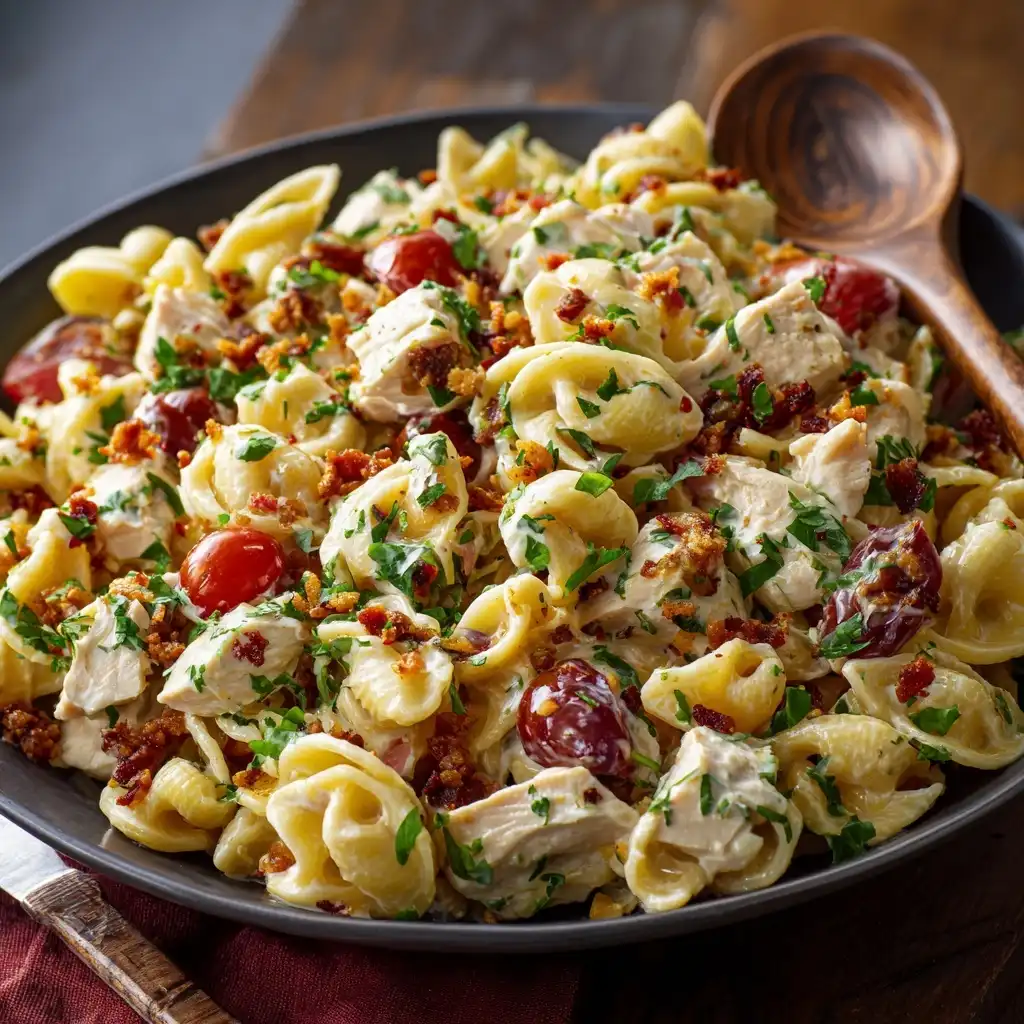
Chicken Pasta Salad is a beloved, versatile, and crowd-pleasing dish that effortlessly bridges the gap between comfort food and nutritious, make-ahead meal prep. Whether served chilled at a summer picnic, packed for lunch, or enjoyed as a light yet satisfying dinner, this salad combines tender grilled or roasted chicken, al dente pasta, crisp vegetables, and a creamy or zesty dressing to deliver layers of texture, flavor, and balance. Its adaptability makes it ideal for home cooks of all skill levels—equally at home on a weeknight table as it is on a holiday buffet. Unlike heavier casseroles or mayonnaise-laden sides, modern iterations emphasize freshness, vibrant color, lean protein, and customizable nutrition—making Chicken Pasta Salad not just convenient, but thoughtfully nourishing.
The History
While no single origin story defines Chicken Pasta Salad, its evolution reflects broader culinary trends across the 20th and 21st centuries. Pasta salads gained popularity in the United States during the mid-1900s, fueled by the post-war boom in convenience foods, the rise of packaged dried pasta, and the growing appeal of cold, portable dishes for picnics, potlucks, and church suppers. Early versions often featured elbow macaroni, canned tuna or shredded chicken, boiled eggs, and a heavy, sweet-and-sour mayonnaise-based dressing. The 1970s and ’80s saw an explosion of “salad” recipes in community cookbooks—many with names like “Picnic Chicken Delight” or “Sunshine Pasta Medley”—that emphasized affordability, shelf-stable ingredients, and ease of preparation.
By the 1990s, health-conscious adaptations emerged: low-fat dressings replaced full-fat mayo; whole grain and legume-based pastas entered the market; and chefs and home cooks began incorporating Mediterranean influences—think sun-dried tomatoes, kalamata olives, feta, and lemon-herb vinaigrettes. The 2000s and 2010s brought farm-to-table sensibilities, inspiring recipes featuring organic free-range chicken, heirloom cherry tomatoes, microgreens, and house-made dressings. Today’s Chicken Pasta Salad embodies global fusion—drawing from Italian antipasti, Greek horiatiki, American deli traditions, and even Southeast Asian notes like lime, cilantro, and toasted peanuts—proving that what began as a humble side dish has matured into a dynamic, culturally resonant main course.
Ingredients Breakdown
Understanding each component empowers you to build flavor intentionally and adjust for dietary needs:
- Pasta: The foundation. Short, sturdy shapes like fusilli, penne, rotini, farfalle, or orecchiette hold up best to tossing and chilling. Whole wheat, chickpea, lentil, brown rice, or quinoa pasta add fiber, protein, or gluten-free integrity without sacrificing texture.
- Chicken: Boneless, skinless chicken breasts or thighs are most common. Grilled, roasted, pan-seared, or slow-cooked methods yield distinct profiles—grilling adds smokiness, roasting delivers deep umami, and poaching ensures ultra-tenderness. Shredded rotisserie chicken offers convenience without compromising taste when seasoned well.
- Vegetables: Provide crunch, color, and phytonutrients. Classic choices include red bell pepper (sweetness & crunch), English cucumber (cool hydration), red onion (sharp brightness), cherry or grape tomatoes (bursting acidity), and celery (earthy bite). Modern additions include julienned zucchini, blanched asparagus tips, sugar snap peas, radishes, or roasted sweet potatoes for depth and complexity.
- Herbs & Aromatics: Fresh herbs are non-negotiable for vibrancy—parsley, basil, dill, mint, or cilantro each lend unique aromatic signatures. Garlic (minced raw or roasted), scallions, and lemon zest elevate savoriness and brightness.
- Dressing: The unifying element. Creamy styles rely on high-quality mayonnaise (full-fat for richness, or avocado/oil-based alternatives for clean labels), Greek yogurt (tangy + protein-packed), sour cream, or cashew cream (vegan). Vinaigrette versions use extra virgin olive oil, apple cider or white wine vinegar, Dijon mustard, lemon juice, and a touch of honey or maple syrup for balance. Emulsification is key—whisk vigorously or blend for silkiness.
- Texture Enhancers & Umami Boosters: Toasted pine nuts, slivered almonds, sunflower seeds, pepitas, or chopped walnuts add nutty richness. Crumbled feta, goat cheese, shaved Parmesan, or aged cheddar contribute saltiness and depth. Olives, capers, anchovy paste (used sparingly), or a splash of Worcestershire sauce amplify savory complexity.
- Acid & Brightness: Beyond lemon juice or vinegar in the dressing, finishing touches like pickled red onions, cornichons, preserved lemons, or a final drizzle of balsamic glaze cut through richness and awaken the palate.
Step-by-Step Recipe
Makes 6–8 servings | Prep time: 35 minutes | Cook time: 15–20 minutes | Chill time: minimum 2 hours (ideally 4–8 hours)
- Cook the Pasta: Bring a large pot of heavily salted water (about 2 tablespoons kosher salt per gallon) to a rolling boil. Add 12 oz (340 g) short-cut pasta (e.g., tri-color rotini or whole wheat fusilli). Cook until *al dente*—1–2 minutes shy of package instructions—to prevent mushiness after chilling and dressing. Drain thoroughly in a colander, rinse under cold water to stop cooking and cool quickly, then spread on a clean kitchen towel or parchment-lined baking sheet to air-dry for 5–10 minutes. This step prevents clumping and ensures optimal dressing absorption.
- Prepare the Chicken: While pasta cooks, season 1.5 lbs (680 g) boneless, skinless chicken breasts or thighs with 1 tsp smoked paprika, 1 tsp garlic powder, 1 tsp onion powder, ½ tsp dried oregano, 1 tsp kosher salt, and ½ tsp black pepper. Heat 2 tbsp high-heat oil (avocado or grapeseed) in a large stainless steel or cast-iron skillet over medium-high heat. Sear chicken 5–6 minutes per side until golden-brown and internal temperature reaches 165°F (74°C). Transfer to a cutting board; let rest 5 minutes, then dice or shred into ½-inch pieces. For extra flavor, marinate chicken 30 minutes prior in 2 tbsp olive oil, 1 tbsp lemon juice, 2 minced garlic cloves, and 1 tsp fresh rosemary.
- Chop the Vegetables & Herbs: Finely dice 1 medium English cucumber (peeled if desired), 1 large red bell pepper, ½ small red onion (soaked in cold water for 5 minutes to mellow sharpness), and 1 cup halved cherry tomatoes. Mince ⅓ cup fresh flat-leaf parsley and 2 tbsp fresh dill (or substitute basil or mint depending on your flavor profile).
- Whisk the Dressing: In a large mixing bowl or blender, combine ¾ cup full-fat mayonnaise (or ½ cup Greek yogurt + ¼ cup mayo for tang and creaminess), ¼ cup fresh lemon juice (about 1.5 lemons), 2 tbsp extra virgin olive oil, 1 tbsp Dijon mustard, 1 tsp honey or maple syrup, 1 small minced garlic clove, 1 tsp lemon zest, 1 tsp kosher salt, and ½ tsp freshly ground black pepper. Whisk vigorously until emulsified and smooth—or blend for 20 seconds for ultra-creamy consistency. Taste and adjust: more lemon for brightness, honey for balance, salt for depth.
- Combine & Marinate: In a very large stainless steel or glass bowl, gently fold together cooled pasta, chicken, vegetables, and herbs. Pour dressing over top and use two large silicone spatulas or spoons to lift and fold—not stir—to evenly coat without breaking pasta. Cover tightly with plastic wrap or a lid and refrigerate for *at least* 2 hours, preferably 4–8 hours or overnight. This marination period allows flavors to meld, starches to absorb dressing, and textures to harmonize.
- Final Seasoning & Serving: Before serving, remove salad from fridge 15 minutes ahead. Give it one gentle fold, then taste and adjust: add flaky sea salt, a squeeze of fresh lemon, cracked black pepper, or a drizzle of olive oil if needed. Fold in ⅓ cup crumbled feta and ¼ cup toasted pine nuts. Serve chilled or at cool room temperature in a wide, shallow bowl garnished with extra herbs, lemon wedges, and a dusting of smoked paprika or sumac.
Tips
- Prevent Sogginess: Always cool pasta completely before adding dressing. Excess moisture is the #1 cause of watery, limp salad. Rinsing under cold water removes surface starch—but avoid over-rinsing, which can wash away flavor compounds.
- Dress Smart: Start with ¾ of the dressing, toss, then assess. You can always add more, but you can’t take it out. Over-dressing masks individual flavors and creates a greasy mouthfeel.
- Toast Your Nuts & Seeds: Toast pine nuts, almonds, or pepitas in a dry skillet over medium-low heat until fragrant and lightly golden (2–4 minutes). Cool completely before folding in—this preserves crunch and deepens nuttiness.
- Brighten Before Serving: Acid degrades over time. Reserve 1 tsp lemon juice or vinegar and a pinch of zest to stir in just before serving for maximum freshness.
- Layer Flavors Strategically: Add delicate herbs (basil, mint, dill), cheeses, and crunchy toppings *after* chilling—not before—to preserve texture and aroma.
- Use High-Quality Fat: Extra virgin olive oil, artisanal mayonnaise, and real lemon juice—not bottled—make a measurable difference in depth and brightness.
- Salting Matters: Salt pasta water generously (it should taste like seawater) — this seasons the pasta from within. Under-salted water yields bland base noodles, no matter how flavorful the dressing.
- Rest the Chicken: Skipping the 5-minute rest causes juices to spill out when cutting—leading to drier, less flavorful chicken pieces.
- Chill in Batches: If doubling the recipe, chill components separately (pasta, chicken, veg) and combine only 1–2 hours before serving to maintain optimal texture.
- Storage Wisdom: Store leftovers in an airtight container with a sheet of parchment pressed directly onto the surface to limit oxidation and prevent a dried-out top layer.
Variations and Customizations
This recipe is infinitely adaptable—here are 12 globally inspired and dietary-specific variations to keep your Chicken Pasta Salad exciting year-round:
- Mediterranean Style: Swap mayo for lemon-Greek yogurt dressing; add kalamata olives, diced cucumber, roasted red peppers, crumbled feta, chopped oregano, and a sprinkle of za’atar.
- Southwest Fiesta: Use chipotle-lime dressing (lime juice, adobo sauce, cumin, smoked paprika); mix in black beans, corn (grilled or roasted), avocado cubes (add last minute), pickled red onions, and crushed tortilla chips.
- Asian Sesame-Ginger: Replace dressing with sesame-ginger vinaigrette (toasted sesame oil, rice vinegar, grated ginger, soy sauce/tamari, honey, sriracha); add shredded carrots, edamame, scallions, cilantro, and sesame seeds.
- Caprese-Inspired: Skip mayo entirely—dress with basil pesto + balsamic reduction; fold in fresh mozzarella pearls, heirloom tomato chunks, and torn basil. Serve immediately.
- Low-Carb/Keto: Substitute cooked cauliflower rice or spiralized zucchini (“zoodles”) for pasta; use full-fat avocado-based dressing; boost with bacon bits, blue cheese, and roasted Brussels sprouts.
- Vegan Version: Replace chicken with marinated baked tofu or chickpeas; use vegan mayo or cashew cream; add nutritional yeast for “cheesy” umami; include hemp hearts and sun-dried tomatoes.
- Gluten-Free: Choose certified GF pasta (brown rice, quinoa, or corn-based); verify all sauces, dressings, and seasonings are GF-certified (watch for malt vinegar or soy sauce derivatives).
- High-Protein Powerhouse: Add hard-boiled eggs, white beans, hemp seeds, and extra grilled chicken; use cottage cheese blended with lemon and dill as part of the dressing base.
- Herb Garden Delight: Feature ½ cup each of chopped parsley, dill, chives, tarragon, and mint; dress with lemon-thyme vinaigrette; add blanched green beans and pearl onions.
- Smoky BBQ Ranch: Toss with homemade ranch (buttermilk, garlic, onion, herbs) + 2 tbsp BBQ sauce; add crispy fried onions, jalapeños, and smoked Gouda.
- Autumn Harvest: Use whole wheat penne; add roasted butternut squash, caramelized apples, toasted walnuts, crumbled goat cheese, and maple-Dijon dressing.
- Light & Citrusy: Opt for orzo or angel hair; dress with blood orange vinaigrette; fold in segmented oranges, fennel ribbons, arugula, and pistachios.
Health Considerations and Nutritional Value
A well-crafted Chicken Pasta Salad can be a nutritionally balanced, nutrient-dense meal—but mindful ingredient selection is essential. Here’s how to maximize benefits and minimize pitfalls:
- Protein Power: Chicken breast provides ~31g high-quality complete protein per 4-oz serving—supporting muscle maintenance, satiety, and metabolic function. Thigh meat offers more monounsaturated fat and iron (heme form), beneficial for energy and oxygen transport.
- Smart Carbohydrates: Whole grain pasta contributes B vitamins (especially B1, B3, B9), magnesium, and 5–7g of fiber per cup—slowing glucose absorption and supporting gut microbiota. Legume-based pastas (lentil, chickpea) offer 12–15g plant protein and prebiotic fiber per serving.
- Fat Quality Counts: Olive oil provides heart-healthy monounsaturated fats and polyphenols (e.g., oleocanthal) with anti-inflammatory properties. Avoid generic “vegetable oil” blends high in omega-6 linoleic acid, which may promote inflammation when unbalanced with omega-3s.
- Vitamin & Phytonutrient Density: Red bell peppers supply 3x more vitamin C than oranges; tomatoes deliver lycopene (enhanced by cooking and fat); cucumbers offer silica and hydration; herbs like parsley are rich in vitamin K and apigenin (a bioactive flavonoid).
- Sodium Awareness: Store-bought dressings, deli chicken, canned beans, and cheeses can quickly push sodium past the recommended 2,300 mg/day. Make dressings from scratch, choose low-sodium broth for poaching chicken, and rinse canned legumes thoroughly.
- Sugar Savvy: Many commercial dressings contain hidden sugars (high-fructose corn syrup, dextrose, maltodextrin). Homemade versions let you control sweetness—opt for small amounts of raw honey, pure maple syrup, or date paste instead of refined sugar.
- Digestive Support: Raw red onion and garlic contain prebiotic fructans; fermented additions like sauerkraut (as a topping) or kimchi (in Korean-inspired versions) introduce probiotics. Pair with digestive-friendly herbs like fennel or dill.
- Allergen & Sensitivity Notes: Easily adapted for dairy-free (skip cheese, use coconut yogurt), egg-free (vegan mayo), nut-free (sub sunflower or pumpkin seeds), and nightshade-free (omit tomatoes, peppers, paprika—use zucchini, cauliflower, and turmeric for color).
- Portion Guidance: A balanced serving contains ~1 cup pasta, 4–5 oz chicken, 1 cup mixed vegetables, 2–3 tbsp dressing, and 1 tbsp healthy fat (cheese/nuts/oil). This yields ~450–550 kcal, 35–45g protein, 45–55g complex carbs, and 15–22g healthy fat—ideal for sustained energy without sluggishness.
- Food Safety First: Never leave dressed salad at room temperature >2 hours (1 hour if above 90°F/32°C). Store below 40°F (4°C). Consume within 4–5 days. Discard if sour smell, slimy texture, or mold appears—even if within timeframe.
Ingredients
- 12 oz (340 g) short-cut pasta (rotini, fusilli, penne, or whole wheat alternative)
- 1.5 lbs (680 g) boneless, skinless chicken breasts or thighs
- 2 tbsp high-heat cooking oil (avocado, grapeseed, or olive oil)
- 1 tsp smoked paprika
- 1 tsp garlic powder
- 1 tsp onion powder
- ½ tsp dried oregano
- 1 tsp kosher salt (plus more for pasta water)
- ½ tsp freshly ground black pepper
- 1 medium English cucumber, finely diced (about 1.5 cups)
- 1 large red bell pepper, finely diced (about 1 cup)
- ½ small red onion, finely diced (about ½ cup, soaked 5 min in cold water)
- 1 cup cherry or grape tomatoes, halved
- ⅓ cup fresh flat-leaf parsley, finely chopped
- 2 tbsp fresh dill, finely chopped (or basil/mint)
- ¾ cup high-quality mayonnaise (or ½ cup Greek yogurt + ¼ cup mayo)
- ¼ cup fresh lemon juice (from ~1.5 lemons)
- 2 tbsp extra virgin olive oil
- 1 tbsp Dijon mustard
- 1 tsp raw honey or pure maple syrup
- 1 small garlic clove, finely minced
- 1 tsp lemon zest
- ¼ tsp red pepper flakes (optional)
- ⅓ cup crumbled feta cheese
- ¼ cup toasted pine nuts or slivered almonds
- Flaky sea salt and extra black pepper, for finishing
- Lemon wedges and extra herbs, for garnish
Directions
- Bring 5 quarts of water to a vigorous boil in a large stockpot. Add 2 tbsp kosher salt. Stir in pasta and cook, stirring occasionally, until al dente—typically 8–10 minutes for regular pasta, 5–7 for whole wheat. Drain in a fine-mesh colander, rinse under cold running water for 30 seconds, then spread evenly on a parchment-lined baking sheet. Let air-dry 8–10 minutes until cool and surface moisture has evaporated.
- Meanwhile, pat chicken dry with paper towels. In a small bowl, combine smoked paprika, garlic powder, onion powder, oregano, 1 tsp kosher salt, and ½ tsp black pepper. Rub evenly over all surfaces of chicken. Heat oil in a large heavy-bottomed skillet over medium-high heat until shimmering. Carefully place chicken in pan and cook undisturbed for 5–6 minutes until deeply golden and easily releases. Flip and cook another 5–6 minutes until internal temperature reads 165°F (74°C) in thickest part. Transfer to a clean cutting board, tent loosely with foil, and rest 5 minutes.
- While chicken rests, prepare vegetables: dice cucumber, bell pepper, red onion, and tomatoes. Soak red onion in cold water for 5 minutes, then drain and pat dry. Chop parsley and dill.
- In a blender or medium bowl, combine mayonnaise (or yogurt-mayo blend), lemon juice, olive oil, Dijon, honey, minced garlic, lemon zest, red pepper flakes (if using), and a pinch of black pepper. Blend on high for 20 seconds or whisk vigorously until thick, creamy, and fully emulsified. Taste and adjust seasoning—add salt only if needed (remember chicken and feta are salty).
- Transfer cooled pasta to a very large stainless steel or glass mixing bowl. Add rested, diced chicken, vegetables, and herbs. Pour in ¾ of the dressing. Using two large spoons or silicone spatulas, gently lift and fold from bottom upward—do not stir or smash. Continue until evenly coated. Cover tightly and refrigerate for minimum 2 hours, ideally 4–8 hours or overnight.
- Just before serving, remove salad from refrigerator. Gently fold in remaining dressing if desired (most find ¾ sufficient). Fold in feta and toasted pine nuts. Taste again and adjust: a pinch of flaky salt, extra lemon juice, cracked black pepper, or a drizzle of olive oil often brightens the final dish. Serve chilled or at cool room temperature, garnished with lemon wedges, extra herbs, and a light dusting of paprika or sumac.
FAQ
- Can I make this ahead? Absolutely—and it’s highly recommended! Chicken Pasta Salad improves significantly after 4+ hours of chilling, allowing flavors to marry and textures to settle. Prepare up to 3 days in advance. Add delicate ingredients (avocado, fresh herbs, nuts, cheese) no more than 2 hours before serving.
- Why does my pasta salad get watery? Three main culprits: 1) Pasta wasn’t drained and dried thoroughly, 2) Vegetables (especially cucumbers and tomatoes) weren’t seeded or patted dry, 3) Dressing was added while pasta was still warm. Always cool completely and blot excess moisture.
- Can I freeze Chicken Pasta Salad? Not recommended. Freezing breaks down pasta’s starch structure (causing mushiness) and separates emulsified dressings. Dairy-based cheeses and yogurt-based dressings also curdle or become grainy. Instead, freeze cooked chicken and cooked pasta separately for future assembly.
- What’s the best pasta to use? Choose short, ridged, or twisted shapes—fusilli, rotini, campanelle, or orecchiette—that trap dressing and grip ingredients. Avoid long pastas (spaghetti, linguine) or fragile ones (angel hair) which tangle or break. For gluten-free, brown rice or quinoa pasta holds up best.
- How do I keep the chicken moist? Brine chicken in ¼ cup salt + 4 cups cold water for 30 minutes before cooking—or use bone-in, skin-on thighs roasted low and slow, then deboned. Resting after cooking is non-negotiable for juice retention.
- Can I use rotisserie chicken? Yes—with caveats. Remove skin and excess fat. Shred or dice evenly. Taste first—many rotisserie chickens are already salted and seasoned. Adjust added salt accordingly, and consider rinsing briefly to reduce sodium.
- Is this salad keto-friendly? As written, no—due to pasta’s carb load. However, swap in 3 cups riced cauliflower (steamed and thoroughly squeezed dry), add extra chicken and healthy fats (avocado, olive oil, cheese), and use a keto-approved dressing (no honey, sugar, or maltodextrin).
- How long does it last in the fridge? Properly stored in an airtight container, it stays fresh and safe for 4–5 days. Always use clean utensils, avoid double-dipping, and check for off odors or textures before consuming.
- Can I make it dairy-free? Easily. Omit feta or use a dairy-free feta alternative. Ensure mayo is egg-free and dairy-free (many brands are). Boost umami with nutritional yeast, white miso paste (¼ tsp), or capers.
- What can I serve with it? It’s a complete meal—but pairs beautifully with crusty artisan bread, garlic knots, a simple mixed green salad with lemon vinaigrette, grilled asparagus, or chilled watermelon-feta mint salad for contrast.
Summary
Chicken Pasta Salad is far more than a picnic staple—it’s a canvas for culinary creativity, nutritional intention, and seasonal abundance, blending tender protein, toothsome pasta, garden-fresh vegetables, and a thoughtfully balanced dressing into a dish that satisfies both hunger and soul. With smart techniques, quality ingredients, and endless customization options—from Mediterranean herb gardens to smoky Southwest spice trails—it evolves effortlessly with your pantry, preferences, and purpose.