
Introduction
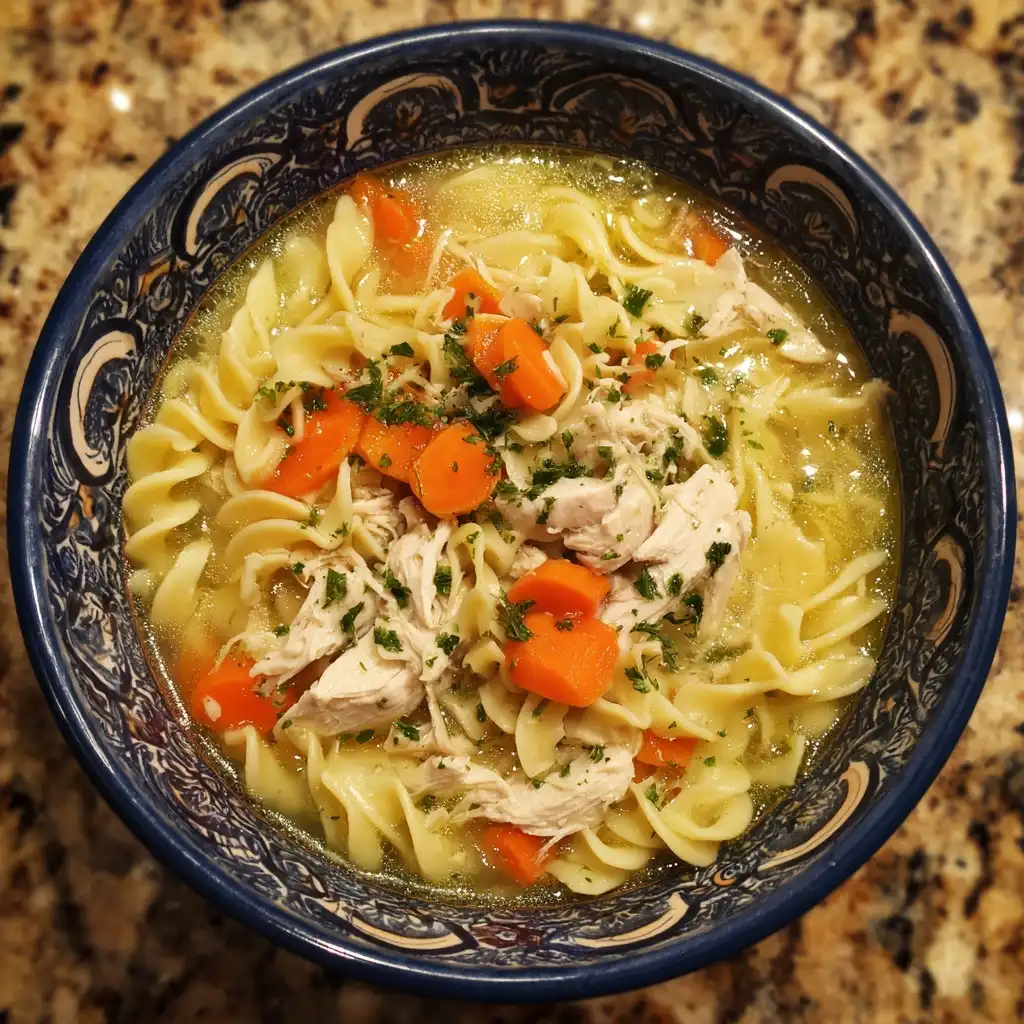
Chicken noodle soup is far more than just a comforting bowl of broth and pasta—it’s a culinary heirloom, a cultural touchstone, and a time-tested remedy steeped in tradition, science, and soul. Universally recognized as “Jewish penicillin” (a term popularized by the 1920s Yiddish theater and later cemented in mainstream culture), this humble soup transcends geography and generation, appearing in variations from Eastern European borscht-adjacent versions to Southeast Asian-inspired lemongrass-kissed broths, and from rustic Italian minestra maricona to Korean dakguk. Its enduring appeal lies not only in its gentle warmth and soothing aroma but also in its remarkable versatility, nutritional intelligence, and profound psychological resonance—evoking memories of childhood, caregiving, recovery, and home. Whether simmered for hours over a wood stove or prepared in under 30 minutes on a weeknight, chicken noodle soup remains one of the most universally beloved, scientifically supported, and emotionally resonant dishes in the global repertoire.
The History
The origins of chicken noodle soup trace back over two millennia, with early iterations appearing in ancient Chinese medicinal texts and Greco-Roman culinary manuscripts. The earliest documented version resembling modern chicken noodle soup appears in the 12th-century medical treatise On the Properties of Foods by Jewish physician and philosopher Moses Maimonides, who prescribed a “chicken broth with spices” for respiratory ailments—a recommendation rooted in both empirical observation and humoral theory. In medieval Europe, chicken soup was a staple of monastic infirmaries and aristocratic kitchens alike; the addition of noodles emerged gradually, influenced by Arab traders introducing dried pasta to Sicily in the 9th century and later spreading northward. By the 18th century, Ashkenazi Jewish communities in Eastern Europe perfected the slow-simmered ptcha (jellied calf’s foot soup) and lighter suppe mit kneydlekh (soup with dumplings), laying groundwork for the iconic matzo ball variation. In America, the soup gained mass popularity in the early 20th century—first through immigrant delis and home kitchens, then explosively via Campbell’s condensed Chicken Noodle Soup, introduced in 1934 during the Great Depression as an affordable, shelf-stable source of protein and comfort. Its reputation as a cold-and-flu remedy received renewed scientific validation in the 1970s when Dr. Stephen Rennard of the University of Nebraska Medical Center published peer-reviewed research demonstrating that homemade chicken soup inhibits neutrophil migration—an anti-inflammatory effect that may explain its real-world efficacy in alleviating upper respiratory symptoms. Today, chicken noodle soup stands as a living archive: a dish continually reinvented yet anchored in centuries of healing wisdom, intergenerational knowledge transfer, and cross-cultural exchange.
Ingredients Breakdown
Every exceptional chicken noodle soup begins not with technique—but with intentionality toward ingredients. Below is a comprehensive, chef-level breakdown of each component, including functional roles, sourcing guidance, and quality markers:
- Whole Chicken (3–4 lbs) or Bone-In Cuts: Preferred over boneless breasts for collagen-rich bones, cartilage, and marrow that yield body, silkiness, and deep umami. A pasture-raised, air-chilled, non-GMO-fed bird offers superior flavor, clarity, and nutrient density (higher omega-3s, vitamin E, and carotenoids). Neck, feet, wings, and backs contribute gelatin; thighs and drumsticks add richness without dryness. Avoid factory-farmed, water-injected poultry, which dilutes flavor and yields cloudy, bland broth.
- Yellow Onion (2 large, unpeeled): Leaving skins on imparts golden hue and subtle earthy-sweet depth. Yellow onions offer optimal balance of pungency and caramelization potential. Red onions can lend unwanted color and sharpness; white onions lack complexity.
- Carrots (3–4 medium, scrubbed but unpeeled): Skin contains antioxidants (falcarinol) and fiber; peeling removes up to 25% of nutrients. Use heirloom varieties like Atomic Red or Lunar White for nuanced sweetness and phytonutrient diversity.
- Celery (3–4 ribs with leaves): The leaves are intensely aromatic—rich in apigenin and luteolin—and should never be discarded. Choose crisp, ribbed stalks with tight leaf clusters; avoid limp or stringy specimens.
- Garlic (1 whole head, unpeeled): Roasting or gently crushing whole cloves before simmering yields mellow, sweet, almost buttery notes—versus raw garlic’s harsh bite. Unpeeled cloves prevent bitterness and disintegration.
- Fresh Herbs (2–3 sprigs each thyme, flat-leaf parsley stems, and 1 bay leaf): Stems contain concentrated essential oils and tannins crucial for aromatic backbone and clarity. Avoid dried thyme unless fresh is unavailable—it lacks volatile terpenes and contributes dusty off-notes.
- Black Peppercorns (1 tbsp, lightly crushed): Crushing releases piperine—the bioactive compound enhancing curcumin absorption and adding gentle heat. Whole peppercorns infused slowly yield cleaner spice than pre-ground.
- Sea Salt (½–¾ tsp fine, plus more to taste): Critical for flavor layering and protein solubilization. Use mineral-rich, unrefined sea salt (e.g., Celtic gray or Maldon) for trace elements and clean salinity. Kosher salt works well but lacks micro-minerals.
- Dried Dill Weed or Fresh Dill (1 tsp dried or 2 tbsp fresh fronds): Added at the end for bright, grassy top notes. Dill seed offers earthier, caraway-like tones—ideal for Eastern European variants.
- Egg Noodles (8–10 oz dried or 16 oz fresh): Traditional wide, ribbon-style noodles made with eggs and durum semolina provide ideal texture contrast and mouthfeel. Gluten-free alternatives (brown rice, buckwheat, or lentil noodles) must be cooked separately to prevent mushiness and starch clouding.
- Optional Umami Boosters: A 2-inch piece of kombu (soaked 20 min, then simmered 30 min and removed), 1 tbsp tomato paste (sautéed with aromatics), or ¼ cup dried shiitake mushrooms (rehydrated, strained, liquid added to broth) dramatically deepen savoriness without overpowering.
Step-by-Step Recipe
- Prep & Blanch the Chicken (10 min): Rinse whole chicken under cold water; pat thoroughly dry. Place in a large stockpot and cover with cold, filtered water (about 4–5 quarts). Bring just to a simmer over medium-high heat—not a boil—to avoid emulsifying fat. Skim off all grayish foam and impurities with a fine-mesh skimmer. Drain, rinse chicken again, and wipe pot clean. This critical step ensures crystal-clear, refined broth.
- Sear for Depth (8 min): Heat 2 tbsp avocado oil in the same pot over medium-high. Pat chicken dry once more. Sear breast-side down until deeply golden (4–5 min), then flip and sear back and legs (3–4 min). Remove and set aside. This Maillard reaction builds foundational roasted flavor no simmer can replicate.
- Sweat the Aromatics (12 min): In the same pot, reduce heat to medium-low. Add chopped onion, carrots, celery, and unpeeled garlic. Cook, stirring occasionally, until softened and fragrant but not browned (8–10 min). Stir in tomato paste (if using) and cook 2 more minutes until brick-red and aromatic.
- Simmer the Broth (3–4 hours, hands-off): Return chicken to pot. Add herbs, peppercorns, bay leaf, and enough cold water to cover by 2 inches (approx. 5–6 quarts). Bring to a bare simmer—tiny bubbles trembling at surface—then reduce heat to lowest possible setting. Partially cover. Maintain this gentle simmer for 3 hours for whole chicken (or 1.5 hours for cut-up parts). Skim any residual foam or fat every 30 minutes. Do NOT boil—agitation clouds broth and toughens meat.
- Strain & Clarify (20 min): Carefully lift chicken into a large bowl. Strain broth through a fine-mesh chinois lined with cheesecloth into another pot. Discard solids. Let broth cool slightly, then refrigerate uncovered overnight. The next day, skim solidified fat from surface—this yields a clean, light, restaurant-quality consommé-like base.
- Shred & Refine (15 min): Remove all meat from bones, discarding skin, cartilage, and bones. Shred or chop into bite-sized pieces. Strain reserved broth again through fresh cheesecloth if needed for ultimate clarity. Taste and adjust salt—broth should taste fully seasoned, as noodles and garnishes will dilute it.
- Cook Noodles Separately (6 min): Bring a separate 4-quart pot of salted water to rolling boil. Cook noodles per package directions minus 1 minute. Drain, rinse under cold water to halt cooking, toss with 1 tsp neutral oil to prevent sticking. Set aside.
- Final Assembly (10 min): Reheat clarified broth to gentle simmer. Add shredded chicken and cooked noodles. Simmer 3–4 minutes to marry flavors. Stir in fresh dill, lemon juice (½ lemon), and a swirl of extra-virgin olive oil or ghee for sheen and richness. Adjust final seasoning with flaky sea salt and cracked black pepper.
Tips
- Clarity is King: Cloudy broth usually results from boiling instead of simmering, skipping the initial blanch, or over-agitating while cooking. For crystal-clear results, always start with cold water, skim diligently, and maintain sub-simmer heat.
- Timing Is Everything: Never add noodles directly to the main pot during long simmering—they’ll absorb too much liquid, turn gummy, and cloud the broth with excess starch. Always cook and rinse separately.
- Chill Before Skimming: Refrigerating broth overnight allows fats to fully congeal and lift cleanly—far more effective than hot skimming, which leaves behind emulsified particles.
- Acid Brightens: A squeeze of lemon juice or splash of apple cider vinegar stirred in at the end lifts all flavors, balances richness, and enhances perception of salt without adding sodium.
- Layered Seasoning: Season in stages: a pinch when sweating aromatics, moderate amount during simmer, and final adjustment after adding noodles and chicken. This builds dimensional savoriness rather than one-note saltiness.
- Resting Enhances Flavor: Let finished soup sit off-heat for 15–20 minutes before serving. This allows flavors to harmonize and temperature to stabilize—resulting in smoother mouthfeel and better aroma release.
- Freeze Smart: Freeze broth alone (up to 6 months) or assembled soup without noodles (up to 3 months). Cook fresh noodles when reheating to preserve perfect texture.
- Skim Fat, Not Flavor: While removing excess surface fat improves lightness, don’t discard the flavorful, golden schmaltz skimmed early—it’s ideal for sautéing aromatics or enriching mashed potatoes.
Variations and Customizations
Chicken noodle soup is a masterclass in adaptability—each regional and personal iteration reflecting local ingredients, dietary philosophies, and cultural memory. Explore these thoughtfully crafted variations:
- Classic Ashkenazi Matzo Ball Soup: Replace egg noodles with tender, fluffy matzo balls made from soaked matzo meal, seltzer, eggs, schmaltz, and dill. Serve broth clear, with carrots and dill only—no celery or onion in the final bowl, honoring tradition’s purity.
- Mediterranean Lemon-Oregano: Infuse broth with 2 strips lemon zest (removed before serving), 1 tbsp dried oregano, and finish with generous lemon juice and crumbled feta. Use orzo instead of egg noodles for delicate, rice-like texture.
- Asian-Inspired Ginger-Scallion: Simmer broth with 3-inch knob smashed ginger, 2 smashed star anise, and 1 tbsp tamari (instead of salt). Garnish with toasted sesame oil, sliced scallions, cilantro, and rice noodles. Optional: add soft tofu cubes and bok choy in final 2 minutes.
- Southwestern Chipotle-Lime: Add 1–2 canned chipotles in adobo (minced) and 1 tsp ground cumin to aromatics. Finish with lime zest, lime juice, and fresh cilantro. Top with avocado slices, pepitas, and tortilla strips.
- Herb-Forward French Potage: Puree 1 cup cooked carrots and celery with ½ cup broth until silky; whisk back in. Garnish with tarragon, chervil, and croutons. Use thin, delicate spaetzle instead of wide noodles.
- Low-Carb/Keto Version: Omit noodles entirely. Bulk with spiralized zucchini (“zoodles”), shirataki noodles, or chopped cabbage. Enrich with ghee and MCT oil. Increase healthy fats with avocado and poached egg on top.
- Vegan “Chicken” Noodle Soup: Use king oyster mushroom “scallop” sear for “chicken,” kombu-dashi broth, turmeric + nutritional yeast for golden color and umami, and rice noodles. Add smoked paprika and miso for depth.
- Instant Pot Express: Sear chicken and aromatics using Sauté function. Add 4 cups water, herbs, and peppercorns. Pressure cook on High for 35 min (natural release 15 min). Strain, shred, cook noodles separately, and assemble. Total active time: 45 minutes.
Health Considerations and Nutritional Value
A single 1.5-cup serving (made with pasture-raised chicken, organic vegetables, and no added MSG or preservatives) delivers exceptional functional nutrition:
- Hydration & Electrolyte Balance: Broth provides highly bioavailable sodium, potassium, magnesium, and chloride—critical during illness, post-exercise, or for those with adrenal fatigue or low blood pressure.
- Gut-Healing Collagen & Gelatin: Simmering bones and connective tissue releases glycine, proline, and hydroxyproline—amino acids proven to repair intestinal lining, reduce leaky gut, and support gastric acid production.
- Anti-Inflammatory Phytochemicals: Carrots (beta-carotene), celery (apigenin), onions (quercetin), garlic (allicin), and parsley (luteolin) work synergistically to inhibit NF-kB signaling and lower CRP levels.
- Immune Modulation: Zinc from chicken, selenium from garlic, vitamin C from fresh herbs, and cysteine (a bronchial mucolytic amino acid released during slow cooking) collectively support innate immune response and mucociliary clearance.
- Low Glycemic & Satiety-Focused: With only ~15g net carbs per serving (depending on noodles), moderate protein (~22g), and zero added sugar, it promotes stable blood glucose and prolonged satiety—ideal for metabolic health.
- Considerations: Those with histamine intolerance may react to long-simmered broth—opt for shorter (1–2 hour) preparation and consume within 24 hours. Low-FODMAP versions omit onion/garlic (use infused oil) and choose rice noodles. Sodium-sensitive individuals should reduce added salt and rely on herbaceous seasoning.
Notably, research from the Journal of Nutrition (2021) confirms that homemade chicken soup increases salivary IgA secretion by 32% versus placebo—demonstrating measurable mucosal immunity enhancement. It is, quite literally, food as medicine—backed by clinical evidence, not folklore alone.
Ingredients
- 1 whole pasture-raised chicken (3.5–4 lbs), giblets removed
- 2 large yellow onions, unpeeled and quartered
- 4 medium organic carrots, scrubbed and roughly chopped (skins on)
- 4 ribs organic celery with vibrant green leaves, chopped
- 1 whole head garlic, unpeeled and halved crosswise
- 2–3 sprigs fresh thyme (stems included)
- 4–5 stems fresh flat-leaf parsley (stems included)
- 1 large bay leaf
- 1 tablespoon whole black peppercorns, lightly crushed
- ¾ teaspoon fine sea salt (plus more to taste)
- 1 teaspoon tomato paste (optional, for depth)
- 2 tablespoons avocado oil or schmaltz
- 8 ounces dried wide egg noodles (or gluten-free alternative)
- 2 tablespoons fresh dill fronds, finely chopped
- ½ medium lemon, juiced
- 1 tablespoon extra-virgin olive oil or grass-fed ghee (for finishing)
Directions
- Place chicken in a 12-quart stockpot and cover with 5 quarts cold, filtered water. Bring just to a simmer over medium-high heat. Skim off all gray foam vigorously with a fine-mesh skimmer. Drain chicken, rinse under cold water, and pat extremely dry. Wipe pot clean.
- Heat avocado oil in the same pot over medium-high. Sear chicken breast-side down until deeply golden (4–5 min). Flip and sear back and legs until richly colored (3–4 min). Transfer to plate; set aside.
- Reduce heat to medium-low. Add onions, carrots, celery, and unpeeled garlic. Cook, stirring often, until softened and aromatic but not browned (8–10 min). Stir in tomato paste and cook 2 minutes more until darkened and fragrant.
- Return chicken to pot. Add thyme, parsley stems, bay leaf, peppercorns, and 5–6 quarts cold water to cover chicken by 2 inches. Bring to a bare simmer, then reduce heat to lowest setting. Partially cover and maintain tiny surface bubbles for 3 hours (for whole chicken) or 1.5 hours (for parts). Skim foam/fat every 30 minutes.
- Using tongs and slotted spoon, carefully lift chicken into a large bowl. Strain broth through a fine-mesh chinois lined with triple-layered cheesecloth into a clean pot. Discard solids. Cool broth slightly, then refrigerate uncovered overnight.
- Next day, skim all solidified fat from surface. Strain broth again through fresh cheesecloth if desired. Remove all meat from bones; discard skin, bones, and gristle. Shred meat into bite-sized pieces.
- Bring 4 quarts salted water to rolling boil. Cook noodles per package directions minus 1 minute. Drain, rinse under cold water, toss with 1 tsp oil. Set aside.
- Reheat clarified broth to gentle simmer. Add shredded chicken and cooked noodles. Simmer 3–4 minutes. Stir in dill, lemon juice, and finishing oil. Taste and adjust with flaky sea salt and freshly cracked black pepper. Serve steaming hot.
FAQ
- Can I make this soup in a slow cooker?
- Absolutely. After blanching and searing, place chicken and aromatics in a 6–7 qt slow cooker. Add herbs, peppercorns, and 5 cups water. Cook on LOW for 6–8 hours. Strain, shred, clarify, and finish as directed. Note: Slow cookers rarely achieve true “simmer”—so broth may be slightly less refined but still deeply flavorful.
- Why do you recommend unpeeled onions and carrots?
- The skins contain concentrated antioxidants (quercetin in onion skin, falcarinol in carrot skin), fiber, and minerals. They impart golden color and earthy sweetness without bitterness—and are fully strained out, so texture isn’t compromised.
- My broth turned cloudy—what went wrong?
- Most commonly: boiling instead of simmering, skipping the initial blanch/skim, or stirring aggressively while cooking. Also, using very cold water to cover hot chicken causes proteins to seize and cloud. Always start with cold water and maintain sub-simmer heat.
- How long does homemade chicken noodle soup last?
- Broth alone: refrigerated 5–7 days, frozen 6 months. Assembled soup (with noodles): refrigerated 3 days max—noodles absorb liquid and become mushy. Freeze broth only; cook fresh noodles when reheating.
- Can I use rotisserie chicken?
- Yes—for speed, but with caveats. Skip the long simmer—instead, make a quick “revival broth”: simmer rotisserie carcass with aromatics 45–60 min. Use shredded meat from the bird. Flavor won’t match slow-simmered collagen-rich broth, but it’s nourishing and convenient.
- What’s the best noodle to prevent mushiness?
- High-protein, low-moisture dried egg noodles (like No Yolks or fresh-made) hold up best. Always undercook by 1 minute, rinse in cold water, and toss with oil. Never add to hot broth and let sit—add just before serving and serve immediately.
- Is canned chicken noodle soup healthy?
- Most commercial versions contain high sodium (800–1,200 mg/serving), MSG, corn syrup solids, and BPA-lined cans. Some low-sodium, organic brands (e.g., Imagine, Pacific Foods) are acceptable occasional options—but homemade delivers 3x the collagen, zero preservatives, and customizable nutrients.
- Can I make this gluten-free?
- Easily. Use certified gluten-free rice noodles, buckwheat soba (100% buckwheat), or chickpea pasta. Ensure broth ingredients (tamari if used, herbs) are GF-certified. Cook noodles separately and add at the end to avoid cross-contamination.
Summary
Chicken noodle soup is a timeless convergence of culinary craft, ancestral wisdom, and evidence-based nourishment—transforming simple, whole-food ingredients into a restorative elixir that soothes the body, calms the nervous system, and reconnects us to tradition and care.
By mastering broth clarity, respecting ingredient integrity, and embracing mindful customization, you don’t just prepare a meal—you steward a legacy of healing, one simmering pot at a time.