
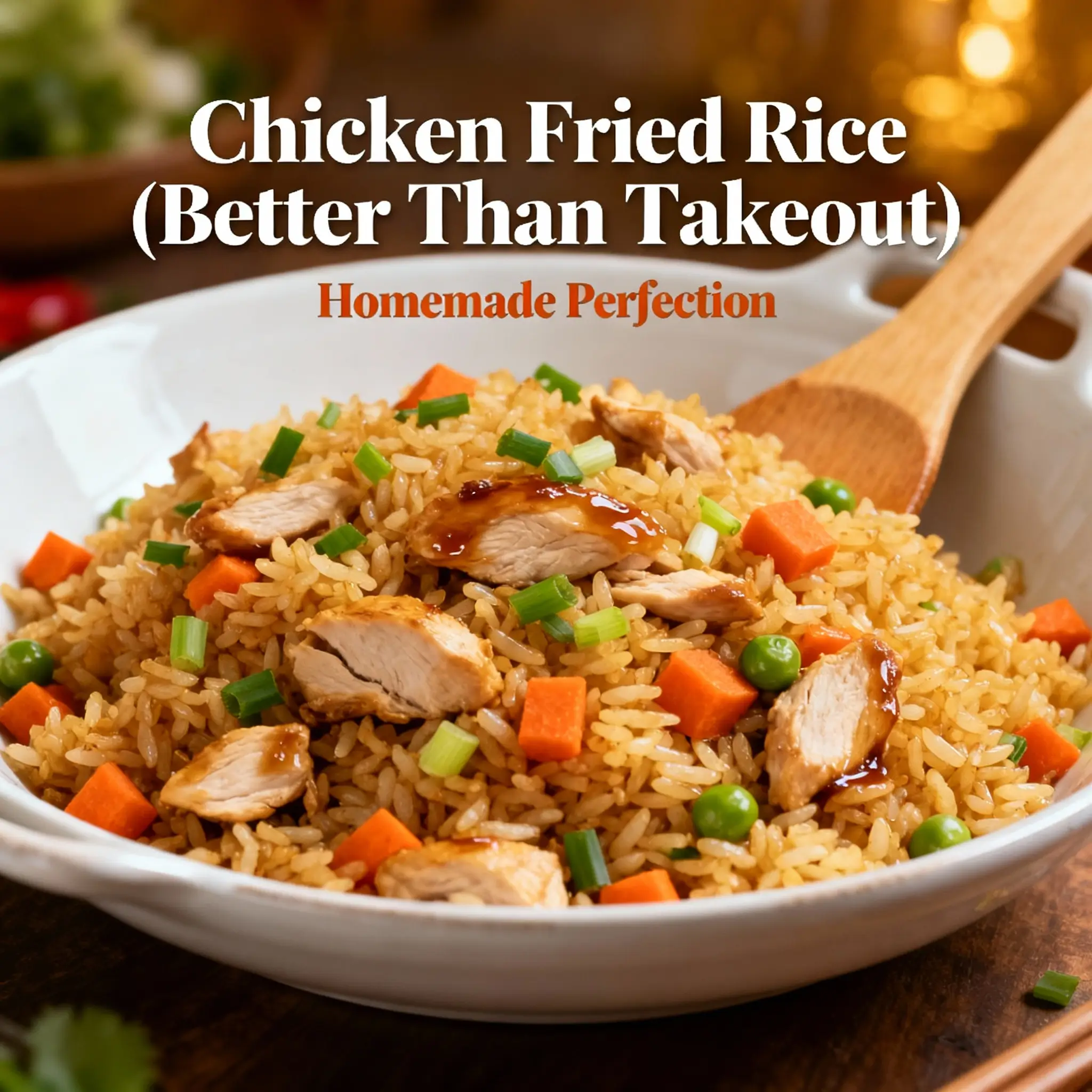
Chicken Fried Rice (Better Than Takeout)
There’s something undeniably comforting about a plate of warm, savory chicken fried rice. Crisp-edged rice sizzling in a hot wok, tender chunks of chicken, vibrant vegetables, and the rich umami punch of soy sauce—this classic dish has earned its place as a favorite in home kitchens and restaurants alike. While takeout versions are convenient, nothing compares to the flavor and freshness of homemade chicken fried rice that’s better than anything you can order. With a few key techniques and high-quality ingredients, you can elevate this humble dish into a restaurant-worthy meal right from your own kitchen.
The History
Fried rice is one of the most iconic dishes in Chinese cuisine, with roots tracing back over 1,500 years to the Sui Dynasty (589–618 AD). Originating as a practical way to use leftover rice and prevent waste, early versions were simple stir-fries made with day-old rice, vegetables, and scraps of meat or egg. Over centuries, the dish evolved across regions and cultures, adapting to local tastes and ingredients.
In southern China, particularly Guangdong province (the birthplace of Cantonese cuisine), fried rice became refined and widely popularized. The famous “Yangzhou fried rice,” often considered the gold standard, features diced ham, shrimp, peas, and scrambled eggs, showcasing balance and texture. When Chinese immigrants brought their culinary traditions to the United States in the 19th and 20th centuries, American-Chinese fried rice emerged—often featuring more soy sauce, larger quantities of vegetables, and sometimes ketchup or MSG for enhanced flavor.
Today, chicken fried rice stands as a beloved staple in homes around the world. It’s not only a delicious fusion of East Asian cooking principles with Western palates but also a testament to how creativity and resourcefulness can turn simple leftovers into something extraordinary. Our version takes inspiration from traditional methods while incorporating modern tips to make it even better than takeout.
Ingredients Breakdown
The magic of exceptional chicken fried rice lies in the quality and preparation of each ingredient. Unlike many recipes that treat fried rice as an afterthought, we believe every component deserves attention. Here’s what goes into crafting the ultimate version:
- Day-Old Jasmine Rice: The cornerstone of great fried rice. Freshly cooked rice is too moist and sticky; using chilled, dry rice ensures each grain stays separate and develops a crisp edge when stir-fried.
- Chicken Breast or Thighs: Boneless, skinless chicken breast offers lean protein, while thighs bring richer flavor and juiciness. Either works beautifully—just be sure to cut them into uniform bite-sized pieces.
- Eggs: Scrambled into fluffy ribbons, eggs add creaminess and richness. Using two eggs gives just enough presence without overwhelming the dish.
- Vegetables: A colorful mix enhances both nutrition and texture. We recommend peas (fresh or frozen), carrots (finely diced), green onions (scallions), and bell peppers for crunch and sweetness.
- Garlic and Ginger: These aromatics build depth and warmth. Minced fresh garlic and grated ginger are essential for authentic flavor.
- Soy Sauce: Use a combination of light soy sauce for saltiness and dark soy sauce for color and subtle molasses-like depth. Tamari works well for gluten-free needs.
- Oyster Sauce: This thick, savory condiment adds umami complexity. A small amount goes a long way in boosting richness.
- Sesame Oil: Just a drizzle at the end imparts a nutty fragrance that elevates the entire dish.
- Neutral Cooking Oil: High smoke-point oils like peanut, avocado, or canola oil are ideal for high-heat stir-frying without burning.
- Optional Enhancements: A splash of rice vinegar for brightness, white pepper for heat, or a pinch of MSG for extra umami (if desired).
Step-by-Step Recipe
- Prepare Ingredients Ahead of Time: Mise en place is crucial. Cut the chicken into ½-inch cubes. Dice the carrots, slice the green onions (separating whites from greens), mince the garlic, and grate the ginger. Measure out all sauces and have vegetables ready near the stove.
- Cook the Eggs: Heat 1 tablespoon of oil in a large wok or non-stick skillet over medium-high heat. Pour in beaten eggs and scramble gently until just set but still slightly soft. Remove immediately and set aside.
- Cook the Chicken: Add another tablespoon of oil to the same pan. Increase heat to high. Add chicken in a single layer and sear for 2–3 minutes per side until golden brown and fully cooked through. Transfer to a plate.
- Build Flavor Base: Add a bit more oil if needed. Sauté garlic and ginger for 15–20 seconds until fragrant—do not let them burn. Add the white parts of the green onions, carrots, and bell peppers. Stir-fry for 2–3 minutes until slightly softened but still crisp.
- Add Rice: Break up any clumps of cold rice with your hands or a spoon. Add to the pan in batches if necessary, spreading it out to make contact with the hot surface. Let it sit undisturbed for 30 seconds to develop a slight crust, then stir-fry vigorously for 2–3 minutes.
- Incorporate Sauces: Drizzle light soy sauce, dark soy sauce, and oyster sauce evenly over the rice. Toss everything together quickly so the rice absorbs the flavors and turns a rich golden-brown hue.
- Combine Everything: Return the cooked chicken and scrambled eggs to the wok. Add frozen peas (no need to thaw—they’ll cook quickly) and stir-fry for another 1–2 minutes until heated through.
- Finish with Aromatics: Turn off the heat. Stir in the green parts of the scallions and a final teaspoon of toasted sesame oil. Gently toss to combine.
- Taste and Adjust: Give it a taste. Need more salt? A splash more soy sauce. More depth? A dash of oyster sauce. Brightness? A few drops of rice vinegar.
- Serve Immediately: Plate hot, ideally in individual bowls with chopsticks or a fork. Garnish with extra sliced green onions or a sprinkle of sesame seeds.
Tips for Perfect Chicken Fried Rice
- Use Cold, Day-Old Rice: This cannot be overstated. Fresh rice releases steam and becomes gummy. Refrigerated rice dries out slightly, allowing it to fry properly and absorb flavors without clumping.
- Don’t Skimp on Heat: High heat is essential for achieving “wok hei” (breath of the wok)—that smoky, charred aroma characteristic of authentic stir-fries. If using an electric stove, preheat the pan thoroughly before adding ingredients.
- Work Quickly: Have everything prepped and within reach. Once you start cooking, the process moves fast. Hesitation leads to soggy rice or overcooked proteins.
- Break Up Rice Clumps Before Adding: Use your fingers or a fork to loosen the rice before tossing it into the wok. Large lumps won’t distribute seasoning evenly.
- Season in Layers: Don’t rely solely on soy sauce at the end. Light seasoning during each step builds complexity.
- Avoid Overcrowding the Pan: Cook in batches if needed. Too many ingredients lower the temperature and cause steaming instead of frying.
- Toast the Rice Briefly: Letting the rice sit for short intervals helps develop a lightly crispy texture and nutty flavor.
- Add Eggs First, Then Set Aside: Cooking eggs separately prevents them from getting lost in the mix and turning rubbery.
- Use Proper Utensils: A wooden spatula or metal wok shovel allows efficient scraping and flipping. Avoid plastic tools that may melt under high heat.
- Let It Rest After Cooking: Though best served immediately, letting it sit for a minute allows flavors to meld subtly.
Variations and Customizations
One of the greatest strengths of chicken fried rice is its versatility. Feel free to adapt it based on dietary preferences, seasonal produce, or cultural twists:
- Vegetarian/Vegan Option: Omit chicken and replace with tofu, tempeh, or extra vegetables like mushrooms, zucchini, or edamame. Use vegan oyster sauce (mushroom-based) and skip the egg or substitute with chickpea flour scramble.
- Gluten-Free Version: Substitute regular soy sauce with tamari or certified gluten-free soy sauce. Check labels on oyster sauce, as some contain wheat.
- Spicy Kick: Add red pepper flakes, sriracha, or chopped fresh chili peppers during the vegetable sauté. A swirl of chili oil at the end adds heat and shine.
- Pineapple Chicken Fried Rice: Inspired by Hawaiian-style fried rice, add diced fresh pineapple, cashews, and a touch of curry powder for a sweet-savory-tangy profile.
- Korean-Inspired: Swap soy sauce for gochujang (Korean chili paste) mixed with soy sauce, and top with kimchi and a fried egg.
- Thai-Style: Use fish sauce instead of some soy sauce, add lime juice, cilantro, and crushed peanuts for a zesty, aromatic twist.
- Seafood Fried Rice: Replace chicken with cooked shrimp, scallops, or imitation crab meat. Add a pinch of seafood seasoning for authenticity.
- Brown Rice or Cauliflower Rice: For a healthier alternative, use cooked and cooled brown rice (note: it’s denser and may require longer frying). For low-carb, try riced cauliflower—but squeeze out excess moisture first to avoid sogginess.
- Deli-Style Shortcut: Use rotisserie chicken for convenience. Shred or dice it and add toward the end just to warm through.
- Kid-Friendly Version: Reduce soy sauce slightly for less saltiness, increase peas and carrots, and omit spicy elements. Serve with mild dipping sauces like sweet chili or teriyaki.
Health Considerations and Nutritional Value
While traditionally seen as comfort food, chicken fried rice can be part of a balanced diet with mindful adjustments. Here’s a breakdown of its nutritional profile per typical serving (approx. 1.5 cups):
- Calories: ~400–500 kcal (depending on oil and portion size)
- Protein: ~20–25g (from chicken and egg)
- Carbohydrates: ~50–60g (mostly from rice; can reduce by using half rice, half cauliflower)
- Fat: ~12–18g (mostly unsaturated from healthy oils; can lower by reducing oil or using non-stick spray)
- Sodium: ~700–1000mg (can be reduced by using low-sodium soy sauce and limiting added salt)
- Fiber: ~3–5g (increased significantly with more vegetables and brown rice)
- Vitamins & Minerals: Rich in vitamin A (carrots), vitamin C (bell peppers), B vitamins (eggs, chicken), and iron (meat, eggs).
Healthy Swaps:
- Use brown rice or quinoa for higher fiber and slower-digesting carbs.
- Leverage heart-healthy oils like avocado or olive oil (in moderation).
- Boost vegetable content to at least 1 cup per serving for increased micronutrients and satiety.
- Limit added sauces—measure instead of pouring freely.
- Avoid monosodium glutamate (MSG) if sensitive, though moderate use is generally recognized as safe by the FDA.
This dish provides a good balance of macronutrients and can support muscle maintenance, energy levels, and overall satisfaction when portion-controlled and paired with a side salad or steamed greens.
Ingredients
- 3 cups cooked jasmine rice, chilled overnight
- 1 lb boneless, skinless chicken breast or thighs, cubed
- 2 large eggs, lightly beaten
- 3 tbsp neutral oil (peanut, canola, or avocado), divided
- 1/2 cup frozen peas, thawed
- 1/2 cup carrots, finely diced
- 1/2 bell pepper (any color), diced
- 4 green onions, sliced (whites and greens separated)
- 3 cloves garlic, minced
- 1 tbsp fresh ginger, grated
- 2 tbsp light soy sauce (or tamari for GF)
- 1 tsp dark soy sauce
- 1 tbsp oyster sauce (or vegetarian oyster sauce)
- 1 tsp toasted sesame oil
- Salt and white pepper to taste
- Optional: 1/2 tsp sugar, 1 tsp rice vinegar, pinch of MSG
Directions
- Prep all ingredients and keep them close to the stove.
- Heat 1 tbsp oil in a wok or large skillet over medium-high heat. Add beaten eggs and scramble until soft curds form. Transfer to a bowl.
- Add another tbsp oil to the pan. Increase heat to high. Add chicken in a single layer; cook 2–3 minutes per side until browned and cooked through. Remove and set aside.
- Add remaining 1 tbsp oil. Sauté garlic, ginger, and white parts of green onions for 20 seconds until fragrant.
- Add carrots and bell pepper; stir-fry 2–3 minutes until crisp-tender.
- Add cold rice, breaking up clumps. Spread rice to touch the pan surface. Let sit 30 seconds, then stir-fry 2–3 minutes.
- Pour soy sauces and oyster sauce over rice. Toss well to coat evenly and achieve golden color.
- Return chicken and eggs to the pan. Add peas and mix well. Stir-fry 1–2 minutes until heated through.
- Turn off heat. Stir in green onion tops and sesame oil. Taste and adjust seasoning.
- Serve immediately, garnished with extra scallions or sesame seeds if desired.
FAQ
Can I use freshly cooked rice?
Technically yes, but it’s not recommended. Fresh rice contains excess moisture, leading to mushy, clumpy fried rice. If you must use fresh rice, spread it on a tray and let it cool completely in the fridge for at least 1 hour.
Why is my fried rice sticky?
Likely causes include using warm rice, too much sauce, insufficient oil, or overcrowding the pan. Always use cold rice and high heat with plenty of stirring motion.
Can I freeze chicken fried rice?
Yes! Cool completely and store in airtight containers for up to 3 months. Reheat in a skillet over medium heat with a splash of water or broth to refresh texture.
What kind of rice is best for fried rice?
Long-grain varieties like jasmine or basmati work best due to their firm, non-sticky texture. Medium-grain white rice is acceptable, but avoid short-grain or sushi rice.
Is this recipe gluten-free?
Only if you use tamari instead of soy sauce and ensure your oyster sauce is gluten-free. Many commercial brands contain wheat.
Can I make this in advance?
You can prep all ingredients ahead of time, but assemble and cook just before serving for optimal texture. Pre-cooked fried rice reheats well but loses crispness.
How do I get the smoky wok flavor at home?
Maximize heat, use minimal moisture, and allow rice to caramelize slightly on the pan. Some chefs add a tiny bit of smoked paprika or liquid smoke, though purists prefer natural charring via high-temperature stir-frying.
Can I add other meats?
Absolutely. Diced ham, shrimp, pork, or even bacon work wonderfully. Just adjust cooking times accordingly.
Summary
Homemade chicken fried rice isn’t just a quick weeknight dinner—it’s a culinary canvas that brings restaurant-quality flavor into your kitchen. Packed with tender chicken, fluffy eggs, colorful veggies, and perfectly seasoned grains, this better-than-takeout version satisfies cravings while offering endless customization.
With the right techniques—cold rice, high heat, proper seasoning, and smart prep—you’ll never settle for mediocre fried rice again. Simple, satisfying, and endlessly adaptable, this dish deserves a permanent spot in your rotation.