
Introduction
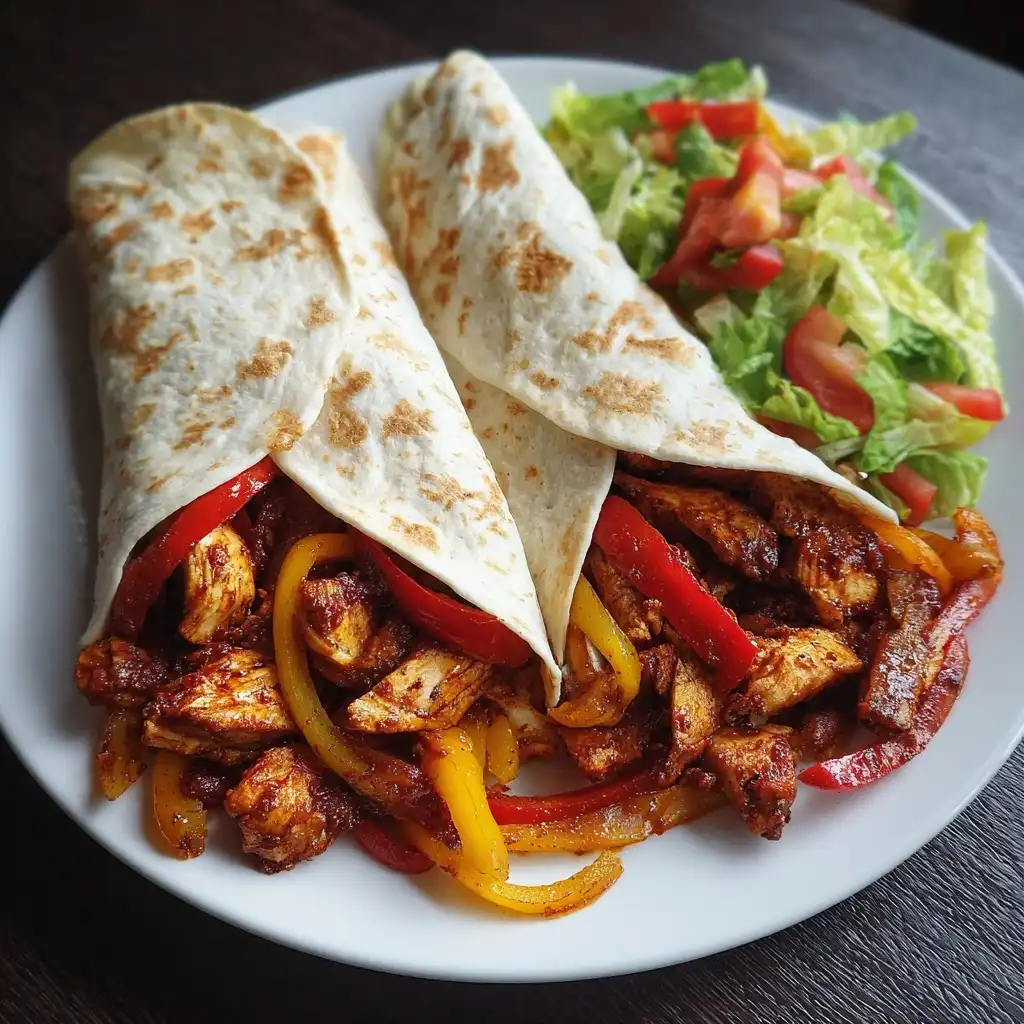
Chicken fajitas are a vibrant, sizzling staple of Tex-Mex cuisine—bold in flavor, colorful in presentation, and endlessly adaptable. More than just a weeknight dinner, they represent a joyful fusion of Mexican tradition and American innovation: tender strips of marinated chicken, charred bell peppers and onions, all wrapped in warm, pliable tortillas and served with an array of fresh, zesty accompaniments. Whether you’re hosting a casual taco Tuesday, feeding a hungry family, or meal prepping for the week, chicken fajitas deliver restaurant-quality excitement right from your home kitchen. Their interactive nature—serving components separately and letting everyone assemble their own—makes them ideal for gatherings, dietary preferences, and even picky eaters. With layers of smoky, citrusy, garlicky, and slightly spicy notes, every bite is a harmonious balance of texture and taste.
The History
The origin of fajitas traces back to the ranchos of South Texas in the early 20th century, where Mexican vaqueros (cowboys) were often paid in less desirable cuts of beef—including the skirt steak (faja meaning “belt” or “girdle” in Spanish, referencing the cut’s long, flat shape). Resourceful and flavorful, these lean, fibrous cuts were marinated in acidic ingredients like lime juice and vinegar, then grilled over open flames to tenderize and intensify taste. By the 1930s–40s, fajitas began appearing at cookouts and community events across the Rio Grande Valley. The dish entered mainstream American consciousness in the 1970s, thanks largely to Texas restaurateurs like Ninfa Laurenzo of Ninfa’s in Houston, who popularized “Taco al Carbon” and later “Fajitas” on her menu in 1973—serving sizzling skillets of marinated beef, onions, and peppers with warm flour tortillas. Chicken fajitas emerged soon after as a leaner, more accessible, and widely embraced adaptation—especially as poultry consumption rose nationwide. Today, chicken fajitas symbolize culinary evolution: honoring humble beginnings while embracing global palates, modern cooking techniques, and ingredient diversity.
Ingredients Breakdown
Understanding each component not only elevates flavor but empowers customization and substitution. Here’s a detailed breakdown of the core elements:
- Chicken Breast or Thighs: Boneless, skinless chicken breast offers lean protein and clean flavor but can dry out if overcooked; chicken thighs (boneless, skinless) provide richer taste, superior moisture retention, and forgiving tenderness—ideal for high-heat searing.
- Marinade Base: A triumvirate of acid (fresh lime juice), oil (avocado, canola, or light olive oil), and aromatics forms the foundation. Acid tenderizes while brightening; oil carries fat-soluble flavors and prevents sticking; aromatics build depth.
- Aromatics & Spices: Minced garlic and onion powder deliver pungent backbone; cumin adds earthy warmth; smoked paprika contributes subtle barbecue-like complexity (and deep red hue); chili powder (ancho- or New Mexico-based) brings mild fruitiness and layered heat; oregano (preferably Mexican) lends herbal brightness; cayenne or chipotle powder adjusts spice level precisely.
- Fresh Vegetables: Tri-color bell peppers (red, yellow, orange) offer sweetness, crunch, and visual pop; white or yellow onions provide sharpness that mellows beautifully when caramelized. Slicing uniformly ensures even cooking.
- Tortillas: Soft flour tortillas (8-inch, low-moisture, restaurant-style) are traditional for pliability and neutral canvas; corn tortillas (double-layered for strength) add gluten-free authenticity and rustic earthiness. Warming is non-negotiable—it enhances flexibility and aroma.
- Signature Garnishes: Fresh cilantro leaves add citrusy herbaceousness; diced white onion delivers sharp contrast; lime wedges supply essential acidity to cut richness; sliced jalapeños (seeds removed for milder heat) offer vegetal fire; creamy avocado or guacamole balances spice with cool, buttery fat.
- Optional Enhancements: Pickled red onions for tangy crunch; crumbled queso fresco or cotija for salty, milky funk; sour cream or Mexican crema for cooling richness; roasted corn (elote-style) for sweetness and char; black beans or refried beans for heartiness; shredded lettuce or cabbage for freshness and texture.
Step-by-Step Recipe
- Prep the Chicken: Slice boneless, skinless chicken breasts or thighs into uniform ¼-inch thick strips, about 2–3 inches long. Uniformity ensures consistent marination and even cooking—no dry ends or raw centers.
- Make the Marinade: In a large bowl or resealable bag, whisk together ⅓ cup fresh lime juice, ¼ cup neutral oil, 4 minced garlic cloves, 1 tbsp ground cumin, 1 tbsp smoked paprika, 1½ tsp chili powder, 1 tsp dried oregano, 1 tsp onion powder, 1 tsp kosher salt, ½ tsp black pepper, and ¼–½ tsp cayenne (to taste). For deeper flavor, add 1 tsp Worcestershire sauce or ½ tsp liquid smoke.
- Marinate: Add chicken to marinade, ensuring full coverage. Refrigerate for *minimum 30 minutes*, but ideally 2–4 hours (do not exceed 12 hours—acid can begin to “cook” the surface, yielding mushy texture).
- Prep Vegetables: Core and slice 2 large bell peppers (mixed colors) into thin 2-inch strips. Halve and thinly slice 1 large yellow or white onion. Keep separate from chicken until cooking.
- Heat Your Cooking Surface: Preheat a heavy-bottomed cast-iron skillet, stainless steel pan, or griddle over medium-high heat until shimmering hot (about 2 minutes). Alternatively, preheat grill grates to 450°F–500°F. A properly hot surface ensures rapid sear, locking in juices and building fond (those delicious browned bits).
- Cook Chicken First: Remove chicken from marinade (shake off excess—but don’t rinse), season lightly with extra salt if desired, and cook in a single layer without crowding. Sear 2–3 minutes per side until golden-brown and internal temperature reaches 165°F. Transfer to a clean plate; tent loosely with foil to rest.
- Sauté Vegetables: In same hot pan (add 1 tsp oil if needed), add peppers and onions. Stir-fry 5–7 minutes, stirring frequently, until crisp-tender with visible char spots and softened edges—but still retaining bite. Avoid overcooking into mush.
- Combine & Finish: Return chicken to pan with vegetables. Pour in any reserved marinade (only if it hasn’t touched raw chicken—otherwise discard). Toss gently over heat 1–2 minutes to meld flavors and warm through. Squeeze in juice of ½ lime for brightness.
- Warm Tortillas: Heat tortillas individually on dry skillet (30 sec/side), over open gas flame (2–3 sec per side with tongs), or wrapped in damp paper towels in microwave (30–45 sec). Keep covered in a cloth-lined basket or tortilla warmer to stay soft and pliable.
- Assemble & Serve: Place warm tortillas on plates. Spoon generous portions of chicken-vegetable mixture down center. Let guests customize with garnishes: fresh cilantro, diced onion, lime wedges, jalapeños, guacamole, sour cream, cheese, etc. Serve immediately while sizzling and fragrant.
Tips
- Pat Chicken Dry Before Marinating: Excess surface moisture dilutes marinade adhesion—blot with paper towels first for better flavor absorption.
- Don’t Skip the Rest: Allowing cooked chicken to rest 5 minutes redistributes juices—ensuring every bite stays moist, not dry.
- High Heat Is Non-Negotiable: Low heat steams instead of sears, resulting in gray, rubbery chicken and soggy peppers. If your pan smokes slightly, you’re at the right temperature.
- Use Two Pans for Efficiency: Cook chicken and veggies simultaneously in separate pans—especially helpful when serving larger groups or avoiding flavor transfer (e.g., if using fish earlier).
- Reserve Marinade Wisely: If you plan to use leftover marinade as a finishing sauce, set aside a portion *before* adding raw chicken—or boil it vigorously for 3 minutes to kill bacteria.
- Control Spice Gradually: Start with ¼ tsp cayenne; taste marinade and adjust. Remember: heat intensifies slightly during cooking and mellows with cooling garnishes.
- Chop Garnishes Just Before Serving: Cilantro and onions oxidize and lose vibrancy—prepping last-minute preserves aroma and color.
- Toast Your Spices (Optional Pro Tip): Dry-toast whole cumin seeds and dried chiles in a skillet 1–2 minutes until fragrant, then grind. Adds profound depth unmatched by pre-ground spices.
- Acid Balance Is Key: If dish tastes flat after cooking, a final squeeze of lime or splash of apple cider vinegar can lift and unify all elements.
- Leftovers Are Gold: Store components separately (chicken/veg mix, tortillas, garnishes) for up to 4 days. Reheat chicken-veg in skillet with splash of broth or lime juice to revive moisture.
Variations and Customizations
Chicken fajitas are a culinary canvas—adaptable across diets, cultures, seasons, and skill levels. Explore these inspired riffs:
- Grilled Fajitas: Skewer marinated chicken and veggie chunks (thread peppers, onions, and chicken alternately) for easy flipping and dramatic grill marks. Brush with reserved marinade mid-grill.
- Sheet Pan Fajitas: Toss chicken strips and sliced veggies with oil and spices on a parchment-lined sheet pan. Roast at 425°F for 20–25 minutes, flipping halfway—hands-off, minimal cleanup, deeply caramelized edges.
- Vegetarian “Chicken” Fajitas: Swap in sliced king oyster mushrooms, seitan strips, or pressed & marinated tofu. Mushrooms mimic meaty chew; seitan absorbs marinade like a sponge; tofu benefits from extra pressing and cornstarch coating for crispness.
- Low-Carb/Keto Fajitas: Skip tortillas entirely—serve sizzling fajita mixture over cauliflower rice, zucchini noodles, or in crisp lettuce cups (butter or romaine work best). Boost healthy fats with avocado slices and cotija.
- Breakfast Fajitas: Scramble eggs with cooked fajita mix, fold into warm tortillas, top with melted cheddar and salsa verde—perfect for weekend brunch or post-gym fuel.
- Asian-Inspired Fajitas: Replace traditional spices with 2 tbsp soy sauce, 1 tbsp hoisin, 1 tsp grated ginger, 1 tsp sesame oil, and ½ tsp five-spice powder. Garnish with scallions, sesame seeds, and quick-pickled daikon.
- Mediterranean Fajitas: Marinate chicken in lemon juice, oregano, garlic, and olive oil; swap peppers for zucchini and eggplant; serve with tzatziki, crumbled feta, and chopped mint instead of cilantro.
- Spicy Chipotle Fajitas: Blend 2–3 canned chipotles in adobo with marinade for smoky, complex heat. Add a spoonful of adobo sauce for extra depth and gloss.
- Christmas Tree Fajitas: Use seasonal produce—roasted Brussels sprouts, caramelized shallots, and green apples—tossed with chipotle-lime marinade. Serve with spiced pepitas and crumbled goat cheese.
- Meal Prep Friendly: Portion cooked chicken-veggie mix into containers with lime wedges. Pack tortillas separately (wrap in foil to prevent drying), and store garnishes in small jars. Assemble fresh each day.
Health Considerations and Nutritional Value
A well-balanced chicken fajita plate offers impressive macro- and micronutrient density—especially when prepared mindfully. A standard serving (1 chicken breast + ½ cup peppers/onions + 2 small flour tortillas + 2 tbsp guacamole + garnishes) provides approximately:
- Calories: ~450–550 kcal (varies by oil usage, tortilla type, and toppings)
- Protein: 35–42g (excellent complete protein supporting muscle repair and satiety)
- Carbohydrates: 38–48g (primarily complex carbs from veggies and whole-grain tortillas; fiber ~8–10g)
- Fat: 16–22g (mostly unsaturated from avocado oil, lime juice, and avocado—heart-healthy fats)
- Vitamins & Minerals: Exceptionally high in Vitamin C (bell peppers = 169% DV per cup), Vitamin A (from paprika and peppers), B6 (chicken), folate (beans/guac), potassium (avocado, peppers), and antioxidants (lutein, quercetin, capsaicin).
Dietary Adaptations:
- Gluten-Free: Use certified GF corn tortillas or gluten-free wraps; verify spice blends are GF (some chili powders contain wheat fillers).
- Low-Sodium: Omit added salt; rely on citrus, herbs, smoked paprika, and garlic for flavor. Choose low-sodium broths if deglazing.
- Dairy-Free/Vegan: Skip cheese and sour cream; use coconut-based crema or cashew cream. Ensure tortillas are lard-free (many commercial brands are vegan-friendly).
- Heart-Healthy: Opt for lean chicken breast, limit oil to 1 tbsp, emphasize veggies (¾ of plate), and choose guacamole over sour cream for monounsaturated fats.
- Diabetic-Friendly: Focus on non-starchy veggies, control tortilla portions (1 small tortilla = ~15g carb), pair with high-fiber beans, and avoid sugary salsas or marinades.
Cautions: Restaurant versions often contain excessive sodium (from pre-seasoned meats, salty cheeses, and processed tortillas), hidden sugars (in bottled marinades/salsas), and saturated fat (lard-based tortillas, heavy sour cream). Homemade versions give full transparency and control—making them nutritionally superior and genuinely wholesome.
Ingredients
- 1.5 lbs boneless, skinless chicken breasts or thighs, sliced into ¼-inch strips
- ⅓ cup fresh lime juice (about 3–4 limes)
- ¼ cup avocado oil or light olive oil
- 4 large garlic cloves, minced
- 1 tbsp ground cumin
- 1 tbsp smoked paprika
- 1½ tsp ancho or New Mexico chili powder
- 1 tsp dried Mexican oregano
- 1 tsp onion powder
- 1 tsp kosher salt (or to taste)
- ½ tsp freshly ground black pepper
- ¼–½ tsp cayenne pepper (adjust to heat preference)
- 2 large multi-colored bell peppers (red, yellow, orange), cored and sliced into ¼-inch strips
- 1 large yellow or white onion, halved and sliced ¼-inch thick
- 8–10 (8-inch) flour tortillas (or corn for GF)
- ¼ cup fresh cilantro leaves, roughly chopped
- ½ small white onion, finely diced
- 2 limes, cut into wedges
- 1–2 jalapeños, thinly sliced (seeds removed for milder heat)
- 1½ cups guacamole or sliced ripe avocado
- ½ cup sour cream or Mexican crema (optional)
- ½ cup crumbled queso fresco or cotija cheese (optional)
Directions
- In a large mixing bowl or gallon-sized resealable plastic bag, combine lime juice, oil, minced garlic, cumin, smoked paprika, chili powder, oregano, onion powder, salt, black pepper, and cayenne. Whisk or shake vigorously until fully emulsified.
- Add chicken strips to marinade, turning to coat thoroughly. Seal bag or cover bowl and refrigerate for 30 minutes to 4 hours.
- When ready to cook, heat a large cast-iron skillet or heavy-bottomed pan over medium-high heat until very hot (2–3 minutes). You should see wisps of smoke.
- Remove chicken from marinade, shaking off excess (discard used marinade unless previously reserved and boiled). Season lightly with additional salt if desired.
- Add chicken in a single layer—do not overcrowd. Cook undisturbed for 2–3 minutes until deeply golden and lightly charred. Flip and cook another 2–3 minutes until internal temperature reaches 165°F. Transfer to a clean plate; tent with foil.
- Reduce heat to medium. Add peppers and onions to same hot pan. Stir-fry 5–7 minutes, stirring frequently, until peppers are blistered and onions are translucent with golden edges—but still crisp.
- Return chicken to pan. Toss everything together and cook 1–2 minutes more to reheat and blend flavors. Squeeze in juice of ½ lime.
- While chicken cooks, warm tortillas one at a time on dry skillet (30 seconds per side), over open flame (2 seconds per side), or in microwave (wrapped in damp towel, 30 seconds). Stack in a clean kitchen towel or tortilla warmer.
- Assemble: Lay tortilla flat, spoon ⅓–½ cup fajita mixture down center. Top with cilantro, diced onion, jalapeño slices, lime wedge, guacamole, sour cream, and cheese as desired.
- Serve immediately, encouraging guests to customize and enjoy while hot and aromatic.
FAQ
- Can I make chicken fajitas ahead of time?
- Yes—with smart planning. Marinate chicken up to 24 hours in advance. Cook chicken and veggies up to 3 days ahead; store separately in airtight containers. Reheat chicken-veg mix in skillet with a splash of broth or lime juice to restore moisture. Warm tortillas fresh before serving.
- Why is my chicken rubbery?
- Rubbery texture usually results from overcooking (chicken beyond 165°F dries out rapidly) or slicing against the grain incorrectly. Always slice chicken *against the grain* (perpendicular to muscle fibers) for tenderness—and use a meat thermometer for precision.
- Can I use frozen chicken?
- Absolutely—but thaw completely in refrigerator (not at room temperature) before marinating. Pat *very* dry before adding to marinade to ensure proper absorption and sear.
- What’s the best oil for high-heat cooking?
- Avocado oil (smoke point 520°F), refined safflower or sunflower oil (450°F+), or light olive oil (465°F) are ideal. Avoid unrefined olive oil or butter—they’ll burn and impart bitterness.
- Are flour tortillas authentic for fajitas?
- Yes—flour tortillas became standard in Tex-Mex fajitas due to their pliability and ability to hold generous fillings without tearing. Corn tortillas are traditional in central/southern Mexico and equally delicious—just use two for structural integrity.
- How do I prevent soggy vegetables?
- Ensure your pan is fully preheated, don’t overcrowd the pan (steam causes sogginess), and slice veggies uniformly. Also, pat peppers and onions dry if rinsed—excess water inhibits caramelization.
- Can I air fry fajita chicken?
- Yes! Toss marinated chicken strips in 1 tsp oil, spread in single layer in air fryer basket, and cook at 400°F for 10–12 minutes, shaking halfway. Finish with veggies in skillet for optimal char.
- What sides go well with chicken fajitas?
- Classic pairings include Mexican rice, charro beans, black bean & corn salad, jicama slaw, grilled street corn (elote), or simple lime-cilantro rice. For lighter options: roasted sweet potatoes, avocado cucumber salad, or grilled nopales.
- Is there a secret ingredient for extra flavor?
- Yes—1 tsp of fish sauce (added to marinade) adds umami depth without detectable fishiness. Alternatively, 1 tbsp of high-quality Worcestershire sauce or ½ tsp toasted sesame oil adds complexity and sheen.
- How do I keep tortillas warm for a crowd?
- Wrap stacked tortillas in aluminum foil and place in a 200°F oven for up to 30 minutes. Or use a dedicated tortilla warmer, or wrap in a damp (not dripping) kitchen towel and place inside a covered basket or slow cooker on “warm.”
Summary
Chicken fajitas are a dynamic, nutrient-rich Tex-Mex classic built on bold marination, high-heat searing, and vibrant vegetable char—offering endless customization for dietary needs, flavor preferences, and cooking methods.
From their ranchero roots to modern kitchen adaptations, they celebrate resourcefulness, freshness, and shared joy—proving that exceptional flavor, healthfulness, and ease can coexist seamlessly in one sizzling, customizable skillet.