
Introduction
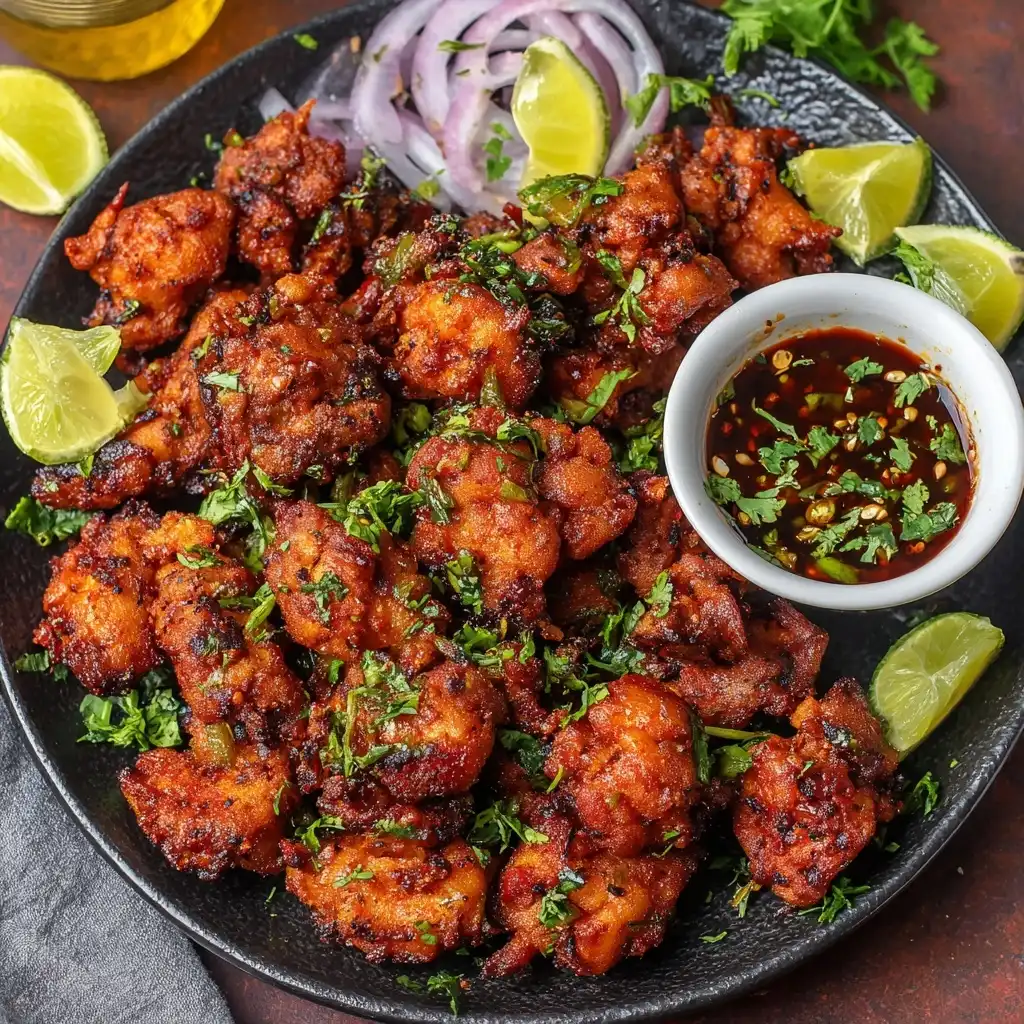
Chicken 65 is a beloved, fiery, and flavor-packed South Indian appetizer that has transcended regional boundaries to become a staple across India—and increasingly popular worldwide. Known for its bold heat, tangy-sweet undertones, and irresistible crispiness, this snack is a symphony of spices, textures, and technique. Despite its name suggesting a connection to the year 1965 or a specific recipe code, Chicken 65 is not defined by chronology but by its unmistakable character: tender morsels of chicken marinated in aromatic spices, deep-fried to golden perfection, and tossed in a vibrant, sizzling tempering of curry leaves, mustard seeds, dried red chilies, and garlic. Whether served at upscale restaurants, street-side stalls, wedding buffets, or homemade gatherings, Chicken 65 commands attention—not just for its spice, but for its layered complexity, cultural resonance, and culinary craftsmanship.
The History
The origin story of Chicken 65 is as spirited and debated as its heat level. The most widely accepted theory traces its creation to 1965 at the iconic Buhari Hotel in Chennai (formerly Madras), Tamil Nadu—a legendary eatery renowned for pioneering innovative non-vegetarian dishes during the post-independence culinary renaissance. Legend has it that the hotel’s chef, A.M. Buhari, developed the dish as a special offering for patrons seeking something new and exciting—perhaps even as a celebratory menu item marking the year. Another compelling narrative suggests “65” refers to the number of boneless chicken pieces used in the original batch—or possibly the age of the chef’s father at the time of invention. A third school of thought proposes it was named after the 65-day-old broiler chicken believed to yield the most tender, flavorful meat—a practice still followed by discerning chefs today. Regardless of its etymological roots, Chicken 65 emerged from the dynamic food culture of Tamil Nadu, where traditional techniques like *marination with curd*, *tempering with mustard and curry leaves*, and *high-heat frying* converged with evolving tastes for bolder, spicier, and more texturally engaging snacks. Over decades, it spread through college canteens, railway stations, and South Indian diaspora communities—evolving in preparation methods while retaining its soul: unapologetic flavor, vibrant color, and addictive crunch.
Ingredients Breakdown
Understanding each ingredient’s role reveals why Chicken 65 is greater than the sum of its parts:
- Chicken: Boneless, skinless chicken breast or thigh—cut into uniform 1-inch cubes. Thigh is preferred by many for its superior moisture retention and richer flavor during high-heat frying.
- Yogurt (Curd): Acts as a natural tenderizer due to lactic acid; also aids spice adhesion and imparts subtle tang. Full-fat, fresh, slightly sour curd yields best results.
- Ginger-Garlic Paste: The aromatic backbone—freshly ground paste delivers pungent depth and enzymatic tenderness far beyond powdered alternatives.
- Red Chili Powder (Kashmiri & Byadgi): Kashmiri lends vibrant color and mild heat; Byadgi adds fruit-forward warmth. Often blended with hotter varieties like Guntur for authentic fire.
- Cumin Powder & Coriander Powder: Earthy warmth and citrusy nuance—roasted and ground in-house for maximum aroma.
- Garam Masala: A finishing touch—not added during marination—to preserve its volatile oils; contributes warm, sweet-spicy complexity.
- Chaat Masala: The secret tang—amchur (dry mango powder), black salt, and asafoetida deliver a bright, savory-sour lift essential to balance richness.
- Fenugreek Leaves (Kasuri Methi): Dried and crumbled—adds a subtle bitter-sweet, maple-like note and signature fragrance.
- Rice Flour & Cornstarch: The dual-texture duo—rice flour ensures crisp, flaky crust; cornstarch enhances golden-brown sheen and shatter-crisp bite.
- Mustard Seeds & Curry Leaves: Tempering essentials—mustard seeds pop with nutty aroma; curry leaves release camphorous, citrusy notes when fried in hot oil.
- Dried Red Chilies (Byadgi, Guntur, or Kanthari): Whole chilies are tempered for smoky heat and visual drama; some are slit to infuse oil deeply.
- Fresh Garlic Slices: Fried until golden—adds sweet, caramelized sharpness and aromatic punch.
- Vinegar or Lemon Juice: A final acidic kiss—brightens the entire profile and cuts through oiliness without overpowering.
- Fresh Coriander & Mint Leaves: Garnish with purpose—coriander offers herbal freshness; mint adds cooling contrast to the heat.
Step-by-Step Recipe
- Prep the Chicken: Rinse 500g boneless chicken (preferably thigh) under cold water. Pat *extremely* dry with paper towels—moisture is the enemy of crispness. Cut into 1-inch cubes, removing any sinew or fat.
- Prepare the Marinade: In a large bowl, combine ½ cup thick, full-fat yogurt, 2 tbsp ginger-garlic paste, 2 tsp Kashmiri red chili powder, 1 tsp Byadgi chili powder, 1 tsp garam masala, 1 tsp roasted cumin powder, 1 tsp coriander powder, 1 tsp chaat masala, 1 tsp kasuri methi, 1 tsp salt, and 1 tbsp lemon juice. Whisk until smooth and creamy—no lumps.
- Marinate Deeply: Add chicken cubes and coat thoroughly. Cover and refrigerate for *minimum 4 hours*, preferably *overnight (12–16 hours)*. This slow marination allows enzymes to break down muscle fibers and spices to fully permeate.
- Coat for Crispness: Drain excess marinade (do not rinse). In a separate bowl, mix ¼ cup rice flour, 2 tbsp cornstarch, ½ tsp turmeric, and ½ tsp black pepper. Toss marinated chicken gently in this dry mix until evenly coated—like a light, lacy veil—not thick batter.
- First Fry (Blanching): Heat 1.5 inches of refined peanut or sunflower oil in a heavy kadai or wok to 160°C (320°F). Fry chicken in small batches for 3–4 minutes until pale golden and *just cooked through*. Remove, drain on wire rack—not paper towels—to prevent steaming.
- Second Fry (Crisping): Raise oil temperature to 180–190°C (355–375°F). Refry chicken in batches for 60–90 seconds until deep golden, blistered, and audibly crisp. Drain immediately on rack.
- Temper the Tadka: In a wide, heavy-bottomed pan or tawa, heat 3 tbsp oil over medium-high flame. Add 1 tsp mustard seeds—wait until they pop vigorously. Immediately add 12–15 fresh curry leaves, 8–10 dried red chilies (slit lengthwise), and 8–10 thin garlic slices. Sauté 45–60 seconds until chilies darken slightly and garlic turns golden—*do not burn*.
- Combine & Finish: Reduce heat to medium. Add fried chicken and toss gently for 1–2 minutes to coat in tempering. Sprinkle 1 tsp chaat masala, ½ tsp red chili powder, and 1 tsp lemon juice or vinegar. Toss 30 seconds more. Finish with fresh coriander and mint leaves.
- Serve Immediately: Plate while piping hot—texture degrades rapidly. Best enjoyed within 15 minutes of preparation.
Tips
- Dry Chicken is Non-Negotiable: Even a trace of surface moisture causes oil splatter and prevents crisp coating. Pat twice—first with cloth, then with paper towels.
- Oil Temperature Mastery: Use a kitchen thermometer or the wooden spoon test: bubbles form steadily around the handle at 160°C; at 180°C, bubbles become vigorous and rapid. Too cool = greasy, soggy chicken; too hot = burnt outside, raw inside.
- Never Skip the Double Fry: First fry cooks; second fry crisps and dehydrates the outer layer. Skipping it yields chewy, dense results.
- Marinate Cold, Fry Cold: Keep marinated chicken refrigerated until frying. Cold protein hits hot oil with better texture control and less sticking.
- Rice Flour > All Purpose Flour: AP flour contains gluten, which turns gummy when fried. Rice flour creates a delicate, glassy, ultra-crisp shell.
- Tempering Timing is Critical: Add chicken *only after* mustard seeds pop and garlic begins browning. Delaying risks burnt spices; rushing leads to raw flavors.
- Acid Last, Always: Lemon juice or vinegar added before frying would curdle yogurt; added during tempering would steam the chicken. It belongs *only at the very end*.
- Scale Spice Thoughtfully: For large batches, increase whole spices (mustard, chilies, curry leaves) proportionally—but add powdered chilies gradually, tasting as you go. Heat compounds exponentially.
- Rest Between Frying: Let first-fried chicken rest on a wire rack for 5 minutes before second fry—this allows residual moisture to evaporate, enhancing crunch.
- Use a Heavy Kadai: Thin pans create hot spots, causing uneven frying and burnt spices. Cast iron or thick stainless steel ensures consistent heat distribution.
- Homemade Pastes Win: Pre-made ginger-garlic paste often contains preservatives and lacks enzymatic potency. Grind fresh daily for tenderizing power and aromatic authenticity.
- Chaat Masala Quality Matters: Opt for brands with real amchur and black salt—not just citric acid and MSG. Taste it raw—it should be tart, salty, faintly sulfurous, and complex.
Variations and Customizations
While purists guard the classic Tamil Nadu version, regional ingenuity and modern palates have birthed numerous celebrated adaptations:
- Chicken 65 Dry: The standard version—minimal oil in tempering, focused on crisp texture and spice bloom.
- Chicken 65 Gravy: A restaurant favorite—fried chicken simmered in a rich, onion-tomato gravy infused with garam masala, ginger juliennes, and a swirl of cream for balance.
- Biryani Chicken 65: Marinated with biryani masala and fried, then layered with fragrant basmati rice and dum-cooked for a fusion one-pot wonder.
- Butter Chicken 65: Tempered with butter, cream, and cashew paste—mellowing heat while amplifying richness and gloss.
- Vegan “Chicken” 65: Made with soy nuggets, seitan, or king oyster mushrooms—marinated in yogurt alternative (coconut yogurt + lemon), coated in rice flour, and tempered identically.
- Paneer 65: A vegetarian classic—cubed paneer marinated similarly, then shallow or deep-fried. Often includes extra kasuri methi for depth.
- Shrimp/Prawn 65: Uses deveined, tail-on prawns—marinated briefly (15–30 mins) to avoid toughness, fried swiftly at high heat.
- Quinoa Chicken 65: Health-conscious twist—quinoa flakes or cooked quinoa mixed into coating for added protein and crunch.
- Smoky Chipotle Chicken 65: Incorporates chipotle powder and smoked paprika into marinade, with a final char from grill or tava for mesquite notes.
- Yogurt-Dipped Chicken 65: Served with a cooling raita dip—whisked yogurt with roasted cumin, mint, grated cucumber, and a pinch of sugar.
- Gluten-Free Chicken 65: Ensures all spices are certified GF; uses rice flour, cornstarch, and tamari instead of soy sauce if added.
- Air-Fryer Chicken 65: Coated chicken air-fried at 200°C for 12–15 mins (shaking halfway), then finished with stovetop tempering for authentic flavor—80% less oil, 95% of crunch.
Health Considerations and Nutritional Value
Chicken 65 is undeniably indulgent—but with mindful tweaks, it can align with balanced eating goals. A standard 150g serving (approx. 8–10 pieces) contains approximately:
- Calories: 320–380 kcal (varies by oil absorption and coating thickness)
- Protein: 28–32g (excellent source—chicken thigh provides more iron and B12 than breast)
- Fat: 18–22g (mostly unsaturated from peanut/sunflower oil; saturated fat remains low if oil is well-drained)
- Carbohydrates: 12–15g (primarily from rice flour and starch; negligible fiber)
- Sodium: 650–850mg (moderate—reduced by limiting added salt and using low-sodium chaat masala)
- Vitamins & Minerals: Rich in Vitamin B6, niacin, selenium, zinc, and iron—especially when using dark meat and fresh spices.
Health-Conscious Modifications:
- Oil Optimization: Use high-smoke-point oils (peanut, avocado, rice bran); filter and reuse oil up to 3x to reduce waste and oxidation.
- Portion Control: Serve as an appetizer (6–8 pieces), not main course—pair with cucumber-tomato salad or sprout chaat.
- Spice Synergy: Capsaicin in chilies boosts metabolism and antioxidant activity; curcumin in turmeric offers anti-inflammatory benefits—enhanced by black pepper in garam masala.
- Probiotic Boost: Fermented yogurt marinade supports gut health—choose live-culture, unsweetened curd.
- Lower-Sodium Swaps: Replace table salt with rock salt (sendha namak) or kala namak in tempering; use herb-infused salts sparingly.
- Added Nutrition: Stir in finely chopped spinach or grated carrots into marinade for hidden veggie boost (works especially well with kid-friendly versions).
- Diabetic-Friendly Note: Low glycemic index due to high protein/fat and minimal simple carbs—ideal for blood sugar stability when portion-controlled.
That said, those with GERD, ulcers, or IBS may wish to moderate intake due to capsaicin and high-fat content. Pregnant individuals should ensure chicken is cooked to 74°C (165°F) internally and avoid excessive MSG-laden commercial spice blends.
Ingredients
- 500g boneless, skinless chicken thighs (or breast), cut into 1-inch cubes
- ½ cup full-fat plain yogurt (curd), well-whisked
- 2 tbsp freshly ground ginger-garlic paste
- 2 tsp Kashmiri red chili powder (for color)
- 1 tsp Byadgi or Guntur red chili powder (for heat)
- 1 tsp roasted cumin powder
- 1 tsp coriander powder
- 1 tsp garam masala (added only to marinade)
- 1 tsp chaat masala (added at end)
- 1 tsp dried fenugreek leaves (kasuri methi), crumbled
- 1 tsp salt (adjust to taste)
- 1 tbsp lemon juice or white vinegar
- ¼ cup rice flour
- 2 tbsp cornstarch
- ½ tsp turmeric powder
- ½ tsp freshly ground black pepper
- For Tempering: 3 tbsp refined peanut or sunflower oil
- 1 tsp mustard seeds
- 12–15 fresh curry leaves
- 8–10 dried red chilies (Byadgi or Guntur), slit
- 8–10 thin garlic slices
- Optional garnish: Fresh coriander leaves, mint leaves, lemon wedges
Directions
- Prepare Chicken: Rinse chicken cubes under cold water. Drain thoroughly and pat *completely dry* with multiple layers of paper towels.
- Make Marinade: In a large mixing bowl, whisk together yogurt, ginger-garlic paste, Kashmiri chili powder, Byadgi chili powder, cumin powder, coriander powder, garam masala, kasuri methi, salt, and lemon juice until smooth and lump-free.
- Marinate: Add chicken cubes and mix with hands until every piece is evenly coated. Cover tightly and refrigerate for *at least 4 hours*, ideally 12–16 hours.
- Coating Mix: In a separate bowl, combine rice flour, cornstarch, turmeric, and black pepper. Mix well.
- Coat Chicken: Remove chicken from fridge. Discard excess marinade (do not rinse). Toss chicken gently in dry flour mixture until lightly and evenly coated—avoid clumping.
- First Fry: Heat oil (1.5 inches deep) in a heavy kadai to 160°C. Fry chicken in small batches for 3–4 minutes until pale gold and cooked through. Drain on wire rack. Let rest 5 minutes.
- Second Fry: Increase oil temp to 180–190°C. Refry chicken in batches for 60–90 seconds until deep golden, blistered, and extremely crisp. Drain immediately on rack.
- Tempering: In a wide pan or tawa, heat 3 tbsp oil over medium-high flame. Add mustard seeds; wait for vigorous popping. Immediately add curry leaves, dried chilies, and garlic slices. Sauté 45–60 sec until garlic is golden and chilies darken slightly.
- Final Toss: Reduce heat to medium. Add fried chicken and toss gently for 1 minute. Sprinkle remaining chaat masala, extra ½ tsp chili powder (optional), and 1 tsp lemon juice. Toss 30 seconds more.
- Serve: Transfer to serving platter. Garnish generously with fresh coriander and mint. Serve immediately with lemon wedges and chilled mint-coriander chutney.
FAQ
- Why is it called Chicken 65?
- The name remains unofficially contested—but the strongest evidence points to its creation in 1965 at Buhari Hotel, Chennai. Other theories include 65 pieces per batch, 65-day-old chicken, or even chef’s father’s age. No single origin is documented, making it a delicious culinary mystery.
- Can I bake or air-fry Chicken 65?
- Absolutely—though texture differs. For air-fryer: Coat marinated chicken, spray lightly with oil, and cook at 200°C for 12–15 minutes (shake halfway). Finish with stovetop tempering for authentic flavor. Baking yields softer texture; best reserved for health-focused versions.
- What’s the best oil for frying?
- Peanut oil is traditional—high smoke point (232°C), neutral flavor, and authentic crispness. Sunflower, rice bran, or avocado oil are excellent alternatives. Avoid olive oil (low smoke point) or butter (burns easily).
- How do I store leftovers?
- Not recommended—crispness vanishes upon cooling. If necessary, refrigerate *untempered* fried chicken for up to 2 days. Re-crisp in air fryer or oven, then re-temper fresh.
- My Chicken 65 turned out soggy—what went wrong?
- Most common causes: insufficient drying before marinating, overcrowded fryer (lowers oil temp), underheated oil, skipping second fry, or adding chicken to tempering while cold/wet.
- Is Chicken 65 gluten-free?
- Yes—if you use certified gluten-free rice flour, cornstarch, and verify all spice blends (especially garam masala and chaat masala) are GF. Avoid wheat-based thickeners or soy sauce variants.
- Can I make it ahead for a party?
- Yes—with strategy: Marinate overnight; coat and refrigerate (up to 8 hours); fry first batch early; hold in warming drawer at 60°C; refry just before serving. Temper last-minute for maximum aroma.
- What sides pair best with Chicken 65?
- Classic combos include mint-coriander chutney, sliced onions with lemon, cucumber raita, jeera rice, or soft pav buns. For contrast, serve with sweet mango lassi or chilled buttermilk.
- How spicy is authentic Chicken 65?
- Medium-hot to hot—designed to tingle, not overwhelm. Heat is adjustable: reduce dried chilies and chili powders by 30–50% for milder version; add ½ tsp cayenne or 2 chopped green chilies for extra fire.
- Can I freeze Chicken 65?
- Freeze *unfried*, marinated-and-coated chicken for up to 1 month. Thaw overnight in fridge, then proceed with double-fry method. Never freeze cooked Chicken 65—it becomes leathery and loses aroma.
Summary
Chicken 65 is a masterclass in South Indian culinary alchemy—where science (enzyme-rich yogurt marination), tradition (mustard-curry leaf tempering), and fearless flavor converge to create a snack that crackles with heat, fragrance, and nostalgia. Its legacy isn’t just in its name or origin, but in its enduring ability to unite generations, geographies, and palates through one unforgettable bite.
Whether you’re recreating Buhari Hotel’s historic recipe or crafting your own vegan, air-fried, or biryani-infused interpretation, Chicken 65 remains a testament to how bold ingredients, precise technique, and cultural pride can transform humble chicken into an iconic, irreplaceable experience.