
Introduction
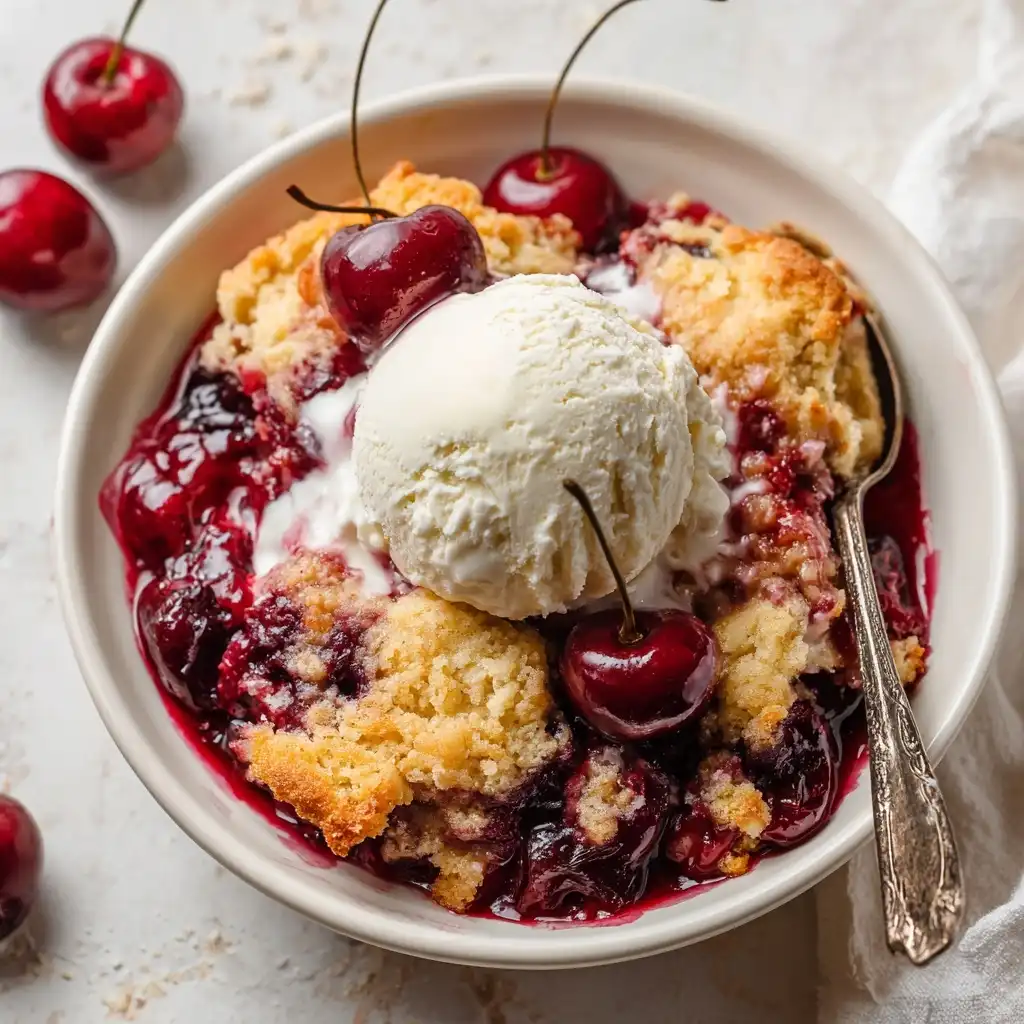
Cherry Dump Cake with a Butter Crust is a beloved American dessert that embodies rustic simplicity, nostalgic charm, and effortless elegance—all in one golden-brown, bubbling pan. Unlike traditional layered cakes requiring precise mixing, frosting, and assembly, this dessert leans into the “dump-and-bake” philosophy: minimal prep, maximum flavor, and zero fuss. What sets this version apart is its rich, flaky, butter-based crust—baked to crisp perfection beneath a luscious, tart-sweet cherry filling and crowned with tender, cakey crumb topping. It’s comfort food reimagined: warm, fragrant, slightly gooey at the edges, and deeply satisfying with every forkful. Whether served at Sunday potlucks, holiday gatherings, or quiet weeknight treats with vanilla ice cream melting luxuriously into its crevices, Cherry Dump Cake with a Butter Crust delivers timeless appeal without demanding professional baking skills.
The History
Dump cakes trace their origins to mid-20th-century America, emerging alongside the rise of convenience foods and packaged baking mixes in the 1950s and 60s. As homemakers sought faster, more reliable ways to prepare desserts for growing families—and as Jell-O, canned fruit, and boxed cake mixes became pantry staples—the “dump cake” was born: a no-mix, no-fuss method where ingredients were simply layered (“dumped”) into a pan and baked. Early versions often used cherry pie filling and yellow cake mix, topped with melted butter—a formula so simple it spread like wildfire through church cookbooks, community recipe exchanges, and women’s magazines like Good Housekeeping and Ladies’ Home Journal. The butter crust variation, however, represents a later evolution—likely inspired by Southern and Midwestern bakers who long favored scratch-made shortcrusts and crumb toppings reminiscent of cobblers and pandowdies. By replacing the traditional butter-drenched cake mix layer with a rolled, pre-baked (or par-baked) butter crust—akin to a rustic tart shell—this rendition elevates the dump cake from humble shortcut to something genuinely artisanal. Though undocumented in formal culinary archives, its proliferation speaks volumes: it’s a testament to how home cooks continually reinterpret tradition, honoring ease while deepening flavor and texture.
Ingredients Breakdown
Understanding each component isn’t just about following a list—it’s about unlocking control, confidence, and customization. Below is a meticulous breakdown of every ingredient’s role, science, and substitution logic:
- Butter (unsalted, cold): The foundation of the crust. Cold butter creates steam pockets when baked, yielding flakiness. Unsalted allows precise salt control. European-style butter (82–84% fat) enhances richness and tenderness; avoid salted butter unless adjusting added salt accordingly.
- All-Purpose Flour: Provides gluten structure for cohesion without toughness. For extra tenderness, substitute up to 25% with pastry flour or add 1 tbsp cornstarch per cup.
- Granulated Sugar (in crust): Adds subtle sweetness and promotes browning via caramelization. A small amount also inhibits excessive gluten development, keeping the crust delicate.
- Salt (fine sea or kosher): Enhances all flavors and balances sweetness. Crucial for contrast—especially against tart cherries.
- Ice Water: Binds dough without activating gluten excessively. Must be *ice-cold*—warm water melts butter prematurely, leading to greasiness or toughness.
- Canned Cherry Pie Filling (premium, not “filling & topping”): Look for brands with visible whole or halved cherries, minimal artificial colors, and real cherry juice (not high-fructose corn syrup-heavy). Tart Montmorency cherries provide ideal acidity; if using sweet Bing cherry filling, reduce added sugar in topping or add ½ tsp lemon juice to filling.
- Yellow or White Cake Mix (classic, not “plus pudding”): Acts as the crumbly, cakey upper layer. Traditional mixes contain emulsifiers, leaveners, and malted barley flour that ensure consistent rise and tenderness. “Plus pudding” versions can yield gummy texture; avoid unless specifically formulated for dump cakes.
- Unsalted Butter (for topping): Melted and drizzled over the dry cake mix. Creates moisture, richness, and promotes browning. Clarified butter may be used for higher smoke point and nuttier flavor—but retain some milk solids for browning.
- Almond Extract (optional but highly recommended): A mere ¼–½ tsp complements cherry’s natural flavor compounds (benzaldehyde), adding depth and sophistication. Do not substitute with vanilla alone—it lacks the essential aromatic synergy.
- Coarse Turbinado Sugar (for finishing): Sprinkled before baking, it adds crunch, sparkle, and subtle molasses notes that balance tartness.
Step-by-Step Recipe
- Prepare the Butter Crust (30 minutes + chilling): In a food processor, pulse 1 cup (2 sticks / 227g) cold unsalted butter (cut into ½-inch cubes), 2¼ cups (280g) all-purpose flour, ¼ cup (50g) granulated sugar, and ½ tsp fine sea salt until mixture resembles coarse meal with pea-sized butter pieces. Gradually add 6–8 tbsp ice water, 1 tbsp at a time, pulsing just until dough begins to clump. Turn onto parchment; shape into a 6-inch disk, wrap tightly, and refrigerate ≥1 hour (or freeze 20 min for faster firming).
- Roll & Line Pan: Preheat oven to 375°F (190°C). Lightly flour surface. Roll chilled dough into a 12-inch circle (~⅛ inch thick). Carefully drape over a greased 9×13-inch metal baking pan (not glass—metal ensures optimal crust browning). Gently press into corners and up sides; trim excess, leaving ½-inch overhang. Fold overhang under and crimp decoratively. Prick base generously with fork. Freeze crust 15 minutes.
- Pre-Bake (Blind Bake) Crust: Line frozen crust with parchment; fill with pie weights or dried beans. Bake 20 minutes. Remove weights and parchment; bake 8–10 more minutes until pale gold and set. Cool on wire rack 10 minutes—do not skip cooling, or hot crust will melt filling.
- Layer Filling: While crust cools, pour 2 (21 oz / 595g total) cans premium cherry pie filling evenly into pre-baked crust. Use a silicone spatula to spread gently—avoid dragging crust edges. Optional: stir in ½ tsp almond extract and 1 tbsp fresh lemon juice for brightness.
- Add Dry Topping: Evenly sprinkle 1 (15.25 oz / 432g) box classic yellow cake mix over cherries. Do not stir—let it rest as a dry blanket.
- Dot & Drizzle: Cut ¾ cup (1½ sticks / 170g) cold unsalted butter into thin pats. Distribute evenly over cake mix. Slowly drizzle 2 tbsp heavy cream or whole milk over top (adds tenderness without sogginess).
- Finish & Bake: Sprinkle 2 tbsp turbinado sugar evenly across surface. Bake at 375°F for 45–52 minutes—until crust is deep golden, topping is puffed and crisp-edged, and filling bubbles vigorously at center. Rotate pan halfway through for even browning.
- Cool & Serve: Cool on wire rack ≥45 minutes—critical for setting filling and preventing crust sogginess. Serve warm (ideal temperature: 120–130°F) with premium vanilla bean ice cream or lightly sweetened whipped cream.
Tips
- Chill Everything—Especially the Butter: Warm butter = greasy, tough crust. Keep butter, bowl, and even flour in fridge 15 minutes before making dough. If dough softens while rolling, return to freezer 5 minutes.
- Use a Metal Pan, Not Glass or Ceramic: Metal conducts heat rapidly, ensuring bottom crust crisps instead of steaming. Glass retains heat too long, risking burnt edges and underbaked centers.
- Don’t Skip Blind Baking: Pre-baking prevents a soggy bottom. Underbaked crust absorbs cherry juices, turning chewy or pasty. Watch closely—color change from pale to light gold is your cue.
- Let It Rest Before Slicing: Cutting too soon releases steam and causes filling to flood the crust. Minimum 45-minute cool time allows pectin in cherries to fully set and butter in topping to resolidify.
- Room-Temperature Ingredients Are Overrated Here: Unlike delicate cakes, dump cakes thrive on contrast: cold crust, room-temp filling, cold butter pats. This layering ensures textural integrity.
- Rotate the Pan Midway: Ovens have hot spots. Rotating 180° at 22 minutes guarantees even browning—especially vital for the butter crust’s edges.
- Test Doneness Beyond Color: Insert a thin knife near center—it should meet gentle resistance (not liquid, not dry crumb). Bubbling filling + crisp, golden topping = perfect.
- Revive Leftovers Correctly: Reheat individual portions in toaster oven (not microwave) at 325°F for 8–10 minutes—restores crust crispness. Microwaving makes everything gummy.
- Freeze for Later, Not Before Baking: Fully baked, cooled cake freezes beautifully for 3 months. Wrap twice in plastic, then foil. Thaw overnight in fridge, then reheat covered at 325°F for 20 minutes, uncovered for last 5.
Variations and Customizations
This recipe is a canvas—not a cage. Here are rigorously tested adaptations, each preserving structural integrity while expanding flavor horizons:
- Double-Cherry Luxe: Replace one can of cherry filling with 1½ cups frozen dark sweet cherries (thawed, drained well) + 2 tbsp kirsch and 1 tsp grated orange zest. Adds complexity and jewel-toned contrast.
- Cherry-Almond Frangipane Swirl: After spreading filling, dollop ¾ cup frangipane (almond paste + butter + egg + sugar) in 6 mounds. Gently swirl with knife before adding cake mix. Introduces dense, marzipan-like richness.
- Oat-Maple Streusel Upgrade: Replace cake mix layer with: 1 cup old-fashioned oats, ½ cup brown sugar, ¼ cup all-purpose flour, 1 tsp cinnamon, 6 tbsp cold butter, 2 tbsp pure maple syrup. Yields hearty, chewy-crisp topping with earthy sweetness.
- Gluten-Free Butter Crust: Substitute crust flour with 1:1 GF blend (like King Arthur or Bob’s Red Mill) + 1 tsp xanthan gum. Add 1 extra tbsp ice water. Chill dough 20 minutes longer—GF dough is more fragile.
- Vegan Adaptation: Crust: Use vegan butter (Miyoko’s or Earth Balance) + ice water. Filling: Choose certified vegan cherry pie filling (check for lard-free, dairy-free thickeners). Topping: GF or regular vegan cake mix + vegan butter + oat milk. Ensure all extracts are alcohol-based (not glycerin).
- Spiced Holiday Version: Add 1 tsp ground ginger, ½ tsp cardamom, and ¼ tsp black pepper to cake mix. Stir 2 tbsp brandy into filling. Garnish with candied ginger and toasted sliced almonds.
- Mini Individual Portions: Press crust into greased muffin tin cups (24 count). Pre-bake 12–14 minutes. Fill with 1 tbsp cherry filling + 1 tsp cake mix + ½ tsp butter per cup. Bake 22–26 minutes. Perfect for portion control and gifting.
- Cherry-Lime Zing: Stir 2 tsp finely grated lime zest + 1 tbsp lime juice into filling. Add 1 tsp lime zest to cake mix. Finish with lime-sugar dusting (1 tbsp sugar + ½ tsp lime zest).
Health Considerations and Nutritional Value
A single 3″x3″ serving (1/12 of recipe) contains approximately:
- Calories: 385–420 kcal
- Total Fat: 18–21g (11–13g saturated)
- Carbohydrates: 54–59g (34–38g sugars, including ~22g added sugars)
- Fiber: 1–1.5g (low unless using whole-grain crust or added oats)
- Protein: 3–4g
- Sodium: 220–280mg (varies with salted butter or high-sodium pie filling)
Nutritional Highlights & Mitigations:
- Cherries Offer Antioxidants: Tart cherries are rich in anthocyanins (anti-inflammatory) and melatonin precursors. Opt for low-sugar or “no sugar added” pie fillings to maximize benefits without excess glucose load.
- Butter Provides Fat-Soluble Vitamins: Contains vitamins A, D, E, and K2—especially in grass-fed butter. Though saturated, recent research suggests moderate intake within balanced diet poses minimal CVD risk for most individuals.
- Limited Fiber & Protein: This is inherently a dessert—not a nutrient-dense meal. Boost fiber by adding 2 tbsp ground flaxseed to crust dough or stirring ¼ cup chopped walnuts into topping.
- Sugar Awareness: Total sugar per serving approaches 90% of ADA’s recommended daily limit (25g added sugar). Reduce impact by using half cherry filling + half stewed fresh cherries (sweetened minimally with honey or maple), or substituting ¼ cup erythritol in crust and topping.
- Gluten & Allergen Notes: Contains gluten, dairy, and eggs (in cake mix). Always verify labels—some cake mixes contain soy, nuts, or sulfites. For nut allergies, omit almond extract or use imitation (though flavor suffers).
- Mindful Enjoyment Strategy: Serve smaller portions (2″x2″) with protein-rich accompaniments: Greek yogurt swirl, cottage cheese, or roasted pecans. This slows sugar absorption and increases satiety.
Ingredients
- For the Butter Crust:
– 1 cup (2 sticks / 227g) unsalted butter, very cold, cubed
– 2¼ cups (280g) all-purpose flour, plus more for dusting
– ¼ cup (50g) granulated sugar
– ½ tsp fine sea salt
– 6–8 tbsp ice water - For the Filling & Topping:
– 2 (21 oz / 595g each) cans premium cherry pie filling (e.g., Solo, Mrs. Smith’s, or homemade)
– 1 (15.25 oz / 432g) box classic yellow cake mix (e.g., Duncan Hines or Betty Crocker)
– ¾ cup (1½ sticks / 170g) unsalted butter, cold, cut into thin pats
– 2 tbsp heavy cream or whole milk
– ¼–½ tsp pure almond extract (optional but recommended)
– 1 tbsp fresh lemon juice (optional, for brightness)
– 2 tbsp turbinado or raw sugar, for finishing
Directions
- In a food processor, combine cold butter cubes, flour, granulated sugar, and salt. Pulse 12–15 times until mixture resembles coarse crumbs with visible pea-sized butter pieces.
- Drizzle in ice water, 1 tablespoon at a time, pulsing just until dough begins to clump together when pinched. Stop before it forms a ball.
- Turn dough onto a sheet of parchment paper. Shape into a 6-inch disk, wrap tightly, and refrigerate for at least 1 hour (or freeze for 20 minutes).
- Preheat oven to 375°F (190°C). Lightly grease a 9×13-inch metal baking pan.
- On a lightly floured surface, roll chilled dough into a 12-inch circle, about ⅛ inch thick. Carefully transfer to prepared pan, pressing gently into corners and up sides. Trim excess to leave ½-inch overhang; fold under and crimp decoratively.
- Prick bottom and sides of crust all over with a fork. Freeze for 15 minutes.
- Line frozen crust with parchment paper and fill with pie weights or dried beans. Bake for 20 minutes. Remove weights and parchment; bake 8–10 minutes more until lightly golden. Cool on a wire rack for 10 minutes.
- Pour cherry pie filling evenly into pre-baked, slightly cooled crust. Stir in almond extract and lemon juice, if using.
- Sprinkle cake mix evenly over filling. Do not stir.
- Distribute cold butter pats evenly over cake mix. Drizzle with heavy cream or milk.
- Sprinkle turbinado sugar over entire surface.
- Bake at 375°F for 45–52 minutes, rotating pan halfway through, until crust is deep golden brown, topping is puffed and crisp around edges, and filling bubbles vigorously in center.
- Cool on wire rack for at least 45 minutes before slicing. Serve warm with vanilla ice cream or whipped cream.
FAQ
- Can I make the crust ahead of time?
- Yes! Dough disk keeps refrigerated for up to 3 days or frozen for 3 months. Thaw overnight in fridge before rolling. Fully baked crust (cooled and wrapped) stays fresh at room temperature for 2 days or frozen for 1 month.
- Why did my crust get soggy?
- Sogginess almost always stems from one of three causes: (1) Skipping blind bake or underbaking crust, (2) Adding filling to a hot crust (steam condenses), or (3) Using glass/ceramic pan instead of metal. Always cool crust 10+ minutes before filling.
- Can I use fresh cherries instead of canned?
- Absolutely—but they require preparation. Pit 4 cups fresh tart cherries. Simmer with ¾ cup sugar, 3 tbsp cornstarch, 2 tbsp lemon juice, and ¼ tsp salt until thickened (8–10 min). Cool completely before using. Yield: ~3 cups filling.
- What if I don’t have almond extract?
- You can omit it—but flavor will be less nuanced. Vanilla extract (1 tsp) is a neutral substitute. For depth, try ¼ tsp pure cherry extract or a few drops of orange blossom water.
- Can I bake this in a different size pan?
- Yes—with adjustments: An 11×7-inch pan yields thicker layers—bake 50–58 minutes. A 10-inch cast-iron skillet works beautifully—reduce bake time to 38–44 minutes and watch closely. Never use a pan smaller than 9×13 unless halving recipe.
- Is there a lower-sugar version?
- Yes. Use “no sugar added” cherry filling + 1 tsp stevia or monk fruit blend in crust. Replace cake mix with: 1 cup oat flour, ½ cup coconut sugar, 2 tsp baking powder, ¼ tsp salt, 6 tbsp cold butter, 2 tbsp milk. Proceed as directed.
- Can I add nuts or chocolate?
- Yes—strategically. Fold ½ cup toasted sliced almonds into cake mix *before* sprinkling. Or press ½ cup dark chocolate chunks (70% cacao) into cherry filling *after* spreading but *before* adding cake mix—they’ll melt into decadent pockets.
- Why does my topping look dry or powdery after baking?
- Most commonly due to insufficient butter or skipping the cream/milk drizzle. Ensure you use the full ¾ cup cold butter *and* the 2 tbsp dairy. Also confirm your cake mix isn’t expired—old leaveners won’t activate properly.
Summary
Cherry Dump Cake with a Butter Crust is a masterclass in intentional simplicity: a tender, flaky, golden-brown butter crust serves as both vessel and flavor anchor, cradling vibrant, tart-sweet cherry filling and crowned with a buttery, cakey, crisp-edged crumb topping that bakes into irresistible texture harmony.
It honors midcentury ingenuity while embracing modern customization—whether gluten-free, vegan, lower-sugar, or elevated with frangipane and kirsch—proving that the most memorable desserts aren’t defined by complexity, but by clarity of purpose, quality of ingredients, and the warmth of shared moments they inspire.