
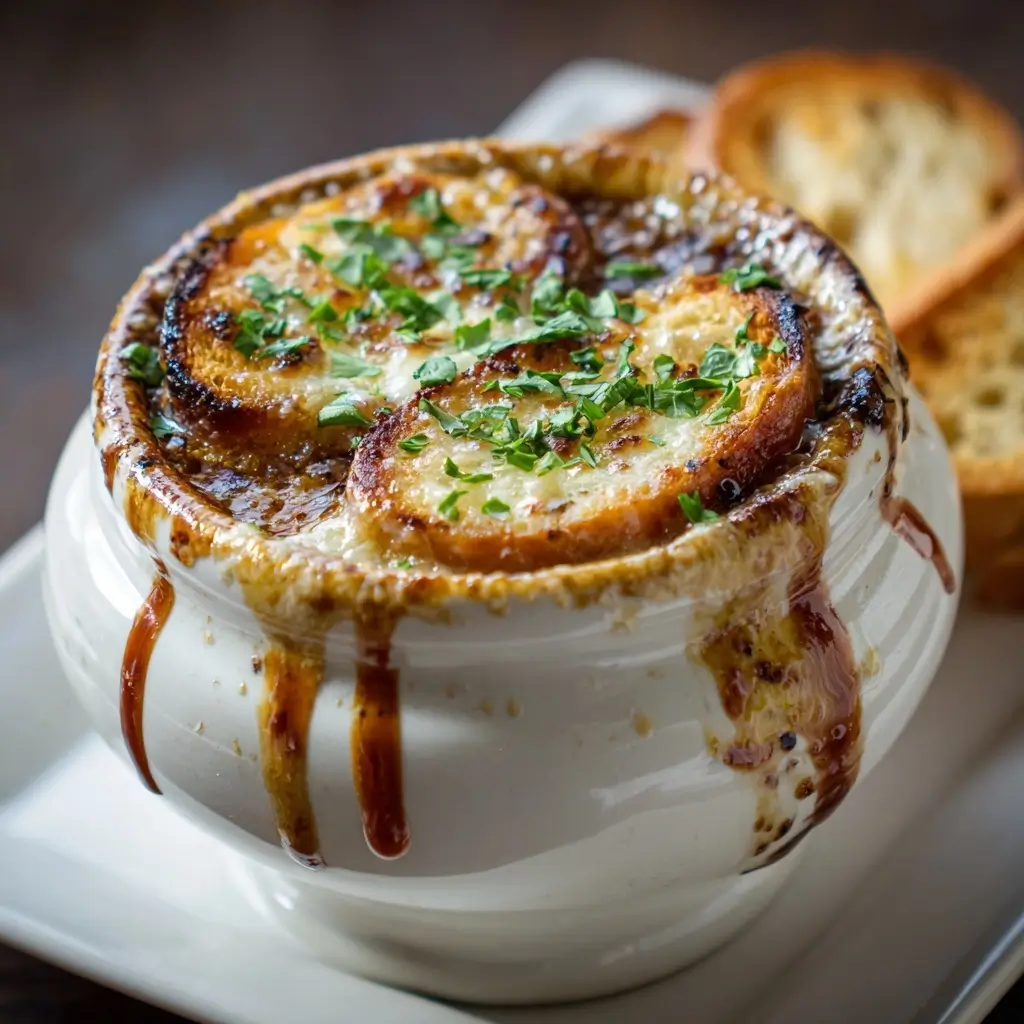
Caramelized Sweet Onion Soup: A Rich, Comforting Classic
The History of Caramelized Sweet Onion Soup
The origins of onion soup trace back to ancient times, with early versions appearing in Roman and Greek cuisines. However, the modern iteration of caramelized sweet onion soup as we know it today gained prominence in France during the 18th century. Known as soupe à l’oignon, French onion soup was initially a humble peasant dish—onions were plentiful and inexpensive, making them an ideal base for a nourishing broth. Over time, this rustic meal evolved into a gourmet favorite, especially after being enriched with beef stock, wine, and topped with toasted bread and melted cheese.
While traditional French onion soup often uses yellow or white onions, the version featuring caramelized sweet onions brings a deeper, more nuanced sweetness that elevates the flavor profile. The technique of slow-caramelizing onions—cooking them gently over low heat until they turn golden brown—was perfected in French cuisine and has since become a hallmark of fine cooking. This method transforms sharp, pungent onions into silky, jam-like strands bursting with umami richness. Today, caramelized sweet onion soup is celebrated not only in bistros across Paris but also in homes and restaurants worldwide, cherished for its warmth, depth, and comforting aroma.
Ingredients Breakdown
The magic of caramelized sweet onion soup lies in its simplicity and the quality of its ingredients. Each component plays a crucial role in building layers of flavor:
- Sweet Onions (e.g., Vidalia, Walla Walla, or Maui): These are the star of the dish. Their naturally high sugar content allows them to caramelize beautifully without excessive added sweeteners. Look for firm, dry-skinned onions with a mild aroma.
- Butter and Olive Oil: A combination of both adds richness and prevents the butter from burning at higher temperatures. Butter contributes a creamy mouthfeel, while olive oil lends a subtle fruitiness and helps with even browning.
- Beef Broth or Stock: Provides a savory backbone. For a richer taste, use homemade stock or a high-quality store-bought version. Low-sodium options allow better control over seasoning.
- Dry White Wine or Dry Vermouth: Adds acidity and complexity, balancing the sweetness of the onions. It also aids in deglazing the pan, lifting flavorful browned bits (fond) from the bottom.
- Garlic: Used sparingly, garlic enhances depth without overpowering the delicate sweetness of the onions.
- Fresh Thyme and Bay Leaf: These aromatic herbs infuse the soup with earthy, woodsy notes that complement the caramelization process.
- Flour (optional): A small amount can be used to thicken the soup slightly if desired, creating a velvety texture.
- Crusty Bread and Gruyère Cheese: For the classic gratinéed finish, toasted baguette slices topped with nutty, melty Gruyère or Swiss cheese form a decadent crown on each bowl.
- Salt and Black Pepper: Essential for seasoning throughout the cooking process.
Step-by-Step Recipe
- Prepare the Onions: Peel and thinly slice 4 large sweet onions (about 3 pounds). Uniform slices ensure even cooking. Set aside.
- Heat the Fats: In a large, heavy-bottomed pot or Dutch oven, melt 3 tablespoons of unsalted butter with 2 tablespoons of olive oil over medium heat. The combination ensures a rich flavor and prevents scorching.
- Begin Caramelizing: Add the sliced onions and stir to coat in the fat. Cook over medium heat for about 15 minutes, stirring occasionally, until the onions soften and begin to release their moisture.
- Lower the Heat: Reduce the heat to low or medium-low. Continue cooking slowly, stirring every 10–15 minutes. This slow process is critical—it may take 45 to 60 minutes for the onions to fully caramelize. They should turn deep golden brown, almost mahogany, with a jam-like consistency. Patience here builds unmatched flavor.
- Add Flavor Enhancers: Stir in 2 minced garlic cloves, 1 teaspoon fresh thyme leaves (or ½ tsp dried), and 1 bay leaf. Cook for 1 minute until fragrant.
- Deglaze: Pour in ½ cup of dry white wine or vermouth. Use a wooden spoon to scrape up any browned bits from the bottom of the pot. Simmer until the liquid reduces by half, about 5–7 minutes.
- Pour in Broth: Add 6 cups of good-quality beef broth (or vegetable broth for a vegetarian version). Bring to a gentle simmer.
- Simmer: Let the soup cook uncovered for 20–30 minutes to meld the flavors. Taste and season with salt and freshly ground black pepper. Remove the bay leaf before serving.
- Optional Thickening: If you prefer a slightly thicker soup, mix 1 tablespoon of flour with 2 tablespoons of cold water to make a slurry. Stir into the soup and simmer for 5 more minutes.
- Prepare for Serving: Preheat your broiler. Ladle the hot soup into oven-safe bowls. Top each with a slice of toasted crusty bread and a generous sprinkle of shredded Gruyère cheese.
- Broil: Place bowls on a baking sheet and broil for 3–5 minutes, watching closely, until the cheese is bubbly and golden brown.
- Serve Immediately: Carefully remove bowls (they’ll be hot!) and serve with a side salad or extra bread for dipping.
Tips for Perfect Caramelized Sweet Onion Soup
- Don’t Rush the Caramelization: High heat will burn the onions instead of caramelizing them. Slow and steady wins the race. If needed, cover the pot briefly to help onions release moisture, then uncover to let them brown.
- Use a Wide Pot: A larger surface area allows moisture to evaporate faster, promoting browning rather than steaming.
- Stir Occasionally, Not Constantly: Let the onions sit between stirs to develop color on the bottom. Frequent stirring slows down caramelization.
- Season in Layers: Add a pinch of salt early to draw out moisture and speed up softening. Adjust final seasoning after adding broth.
- Enhance Umami: For extra depth, add a splash of soy sauce, Worcestershire sauce, or a Parmesan rind while simmering (remove before serving).
- Make Ahead Friendly: The caramelized onions and soup base can be made 2–3 days in advance and refrigerated, or frozen for up to 3 months. Reheat gently before finishing under the broiler.
- Safety First: When broiling with soup-filled bowls, place them on a sturdy baking sheet to prevent spills. Use oven mitts when handling.
Variations and Customizations
Caramelized sweet onion soup is wonderfully adaptable. Here are several creative twists:
- Vegetarian/Vegan Version: Substitute beef broth with rich mushroom or vegetable broth. Use vegan butter and omit cheese or use plant-based alternatives like cashew cheese or nutritional yeast for topping.
- White Onion Soup: Replace beef broth with chicken or vegetable stock and use white wine exclusively for a lighter, more delicate flavor.
- Apple and Onion Fusion: Add 1 finely diced apple (such as Honeycrisp or Fuji) when caramelizing the onions for a touch of fruity sweetness.
- Herb Variations: Swap thyme for rosemary, sage, or tarragon depending on your preference. Fresh herbs added at the end brighten the flavor.
- Spiced-Up Version: Add a pinch of red pepper flakes or smoked paprika for a subtle kick.
- Cheese Options: Try Emmental, Comté, fontina, or even blue cheese for a bold twist on the classic topping.
- Gluten-Free: Omit flour or use a gluten-free thickener like cornstarch. Serve with gluten-free bread or skip the toast altogether.
- Creamy Finish: Stir in a splash of heavy cream or crème fraîche just before serving for a luxurious texture.
- Bourguignon Style: Use red wine instead of white for a deeper, more robust flavor profile inspired by French Burgundy cuisine.
Health Considerations and Nutritional Value
Onions are packed with beneficial compounds, including quercetin—an antioxidant with anti-inflammatory properties—and sulfur-containing substances that support heart health and immune function. The slow caramelization process preserves many of these nutrients while enhancing digestibility.
A typical serving (1 cup, without cheese and bread) contains approximately:
- Calories: 120–150
- Fat: 7–9g (mostly from butter)
- Carbohydrates: 14–18g (natural sugars from onions)
- Fiber: 2–3g
- Protein: 3–5g (from broth)
- Sodium: Varies widely based on broth; homemade versions can be lower (300–500mg), while store-bought may exceed 800mg per serving.
To make a healthier version:
- Reduce butter and increase olive oil.
- Use low-sodium broth and limit added salt.
- Top with less cheese or use a strong-flavored variety so you need less.
- Opt for whole-grain or seeded bread for added fiber.
- Include a handful of spinach or kale when simmering for added nutrients.
Note: Those with lactose intolerance should be cautious with butter and cheese. Lactose-free alternatives are available. Individuals on blood thinners should consult their doctor regarding vitamin K-rich foods like onions and certain cheeses.
Ingredients
- 4 large sweet onions (Vidalia, Walla Walla, or similar), thinly sliced
- 3 tablespoons unsalted butter
- 2 tablespoons olive oil
- 2 cloves garlic, minced
- 1 teaspoon fresh thyme leaves (or ½ tsp dried)
- 1 bay leaf
- ½ cup dry white wine or dry vermouth
- 6 cups beef broth (or vegetable broth for vegetarian option)
- Salt and freshly ground black pepper, to taste
- 1 tablespoon all-purpose flour (optional, for thickening)
- 4–6 slices crusty French baguette or sourdough
- 1½ cups grated Gruyère or Swiss cheese
Directions
- In a large Dutch oven or heavy pot, melt butter with olive oil over medium heat.
- Add sliced onions and stir to coat. Cook for 15 minutes, stirring occasionally, until softened.
- Reduce heat to low and continue cooking for 45–60 minutes, stirring every 10–15 minutes, until onions are deeply caramelized and golden brown.
- Stir in garlic, thyme, and bay leaf; cook for 1 minute until fragrant.
- Pour in wine and scrape the bottom of the pot. Simmer until reduced by half, about 6 minutes.
- Add beef broth and bring to a simmer. Cook uncovered for 20–30 minutes to blend flavors.
- Season with salt and pepper. If using flour, mix with water to make a slurry and stir in; simmer 5 minutes more.
- Remove bay leaf. Preheat broiler.
- Ladle soup into oven-safe bowls. Top each with a slice of toasted bread and a generous amount of cheese.
- Place bowls on a baking sheet and broil 3–5 minutes until cheese is golden and bubbly.
- Serve immediately, cautioning guests about hot bowls.
FAQ
Can I use regular onions instead of sweet onions?
Yes, but sweet onions caramelize better due to higher sugar content. Yellow onions work too but may require more time and a pinch of sugar to achieve similar sweetness.
How long does it take to caramelize onions?
True caramelization takes 45–75 minutes. Rushing with high heat leads to burning, not browning. Plan ahead for best results.
Can I make this soup ahead of time?
Absolutely! The soup base can be refrigerated for up to 3 days or frozen for 3 months. Reheat gently and add toppings just before serving.
Why did my onions turn out mushy or burnt?
Mushiness comes from covering the pot too long; burning results from high heat. Always cook low and slow with occasional stirring.
Is this soup gluten-free?
It can be. Omit flour or use a gluten-free thickener. Ensure broth is certified gluten-free.
Can I skip the wine?
Yes. Substitute with additional broth and a splash of apple cider vinegar or lemon juice for acidity.
What kind of pot is best?
A heavy-bottomed stainless steel or enameled cast iron Dutch oven distributes heat evenly and resists sticking.
How do I store leftovers?
Cool completely and refrigerate in an airtight container for up to 4 days. Reheat on the stove. Do not freeze once topped with bread and cheese.
Summary
Caramelized sweet onion soup is a luxurious, deeply flavorful dish that transforms simple ingredients into a gourmet experience through slow cooking and careful attention to detail.
Rich in savory-sweet complexity and perfect for cozy nights, it’s a timeless recipe that welcomes customization while remaining a beloved classic.