
Introduction
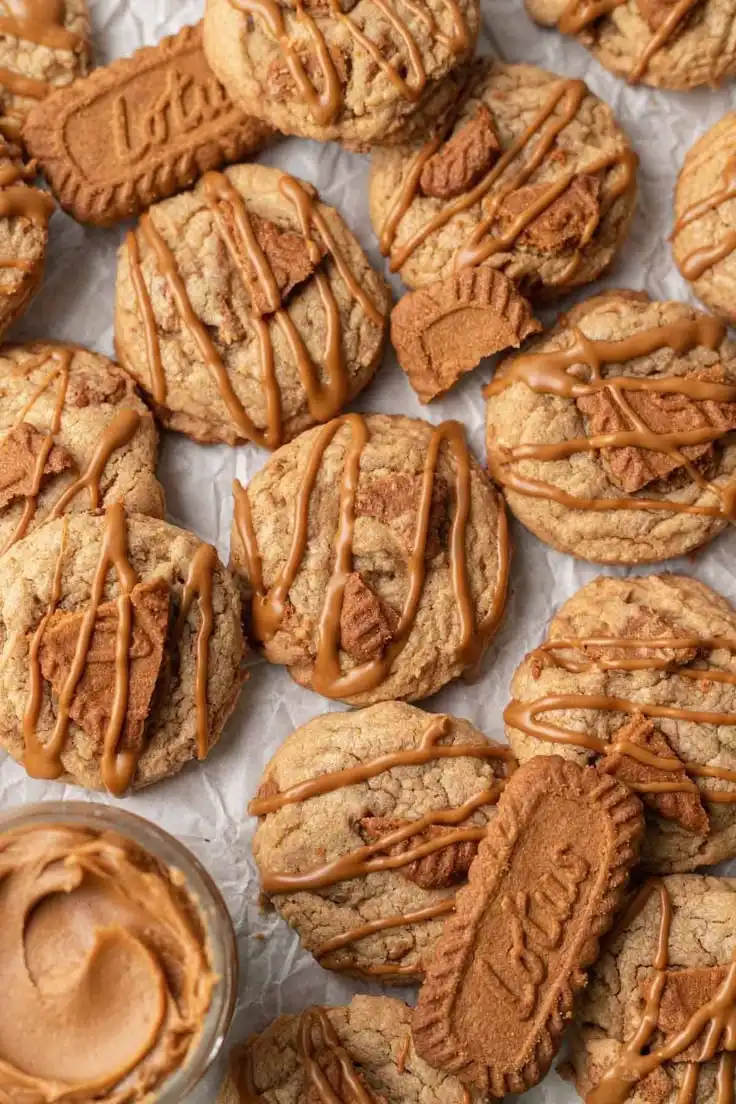
Welcome to the ultimate, deeply researched, and lovingly detailed guide to making authentic, bakery-quality Biscoff Cookie Recipe—the beloved caramelized, spiced, crunchy cookie inspired by the iconic Lotus Biscoff spread and biscuits. Whether you’re a seasoned home baker or just discovering the magic of speculoos spices for the first time, this comprehensive resource is designed to be your definitive companion. Far more than a simple list of ingredients and steps, this guide dives into the cultural roots, scientific principles behind texture and spread, ingredient synergies, troubleshooting nuances, global adaptations, nutritional insights, and even historical context—all curated to empower you with confidence, creativity, and consistency in every batch. These cookies are more than a treat: they’re an aromatic journey through Belgian tradition, a study in caramelization chemistry, and a canvas for personal expression—all baked into one irresistibly golden, crinkled, cinnamon-kissed delight.
The History
The story of the Biscoff cookie begins not in a modern American kitchen—but in the heart of 1930s Belgium. In 1932, Jan Boone Sr., a visionary baker from Lembeke, East Flanders, founded Lotus Bakeries (originally “Lotus Speculoos”) with a mission rooted in simplicity, integrity, and regional pride. At a time when post-war austerity demanded resourcefulness, Boone perfected a recipe using locally milled wheat flour, raw cane sugar (later evolving to caramelized sugar syrup), natural spices, and minimal fat—creating a crisp, rectangular biscuit known as *speculoos*. Traditionally baked for St. Nicholas Day (December 6th) and rooted in centuries-old Flemish and Dutch spice-biscuit traditions (tracing back to medieval monastic confections flavored with cinnamon, nutmeg, cloves, and ginger), speculoos was elevated by Boone’s precise caramelization technique—slowly cooking sugar until it developed deep amber notes and subtle bitterness, balancing the warmth of spices without overwhelming sweetness.
The iconic Lotus Biscoff name emerged in the 1980s as a trademarked evolution—“Biscoff” being a portmanteau of *biscuit* and *coffee*, reflecting its ideal pairing with espresso. Its global explosion began in the early 2000s when airlines (notably Delta and British Airways) introduced Lotus Biscoff cookies as premium in-flight treats—and soon after, the creamy, swirled Biscoff spread launched in 2007, igniting a worldwide cult following. The “Biscoff cookie” as a distinct drop-cookie variant—softer, chewier at the center yet crisp at the edges, studded with crushed Biscoff pieces and rich with brown sugar molasses depth—emerged organically from home bakers and artisanal cafes around 2012–2014, particularly across the UK, Australia, and North America. Unlike traditional speculoos, which are rolled thin and cut into shapes, these cookies embrace American-style drop-baking techniques while honoring the soul of the original: unmistakable caramelized sugar complexity, warm layered spices, and that hauntingly familiar, buttery-yeasty-sweet aroma that lingers in the kitchen for hours. Today, Biscoff cookies represent a delicious transatlantic fusion—a Belgian heritage biscuit reimagined through the lens of global comfort baking.
Ingredients Breakdown
Every exceptional Biscoff cookie begins with intentionality—not just measurement, but understanding *why* each component matters. Below is a meticulous, function-forward breakdown of every ingredient, including sourcing notes, science-backed substitutions, and common pitfalls:
- Unsalted Butter (1 cup / 2 sticks / 227g, room temperature): The foundation of flavor, tenderness, and spread control. Room temperature (65–68°F / 18–20°C) is non-negotiable—it allows proper creaming with sugar to trap air for lift and structure. European-style butter (82–86% fat) yields richer flavor and slightly less water, reducing spread; standard American butter (80% fat) works beautifully but may require chilling dough longer. Avoid melted or softened-to-the-point-of-oil-separation butter—it collapses air bubbles and causes flat, greasy cookies.
- Packed Light Brown Sugar (1 cup / 200g): Provides moisture (thanks to molasses), acidity (which reacts with baking soda), and deep caramel notes. Light—not dark—is preferred here for balanced sweetness and controlled chew. Dark brown sugar increases moisture and acidity, potentially yielding softer, puffier cookies with stronger molasses tang—ideal for variation but not the classic profile. Always pack firmly into the measuring cup for accuracy.
- Granulated Sugar (½ cup / 100g): Adds sweetness, aids in spreading, and contributes to crispness and shine. Its lack of moisture helps offset brown sugar’s hygroscopic nature, creating the perfect textural duality: crisp exterior, tender interior.
- Large Egg (1, room temperature): Acts as binder, emulsifier, and source of leavening moisture. Room temperature prevents seizing when mixed with warm butter-sugar. Cold eggs can cause curdling, leading to dense, uneven cookies. For vegan adaptation, see Variations.
- Pure Vanilla Extract (2 tsp): Not optional—it enhances caramel and spice perception and rounds out sharp notes. Imitation vanilla lacks depth and can taste artificial under high heat. Madagascar Bourbon vanilla is ideal; Mexican or Tahitian offer nuanced floral undertones.
- All-Purpose Flour (2¼ cups / 280g, spooned & leveled): The structural backbone. Use a trusted brand (King Arthur, Gold Medal, or Pillsbury) with consistent protein (10–11.7%). Too little flour = excessive spread; too much = dry, cakey cookies. Always spoon flour into the measuring cup and level with a straight edge—never scoop directly from the bag (which compacts flour and adds up to 25% excess).
- Lotus Biscoff Spread (½ cup / 130g, room temperature): The soul of the recipe. Adds concentrated speculoos flavor, fat, moisture, and signature caramelized sugar depth. Must be *room temperature*—cold spread will seize the batter; overheated spread separates and makes dough greasy. Stir well before measuring to reincorporate any oil separation.
- Finely Crushed Lotus Biscoff Cookies (1 cup / 120g, measured after crushing): Provides textural contrast, visual appeal, and bursts of authentic biscuit crunch. Use whole Lotus Biscoff biscuits (not the “thin” version)—crush in a food processor or zip-top bag with a rolling pin until pea-sized to gravel-like pieces remain. Avoid powder—too fine, and it disappears; too chunky, and it sinks or burns.
- Baking Soda (1 tsp): The primary leavener. Reacts with brown sugar’s molasses (acidic) to produce carbon dioxide *during baking*, encouraging rise and spread. Freshness is critical—test by mixing ¼ tsp with 2 tsp vinegar; vigorous fizzing = active. Expired soda yields flat, dense cookies.
- Ground Speculoos Spice Blend (1½ tsp): The aromatic heartbeat. A traditional blend includes: cinnamon (1 tsp), ground ginger (¼ tsp), nutmeg (⅛ tsp, freshly grated preferred), cloves (⅛ tsp), and allspice (a pinch). Pre-mixed “speculoos spice” is available but often imbalanced—homemade ensures authenticity. Toast whole spices lightly in a dry pan before grinding for amplified aroma.
- Fine Sea Salt (1 tsp): Enhances all flavors, balances sweetness, and strengthens gluten structure subtly. Do not omit—even if using salted butter elsewhere, this amount is calibrated for unsalted base.
- Optional Additions: A pinch of ground cardamom (⅛ tsp) adds floral brightness; 1 tbsp molasses (unsulphured) deepens caramel complexity; a splash of coffee extract (¼ tsp) intensifies roasted notes without coffee flavor.
Step-by-Step Recipe
This method prioritizes precision, timing, and tactile awareness—each step engineered to maximize flavor development, texture control, and reliability:
- Prep & Weigh Ingredients: Line two large baking sheets with parchment paper or silicone mats. Weigh all dry ingredients (flour, spices, baking soda, salt) into a medium bowl. Whisk thoroughly for 45 seconds to fully aerate and evenly distribute leaveners and spices. Measure wet ingredients separately: ensure butter, egg, vanilla, and Biscoff spread are all at true room temperature (65–68°F). Crush Biscoff cookies to desired texture (see Ingredients) and set aside.
- Cream Butter & Sugars: In a large stand mixer fitted with the paddle attachment (or use a hand mixer), beat unsalted butter on medium speed for 1 minute until smooth and glossy. Add both sugars and beat on medium-high for 3–4 minutes—scraping the bowl twice—until mixture is very light, fluffy, pale tan, and has visibly increased in volume. This step incorporates vital air; under-creaming yields dense cookies; over-creaming (beyond 5 minutes) can cause greasiness.
- Incorporate Wet Flavorings: Reduce speed to low. Add the room-temperature egg and beat for 30 seconds until just combined—do not overmix. Scrape bowl. Add vanilla and Biscoff spread; mix on low for 1 minute until fully homogenized and silky. Batter will be thick and cohesive.
- Gradual Dry Ingredient Integration: With mixer on low, add the dry ingredient mixture in three equal portions, mixing only until *just no traces of flour remain* after each addition—about 15–20 seconds per portion. Overmixing develops gluten, resulting in tough, chewy (not tender) cookies. Stop immediately when uniform.
- Fold in Biscoff Pieces: Using a flexible silicone spatula, gently fold in the crushed Biscoff cookies with 8–10 slow, wide strokes—just until evenly distributed. Avoid vigorous stirring; this preserves delicate cookie shards and prevents overworking.
- Chill Dough Strategically: Divide dough into two equal portions. Shape each into a 1½-inch-thick disc. Wrap tightly in plastic wrap and refrigerate for *minimum 2 hours, ideally 24–48 hours*. Chilling is non-negotiable: it solidifies butter, slows spread, hydrates flour (improving flavor and texture), and concentrates caramel notes. Overnight chilling also allows spices to bloom and meld. For best results, chill dough *after* portioning into discs—they chill faster and roll/freeze easier later.
- Portion & Prep for Baking: Preheat oven to 350°F (177°C) at least 20 minutes prior. Line baking sheets. Remove one dough disc from fridge. Let sit at room temperature for 5–7 minutes—just enough to soften slightly for scooping, but still cold throughout. Using a 1.5-tablespoon cookie scoop (or #40 scoop), portion dough into 1.5-inch balls. Place 3 inches apart on prepared sheets. Optional: Gently press 2–3 extra small Biscoff crumbs onto the top of each ball for visual flair and textural contrast.
- Bake with Precision: Bake one sheet at a time on the center rack for 11–13 minutes. Rotate sheet halfway through. Cookies are done when edges are deeply golden brown and set, centers look *slightly soft and puffed* (they’ll firm as they cool), and surface shows delicate cracking. Underbaked centers yield chewy cookies; overbaked yield brittle, overly crisp ones. Note: Oven thermometers are highly recommended—most ovens run hot or cold.
- Cool Completely for Texture Transformation: Let cookies cool on the baking sheet for exactly 5 minutes—this sets structure and allows carryover cooking. Then, carefully transfer to a wire rack using a thin spatula. Cool completely (25–30 minutes) before eating. This final cooling completes starch gelatinization and sugar crystallization—transforming soft centers into perfectly tender-chewy interiors with crisp, caramelized edges.
Tips
- Temperature is Everything: From butter to eggs to Biscoff spread to dough—every element must be at true room temperature (65–68°F) *before* mixing. Use a digital thermometer for accuracy. A cool kitchen (<65°F) may require extending chill time; a warm kitchen (>75°F) may necessitate freezing dough balls for 15 minutes pre-bake.
- Measure Flour Correctly: Spoon flour into the measuring cup, then level—never scoop. Better yet, weigh it (280g). A 10g difference alters spread dramatically.
- Don’t Skip the Chill: Even 2 hours improves flavor and texture—but 24+ hours unlocks deeper caramelization, richer spice notes, and superior chew. Dough can be refrigerated up to 5 days or frozen up to 3 months.
- Freeze for Future Baking: Portion dough balls onto a parchment-lined tray, freeze solid (2 hours), then transfer to freezer bags. Bake straight from frozen—add 1–2 minutes to bake time. No thawing needed.
- Rotate & Position Matters: Always bake one sheet at a time on the center rack. If using convection, reduce temp by 25°F and check 1 minute earlier. Rotate sheet 180° halfway through for even browning.
- Know Your Oven’s Hot Spots: Test with a sheet of plain parchment—if edges brown faster, rotate earlier. Consider an oven stone for more even bottom heat.
- Use Quality Parchment: Cheap parchment can curl or brown excessively. Look for unbleached, silicone-coated parchment rated to 425°F.
- Cooling Time Is Baking Time: That 5-minute rest on the sheet is where edges set and centers relax. Rushing this step leads to breakage and underdeveloped texture.
- Batch Consistency Tip: Weigh dough balls (40–45g each) for uniform size, bake time, and appearance—especially important for gifting or selling.
- Revive Stale Cookies: Place in a sealed container with a slice of apple or bread for 12–24 hours—the moisture migrates, restoring softness.
Variations and Customizations
Once you’ve mastered the classic, explore these globally inspired, dietary-conscious, and creatively elevated riffs—each tested and optimized for texture and flavor harmony:
- Chewy-Crisp Hybrid: Replace 2 tbsp granulated sugar with 2 tbsp honey or maple syrup; reduce Biscoff spread by 1 tbsp. Yields a moister, more resilient chew with enhanced caramel sheen.
- Double-Biscoff Swirl: After portioning dough balls, press a ½-teaspoon dollop of Biscoff spread into the center of each, then fold dough over and re-roll. Creates a molten, fudgy core.
- Speculoos-Stout Cookies: Substitute 2 tbsp of the room-temperature Biscoff spread with 2 tbsp reduced, cooled stout beer (e.g., Guinness). Adds malty depth and subtle bitterness that complements spices beautifully.
- Vegan Biscoff Cookies: Use plant-based butter (Miyoko’s or Earth Balance Soy-Free), flax egg (1 tbsp ground flax + 2.5 tbsp water, rested 5 min), and certified vegan Biscoff spread (check label—original is vegan but verify regionally). Increase chill time by 30 minutes.
- Gluten-Free Biscoff Cookies: Substitute AP flour 1:1 with a high-quality GF blend containing xanthan gum (like King Arthur GF Measure-for-Measure or Bob’s Red Mill 1-to-1). Add ¼ tsp additional xanthan gum if blend doesn’t include it. Expect slightly more spread—chill dough 3+ hours.
- Spiced Chocolate-Dipped: After full cooling, dip half of each cookie in tempered dark chocolate (70% cacao) infused with ⅛ tsp cinnamon. Sprinkle with flaky sea salt and crushed Biscoff before chocolate sets.
- Mini Biscoff Thumbprints: Roll dough into 1-inch balls, press thumb into center, fill with ¼ tsp Biscoff spread, and bake 9–10 minutes. Elegant, portion-controlled, and perfect for parties.
- Biscoff-Stuffed Oatmeal Cookies: Replace ¾ cup flour with old-fashioned rolled oats; add ¼ cup toasted walnuts. Retains Biscoff essence while adding heartiness and nuttiness.
- Espresso-Biscoff Crunch: Add 1 tsp instant espresso powder to dry ingredients + 2 tbsp finely ground espresso beans to crushed Biscoff pieces. Intensifies roasted notes without coffee dominance.
- Child-Friendly “Rainbow Biscoff”: Fold in ¼ cup rainbow sprinkles (jimmies, not nonpareils) with the crushed cookies—adds joyful color and subtle crunch without altering flavor profile.
Health Considerations and Nutritional Value
While Biscoff cookies are undeniably indulgent, understanding their nutritional composition supports mindful enjoyment and informed customization. Per standard 3-inch cookie (approx. 42g, based on this recipe yielding ~24 cookies):
- Calories: ~195 kcal — primarily from complex carbohydrates (brown sugar, flour), healthy fats (butter, Biscoff spread), and minimal protein (egg).
- Total Fat: 10g (including 6g saturated fat from butter and palm oil in Biscoff spread). While saturated fat is present, recent research suggests context matters: when consumed as part of a balanced diet low in ultra-processed foods and refined carbs, moderate intake from whole-food sources like butter is not inherently harmful.
- Carbohydrates: 24g (17g sugars, of which ~9g are naturally occurring from brown sugar molasses and Biscoff’s caramelized sugar). Notably, Biscoff spread contains *no added high-fructose corn syrup*—its sweetness derives from caramelized cane sugar.
- Fiber: ~0.5g — low, as expected in refined flour-based cookies. Boost fiber by substituting ¼ cup of flour with oat fiber or resistant tapioca starch (test in small batches).
- Sodium: 125mg — moderate, largely from salt and Biscoff spread. Low-sodium versions exist but sacrifice depth; consider reducing added salt by ¼ tsp if sodium-sensitive.
- Vitamins & Minerals: Contains trace iron (from molasses), calcium (from fortified flour), and B-vitamins (from whole grain elements in speculoos spices). Not a significant source, but spices themselves—cinnamon, ginger, nutmeg—offer antioxidant polyphenols and anti-inflammatory compounds.
- Dietary Notes: Naturally cholesterol-free? No—contains egg and butter. But it’s free from artificial colors, preservatives, and hydrogenated oils. Lotus Biscoff spread is certified vegan in most regions (always verify), making the base recipe adaptable. Contains gluten (wheat flour) and dairy unless substituted.
- Mindful Enjoyment Tips: Pair with unsweetened green tea or black coffee to balance sweetness; savor slowly—one cookie satisfies more than expected due to rich flavor density; store in airtight containers to prevent moisture absorption and maintain crispness without needing reheating.
Ingredients
Makes approx. 24 cookies
- 1 cup (2 sticks / 227g) unsalted butter, room temperature
- 1 cup (200g) packed light brown sugar
- ½ cup (100g) granulated sugar
- 1 large egg, room temperature
- 2 teaspoons pure vanilla extract
- ½ cup (130g) Lotus Biscoff spread, room temperature
- 2¼ cups (280g) all-purpose flour, spooned & leveled
- 1 teaspoon baking soda
- 1½ teaspoons ground speculoos spice blend (see breakdown for proportions)
- 1 teaspoon fine sea salt
- 1 cup (120g) finely crushed Lotus Biscoff cookies (from ~10–12 whole biscuits)
Directions
- Line two large baking sheets with parchment paper or silicone baking mats. Set aside.
- In a medium bowl, whisk together flour, baking soda, speculoos spice blend, and salt. Set aside.
- In the bowl of a stand mixer fitted with the paddle attachment, beat butter on medium speed for 1 minute until smooth. Add brown and granulated sugars; beat on medium-high for 3–4 minutes until light, fluffy, and pale in color, scraping bowl twice.
- Reduce speed to low. Add egg and beat for 30 seconds until incorporated. Scrape bowl. Add vanilla and Biscoff spread; mix on low for 1 minute until smooth and uniform.
- Add dry ingredients in three parts, mixing on low just until no flour streaks remain after each addition (15–20 seconds per addition). Do not overmix.
- Using a silicone spatula, gently fold in crushed Biscoff cookies until evenly distributed.
- Divide dough in half. Shape each portion into a 1½-inch-thick disc. Wrap tightly in plastic wrap and refrigerate for at least 2 hours—or up to 48 hours for optimal flavor and texture.
- When ready to bake, preheat oven to 350°F (177°C). Let one dough disc sit at room temperature for 5–7 minutes.
- Use a 1.5-tablespoon cookie scoop to portion dough into balls. Place 3 inches apart on prepared sheets. Optional: Press extra crushed Biscoff on tops.
- Bake one sheet at a time on center rack for 11–13 minutes, rotating halfway, until edges are deeply golden and centers appear soft but set.
- Let cookies cool on baking sheet for exactly 5 minutes, then transfer to wire racks to cool completely (25–30 minutes) before serving.
FAQ
- Can I use Biscoff spread with palm oil alternatives?
- Yes—many newer formulations use sunflower or coconut oil. They work identically, though flavor may vary slightly. Always check consistency; if spread is excessively stiff, warm gently (5 seconds in microwave) and stir before using.
- Why did my cookies spread too much?
- Most common causes: butter too warm (>72°F), insufficient chilling, under-measured flour, or expired baking soda. Also check oven temperature—low heat causes prolonged spread before set.
- Can I make these gluten-free?
- Absolutely—see Variations section. Use a trusted 1:1 GF blend with xanthan gum and extend chill time. Expect 10–15% more spread; chilling dough balls for 15 minutes pre-bake helps.
- How long do they stay fresh?
- Stored airtight at room temperature: 7–10 days. In freezer (dough balls or baked cookies): up to 3 months. Thaw baked cookies at room temperature for 30 minutes; bake frozen dough balls directly (add 1–2 min).
- Can I substitute the egg?
- Yes—for binding: 1 flax egg (1 tbsp ground flax + 2.5 tbsp water, rested 5 min) or ¼ cup unsweetened applesauce (yields softer, cake-ier texture). Aquafaba (3 tbsp whipped) works but adds less richness.
- Are Lotus Biscoff cookies and Biscoff spread the same as speculoos?
- Yes—“Biscoff” is Lotus’s trademarked name for their speculoos product line. Authentic speculoos refers to the traditional Belgian/Dutch spiced biscuit. All share the same core spice profile and caramelized sugar base.
- Can I reduce the sugar?
- Not recommended without reformulation. Sugar provides structure, spread, moisture, and browning. Reducing compromises texture and shelf life. Instead, enjoy smaller portions or try the Chewy-Crisp Hybrid variation for perceived sweetness with less total sugar.
- What if I don’t have speculoos spice?
- Make your own: combine 1 tsp ground cinnamon, ¼ tsp ground ginger, ⅛ tsp freshly grated nutmeg, ⅛ tsp ground cloves, and a pinch of allspice. Toast whole spices in a dry pan 1 minute before grinding for maximum aroma.
- Why do my cookies crack on top?
- That’s intentional—and desirable! Cracking occurs when the outer crust sets quickly while the center continues to rise and release steam. It signals proper hydration, correct oven temp, and ideal sugar ratio. No cracks? Likely under-creamed or over-chilled.
- Can I add nuts or chocolate?
- Absolutely—but adjust volume: replace up to ¼ cup of crushed Biscoff with toasted pecans, walnuts, or dark chocolate chunks (60–70% cacao). Avoid milk chocolate—it can burn or bleed.
Summary
This Biscoff Cookie Recipe is a meticulously crafted homage to Belgian speculoos tradition—balancing authentic caramelized sugar depth, warm layered spices, and the unmistakable crunch-and-cream of Lotus Biscoff biscuits and spread—through scientifically grounded techniques, precise temperature control