
Introduction
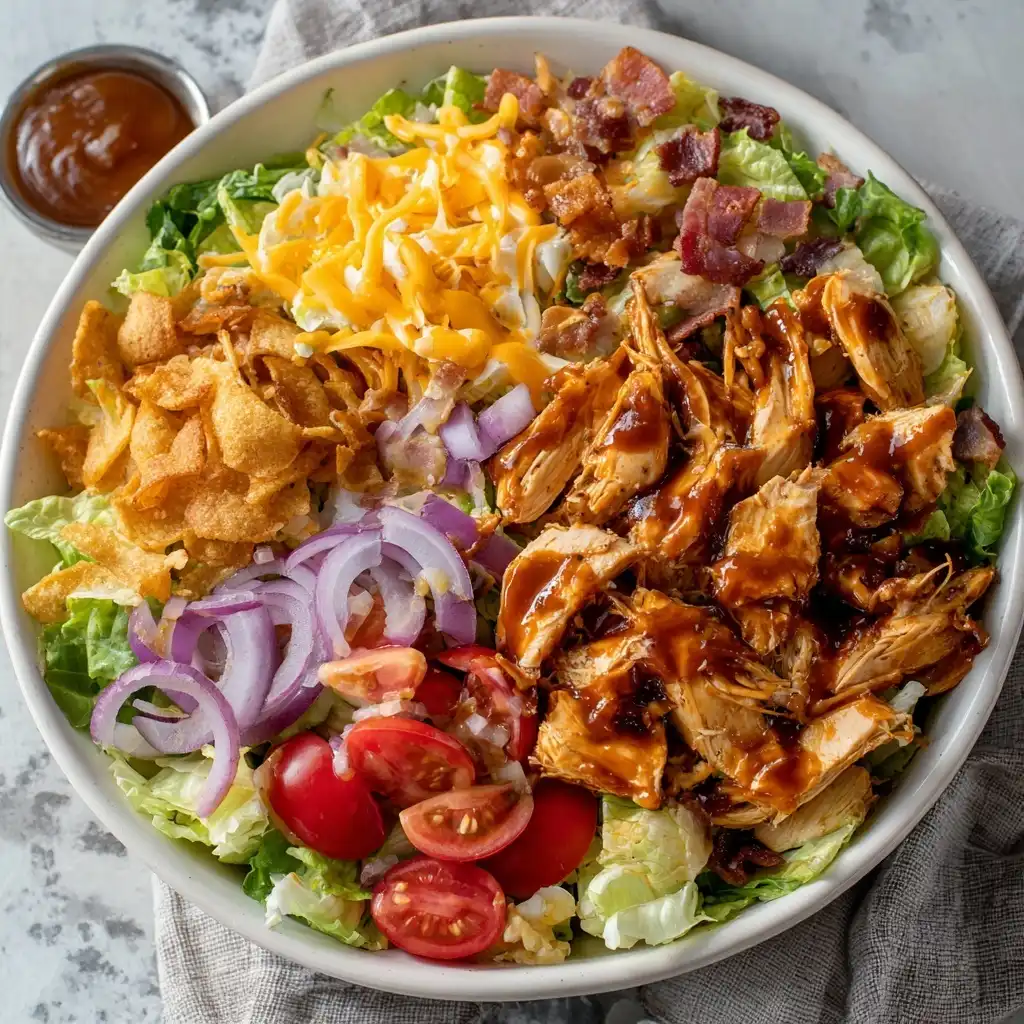
BBQ Ranch Chicken Salad is a vibrant, flavor-packed fusion dish that masterfully bridges the bold, smoky-sweet depth of barbecue sauce with the cool, herbaceous tang of ranch dressing—anchored by tender, protein-rich grilled or roasted chicken and tossed with crisp, colorful fresh vegetables and hearty grains or greens. Born from the modern American kitchen’s love affair with bold contrasts and meal-prep-friendly versatility, this salad satisfies cravings for both comfort and freshness in one bowl. Whether served chilled on a sweltering summer afternoon, warmed with caramelized chicken for fall lunches, or packed as a nutrient-dense office-ready meal, it strikes a rare balance: indulgent yet balanced, rustic yet refined, simple to prepare yet endlessly expressive. Its growing popularity reflects a broader culinary shift toward “better-for-you” dishes that refuse to compromise on taste, texture, or satisfaction—making BBQ Ranch Chicken Salad not just a recipe, but a lifestyle staple for health-conscious food lovers, busy professionals, meal-preppers, and backyard grill enthusiasts alike.
The History
The origins of BBQ Ranch Chicken Salad are deeply rooted in the convergence of two iconic American culinary traditions: Southern-style barbecue and Midwest-born ranch dressing. While neither component was originally conceived as a salad ingredient, their evolution into a harmonious cold-weather-to-summer staple tells a story of regional cross-pollination and home-cook ingenuity. Ranch dressing—developed in the 1950s by Steve Henson at his Hidden Valley Ranch in Santa Barbara, California—gained national fame in the 1970s as a dip and salad dressing, prized for its creamy, buttermilk-based tang and customizable herb profile. Barbecue, meanwhile, traces its lineage across centuries—from Indigenous smoke-curing techniques to African-American pitmaster traditions in the Carolinas and Texas—and entered mainstream American consciousness through postwar backyard grilling culture and the rise of bottled sauces in the 1940s–60s. The marriage of BBQ and ranch emerged organically in the late 1990s and early 2000s, first appearing in regional diner menus (particularly across the South and Midwest) as a “grilled chicken plate” with dual dressings on the side. By the mid-2010s, food bloggers and meal-prep influencers began combining them directly into composed salads—enhancing marinated chicken with both sauces, then layering over romaine, red cabbage, corn, and black beans. The dish gained viral traction on Pinterest and Instagram around 2018–2019, fueled by its photogenic layers, make-ahead appeal, and keto-, paleo-, and Whole30-modifiable framework. Today, BBQ Ranch Chicken Salad appears on café menus from Portland to Nashville, features in registered dietitian meal plans, and anchors countless YouTube cooking tutorials—solidifying its status as a true contemporary American classic.
Ingredients Breakdown
Every exceptional BBQ Ranch Chicken Salad begins with intentionality—not just in selection, but in understanding how each component contributes to the symphony of flavor, texture, temperature, and nutrition. Let’s explore the role of each element:
- Chicken Breast or Thighs: The protein foundation. Boneless, skinless chicken breasts offer lean tenderness and absorb marinades beautifully; thighs provide richer flavor, higher moisture retention, and forgiving cook times—ideal for grilling or air-frying. Pasture-raised or organic options elevate both taste and ethical sourcing.
- Barbecue Sauce: Far more than sweetness—it delivers umami depth (via tomato paste, molasses, or smoked paprika), acidity (from vinegar or apple cider), and subtle heat (chipotle, cayenne, or mustard). Regional styles matter: Kansas City (tomato-forward, molasses-kissed), Carolina (vinegar-pepper tang), or Alabama white (pepper-vinegar-mayo) each create distinct profiles.
- Ranch Dressing: Traditionally buttermilk-based, it cools the palate and binds ingredients. Homemade versions allow control over sodium, added sugars, and preservatives—and benefit from fresh dill, chives, garlic, and onion powder. Dairy-free alternatives using cashew cream or coconut yogurt maintain creaminess while accommodating dietary needs.
- Greens Base: Romaine offers crunch and mild bitterness; butter lettuce adds silkiness; baby spinach brings iron and earthiness; chopped kale (massaged!) provides fiber and sturdiness. Mixed spring greens add complexity—and arugula introduces a welcome peppery finish.
- Crunch Elements: Red cabbage (thinly shredded) contributes vibrant color, vitamin C, and sharp bite; jicama adds juicy, slightly sweet crispness; radishes lend spicy wateriness; toasted sunflower or pumpkin seeds deliver nutty richness and healthy fats.
- Sweet & Savory Accents: Grilled or fire-roasted corn kernels bring natural sweetness and char; black beans or chickpeas add plant-based protein and fiber; cherry tomatoes burst with acidity; red onion (soaked in lime juice to mellow sharpness) offers aromatic pungency.
- Herbs & Finishes: Fresh cilantro echoes Latin-inspired BBQ notes; parsley brightens; crumbled blue cheese or feta adds salty funk (optional but transformative); crispy bacon bits or smoked almonds deepen smokiness; a final drizzle of apple cider vinegar or lime juice lifts the entire dish.
Understanding these roles empowers you to troubleshoot imbalances—e.g., too sweet? Add acid or bitter greens. Too heavy? Lighten with extra herbs and citrus. Not enough texture? Double down on raw veg and toasted seeds.
Step-by-Step Recipe
- Prep & Marinate the Chicken (30 min–24 hrs): Pound chicken breasts to ½-inch thickness for even cooking. In a non-reactive bowl, combine ⅓ cup BBQ sauce, 2 tbsp ranch dressing, 1 tbsp olive oil, 1 tsp smoked paprika, ½ tsp garlic powder, ½ tsp onion powder, ¼ tsp black pepper, and a pinch of cayenne. Add chicken, turning to coat fully. Cover and refrigerate minimum 30 minutes—or ideally 4–8 hours (overnight for maximum infusion). Reserve remaining BBQ and ranch separately for finishing.
- Grill or Roast the Chicken (15–20 min): Preheat grill to medium-high (375–400°F) or oven to 400°F with rack in upper third. If grilling, oil grates well. Grill chicken 6–7 minutes per side until internal temp reaches 165°F and edges show light char. For oven: place on parchment-lined sheet pan, roast 18–22 minutes, flipping halfway. Let rest 5 minutes before slicing thinly against the grain.
- Prep the Vegetables & Components (15 min): While chicken cooks, shred 1½ cups red cabbage; halve 1 cup cherry tomatoes; dice ½ small red onion (soak in cold water + 1 tsp lime juice for 10 min, then drain); slice ½ cup jicama matchsticks; shuck and char 1 ear corn (or use ¾ cup frozen, thawed & patted dry); rinse and drain ½ cup black beans; chop ¼ cup fresh cilantro and 2 tbsp chives.
- Build the Greens Base (5 min): In a large wide bowl, combine 6 cups mixed greens (romaine, spinach, butter lettuce). Toss lightly with 1 tsp apple cider vinegar and a pinch of sea salt to subtly wilt and season without sogginess.
- Assemble with Intention (5 min): Arrange marinated chicken slices over greens. Scatter cabbage, tomatoes, red onion, jicama, corn, and black beans evenly. Sprinkle with herbs and 2 tbsp toasted pepitas or sunflower seeds.
- Dress & Finish (2 min): Drizzle generously with reserved BBQ sauce (1–2 tbsp) and ranch dressing (2–3 tbsp)—adjust to preference. Optional: crumble 2 tbsp crumbled blue cheese or feta over top. Finish with a final grind of black pepper, flaky sea salt, and a light mist of lime juice or extra virgin olive oil.
- Serve Immediately or Chill (Optional): Best enjoyed within 30 minutes of assembly for optimal texture. For meal prep: store components separately (chicken, dressed veggies, undressed greens, sauces in small containers); combine day-of and toss gently.
Tips
- Marinade Smarter, Not Longer: Acidic BBQ sauces (especially vinegar-heavy Carolina styles) can begin to “cook” raw chicken if marinated beyond 2 hours—opt for gentler, tomato-based sauces for longer soaks.
- Rest Chicken Religiously: Skipping the 5-minute rest leads to dry, stringy meat. Resting allows juices to redistribute—essential for succulent slices.
- Chill Your Serving Bowl: For ultra-crisp summer salads, refrigerate your large mixing bowl for 15 minutes before assembling—keeps greens frosty and prevents premature wilting.
- Toast Seeds & Nuts Cold: Toast pumpkin, sunflower, or sliced almonds in a dry skillet over medium-low heat until fragrant and golden—cool completely before adding. Warm nuts soften greens and cause condensation.
- Layer Sauces Strategically: Drizzle BBQ *over* chicken before placing on greens to prevent soggy bottoms; add ranch *after* all toppings are arranged to ensure even coating without drowning delicate leaves.
- Revive Leftovers Like a Pro: Day-old assembled salad? Refresh with a squeeze of lime, fresh herbs, and a sprinkle of crunchy elements. Reheat chicken separately (air fryer works best) before reassembling.
- Use the “Dress Last” Rule for Meal Prep: Never pre-dress full batches. Instead, portion undressed greens + toppings into jars or containers, with sauces in tiny leak-proof containers nestled on top—shake to combine when ready.
- Control Sodium Without Sacrificing Flavor: Choose low-sodium BBQ and ranch—or make your own—to reduce hidden salt. Boost umami naturally with a dash of Worcestershire, nutritional yeast, or tamari.
- Grill the Veggies Too: Toss red onion wedges, corn, and even whole romaine hearts on the grill for 2–3 minutes per side—adds deep caramelization and smoky nuance that mirrors the chicken.
- Texture Is Non-Negotiable: If your salad feels monotonous, audit your crunch quotient: Are you missing raw veg? Toasted seed? Pickled element? A single contrasting texture can elevate the entire experience.
Variations and Customizations
This salad thrives on personalization—here’s how to adapt it across diets, seasons, skill levels, and flavor preferences:
Dietary Adaptations
- Keto/Low-Carb: Swap BBQ sauce for sugar-free version or make your own with tomato paste, apple cider vinegar, smoked paprika, erythritol, and mustard. Replace corn and black beans with sliced avocado, cucumber ribbons, and grilled zucchini. Use full-fat ranch and top with crumbled bacon and hemp hearts.
- Paleo/Whole30: Use compliant BBQ sauce (no sugar, soy, or dairy—try date-sweetened or coconut aminos-based). Make ranch with avocado oil mayo, coconut milk, lemon juice, garlic, and herbs. Skip beans; load up on roasted sweet potato cubes, grilled peaches, and crushed macadamia nuts.
- Vegan: Substitute grilled or baked tempeh, marinated portobello caps, or spiced chickpeas for chicken. Use smoky BBQ glaze and dairy-free ranch (cashew or tahini base). Add roasted beets, pickled red onions, and toasted walnuts for depth.
- Gluten-Free: Verify BBQ sauce and ranch are certified GF (many contain malt vinegar or wheat thickeners). Use tamari instead of soy sauce in marinades. Serve over quinoa or gluten-free grain blend if desired.
Seasonal Twists
- Spring: Add blanched asparagus tips, shaved fennel, edible flowers, and mint. Swap BBQ for strawberry-balsamic glaze and ranch for dill-lemon yogurt dressing.
- Summer: Incorporate grilled pineapple, heirloom tomatoes, basil ribbons, and jalapeño-lime slaw. Use chipotle-lime BBQ and cilantro-lime ranch.
- Fall: Roast delicata squash, add dried cranberries, candied pecans, and crumbled goat cheese. Use bourbon-maple BBQ and sage-infused ranch.
- Winter: Feature roasted Brussels sprouts, pear slices, pomegranate arils, and toasted hazelnuts. Opt for coffee-rubbed chicken and maple-dijon ranch.
Protein Swaps & Upgrades
- Shrimp: Marinate in BBQ-ranch blend 10–15 min, then skewer and grill 2–3 min per side. Adds oceanic sweetness and lighter texture.
- Turkey: Use smoked turkey breast or ground turkey patties—great for leaner, budget-friendly variation.
- Salmon: Brush fillets with BBQ glaze, roast skin-side down at 400°F for 12–14 min. Flake gently over salad—pairs magically with dill-ranch and cucumber.
- Leftover Rotisserie Chicken: Shred and toss with warm BBQ sauce + 1 tbsp ranch to rehydrate and flavor—ready in 2 minutes.
Global Infusions
- Mexican-Inspired: Swap BBQ for adobo-chipotle sauce; use cilantro-lime ranch; add pickled red onions, cotija, avocado, and crushed tortilla chips.
- Korean-Inspired: Marinate chicken in gochujang-BBQ-ranch hybrid; top with kimchi slaw, sesame oil drizzle, nori strips, and scallions.
- Thai-Inspired: Use tamarind-date BBQ; swap ranch for Thai peanut-lime dressing; add mango, edamame, bean sprouts, and crushed peanuts.
- Mediterranean-Inspired: Grill chicken with harissa-BBQ blend; use tzatziki-ranch hybrid; add kalamata olives, cucumber, red pepper, and oregano.
Health Considerations and Nutritional Value
When thoughtfully constructed, BBQ Ranch Chicken Salad is a powerhouse of macro- and micronutrients—yet its healthfulness hinges entirely on ingredient quality and proportionality. Here’s a detailed, evidence-informed nutritional breakdown based on a standard 1-serving (approx. 650–750 calories) prepared with smart choices:
Macronutrient Profile (Approximate)
- Protein: 42–50g — Primarily from chicken (31g per 6 oz), augmented by black beans (7g per ½ cup) and seeds (5g per 2 tbsp). Supports muscle synthesis, satiety, and metabolic health. Lean chicken breast offers complete amino acids with minimal saturated fat.
- Healthy Fats: 28–35g — Mostly unsaturated: olive oil (MUFA), avocado (if added), seeds (omega-6 & omega-3), and full-fat ranch (conjugated linoleic acid from grass-fed dairy, if used). Supports hormone balance, brain health, and absorption of fat-soluble vitamins (A, D, E, K).
- Complex Carbohydrates: 32–40g — Fiber-rich sources dominate: black beans (7.5g fiber), red cabbage (2g per cup), jicama (6g per cup), corn (2g), and greens (1–2g). Low glycemic impact, sustained energy, and robust gut microbiome support via prebiotic fibers.
Vitamin & Mineral Highlights
- Vitamin C: 120–180mg (130–200% DV) — From red cabbage, tomatoes, jicama, and lime finish. Critical for collagen synthesis, immune defense, and iron absorption.
- Vitamin K: 180–220mcg (150–180% DV) — Abundant in leafy greens (kale, spinach, romaine). Essential for blood clotting and bone mineralization.
- Folate (B9): 120–160mcg (30–40% DV) — From black beans, spinach, and asparagus (if added). Vital for DNA repair and neural tube development.
- Potassium: 950–1,200mg (20–25% DV) — From tomatoes, beans, jicama, and chicken. Counteracts sodium, supports nerve transmission and blood pressure regulation.
- Zinc & Selenium: 4–6mg Zn / 35–45mcg Se — From chicken and seeds. Key for antioxidant enzyme function (glutathione peroxidase) and immune cell activity.
Functional Health Benefits
- Gut Health: Raw cruciferous veggies (cabbage) supply sulforaphane and fiber; fermented options (kimchi, sauerkraut) can replace raw onion for probiotic boost.
- Anti-Inflammatory Support: Smoked paprika (rich in capsaicinoids), garlic, onions, and polyphenol-rich BBQ sauce (tomatoes = lycopene) work synergistically to modulate NF-kB pathways.
- Blood Sugar Balance: High protein + high fiber + healthy fats creates a low-glycemic-load meal—slows gastric emptying and minimizes insulin spikes.
- Cardiovascular Protection: MUFA/PUFA ratio, potassium, nitrates (from arugula/lettuce), and antioxidants collectively support endothelial function and arterial elasticity.
Cautions & Smart Swaps
- Sodium Awareness: Bottled BBQ and ranch often contain 300–500mg sodium per 2 tbsp. Limit to 1 tbsp each—or choose low-sodium brands (<140mg/serving). Rinse canned beans thoroughly.
- Sugar Content: Many commercial BBQ sauces pack 12–16g added sugar per 2 tbsp. Prioritize brands with <4g sugar or make your own with date paste, apple butter, or monk fruit.
- Saturated Fat Moderation: Full-fat ranch and cheese add richness—but limit to 2 tbsp total dairy fat per serving. Opt for Greek yogurt–based ranch for higher protein/lower fat.
- Oxalate Consideration: For those prone to calcium-oxalate kidney stones, moderate spinach and increase romaine/kale ratio (lower oxalate).
- Allergen Notes: Dairy (ranch), eggs (mayo-based ranch), tree nuts (toppings), and sulfites (in some dried fruits) require vigilance. Always label substitutions clearly.
Ingredients
- 1 lb boneless, skinless chicken breasts or thighs
- ⅓ cup high-quality barbecue sauce (choose low-sugar, no high-fructose corn syrup)
- ¼ cup full-fat or dairy-free ranch dressing (plus extra for serving)
- 2 tbsp extra-virgin olive oil
- 1 tsp smoked paprika
- ½ tsp garlic powder
- ½ tsp onion powder
- ¼ tsp freshly ground black pepper
- Pinch of cayenne pepper (optional)
- 6 cups mixed salad greens (romaine, butter lettuce, baby spinach)
- 1½ cups thinly shredded red cabbage
- 1 cup halved cherry tomatoes
- ½ small red onion, thinly sliced and soaked in lime juice
- ½ cup jicama, peeled and cut into matchsticks
- ¾ cup grilled or fire-roasted corn kernels
- ½ cup cooked black beans, rinsed and drained
- ¼ cup fresh cilantro leaves
- 2 tbsp finely chopped chives
- ¼ cup toasted pumpkin seeds (pepitas) or sunflower seeds
- Flaky sea salt and freshly cracked black pepper, to taste
- Lime wedges, for serving
- Optional: 2 tbsp crumbled blue cheese or feta
Directions
- In a medium bowl, whisk together barbecue sauce, ¼ cup ranch dressing, olive oil, smoked paprika, garlic powder, onion powder, black pepper, and cayenne (if using) until smooth. Place chicken in a resealable bag or shallow dish and pour marinade over it. Turn to coat evenly. Refrigerate for at least 30 minutes—or up to 8 hours for deeper flavor.
- Preheat grill to medium-high (375–400°F) or oven to 400°F. If grilling, lightly oil grates. Remove chicken from marinade, letting excess drip off (reserve marinade). Grill chicken 6–7 minutes per side, or until internal temperature reaches 165°F and juices run clear. For oven roasting, place chicken on a parchment-lined baking sheet and roast 18–22 minutes, flipping halfway. Transfer to a cutting board and let rest 5 minutes before slicing thinly against the grain.
- While chicken cooks, prepare vegetables: shred cabbage; halve tomatoes; soak red onion in 2 tbsp lime juice + 2 tbsp cold water for 10 minutes, then drain; julienne jicama; char corn on grill or in skillet until lightly blistered; rinse and drain black beans; chop herbs.
- In a very large salad bowl, combine mixed greens. Drizzle with 1 tsp apple cider vinegar and a pinch of salt. Gently toss to lightly coat and slightly soften—this step prevents sogginess later.
- Arrange sliced chicken over greens. Evenly scatter cabbage, tomatoes, drained red onion, jicama, corn, and black beans across the top. Sprinkle with cilantro, chives, and toasted seeds.
- Drizzle reserved marinade (warmed gently in a small saucepan for 2 minutes to kill bacteria) over chicken. Then, dollop or drizzle 2–3 tbsp additional ranch dressing over the entire salad. Toss gently from bottom to top—just enough to distribute dressing without bruising greens.
- Finish with flaky sea salt, extra black pepper, optional cheese, and a final generous squeeze of fresh lime juice. Serve immediately with extra lime wedges and additional ranch and BBQ sauce on the side.
FAQ
- Can I make this salad ahead of time?
- Absolutely—but keep components separate for best results. Store marinated, uncooked chicken (up to 2 days), prepped raw veggies (3–4 days in airtight containers), undressed greens (up to 5 days with a dry paper towel), and sauces (refrigerated, up to 1 week) separately. Assemble no more than 30 minutes before serving.
- What’s the best way to reheat leftover chicken for the salad?
- Air frying at 350°F for 3–4 minutes preserves moisture and crispness better than microwaving. Alternatively, quickly sear in a hot skillet with 1 tsp oil for 1–2 minutes per side. Never microwave dressed salad—it turns limp and separates.
- Is BBQ Ranch Chicken Salad gluten-free?
- It can be—provided you verify your BBQ sauce (many contain wheat-based vinegar or thickeners) and ranch (some include maltodextrin or modified food starch). Look for certified GF labels or make both from scratch using tamari, apple cider vinegar, and gluten-free thickeners like arrowroot.
- Can I freeze this salad?
- Not recommended. Freezing causes greens to become mushy, dairy-based dressings to separate, and vegetables to lose crunch and release water. However, marinated raw chicken freezes beautifully for up to 3 months—thaw overnight in fridge before cooking.
- What’s the difference between using ranch as a marinade vs. a finishing sauce?
- Ranch in the marinade primarily flavors the chicken’s surface and adds subtle tang—but doesn’t penetrate deeply due to its emulsified fat content. As a finishing sauce, it coats every leaf and ingredient, delivering cooling contrast to smoky BBQ and binding textures together. Using both maximizes layered flavor.
- Why does my salad get soggy so quickly?
- Sogginess usually stems from three culprits: (1) Adding dressing too far in advance—always dress just before serving; (2) Not draining soaked onions or rinsed beans thoroughly; (3) Using warm chicken directly on greens. Always cool chicken to room temp before assembling.
- Can I use store-bought rotisserie chicken?
- Yes—and it’s a fantastic shortcut! Shred or slice 2 cups rotisserie chicken, toss with 2 tbsp warm BBQ sauce and 1 tsp ranch to rehydrate and flavor, then proceed with assembly. Check sodium content and opt for low-sodium or plain rotisserie options when possible.
- How do I make this salad vegetarian or vegan?
- Replace chicken with 1½ cups grilled marinated tofu, tempeh, or spiced chickpeas (tossed in BBQ-ranch blend and roasted 20 min at 400
Advertisment