
Introduction
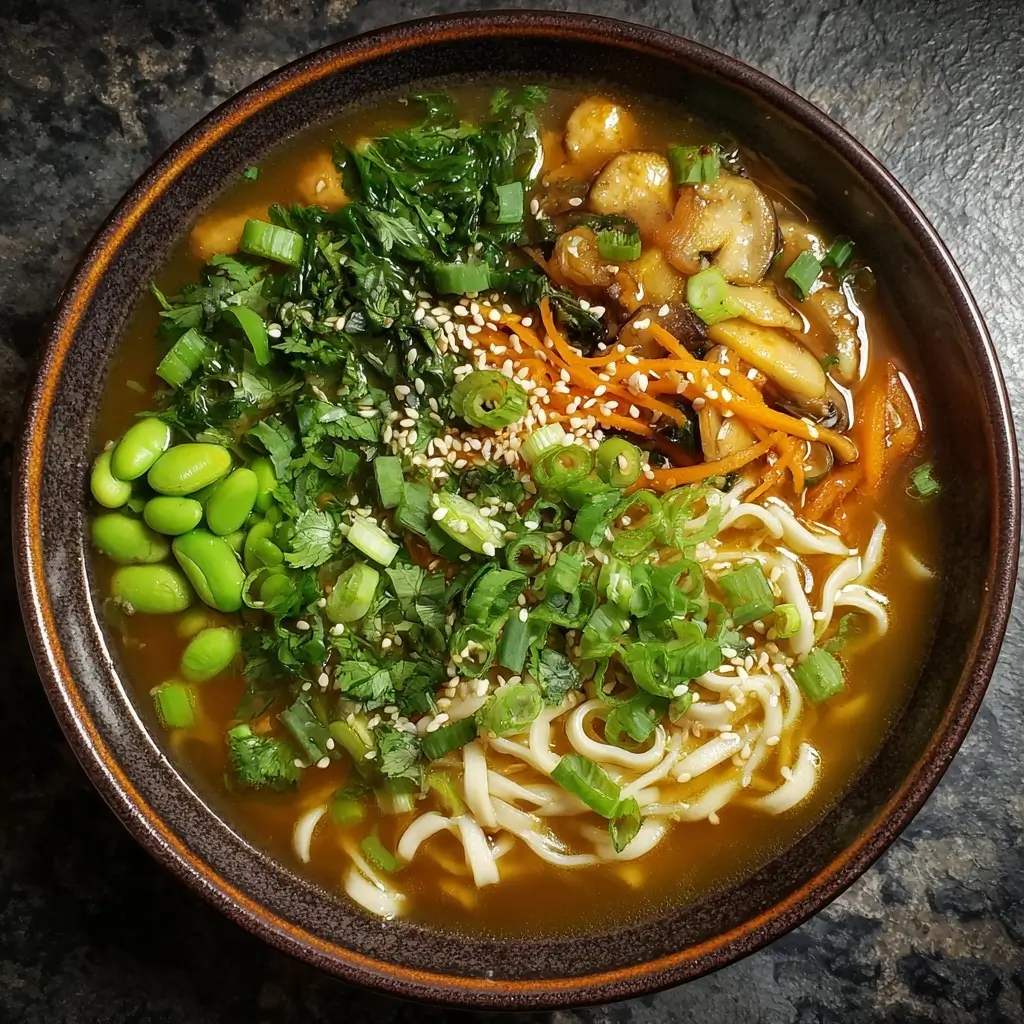
Asian Ginger Sesame Noodle Soup is a soul-warming, aromatic dish that combines the bold flavors of ginger, garlic, soy sauce, sesame oil, and tender noodles in a rich, savory broth. This comforting soup originates from East and Southeast Asian culinary traditions, where soups are not just meals but healing elixirs designed to nourish the body and spirit. Whether enjoyed on a chilly winter evening or as a restorative meal when under the weather, this noodle soup delivers both flavor and function. With its balance of umami, spice, and herbal notes, it has become a beloved favorite across continents, adapted in countless kitchens while maintaining its authentic essence.
The History
The roots of Asian Ginger Sesame Noodle Soup can be traced back centuries through various regional cuisines across China, Japan, Korea, and Vietnam. In Chinese tradition, ginger has long been revered for its medicinal properties—used to improve circulation, aid digestion, and fight colds. Sesame oil, too, holds a place in traditional Chinese medicine for its warming qualities and rich nutrient profile. Noodle soups themselves have been staples in Asian diets since at least the Han Dynasty (206 BCE–220 CE), with wheat and rice noodles forming the backbone of daily sustenance.
In Japan, soba and udon noodle soups often feature dashi broth enhanced with ginger and sesame, while Korean variations may include gochujang and perilla oil for added depth. Vietnamese pho, though distinct, shares the philosophy of using bone broths infused with aromatic spices like ginger and star anise. Over time, fusion interpretations emerged, particularly in Western countries, blending these elements into what we now recognize as Asian Ginger Sesame Noodle Soup—a harmonious blend of tradition, wellness, and global taste preferences.
Ingredients Breakdown
The magic of this soup lies in the careful selection and layering of ingredients, each contributing unique textures and health benefits:
- Fresh Ginger: The star ingredient, offering a spicy warmth and anti-inflammatory compounds like gingerol.
- Sesame Oil: Provides a nutty aroma and depth; used both in cooking and as a finishing oil.
- Garlic: Adds pungency and immune-boosting allicin.
- Soy Sauce or Tamari: Delivers umami and saltiness; tamari is gluten-free and richer in flavor.
- Ramen, Udon, or Rice Noodles: Choose based on dietary needs and texture preference—ramen for chewiness, rice noodles for lightness.
- Vegetable or Chicken Broth: Forms the base; homemade bone broth adds collagen and richness.
- Bok Choy or Spinach: Leafy greens add color, fiber, and vitamins A and C.
- Shiitake Mushrooms: Earthy and meaty, packed with B vitamins and immune-supportive beta-glucans.
- Green Onions and Cilantro: Fresh herbs brighten the dish with citrusy and sharp notes.
- Sesame Seeds: For crunch and additional nutrients like calcium and healthy fats.
- Chili Oil or Sriracha (optional): Adds heat for those who enjoy a spicy kick.
- Tofu or Cooked Chicken/Shrimp: Optional protein additions for a heartier meal.
Step-by-Step Recipe
- Prepare the Aromatics: Peel and thinly slice 1-inch piece of fresh ginger. Mince 3 cloves of garlic. Set aside.
- Cook the Noodles: Bring a pot of salted water to boil. Add 8 oz of your preferred noodles (ramen, udon, or rice) and cook according to package instructions until al dente. Drain, rinse under cold water, and set aside.
- Infuse the Broth: In a large pot, heat 1 tablespoon of sesame oil over medium heat. Add the sliced ginger and minced garlic. Sauté for 2–3 minutes until fragrant but not browned.
- Add Liquid Base: Pour in 6 cups of vegetable or chicken broth. Bring to a gentle simmer and let it cook for 10–15 minutes to extract the full flavor of the ginger and garlic.
- Season the Broth: Stir in 3 tablespoons of soy sauce (or tamari), 1 tablespoon of rice vinegar, and 1 teaspoon of maple syrup or honey (optional for balance). Taste and adjust seasoning.
- Add Vegetables: Toss in 2 cups of chopped bok choy or spinach and 1 cup of sliced shiitake mushrooms. Simmer for 5–7 minutes until vegetables are tender.
- Combine Noodles: Divide cooked noodles among serving bowls. Ladle the hot broth and vegetables over the noodles.
- Finish the Dish: Drizzle each bowl with ½ teaspoon of toasted sesame oil. Top with sliced green onions, fresh cilantro, a sprinkle of sesame seeds, and chili oil if desired.
- Add Protein (Optional): Place grilled tofu, shredded chicken, or cooked shrimp on top before serving.
- Serve Immediately: Enjoy piping hot, stirring gently to mix all the flavors together.
Tips
- Use Fresh Ginger: Pre-ground ginger lacks the vibrant punch of fresh root. Always grate or slice it yourself for maximum flavor and therapeutic benefit.
- Don’t Boil the Sesame Oil: Sesame oil has a low smoke point and can turn bitter if overheated. Add it at the end or use only a portion for sautéing and reserve the rest for finishing.
- Simmer, Don’t Boil: Keep the broth at a gentle simmer after adding aromatics to slowly extract flavors without scorching.
- Double the Broth: Make extra broth and freeze it for future use—it keeps well for up to 3 months.
- Customize Noodle Texture: If preparing ahead, keep noodles separate from broth to prevent them from becoming mushy.
- Boost Umami: Add a strip of kombu (dried kelp) while simmering the broth for a deeper savory note.
- Acidity Matters: A splash of rice vinegar or lime juice at the end brightens the entire dish—don’t skip it!
- Prep Ahead: Chop all ingredients in advance for quick assembly during busy weekdays.
Variations and Customizations
This soup is incredibly versatile and welcomes endless adaptations:
- Spicy Version: Stir in 1–2 teaspoons of sambal oelek, gochujang, or chili crisp for a fiery twist.
- Peanut Ginger Sesame Noodle Soup: Whisk in 1–2 tablespoons of natural peanut butter for a creamy, Thai-inspired variation.
- Coconut Ginger Sesame Soup: Replace half the broth with coconut milk for a creamy, tropical take.
- Miso-Ginger Fusion: Dissolve 1–2 tablespoons of white or red miso paste into the broth at the end (do not boil miso).
- Low-Carb/Keto Option: Use spiralized zucchini or shirataki noodles instead of traditional wheat or rice noodles.
- Vegan & Gluten-Free: Use tamari, ensure noodles are GF, and skip animal proteins.
- Seafood Lover’s Edition: Add scallops, mussels, or prawns during the last few minutes of cooking.
- Herbal Boost: Infuse the broth with lemongrass, turmeric, or a cinnamon stick for added complexity.
- Noodle Swap: Try soba noodles for a nuttier flavor and higher protein content.
- Breakfast Twist: Top with a soft-boiled or poached egg—the yolk enriches the broth when broken.
Health Considerations and Nutritional Value
Asian Ginger Sesame Noodle Soup isn’t just delicious—it’s also packed with functional ingredients that support overall wellness:
- Ginger: Known for reducing nausea, inflammation, and muscle pain. It may also help lower blood sugar and combat oxidative stress.
- Sesame Oil: Rich in antioxidants like sesamol and sesamin, which may help reduce cholesterol and protect liver health.
- Garlic: Contains compounds that boost immune function and may have antimicrobial and cardiovascular benefits.
- Vegetables: Bok choy and mushrooms contribute fiber, vitamin C, potassium, and cancer-fighting phytonutrients.
- Whole Grain or Legume-Based Noodles: Provide sustained energy and complex carbohydrates. Soba made from buckwheat offers complete protein and is naturally gluten-free.
- Low Sodium Option: Use low-sodium soy sauce or coconut aminos to manage blood pressure concerns.
- Hydration Support: Warm broth helps maintain fluid balance, especially during illness or cold weather.
- Calorie Range: A typical bowl contains between 300–500 calories depending on ingredients. Adding tofu increases plant-based protein (~10g per serving), while chicken adds ~20g.
However, those with soy allergies should substitute tamari with coconut aminos or fish sauce. Individuals managing thyroid issues may want to moderate raw cruciferous vegetable intake (like bok choy) unless cooked, which reduces goitrogenic compounds.
Ingredients
- 1-inch piece fresh ginger, peeled and thinly sliced
- 3 cloves garlic, minced
- 1 tbsp toasted sesame oil (plus extra for finishing)
- 6 cups vegetable or chicken broth (low sodium preferred)
- 3 tbsp soy sauce or tamari (gluten-free if needed)
- 1 tbsp rice vinegar
- 1 tsp honey or maple syrup (optional)
- 8 oz ramen, udon, or rice noodles
- 2 cups bok choy, chopped (or spinach)
- 1 cup shiitake mushrooms, sliced
- 4 green onions, thinly sliced
- ¼ cup fresh cilantro, chopped
- 2 tbsp sesame seeds, toasted
- Chili oil or sriracha (to taste, optional)
- Protein option: 1 cup cubed tofu, shredded chicken, or shrimp
Directions
- In a large pot, heat 1 tablespoon sesame oil over medium heat. Add ginger and garlic; sauté for 2–3 minutes until fragrant.
- Pour in the broth and bring to a simmer. Let cook gently for 10–15 minutes to infuse the flavors.
- Stir in soy sauce, rice vinegar, and honey. Taste and adjust seasoning as needed.
- Meanwhile, cook noodles separately according to package instructions. Drain and rinse.
- Add bok choy and mushrooms to the broth. Simmer for 5–7 minutes until tender.
- Distribute noodles into 4 large bowls.
- Ladle hot broth with vegetables over the noodles.
- Top each bowl with green onions, cilantro, sesame seeds, and a drizzle of sesame oil.
- Add chili oil or sriracha if desired. Place tofu, chicken, or shrimp on top if using.
- Serve immediately while hot, encouraging diners to stir before eating.
FAQ
Can I make this soup ahead of time?
Yes! Prepare the broth and store it in the fridge for up to 4 days or freeze for 3 months. Keep noodles separate and assemble bowls fresh.
Is this soup gluten-free?
It can be. Use tamari instead of soy sauce and choose gluten-free noodles like rice or buckwheat soba.
Can I use dried ginger instead of fresh?
Fresh is strongly recommended. Dried ginger lacks the same intensity and enzymatic benefits. If necessary, use ¼ tsp ground ginger, but expect a milder flavor.
How do I store leftovers?
Store broth and solids together in an airtight container in the refrigerator for up to 3 days. Reheat gently on the stove. Noodles may absorb liquid, so add a splash of broth when reheating.
What makes this soup “healthy”?
The combination of anti-inflammatory spices, nutrient-dense vegetables, lean protein options, and minimal processed ingredients makes this a balanced, wholesome meal.
Can I make it spicier?
Absolutely. Add fresh sliced chili peppers, chili garlic paste, or a spoonful of Lao Gan Ma crispy chili oil for intense heat and crunch.
Can I use chicken instead of vegetable broth?
Yes, chicken broth enhances the savory depth. For richest flavor, use homemade bone broth.
Are there vegan protein options?
Yes—try tempeh, edamame, seitan, or marinated tofu. Lentils can also be added for earthy texture and fiber.
Summary
Asian Ginger Sesame Noodle Soup is a nourishing, flavorful dish that blends ancient healing ingredients with modern culinary flair. Packed with aromatic ginger, rich sesame oil, fresh vegetables, and customizable proteins, it’s a one-bowl wonder perfect for any season.