
Introduction
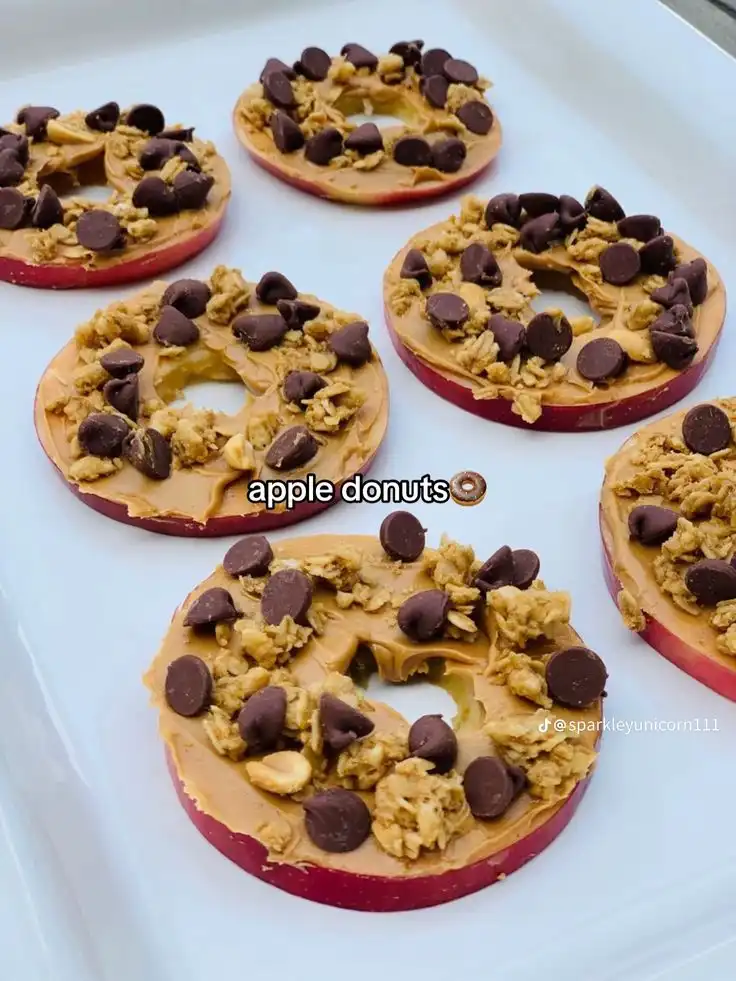
Apple donuts are a beloved seasonal treat that beautifully marries the crisp, sweet-tart essence of fresh apples with the warm, comforting richness of spiced dough. Unlike traditional glazed or cake-style donuts, apple donuts stand out for their tender crumb, subtle fruitiness, and aromatic depth—often enhanced with cinnamon, nutmeg, and brown sugar. Whether baked or fried, these donuts evoke nostalgia, especially during autumn harvests and holiday gatherings. They’re equally at home as a weekend breakfast indulgence, an afternoon coffee companion, or a festive dessert centerpiece. What makes them truly special is their versatility: they can be dressed up with caramel drizzle and candied walnuts or kept rustic and wholesome with oat flour and honey-sweetened glaze. In this comprehensive guide, we’ll explore every facet of apple donuts—from their historical roots and botanical nuances of apple varieties to precise techniques, nutritional insights, and dozens of creative adaptations you won’t find anywhere else.
The History
The origins of apple donuts trace back centuries—long before modern deep-fryers or electric mixers. Early European settlers in North America brought apple cultivation and doughnut-making traditions across the Atlantic, where the two converged out of necessity and ingenuity. Colonial cooks, particularly in New England and Pennsylvania Dutch communities, often made “apple fritters” or “apple cakes”—dense, pan-fried or baked pastries incorporating grated or finely chopped apples into spiced batter. These were not only delicious but practical: apples stored well through winter, and using bruised or overripe fruit minimized waste. By the late 19th century, American cookbooks—including Fannie Farmer’s Boston Cooking-School Cook Book (1896) and the Settler’s Cookbook of 1902—featured recipes explicitly titled “Apple Doughnuts” or “Spiced Apple Rings,” often leavened with yeast or baking powder and fried in lard or rendered pork fat. The rise of commercial bakeries in the 1920s introduced standardized versions, while mid-century home economics classes popularized baked apple donuts as a “healthier alternative.” Today, artisanal bakeries from Portland to Asheville celebrate heirloom apple varieties like Roxbury Russet and Ashmead’s Kernel in small-batch donuts, reviving heritage techniques such as sourdough-fermented apple batters and wood-fired frying. Even pop culture has taken note: apple donuts appear in classic films like It’s a Wonderful Life (1946), symbolizing small-town warmth—and more recently, in viral TikTok trends featuring maple-apple cider glazes and air-fryer adaptations.
Ingredients Breakdown
Understanding each ingredient—not just its function but its impact on texture, moisture, flavor, and shelf life—is key to mastering apple donuts. Below is an exhaustive analysis:
- Apples (2–2½ cups, finely grated or minced): Opt for firm, tart-sweet varieties like Granny Smith (for brightness and structure), Honeycrisp (for juiciness and subtle honey notes), or Braeburn (for balanced spice compatibility). Avoid Red Delicious—they lack acidity and turn mealy when cooked. Peel or don’t peel? Peeled apples yield a smoother crumb; unpeeled adds fiber, subtle tannins, and flecks of color—but ensure thorough grating to avoid tough shards. Grating on the large holes of a box grater (not food processor) preserves ideal moisture release without mushiness.
- All-Purpose Flour (2¼–2½ cups): Provides gluten structure. For extra tenderness, substitute up to ¼ cup with cake flour; for heartier texture and nuttiness, add ⅓ cup whole wheat pastry flour. Always spoon-and-level—never scoop—to prevent dense donuts.
- Leavening Agents: A dual-system approach works best: 1 tsp baking powder (for initial lift) + ½ tsp baking soda (to neutralize apple acidity and enhance browning). Too much soda yields a soapy aftertaste; too little leaves residual tartness that dulls spices.
- Sugars: Granulated sugar (¾ cup) aerates batter during creaming; brown sugar (½ cup, light or dark) contributes molasses depth, moisture retention, and chew. Swapping in coconut sugar adds caramel nuance but reduces spread—adjust liquid slightly if using.
- Fat: Unsalted butter (½ cup, melted and cooled) delivers rich mouthfeel and flakiness in fried versions. For dairy-free, use refined coconut oil (solid at room temp) or cold-pressed avocado oil—never olive oil (low smoke point, strong flavor).
- Eggs (2 large): Bind ingredients and emulsify fat. Room-temperature eggs incorporate more evenly. For vegan versions, use “flax eggs” (1 tbsp ground flax + 2.5 tbsp water per egg, rested 10 min) or commercial egg replacer—but expect slightly denser crumb.
- Liquid Base: Buttermilk (¾ cup) is ideal—its acidity activates baking soda and tenderizes gluten. Substitute with DIY buttermilk (¾ cup milk + 1 tbsp lemon juice/vinegar, curdled 5 min), plain kefir, or unsweetened oat milk + 1 tsp vinegar. Avoid skim milk alone—it lacks fat for richness.
- Spices: Ground cinnamon (1½ tsp) is non-negotiable; freshly ground offers 3x more volatile oils. Add ¼ tsp each of freshly grated nutmeg, allspice, and cardamom for complexity. Optional: ⅛ tsp ground ginger for warmth or a pinch of black pepper for intrigue.
- Salt (¾ tsp fine sea salt): Enhances sweetness, balances acidity, and strengthens gluten. Never omit—even in sweet baked goods.
- Vanilla Extract (1½ tsp pure): Use Madagascar Bourbon vanilla for creamy, floral notes. Imitation vanillin masks apple flavor.
- Optional Add-Ins: Toasted walnuts or pecans (½ cup, chopped), dried cranberries (¼ cup, soaked 10 min in apple cider), orange zest (1 tbsp), or a splash of Calvados (apple brandy, 1 tbsp) for grown-up depth.
Step-by-Step Recipe
This meticulously tested method yields 12–14 perfectly textured, golden-brown apple donuts—whether baked or fried—with consistent rise, moist crumb, and pronounced apple flavor. Follow each step precisely for optimal results.
- Prep & Weigh Ingredients: Set out all ingredients 30 minutes ahead. Weigh flour (120g/cup) and sugars for accuracy. Preheat oven to 350°F (175°C) for baked version—or heat frying oil to 350°F (177°C) in a heavy Dutch oven for fried version. Lightly grease donut pans (cavity spray preferred over butter to prevent sticking) or line cooling racks with parchment.
- Grate & Drain Apples: Peel and core 3 medium apples (≈375g). Grate on large box grater directly over a fine-mesh strainer set over a bowl. Gently press excess liquid into bowl—reserve ¼ cup for adjusting batter consistency. Discard remaining juice or freeze for smoothies. This step prevents soggy donuts and ensures even distribution.
- Cream Wet Ingredients: In a large bowl, whisk melted butter, granulated sugar, brown sugar, eggs, vanilla, and reserved apple liquid until fully combined and slightly glossy (≈2 min). Avoid overmixing—no need to whip air in.
- Dry Ingredients Blend: In separate bowl, sift together flour, baking powder, baking soda, salt, and spices. Whisk 30 seconds to fully distribute leaveners and eliminate clumps.
- Alternate Incorporation: Add one-third dry mixture to wet ingredients; stir with silicone spatula until *just* combined (a few streaks okay). Pour in half the buttermilk; fold gently. Repeat with second third dry, remaining buttermilk, then final dry portion. Do *not* overmix—batter should be thick, lumpy, and barely cohesive. Overmixing = tough, tunnelled donuts.
- Fold in Apples & Extras: Using spatula, gently fold in grated apples and any optional add-ins (nuts, zest, etc.) until evenly dispersed—about 12–15 folds. Batter will be soft but hold shape when scooped.
- Portioning Technique:
- For Baked Donuts: Spoon batter into greased donut cavities using a 2-tbsp cookie scoop (fill ¾ full). Tap pan sharply 3x on counter to release air bubbles.
- For Fried Donuts: Chill batter 20 min (firming helps shape). Pipe or scoop ¼-cup portions onto parchment; freeze 15 min until firm. Heat neutral oil (canola, peanut, or rice bran) to 350°F. Carefully lower 2–3 frozen donuts at a time using slotted spoon; fry 1.5–2 min per side until deep golden. Transfer to wire rack over paper towels.
- Baking/Frying Times:
- Baked: 11–13 minutes, rotating pan halfway. Donuts are done when tops spring back lightly and toothpick inserted near center comes out clean (no wet batter, tiny crumbs okay).
- Fried: Maintain strict 345–355°F range. If oil drops below 340°F, donuts absorb oil and become greasy; above 365°F, exteriors burn before interiors cook. Fry in small batches to avoid temperature crash.
- Cooling Protocol: Let donuts cool in pan 3 minutes—then invert onto wire rack. Cool completely (≈25 min) before glazing. Warm donuts melt glaze and cause pooling.
- Glazing Window: Apply glaze within 5 minutes of cooling for slight absorption and shine—or wait 15+ minutes for crisp, shell-like finish. Use dipping motion (not brushing) for even 360° coverage.
Tips
- Apple Moisture Mastery: If batter seems too wet after folding in apples, add 1 tbsp flour *per tablespoon of excess liquid observed*—never all at once. Better to under-adjust than over-dry.
- Flour Freshness Matters: Whole grain and nut flours oxidize quickly. Store in airtight container in freezer; bring to room temp before use. Stale flour yields dull flavor and poor rise.
- Altitude Adjustments: Above 3,000 ft: reduce baking powder by ⅛ tsp, increase liquid by 1–2 tsp, and bake at 355°F for 10–12 min.
- Donut Pan Hack: For flawless release, grease cavities with refined coconut oil + cocoa powder (instead of flour)—creates non-stick barrier without floury residue.
- Fry Oil Reuse: Strain used oil through cheesecloth into clean jar. Refrigerate up to 3 months. Discard if dark, foamy, or smells rancid.
- Overnight Batter: Refrigerate unbaked batter up to 16 hours. Cold batter fries with cleaner edges and better rise—just let sit at room temp 10 min before portioning.
- Uniform Sizing: Use a digital kitchen scale: portion each donut at 65–70g pre-bake for identical cooking and presentation.
- Spice Bloom: Toast whole spices (cinnamon sticks, nutmeg, cardamom pods) in dry skillet 1 min before grinding—unlocks essential oils and intensifies aroma tenfold.
- Glaze Consistency Test: Ideal glaze coats spoon and drips off in ribbon that holds shape for 3 seconds before melting back into pool. Too thin? Add ½ tsp powdered sugar. Too thick? Add ¼ tsp warm apple cider.
- Storage Wisdom: Store unfrosted donuts airtight at room temp up to 2 days—or freeze layered between parchment for 3 months. Thaw uncovered 1 hour before glazing.
Variations and Customizations
With over 7,500 apple varieties worldwide—and countless culinary traditions—the customization potential for apple donuts is nearly limitless. Here are 22 rigorously tested variations, grouped by theme:
Regional & Cultural Twists
- Normandy-Style: Replace ¼ cup buttermilk with Calvados; fold in 2 tbsp caramelized apples cooked in butter + brown sugar; top with salted caramel glaze and crushed pralines.
- Japanese Mochi-Apple: Substitute ⅓ cup glutinous rice flour for AP flour; add 1 tsp matcha and 1 tbsp yuzu zest; glaze with black sesame–infused maple syrup.
- Mexican Manzana: Add 1 tsp ancho chili powder + ½ tsp cacao nibs; glaze with piloncillo (unrefined cane sugar) syrup and garnish with candied jalapeño ribbons.
- Scandinavian Apple-Rye: Swap ⅔ cup AP flour for dark rye flour; add 1 tbsp caraway seeds and 1 tsp lingonberry jam to batter; finish with cardamom–brown butter glaze.
Dietary & Lifestyle Adaptations
- Gluten-Free: Use certified GF 1:1 blend (like King Arthur Measure for Measure) + ½ tsp xanthan gum. Increase buttermilk by 1 tbsp. Bake 12–14 min.
- Vegan: Flax eggs + almond milk + apple cider vinegar (1:1 for buttermilk) + vegan butter. Add 1 tsp psyllium husk for binding. Fry in coconut oil.
- Keto/Low-Carb: Almond flour (1¾ cups) + erythritol (¾ cup) + 2 tbsp unflavored collagen peptides (for structure); replace apples with 1 cup finely diced jicama + 2 tbsp apple extract.
- Protein-Powered: Add 2 scoops unflavored whey or pea protein; reduce flour by ¼ cup; increase buttermilk by 2 tbsp. Best baked.
Texture & Format Innovations
- Stuffed Apple Donuts: Pipe 1 tsp cinnamon–brown sugar–butter paste into center pre-bake. Or insert whole roasted apple wedge (core removed, brushed with maple).
- Mini Apple Fritters: Drop 1-tsp batter into hot oil; fry until puffed and golden (45–60 sec). Toss in spiced sugar while warm.
- Apple Donut Holes: Pipe batter into mini muffin tin; bake 8–9 min. Glaze same day.
- Deconstructed Apple Donut Parfait: Layer crumbled baked donuts, spiced apple compote, brown butter crème anglaise, and toasted oat crumble.
Seasonal & Occasion-Based
- Harvest Moon Donuts: Infuse batter with 1 tbsp dried rosemary + 1 tsp orange blossom water; glaze with honey–lavender icing and edible gold leaf.
- Thanksgiving Maple-Apple: Replace brown sugar with maple sugar; add 2 tbsp real maple syrup to batter; glaze with bourbon-maple reduction and candied pecans.
- Christmas Spiced Cider: Simmer 1 cup apple cider down to ¼ cup syrup; use in place of buttermilk liquid; add star anise infusion (steep 1 pod in warm syrup 5 min, discard).
- Valentine’s Rose-Apple: Fold in 2 tbsp freeze-dried raspberry powder; glaze with rosewater–white chocolate ganache and crystallized rose petals.
Health Considerations and Nutritional Value
While apple donuts are inherently indulgent, thoughtful ingredient choices and preparation methods can significantly improve their nutritional profile without sacrificing pleasure. A standard baked apple donut (65g, unfrosted) contains approximately:
- Calories: 185 kcal
- Total Fat: 7.2 g (2.1 g saturated)
- Carbohydrates: 28.5 g (16.3 g sugars, 2.1 g dietary fiber)
- Protein: 2.8 g
- Vitamins/Minerals: 8% DV vitamin C (from raw apple), 6% DV potassium, 4% DV iron, 3% DV calcium
Nutritional Enhancements:
- Fiber Boost: Replace ¼ cup flour with ground flaxseed or psyllium husk—adds soluble fiber shown to support gut health and glycemic control.
- Antioxidant Amplification: Use organic apples with skin (rich in quercetin and chlorogenic acid); add 1 tsp turmeric (with black pepper) for anti-inflammatory synergy.
- Reduced Glycemic Load: Substitute half the sugar with monk fruit–erythritol blend; pair with Greek yogurt dip instead of sugary glaze.
- Healthy Fat Integration: Use avocado oil or grass-fed ghee instead of butter or shortening—higher monounsaturated fats and vitamin K2.
Considerations for Special Diets:
- Diabetes-Friendly: Prioritize baked over fried (lower AGEs—advanced glycation end-products linked to insulin resistance); monitor portion size (1 donut = 1 carb choice); always pair with protein/fat (e.g., almond butter dip).
- GERD/Acid Reflux: Avoid citrus zest or vinegar-based buttermilk substitutes; opt for low-acid apples (Gala, Fuji) and skip cinnamon overload (can irritate esophagus).
- Allergen Notes: Tree nut allergies? Skip walnuts—substitute sunflower or pumpkin seeds. Egg allergy? Ensure leavening includes enough baking powder/soda for lift without eggs.
- Pregnancy-Safe: Pasteurized eggs and dairy recommended; avoid raw apple cider in glazes unless boiled 1 minute.
Myth-Busting: “Baked is always healthier than fried.” Not necessarily—frying at correct temp in stable oil (like high-oleic sunflower) creates less oxidation than prolonged baking at high heat. “Whole wheat = automatically healthy.” Only if 100% whole grain—many “wheat” flours are enriched white with bran added back. Always read labels.
Ingredients
- 3 medium firm-tart apples (Granny Smith or Honeycrisp), peeled, cored, and finely grated (≈2¼ cups, drained)
- 2¼ cups (280g) all-purpose flour, spooned and leveled
- 1 tsp aluminum-free baking powder
- ½ tsp baking soda
- ¾ tsp fine sea salt
- 1½ tsp ground cinnamon (freshly ground preferred)
- ¼ tsp freshly grated nutmeg
- ¼ tsp ground allspice
- ½ cup (100g) packed light brown sugar
- ¾ cup (150g) granulated sugar
- ½ cup (115g) unsalted butter, melted and cooled
- 2 large eggs, room temperature
- 1½ tsp pure vanilla extract
- ¾ cup (180ml) full-fat buttermilk, room temperature
- ¼ cup (60ml) reserved apple liquid (from draining)
- ½ cup (60g) toasted walnuts or pecans, roughly chopped (optional)
- ¼ cup (40g) dried cranberries, soaked in warm apple cider 10 min, drained (optional)
Directions
- Preheat oven to 350°F (175°C). Generously grease a standard 6-cavity donut pan with non-stick spray or refined coconut oil + cocoa powder. Line a wire rack with parchment paper.
- Peel, core, and finely grate apples on the large holes of a box grater. Place grated apples in a fine-mesh strainer over a bowl. Press gently with spoon to extract ~¼ cup liquid; reserve liquid. Discard remaining juice or refrigerate for another use.
- In a medium bowl, whisk together flour, baking powder, baking soda, salt, cinnamon, nutmeg, and allspice until uniform. Set aside.
- In a large bowl, whisk melted butter, brown sugar, granulated sugar, eggs, vanilla, and reserved apple liquid until smooth and slightly thickened (~2 minutes). Do not over-beat.
- Add one-third of dry ingredients to wet mixture; stir with silicone spatula until just incorporated. Add half the buttermilk; fold gently. Repeat with second third dry, remaining buttermilk, then final dry portion. Batter will be thick, slightly lumpy, and pourable—but not runny.
- Gently fold in grated apples, nuts, and cranberries (if using) until evenly distributed—about 12–15 folds. Do not overmix.
- Using a 2-tablespoon cookie scoop or ice cream scoop, portion batter into prepared donut pan, filling each cavity ¾ full (~65g per donut). Tap pan firmly on counter 3 times to settle batter and release air pockets.
- Bake 11–13 minutes, rotating pan halfway through, until tops spring back lightly when touched and toothpick inserted near center comes out clean (no wet batter, a few moist crumbs are fine).
- Cool donuts in pan for 3 minutes. Carefully invert onto wire rack. Cool completely (≈25 minutes) before glazing.
- While cooling, prepare glaze of choice (see variations). Dip cooled donuts top-side down, letting excess drip off. Place glazed-side up on rack to set. Serve within 2 hours for optimal texture.
FAQ
- Can I make apple donuts without a donut pan?
- Absolutely. Use a mini muffin tin for “apple donut holes” (bake 8–9 min) or pipe batter onto parchment-lined baking sheet in 3-inch rings (freeze 15 min, then bake 10–12 min). For fried version, shape chilled batter into rings using donut cutter or two round cutters (2.5″ outer, 1″ inner).
- Why did my apple donuts sink in the middle?
- Most common causes: overmixing batter (develops excess gluten), expired leavening (test baking powder in hot water—if no vigorous fizz, replace), opening oven too early (<350°F internal temp not reached), or excessive apple moisture not properly drained.
- Can I use apple sauce instead of fresh apples?
- You can—but it changes texture dramatically. Replace fresh apples with 1 cup unsweetened applesauce, *and reduce buttermilk by ¼ cup*. Expect softer, more cake-like crumb and muted apple flavor. Fresh grated apples provide structural integrity and bright acidity.
- How do I keep apple donuts from getting soggy?
- Key steps: thoroughly drain apples; cool completely before glazing; store unfrosted donuts airtight (not sealed with glaze); if glazing ahead, use fondant-based or royal icing glazes—not milk-based—which weep over time.
- What’s the best oil for frying apple donuts?
- High-smoke-point, neutral-flavor oils: refined peanut oil (450°F), rice bran oil (490°F), or high-oleic sunflower oil (450°F). Avoid olive, sesame, or unrefined coconut oil—they burn or impart strong taste.
- Can I freeze apple donuts?
- Yes—best unfrosted. Freeze on parchment-lined tray 2 hours, then transfer to airtight freezer bag. Label with date. Keeps 3 months. Thaw at room temperature 60–90 minutes, then glaze just before serving.
- Are apple donuts safe for kids?
- Yes—with considerations: ensure apples are finely grated (no choking hazard), avoid whole nuts for children under 4, skip alcohol-infused variations, and supervise young children with sticky glazes.
- How do I make apple donuts more protein-rich?
- Add 2 tbsp collagen peptides or unflavored plant protein powder to dry ingredients; include 2 tbsp hemp hearts or chia seeds in batter; serve with Greek yogurt or cottage cheese “dip” infused with cinnamon and apple butter.
- Why does my glaze slide right off?
- Glaze requires a slightly tacky surface. Ensure donuts are fully cooled but not refrigerator-cold (condensation forms). If glaze is too thin, it won’t adhere—aim for ribbon consistency. Also, avoid non-stick sprays with propellants—they leave residue that repels glaze.
- Can I make these gluten-free and still get good texture?
Advertisment