
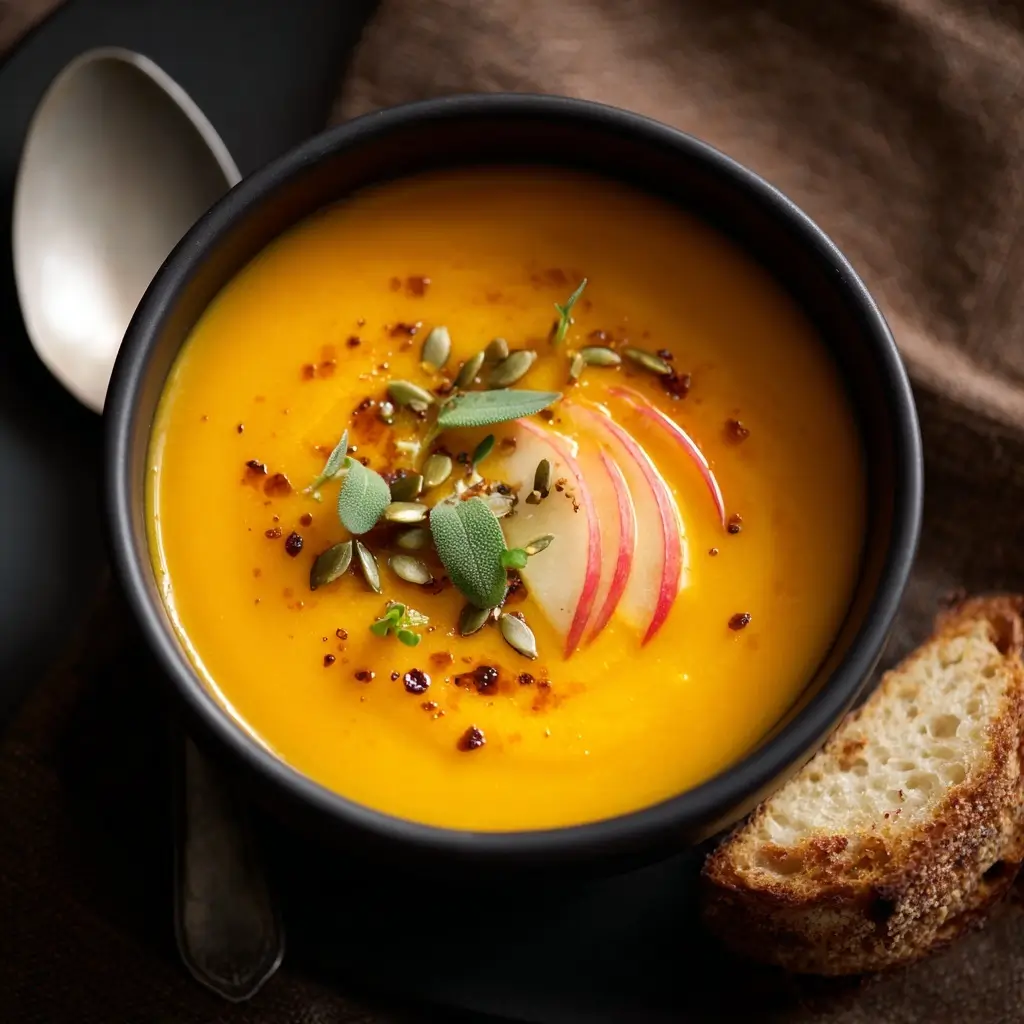
Apple Butternut Fall Soup: A Cozy, Comforting Classic for the Autumn Season
As the leaves turn golden and the air grows crisp, there’s nothing quite as comforting as a warm bowl of Apple Butternut Fall Soup. This seasonal favorite blends the natural sweetness of roasted butternut squash with the bright, tart freshness of apples, creating a harmonious balance that warms both body and soul. Whether served at a Sunday brunch, a cozy family dinner, or as a starter for Thanksgiving, this soup embodies the essence of fall in every spoonful. Creamy, aromatic, and subtly spiced, it’s a dish that invites you to slow down, savor the moment, and celebrate nature’s autumnal bounty.
The History of Apple Butternut Fall Soup
While Apple Butternut Fall Soup is a relatively modern creation, its roots stretch back through centuries of culinary tradition. Butternut squash, a cultivar of the winter squash species *Cucurbita moschata*, was first developed in the early 20th century by Charles Leggett, a horticulturist from Massachusetts. Its sweet, nutty flavor quickly made it a staple in American kitchens, especially during the colder months. Apples, on the other hand, have been cultivated for thousands of years, with origins tracing back to Central Asia. Their integration into savory dishes—particularly soups—gained popularity in European cuisines, where fruit and vegetable combinations were common in rustic peasant cooking.
The fusion of apple and squash likely emerged in the late 20th century as chefs and home cooks began exploring bold flavor pairings inspired by global cuisines and seasonal eating trends. The rise of farm-to-table movements and an emphasis on locally sourced, autumnal produce further cemented this soup’s place in modern American cuisine. Today, Apple Butternut Fall Soup is a celebrated recipe during harvest festivals, holiday gatherings, and farmer’s market menus across North America and beyond.
Ingredients Breakdown: What Makes This Soup So Special?
The magic of Apple Butternut Fall Soup lies in its carefully balanced ingredients—each contributing not only to flavor but also to texture, aroma, and nutrition. Here’s a detailed look at what goes into this delightful dish:
- Butternut Squash: The star of the show, this winter squash provides a naturally sweet, creamy base when roasted or simmered. High in fiber, vitamins A and C, and antioxidants, it gives the soup its velvety texture and rich orange hue.
- Apples: Use firm, slightly tart varieties like Granny Smith, Honeycrisp, or Braeburn. Apples add brightness and a subtle tang that cuts through the richness of the squash, enhancing overall complexity.
- Onion and Garlic: These aromatics build depth and warmth. Yellow onions caramelize beautifully, while garlic adds a pungent kick that mellows during cooking.
- Vegetable or Chicken Stock: Acts as the liquid foundation, infusing the soup with savory notes. For a vegetarian version, use high-quality vegetable broth; for richer flavor, opt for homemade chicken stock.
- Fresh Herbs: Thyme and rosemary are commonly used for their earthy, woodsy tones. Bay leaves can also be added during simmering and removed before blending.
- Spices: Ground cinnamon, nutmeg, and a pinch of cloves or allspice evoke classic fall baking flavors, tying the soup to seasonal desserts without making it overly sweet.
- Liquids: Many recipes include a splash of apple cider for acidity and depth, and either heavy cream, coconut milk, or half-and-half for creaminess. For a dairy-free option, cashew cream or oat milk works well.
- Fats: Olive oil or butter is used to sauté the vegetables, adding richness and helping to release fat-soluble nutrients from the squash.
Step-by-Step Recipe: How to Make Apple Butternut Fall Soup
Follow these detailed steps to create a restaurant-quality bowl of Apple Butternut Fall Soup right in your own kitchen:
- Prep the Vegetables: Peel and dice one medium butternut squash (about 2–3 pounds), removing seeds and fibrous parts. Core and chop 1–2 apples depending on size. Finely chop one medium yellow onion and mince 2–3 garlic cloves.
- Roast the Squash (Optional but Recommended): Preheat oven to 400°F (200°C). Toss cubed butternut squash with 1–2 tablespoons olive oil, salt, and pepper. Spread on a parchment-lined baking sheet and roast for 35–40 minutes, flipping halfway, until tender and caramelized. Roasting enhances sweetness and deepens flavor.
- Sauté the Aromatics: In a large pot or Dutch oven, heat 2 tablespoons olive oil or butter over medium heat. Add chopped onions and cook until translucent (about 5 minutes). Stir in garlic and cook for another minute until fragrant.
- Add Apples and Spices: Add the chopped apples, 1 teaspoon dried thyme, ½ teaspoon ground cinnamon, ¼ teaspoon ground nutmeg, and a pinch of ground cloves. Cook for 5–7 minutes, stirring occasionally, until apples begin to soften.
- Incorporate Liquids: Pour in 4–6 cups of vegetable or chicken stock, depending on desired consistency. Add the roasted butternut squash (or raw if skipping roasting) and one bay leaf. Bring to a boil, then reduce heat and simmer uncovered for 20–25 minutes, allowing flavors to meld.
- Blend Until Smooth: Remove the bay leaf. Use an immersion blender directly in the pot to purée the soup until silky. Alternatively, carefully transfer in batches to a countertop blender. Blend until completely smooth, returning to the pot if necessary.
- Finish with Cream and Seasoning: Stir in ½ cup heavy cream, coconut milk, or alternative. Taste and adjust seasoning—add salt, pepper, or a touch more cinnamon as needed. For extra brightness, stir in 1–2 tablespoons of apple cider or lemon juice.
- Serve Warm: Ladle into bowls and garnish generously (see suggestions below).
Tips for Perfect Apple Butternut Fall Soup Every Time
- Choose the Right Squash: Look for a butternut squash with a long neck and small bulb—this part has less seed cavity and more flesh. The skin should be firm and free of soft spots.
- Peeling Made Easy: Use a sharp vegetable peeler or a serrated knife. If using raw squash, microwaving it for 2–3 minutes can soften the skin slightly, making it easier to peel.
- Roasting vs. Boiling: Roasting concentrates flavors and adds caramelization, resulting in a deeper, more complex taste. Boiling is faster but may yield a milder flavor.
- Balance Sweetness with Acidity: If the soup tastes too sweet, add a splash of apple cider vinegar, lemon juice, or white wine vinegar to brighten it up.
- Control Thickness: Add more stock for a thinner, brothy consistency or simmer longer to reduce and thicken. The soup will thicken slightly upon cooling.
- Blending Safety: When using a countertop blender, never fill it more than halfway with hot liquid. Remove the center cap from the lid and cover with a towel to allow steam to escape safely.
- Make Ahead and Freeze: This soup stores exceptionally well. Cool completely, then refrigerate for up to 5 days or freeze in airtight containers for up to 3 months. Reheat gently on the stove.
Variations and Customizations
One of the greatest strengths of Apple Butternut Fall Soup is its adaptability. Here are some creative twists to suit different tastes and dietary needs:
- Curried Version: Add 1–2 teaspoons of curry powder or garam masala during the sauté step for an exotic twist. Garnish with toasted coconut flakes and cilantro.
- Vegan/Dairy-Free: Replace cream with full-fat coconut milk or cashew cream. Use olive oil instead of butter and ensure stock is plant-based.
- Protein Boost: Stir in cooked lentils, white beans, or shredded rotisserie chicken for a heartier meal.
- Smoky Flavor: Add a pinch of smoked paprika or chipotle powder for a warm, smoky depth that pairs beautifully with the sweetness.
- Grain-Inclusive: Serve over quinoa, farro, or wild rice for added texture and nutrition.
- Sweetness Adjustment: For a less sweet version, use only one apple or substitute with celery and carrots. For dessert-like versions, add maple syrup or brown sugar sparingly.
- Herb Variations: Swap thyme for sage, which complements both squash and apples beautifully, especially during Thanksgiving.
- Chunky Style: Reserve some roasted squash and apple chunks before blending, then stir them back in after puréeing for a rustic texture.
Health Considerations and Nutritional Value
Apple Butternut Fall Soup isn’t just delicious—it’s packed with nutrients that support overall health. Here’s why this soup deserves a regular spot in your meal rotation:
- Rich in Vitamin A: Butternut squash is loaded with beta-carotene, which the body converts to vitamin A—an essential nutrient for vision, immune function, and skin health.
- High in Fiber: Both squash and apples contain soluble and insoluble fiber, promoting digestive health, regulating blood sugar, and supporting satiety.
- Antioxidant Powerhouse: Apples provide quercetin and other polyphenols that combat oxidative stress and inflammation.
- Low in Calories (When Prepared Wisely): Without excessive cream or sugar, a serving of this soup can be under 200 calories, making it ideal for weight-conscious diets.
- Heart Healthy Fats: Using olive oil contributes monounsaturated fats, which are beneficial for cardiovascular health.
- Immune Support: Garlic and spices like cinnamon and nutmeg have antimicrobial and anti-inflammatory properties.
- Dietary Flexibility: Naturally gluten-free and easily made vegan, paleo, or Whole30-compliant with minor substitutions.
Nutritional Estimate per Serving (approx. 1.5 cups, with cream):
Calories: 220 | Carbohydrates: 32g | Protein: 4g | Fat: 9g (Saturated: 4g) | Fiber: 6g | Sugar: 18g | Vitamin A: 280% DV | Vitamin C: 60% DV | Sodium: 600mg (varies by broth)
Ingredients
- 1 medium butternut squash (2–3 lbs), peeled, seeded, and cubed
- 2 medium apples (e.g., Honeycrisp or Granny Smith), cored and chopped
- 1 large yellow onion, diced
- 3 garlic cloves, minced
- 2 tbsp olive oil or unsalted butter
- 4–6 cups low-sodium vegetable or chicken stock
- 1 tsp dried thyme (or 1 sprig fresh)
- 1 bay leaf
- ½ tsp ground cinnamon
- ¼ tsp ground nutmeg
- Pinch of ground cloves or allspice (optional)
- ½ cup heavy cream, coconut milk, or half-and-half
- 2 tbsp apple cider or lemon juice (for brightness)
- Salt and freshly ground black pepper, to taste
Directions
- Preheat oven to 400°F (200°C). Toss cubed butternut squash with 1 tbsp olive oil, salt, and pepper. Spread on a baking sheet and roast for 35–40 minutes, until fork-tender and lightly browned. Set aside.
- In a large pot, heat remaining olive oil or butter over medium heat. Add onions and sauté for 5 minutes until translucent.
- Add garlic and cook for 1 minute until fragrant.
- Stir in chopped apples, thyme, cinnamon, nutmeg, and cloves. Cook for 5–7 minutes, allowing apples to soften slightly.
- Pour in 4 cups of stock, add the roasted squash, and drop in the bay leaf. Bring to a boil, then reduce to a simmer. Cook uncovered for 20 minutes, stirring occasionally.
- Remove bay leaf. Use an immersion blender to puree the soup until smooth. (For a chunkier texture, blend partially.)
- Stir in cream or coconut milk. Add additional stock if the soup is too thick. Simmer gently for 5 more minutes.
- Season with salt, pepper, and apple cider or lemon juice. Adjust spices to taste.
- Serve hot with your choice of garnishes.
FAQ
Can I make this soup without cream?
Yes! Substitute with coconut milk, cashew cream, Greek yogurt (stirred in off-heat), or omit entirely for a lighter version. The natural creaminess of the squash will still provide a satisfying texture.
Can I use frozen butternut squash?
Absolutely. While fresh is preferred, frozen cubed butternut squash works in a pinch. Sauté briefly to remove excess moisture before adding liquids.
Is this soup freezer-friendly?
Yes. Cool completely and store in airtight containers or freezer bags for up to 3 months. Thaw overnight in the fridge and reheat gently on the stove, adding a splash of stock if needed.
What can I serve with Apple Butternut Fall Soup?
Pair it with crusty bread, grilled cheese sandwiches, kale salad with walnuts, or roasted turkey. It also makes an elegant starter for holiday dinners.
Can I make this in a slow cooker?
Yes. Sauté onions, garlic, apples, and spices first, then transfer to a slow cooker with roasted or raw squash and stock. Cook on low for 6–8 hours, blend, then stir in cream before serving.
How do I prevent the soup from becoming too sweet?
Use a tart apple variety, reduce added sweeteners, and enhance savory notes with herbs, garlic, and a splash of vinegar or citrus juice.
Summary
Apple Butternut Fall Soup is a luscious, seasonal masterpiece that celebrates the best of autumn with creamy butternut squash, crisp apples, and warming spices. Hearty yet healthy, easy to customize, and perfect for gatherings or quiet nights in, it’s comfort food at its finest.