
Introduction
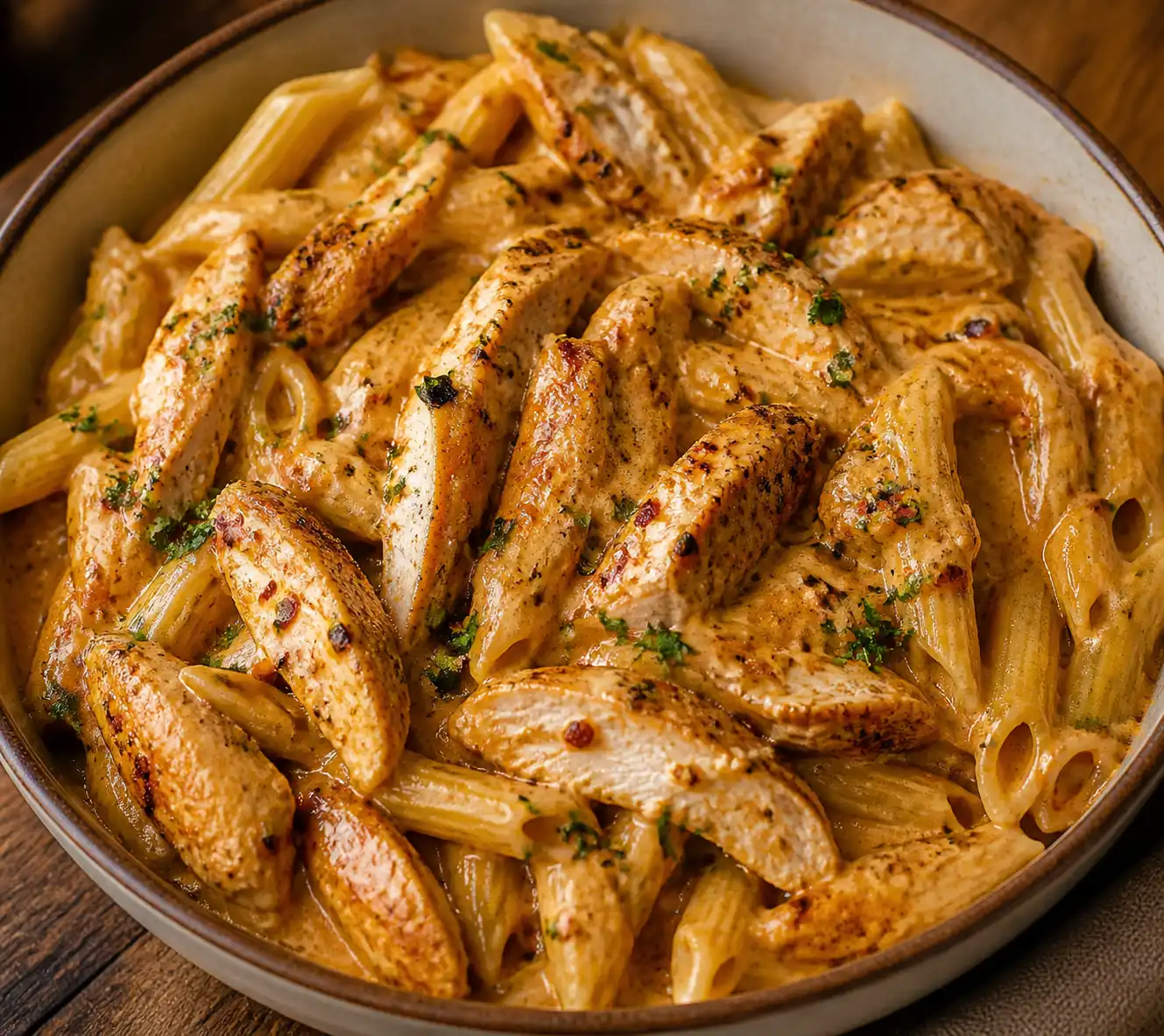
Creamy Cowboy Butter Chicken Pasta is a bold, restaurant-worthy weeknight dinner that marries the rustic charm of Southern and Tex-Mex flavors with the comforting richness of creamy pasta. Imagine tender, herb-infused chicken breast or thighs nestled in a luxuriously smooth, golden-brown butter sauce—deepened with garlic, smoky paprika, a whisper of heat from cayenne, and a bright finish of fresh herbs—all tossed with perfectly al dente pasta and crowned with sharp cheddar or crumbled cotija. It’s not just a meal; it’s an experience—a harmonious blend of savory, creamy, slightly spicy, and subtly sweet notes that lingers on the palate long after the last bite. Whether you’re feeding a hungry family, impressing guests at a casual dinner party, or treating yourself to something deeply satisfying yet surprisingly simple to prepare, this dish delivers big flavor without demanding professional technique or hours in the kitchen.
The History
While “Cowboy Butter” itself is a relatively modern culinary phenomenon born from social media food trends circa 2019–2020, its roots run deep into American culinary tradition. The concept draws direct inspiration from classic Southern and Southwestern staples: the rich, browned butter sauces of Louisiana Creole cooking; the spice-forward rubs and gravies of Texas barbecue culture; and the hearty, one-pot pasta dishes popularized by home cooks seeking efficiency without sacrificing soul. “Cowboy Butter” originally referred to a compound butter—often made with melted butter, roasted garlic, smoked paprika, brown sugar, cayenne, Worcestershire, and fresh herbs—slathered over grilled steaks or corn on the cob. Chefs and home cooks quickly realized its versatility, adapting it into pan sauces, finishing drizzles, and even marinades. The fusion with chicken and pasta emerged organically as a natural evolution—leveraging the butter’s emulsifying power to create a velvety, cohesive sauce that clings beautifully to protein and noodles alike. Though not tied to any single region or historical cookbook, Creamy Cowboy Butter Chicken Pasta embodies the spirit of American comfort food innovation: resourceful, flavorful, unpretentious, and endlessly adaptable.
Ingredients Breakdown
Every element in this recipe serves a distinct purpose—no filler, no fluff. Here’s why each ingredient matters:
- Chicken Breast or Thighs: Boneless, skinless chicken breasts offer lean tenderness, while thighs provide superior juiciness and deeper flavor—especially important when searing and deglazing. Both work well, but thighs are more forgiving during high-heat cooking.
- Pasta (Fusilli, Penne, or Casarecce): Short, ridged, or twisted shapes trap the thick, clingy sauce far better than long noodles. Fusilli’s spirals hold pockets of buttery goodness; penne’s hollow tubes capture herb-speckled cream; casarecce’s hand-rolled curls offer textural intrigue and superior sauce adhesion.
- Unsalted Butter (High-Quality, European-Style Preferred): The star of the show. Unsalted gives you full control over sodium levels. European-style butter (82–86% fat) browns more evenly, develops richer nutty notes, and contributes superior mouthfeel and emulsification in the final sauce.
- Heavy Cream (or Full-Fat Coconut Milk for Dairy-Free): Adds luxurious body, balances acidity, and stabilizes the emulsion. Lower-fat alternatives like half-and-half or whole milk will thin the sauce significantly and increase risk of breaking or curdling.
- Garlic (Fresh, Minced or Pressed): Fresh garlic provides pungent depth and aromatic complexity that powdered or jarred versions simply cannot replicate. Browning it gently in butter unlocks sweet, caramelized undertones.
- Smoked Paprika (Sweet or Hot, Not Regular Paprika): This is non-negotiable. Smoked paprika delivers the signature “campfire” essence—earthy, woodsy, and warm—without actual smoke. Sweet offers depth; hot adds layered heat. Regular paprika lacks the essential smokiness.
- Worcestershire Sauce: A fermented umami bomb containing tamarind, molasses, anchovies, and vinegar. It adds savory complexity, subtle tang, and a mysterious “something extra” that makes the sauce taste like it’s been simmering for hours.
- Brown Sugar (Light or Dark): Not for sweetness alone—it balances heat and acidity, enhances browning via the Maillard reaction, and helps round out the sharp edges of mustard and vinegar in Worcestershire.
- Fresh Herbs (Parsley, Chives, or Cilantro): Added at the very end to preserve volatile oils and brightness. Flat-leaf parsley offers clean, grassy notes; chives lend mild oniony freshness; cilantro adds a zesty, citrusy lift—ideal for Tex-Mex interpretations.
- Sharp Cheddar, Gruyère, or Cotija Cheese (Optional but Highly Recommended): A finishing grating adds salty, nutty, or briny contrast that cuts through richness and adds textural dimension. Cotija brings authentic Mexican flair; aged cheddar offers nostalgic Americana; Gruyère lends Alpine sophistication.
- Red Pepper Flakes & Cayenne Pepper: Layered heat—flakes give gentle, lingering warmth and visual texture; cayenne delivers immediate, clean fire. Adjust to your tolerance, but never omit both—they’re key to the “cowboy” edge.
- Chicken Stock (Low-Sodium, Homemade Preferred): Used sparingly to deglaze the pan and lift fond—the caramelized bits clinging to the skillet—that contain concentrated meaty, savory flavor. Low-sodium prevents oversalting when combining with Worcestershire and cheese.
- Lemon Juice (Freshly Squeezed, Added Off-Heat): The secret balancing agent. A small splash (½–1 tsp) brightens the entire dish, cutting through fat and rounding out the flavor profile—like adding a pinch of salt to chocolate cake.
Step-by-Step Recipe
- Prep & Marinate (15 minutes, optional but recommended): Pat chicken dry with paper towels. Season generously with salt, black pepper, smoked paprika, garlic powder, and a pinch of cayenne. Let rest at room temperature for 10–15 minutes—or marinate up to 2 hours in the fridge for deeper penetration. Meanwhile, cook pasta according to package directions until *just* al dente (1 minute less than recommended), reserving 1 cup of starchy pasta water before draining. Rinse only if using immediately; otherwise, toss with a teaspoon of olive oil to prevent sticking.
- Sear the Chicken (6–8 minutes): Heat 1 tbsp neutral oil (avocado or grapeseed) in a large, heavy-bottomed stainless steel or cast-iron skillet over medium-high heat until shimmering. Add chicken in a single layer without crowding. Cook undisturbed for 4–5 minutes until deeply golden and easily releases from pan. Flip and cook 2–3 minutes more until internal temperature reaches 160°F (71°C). Transfer to a clean plate, tent loosely with foil, and let rest 5 minutes (carryover cooking will bring it to 165°F).
- Build the Cowboy Butter Base (5 minutes): Reduce heat to medium-low. In the same skillet (do not wipe—those browned bits are gold!), melt 4 tbsp unsalted butter. Once foaming subsides, add minced garlic and sauté 30 seconds until fragrant—do not brown or burn. Stir in 1 tsp smoked paprika, ¼ tsp cayenne, ½ tsp brown sugar, 1 tsp Worcestershire, and a pinch of red pepper flakes. Cook 1 minute, stirring constantly, to bloom spices and caramelize sugar.
- Emulsify the Sauce (4 minutes): Pour in ½ cup low-sodium chicken stock, scraping vigorously with a wooden spoon to release all fond. Simmer 1 minute. Whisk in ⅔ cup heavy cream, then reduce heat to low. Simmer gently—do not boil vigorously—for 2–3 minutes until slightly thickened and glossy. Taste and adjust: more cayenne for heat, lemon juice for brightness, brown sugar for balance, or Worcestershire for savoriness.
- Combine & Finish (3 minutes): Slice rested chicken into ½-inch strips or bite-sized pieces. Add to sauce along with drained pasta. Gently fold together over low heat for 1–2 minutes, adding reserved pasta water 1 tbsp at a time until sauce coats noodles luxuriously. Stir in 2 tbsp chopped fresh parsley and 1 tsp lemon juice. Remove from heat.
- Rest & Serve (2 minutes): Let stand 1–2 minutes—this allows starches to absorb sauce and flavors to meld. Taste one last time for seasoning. Garnish generously with additional parsley, a dusting of smoked paprika, a sprinkle of crumbled cotija or sharp cheddar, and a final drizzle of high-quality extra-virgin olive oil for sheen and fruitiness.
Tips
- Dry Chicken = Better Sear: Moisture is the enemy of browning. Always pat chicken *thoroughly* dry—even between folds—with paper towels before seasoning.
- Don’t Rush the Butter: Browning butter takes patience. Melt over medium-low, swirl occasionally, and watch for golden-brown specks and a nutty aroma—not dark brown or burnt. If it smells acrid, start over—it will ruin the sauce.
- Reserve That Pasta Water: The starchy liquid is liquid gold for adjusting consistency. It helps bind fat and liquid into a cohesive, silky emulsion—not just thinning, but *enhancing* texture.
- Acid Is Your Ally: Lemon juice added *off-heat* preserves its vibrant character. Adding it too early or boiling it dulls brightness. Same goes for a tiny splash of apple cider vinegar if lemon isn’t available.
- Low & Slow for Cream: Heavy cream can separate if boiled rapidly. Keep the sauce at a bare simmer or low bubble—gentle heat ensures stability and creaminess.
- Rest the Chicken: Skipping the 5-minute rest leads to dry, stringy chicken. Resting lets juices redistribute throughout the meat for maximum succulence.
- Taste As You Go: Cowboy Butter is highly customizable. After each addition (Worcestershire, cayenne, sugar), pause and taste. Your palate—not the recipe—is the ultimate guide.
- Cast Iron Advantage: Retains heat beautifully for consistent searing and even sauce reduction. If using nonstick, avoid high heat for browning and switch to stainless for sauce-building to maximize fond.
- Double the Butter Base: Make a double batch of the cowboy butter mixture (without cream or pasta), cool, and freeze in ice cube trays. Pop out cubes and store in freezer bags for instant flavor boosts in future sautés, roasted vegetables, or grilled meats.
- Toast Your Spices: For even deeper flavor, toast whole smoked paprika and cumin seeds (¼ tsp) in dry skillet 1 minute before grinding. Adds remarkable complexity.
Variations and Customizations
This recipe is a canvas—not a cage. Embrace creativity while honoring its core principles:
- Vegetarian Cowboy Butter Pasta: Swap chicken for crispy roasted cauliflower florets, sautéed portobello slices, or pan-seared halloumi. Boost umami with sun-dried tomatoes, white miso paste (½ tsp whisked into cream), or nutritional yeast.
- Seafood Twist: Replace chicken with seared scallops or shrimp. Add 1 tbsp Old Bay seasoning to the butter base and finish with dill and capers instead of parsley.
- Tex-Mex Fiesta Style: Add black beans, fire-roasted corn, diced jalapeños, and a swirl of chipotle crema. Top with crushed tortilla chips and pickled red onions.
- Italian-Inspired Cowboy Butter: Use rosemary instead of parsley, swap Worcestershire for balsamic glaze, add sun-dried tomatoes and toasted pine nuts, and finish with grated Pecorino Romano.
- Breakfast Pasta Remix: Add a fried or poached egg on top, crumbled crispy bacon, and chives. Serve with hot sauce on the side.
- Gluten-Free Adaptation: Use certified GF pasta (brown rice, chickpea, or lentil-based) and ensure Worcestershire is GF (Lea & Perrins U.S. version contains malt vinegar; GF brands include The Wizard’s or Annie’s Organic).
- Dairy-Free / Vegan Version: Substitute high-fat coconut milk (full-fat canned, shaken well) for heavy cream; use vegan butter (Miyoko’s or Earth Balance); replace chicken with marinated and grilled tempeh or king oyster mushrooms; finish with lime instead of lemon and cilantro instead of parsley.
- Meal Prep Friendly: Cook chicken and sauce separately. Store sauce (without pasta) in airtight container up to 5 days refrigerated or 3 months frozen. Reheat gently with splash of broth, then toss with freshly cooked pasta.
- Spice Level Spectrum: Mild: Omit cayenne, halve red pepper flakes, add 1 tbsp honey. Medium: As written. Hot: Double cayenne, add 1 finely minced serrano, finish with pickled jalapeño brine. Nuclear: Infuse butter with ghost pepper oil (1 drop!) or stir in chipotle-in-adobo paste.
- Pasta Alternatives: Zucchini noodles (add raw at the end), spaghetti squash (roast ahead), shirataki noodles (rinse well), or even creamy polenta as a base instead of pasta.
Health Considerations and Nutritional Value
Creamy Cowboy Butter Chicken Pasta sits proudly in the “indulgent but intentional” category—rich in flavor and satiety, yet nutritionally thoughtful when prepared mindfully. A standard serving (1⅓ cups cooked pasta + 4 oz chicken + full sauce) contains approximately 620–680 calories, with 32–38g protein, 42–48g carbohydrates (of which 2–3g fiber), and 34–39g total fat (21–24g saturated). Key health insights:
- Protein Powerhouse: Chicken provides complete, high-biological-value protein essential for muscle maintenance, immune function, and satiety. Thighs offer more iron and B12 than breasts.
- Smart Fat Profile: While butter and cream contribute saturated fat, they also deliver fat-soluble vitamins (A, D, E, K) and butyrate—a short-chain fatty acid linked to gut health. Using grass-fed butter increases omega-3s and CLA (conjugated linoleic acid).
- Antioxidant-Rich Spices: Smoked paprika is loaded with capsanthin (a potent carotenoid), garlic contains allicin (anti-inflammatory), and cayenne boasts capsaicin (metabolism-supportive and pain-modulating).
- Umami Without MSG: Worcestershire and browned fond naturally elevate savory depth—reducing need for excess salt while enhancing flavor perception.
- Lower-Sodium Swaps: Use low-sodium stock, skip added table salt until tasting, and rely on herbs, citrus, and spice for flavor volume. Cotija and aged cheddar are saltier than mozzarella—use sparingly.
- Gut-Friendly Notes: Garlic and onions (if added) act as prebiotics. Lemon juice supports digestion and nutrient absorption (especially iron from chicken).
- Portion Wisdom: Serve with a large side salad (mixed greens, cherry tomatoes, avocado, lemon-tahini dressing) or roasted seasonal vegetables (asparagus, broccoli, bell peppers) to boost fiber, micronutrients, and volume without excess calories.
- For Blood Sugar Balance: Pair with a source of healthy fat (avocado, nuts) and fiber (non-starchy veg) to slow glucose response. Opt for whole-grain or legume-based pasta to increase fiber to 6–8g per serving.
- Allergen Awareness: Naturally gluten-free if using GF pasta and verifying Worcestershire. Contains dairy (butter, cream, cheese)—substitutions noted above. Tree nut–free, soy-free (check Worcestershire labels), and egg-free unless using egg-based pasta.
- Heart-Healthy Tweaks: Replace half the butter with heart-healthy extra-virgin olive oil; use light coconut milk (though texture suffers); increase garlic to 4 cloves; add 1 tbsp ground flaxseed to sauce for omega-3s and thickness.
Ingredients
- 1 lb boneless, skinless chicken breasts or thighs, cut into 1-inch pieces
- 12 oz short pasta (fusilli, penne, or casarecce preferred)
- 6 tbsp unsalted, high-fat European-style butter, divided
- 2 tbsp neutral high-heat oil (avocado, grapeseed, or refined coconut)
- 4 cloves garlic, finely minced (about 1 tbsp)
- 1½ tsp smoked paprika (sweet or hot)
- ½ tsp cayenne pepper (adjust to taste)
- 1 tsp brown sugar (light or dark)
- 1½ tbsp Worcestershire sauce (gluten-free if needed)
- ½ tsp red pepper flakes
- ¾ cup low-sodium chicken stock
- ⅔ cup heavy cream (or full-fat canned coconut milk for dairy-free)
- 1 tsp freshly squeezed lemon juice (added off-heat)
- Kosher salt and freshly ground black pepper to taste
- ¼ cup fresh flat-leaf parsley, finely chopped (plus extra for garnish)
- ¼ cup crumbled cotija, sharp cheddar, or grated Gruyère (optional but recommended)
- Extra-virgin olive oil, for finishing drizzle
Directions
- Bring a large pot of well-salted water to a rolling boil. Cook pasta according to package instructions until *al dente*. Reserve 1 cup of starchy pasta water, then drain pasta thoroughly. Toss lightly with 1 tsp olive oil if not using immediately.
- Pat chicken pieces extremely dry with paper towels. Season generously with salt, black pepper, ½ tsp smoked paprika, and a pinch of cayenne. Let sit at room temperature 10 minutes.
- Heat oil in a large, heavy-bottomed skillet (12-inch minimum) over medium-high heat until shimmering. Add chicken in a single layer—do not crowd. Sear 4–5 minutes undisturbed until deeply golden, flip, and cook 2–3 minutes more until just cooked through (160°F internal). Transfer to a plate, tent with foil, and rest 5 minutes.
- Reduce heat to medium-low. Add 4 tbsp butter to same skillet. Once melted and foaming subsides, add garlic and sauté 30 seconds until fragrant. Stir in remaining 1 tsp smoked paprika, ½ tsp cayenne, brown sugar, Worcestershire, and red pepper flakes. Cook 1 minute, stirring constantly.
- Pour in chicken stock, scraping bottom vigorously to lift all browned bits. Simmer 1 minute. Whisk in heavy cream. Reduce heat to low and simmer gently 2–3 minutes until slightly thickened and glossy—do not boil rapidly.
- Slice rested chicken. Add to sauce along with drained pasta. Fold gently over low heat 1–2 minutes, adding reserved pasta water 1 tbsp at a time until sauce is velvety and coats noodles completely.
- Remove from heat. Stir in lemon juice and chopped parsley. Taste and adjust seasoning—more salt? More cayenne? A touch more lemon?
- Let rest 1–2 minutes. Serve immediately in warmed bowls, garnished with extra parsley, a dusting of smoked paprika, crumbled cheese, and a generous drizzle of extra-virgin olive oil.
FAQ
- Can I make this ahead of time?
- Absolutely—but best assembled fresh. Cook pasta and chicken separately up to 3 days ahead; store chilled. Make sauce (steps 4–5) up to 5 days ahead or freeze up to 3 months. Reheat sauce gently with a splash of stock or cream, then combine with freshly warmed pasta and chicken. Avoid reheating fully assembled dish—it can become gummy.
- Why does my sauce break or look greasy?
- Most commonly caused by overheating the cream (boiling instead of simmering), adding cold cream to hot butter, or insufficient emulsification time. Fix it by removing from heat, whisking vigorously, then slowly whisking in 1 tbsp hot pasta water or stock. Next time, warm cream slightly before adding and keep heat low.
- Can I use pre-cooked rotisserie chicken?
- Yes! Save time by shredding 2 cups rotisserie chicken. Skip searing step and add shredded chicken in step 6—just warm through in sauce (30–60 seconds) to avoid drying out. Reduce cooking time accordingly.
- Is there a lighter version without heavy cream?
- You can substitute with evaporated milk (lower fat but still creamy), silken tofu blended with lemon and nutritional yeast (for vegan), or a roux-thickened milk sauce (2 tbsp butter + 2 tbsp flour cooked 2 min + 1 cup warmed whole milk). Texture will differ—cream is irreplaceable for true luxury.
- What’s the best pasta water ratio if my sauce is too thick?
- Start with 1 tbsp reserved water, stir well, and assess. You can add up to ¼ cup total. Too much water dilutes flavor—better to add gradually and stop when sauce clings luxuriously to pasta without pooling.
- Can I freeze this dish?
- Freeze components separately: cooked chicken (3 months), cooled sauce (3 months), cooked pasta (2 months—toss with oil first). Never freeze fully assembled—pasta becomes mushy upon thawing/reheating. Reheat sauce and chicken, then toss with freshly cooked pasta.
- My family doesn’t like spice—can I omit cayenne and red pepper flakes?
- Yes—but don’t skip them entirely if you want authentic “cowboy” depth. Instead, reduce cayenne to ⅛ tsp and omit flakes. Boost complexity with ¼ tsp ground cumin or a dash of liquid smoke (½ drop!) for smokiness without heat.
- What wine pairs well with this dish?
- A medium-bodied, fruit-forward red with soft tannins complements the richness: try a Grenache, Zinfandel, or Spanish Monastrell. For white lovers, an oaked Chardonnay or Viognier stands up to the butter and spice. Non-alcoholic: sparkling apple cider or hibiscus-ginger shrub.
- Can I cook this in an Instant Pot or slow cooker?
- Stovetop yields best texture—but you can adapt: Sear chicken using Sauté mode, then pressure cook with ½ cup broth 5 minutes. Release, remove chicken, make sauce in same pot using Sauté mode. Slow cooker isn’t ideal—cream may separate—but you can cook chicken + spices + broth 3–4 hrs low, shred, then finish sauce on stove.
- Why does my garlic taste bitter?
- Burning garlic causes bitterness. Always sauté over medium-low heat, stir constantly, and remove from heat if it begins browning rapidly. Mince finely so it cooks evenly—avoid pressing garlic if using a press that generates heat/friction.
Summary
Creamy Cowboy Butter Chicken Pasta is a masterclass in balanced indulgence—featuring seared chicken enveloped in a deeply flavorful, velvety sauce built from browned butter, smoked paprika, Worcestershire, and fresh herbs, all clinging luxuriously to perfectly cooked pasta. It’s a versatile, restaurant-caliber dish that’s surprisingly approachable, endlessly customizable, and packed with intentional nutrition—proving that bold flavor and mindful eating can live deliciously in the same bowl.
With its roots in American comfort food ingenuity and its future in your weekly rotation, this recipe delivers big satisfaction, memorable taste, and the kind of warmth that turns a simple dinner into a cherished moment—every single time.