
Introduction
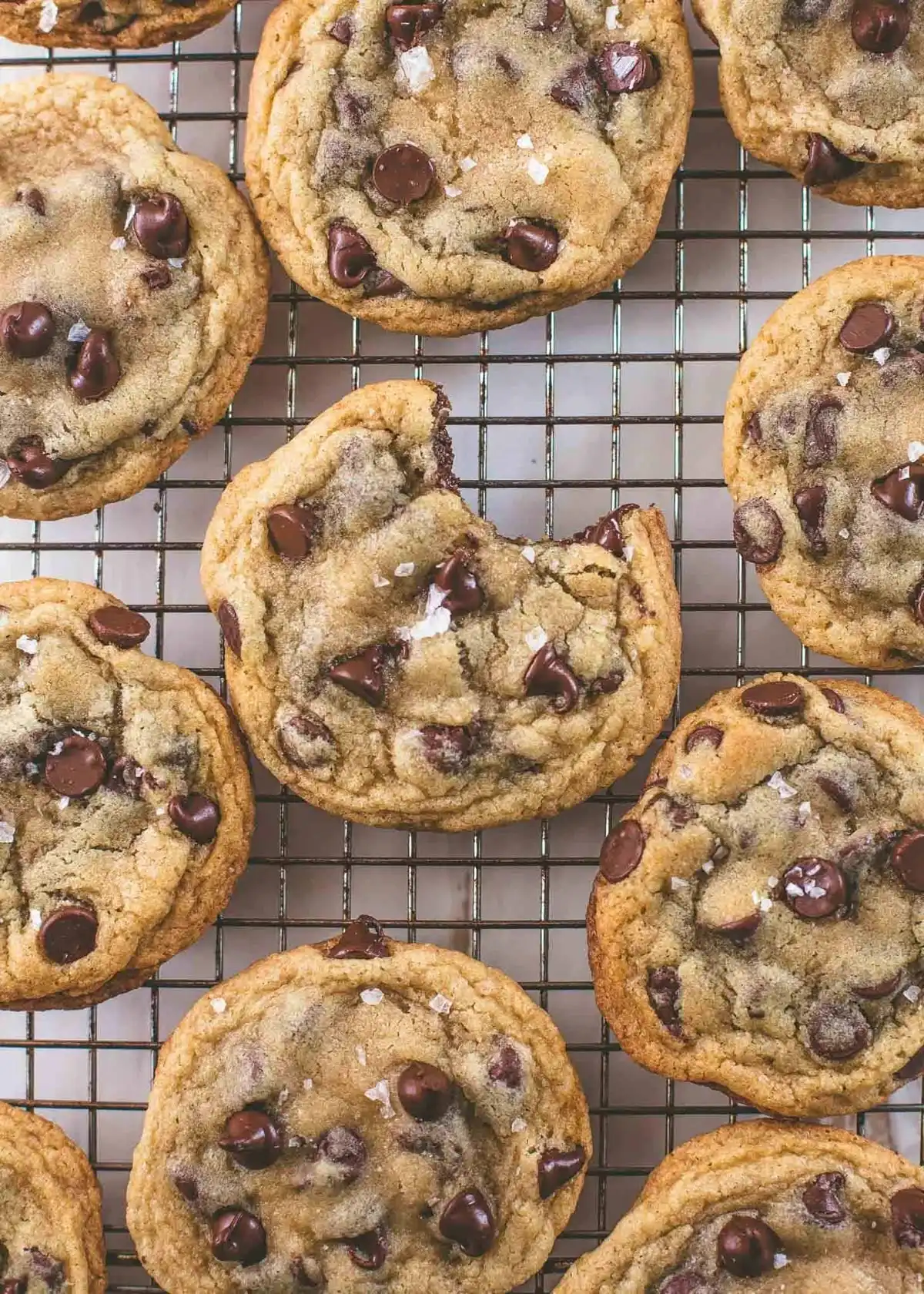
There’s a universal truth beloved by bakers and cookie enthusiasts alike: the perfect chocolate chip cookie strikes an irresistible balance—crisp at the edges, delightfully chewy in the center, with pockets of molten chocolate that linger on the tongue. Crispy and chewy chocolate chip cookies aren’t just a dessert; they’re an emotional experience—a warm hug from childhood, a reward after a long day, or the centerpiece of a shared moment around the kitchen counter. This meticulously crafted guide goes beyond the basics to explore every nuance behind achieving that ideal textural harmony: from the science of sugar ratios and flour hydration to the transformative power of resting time, oven thermodynamics, and ingredient temperature. Whether you’re a novice baker seeking foolproof success or a seasoned enthusiast chasing cookie perfection, this comprehensive resource delivers actionable insight, real-world troubleshooting, and deeply rooted culinary wisdom—all centered on one singular, glorious goal: baking cookies that shatter gently at the rim, yield tenderly at the core, and leave you reaching for just one more.
The History
The origin story of the chocolate chip cookie is as iconic—and slightly serendipitous—as the cookie itself. In 1938, Ruth Wakefield, owner of the Toll House Inn in Whitman, Massachusetts, was preparing her popular Butter Drop Do cookies for guests when she ran out of baker’s chocolate. Rather than halt production, she chopped up a Nestlé semi-sweet chocolate bar, expecting the pieces to melt evenly into the dough like cocoa powder or melted chocolate would. To her surprise—and to the delight of generations to come—the morsels held their shape, creating distinct, gooey pockets embedded in a rich, buttery base. The resulting “Toll House Chocolate Crunch Cookie” became an instant sensation, so much so that Nestlé struck a deal with Wakefield: in exchange for the right to print her recipe on their chocolate bar wrappers, Nestlé would supply her inn with all the chocolate she needed—free of charge. By 1939, Nestlé launched the first-ever pre-formed chocolate chips, branded as “Nestlé Toll House Real Semi-Sweet Chocolate Morsels.” What began as a pragmatic substitution evolved into a cultural cornerstone of American baking—one that has since been endlessly reinterpreted across continents, cuisines, and kitchens. Yet despite decades of innovation—from brown butter renditions to matcha-infused twists—the foundational quest remains unchanged: mastering the delicate equilibrium between crispness and chew. That duality is not accidental—it’s the result of precise ingredient interaction, controlled heat transfer, and thoughtful technique honed over eighty-five years of collective experimentation.
Ingredients Breakdown
Every ingredient in a crispy-chewy chocolate chip cookie plays a deliberate, non-negotiable role—not just in flavor, but in structure, moisture retention, spread control, and caramelization potential. Understanding *why* each component is included—and how substitutions alter outcomes—is essential to consistent success:
- Unsalted Butter (1 cup / 2 sticks / 227g): Provides richness, tenderness, and flakiness when creamed properly. Its water content contributes steam during baking (aiding rise), while its fat coats flour proteins, limiting gluten development for chewiness. Using unsalted butter ensures full control over sodium levels and avoids inconsistent salt distribution found in salted varieties. Temperature is critical: cool but pliable (65–68°F / 18–20°C) yields optimal creaming—too cold prevents proper aeration; too warm causes greasiness and excessive spread.
- Brown Sugar (¾ cup packed / 150g): The secret weapon for chew. Its natural molasses content adds moisture, acidity (which softens gluten), and deep caramel notes. Dark brown sugar (6.5% molasses) enhances chew and richness more than light brown (3.5%), but both work. Packing it firmly ensures accurate volume and moisture contribution.
- Granulated Sugar (½ cup / 100g): Promotes spreading and crispness through rapid caramelization at high heat. It also draws moisture from the dough surface, accelerating crust formation. Its neutral sweetness balances the robustness of brown sugar without competing for attention.
- Large Eggs (2, room temperature): Act as emulsifiers and structural binders. The yolks add fat and lecithin for tenderness and chew; the whites provide protein for slight lift and stability. Room temperature eggs incorporate more uniformly into the creamed butter-sugar mixture, preventing curdling and ensuring a homogeneous batter.
- Pure Vanilla Extract (2 tsp): Not merely flavoring—vanilla’s alcohol content helps carry volatile aromatic compounds, enhancing perceived sweetness and complexity. Imitation vanilla lacks depth and can introduce off-notes under high heat.
- All-Purpose Flour (2¼ cups / 280g, spooned & leveled): The structural backbone. Protein content (~10–11%) provides just enough gluten for cohesion without toughness. Overmixing activates gluten excessively, leading to dense, tough cookies—so mixing stops *the moment* no dry streaks remain. Spooning and leveling (not scooping) prevents compaction and over-measurement, which is the #1 cause of dry, crumbly cookies.
- Baking Soda (1 tsp): A fast-acting alkaline leavener that reacts immediately with acidic components (molasses in brown sugar, yogurt if used, or even natural cocoa acidity) to produce carbon dioxide. This creates subtle lift and encourages spread—critical for thin, crisp edges. Unlike baking powder, it leaves no residual bitterness when balanced correctly.
- Sea Salt (1 tsp fine or 1¼ tsp flaky): Enhances all other flavors, suppresses bitterness, and strengthens gluten bonds slightly for improved chew. Kosher or fine sea salt integrates seamlessly; coarse flakes are reserved for finishing. Under-salting is far more common—and detrimental—than over-salting.
- Chocolate Chips or Chunks (2 cups / 340g): High-quality 60–70% cacao semi-sweet or bittersweet chocolate is recommended for balanced sweetness and complex flavor. Chips contain stabilizers for shape retention; chopped chocolate bars offer superior melt and texture variation. Freezing chocolate pieces for 15 minutes before adding prevents premature melting during mixing and ensures distinct, generous pockets.
Why not substitute ingredients lightly? Swapping brown sugar for coconut sugar reduces moisture and alters pH, diminishing chew. Using bread flour increases gluten, yielding tougher cookies. Replacing butter with margarine introduces water and emulsifiers that destabilize structure and promote greasy spread. Each element is calibrated—not arbitrary.
Step-by-Step Recipe
- Prepare & Chill Ingredients: Remove butter from fridge 45–60 minutes ahead. Measure flour correctly (spoon into cup, level with knife). Weigh sugars and chocolate for precision. Freeze chocolate pieces for 15 minutes. Preheat oven to 375°F (190°C) with racks positioned in upper and lower thirds. Line two large baking sheets with parchment paper—never silicone mats for crispness (they insulate heat); never greased surfaces (causes uncontrolled spread).
- Cream Butter & Sugars: In a stand mixer fitted with paddle attachment (or large bowl + hand mixer), beat cool, cubed butter, brown sugar, and granulated sugar on medium-high for 3–4 minutes until pale, fluffy, and visibly increased in volume. Scrape bowl thoroughly halfway. Proper creaming incorporates air bubbles that expand during baking—essential for lift and airy crisp edges.
- Incorporate Wet Ingredients: Add eggs one at a time, beating on medium for 30 seconds after each addition until fully emulsified. Add vanilla and mix 15 seconds more. Batter should be smooth, glossy, and cohesive—not broken or oily.
- Combine Dry Ingredients: In separate bowl, whisk together flour, baking soda, and salt until fully homogenized. Sifting is optional but helpful for eliminating lumps.
- Gradually Mix Dry into Wet: Reduce mixer speed to low. Add dry ingredients in three equal additions, mixing only until *just combined* after each—approximately 15–20 seconds per addition. Overmixing develops gluten, resulting in rubbery chew instead of tender chew. Stop immediately when no dry flour remains—even if small streaks appear, residual mixing during folding will finish it.
- Fold in Chocolate: Using a sturdy silicone spatula, gently fold in frozen chocolate pieces until evenly distributed. Avoid stirring vigorously—preserve air bubbles created during creaming.
- Chill Dough (Non-Negotiable Step): Cover bowl tightly and refrigerate for *minimum 2 hours, ideally 24–36 hours*. Cold dough solidifies butter, slowing melt during initial oven exposure—this delays spread, allowing cookies to set before flattening. Extended chilling (overnight+) also allows flour to fully hydrate and sugars to dissolve, yielding richer flavor, deeper color, and intensified chew. Dough may firm significantly—let sit at room temp 5–7 minutes before scooping if overly stiff.
- Scoop & Space: Use a 2-tablespoon cookie scoop (or #20 scoop, ~40g per portion). Roll into tight balls—do not flatten. Place 3 inches apart on chilled (not room-temp) baking sheets. For ultra-crisp edges, chill scooped dough on sheet for 10 minutes before baking.
- Bake Strategically: Bake one sheet at a time on center rack for 11–13 minutes. Rotate pan 180° at 7-minute mark for even browning. Cookies are done when edges are deeply golden brown and set, centers look soft, puffy, and *slightly underbaked* (they’ll continue cooking on the hot sheet). Underbaking by 30–60 seconds is intentional—carryover heat finishes them perfectly.
- Cool Completely on Sheet: Remove from oven and let cookies rest *on the baking sheet* for 8–10 minutes. This allows residual heat to finish setting interiors while edges crisp further. Only then transfer with thin spatula to wire racks to cool fully (15–20 min). Skipping this step risks broken cookies and underdeveloped texture.
Tips
- Oven Thermometer Required: Built-in oven thermostats are notoriously inaccurate—±25°F variance is common. An oven thermometer ensures your 375°F is truly 375°F. Too hot = burnt edges, raw centers; too cool = pale, greasy, cakey cookies.
- Sheet Rotation & Positioning: Always bake on the center rack. If using two racks, stagger sheets (one front-left, one back-right) and rotate *both* pans top-to-bottom *and* front-to-back halfway through baking to combat hot spots.
- Chill Between Batches: Never place dough balls on a warm baking sheet. After removing baked cookies, let sheet cool on wire rack for 5+ minutes—or better yet, use a second chilled sheet. Warm sheets cause immediate butter melt = flat, wide cookies.
- Weigh Everything: Volume measurements for flour vary wildly (80g–140g per cup depending on method). A $20 digital scale eliminates inconsistency—the single greatest upgrade for repeatable results.
- Underbake Relentlessly: Pull cookies when centers still look soft and doughy. They firm dramatically during cooling. Err on the side of underdone—you can always bake longer next batch; you cannot undo overbaked hardness.
- Use Light-Colored Metal Sheets: Dark or nonstick sheets absorb and radiate excess heat, scorching bottoms before interiors set. Heavy-gauge aluminum sheets distribute heat evenly and resist warping.
- Don’t Skip the Rest on Sheet: That 8–10 minute rest isn’t passive—it’s active texture engineering. Heat migrates inward, gelatinizing starches for chew, while surface moisture evaporates for crispness.
- Room-Temp Eggs, Cold Butter: This contrast maximizes emulsion stability. Cold butter holds shape during creaming; room-temp eggs integrate smoothly without breaking the fat matrix.
- Flour Freshness Matters: Whole wheat or aged all-purpose flour develops off-flavors and absorbs unpredictably. Store flour airtight in cool, dark place—and replace every 6 months.
- Keep a Baking Journal: Note ambient humidity, butter temperature, chill time, exact bake time, and observations. Small environmental shifts affect outcomes—your journal becomes your most valuable R&D tool.
Variations and Customizations
Once mastery of the foundational crispy-chewy formula is achieved, creative expression flourishes—always anchored in structural integrity:
- Brown Butter Version: Cook 1 cup butter over medium-low heat until golden-brown solids form and nutty aroma emerges (~8–10 min). Cool to 65°F before creaming. Adds profound depth and toffee notes—reduce granulated sugar by 1 tbsp to balance intensified caramelization.
- Oatmeal Chocolate Chip: Replace ¾ cup flour with 1 cup old-fashioned rolled oats (not quick oats—they disintegrate). Soak oats in 2 tbsp milk for 5 min before adding to dry mix. Yields heartier chew and rustic texture.
- Espresso-Infused: Dissolve 1½ tsp instant espresso powder in vanilla extract before adding. Enhances chocolate flavor without tasting “coffee-like”—a pro trick used by artisanal bakeries.
- Sea Salt Finish: Immediately after pulling from oven, sprinkle tops with flaky Maldon or fleur de sel. Contrast of sweet, rich, salty-crunchy elevates every bite.
- Dark Chocolate + Toasted Walnut: Swap semi-sweet for 70% dark chocolate chunks and fold in 1 cup toasted walnut pieces (cooled completely). Toasting deepens nuttiness and removes raw tannins.
- Chewier-Than-Usual: Increase brown sugar to 1 cup, reduce granulated to ⅓ cup, add 1 tbsp corn syrup (for hygroscopic moisture retention), and chill dough 48 hours.
- Crispier-Than-Usual: Use all granulated sugar (1¼ cups), omit brown sugar, add 1 extra tbsp flour, bake at 385°F, and extend bake time by 1–2 minutes—watch closely!
- Gluten-Free Adaptation: Substitute 2¼ cups (280g) certified GF 1:1 baking blend (like King Arthur or Bob’s Red Mill) *with xanthan gum included*. Add 1 extra tbsp butter and chill dough 36+ hours—GF flours need longer hydration.
- Vegan Option: Use cultured vegan butter (Miyoko’s or Country Crock Plant Butter), flax eggs (2 tbsp ground flax + 5 tbsp water, rested 10 min), and dairy-free chocolate. Chill dough 48 hours—vegan fats behave differently and require extended stabilization.
- Mini Cookies: Scoop 1-tbsp portions. Bake 8–9 minutes. Ideal for parties, lunchboxes, or portion control—same texture, faster bake time.
Pro Tip: When experimenting, change only *one variable at a time* and document rigorously. That way, you isolate what created the magic—or the mystery.
Health Considerations and Nutritional Value
A single crispy-chewy chocolate chip cookie (approx. 40g, based on this recipe yielding ~36 cookies) contains roughly:
- Calories: 195 kcal
- Total Fat: 11g (7g saturated)
- Carbohydrates: 23g (15g sugars, including 12g added sugars)
- Protein: 2g
- Fiber: 0.5g
- Sodium: 135mg
Nutritional Context & Mindful Enjoyment: While not classified as “health food,” these cookies derive meaningful nutritional contributions from whole ingredients: butter provides fat-soluble vitamins A, D, E, and K2; brown sugar contains trace minerals (calcium, potassium, iron); dark chocolate contributes flavonoid antioxidants linked to cardiovascular support and cognitive benefits. The absence of artificial preservatives, hydrogenated oils, or high-fructose corn syrup distinguishes homemade versions from ultra-processed commercial alternatives.
Considerations for Dietary Needs:
- Reduced-Sugar Option: Replace ¼ cup granulated sugar with 2 tbsp monk fruit-allulose blend (zero glycemic impact, behaves like sugar in baking). Do not eliminate all sugar—structure and browning depend on sucrose.
- Lower-Saturated Fat: Substitute 2 tbsp butter with unsweetened applesauce—but expect reduced crispness and altered texture. Best paired with oat flour for binding.
- Higher-Fiber Boost: Replace ¼ cup flour with 2 tbsp toasted oat bran or golden flax meal. Adds soluble fiber without compromising chew.
- Allergen Notes: Contains dairy, eggs, and wheat. For nut-free assurance, verify chocolate is processed in a dedicated facility. Always read labels—even “natural” chocolate may contain soy lecithin (soy allergy consideration).
Mindful Indulgence Philosophy: Nutrition science increasingly affirms that joyful, intentional eating supports metabolic health more than rigid restriction. These cookies are designed to satisfy deeply—reducing cravings and promoting satiety via fat, sugar, and texture synergy. Enjoying one or two as part of a balanced diet, paired with mindful presence (savoring aroma, crunch, melt), aligns with holistic wellness models endorsed by registered dietitians and intuitive eating counselors.
Ingredients
- 1 cup (2 sticks / 227g) unsalted butter, cool and cubed
- ¾ cup (150g) packed dark brown sugar
- ½ cup (100g) granulated sugar
- 2 large eggs, room temperature
- 2 teaspoons pure vanilla extract
- 2¼ cups (280g) all-purpose flour, spooned & leveled
- 1 teaspoon baking soda
- 1 teaspoon fine sea salt (or 1¼ tsp flaky)
- 2 cups (340g) high-quality semi-sweet or bittersweet chocolate chips or chopped chocolate, frozen 15 minutes
Directions
- Position oven racks in upper and lower thirds. Preheat oven to 375°F (190°C). Line two large heavy-duty baking sheets with parchment paper.
- In stand mixer with paddle attachment, beat butter, brown sugar, and granulated sugar on medium-high for 3–4 minutes until light, fluffy, and pale. Scrape bowl thoroughly.
- Add eggs one at a time, beating 30 seconds after each until fully incorporated. Add vanilla; mix 15 seconds.
- In separate bowl, whisk together flour, baking soda, and salt.
- With mixer on low, add dry ingredients in three parts, mixing just until no dry streaks remain—about 15 seconds per addition. Do not overmix.
- Fold in frozen chocolate pieces with silicone spatula until evenly distributed.
- Cover bowl tightly and refrigerate dough for minimum 2 hours, ideally 24–36 hours.
- When ready to bake, scoop 2-tablespoon portions (≈40g), roll into tight balls, and place 3 inches apart on chilled baking sheets.
- Bake one sheet at a time on center rack for 11–13 minutes, rotating pan 180° at 7 minutes. Edges should be deeply golden and set; centers soft and puffy.
- Let cookies rest on baking sheet for 8–10 minutes, then transfer to wire rack to cool completely (15–20 minutes). Repeat with remaining dough.
FAQ
- Why do my cookies spread too much?
- Most commonly: butter too warm, insufficient chilling, using melted butter, over-creaming, or under-measuring flour. Also check oven temperature—low heat prevents rapid set.
- Why are my cookies cakey or puffy instead of chewy?
- Overmixing after adding flour develops excess gluten. Too much leavener (baking soda), expired soda, or using baking powder instead of soda also causes doming. Ensure eggs are room temp—not cold.
- Can I freeze the dough?
- Absolutely. Scoop balls onto parchment-lined tray, freeze until solid (2 hours), then transfer to airtight freezer bag. Bake straight from frozen—add 1–2 minutes to bake time. Dough keeps 3 months.
- Why use brown sugar *and* granulated? Can’t I just use all brown?
- Brown sugar alone yields ultra-chewy, moist, cakey cookies with minimal spread and no crisp edge. Granulated is essential for caramelization-driven crispness and controlled spread. The 3:2 brown-to-white ratio is scientifically optimized for dual texture.
- My cookies are hard/crunchy throughout—what went wrong?
- Overbaking is primary cause. Also possible: too much flour, insufficient brown sugar, using bread flour, or baking on dark/nonstick sheets that overheat bases.
- Can I make these gluten-free or vegan?
- Yes—with caveats. See Variations section for tested adaptations. GF requires xanthan gum and longer chill; vegan needs careful fat/egg replacements and extended stabilization. Texture differs subtly but remains delicious.
- How long do they stay fresh?
- At room temperature in airtight container: 5 days. For optimal texture, store with a slice of plain white bread—the cookies absorb its moisture, staying chewy. Freeze baked cookies up to 3 months; thaw at room temp or re-crisp in 350°F oven for 3 minutes.
- Why does chilling the dough matter so much?
- Chilling solidifies butter to delay melt, allowing cookies to rise before spreading. It also hydrates flour fully, dissolves sugars, concentrates flavors, and improves browning via Maillard reaction. Skipping it sacrifices texture, flavor, and appearance.
- Can I double the recipe?
- Yes—but cream butter/sugars in batches if your mixer bowl is small. Do not double the baking soda (leavener scales linearly but rarely needs adjustment unless tripling+). Chill doubled dough same duration.
- What’s the best chocolate to use?
- High-cocoa semi-sweet (62–68%) or bittersweet (70%) chocolate with clean ingredient lists (cocoa, sugar, cocoa butter, vanilla, lecithin). Avoid “chocolatey” chips with palm oil—they don’t melt well and taste waxy. Chopping a quality bar gives superior mouthfeel.
Summary
The crispy and chewy chocolate chip cookie is a masterclass in controlled contradiction—golden, shattering edges meeting a tender, resilient center, all studded with molten pools of premium chocolate. Its perfection emerges not from luck, but from deliberate choices: precise sugar ratios, disciplined chilling, calibrated oven heat, and reverence for ingredient integrity.
By honoring the science behind each step—from creaming temperature to carryover cooking—you transform baking from guesswork into grounded artistry, yielding cookies that satisfy deeply, evoke nostalgia authentically, and invite endless, joyful reinvention.