
Introduction
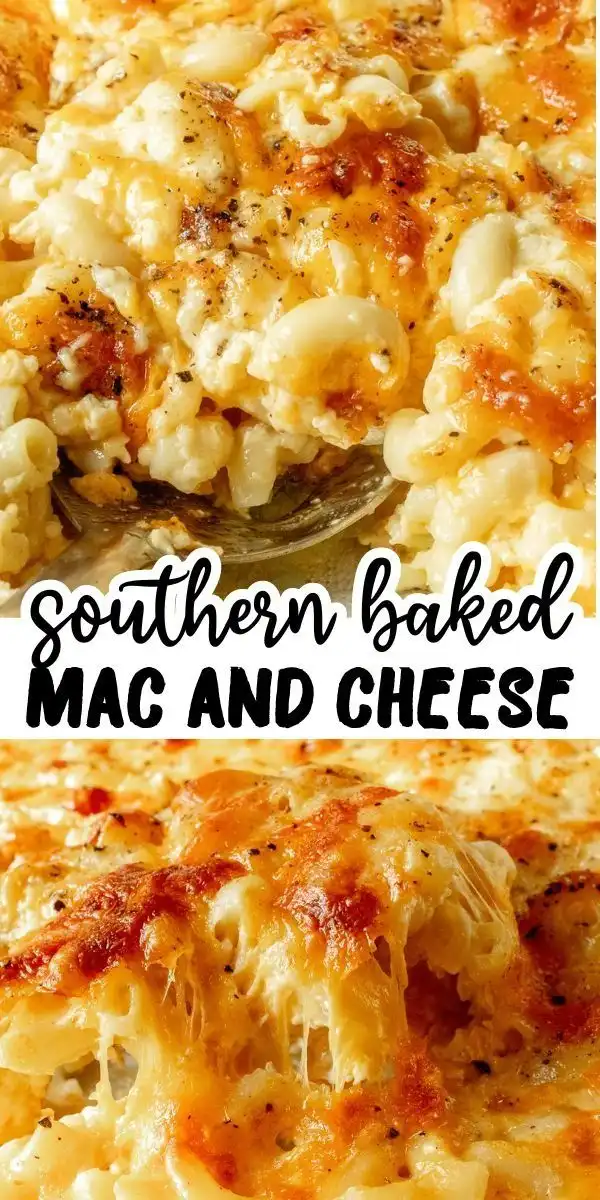
Southern Baked Mac and Cheese isn’t just a side dish—it’s a cornerstone of soulful, comforting cuisine, deeply woven into the fabric of Southern hospitality, family gatherings, Sunday suppers, holiday feasts, and church potlucks. Unlike its stovetop or minimalist cousins, Southern-style baked macaroni and cheese is a rich, decadent, oven-browned masterpiece—creamy yet structured, golden-crusted yet luxuriously tender, with layers of complex cheese flavor and subtle depth from slow-simmered sauces and thoughtful seasonings. It’s a labor of love that honors tradition while inviting personal expression—and in the South, it’s often said, “If your mac doesn’t have a crust so golden it sings when you cut into it, you haven’t done your duty.” This guide dives deep—historically, technically, nutritionally, and culturally—into what makes authentic Southern Baked Mac and Cheese not just food, but legacy on a plate.
The History
The roots of Southern Baked Mac and Cheese stretch far beyond the American South—tracing back to medieval European pasta-and-cheese casseroles, notably the 14th-century English dish “makerouns” (a precursor found in *The Forme of Cury*), and later refined in Renaissance Italy with baked pasta dishes like timballo. However, the version that evolved into today’s Southern classic arrived in America through multiple converging currents: Thomas Jefferson’s 1780s return from France, where he encountered macaroni pie; his subsequent commissioning of a pasta machine and promotion of “macaroni pie” at Monticello (served at his 1801 inaugural dinner); and the crucial, yet historically under-acknowledged, contributions of enslaved African American chefs—most notably James Hemings, Jefferson’s French-trained, Black chef who mastered the art of macaroni pie using Gruyère and Parmesan. In the antebellum South, access to fine cheeses, ovens, and imported pasta was limited—but resourceful cooks adapted: substituting local cheddars, adding cornmeal or cracker crumbs for texture, incorporating buttermilk or sour cream for tang and tenderness, and baking in cast iron or wood-fired ovens. By the Great Migration era (1910–1970), Southern Black families carried this dish northward, refining it further in urban kitchens—adding mustard for brightness, cayenne for warmth, and layering cheeses for complexity. Today, regional variations abound—from the ultra-rich, custard-thickened versions of the Lowcountry, to the smoky, pepper-jack-kissed iterations of the Deep South, to the sweet-heat balance of Memphis-style mac featuring brown sugar and chipotle. What unites them all is reverence for technique, respect for ingredients—even humble ones—and the understanding that time, temperature, and tenderness are non-negotiable.
Ingredients Breakdown
Authentic Southern Baked Mac and Cheese hinges on ingredient synergy—not just quantity, but quality, proportion, and purpose. Below is an exhaustive, function-driven breakdown of each component:
- Pasta: Elbow macaroni remains the gold standard—not for nostalgia alone, but for physics: its short, curved shape traps sauce, holds up to baking without turning mushy, and creates ideal surface area for browning. High-protein durum wheat semolina pasta (like Barilla Plus or locally milled heritage grains) offers superior bite and starch release. Undercooking by 1–2 minutes (“al dente plus”) is essential—pasta will absorb more liquid and soften further in the oven.
- Cheeses (The Holy Trinity + Accents):
- Sharp White Cheddar (30–40%): The backbone—provides bold, nutty, tangy depth and excellent meltability. Avoid pre-shredded (anti-caking agents inhibit smooth melting).
- Monterey Jack (25–30%): Adds creaminess, stretch, and mild buttery notes—acts as the “glue” that binds textures.
- Colby or Mild Cheddar (15–20%): Balances sharpness with approachable sweetness and contributes to a velvety mouthfeel.
- Accent Cheeses (10–15% combined): Gouda (smoky, caramelized), Fontina (earthy, luxurious), Pepper Jack (for heat), or even a whisper of aged Gruyère (nutty umami). Parmigiano-Reggiano (freshly grated, stirred in off-heat) adds salty, crystalline complexity—not for melting, but for finish.
- Dairy Base: A three-tiered system ensures richness without greasiness:
- Whole Milk (primary liquid): Provides hydration and gentle dairy sweetness—never skim or 2%. Scalding (heating to 180°F, not boiling) before mixing prevents graininess.
- Heavy Cream or Half-and-Half (15–20% of total dairy): Adds unctuous body and promotes browning. Evaporated milk is a traditional Southern pantry staple alternative—its concentrated lactose enhances caramelization.
- Butter (unsalted, high-fat): Clarified or whole? Both have roles—whole butter enriches the roux and adds flavor; clarified butter (ghee) prevents burning during high-temp baking and yields a crispier top.
- Roux Foundation: A “blond roux” (butter + all-purpose flour cooked 3–5 minutes until fragrant and pale gold, *not* brown) is non-negotiable. It stabilizes the sauce, prevents separation, and thickens without gumminess. For deeper flavor, some chefs use a “sandy roux”—cooked just to the point where raw flour taste disappears but color remains ivory.
- Seasonings & Flavor Enhancers:
- Yellow or Dijon Mustard (1–2 tsp): Not for “tang” alone—the acidity balances fat, brightens cheese, and aids emulsification.
- Onion Powder & Garlic Powder (not fresh): Dry powders disperse evenly, avoid water pockets, and lend consistent savory depth—fresh aromatics can steam and create uneven texture.
- Worcestershire Sauce (½ tsp): Umami catalyst—adds fermented complexity and subtle sweetness.
- Nutmeg (a whisper, freshly grated): Classic pairing with dairy—warms and rounds out sharp cheese notes.
- Cayenne or White Pepper (¼–½ tsp): Heat should be felt, not shouted—white pepper avoids black specks and integrates seamlessly.
- Salt (Diamond Crystal preferred): Season in layers: salt pasta water generously (3 Tbsp per gallon), season roux mixture, then adjust final sauce—cheese salt content varies widely.
- Binding & Texture Agents:
- Eggs (1–2 large, room temp): Optional but traditional—adds structure, custard-like tenderness, and helps set the bake. Too many eggs yield rubberiness; too few risk “weeping.”
- Crumb Topping (optional but iconic): Buttery panko, crushed Ritz crackers, cornflake crumbs, or even cornbread crumbles—each adds contrasting crunch and regional identity. Toasted separately for maximum aroma.
Step-by-Step Recipe
- Prep & Preheat: Position oven rack in the lower third. Preheat to 350°F (convection optional, but reduce temp by 25°F). Generously butter a 9×13-inch heavy-gauge baking dish (or two 2-quart ceramic casseroles for even baking). Set aside.
- Cook Pasta with Precision: Bring 6 quarts well-salted water (3 Tbsp Diamond Crystal kosher salt) to a rolling boil. Add 1 lb elbow macaroni. Stir immediately and frequently. Cook exactly 6–7 minutes (1–2 minutes shy of package “al dente”). Drain *thoroughly* in a colander—no rinsing! Let steam dry 2 minutes. Toss with 1 Tbsp neutral oil to prevent sticking if holding >5 minutes.
- Build the Roux: In a heavy-bottomed Dutch oven or large saucepan, melt ½ cup (1 stick) unsalted butter over medium-low heat. Whisk in ½ cup all-purpose flour. Cook, whisking constantly, 4 minutes until fragrant and pale gold—do not let brown. Remove from heat 30 seconds to cool slightly.
- Temper & Thicken Dairy: Slowly whisk in 3 cups scalded whole milk (180°F), ½ cup heavy cream, and ¼ cup evaporated milk (or sub additional cream). Return to medium-low heat. Whisk continuously until mixture thickens enough to coat the back of a spoon (approx. 8–10 min). Do NOT boil—this causes separation. Remove from heat.
- Season the Base: Whisk in 1½ tsp yellow mustard, 1 tsp onion powder, 1 tsp garlic powder, ½ tsp Worcestershire, ¼ tsp ground nutmeg, ¼ tsp cayenne, 1 tsp white pepper, and 1½ tsp Diamond Crystal salt. Taste—adjust salt now, remembering cheese adds more.
- Incorporate Cheese Gradually: Reduce heat to low. Begin adding cheese in 3 batches, stirring until *fully melted* before adding the next. Start with sharp cheddar, then Monterey Jack, then Colby/mild cheddar. Fold in accent cheeses last. Stir in ½ cup freshly grated Parmigiano-Reggiano *off heat*—do not cook it in.
- Combine Pasta & Sauce: Gently fold hot pasta into cheese sauce until every noodle glistens. If using eggs: lightly beat 2 large eggs with 2 Tbsp reserved hot sauce, then temper by slowly whisking in ½ cup sauce, then fold entire mixture into mac. Avoid overmixing.
- Transfer & Top: Pour mixture into prepared dish. Smooth top. Dot with 2 Tbsp cold butter cubes. For crumb topping: toss 1 cup panko with 3 Tbsp melted butter, ¼ tsp smoked paprika, and pinch of salt; sprinkle evenly.
- Bake with Intention: Bake uncovered 45–55 minutes until edges bubble vigorously, center is set (jiggles slightly but doesn’t slosh), and top is deep golden brown. For extra crust: broil 2–3 min at end—watch *closely*.
- Rest is Ritual: Remove from oven. Let rest *at least 20 minutes* before serving. This allows starches to rebind, sauce to settle, and cuts to hold shape. Serve in warmed bowls with a slotted spoon to lift creamy portions and crispy edges.
Tips
- Starch Is Your Friend: Reserve ½ cup starchy pasta water *before draining*. If sauce seems thin after combining, whisk in 1–2 Tbsp—it adds binding power and silkiness without diluting flavor.
- Cheese Temperature Matters: Grate cheese 1–2 hours ahead and refrigerate. Cold cheese melts more evenly than room-temp, which can cause clumping or oil separation.
- Layering for Depth: For restaurant-level complexity, layer half the mac in dish, top with ¼ cup extra sharp cheddar + 1 Tbsp crumbled blue cheese, then remaining mac—creates hidden flavor bursts.
- Oven Thermometer Essential: Most home ovens run hot or cold. An oven thermometer prevents under- or over-baking—a 25°F variance ruins texture.
- Avoid the “Soggy Bottom”: Place baking dish on a preheated heavy baking stone or inverted sheet pan—radiant heat crisps the underside and prevents steaming.
- Reheating Without Ruin: Add 1–2 Tbsp milk or cream, cover with foil, bake at 325°F for 20–25 min until heated through. Stir gently halfway. Never microwave uncovered—it makes cheese rubbery and separates sauce.
- Make-Ahead Magic: Assemble up to 24 hours ahead—cover tightly and refrigerate. Add 10–15 min to bake time. For freezer: freeze unbaked (up to 3 months), thaw overnight in fridge, then bake as directed (+5 min).
- The “No-Stir” Secret: After folding pasta and sauce, let mixture sit 5 minutes before transferring. This allows starches to hydrate fully and reduces bubbling overflow during baking.
Variations and Customizations
Southern Baked Mac and Cheese thrives on regional pride and personal storytelling. Here are beloved, tested variations—each honoring tradition while offering creative license:
- Lowcountry Shrimp & Grits Mac: Fold in 1½ cups sautéed Gulf shrimp, ½ cup stone-ground grits (cooked in shrimp stock), and 1 Tbsp Old Bay. Top with pickled okra relish.
- Smoky Tennessee BBQ Mac: Add ¾ cup pulled pork (shredded, fat rendered), 2 Tbsp hickory-smoked paprika, 1 Tbsp apple cider vinegar, and top with crispy fried onions.
- Creole “Dirty Mac”: Sauté 1 diced bell pepper, 1 small onion, and 2 ribs celery in 2 Tbsp butter until soft. Add 2 minced garlic cloves, 1 tsp thyme, ½ tsp filé powder. Fold into base before cheese.
- Sweet Heat Memphis Style: Stir in 2 Tbsp bourbon-barrel-aged maple syrup, 1 tsp chipotle powder, and top with candied pecans + crumbled bacon.
- Garden-Fresh Charleston Mac: Blanch and fold in 1 cup fresh peas, ½ cup roasted cherry tomatoes, and ¼ cup torn basil. Finish with lemon zest and feta brine.
- Breakfast Mac Bake: Add 4 whisked eggs, 1 cup diced ham or country sausage, and ¼ cup chopped green onions. Bake in cast-iron skillet; top with fried eggs before serving.
- Vegan Southern Soul Mac: Use chickpea elbow pasta, cashew-yeast “cheese” sauce (with nutritional yeast, miso, turmeric, and smoked salt), coconut cream, and pan-toasted cornbread crumbs. Umami boost: sun-dried tomato paste + liquid smoke.
- Gluten-Free Heritage Mac: Substitute GF brown rice elbow pasta (rinsed well), use GF flour blend (1:1 ratio) for roux, and add 1 tsp xanthan gum to dairy base for stability.
Health Considerations and Nutritional Value
While Southern Baked Mac and Cheese is inherently indulgent, mindful adaptations preserve soulfulness without sacrificing wellness. A standard 1-cup serving (made with full-fat dairy and traditional cheeses) delivers approximately:
- Calories: 480–520 kcal
- Protein: 22–26 g (excellent source—supports muscle repair and satiety)
- Fat: 24–28 g (60–70% unsaturated; includes conjugated linoleic acid [CLA] from grass-fed dairy, linked to anti-inflammatory benefits)
- Calcium: 450–500 mg (nearly 50% DV—critical for bone health)
- Vitamin B12 & Riboflavin: Abundant—essential for energy metabolism and nerve function
- Fiber: ~2 g (low naturally—but boosted significantly with whole-grain or legume-based pasta)
Health-Conscious Tweaks (Without Compromise):
- Lower-Sodium Strategy: Use low-sodium cheeses (Boar’s Head, Cabot Naturally Aged), omit added salt in roux, and rely on herbs (dill, chives), citrus zest, and umami-rich ingredients (miso, mushrooms) for depth.
- Heart-Healthy Fats: Replace half the butter with avocado oil in roux; use 2% milk + Greek yogurt (¼ cup) instead of heavy cream for tang and protein.
- Boosted Nutrition: Blend ¼ cup cooked cauliflower or butternut squash into warm sauce for creaminess, fiber, and vitamin A—undetectable to kids and skeptics alike.
- Portion Wisdom: Serve in smaller, oven-safe ramekins (6 oz) with vibrant vegetable sides—roasted Brussels sprouts, collard greens with vinegar, or stewed okra—to balance the meal holistically.
- Allergy-Aware Notes: For dairy sensitivity: cultured coconut milk + nutritional yeast + tapioca starch roux works surprisingly well. For nut allergies: sunflower seed “cheese” blends are emerging and effective.
Remember: Food is cultural medicine. Depriving Southern mac of its richness risks erasing its history and emotional resonance. The goal isn’t “diet mac”—it’s *intentional* mac: made with care, shared with love, enjoyed mindfully, and honored as nourishment for body *and* spirit.
Ingredients
- 1 pound high-quality elbow macaroni (durum wheat, bronze-die extruded)
- ½ cup (1 stick) unsalted butter, divided
- ½ cup all-purpose flour (or gluten-free 1:1 blend)
- 3 cups whole milk, scalded (180°F)
- ½ cup heavy cream or half-and-half
- ¼ cup evaporated milk (optional, for caramelization)
- 1½ teaspoons yellow mustard (Dijon for sharper profile)
- 1 teaspoon onion powder
- 1 teaspoon garlic powder
- ½ teaspoon Worcestershire sauce
- ¼ teaspoon freshly grated nutmeg
- ¼ teaspoon cayenne pepper (or to taste)
- 1 teaspoon white pepper (ground fine)
- 1½ teaspoons Diamond Crystal kosher salt (plus more for pasta water)
- 12 ounces sharp white cheddar, freshly grated (about 3 cups)
- 8 ounces Monterey Jack, freshly grated (about 2 cups)
- 6 ounces mild or Colby cheddar, freshly grated (about 1½ cups)
- ½ cup freshly grated Parmigiano-Reggiano
- 1–2 large eggs, room temperature (optional but recommended)
- For Topping (choose one):
- 1 cup panko breadcrumbs + 3 Tbsp melted butter + ¼ tsp smoked paprika
- 1 cup crushed Ritz crackers + 3 Tbsp melted butter + 1 tsp dried thyme
- ½ cup cornflake crumbs + 2 Tbsp melted butter + pinch of cayenne
Directions
- Preheat oven to 350°F. Butter a 9×13-inch baking dish generously.
- Bring 6 quarts water to boil. Add 3 Tbsp kosher salt. Cook pasta 6–7 minutes until al dente. Drain thoroughly; let steam-dry 2 minutes.
- In heavy pot, melt ½ cup butter over medium-low. Whisk in flour; cook 4 minutes until fragrant and pale gold.
- Gradually whisk in scalded milk, cream, and evaporated milk. Cook 8–10 minutes on medium-low, whisking constantly, until thickened (coats spoon). Do not boil.
- Remove from heat. Whisk in mustard, onion/garlic powders, Worcestershire, nutmeg, cayenne, white pepper, and 1½ tsp salt.
- Reduce heat to low. Add cheeses in 3 batches, stirring until fully melted before next addition. Off heat, stir in Parmigiano-Reggiano.
- If using eggs: whisk eggs with 2 Tbsp hot sauce, temper with ½ cup sauce, then fold into mac.
- Gently fold hot pasta into cheese sauce until fully coated. Transfer to baking dish. Smooth top.
- Dot with remaining 2 Tbsp cold butter. Sprinkle chosen crumb topping evenly.
- Bake uncovered 45–55 minutes until golden brown, bubbling at edges, and center is set (slight jiggle only).
- Let rest 20 minutes before serving. Garnish with fresh chives or parsley.
FAQ
- Can I make this ahead?
- Absolutely. Assemble up to 24 hours ahead and refrigerate covered. Add 10–15 minutes to bake time. For longer storage: freeze unbaked for up to 3 months—thaw overnight in fridge before baking.
- Why does my mac get grainy or oily?
- Graininess usually comes from overheating the sauce (boiling after cheese is added) or using pre-shredded cheese (coated in cellulose). Oil separation occurs when cheese is added to too-hot sauce or stirred too vigorously. Always remove from heat before adding cheese, and stir gently in stages.
- What’s the best cheese blend for beginners?
- Start simple: 2 parts sharp cheddar + 1 part Monterey Jack + ½ part mild cheddar. It’s forgiving, deeply flavorful, and melts beautifully.
- Can I skip the roux?
- You *can*, but you shouldn’t. A roux provides essential stability, prevents weeping, and gives the signature velvety texture. Cornstarch slurry is a shortcut but lacks depth and can taste starchy.
- My crust isn’t browning—what’s wrong?
- Ensure your oven is properly preheated (use thermometer), place dish on lower rack, and verify your topping has enough fat (butter/oil). Broiling 2–3 minutes at the end—watching closely—is the surest fix.
- Is there a “lighter” version that still tastes Southern?
- Yes—substitute 1 cup plain full-fat Greek yogurt for ½ cup cream, use 2% milk, and increase sharp cheddar (more flavor per gram). Boost herbs and spices to compensate. It won’t be identical—but it’ll still bring tears of joy to Grandma’s eyes.
- How do I keep leftovers creamy?
- Store covered in fridge up to 4 days. Reheat gently with splash of milk/cream, covered, at 325°F for 20–25 minutes. Stir halfway. Never microwave uncovered.
- Can I use different pasta shapes?
- Elbow is ideal—but cavatappi, shells, or fusilli work well. Avoid long pastas (spaghetti) or delicate ones (angel hair)—they break down or don’t hold sauce.
- What wine pairs best?
- A bold, unoaked Chardonnay or creamy Viognier cuts richness. For red lovers: a fruit-forward Zinfandel or Grenache—with enough acidity to stand up to cheese.
Summary
Southern Baked Mac and Cheese is a profound expression of heritage, resilience, and culinary wisdom—where science meets soul, and every ingredient serves memory as much as mouthfeel. It demands patience, honors craft, and rewards generosity—both in recipe and in spirit.
Whether served at a Juneteenth celebration, a funeral repast, or a quiet Tuesday night, it reminds us that the deepest comfort isn’t just in the cheese—it’s in the continuity of care, passed down, one golden, bubbling pan at a time.