
Introduction
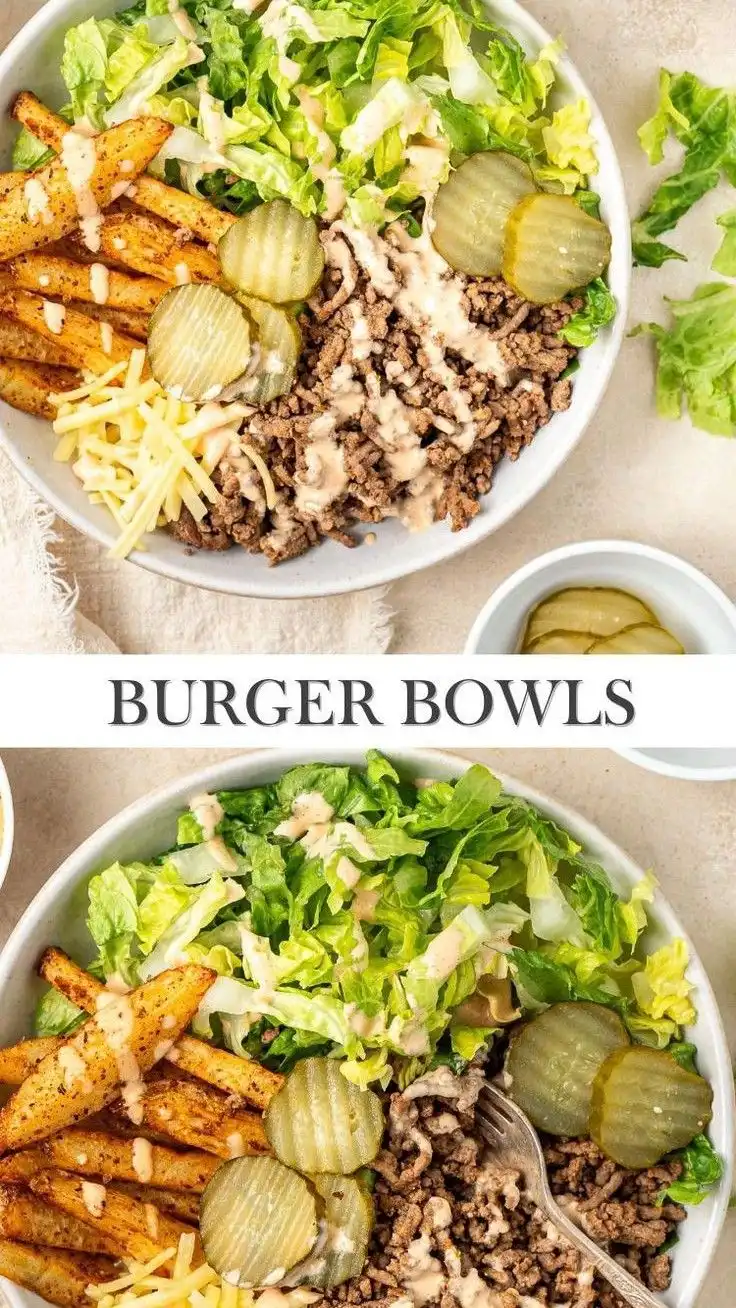
Burger Bowls are the ultimate modern twist on a classic American favorite — reimagined as a deconstructed, nutrient-dense, and endlessly customizable grain or lettuce bowl that captures all the bold, savory, umami-rich flavors of a juicy cheeseburger — without the bun. Perfect for busy weeknights, meal prep enthusiasts, fitness-focused eaters, or anyone seeking a lighter yet deeply satisfying alternative to traditional burgers, Burger Bowls seamlessly blend comfort food nostalgia with clean-eating principles. They’re not just a trend; they’re a culinary evolution — offering flexibility, speed, flavor depth, and visual appeal in every vibrant, layered bite. Whether you’re keto, gluten-free, low-carb, vegetarian, or simply chasing convenience without compromise, Burger Bowls rise to the occasion as a versatile, restaurant-worthy dinner solution you can whip up in under 30 minutes.
The History
While the iconic hamburger traces its roots back to late 19th-century America — with contested origins ranging from Hamburg, Germany (via German immigrants) to Connecticut diners and Wisconsin fairs — the Burger Bowl is a distinctly 21st-century innovation born from the convergence of several cultural and dietary shifts. The rise of grain bowls in the early 2010s (popularized by fast-casual chains like Chipotle and Sweetgreen) laid the groundwork. Simultaneously, the growing popularity of low-carb, gluten-free, and mindful eating movements sparked a wave of “deconstructed” meals — where traditional sandwiches were reassembled into bowl formats to eliminate refined grains while amplifying whole-food integrity. Food bloggers and registered dietitians began experimenting with burger-inspired bowls around 2015–2016, swapping buns for cauliflower rice, quinoa, or mixed greens, and elevating toppings with fermented pickles, house-made sauces, and grass-fed beef crumbles. By 2018, Burger Bowls had earned dedicated spots on meal delivery service menus, Instagram-fueled recipe accounts, and even hospital and corporate wellness programs — cementing their status as more than a fad, but a foundational template for intentional, joyful eating.
Ingredients Breakdown
What makes a Burger Bowl exceptional isn’t complexity — it’s thoughtful layering and purposeful ingredient synergy. Each component plays a distinct role:
- Base: Acts as the structural and textural foundation — options include riced cauliflower (low-carb, neutral), brown rice or farro (fiber-rich, chewy), quinoa (complete protein, fluffy), mixed baby greens or butter lettuce (crisp, fresh, ultra-light), or even roasted sweet potato cubes (naturally sweet, vitamin A–packed).
- Protein: The hearty centerpiece — traditionally 80/20 ground beef (for optimal juiciness and flavor), but equally delicious with ground turkey, chicken, bison, lamb, plant-based crumbles (lentil-walnut, black bean, or soy-based), or even flaked salmon or grilled portobello “steaks.” Seasoning is non-negotiable: smoked paprika, garlic powder, onion powder, Worcestershire sauce (or coconut aminos for GF), and a touch of Dijon add depth.
- Cheese: Melty, tangy, or creamy — cheddar, American, pepper jack, feta, goat cheese, or vegan cheddar shreds. Added warm to encourage gentle melt over hot meat or chilled for contrast.
- Toppings: Where personality shines — classic dill pickle chips (briny crunch), red onion rings (sharp bite), tomato wedges or heirloom slices (juicy acidity), shredded iceberg or romaine (cool crispness), sautéed mushrooms (earthy umami), caramelized onions (sweet-savory depth), or avocado slices (creamy richness).
- Sauces & Condiments: The flavor catalysts — beyond ketchup and mustard: special sauce (a blend of mayo, ketchup, relish, apple cider vinegar, garlic, and onion powders), chipotle aioli, sriracha-mayo, tangy pickled jalapeño vinaigrette, or even a bright chimichurri for herbaceous brightness.
- Finishing Touches: Texture and freshness — toasted sesame seeds, crushed pretzel bits (for that “bun crunch”), crispy fried onions, microgreens, fresh dill or chives, or a drizzle of high-quality extra virgin olive oil or cold-pressed avocado oil.
Step-by-Step Recipe
- Prep Your Base: Cook your chosen grain according to package instructions (e.g., 1 cup brown rice → 2 cups water → simmer 45 mins), or pulse cauliflower florets in a food processor until rice-like and sauté in olive oil for 6–8 minutes until tender-crisp. Cool slightly and portion into four large, shallow bowls.
- Season & Cook the Protein: In a large skillet over medium-high heat, heat 1 tbsp avocado oil. Add 1 lb ground beef (or alternative) and break apart with a wooden spoon. Once lightly browned (2–3 mins), stir in 1 tsp smoked paprika, 1 tsp garlic powder, 1 tsp onion powder, 1 tbsp Worcestershire sauce, 1 tsp Dijon mustard, ½ tsp black pepper, and ½ tsp sea salt. Cook 5–7 more minutes until fully cooked and deeply caramelized. Drain excess fat if desired (optional for richness).
- Melt the Cheese: Reduce heat to low. Sprinkle 1 cup shredded cheddar evenly over the hot meat. Cover skillet for 1–2 minutes until cheese begins to soften and melt into the crumbles.
- Prep Fresh Toppings: While meat cooks, thinly slice 1 small red onion, dice 1 medium tomato, drain and slice 4–6 dill pickle chips, halve 1 ripe avocado, and wash and dry 4 cups mixed greens.
- Assemble with Intention: Spoon ~¾ cup warm beef mixture over each base. Arrange toppings in deliberate sections or artful piles: cheese-topped meat center, tomato to the right, pickles top-left, onions bottom-right, avocado fan on top. Drizzle generously with 1–2 tbsp special sauce per bowl.
- Finish & Serve: Garnish with 1 tbsp toasted sesame seeds, a sprinkle of flaky sea salt, and a few chive ribbons. Serve immediately while warm and vibrant — ideal with a side of roasted Brussels sprouts or a simple apple-cabbage slaw.
Tips
- Maximize Meat Flavor: Don’t rush browning — let the meat develop a fond (caramelized crust) before stirring. That fond = flavor gold for deglazing or building depth.
- Texture Contrast Is Key: Always include at least one crunchy element (pickles, raw onion, pretzel bits) and one creamy element (avocado, cheese, sauce) to mimic the mouthfeel of a real burger.
- Meal Prep Like a Pro: Cook double batches of seasoned beef and grain base; store separately in airtight containers for up to 4 days. Assemble bowls fresh to preserve crispness and prevent sogginess.
- Sauce Safety: Make special sauce up to 1 week ahead — but keep it refrigerated and whisk well before using. For longer storage, freeze in ice cube trays and thaw individual portions.
- Don’t Skip the Acid: A tiny splash of apple cider vinegar or lemon juice stirred into the meat at the end brightens everything — it cuts richness and balances heaviness.
- Temperature Matters: Serve warm meat over room-temp or slightly chilled bases — never cold meat on hot grains (mutes aroma) or piping-hot meat on delicate greens (wilts them).
- Visual Appeal Boost: Use colorful ingredients — yellow heirloom tomatoes, purple cabbage ribbons, green microgreens, orange cheddar — to create an Instagram-worthy, appetite-igniting presentation.
- Knife Skills Save Time: Keep a sharp chef’s knife and mandoline on hand — uniformly thin red onion slices and consistent pickle chips elevate both texture and aesthetics instantly.
Variations and Customizations
The beauty of Burger Bowls lies in their infinite adaptability. Here are 12 inspired variations — each nutritionally balanced and globally nuanced:
- Keto Carnivore Bowl: Base = sautéed spinach + zucchini noodles; Protein = bacon-fat–seared ground beef + crumbled crispy bacon; Toppings = blue cheese crumbles, pickled red onions, radish coins; Sauce = garlic-herb ghee drizzle.
- Mediterranean Burger Bowl: Base = lemon-herb quinoa; Protein = ground lamb + cumin + mint; Toppings = cucumber ribbons, Kalamata olives, cherry tomatoes, crumbled feta; Sauce = tzatziki + sumac dust.
- Tex-Mex Fiesta Bowl: Base = cilantro-lime cauliflower rice; Protein = chipotle-seasoned ground turkey; Toppings = black beans, corn kernels, pickled jalapeños, pico de gallo; Sauce = avocado crema + lime zest.
- Breakfast Burger Bowl: Base = sweet potato hash; Protein = chorizo-beef blend; Toppings = sunny-side-up eggs, roasted poblano strips, cotija cheese; Sauce = chipotle hollandaise.
- Vegan “Big Mac” Bowl: Base = lentil-walnut “beef” crumbles over millet; Toppings = shredded green cabbage, diced pickles, red onion, vegan cheddar; Sauce = house “special sauce” (vegan mayo + GF relish + nutritional yeast).
- Asian-Inspired Umami Bowl: Base = shiitake-miso brown rice; Protein = ginger-scallion ground pork; Toppings = quick-pickled daikon, nori strips, scallion oil, sesame-ginger slaw; Sauce = tamari-ginger reduction.
- Smoky BBQ Pulled “Beef” Bowl: Base = smoked paprika farro; Protein = slow-simmered ground beef in sugar-free BBQ sauce; Toppings = tangy red cabbage slaw, crispy onion strings, jalapeño cheddar crisps.
- Harvest Autumn Bowl: Base = roasted delicata squash + wild rice blend; Protein = sage-scented ground turkey; Toppings = caramelized apples, toasted pecans, dried cranberries, goat cheese; Sauce = maple-Dijon vinaigrette.
- Greek Gyro Bowl: Base = herbed bulgur or quinoa; Protein = spiced ground lamb & beef; Toppings = diced cucumber, grape tomatoes, red onion, kalamata olives, crumbled feta; Sauce = garlicky tzatziki + oregano.
- Spicy Kimchi Burger Bowl: Base = kimchi-fried rice; Protein = gochujang-glazed ground beef; Toppings = quick kimchi, nori flakes, sesame seeds, scallions; Sauce = gochujang-mayo + rice vinegar drizzle.
- Caprese-Inspired Bowl: Base = basil-infused farro; Protein = grilled lean ground chicken; Toppings = heirloom tomato confit, fresh mozzarella pearls, basil chiffonade, balsamic glaze reduction.
- Dessert “Burger” Bowl (Yes, Really!): Base = chocolate protein oats; Protein = peanut butter “patty” (blended PB + dates + cocoa); Toppings = banana “bacon” chips, dark chocolate shavings, coconut “cheese” (coconut cream + vanilla + pinch salt); Sauce = date caramel.
Health Considerations and Nutritional Value
A well-constructed Burger Bowl is a nutritional powerhouse — far surpassing its traditional counterpart in fiber, phytonutrients, and micronutrient density. A standard serving (1 bowl, ~650–750 calories) delivers approximately:
- Protein: 35–45g (supports muscle maintenance, satiety, and metabolic health)
- Fiber: 12–18g (from whole grains, vegetables, legumes — promoting gut health, stable blood sugar, and cholesterol management)
- Healthy Fats: 25–35g (monounsaturated from avocado/olive oil, omega-3s from grass-fed beef or walnuts — supporting brain function and inflammation control)
- Vitamins & Minerals: Rich in iron (heme iron from beef enhances absorption), vitamin C (from tomatoes, peppers, citrus dressings), potassium (avocado, spinach), B vitamins (whole grains, meat), and antioxidants (lycopene, anthocyanins, selenium).
Dietary Accommodations: Naturally gluten-free when using GF grains or veggie bases; easily dairy-free (omit cheese, use cashew “cheese” or nutritional yeast); adaptable for keto (swap grains for cauliflower/radish noodles), paleo (use coconut aminos, skip grains), or pescatarian (substitute grilled salmon or shrimp). For those managing hypertension, opt for low-sodium Worcestershire and limit added salt — rely on herbs, spices, and acid for flavor. Individuals with IBS may benefit from low-FODMAP swaps: swap onion/garlic for infused oils, use firm tofu instead of beans, and choose quinoa or rice over farro.
Portion Wisdom: While nutrient-dense, calorie awareness matters. Pre-portion proteins and fats (e.g., 1/4 avocado, 1 tbsp oil, 4 oz meat) to maintain balance. Prioritize volume eating — fill half your bowl with non-starchy veggies to enhance fullness with minimal calories. And remember: hydration is part of the equation — pair your bowl with sparkling water with lemon or herbal iced tea to support digestion and reduce bloating.
Ingredients
- 1 cup uncooked brown rice (or 3 cups pre-cooked)
- 1 tbsp avocado oil (plus extra for sautéing)
- 1 lb 80/20 ground beef (grass-fed preferred)
- 1 tsp smoked paprika
- 1 tsp garlic powder
- 1 tsp onion powder
- 1 tbsp Worcestershire sauce (gluten-free if needed)
- 1 tsp Dijon mustard
- ½ tsp freshly ground black pepper
- ½ tsp fine sea salt (adjust to taste)
- 1 cup sharp cheddar cheese, shredded
- 1 small red onion, very thinly sliced
- 1 medium ripe tomato, diced or sliced
- 6–8 dill pickle chips, drained and sliced
- 1 ripe avocado, sliced
- 4 cups mixed baby greens or butter lettuce
- For Special Sauce: ½ cup high-quality mayonnaise, 2 tbsp ketchup, 1 tbsp finely minced dill pickle + 1 tsp brine, 1 tsp apple cider vinegar, ¼ tsp garlic powder, ¼ tsp onion powder, pinch of smoked paprika, salt to taste
- For Garnish: 2 tbsp toasted sesame seeds, flaky sea salt, fresh chives or dill
Directions
- Cook the Base: Rinse 1 cup brown rice. Combine with 2 cups water and a pinch of salt in a saucepan. Bring to a boil, reduce heat to low, cover, and simmer for 45 minutes or until water is absorbed and rice is tender. Let rest, covered, for 10 minutes. Fluff with a fork and cool slightly.
- Make the Special Sauce: In a small bowl, whisk together all sauce ingredients until smooth and emulsified. Refrigerate for at least 15 minutes to allow flavors to meld.
- Prepare the Protein: Heat 1 tbsp avocado oil in a large nonstick skillet over medium-high heat. Add ground beef and cook, breaking into small crumbles, for 2–3 minutes until lightly browned. Stir in smoked paprika, garlic powder, onion powder, Worcestershire, Dijon, black pepper, and salt. Continue cooking for 5–7 minutes, stirring occasionally, until beef is fully cooked and deeply browned. Drain excess fat if desired.
- Melt the Cheese: Reduce heat to low. Sprinkle shredded cheddar evenly over hot beef. Cover skillet and cook for 1–2 minutes until cheese softens and integrates into the crumbles.
- Prep Vegetables: Thinly slice red onion (soak in cold water for 5 minutes to mellow sharpness, then drain). Dice tomato and pat dry with paper towel to prevent bowl sogginess. Slice pickles and avocado just before assembling.
- Assemble Each Bowl: Divide warm brown rice among four wide, shallow bowls (approx. ¾ cup per bowl). Top each with ~¾ cup warm cheesy beef mixture. Arrange tomato, red onion, pickles, and avocado slices artistically over the meat. Spoon 1–2 tbsp special sauce over each bowl in a zigzag or circular pattern.
- Final Touches: Scatter ½ tbsp toasted sesame seeds over each bowl. Finish with a light sprinkle of flaky sea salt and a few fresh chive ribbons.
- Serve Immediately: Enjoy while the beef is warm and the greens are crisp. Optional sides: roasted asparagus, miso-glazed carrots, or a simple arugula-lemon salad.
FAQ
- Can I make Burger Bowls ahead of time?
- Absolutely — and highly recommended! Cook the grain base and seasoned beef separately, cool completely, and refrigerate in airtight containers for up to 4 days. Store sauces separately. Assemble bowls within 30 minutes of serving to retain optimal texture and vibrancy.
- What’s the best ground meat for flavor and moisture?
- 80/20 ground beef delivers the richest, most nostalgic burger flavor thanks to its ideal fat-to-lean ratio. For leaner options, 85/15 works well — just add 1 tsp olive oil or 1 tbsp grated onion while cooking to retain juiciness. Ground lamb, pork, or turkey benefit from added umami boosters like soy sauce, fish sauce, or tomato paste.
- How do I keep my Burger Bowl from getting soggy?
- Three key rules: (1) Pat dry all watery veggies (tomatoes, cucumbers) with paper towels before adding; (2) Never assemble with hot sauce over cold greens — let components reach similar temps; (3) Store components separately and only combine when ready to eat. If meal prepping, place sauce in a small side container for dipping or drizzling at the last second.
- Are Burger Bowls suitable for weight loss?
- Yes — when built mindfully. Focus on lean protein (turkey, chicken, tofu), high-volume low-calorie bases (greens, cauliflower rice), generous non-starchy vegetables, and measured healthy fats (½ avocado, 1 tsp oil). Portion control is simple: aim for 25–30g protein, 30–45g complex carbs, and 15–20g healthy fat per bowl. Tracking apps like Cronometer confirm typical ranges of 550–700 calories per well-balanced bowl.
- Can I freeze Burger Bowl components?
- Yes — cooked beef crumbles freeze beautifully for up to 3 months in portioned freezer bags (remove as much air as possible). Grain bases also freeze well (up to 2 months), though cauliflower rice is best used fresh. Thaw overnight in the fridge and reheat gently in a skillet with a splash of broth or water to restore moisture.
- What are some kid-friendly modifications?
- Swap spicy elements for mild ones (American cheese instead of pepper jack, no raw onion), add fun textures (crushed baked tortilla chips, shredded carrots), use mini meatballs instead of crumbles, and serve sauce on the side for dipping. Try a “build-your-own” station with small bowls of toppings so kids engage in assembly — increases willingness to try new foods!
- How do I make a vegetarian version that’s still satisfying?
- Go beyond basic black beans! Try a hearty lentil-walnut “meat” (pulsed with soy sauce, smoked paprika, and tomato paste), spiced chickpea crumbles, or marinated and baked tempeh strips. Boost umami with nutritional yeast, sun-dried tomatoes, miso paste, or liquid smoke. Add roasted mushrooms or eggplant for meaty texture and deep flavor satisfaction.
- Can I use leftovers to make Burger Bowls?
- Brilliant idea! Leftover grilled burgers? Crumble them and warm with a splash of beef broth. Roast beef scraps? Shred and toss with BBQ or au jus. Cooked quinoa or farro from Sunday dinner? Perfect base. Even yesterday’s taco filling becomes a Tex-Mex Burger Bowl in seconds — zero waste, maximum flavor.
Summary
Burger Bowls transform the beloved, nostalgic flavors of the classic cheeseburger into a vibrant, nutrient-packed, and infinitely customizable grain or leafy bowl — merging convenience, creativity, and culinary satisfaction in one stunning, wholesome dish. Whether you’re optimizing for health, accommodating dietary needs, feeding a family, or simply craving bold flavor without the bun, this deconstructed dinner idea delivers restaurant-quality results with home-kitchen ease — every single time.