
Introduction
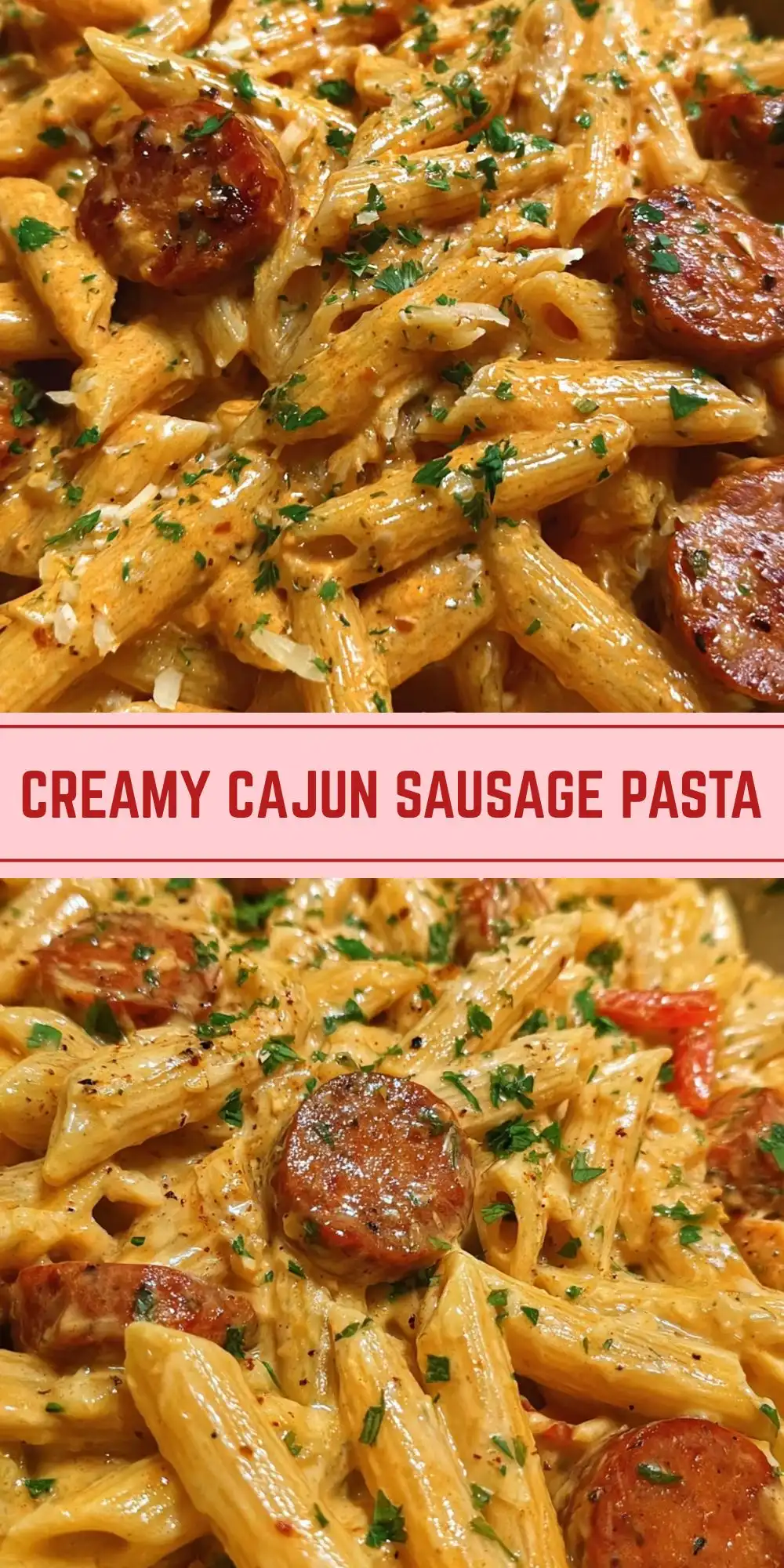
Craving bold flavor, creamy richness, and satisfying comfort—all in under 30 minutes? Look no further than Creamy Spicy Cajun Sausage Pasta: the ultimate weeknight hero dish that delivers restaurant-quality depth without the fuss. This vibrant, one-pan wonder marries the smoky heat of authentic Cajun seasoning with the savory umami of smoked Andouille sausage, all luxuriously enveloped in a velvety, garlicky cream sauce tossed with perfectly al dente pasta. Designed for busy home cooks who refuse to sacrifice flavor for speed, it’s hearty enough for family dinners, impressive enough for impromptu guests, and endlessly adaptable to pantry staples and dietary preferences. Whether you’re a Cajun cuisine newcomer or a seasoned spice enthusiast, this dish invites you to savor Louisiana-inspired soul food reimagined for modern life—without takeout guilt, complicated techniques, or endless cleanup.
The History
The roots of Creamy Spicy Cajun Sausage Pasta trace back not to a single historic recipe, but to the dynamic culinary crossroads of South Louisiana—a melting pot where French, Spanish, West African, Acadian (Cajun), and Native American traditions converged over centuries. Authentic Cajun cuisine emerged from the resourceful cooking of French-speaking Acadians exiled from Canada in the 18th century, who adapted to the swamps and bayous of Louisiana using local game, seafood, rice, and bold, aromatic seasonings. The iconic “Cajun trinity” (onions, bell peppers, and celery) and signature spice blends—often featuring paprika, cayenne, garlic powder, onion powder, oregano, thyme, and black pepper—were born from necessity and amplified by cultural exchange. While traditional dishes like jambalaya, gumbo, and étouffée simmer for hours, modern interpretations like this pasta dish reflect the evolution of regional flavors into fast-paced, globally inspired home cooking. The fusion of Cajun spices with Italian pasta and creamy dairy elements speaks to America’s broader culinary storytelling—where immigrant ingenuity meets contemporary convenience. Though not found in 19th-century cookbooks, this dish honors its heritage through respectful use of core seasonings, authentic sausage choices (like smoked Andouille), and layered, balanced heat—making it a delicious, culturally conscious homage rather than appropriation.
Ingredients Breakdown
Every ingredient in this recipe plays a deliberate role—not just for taste, but for texture, aroma, balance, and authenticity:
- Smoked Andouille Sausage: The irreplaceable heart of the dish. True Louisiana Andouille is coarsely ground, heavily smoked (often over pecan or sugar cane), and spiced with cayenne and garlic. Its deep, meaty, slightly tangy profile provides both protein and foundational flavor. Substitutes like smoked kielbasa or chorizo can work—but avoid mild, unsmoked sausages, as they lack the necessary complexity.
- Cajun Seasoning: A robust blend that should contain at minimum smoked paprika (for depth), cayenne (for heat), garlic powder, onion powder, dried oregano, thyme, black pepper, and white pepper. Many commercial blends add salt—so taste before adding extra. For full control and fresher flavor, make your own (see Variations section).
- Pasta: Short, sturdy shapes with ridges or hollows—like penne, fusilli, campanelle, or rigatoni—trap the creamy sauce beautifully. Whole wheat or legume-based pastas add fiber and protein; gluten-free options (brown rice, quinoa, or corn pasta) work seamlessly when cooked according to package directions to avoid mushiness.
- Aromatics (The Trinity + Garlic): Diced yellow onion, green bell pepper, and celery—the sacred “holy trinity” of Cajun and Creole cooking—form the aromatic base. Fresh minced garlic adds pungent brightness. Sautéing them slowly builds sweetness and umami before the heat hits.
- Liquid Components: Chicken or vegetable broth adds savory depth and helps deglaze the pan while keeping the sauce light and flavorful. Heavy cream (or full-fat coconut milk for dairy-free) contributes luxurious body and mellows the spice. A splash of dry white wine (like Sauvignon Blanc or Pinot Grigio) adds acidity and complexity—if avoiding alcohol, substitute with extra broth + ½ tsp lemon juice.
- Finishing Touches: Fresh parsley adds herbal freshness and visual pop; grated Parmesan or Pecorino Romano lends salty, nutty umami; a final drizzle of high-quality olive oil or a pinch of flaky sea salt elevates mouthfeel and balance.
Step-by-Step Recipe
- Prep & Measure (5 minutes): Dice 1 medium yellow onion, 1 medium green bell pepper, and 2 ribs of celery into ¼-inch pieces. Mince 4 cloves of garlic. Slice 12 oz smoked Andouille sausage into ½-inch diagonal coins. Measure 2 tbsp Cajun seasoning (adjust for heat preference), 1 cup low-sodium chicken broth, ¾ cup heavy cream, ¼ cup dry white wine (optional), 12 oz pasta, and garnishes.
- Cook the Pasta (10–12 minutes): Bring a large pot of generously salted water to a rolling boil. Add pasta and cook until *just shy* of al dente (about 1 minute less than package instructions)—it will finish cooking in the sauce. Reserve 1 cup of starchy pasta water before draining. Do not rinse.
- Sear the Sausage (4–5 minutes): Heat 1 tbsp olive oil in a large, heavy-bottomed skillet or Dutch oven over medium-high heat. Add sausage slices in a single layer and cook undisturbed for 2–3 minutes until deeply golden and slightly crisped on one side. Flip and cook 1–2 more minutes. Transfer to a plate, leaving rendered fat in the pan.
- Sauté the Trinity (6–7 minutes): Reduce heat to medium. Add diced onion, bell pepper, and celery to the same skillet. Sauté, stirring occasionally, until softened and translucent (about 5 minutes). Add minced garlic and cook 1 minute more—until fragrant but not browned.
- Bloom the Spice (1 minute): Sprinkle in the Cajun seasoning. Stir constantly for 30–60 seconds to toast the spices—this unlocks volatile oils and intensifies aroma and flavor. Be careful not to burn.
- Build the Sauce (4 minutes): Pour in white wine (if using) and scrape up any browned bits from the bottom of the pan. Simmer 1 minute to evaporate alcohol. Add broth and simmer gently 2 minutes. Stir in heavy cream and return sausage to the pan. Simmer uncovered 2–3 minutes until sauce begins to thicken slightly.
- Combine & Finish (3 minutes): Add drained pasta to the skillet. Toss vigorously over low heat, adding reserved pasta water ¼ cup at a time until sauce coats every strand luxuriously (you may not need all of it). Taste and adjust seasoning—add salt only if needed (sausage and seasoning are often salty), and a squeeze of lemon juice or dash of hot sauce if brightness or extra heat is desired.
- Serve Immediately: Divide into warm bowls. Garnish generously with chopped fresh parsley, grated Parmesan, and a crack of black pepper. Optional: a few drops of chili crisp or pickled jalapeño brine for tangy heat.
Tips
- Don’t Skip the Sear: Crisping the sausage renders fat that flavors the entire dish—and creates fond (browned bits) essential for sauce depth. Pat sausage dry before cooking for optimal browning.
- Control the Heat: Cajun seasoning varies wildly in heat level. Start with 1½ tbsp, taste the sauce before adding pasta, and stir in more cayenne or hot sauce at the end if desired—never add raw spice directly to hot cream, which can cause separation.
- Pasta Water Is Liquid Gold: That starchy, salty water is the secret to silky, clingy sauce. Always reserve it—and add gradually while tossing to emulsify, not flood.
- Cream Safety First: Never boil the cream-based sauce vigorously after adding dairy—it may curdle. Keep heat at low-to-medium simmer and stir frequently.
- Resting Is Not Required—But Timing Is: This dish is best served immediately. If holding for guests, keep warm on lowest heat with a lid slightly ajar—and stir in a splash of warm broth or cream if it thickens too much.
- Uniform Chopping = Even Cooking: Cut trinity vegetables to the same size so they soften simultaneously—no crunchy celery surprises.
- Garlic Timing Matters: Add garlic *after* the vegetables soften—too early, and it burns; too late, and it lacks depth. One minute is the sweet spot.
- Invest in Good Sausage: Read labels. Authentic Andouille contains pork, spices, and smoke—avoid products with excessive fillers, artificial smoke flavor, or added water.
Variations and Customizations
This recipe thrives on flexibility—here’s how to tailor it to your kitchen, cravings, or constraints:
- Protein Swaps: Replace Andouille with grilled shrimp (add in last 2 minutes), shredded rotisserie chicken (toss in with pasta), plant-based smoked sausage (like Field Roast or Tofurky), or crumbled spicy tempeh bacon for vegan flair.
- Dairy-Free & Vegan Version: Use full-fat canned coconut milk instead of heavy cream; swap chicken broth for veggie broth; omit cheese or use nutritional yeast or vegan Parmesan; ensure Cajun seasoning is salt-free and vegan-certified.
- Low-Carb/Keto Option: Substitute pasta with spiralized zucchini (zoodles), shirataki noodles, or roasted spaghetti squash. Sauté zoodles separately for 2–3 minutes just before serving to avoid excess water.
- Extra-Veggie Boost: Stir in 1 cup baby spinach (wilted at the end), roasted cherry tomatoes, sautéed mushrooms, or diced zucchini with the trinity.
- Spice Level Spectrum: Mild—use half the Cajun seasoning + ½ tsp sweet paprika. Medium—stick to recipe. Fiery—add ¼ tsp cayenne + 1 minced serrano pepper with garlic. Smoky Heat—stir in ½ tsp chipotle powder with the spices.
- Homemade Cajun Seasoning (Yield: ½ cup): Combine 3 tbsp smoked paprika, 1 tbsp garlic powder, 1 tbsp onion powder, 2 tsp dried oregano, 2 tsp dried thyme, 1½ tsp cayenne pepper, 1 tsp freshly ground black pepper, 1 tsp white pepper, and 1 tsp salt. Store airtight for up to 6 months.
- Wine-Free Deglaze: Use ¼ cup apple cider vinegar + ¾ cup broth, or 1 tbsp tomato paste + 1 cup broth (simmer 2 minutes before adding cream).
- Meal-Prep Friendly: Cook pasta separately and store chilled. Reheat sauce in skillet, then combine with fresh-cooked or reheated pasta—add extra broth or cream to refresh consistency.
Health Considerations and Nutritional Value
While indulgent, this dish can be part of a balanced diet with mindful tweaks—and offers surprising nutritional benefits when built thoughtfully:
- Protein Powerhouse: Andouille sausage provides complete protein and B vitamins (especially B12 and niacin), supporting muscle maintenance and energy metabolism. Opting for nitrate-free, pasture-raised versions reduces exposure to preservatives.
- Fiber & Phytonutrients: The “holy trinity” delivers prebiotic fiber (onion, celery), antioxidants (bell pepper vitamin C), and anti-inflammatory compounds (quercetin, luteolin). Adding spinach or kale boosts folate, iron, and vitamin K.
- Healthy Fats: Olive oil contributes monounsaturated fats linked to heart health. Full-fat dairy or coconut milk supports satiety and fat-soluble vitamin absorption (A, D, E, K).
- Calorie & Sodium Awareness: A standard serving (1.5 cups) ranges from 580–720 calories and 750–1,100 mg sodium—largely from sausage and seasoning. To reduce: choose lower-sodium broth, limit added salt, use leaner sausage (turkey or chicken Andouille), and increase veggie-to-pasta ratio.
- Gut-Friendly Notes: Garlic and onions contain inulin—a prebiotic fiber that feeds beneficial gut bacteria. Fermented hot sauces (e.g., sriracha, gochujang) add probiotics when used as garnish.
- Allergen Info: Naturally gluten-free if using GF pasta and certified GF Cajun seasoning. Dairy-free and vegan options are fully achievable. Always check sausage labels for hidden gluten, soy, or dairy derivatives.
- Portion Guidance: Serve with a large side salad (mixed greens, avocado, lemon-tahini dressing) or steamed broccoli to enhance volume, fiber, and micronutrient density without excess calories.
Ingredients
- 12 oz dried short pasta (penne, fusilli, or rigatoni)
- 12 oz smoked Andouille sausage, sliced ½-inch thick on diagonal
- 2 tbsp olive oil, divided
- 1 medium yellow onion, finely diced
- 1 medium green bell pepper, finely diced
- 2 ribs celery, finely diced
- 4 cloves garlic, minced
- 2 tbsp homemade or high-quality store-bought Cajun seasoning (see notes)
- ¼ cup dry white wine (Sauvignon Blanc or Pinot Grigio) — optional but recommended
- 1 cup low-sodium chicken or vegetable broth
- ¾ cup heavy cream (or full-fat coconut milk for dairy-free)
- ½ tsp freshly ground black pepper
- Kosher salt, to taste (taste before adding—sausage and seasoning are salty)
- ¼ cup fresh flat-leaf parsley, finely chopped
- ⅓ cup grated Parmesan or Pecorino Romano cheese
- Lemon wedges, for serving
- Hot sauce or chili crisp, for garnish (optional)
Directions
- Bring a large pot of water to a rolling boil. Add 1 tbsp kosher salt and pasta. Cook, stirring occasionally, until pasta is 1 minute shy of al dente. Reserve 1 cup pasta water, then drain pasta well—do not rinse.
- While pasta cooks, heat 1 tbsp olive oil in a large, deep skillet or Dutch oven over medium-high heat. Add sausage in a single layer and cook 2–3 minutes per side until deeply golden and slightly crisp. Transfer to a plate; leave rendered fat in pan.
- Reduce heat to medium. Add remaining 1 tbsp olive oil, then onion, bell pepper, and celery. Sauté 5–6 minutes until softened and fragrant. Stir in garlic and cook 1 minute more—until aromatic but not browned.
- Sprinkle Cajun seasoning over vegetables. Stir constantly for 45–60 seconds to toast spices and bloom flavor.
- Pour in white wine (if using) and scrape up browned bits with a wooden spoon. Simmer 1 minute. Add broth and simmer gently 2 minutes.
- Stir in heavy cream and return sausage to pan. Simmer uncovered 2–3 minutes until sauce thickens slightly and coats the back of a spoon.
- Add drained pasta to skillet. Toss over low heat, gradually adding reserved pasta water ¼ cup at a time until sauce is creamy, glossy, and clings to pasta (typically ½–¾ cup needed). Season with black pepper and salt only if needed.
- Remove from heat. Stir in half the parsley and half the cheese. Taste and adjust—add lemon juice for brightness or hot sauce for kick.
- Divide among bowls. Top with remaining parsley, cheese, a crack of black pepper, and lemon wedge. Serve immediately with extra hot sauce or chili crisp on the side.
FAQ
- Can I make this ahead of time?
- Yes—with caveats. Fully assembled pasta thickens upon cooling and may become gummy. For best results: cook pasta and sauce separately, chill within 2 hours, and reheat sauce gently with extra broth or cream before combining with freshly reheated or cooked pasta. It keeps refrigerated for up to 3 days.
- What if I don’t have Andouille?
- Look for smoked sausage with bold spice—Spanish chorizo (not Mexican fresh chorizo), smoked kielbasa, or even spicy Italian soppressata work well. Avoid mild, unsmoked sausages like bratwurst or breakfast links, as they’ll lack depth.
- Why does my sauce look broken or grainy?
- Most likely causes: overheating the cream (bring to gentle simmer only), adding cold cream to very hot pan (temper first), or using ultra-low-fat dairy. Fix it by removing from heat, whisking in 1–2 tbsp cold cream or pasta water, and gently rewarming while stirring constantly.
- Is this dish gluten-free?
- Yes—when made with certified gluten-free pasta and GF-certified Cajun seasoning (many blends contain wheat starch or maltodextrin). Always verify sausage labels—some contain gluten fillers or beer-based marinades.
- Can I freeze this?
- Freezing is not ideal due to dairy separation, but it’s possible. Cool completely, portion into airtight containers, and freeze up to 2 months. Thaw overnight in fridge, then reheat gently on stove with extra broth/cream and vigorous stirring. Texture will be less creamy but still flavorful.
- How spicy is this really?
- It’s customizable! With 2 tbsp standard Cajun seasoning, it’s medium-heat—warm and flavorful, not overwhelming. Kids or spice-sensitive eaters enjoy it with reduced seasoning and extra cream. For heat lovers, add cayenne, chipotle, or habanero hot sauce at the end.
- Can I use canned tomatoes or tomato paste?
- Absolutely—for a richer, deeper roux-style base. After sautéing trinity, stir in 1 tbsp tomato paste and cook 2 minutes before adding spices. Or stir in ½ cup crushed San Marzano tomatoes with the broth for a tangy, rustic twist (reduce cream to ½ cup).
- What wine pairs best with this dish?
- A crisp, high-acid white like Albariño or unoaked Chardonnay cuts through the richness. For red lovers, try a lighter-bodied, low-tannin option like Gamay (Beaujolais) or Zinfandel with restrained oak. Non-alcoholic: sparkling lemon-ginger water or hibiscus iced tea.
Summary
Creamy Spicy Cajun Sausage Pasta is a brilliantly balanced, culturally rooted weeknight triumph—melding Louisiana’s bold, smoky spice tradition with Italian comfort and modern speed. Ready in under 30 minutes, endlessly adaptable, and packed with layers of savory depth, it proves that fast doesn’t mean flavorless, and fiery doesn’t mean frightening.
Whether you’re meal-prepping for busy days, feeding a hungry family, or simply treating yourself to something deeply satisfying, this dish delivers restaurant-worthy satisfaction with pantry-friendly ease—and reminds us that great food is always worth celebrating, one delicious bite at a time.