
Introduction
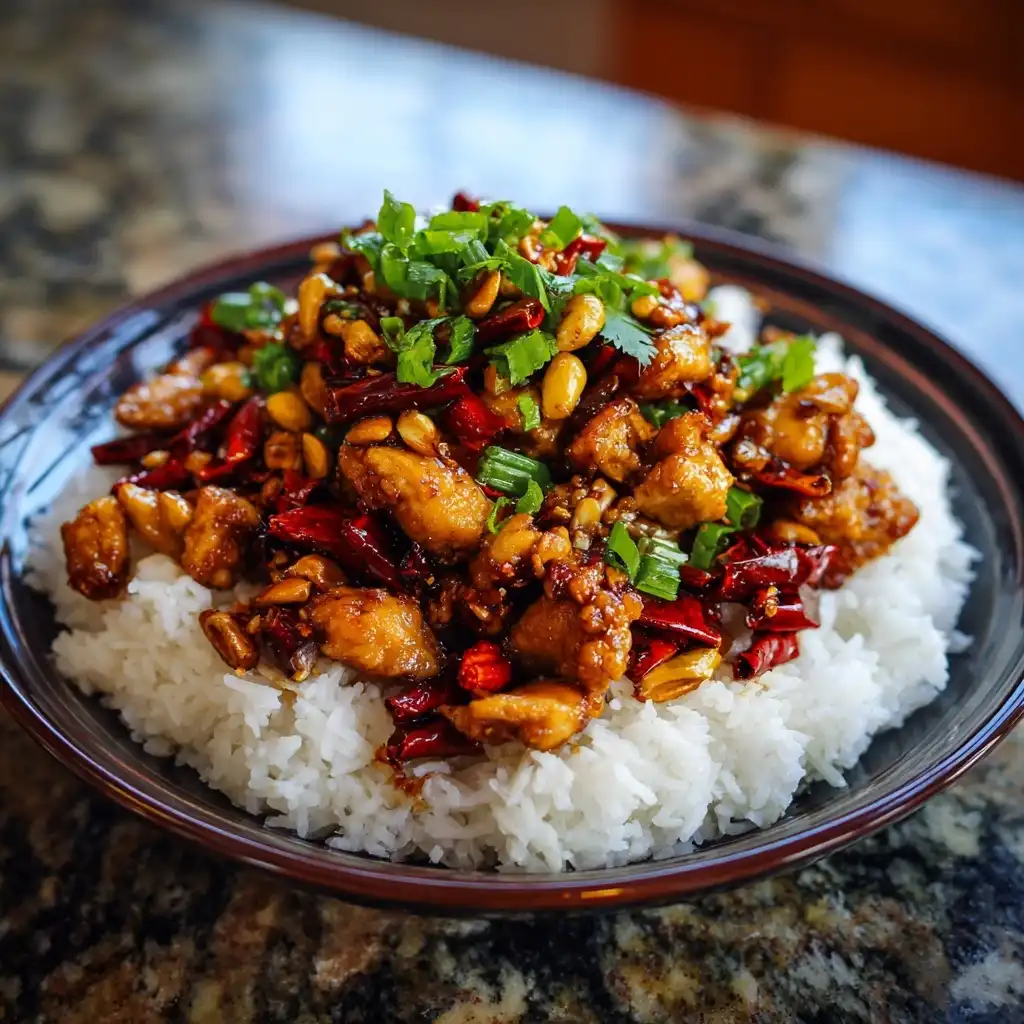
Kung Pao Chicken is one of the most beloved and widely recognized dishes in Chinese-American cuisine—and increasingly, authentic Sichuan cooking worldwide. With its bold, electrifying interplay of spicy heat, tangy acidity, savory umami, subtle sweetness, and nutty crunch, this dish delivers an unforgettable sensory experience in every bite. Though often simplified or sweetened in Western adaptations, traditional Kung Pao Chicken is a masterclass in balance, texture, and regional authenticity. It’s not merely “spicy chicken with peanuts”—it’s a centuries-old culinary expression rooted in philosophy, geography, and technique. Whether served in a humble Chengdu street-side stall or plated with precision in a Michelin-starred restaurant, Kung Pao Chicken embodies the soul of Sichuan cuisine: fiery yet refined, rustic yet deliberate, comforting yet complex.
The History
The origins of Kung Pao Chicken trace back to late 19th-century Sichuan Province, China, and are intimately tied to Ding Baozhen (1820–1886), a prominent Qing Dynasty official and governor of Sichuan. Ding held the honorary title Gongbao (often romanized as “Kung Pao”), meaning “Palace Guardian” or “Protector of the Palace”—a rank bestowed upon high-ranking civil servants. Legend holds that Ding, known for his love of bold flavors and home-cooked meals, frequently enjoyed a stir-fry made with diced chicken, dried chilies, Sichuan peppercorns, and roasted peanuts—ingredients readily available in his household pantry. His personal chef refined the dish over time, emphasizing the signature “mala” (numbing-spicy) profile and precise wok hei (breath of the wok). After Ding’s death, the dish was named in his honor as Gongbao Jiding (“Kung Pao Chicken”). While early versions were likely simpler and less standardized, the recipe evolved through regional variations across Sichuan—some incorporating vegetables like zucchini or bamboo shoots, others emphasizing preserved black beans or fermented broad bean paste. The dish entered the U.S. in the mid-20th century via Chinese immigrants, particularly those from Guangdong and later Sichuan, where it underwent significant adaptation: American versions often substituted milder bell peppers for facing heaven chilies, omitted Sichuan peppercorns, reduced chili heat, added sugar and ketchup-like sauces, and used roasted peanuts instead of dry-fried ones. In recent decades, however, a global revival of authentic Sichuan cuisine—fueled by chefs like Fuchsia Dunlop, restaurants such as Yu’s Family Kitchen and Mission Chinese Food, and increased importation of regional ingredients—has recentered the dish’s historical integrity, reintroducing proper techniques like velveting, dry-frying, and controlled wok tossing.
Ingredients Breakdown
Understanding each ingredient’s role is essential to mastering Kung Pao Chicken—not just for flavor, but for function and harmony:
- Chicken Breast or Thigh: Traditionally, boneless, skinless chicken thigh is preferred for its higher fat content, tenderness, and ability to absorb marinade without drying out during high-heat stir-frying. Breast is leaner and more accessible but requires careful velveting to prevent toughness.
- Vegetable Oil (Peanut or Sichuan Chili Oil): High-smoke-point oil is critical for achieving proper wok hei. Peanut oil imparts mild nuttiness; authentic preparations may use rendered lard or infused chili oil for deeper aroma.
- Dried Red Chilies (Er Jing Tiao or Facing Heaven Chilies): These medium-heat, aromatic chilies provide foundational heat and fruity, smoky depth. Seeds and stems are often retained for maximum capsaicin impact—but deseeding reduces intensity while preserving fragrance. Avoid generic “red pepper flakes”—they lack complexity.
- Sichuan Peppercorns (Huajiao): Not a true spice but the dried husks of Zanthoxylum berries, these deliver the signature tingling, citrusy-numbing sensation (ma) that defines Sichuan cuisine. Toasting before use unlocks volatile oils and enhances floral notes.
- Peanuts (Unsalted, Roasted & Skinned): Authentic versions use raw peanuts dry-fried until golden and crisp—or lightly roasted unsalted peanuts. Pre-salted or honey-roasted varieties disrupt balance. Some chefs prefer cashews or walnuts for variation, but peanuts remain canonical.
- Garlic & Ginger: Freshly minced—not powdered—is non-negotiable. Garlic contributes pungent warmth; ginger adds bright, peppery lift. Both must be added late in cooking to preserve volatile compounds.
- Green Onions (Scallions): Used both for cooking (white parts sautéed early) and garnish (green parts added at the end), they lend allium sweetness and freshness.
- Vegetables (Traditional vs. Modern): Classic Sichuan Kung Pao contains no vegetables beyond scallions—but many regional versions include diced zucchini, cucumber, or blanched bamboo shoots for textural contrast and cooling effect against heat.
- Marinade Components: Shaoxing wine (for aroma and tenderizing), light soy sauce (umami/salt), cornstarch (velveting agent and thickener), egg white (optional, for silkier texture), and a touch of sesame oil (aromatic finish).
- Sauce Base: Light soy sauce (salty-umami), dark soy sauce (color and depth), Chinkiang (Zhenjiang) black vinegar (tangy, malty acidity), Shaoxing wine (complexity), sugar (not sweetness per se, but balance and gloss), and a small amount of water or stock to adjust consistency. Oyster sauce or doubanjiang (fermented broad bean paste) may appear in modern interpretations but are not traditional in classic Kung Pao.
Step-by-Step Recipe
- Prep the Chicken: Cut boneless, skinless chicken thighs into ¾-inch cubes. Place in a bowl and marinate with 1 tsp Shaoxing wine, 1 tsp light soy sauce, 1 tsp cornstarch, ½ tsp sesame oil, and a pinch of white pepper. Mix well, cover, and refrigerate for 20–30 minutes (no longer—over-marinating can make chicken mushy).
- Prepare Aromatics & Chilies: Mince 4 cloves garlic and 1 tbsp fresh ginger. Thinly slice 6–10 dried red chilies (adjust to heat preference); remove stems but leave seeds for full flavor. Toast 1 tsp Sichuan peppercorns in a dry wok or skillet over medium-low heat for 45–60 seconds until fragrant and slightly puffed—do not burn. Grind coarsely using a mortar and pestle or spice grinder. Separate green and white parts of 3 scallions.
- Toast the Peanuts: Heat 1 tsp neutral oil in a cold wok or skillet. Add ⅔ cup raw, unsalted peanuts. Stir constantly over medium-low heat for 5–7 minutes until golden, fragrant, and slightly darkened. Transfer immediately to a plate to cool—residual heat will continue cooking them. Once cool, lightly crush or leave whole.
- Make the Sauce: In a small bowl, whisk together: 2 tbsp light soy sauce, 1 tsp dark soy sauce, 1½ tbsp Chinkiang black vinegar, 1½ tbsp granulated sugar, 1 tsp Shaoxing wine, 1 tsp cornstarch, and 2 tbsp water or chicken stock. Set aside. The sauce should be glossy and fluid—not too thick.
- Wok Setup & Blanching (Optional but Recommended): Heat wok over high flame until smoking. Add 3 tbsp peanut oil and swirl to coat. When oil shimmers (≈400°F), add chicken in a single layer. Let sear untouched for 30 seconds, then stir-fry vigorously for 1.5–2 minutes until just cooked through and lightly browned. Remove chicken and set aside. If using vegetables (e.g., zucchini), blanch briefly in boiling salted water first, then drain and pat dry.
- Infuse the Oil: Reduce heat to medium. Add white parts of scallions, ginger, and garlic. Stir-fry 20 seconds until aromatic but not browned. Immediately add dried chilies and toasted Sichuan peppercorns—stir continuously for 15–20 seconds until chilies darken slightly and release perfume (be cautious—fumes can be intense!).
- Combine & Finish: Return chicken to wok. Add any prepared vegetables. Pour sauce mixture over everything. Stir-fry rapidly for 45–60 seconds until sauce thickens, coats ingredients evenly, and bubbles vigorously. Do not overcook—the sauce should cling, not pool.
- Add Peanuts & Final Touch: Remove from heat. Toss in toasted peanuts and green scallion parts. Gently fold once or twice—peanuts should remain crisp, not soggy. Taste and adjust: a drop more vinegar for brightness, a pinch more sugar for roundness, or a sprinkle of extra Sichuan peppercorns for numbing lift.
- Serve Immediately: Plate hot over steamed jasmine rice. Garnish with additional crushed peanuts, a dusting of toasted Sichuan peppercorns, and a vibrant sprig of cilantro if desired.
Tips
- Velveting Is Non-Negotiable: Cornstarch + egg white + oil creates a protective barrier that locks in moisture and yields silky, tender chicken—even under aggressive stir-frying. Skipping this step leads to rubbery results.
- Wok Temperature Mastery: The wok must be *smoking hot* before adding oil, and oil must shimmer before adding aromatics. Too cool = steaming and greasiness; too hot = burnt garlic/ginger and bitter chilies.
- Chili Control: For authentic heat, use Er Jing Tiao or Facing Heaven chilies. Soak dried chilies in warm water for 5 minutes before slicing to rehydrate and soften skins—this improves mouthfeel and distributes heat more evenly.
- Sichuan Peppercorn Technique: Always toast *before* grinding. Never add whole peppercorns directly to the wok—they won’t release flavor effectively. Coarse grind ensures bursts of numbing oil with each bite.
- Sauce Consistency: Whisk sauce thoroughly *just before pouring*. Cornstarch settles quickly. If sauce separates, re-whisk vigorously—it should coat the back of a spoon.
- Timing Is Everything: Have *all* ingredients prepped and within arm’s reach (mise en place). Stir-frying happens in under 3 minutes—hesitation causes overcooking or broken sauce.
- Rice Matters: Serve with freshly steamed, slightly sticky jasmine rice—not basmati or brown rice. The rice’s mild sweetness and soft texture temper heat and absorb sauce beautifully.
- Avoid Common Pitfalls: Don’t overcrowd the wok. Don’t stir too gently (you need vigorous tossing for wok hei). Don’t substitute rice vinegar for Chinkiang black vinegar—it lacks depth and molasses-like richness. Don’t add sauce before aromatics are fully bloomed.
- Cooling Counterpoints: Offer chilled cucumber ribbons, pickled mustard greens, or a simple steamed tofu side to balance the mala intensity—especially for sensitive palates.
- Leftovers Strategy: Store components separately: sauce base (refrigerate up to 3 days), cooked chicken (2 days), peanuts (room temp, airtight). Reheat chicken and sauce separately, then combine with fresh peanuts and scallions.
Variations and Customizations
While respecting its roots, Kung Pao Chicken gracefully adapts across cultures, kitchens, and dietary needs:
- Regional Sichuan Twists: Chengdu Style emphasizes fermented black beans and doubanjiang for deeper funk; Leshan Style adds diced preserved radish for salty crunch; Ya’an Style incorporates smoked bacon bits for umami smoke.
- Protein Swaps: Kung Pao Shrimp (with quick-cooking shrimp and minimal marinade time), Kung Pao Tofu (extra-firm tofu pressed, cubed, and pan-fried until golden), Kung Pao Beef (flank steak, thinly sliced against the grain), or Kung Pao Duck (confited duck leg meat for richness).
- Vegetarian/Vegan Adaptations: Replace chicken with king oyster mushrooms (seared for meaty texture), lotus root (crisp and starchy), or textured vegetable protein (TVP) rehydrated in mushroom broth. Use tamari instead of soy sauce, maple syrup or coconut sugar instead of cane sugar, and omit oyster sauce. Ensure fish-free chili oil.
- Low-Carb/Keto Version: Skip cornstarch in marinade and sauce; use xanthan gum (¼ tsp) or glucomannan powder as thickener. Double peanuts, add broccoli florets or cabbage ribbons, and serve over cauliflower rice or shirataki noodles.
- Gluten-Free Option: Substitute tamari or certified GF soy sauce, ensure Shaoxing wine is GF (some contain wheat—look for “gluten-free huangjiu”), and verify vinegar is not malt-based. Use potato starch instead of cornstarch.
- Global Fusion Takes: Kung Pao Tacos (with corn tortillas, pickled red onion, avocado crema); Kung Pao Pizza (on thin crust with hoisin-kissed sauce, shredded chicken, scallions, and crushed peanuts); Kung Pao Ramen (broth enriched with chili oil, topped with chicken, nori, bamboo shoots, and sesame oil drizzle).
- Heat-Level Adjustments: Mild: Use only 2–3 chilies, remove all seeds, add 1 tbsp tomato paste for sweetness and body. Medium: Standard recipe. Fiery: Add ½ tsp chili crisp or 1 tsp ground facing heaven chilies to sauce. Numbing-Forward: Double Sichuan peppercorns and add a pinch of ground sansho pepper.
- Herb & Garnish Innovations: Thai basil instead of scallions for anise lift; crushed roasted sesame seeds alongside peanuts; lime zest or yuzu kosho for citrus dimension; crispy fried shallots for layered crunch.
Health Considerations and Nutritional Value
Kung Pao Chicken can be a nutritionally balanced, protein-rich meal when prepared mindfully—though restaurant and takeout versions often skew high in sodium, sugar, and oil. Here’s a detailed nutritional snapshot per standard 1.5-cup serving (chicken, sauce, peanuts, scallions, over ½ cup jasmine rice):
- Calories: ≈ 480–560 kcal (varies with oil quantity and peanut portion)
- Protein: 32–38g (excellent source; supports muscle maintenance and satiety)
- Fat: 22–28g (mostly unsaturated from peanuts and peanut oil; heart-healthy monounsaturated fats dominate)
- Carbohydrates: 34–42g (primarily from rice and small amounts of sugar/vinegar; low-glycemic when paired with fiber-rich sides)
- Fiber: 3–5g (enhanced with added vegetables like zucchini or bamboo shoots)
- Sodium: 900–1,400mg (high—mainly from soy sauce and fermented seasonings; reduce by using low-sodium tamari and halving dark soy)
- Sugar: 8–12g (naturally occurring from vinegar and minimal added sugar; avoid corn syrup or excessive sweeteners)
- Vitamins & Minerals: Rich in B vitamins (B3, B6 from chicken), vitamin E (peanuts), copper and manganese (Sichuan peppercorns), allicin (garlic), gingerol (ginger), and capsaicin (chilies)—all linked to anti-inflammatory, metabolic, and circulatory benefits.
Health Notes:
- Metabolic Benefits: Capsaicin increases thermogenesis and may modestly boost calorie burning; Sichuan peppercorn compounds show potential for improving blood circulation and reducing oxidative stress.
- Digestive Support: Ginger and garlic stimulate gastric enzymes and aid digestion—especially helpful with rich or oily foods.
- Cardiovascular Considerations: Peanuts contribute resveratrol and arginine, supporting endothelial function. However, excess sodium remains a concern for hypertension—opt for homemade versions where salt is fully controllable.
- Weight Management: High protein and healthy fats promote prolonged satiety. Portion control—especially of rice and oil—is key. Prioritize volume with non-starchy vegetables.
- Allergen Awareness: Contains tree nuts (peanuts are legumes but allergen-labeled as nuts); soy (soy sauce, fermented pastes); gluten (in traditional soy sauce and some wines); and shellfish (if oyster sauce is used).
- Dietary Modifications: Diabetics should monitor rice portions and choose vinegar-forward sauce profiles to support glycemic response. Those with GERD or IBS may find Sichuan peppercorns or excessive chilies irritating—start with micro-doses and observe tolerance.
Ingredients
Makes 4 servings
- 1½ lbs boneless, skinless chicken thighs, cut into ¾-inch cubes
- 3 tbsp peanut or vegetable oil (plus 1 tsp for peanuts)
- ⅔ cup raw, unsalted peanuts
- 8–10 dried red chilies (Er Jing Tiao or Facing Heaven), stemmed, seeded or unseeded per heat preference
- 1 tsp Sichuan peppercorns
- 3 scallions, white and green parts separated, chopped
- 4 cloves garlic, finely minced
- 1 tbsp fresh ginger, finely minced
- For the Marinade:
- 1 tsp Shaoxing wine
- 1 tsp light soy sauce
- 1 tsp cornstarch
- ½ tsp sesame oil
- Pinch of white pepper
- For the Sauce:
- 2 tbsp light soy sauce
- 1 tsp dark soy sauce
- 1½ tbsp Chinkiang black vinegar
- 1½ tbsp granulated sugar
- 1 tsp Shaoxing wine
- 1 tsp cornstarch
- 2 tbsp water or low-sodium chicken stock
- ½ tsp salt (optional—taste sauce first)
- Cooked jasmine rice, for serving
- Extra roasted peanuts and scallion greens, for garnish
Directions
- In a medium bowl, combine chicken pieces with all marinade ingredients. Mix thoroughly with chopsticks or fingers until evenly coated. Cover and refrigerate for 20–30 minutes.
- Place peanuts in a cold wok or skillet with 1 tsp oil. Heat over medium-low flame, stirring constantly, until golden brown and fragrant (5–7 minutes). Transfer to a plate and let cool completely. Lightly crush half, leaving remainder whole.
- In a small bowl, whisk together all sauce ingredients until smooth and lump-free. Set aside.
- Toast Sichuan peppercorns in a dry wok or skillet over medium-low heat for 45–60 seconds until aromatic and slightly swollen. Transfer to a mortar and pestle or spice grinder; crush coarsely (do not powder).
- Heat wok over highest possible flame until smoking. Add 3 tbsp oil and swirl to coat. When oil shimmers (≈400°F), add marinated chicken in a single layer. Let sear untouched for 30 seconds, then stir-fry vigorously for 1.5–2 minutes until just cooked through and lightly browned. Remove chicken and set aside on a clean plate.
- Reduce heat to medium. Add white scallion parts, garlic, and ginger. Stir-fry 20 seconds until fragrant. Immediately add dried chilies and toasted Sichuan peppercorns—stir continuously for 15–20 seconds until chilies darken slightly and fill kitchen with aroma.
- Return chicken to wok. Pour sauce mixture over all. Stir-fry rapidly for 45–60 seconds until sauce thickens to a glossy, clinging consistency and bubbles vigorously.
- Remove wok from heat. Immediately add roasted peanuts and green scallion parts. Gently toss 2–3 times to combine—do not overmix.
- Serve immediately over hot steamed jasmine rice. Garnish with extra peanuts, scallions, and a light dusting of crushed Sichuan peppercorns.
FAQ
- Q: Can I make Kung Pao Chicken without a wok?
- A: Yes—you can use a heavy-bottomed 12–14 inch stainless steel or cast-iron skillet. Preheat it thoroughly over medium-high heat, and don’t hesitate to use slightly more oil to compensate for less surface-area heat distribution. Avoid nonstick pans for high-heat stir-frying—they degrade and emit harmful fumes.
- Q: Why is my Kung Pao Chicken soggy or watery?
- A: Most commonly due to excess moisture: unpat-dried chicken, unblanched vegetables, or sauce poured too early before aromatics are fully bloomed. Always blot chicken dry before marinating, and ensure wok is blazing hot before adding ingredients. Also, never add sauce until the oil is shimmering and chilies have released their oils.
- Q: What’s the difference between Kung Pao and General Tso’s Chicken?
- A: Kung Pao is Sichuan-style: savory, spicy, numbing, vinegary, nutty, and texturally varied—with no batter and minimal sweetness. General Tso’s is Hunan-influenced (though popularized in NYC): deep-fried, heavily battered, intensely sweet-sour, with ginger-garlic dominance and no Sichuan peppercorns or peanuts.
- Q: Are Sichuan peppercorns safe? Do they contain allergens?
- A: Yes—Sichuan peppercorns are safe for most people and not botanically related to black pepper or common allergens. They belong to the Zanthoxylum genus (Rutaceae family) and do not contain capsaicin—but their hydroxy-alpha-sanshool compound causes harmless, temporary oral paresthesia. Rare sensitivities exist, but true allergy is extremely uncommon.
- Q: Can I freeze Kung Pao Chicken?
- A: Not recommended—the peanuts will turn rancid and lose crunch, and the sauce may separate or become gummy upon thawing and reheating. Better to freeze uncooked marinated chicken (up to 3 months) and prepare fresh with toasted peanuts and sauce.
- Q: How spicy is authentic Kung Pao Chicken?
- A: Moderate-to-high heat—but balanced. The chilies provide upfront warmth, while Sichuan peppercorns add a lingering, tingly numbness rather than pure burn. It’s about layered sensation, not pain. You’ll feel heat, then relief, then intrigue—a hallmark of mala cuisine.
- Q: Can I substitute other nuts?
- A: Cashews offer creaminess and mild sweetness; walnuts bring earthy bitterness; almonds add firm crunch. But peanuts remain irreplaceable for their authentic roasted, oily richness and cultural resonance. For nut allergies, use roasted sunflower or pumpkin seeds—but acknowledge the deviation from tradition.
- Q: Is Kung Pao Chicken gluten-free?
- A: Not inherently—traditional soy sauce and some Shaoxing wines contain wheat. To make it GF: use certified gluten-free tamari, gluten-free huangjiu (or dry sherry), and verify vinegar is not malt-derived. Always read labels carefully.
- Q: Why does my sauce break or become gluey?
- A: Overheating cornstarch (boiling too long after thickening) causes breakdown; under-mixing leads to clumping. Whisk sauce thoroughly before adding, pour gradually while stirring constantly, and remove from heat as soon as glossy thickness is achieved—do not continue cooking.
- Q: What wine pairs well with Kung Pao Chicken?
- A: Off-dry Riesling (to counter heat and enhance fruitiness), sparkling rosé (bright acidity cuts richness), or chilled Gewürztraminer (lychee notes complement Sichuan spices). For beer lovers: a crisp lager or hazy IPA with citrus notes works surprisingly well.
Summary
Kung Pao Chicken is a centuries-old Sichuan masterpiece defined by its dynamic “mala” (numbing-spicy) symphony, velvety-tender chicken, crunchy roasted peanuts, and glossy, tangy-savory-sweet sauce—all unified by the unmistakable breath of the wok. Far more than takeout comfort food, it’s a culturally rich, technically nuanced dish demanding respect for ingredient integrity, precise heat control, and harmonious balance—where every element exists not in isolation, but in deliberate, exhilarating conversation.