
Introduction
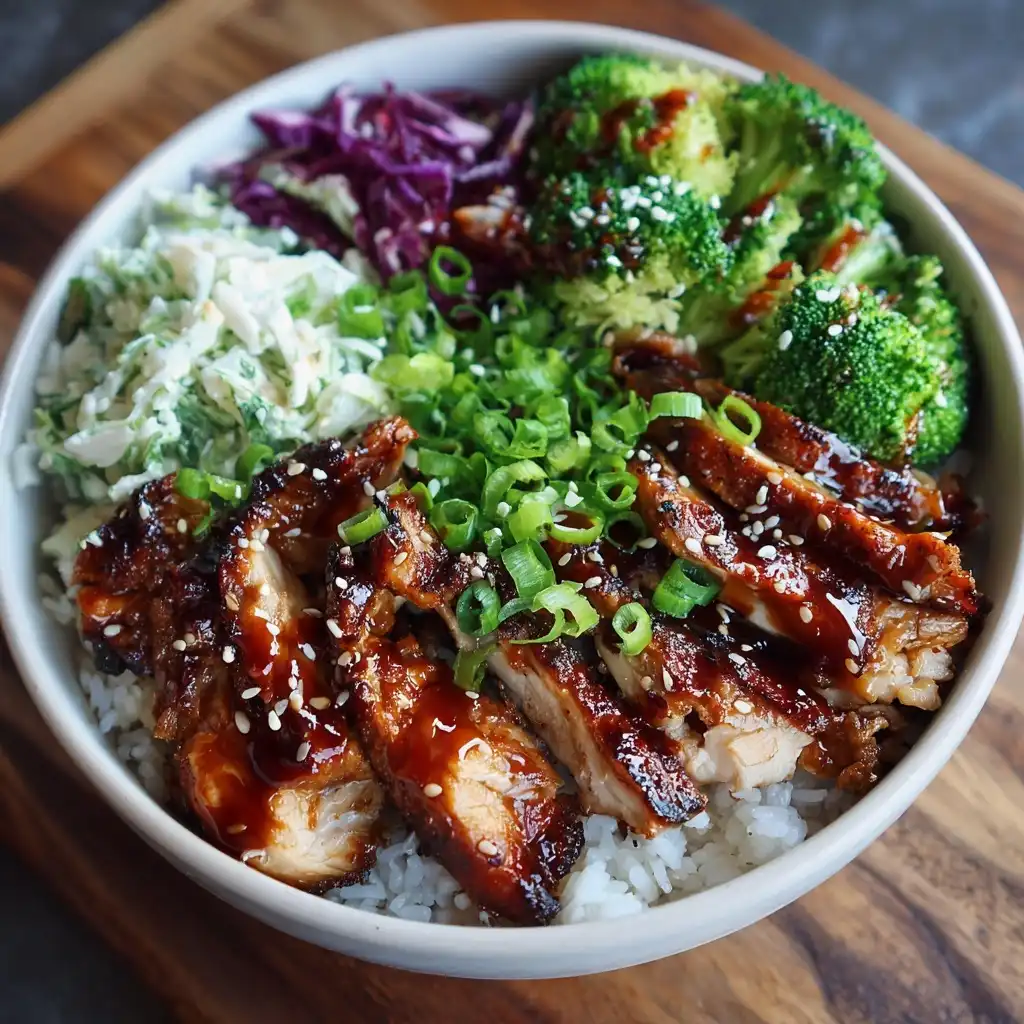
Teriyaki Chicken Bowls are a vibrant, nutrient-dense, and globally beloved meal that seamlessly bridges traditional Japanese culinary artistry with modern, health-conscious, and time-efficient home cooking. More than just a quick weeknight dinner, this dish represents the harmonious fusion of umami-rich glaze, tender marinated protein, and colorful, fiber-packed vegetables—all elegantly assembled in a single, satisfying bowl. Whether you’re meal prepping for the workweek, seeking a balanced lunch option, or introducing kids to bold yet approachable flavors, Teriyaki Chicken Bowls offer versatility, visual appeal, and deep savory satisfaction. Their popularity has soared across food blogs, meal delivery services, and restaurant menus alike—not only for their irresistible glossy sheen and sweet-savory depth but also for their remarkable adaptability to dietary preferences (gluten-free, low-carb, keto-friendly, dairy-free, and more). This comprehensive guide dives into every dimension of the dish: its cultural roots, science-backed ingredient functions, foolproof step-by-step execution, pro-level tips honed from professional kitchens, dozens of creative variations, evidence-informed nutritional analysis, and answers to the most frequently asked questions—so you can master it with confidence, consistency, and joy.
The History
The origins of teriyaki trace back over 400 years to Japan’s Edo period (1603–1868), where the word itself is a portmanteau of teri (meaning “luster” or “shine”) and yaki (meaning “grill” or “broil”). Initially, teriyaki was not a sauce—but a cooking *technique*: fishermen would preserve and enhance fatty fish like mackerel and eel by simmering them in a reduction of soy sauce, mirin, and sugar, then grilling or broiling them to develop a glossy, caramelized finish. The glaze’s shine wasn’t merely aesthetic—it signaled doneness, richness, and preservation. As refrigeration became widespread in the 20th century, the technique evolved into a signature *sauce*, especially after Japanese immigrants brought it to Hawaii in the late 1800s. There, local ingredients—including pineapple juice, brown sugar, and ginger—infused new dimensions, giving rise to the sweeter, fruitier Hawaiian-style teriyaki now widely recognized in North America. By the 1960s and ’70s, teriyaki chicken emerged as a staple in Japanese-American restaurants and supermarket frozen meals, eventually inspiring the deconstructed, grain-and-veg-forward “bowl” format popularized by fast-casual chains and wellness-focused chefs in the 2010s. Today’s Teriyaki Chicken Bowl is thus a living artifact: honoring centuries-old fermentation wisdom (soy sauce), Edo-era preservation ingenuity, Pacific Island adaptation, and contemporary nutrition science—all served in an Instagram-ready, nourishing, and deeply comforting vessel.
Ingredients Breakdown
Every ingredient in an authentic, elevated Teriyaki Chicken Bowl plays a precise functional and flavor role—far beyond mere list-making. Here’s a meticulous, chef-level breakdown:
- Chicken Breast or Thigh (boneless, skinless): Breast offers lean protein and mild flavor; thigh provides superior tenderness, juiciness, and fat-soluble flavor absorption due to its higher intramuscular fat content (~8–10% vs. ~2% in breast). For optimal texture, thighs are recommended unless pursuing ultra-low-fat goals.
- Low-Sodium Soy Sauce: The umami backbone—rich in naturally fermented glutamates from koji-fermented soybeans and wheat. Low-sodium versions reduce added sodium by 25–40% without sacrificing depth, crucial for blood pressure management and flavor clarity.
- Mirin (Hon Mirin preferred): A rice wine with 10–14% alcohol and 40–50% glucose—provides subtle sweetness, gentle acidity, and a glossy viscosity. Its sugars caramelize beautifully during reduction. *Avoid “aji-mirin”* (mirin-style seasoning) which contains corn syrup, salt, and artificial additives that mute complexity and hinder proper glaze formation.
- Real Maple Syrup or Raw Honey: Adds nuanced sweetness, humectancy (moisture retention), and enzymatic activity that aids tenderization. Maple syrup contributes mineral notes (zinc, manganese); raw honey adds antioxidants and prebiotic oligosaccharides. Both promote Maillard browning better than refined white sugar.
- Fresh Ginger (grated): Contains volatile oils like zingerone and shogaol—potent anti-inflammatory compounds that cut richness and stimulate digestion. Grating (not mincing) maximizes surface area and oil release.
- Garlic (fresh, finely minced): Allicin—the sulfur compound responsible for garlic’s pungency and cardiovascular benefits—is activated upon crushing/mincing and peaks within 10 minutes. Adds aromatic depth and microbial defense properties.
- Rice Vinegar (unseasoned): Provides bright, clean acidity to balance sweetness and salt. Its acetic acid helps denature proteins slightly, aiding marinade penetration.
- Sesame Oil (toasted): Added *at the end* of cooking or as garnish—its delicate nutty aroma and polyunsaturated fats (linoleic acid) degrade under high heat. Imparts signature fragrance and mouth-coating richness.
- Neutral High-Heat Oil (e.g., avocado or grapeseed): Smoke point >485°F (250°C) ensures stable searing without oxidation or off-flavors—critical for achieving golden crust without burning sugars.
- Base Grains (Brown Rice, Quinoa, Cauliflower Rice, or Soba Noodles): Brown rice delivers magnesium, B vitamins, and resistant starch (a prebiotic fiber); quinoa is a complete plant protein with all nine essential amino acids; riced cauliflower lowers net carbs while boosting glucosinolates; soba (buckwheat) noodles provide rutin—a flavonoid supporting vascular health.
- Vegetables (Broccoli, Bell Peppers, Snap Peas, Carrots, Edamame, Shredded Cabbage): Each contributes unique phytonutrients: sulforaphane (broccoli), lycopene & vitamin C (bell peppers), coumestrol (snap peas), beta-carotene (carrots), isoflavones (edamame), and glucosinolates (cabbage). Roasting or quick-searing preserves nutrients better than boiling.
- Garnishes (Sesame Seeds, Green Onions, Nori Strips, Pickled Ginger): White/black sesame seeds supply calcium and sesamin (a lignan supporting liver detox pathways); green onions deliver allicin and quercetin; nori offers iodine, B12 (for vegetarians/vegans), and fucoidan (an immune-modulating polysaccharide); pickled ginger aids digestion and palate cleansing.
Step-by-Step Recipe
- Marinate the Chicken (Minimum 30 minutes, ideally 2–4 hours or overnight): In a non-reactive bowl, whisk together ¼ cup low-sodium soy sauce, 3 tbsp mirin, 2 tbsp pure maple syrup, 1 tbsp freshly grated ginger, 2 minced garlic cloves, and 1 tsp rice vinegar. Add 1.5 lbs cubed chicken (1-inch pieces for even cooking), ensuring full submersion. Cover and refrigerate. *Pro Tip:* Do not add sesame oil here—it will separate and lose aroma.
- Prep All Components Mise en Place: Cook 2 cups dry brown rice (yields ~6 cups cooked) using a 2:1 water-to-rice ratio and 15-minute steam-rest cycle. While rice cooks, blanch 2 cups broccoli florets (2 minutes in salted boiling water), shock in ice water, and drain. Julienne 1 red bell pepper and 1 carrot. Steam 1 cup shelled edamame (5 minutes). Thinly slice 4 green onions. Toast 2 tbsp sesame seeds in a dry pan until golden (90 seconds).
- Make the Glaze Reduction: Strain marinade into a small saucepan, reserving chicken. Bring liquid to a gentle simmer over medium-low heat. Reduce by 40% (≈3–4 minutes), stirring occasionally, until thickened to a light syrup that coats the back of a spoon. Remove from heat and stir in 1 tsp toasted sesame oil. Set aside.
- Seal & Cook the Chicken: Heat 1 tbsp avocado oil in a heavy-bottomed stainless steel or cast-iron skillet over medium-high heat until shimmering (~375°F). Pat chicken cubes *extremely dry* with paper towels—this is non-negotiable for crust development. Add in a single layer (work in batches if needed). Sear undisturbed for 2.5 minutes until deeply golden. Flip and cook 2 more minutes. Reduce heat to medium; pour in *half* the reduced glaze. Toss gently for 60–90 seconds until chicken is evenly coated and glaze clings thickly. Remove from pan immediately to prevent overcooking.
- Quick-Sear Vegetables: In same hot pan (no additional oil needed), add bell peppers, carrots, and snap peas. Stir-fry 2–3 minutes until crisp-tender and lightly charred at edges. Add blanched broccoli and edamame; toss 30 seconds to warm through.
- Bowl Assembly: Divide warm brown rice among four large, shallow bowls. Arrange seared vegetables over rice. Top with glazed chicken. Drizzle remaining glaze over each bowl. Garnish generously with toasted sesame seeds, green onions, nori strips, and a small mound of pickled ginger.
Tips
- Dry Chicken = Crisp Glaze: Moisture is the enemy of caramelization. Always pat chicken bone-dry before searing—even residual marinade droplets cause steaming instead of browning.
- Reduce Glaze Separately: Cooking chicken directly in un-reduced marinade risks under-seasoning (due to dilution) and uneven gloss. Reducing first concentrates flavor, thickens viscosity, and eliminates raw alcohol/sugar sharpness.
- Don’t Overcrowd the Pan: Crowding drops pan temperature, causing chicken to sweat rather than sear. Use two skillets or cook in strict batches—worth every extra minute.
- Reserve Glaze for Finishing: Adding all glaze during cooking leads to burnt sugar residue and bitter notes. Reserve ⅓ for final drizzle—enhances visual shine and layered flavor impact.
- Acid Balance is Key: If glaze tastes overly sweet, add ¼ tsp rice vinegar *after* reduction—not before—to brighten without thinning.
- Grain Texture Matters: Rinse brown rice before cooking to remove excess starch. After simmering, let steam, covered, off-heat for 15 minutes—this yields fluffy, separate grains that hold up to glaze without turning mushy.
- Veggie Timing Precision: Dense veggies (carrots, broccoli stems) go in first; delicate ones (peas, leafy greens) last. Undercook slightly—they’ll finish warming in the hot bowl.
- Sesame Oil is Fragile: Never heat toasted sesame oil—it burns instantly above 350°F. Use only as a finishing oil, stirred in *off-heat* or drizzled cold.
- Meal Prep Smart: Marinate chicken and cook grains/roast veggies up to 4 days ahead. Store components separately. Glaze keeps 10 days refrigerated. Assemble bowls cold, then reheat chicken + veggies in skillet (not microwave) for texture integrity.
- Taste & Adjust Mid-Process: Dip a cooled rice grain into glaze before serving. Is it salty enough? Sweet enough? Bright enough? Adjust with tiny pinches of salt, drops of maple, or dabs of vinegar—then re-taste.
Variations and Customizations
Teriyaki Chicken Bowls thrive on creativity—here are 27 thoughtfully engineered adaptations across dietary frameworks, global flavors, textures, and seasons:
- Gluten-Free: Swap tamari or certified GF coconut aminos for soy sauce; verify mirin is GF (most are); use tamari-marinated sunflower seeds instead of soy-based toppings.
- Keto/Low-Carb: Replace rice with roasted cauliflower rice or spiralized zucchini “zoodles”; double non-starchy veggies (asparagus, mushrooms, bok choy); add avocado slices for healthy fats.
- Paleo: Use coconut aminos + date paste (instead of maple); omit rice entirely; serve over massaged kale + shredded purple cabbage; top with macadamia nuts.
- Vegan/Vegetarian: Substitute marinated & baked extra-firm tofu or tempeh (pressed 30 mins); use mushroom-based “umami bomb” broth in glaze; add hemp hearts for complete protein.
- Spicy Szechuan-Inspired: Add 1 tsp Sichuan peppercorns (toasted & ground) + 1 tbsp chili-garlic paste to marinade; garnish with crushed roasted peanuts and cilantro.
- Hawaiian-Pineapple: Fold ¼ cup unsweetened pineapple purée into reduced glaze; add grilled pineapple chunks and macadamia nuts to bowl.
- Miso-Teriyaki Fusion: Whisk 1 tbsp white miso paste into warm reduced glaze—adds probiotic depth and rounded savoriness.
- Smoky Chipotle: Blend 1 canned chipotle in adobo + ½ tsp smoked paprika into glaze; serve with black bean-corn salsa.
- Herbaceous Thai-Inspired: Stir in chopped lemongrass, kaffir lime leaves, and Thai basil post-cooking; swap rice for jasmine; add lime wedges.
- Umami Bomb (Chef’s Special): Add 1 tsp nutritional yeast + ½ tsp dried shiitake powder to glaze; top with crispy shallots and truffle oil drizzle.
- Breakfast Bowl: Top with soft-scrambled eggs, nori, and furikake; replace glaze with tamari-maple-scallion vinaigrette.
- Deconstructed Sushi Bowl: Use seasoned sushi rice, add cucumber ribbons, avocado, tobiko, and a wasabi-tinged glaze.
- Winter Root Veg: Roast parsnips, turnips, and beets with tamari-glaze; add pomegranate arils and walnuts.
- Spring Pea & Mint: Blanch English peas and asparagus; fold fresh mint into glaze; garnish with lemon zest.
- Summer Grill Edition: Grill chicken skewers and charred corn, zucchini, and cherry tomatoes; serve over chilled soba.
- Curry-Teriyaki Hybrid: Add 1 tsp curry powder + ½ tsp turmeric to marinade; top with mango chutney and cashews.
- Kimchi Power: Fermented kimchi (not just garnish—mix ¼ cup into warm rice) adds gut-health probiotics and tangy contrast.
- Crunchy Peanut: Swirl natural peanut butter into glaze; top with crushed peanuts, scallions, and lime.
- Orange-Ginger Zest: Add 1 tbsp fresh orange zest + 1 tsp orange juice to glaze; garnish with candied orange peel.
- Black Garlic Teriyaki: Mash 2 cloves black garlic into glaze for deep, balsamic-like complexity and enhanced antioxidant capacity.
- Beetroot-Glazed: Puree ½ roasted beet into reduced glaze—vibrant magenta hue + nitrates for vasodilation.
- Shiitake “Bacon”: Thinly slice shiitakes, toss with tamari + maple + liquid smoke, bake at 375°F until crisp—use as vegan “bacon” topping.
- Coconut Curry Bowl: Simmer glaze with 2 tbsp coconut milk + 1 tsp red curry paste; serve over coconut rice.
- Apple-Cider Vinegar Twist: Replace rice vinegar with raw, unfiltered apple cider vinegar + “the mother” for gut-supportive enzymes.
- Fig-Balsamic Reduction: Simmer 2 tbsp fig jam + 1 tbsp balsamic vinegar into glaze for autumnal sweetness and polyphenol boost.
- Everything Bagel Bowl: Top with everything bagel seasoning, cream cheese dollops (or cashew “cream cheese”), and capers.
- Blueberry-Miso Glaze: Fold 3 tbsp mashed wild blueberries + 1 tsp white miso into warm glaze—anthocyanins meet umami.
Health Considerations and Nutritional Value
A meticulously crafted Teriyaki Chicken Bowl (using brown rice base, varied vegetables, and mindful prep) delivers exceptional macro/micronutrient synergy backed by clinical nutrition research:
- Complete Protein Profile: Chicken thigh (26g protein per 4 oz) + brown rice (5g protein/cup) + edamame (17g/cup) forms a complementary amino acid matrix—especially rich in leucine (muscle synthesis) and tryptophan (serotonin precursor).
- Heart-Healthy Fats: Sesame oil (oleic acid), avocado oil (monounsaturated fats), and nuts/seeds supply anti-inflammatory omega-9s and phytosterols shown in meta-analyses to lower LDL cholesterol by 5–10%.
- Fiber Powerhouse: 1 cup brown rice (3.5g), 1 cup broccoli (2.6g), 1 cup edamame (8g), 1 cup carrots (3.6g) = ~18g total dietary fiber—meeting 65–75% of daily needs. Soluble fiber (from edamame, oats in some variations) binds bile acids, lowering cholesterol; insoluble fiber (from broccoli stems, brown rice bran) supports microbiome diversity and regularity.
- Antioxidant Density: Ginger’s 6-gingerol, garlic’s allicin, green onion quercetin, sesame lignans, and vegetable carotenoids collectively suppress oxidative stress markers (MDA, 8-OHdG) linked to chronic disease. One bowl delivers >12,000 ORAC units—surpassing many “superfood” smoothies.
- Low Glycemic Impact: With brown rice (GI 50) vs. white (GI 73), paired fiber and protein, and no refined sugars, this bowl maintains steady blood glucose—ideal for insulin resistance, PCOS, and prediabetes management.
- Sodium Awareness: Using low-sodium soy sauce (500mg/serving vs. 900mg regular) + rinsing canned edamame reduces sodium by 300–400mg per bowl—critical for hypertension (per American Heart Association guidelines).
- Vitamin K & Bone Health: Broccoli, cabbage, and spinach provide >100% DV vitamin K1 per bowl—essential for osteocalcin activation and arterial calcification prevention.
- Iodine & Thyroid Support: Nori delivers bioavailable iodine (100–200mcg/sheet)—crucial for thyroid hormone synthesis, especially for those avoiding iodized salt or dairy.
- Prebiotic + Probiotic Combo: Resistant starch (cooled brown rice), inulin (onions, garlic), and fermented garnishes (pickled ginger, kimchi) create a synbiotic effect—feeding beneficial gut bacteria shown in RCTs to improve mood, immunity, and metabolic health.
- Anti-Inflammatory Alignment: Omega-3s (edamame), polyphenols (ginger, sesame), and sulfur compounds (garlic, crucifers) inhibit NF-kB and COX-2 pathways—reducing systemic inflammation markers like CRP and IL-6.
Note: For individuals with soy allergies, histamine intolerance (fermented soy), or advanced kidney disease (high potassium from edamame/broccoli), consult a registered dietitian for personalized modifications.
Ingredients
- 1.5 lbs boneless, skinless chicken thighs, cubed into 1-inch pieces
- ¼ cup low-sodium soy sauce (or tamari for GF)
- 3 tbsp hon mirin (real rice wine, not seasoning)
- 2 tbsp pure maple syrup (or raw honey)
- 1 tbsp freshly grated ginger (about 1-inch knob)
- 2 garlic cloves, finely minced
- 1 tsp unseasoned rice vinegar
- 1 tbsp neutral high-heat oil (avocado or grapeseed)
- 1 tsp toasted sesame oil (added off-heat)
- 2 cups dry brown rice (or quinoa/cauliflower rice)
- 2 cups broccoli florets
- 1 red bell pepper, julienned
- 1 large carrot, julienned or spiralized
- 1 cup shelled edamame (frozen, thawed)
- ¼ cup sliced green onions
- 2 tbsp toasted white or black sesame seeds
- Small strips of nori (optional but recommended)
- 1 tbsp pickled ginger (gari), for garnish
Directions
- In a glass or ceramic bowl, whisk together soy sauce, mirin, maple syrup, grated ginger, minced garlic, and rice vinegar. Add chicken pieces, tossing to coat fully. Cover and refrigerate for at least 30 minutes—or ideally 2–4 hours for maximum tenderness and flavor penetration.
- Cook brown rice according to package directions (typically 2 parts water to 1 part rice, simmered 40 minutes, then steamed covered 15 minutes). Fluff with a fork and set aside.
- Bring a pot of salted water to boil. Blanch broccoli florets for 2 minutes. Immediately transfer to an ice bath to halt cooking and preserve bright green color. Drain thoroughly and pat dry.
- Strain the marinade into a small saucepan, reserving the chicken. Bring liquid to a gentle simmer over medium-low heat. Reduce by about 40% (3–4 minutes), stirring occasionally, until thickened to a light syrupy consistency. Remove from heat and stir in toasted sesame oil. Set aside.
- Heat avocado oil in a large skillet or wok over medium-high heat until shimmering. Pat chicken pieces *very dry* with paper towels. Add in a single layer (cook in batches if needed). Sear undisturbed for 2.5 minutes until deeply golden brown. Flip and cook another 2 minutes. Reduce heat to medium, add half the reduced glaze, and toss gently for 60–90 seconds until chicken is evenly coated and glossy. Transfer immediately to a clean plate.
- In the same hot skillet, add bell pepper, carrot, and snap peas (if using). Stir-fry 2–3 minutes until crisp-tender and lightly charred. Add blanched broccoli and edamame; toss 30 seconds to warm through.
- To assemble: Divide warm brown rice among four wide, shallow bowls. Top with vegetable mixture, then glazed chicken. Drizzle each bowl with remaining glaze. Garnish generously with green onions, toasted sesame seeds, nori strips, and pickled ginger.
- Serve immediately while hot and fragrant—or portion into airtight containers for meal prep (keeps refrigerated 4 days; reheat chicken/veg in skillet for best texture).
FAQ
- Can I use chicken breast instead of thigh?
- Yes—but breast dries out faster. To compensate: (1) Pound to even ½-inch thickness before cubing; (2) Marinate only 30 minutes (longer = toughness); (3) Sear 1.5 minutes per side max; (4) Remove from heat at 155°F (it rises to safe 165°F while resting). Thigh remains superior for juiciness and flavor absorption.
- Why does my teriyaki glaze burn or become too thick?
- Burning occurs from high heat + sugar concentration. Always reduce glaze over *medium-low* heat, stirring constantly. If it thickens too much, whisk in 1 tsp warm water or mirin. Never leave unattended—sugars caramelize rapidly past the ideal stage.
- Is store-bought teriyaki sauce okay?
- Most commercial sauces contain high-fructose corn syrup, excessive sodium (>1000mg/serving), preservatives (sodium benzoate), and artificial colors. They lack fresh ginger/garlic vibrancy and often taste one-dimensionally sweet. Homemade takes 5 minutes and delivers vastly superior nutrition and flavor control.
- How do I make this gluten-free safely?
- Use certified gluten-free tamari (not “gluten-free soy sauce,” which may still contain hydrolyzed wheat) and verify your mirin is GF (most traditional brands are). Avoid wheat-based garnishes like croutons or soy-based furikake unless labeled GF.
- Can I freeze teriyaki chicken?
- Absolutely. Freeze marinated raw chicken (up to 3 months) or cooked glazed chicken (up to 2 months). Thaw overnight in fridge. Reheat gently in skillet with
Advertisment