
Introduction
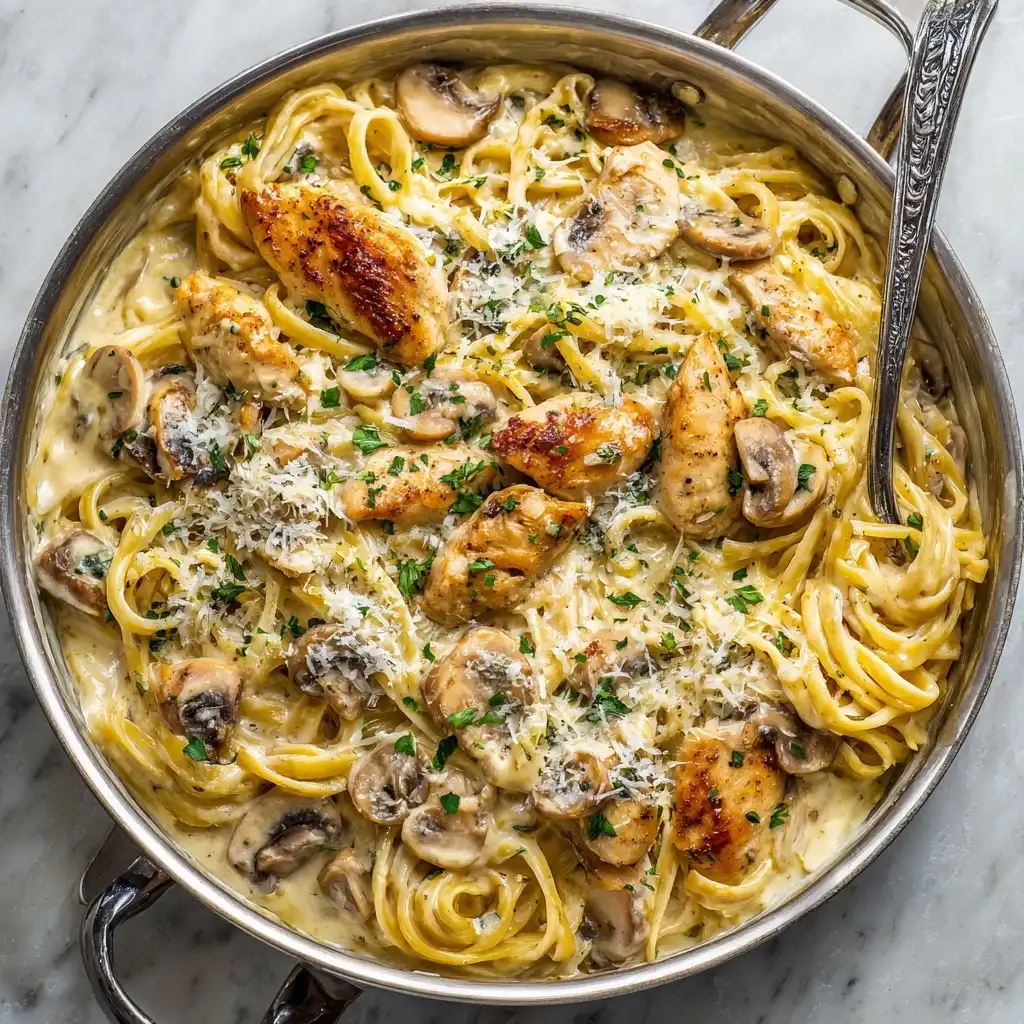
One-Pot Chicken Alfredo is the ultimate weeknight hero—a creamy, comforting, and deeply satisfying Italian-American classic reimagined for modern kitchens where simplicity, minimal cleanup, and maximum flavor reign supreme. Unlike traditional Alfredo recipes that require multiple pots, careful sauce emulsification, and precise timing to prevent separation, this streamlined version delivers restaurant-quality richness and velvety texture—all in a single Dutch oven or heavy-bottomed skillet. It’s not just convenient; it’s intentionally engineered for consistency: tender pan-seared chicken, al dente pasta, and a luxuriously cohesive sauce enriched with real Parmesan, garlic, and a touch of nutmeg—no roux, no cream cheese shortcuts, and no last-minute panic over curdling. Whether you’re a college student mastering your first savory dish, a busy parent juggling soccer practice and dinner prep, or a seasoned cook seeking an elegant yet effortless centerpiece, One-Pot Chicken Alfredo bridges indulgence and practicality without compromise.
The History
While the origins of Alfredo sauce are famously traced to early 20th-century Rome—where restaurateur Alfredo di Lelio created “Fettuccine al Burro” (fettuccine with butter and Parmigiano-Reggiano) as a rich, simple dish for his pregnant wife—the Americanized “Chicken Alfredo” emerged decades later across U.S. Italian-American eateries in the 1950s–60s. This adaptation reflected post-war abundance: grilled or sautéed chicken breast was added for protein, heavy cream replaced some butter for stability and shelf life, and sometimes a whisper of garlic or parsley entered the fold—departing from Di Lelio’s minimalist original. The one-pot evolution, however, is a distinctly 21st-century innovation, born from food blogging culture, viral TikTok cooking trends, and the growing demand for “dump-and-stir” meals aligned with sustainability goals (less water use, fewer dishes, lower energy consumption). Culinary historians note that true Italian chefs rarely combine chicken with traditional Alfredo—it’s considered a regional mismatch—but its global popularity underscores how food adapts meaningfully across borders and generations. This recipe honors both legacies: respecting the sauce’s foundational elegance while embracing the pragmatic ingenuity of contemporary home cooking.
Ingredients Breakdown
Every ingredient in this One-Pot Chicken Alfredo serves a precise functional and sensory role—no filler, no afterthoughts. Let’s explore them in depth:
- Boneless, skinless chicken breasts or thighs (1¼ lbs): Breasts offer lean tenderness and clean flavor; thighs provide superior moisture, richer umami, and greater forgiveness during cooking—especially important in a one-pot method where carryover heat can dry out lean cuts. Uniform ½-inch cubes ensure even searing and synchronized doneness with pasta.
- Garlic (4 large cloves, minced): Freshly minced—not jarred—is non-negotiable. Allicin compounds peak upon crushing and release fully when gently sautéed in butter, forming the aromatic backbone. Too little yields blandness; too much raw garlic overwhelms. We bloom it in fat to mellow pungency while preserving depth.
- Freshly grated Parmigiano-Reggiano (¾ cup, finely grated): Pre-grated “Parmesan” contains cellulose anti-caking agents that inhibit melting and create graininess. True Parmigiano-Reggiano—aged 24+ months—offers crystalline umami, nutty complexity, and natural emulsifying proteins (casein) that bind fat and liquid into silkiness. Reserve 2 tbsp for garnish to preserve its volatile top notes.
- Heavy cream (1¼ cups, full-fat, 36–40% milkfat): Not half-and-half or whole milk—those lack sufficient fat to stabilize the emulsion and risk breaking under heat or acid. Heavy cream provides unctuous body, slows starch gelatinization (keeping pasta from turning mushy), and carries fat-soluble flavors like garlic and nutmeg.
- Dry white wine (½ cup, e.g., Pinot Grigio or Sauvignon Blanc): Adds brightness, cuts richness, and deglazes fond—the caramelized bits left after searing chicken. Its acidity balances the sauce’s density and enhances perception of salt and umami. Alcohol fully cooks off, leaving only aromatic complexity.
- Fettuccine or linguine (12 oz, dried, bronze-die extruded): Bronze-die pasta has a rougher surface that grips sauce better than smooth Teflon-extruded versions. Fettuccine’s width holds up to creamy sauces without disintegrating; linguine offers slightly more delicate texture. Avoid fresh pasta—it releases too much starch and becomes gummy in prolonged simmering.
- Unsalted butter (4 tbsp): Provides foundational richness, aids in browning chicken, and contributes lecithin—an emulsifier that helps unify oil, water, and dairy. Salted butter introduces inconsistent salinity; unsalted lets you control seasoning precisely.
- Onion (½ medium yellow onion, finely diced): Adds sweet depth and aromatic foundation. Yellow onions contain higher sulfur compounds than white or red, yielding richer Maillard reactions when sautéed.
- Nutmeg (¼ tsp, freshly grated): A signature note in authentic Alfredo. Whole nutmeg, microplaned just before use, releases volatile oils (myristicin, elemicin) that add warm, woody, almost floral nuance—complementing Parmesan without tasting “spicy.” Pre-ground loses potency within weeks.
- Fresh parsley (¼ cup, flat-leaf, finely chopped): Added at the very end for vibrant color, clean herbal contrast, and subtle chlorophyll bitterness that lifts the palate. Curly parsley lacks the same aromatic intensity.
- Sea salt and freshly cracked black pepper (to taste): Kosher salt (e.g., Diamond Crystal) is used during cooking for even distribution; flaky sea salt (Maldon) finishes the dish for textural pop and clean salinity. Black pepper is freshly ground to activate piperine—the compound responsible for its sharp, resinous warmth.
Step-by-Step Recipe
- Prep & Season: Pat chicken cubes *extremely* dry with paper towels—moisture is the enemy of browning. Toss with 1 tsp kosher salt and ½ tsp black pepper. Grate cheese, mince garlic, dice onion, chop parsley, and measure all remaining ingredients. Mise en place is essential—this is a continuous-cook method with no pauses.
- Sear the Chicken: Heat 2 tbsp butter and 1 tbsp olive oil in a 5–6 quart heavy-bottomed Dutch oven or deep skillet over medium-high heat until butter foams and subsides (≈3 minutes). Add chicken in a single layer—do not crowd. Sear undisturbed 2–3 minutes per side until deeply golden brown and internal temp reaches 145°F (carryover will bring it to 165°F). Transfer to a plate; tent loosely with foil.
- Sauté Aromatics: Reduce heat to medium. Add remaining 2 tbsp butter. Once melted, add onion; cook 3 minutes until translucent. Add garlic; stir constantly 45 seconds until fragrant but *not* browned (bitterness ruins the sauce).
- Build Flavor Base: Pour in white wine, scraping bottom vigorously with a wooden spoon to lift all browned fond. Simmer 2 minutes until reduced by half and alcohol evaporates. This step is critical for depth and balance.
- Add Pasta & Liquid: Stir in fettuccine, then pour in 3 cups low-sodium chicken broth (warm, not cold—shock halts cooking). Liquid should barely cover pasta. Bring to a gentle boil, then reduce to a steady, active simmer (small bubbles breaking surface).
- Simmer with Purpose: Cook uncovered, stirring every 2 minutes with a heatproof spatula to prevent sticking and ensure even hydration. At 8 minutes, pasta should be plump but still very firm (al dente)—it will soften further in the sauce. Total pasta cook time: 10–11 minutes.
- Incorporate Chicken & Cream: Stir in seared chicken (and any accumulated juices) and heavy cream. Return to gentle simmer. Cook 3–4 minutes, stirring constantly, until sauce thickens enough to coat the back of a spoon and pasta is perfectly tender.
- Finish with Cheese & Seasoning: Remove from heat. Gradually whisk in grated Parmigiano-Reggiano, ¼ cup at a time, stirring vigorously in one direction until fully melted and glossy before adding more. Stir in nutmeg, remaining salt/pepper to taste. Sauce should be fluid enough to pool slightly but cling luxuriously.
- Rest & Serve: Let stand 2 minutes—this allows starches to relax and sauce to set slightly. Stir in fresh parsley. Taste and adjust: a tiny splash of lemon juice (¼ tsp) can brighten if overly rich; extra black pepper adds warmth. Serve immediately in warmed bowls.
Tips
- Control the Heat Relentlessly: Medium heat is the golden zone. Too high = scorched garlic, broken cream, rubbery chicken. Too low = mushy pasta and thin sauce. Use an infrared thermometer to verify surface temps: 325°F for searing, 200–210°F for simmering.
- The “Fond” is Your Secret Weapon: That dark crust left after searing chicken? Don’t wash it away. It’s concentrated meat essence—your free flavor booster. Deglaze thoroughly with wine to extract every molecule.
- Cheese Temperature Matters: Grated Parmesan should be cool (not cold) to prevent clumping. If cheese seizes, remove from heat, whisk in 1 tbsp hot broth, then slowly reincorporate.
- Stir With Intention: Use a silicone spatula with a wide, flexible edge—not a whisk. Scrape corners and bottom constantly. This prevents starch from concentrating and burning, and encourages even sauce adhesion.
- Broth Quality is Non-Negotiable: Low-sodium, homemade-style broth (like Swanson Unsalted or Better Than Bouillon Roasted Chicken base) ensures you control salt without diluting flavor. Avoid “lite” broths—they’re watery and lack collagen for mouthfeel.
- Don’t Skip the Rest: That 2-minute rest isn’t passive—it’s when amylose starches reorganize, thickening sauce naturally without gumminess. Serving too hot makes sauce slide off pasta.
- Acid is the Balancer: If sauce tastes cloyingly rich, don’t add more salt—add brightness. A few drops of lemon zest oil or a pinch of citric acid (⅛ tsp) works wonders. Never vinegar—it clashes with dairy.
- Pasta Water is Optional Here: Unlike traditional pasta sauces, you don’t need starchy water—the broth + cream + cheese emulsion is self-sufficient. Adding it risks thinning the sauce unpredictably.
Variations and Customizations
This recipe is a masterful canvas—adaptable for dietary needs, seasonal produce, global flavors, and pantry constraints—without sacrificing integrity:
- Gluten-Free: Substitute certified GF fettuccine (Barilla GF or Jovial Brown Rice) and ensure broth is GF-certified. Increase simmer time by 1–2 minutes—GF pasta absorbs liquid differently. Add 1 tsp xanthan gum with cheese to stabilize emulsion.
- Dairy-Free / Vegan: Replace butter with vegan butter (Miyoko’s), heavy cream with full-fat coconut milk (Chao or Aroy-D), and Parmesan with nutritional yeast + white miso paste (1 tbsp yeast + 1 tsp miso + ¼ tsp garlic powder). Sear tofu or chickpeas instead of chicken.
- Low-Carb / Keto: Swap pasta for spiralized zucchini (zoodles) or shirataki noodles. Sauté zoodles separately 2 minutes, then fold in at the end. Use heavy cream + cream cheese (2 oz) for extra thickness. Net carbs drop from 48g to <8g per serving.
- Vegetarian: Omit chicken; add 1 cup roasted cauliflower florets + ½ cup sautéed wild mushrooms (oyster or shiitake). Boost umami with 1 tsp soy sauce or tamari stirred in with cream.
- Protein Swaps: Try shrimp (add in last 3 minutes), Italian sausage (remove casing, brown crumbles first), smoked turkey breast, or flaked salmon (fold in off-heat).
- Global Twists:
- Mediterranean: Stir in sun-dried tomatoes, kalamata olives, and oregano.
- Truffle: Finish with 1 tsp white truffle oil and shaved black truffle.
- Spicy Arrabbiata: Add ½ tsp crushed red pepper with garlic; garnish with basil.
- Herbes de Provence: Infuse butter with thyme, rosemary, and lavender before searing.
- Leftover Magic: Transform leftovers into baked Alfredo bites (mix with egg, bake in muffin tin), creamy chicken Alfredo soup (add broth, simmer), or stuffed portobello caps (fill caps, top with panko, bake).
Health Considerations and Nutritional Value
A balanced perspective acknowledges both nourishment and enjoyment. Per standard serving (1⅓ cups), this recipe delivers approximately:
- Calories: 680–720 kcal (varies by cheese/butter amount)
- Protein: 42g (high-quality, complete protein from chicken + dairy)
- Fat: 34g total (19g saturated)—primarily from butter, cream, and cheese. While sat fats have been re-evaluated in recent research (not inherently harmful in context of whole foods), those managing cholesterol may opt for grass-fed dairy (higher CLA, omega-3s) or reduce butter by 1 tbsp.
- Carbs: 48g (mostly complex from pasta; glycemic load moderated by fat/protein)
- Fiber: 2g (increase to 5g+ by using whole wheat fettuccine or adding spinach)
- Vitamins & Minerals: Rich in B12 (chicken), calcium & phosphorus (Parmesan), vitamin A (cream), selenium (chicken), and bioactive peptides (fermented cheese).
Smart Modifications for Wellness Goals:
- Heart-Healthy: Use 1% milk instead of cream (add 1 tbsp cornstarch slurry to thicken), choose lean chicken breast, and boost garlic/onion (vasodilatory nitrates).
- Gut-Friendly: Fermented Parmigiano-Reggiano contains probiotic strains (Lactobacillus helveticus); serve with a side of lightly steamed broccoli (sulforaphane) for synergy.
- Anti-Inflammatory Focus: Add 1 cup baby spinach (stirred in last minute—rich in lutein, folate) and finish with 1 tsp extra virgin olive oil (polyphenols).
- Weight-Conscious: Increase volume with 1 cup riced cauliflower (added with broth) for 100 fewer calories and added fiber—without compromising satisfaction.
Remember: Nutrition is holistic. This dish provides satiety, stress reduction through comfort, and social nourishment—factors as vital to well-being as macronutrients.
Ingredients
- 1¼ lbs boneless, skinless chicken breasts or thighs, cut into ½-inch cubes
- 1 tsp kosher salt, plus more to taste
- ½ tsp freshly ground black pepper, plus more to taste
- 4 tbsp unsalted butter, divided
- 1 tbsp extra-virgin olive oil
- ½ medium yellow onion, finely diced
- 4 large garlic cloves, minced
- ½ cup dry white wine (e.g., Pinot Grigio)
- 12 oz dried fettuccine or linguine (bronze-die preferred)
- 3 cups low-sodium chicken broth, warmed
- 1¼ cups heavy cream (36–40% milkfat)
- ¾ cup freshly grated Parmigiano-Reggiano cheese, finely grated (plus 2 tbsp for garnish)
- ¼ tsp freshly grated nutmeg
- ¼ cup fresh flat-leaf parsley, finely chopped
Directions
- Pat chicken very dry with paper towels. In a small bowl, toss chicken with 1 tsp kosher salt and ½ tsp black pepper.
- Heat 2 tbsp butter and 1 tbsp olive oil in a 5–6 quart heavy-bottomed Dutch oven or deep skillet over medium-high heat until butter foams and subsides (≈3 minutes). Add chicken in a single layer without crowding. Sear undisturbed 2–3 minutes per side until deeply golden brown and internal temperature reaches 145°F. Transfer to a plate; tent loosely with foil.
- Reduce heat to medium. Add remaining 2 tbsp butter. Once melted, add onion and cook 3 minutes until translucent. Add garlic and stir constantly 45 seconds until fragrant but not browned.
- Pour in white wine, scraping bottom vigorously to lift all browned fond. Simmer 2 minutes until reduced by half.
- Stir in fettuccine, then pour in warm chicken broth. Liquid should barely cover pasta. Bring to a gentle boil, then reduce to a steady, active simmer.
- Cook uncovered, stirring every 2 minutes, for 10–11 minutes total—or until pasta is tender but still holds shape (test at 8 minutes; it should be very firm).
- Stir in seared chicken (and any juices) and heavy cream. Return to gentle simmer. Cook 3–4 minutes, stirring constantly, until sauce thickens to coat the back of a spoon.
- Remove from heat. Gradually whisk in grated Parmigiano-Reggiano, ¼ cup at a time, stirring vigorously in one direction until fully melted and glossy before adding more. Stir in nutmeg and additional salt/pepper to taste.
- Let stand 2 minutes. Stir in fresh parsley. Serve immediately in warmed bowls, garnished with reserved cheese and extra black pepper.
FAQ
- Can I use pre-grated cheese?
- No—pre-grated cheeses contain cellulose, starches, and anti-caking agents that prevent smooth melting and cause graininess or separation. Always grate fresh Parmigiano-Reggiano with a microplane.
- Why does my sauce break or look oily?
- Most commonly: overheating after adding cheese/cream, using low-fat dairy, or adding cold cheese to hot sauce. Solution: remove from heat before cheese, use room-temp cheese, and whisk vigorously while incorporating.
- Can I make this ahead or freeze it?
- Best served fresh—dairy-based sauces degrade upon freezing (grainy texture, separation). For make-ahead: prep components (chicken cubed, veggies chopped, cheese grated) up to 2 days ahead. Cook day-of. Leftovers keep 3 days refrigerated; reheat gently on stove with a splash of broth—never microwave uncovered.
- What if I don’t have white wine?
- Substitute with equal parts low-sodium chicken broth + 1 tsp white wine vinegar or lemon juice. Or omit entirely and increase broth by ¼ cup—but you’ll lose aromatic complexity and fond extraction.
- Can I double the recipe?
- Yes—but use a 7–8 quart pot and increase simmer time by 2–3 minutes. Stir more frequently. Do not triple—heat distribution suffers, leading to uneven cooking and scorching.
- Is there a way to make it lighter without sacrificing creaminess?
- Absolutely: replace half the cream with evaporated milk (not condensed), use 2 tbsp less butter, and stir in 2 tbsp Greek yogurt off-heat at the end for tang and body. Texture remains lush; calories drop ~120 per serving.
- Why do you recommend bronze-die pasta?
- Bronze dies create micro-abrasions on pasta surfaces, giving sauce something to grip—critical in one-pot methods where sauce clings during cooking. Smooth Teflon-extruded pasta often slides apart.
- My pasta turned mushy—what went wrong?
- Overcooking is the culprit. Set a timer. Test at 8 minutes: pasta should feel very firm. It softens significantly in the final 3–4 minutes with cream and residual heat. Also, ensure broth is warm—not cold—before adding.
- Can I add vegetables?
- Yes! Add 1 cup frozen peas (stir in last 2 minutes), sautéed spinach (last minute), or roasted broccoli (fold in with chicken). Avoid watery veggies like zucchini—add separately to prevent dilution.
- What wine pairs best with this dish?
- A crisp, high-acid white: unoaked Chardonnay, Vermentino, or Grüner Veltliner. Their citrus and mineral notes cut richness. For red lovers, try a light-bodied Pinot Noir with low tannins.
Summary
One-Pot Chicken Alfredo is a triumph of culinary efficiency—melding centuries-old Italian tradition with modern-day pragmatism to deliver irresistibly creamy, deeply flavorful comfort food in under 30 minutes and with exactly one pot to wash.
By honoring ingredient integrity (freshly grated cheese, proper dairy, quality pasta), mastering heat control, and understanding the science of emulsion, this recipe transforms weeknight cooking from chore to cherished ritual—proving that convenience and sophistication need never be mutually exclusive.