
Introduction
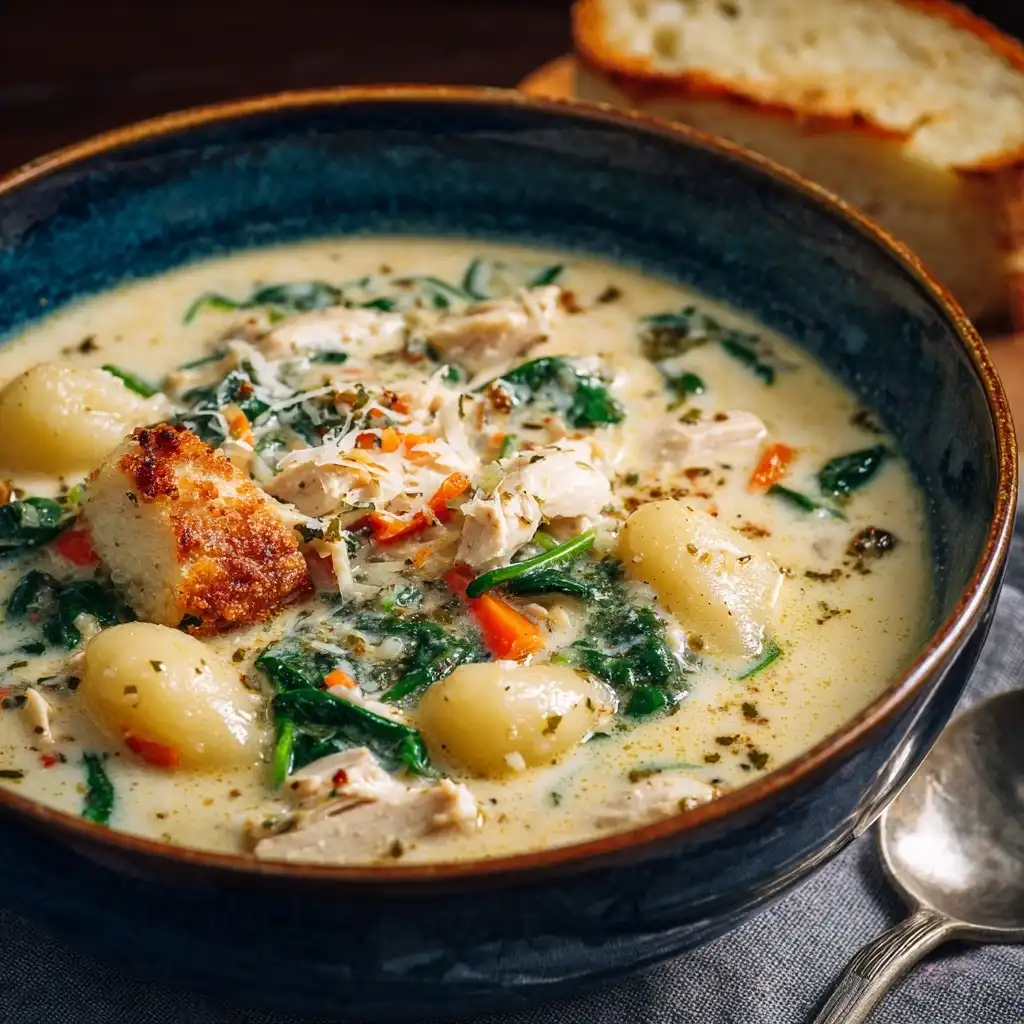
Chicken Gnocchi Soup is a soul-warming, hearty, and deeply comforting dish that masterfully bridges the rustic charm of Italian cuisine with the cozy familiarity of American home cooking. Unlike traditional brothy soups, this rich, creamy, and satisfying creation features tender chicken, pillowy potato gnocchi, and a velvety herb-infused base that clings luxuriously to every bite. It’s the kind of soup that fills your kitchen with aromas of garlic, thyme, and simmering poultry—evoking memories of Sunday dinners, snowy afternoons, and carefree gatherings around the table. Whether you’re seeking a weeknight lifesaver, a crowd-pleasing starter for holiday meals, or a nourishing remedy during cold season, Chicken Gnocchi Soup delivers on flavor, texture, and emotional resonance—all in one steaming bowl.
The History
While no single documented origin story pins Chicken Gnocchi Soup to a specific time or region, its evolution reflects a beautiful culinary convergence. Gnocchi—small, soft dumplings traditionally made from potatoes, flour, and egg—trace their roots to Northern Italy, where resourceful cooks transformed humble ingredients into elegant, filling fare as early as the 14th century. Meanwhile, chicken-based soups have long been staples across European and Mediterranean traditions, prized for both sustenance and restorative properties. In the United States, particularly from the mid-20th century onward, Italian-American home cooks began adapting classic recipes to suit local tastes and pantry availability—substituting heavy cream for dairy-rich ricotta-based sauces, incorporating rotisserie chicken for convenience, and embracing pre-packaged fresh or frozen gnocchi (a post-war innovation that democratized the dish). The rise of food magazines like Bon Appétit and television chefs such as Mario Batali and Giada De Laurentiis further popularized elevated yet approachable versions in the 1990s and 2000s. Today, Chicken Gnocchi Soup stands as a beloved hybrid: authentically rooted in Italian technique, yet wholly American in its adaptability, comfort-first philosophy, and celebration of accessible luxury.
Ingredients Breakdown
Understanding each ingredient’s role unlocks greater control, flavor depth, and customization potential:
- Chicken Breast or Thighs: Boneless, skinless chicken breast offers lean tenderness, while thighs provide richer flavor and superior moisture retention—especially important in slow-simmered broths. Poached, roasted, or shredded rotisserie chicken are all excellent time-saving options.
- Gnocchi: Fresh potato gnocchi (refrigerated section) yields the ideal light, cloud-like texture; shelf-stable dried gnocchi requires longer cooking and may turn gummy if overdone; frozen gnocchi works well but must be added carefully to avoid breaking. Avoid “gnocchi-style” pasta alternatives unless explicitly labeled—they lack the proper starch-to-flour ratio and will disintegrate.
- Broth: High-quality low-sodium chicken broth forms the aromatic foundation. Homemade broth adds unparalleled depth; boxed brands like Swanson, Kitchen Basics, or Pacific Foods are reliable. For extra umami, consider adding a splash of dry white wine (Sauvignon Blanc or Pinot Grigio) before adding broth—or stir in a teaspoon of mushroom or miso paste for earthy complexity.
- Aromatics: Onion (yellow or sweet), carrots, and celery—the classic mirepoix—build savory-sweet balance. Garlic (freshly minced, never jarred) contributes pungent warmth, while leeks (white and light green parts only) add subtle allium sweetness when sautéed gently.
- Cream & Dairy: Heavy cream provides luxurious body and mouthfeel; half-and-half offers lighter richness; whole milk can work but may result in a thinner, less cohesive texture. A small amount of grated Parmesan or Pecorino Romano stirred in at the end deepens savoriness without overpowering.
- Herbs & Seasonings: Fresh thyme and rosemary lend woodsy elegance; bay leaf imparts subtle depth (remove before serving); dried oregano or marjoram offer Mediterranean nuance. Black pepper should be freshly cracked for brightness, and a pinch of red pepper flakes introduces gentle heat that enhances rather than dominates.
- Thickening Agents: A roux (butter + flour) ensures velvety consistency and prevents separation. Alternatively, a slurry (cornstarch + cold water) works for gluten-free versions—but must be added gradually and boiled briefly to activate. Pureed white beans or cauliflower can also serve as natural, nutrient-dense thickeners for health-conscious variations.
- Vegetables & Add-Ins: Baby spinach, kale, or Swiss chard contribute color, texture, and nutrients. Roasted cherry tomatoes or sun-dried tomatoes add bursts of sweetness and acidity. Sautéed mushrooms bring meaty depth, while frozen peas or corn lend sweetness and visual appeal.
Step-by-Step Recipe
- Prep & Mise en Place (15 minutes): Dice onion, carrots, and celery uniformly (¼-inch pieces ensure even cooking). Mince 3–4 garlic cloves. Pat chicken dry and season lightly with salt and pepper. Measure broth, cream, herbs, and spices. If using fresh gnocchi, keep refrigerated until final step.
- Sear the Chicken (5–7 minutes): Heat 1 tbsp olive oil in a large Dutch oven or heavy-bottomed soup pot over medium-high heat. Add chicken in a single layer; cook undisturbed 3–4 minutes per side until golden brown and cooked through (165°F internal temp). Transfer to a cutting board, let rest 5 minutes, then shred or dice. Reserve any juices.
- Sauté the Aromatics (6–8 minutes): In the same pot, reduce heat to medium. Add 2 tbsp unsalted butter. Once melted and foamy, add onions, carrots, and celery. Cook, stirring occasionally, until softened and translucent (5 minutes). Stir in garlic and cook 1 minute more—until fragrant but not browned.
- Build the Roux (2 minutes): Sprinkle in ¼ cup all-purpose flour (or gluten-free 1:1 blend). Stir constantly with a wooden spoon, coating vegetables evenly. Cook 1–2 minutes to eliminate raw flour taste—mixture should bubble gently and turn pale gold.
- Deglaze & Simmer Base (10 minutes): Gradually whisk in 6 cups low-sodium chicken broth, ensuring no lumps remain. Scrape up any browned bits from the bottom of the pot (this is flavor gold!). Stir in reserved chicken juices, bay leaf, thyme sprigs, rosemary, and black pepper. Bring to a gentle boil, then reduce heat to low. Cover partially and simmer for 15 minutes to meld flavors and slightly reduce.
- Incorporate Cream & Chicken (5 minutes): Whisk in 1 cup heavy cream and ½ cup grated Parmesan. Stir in shredded chicken. Simmer uncovered for 3–4 minutes—do not boil vigorously, as cream may curdle.
- Add Gnocchi (3–4 minutes): Gently drop gnocchi into the simmering soup (do not stir vigorously—use a folding motion). Cook according to package directions—typically 2–4 minutes for fresh, 4–6 for frozen—until gnocchi float and are tender but still hold shape. Avoid overcooking, which leads to mush.
- Final Seasoning & Finish (2 minutes): Remove bay leaf and woody herb stems. Taste and adjust: add salt sparingly (broth and cheese contain sodium), freshly cracked black pepper, lemon zest (½ tsp brightens richness), or a splash of lemon juice (½ tbsp) for balance. Fold in 2 cups baby spinach until just wilted. Optional: drizzle with truffle oil or finish with fresh parsley or chives.
Tips
- Prevent Gnocchi Disintegration: Always add gnocchi last—and only when the soup is at a gentle simmer, not a rolling boil. Stir minimally with a silicone spatula using an upward folding motion. For make-ahead prep, cook gnocchi separately, rinse under cold water, toss with a bit of olive oil, and add to individual bowls before ladling hot soup.
- Boost Umami Without MSG: Sauté 1 finely chopped shallot and 2 oz diced pancetta or prosciutto before aromatics; add 1 tsp tomato paste with garlic; stir in 1 tbsp nutritional yeast or ½ tsp anchovy paste (undetectable but deeply savory).
- Control Thickness Like a Pro: Too thin? Simmer uncovered 5–10 minutes to reduce. Too thick? Whisk in warm broth, ¼ cup at a time, until desired consistency. For gluten-free thickening, use 1 tbsp arrowroot powder mixed with 2 tbsp cold water—add in final 2 minutes of simmering.
- Make It Restaurant-Quality: Finish with a swirl of high-quality pesto, crumbled feta or goat cheese, toasted pine nuts, or crispy fried sage leaves. A dusting of smoked paprika adds visual drama and subtle smokiness.
- Storage Wisdom: Store soup *without* gnocchi for best results—gnocchi absorbs liquid and becomes dense overnight. Refrigerate base up to 4 days; freeze up to 3 months (omit dairy if freezing—add cream fresh upon reheating). Reheat gently on stove (not microwave) to preserve texture.
- Time-Saving Hacks: Use rotisserie chicken (skip searing step); substitute frozen pre-chopped mirepoix; keep a stash of frozen homemade broth cubes; buy fresh gnocchi in bulk and freeze flat on parchment (separate portions with wax paper).
- Acidity Is Key: A final touch of acid—lemon juice, white wine vinegar, or even apple cider vinegar—cuts through richness and lifts all other flavors. Never skip this balancing step.
Variations and Customizations
This versatile canvas invites endless creativity—whether accommodating dietary needs, seasonal produce, or global inspirations:
- Italian-Inspired: Add ½ cup chopped sun-dried tomatoes (oil-packed, drained), ¼ cup torn fresh basil, and 2 tbsp capers. Swap Parmesan for aged Pecorino. Serve with crusty focaccia.
- Mediterranean Twist: Stir in ½ cup kalamata olives, ¼ cup chopped roasted red peppers, and 1 tsp dried oregano. Top with crumbled feta and a drizzle of olive oil.
- Smoky Southwest: Replace thyme with 1 tsp ground cumin and ½ tsp chipotle powder. Add black beans, corn, and diced avocado. Garnish with cilantro and lime wedges.
- Green Goddess: Blend 1 cup steamed broccoli or zucchini with ¼ cup broth until smooth; stir into base before adding cream. Fold in blanched asparagus tips, edamame, and fresh dill.
- Gluten-Free: Use certified GF gnocchi (often made with cassava or rice flour), GF all-purpose flour blend for roux, and tamari instead of soy sauce if using umami boosters.
- Vegan/Vegetarian: Substitute chickpeas or white beans for chicken; use vegetable broth and coconut cream (full-fat, canned) instead of dairy. Make gnocchi from scratch using russet potatoes, GF flour, and flax egg—or choose certified vegan store-bought versions.
- Keto/Low-Carb: Skip gnocchi entirely and replace with cauliflower “gnocchi” (riced cauliflower + egg + cheese, formed and pan-fried), shirataki noodles, or sliced zucchini ribbons. Increase healthy fats with extra olive oil or avocado oil.
- Instant Pot / Pressure Cooker Version: Sauté aromatics and chicken using “Sauté” function. Add broth, herbs, and spices; pressure cook 10 minutes. Quick release, stir in cream and gnocchi, then use “Keep Warm” setting for 3–4 minutes until gnocchi is tender.
- Slow Cooker Adaptation: Sear chicken and aromatics on stove first. Transfer to slow cooker with broth, herbs, and seasonings. Cook on LOW 4–5 hours. Stir in cream, gnocchi, and greens; cover and cook 20–30 minutes more on HIGH.
Health Considerations and Nutritional Value
A single 1¾-cup (415g) serving of homemade Chicken Gnocchi Soup (made with lean chicken breast, fresh gnocchi, low-sodium broth, and moderate cream) typically contains approximately:
- Calories: 380–450 kcal
- Protein: 28–34g (supporting muscle maintenance and satiety)
- Carbohydrates: 32–42g (primarily from potatoes in gnocchi—complex carbs with fiber if using whole-wheat or veggie-enriched gnocchi)
- Fat: 14–18g (mostly unsaturated from olive oil and dairy; saturated fat remains moderate at ~7–9g)
- Fiber: 3–5g (enhanced with added spinach, kale, or beans)
- Sodium: 580–720mg (well within daily recommended limit of 2,300mg when using low-sodium broth and minimal added salt)
- Vitamins & Minerals: Rich in B6 and B12 (chicken), vitamin A (carrots), vitamin K and folate (leafy greens), potassium (broth and veggies), and calcium (dairy and cheese)
Dietary Notes: This soup is naturally grain-free if using alternative gnocchi (cauliflower, almond flour), easily dairy-free with coconut or cashew cream, and highly adaptable for low-FODMAP diets (swap garlic/onion for infused oil and use chives/scallion greens). While not inherently low-calorie, its high protein and fiber content promote prolonged fullness—making it excellent for mindful weight management. For heart health, emphasize olive oil, limit sodium, and include omega-3-rich additions like flaxseed or walnuts. Those managing blood sugar should pair with a side salad or non-starchy veggie to slow glycemic response—and consider reducing gnocchi portion by ⅓ while boosting lean protein and greens.
Ingredients
- 1 tbsp extra-virgin olive oil
- 2 tbsp unsalted butter
- 1 medium yellow onion, finely diced (about 1 cup)
- 2 medium carrots, peeled and finely diced (about 1 cup)
- 2 ribs celery, finely diced (about ¾ cup)
- 4 garlic cloves, minced
- ¼ cup all-purpose flour (or gluten-free 1:1 blend)
- 6 cups low-sodium chicken broth (preferably organic or homemade)
- 1 bay leaf
- 1 tbsp fresh thyme leaves (or 1 tsp dried)
- 1 tsp fresh rosemary, finely chopped (or ½ tsp dried)
- ½ tsp freshly cracked black pepper
- ⅛ tsp red pepper flakes (optional)
- 1 lb boneless, skinless chicken breasts or thighs
- 1 cup heavy cream (or half-and-half for lighter version)
- ½ cup freshly grated Parmesan cheese, plus more for garnish
- 1 (16–18 oz) package fresh potato gnocchi
- 2 cups baby spinach or chopped kale
- 1 tbsp fresh lemon juice (plus zest of ½ lemon)
- Salt to taste (start with ¼ tsp—taste before adding more)
- Fresh parsley or chives, for garnish
Directions
- Heat olive oil in a large Dutch oven or heavy-bottomed pot over medium-high heat. Season chicken with salt and pepper. Add to pot and cook 3–4 minutes per side until golden and cooked through (165°F). Transfer to a plate, let cool slightly, then shred or dice. Reserve juices.
- Reduce heat to medium. Add butter. Once melted and foamy, add onion, carrots, and celery. Sauté 5–6 minutes until softened. Stir in garlic; cook 1 minute until fragrant.
- Sprinkle flour over vegetables. Stir constantly for 1–2 minutes to cook out raw taste.
- Gradually whisk in chicken broth, scraping up browned bits. Stir in reserved chicken juices, bay leaf, thyme, rosemary, black pepper, and red pepper flakes. Bring to a gentle boil, then reduce heat to low. Partially cover and simmer 15 minutes.
- Whisk in heavy cream and grated Parmesan. Stir in shredded chicken. Simmer gently 3–4 minutes.
- Gently add gnocchi. Cook 2–4 minutes (per package instructions) until gnocchi floats and is tender but still pillowy.
- Remove bay leaf and herb stems. Stir in spinach until wilted (1–2 minutes). Add lemon juice and zest. Taste and adjust seasoning.
- Ladle into warm bowls. Garnish with extra Parmesan, fresh parsley or chives, and a crack of black pepper. Serve immediately with crusty bread or garlic toast.
FAQ
- Can I use frozen gnocchi?
- Yes! Frozen gnocchi works beautifully—just add directly to simmering soup (no need to thaw). Cook 1–2 minutes longer than fresh, watching closely so they don’t overcook and become gummy.
- Why did my gnocchi turn mushy?
- Overcooking is the #1 culprit. Gnocchi cooks quickly—once it floats, check every 30 seconds. Also, avoid vigorous stirring or boiling the soup too hard when gnocchi is in—it breaks down delicate structure.
- Can I make this ahead of time?
- Absolutely—but for best texture, prepare the soup base (through step 5) up to 3 days ahead and refrigerate. Cook gnocchi fresh and stir in just before serving. You may need to thin with a splash of warm broth when reheating.
- Is there a dairy-free version?
- Yes. Replace butter with olive or avocado oil, use full-fat coconut milk or cashew cream instead of heavy cream, and omit cheese or use nutritional yeast or vegan Parmesan. Ensure gnocchi is dairy-free (many fresh varieties are, but always check labels).
- What’s the best way to reheat leftovers?
- Reheat gently on the stovetop over low-medium heat, stirring occasionally. Do not boil. If too thick, whisk in warm broth or water. Avoid microwaving in large batches—it heats unevenly and may toughen chicken or break gnocchi.
- Can I freeze Chicken Gnocchi Soup?
- Freeze the base (broth, cream, herbs, chicken) without gnocchi or greens for up to 3 months. Thaw overnight in fridge, reheat, then add freshly cooked gnocchi and wilted spinach. Freezing with gnocchi is not recommended due to texture degradation.
- My soup tastes bland—how do I fix it?
- First, add acid: lemon juice or vinegar. Then enhance umami: a dash of soy sauce, Worcestershire, or miso paste. Next, deepen herbs: stir in fresh thyme or rosemary. Finally, adjust salt—not necessarily more, but better-distributed seasoning. Taste after each addition.
- Can I use leftover turkey instead of chicken?
- Yes! Turkey works exceptionally well—especially after holidays. Use dark or white meat. Adjust simmer time accordingly (turkey can dry out faster, so add it later in the process—step 5 instead of step 4).
- How do I make it spicier?
- For layered heat: sauté ½ tsp crushed red pepper with aromatics; stir in ¼ tsp cayenne with flour; finish with pickled jalapeño brine or harissa swirl. Avoid adding heat at the end—it won’t integrate as fully.
- What wine pairs well with Chicken Gnocchi Soup?
- A crisp, medium-bodied white complements the cream and herbs beautifully: try Vermentino, Grüner Veltliner, or unoaked Chardonnay. For red lovers, a light Pinot Noir with bright acidity cuts through richness without overwhelming.
Summary
Chicken Gnocchi Soup is a masterclass in balanced comfort—melding tender poached chicken, delicate potato dumplings, and a luxuriously creamy, herb-kissed broth into one profoundly satisfying bowl.
Infinitely customizable, nutritionally robust, and steeped in cross-cultural tradition, it’s not just a meal—it’s a ritual of warmth, care, and culinary storytelling passed down, adapted, and cherished across generations.