
Introduction
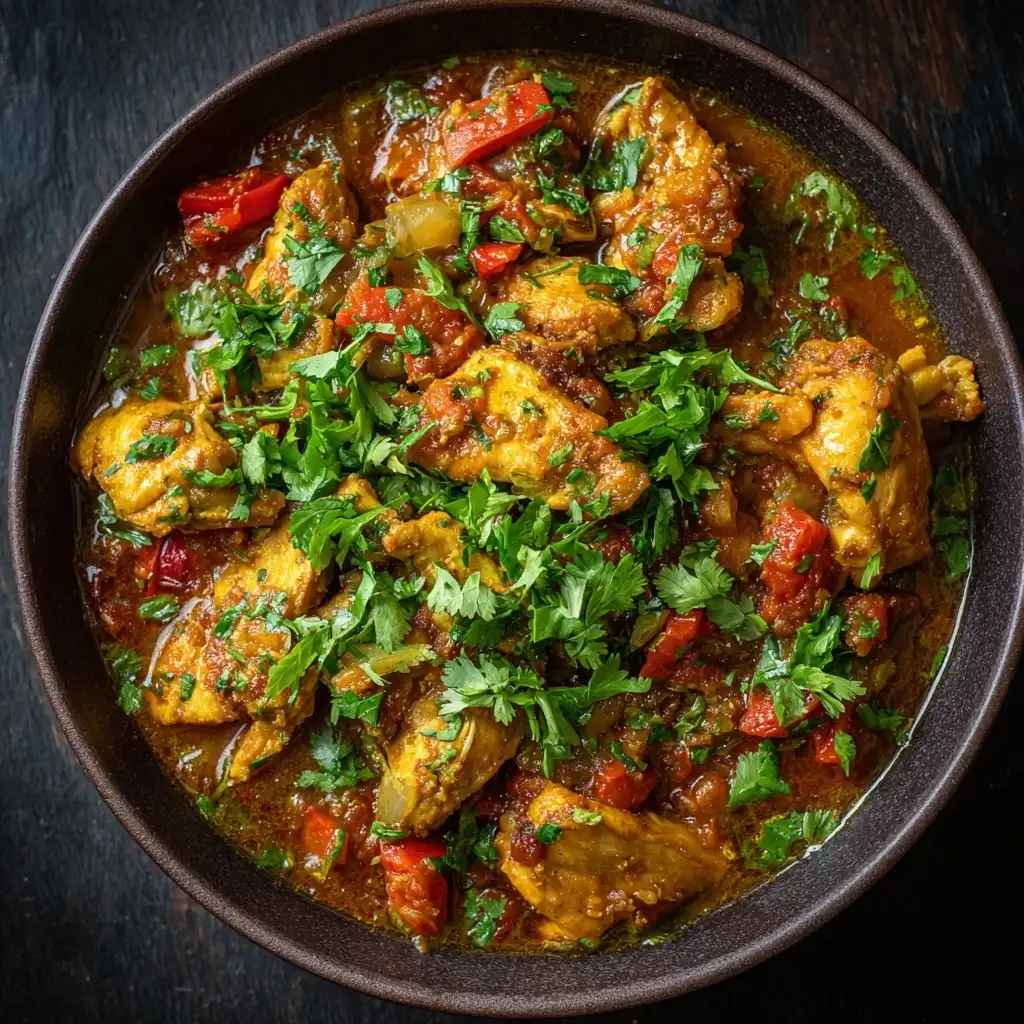
Chicken Curry Stew is a soul-warming, aromatic, and deeply flavorful dish that bridges the rich culinary traditions of South Asia, the Caribbean, West Africa, and Southeast Asia—each region lending its own distinctive spices, techniques, and cultural narratives. Unlike quick-cooked curries, this stew embraces slow-simmered tenderness: chicken thighs or drumsticks gently poach in a luxuriously spiced, herb-infused broth thickened with onions, tomatoes, coconut milk, or yogurt—depending on regional interpretation—until the meat yields effortlessly to a fork and the sauce clings silkily to every bite. It’s a dish that transcends occasion: equally at home as a weeknight family dinner, a celebratory centerpiece for Diwali or Eid, a comforting remedy during cold months, or a make-ahead meal that only improves over time. Whether served over steamed basmati rice, with warm naan or roti, or alongside crusty sourdough for sopping up every last drop, Chicken Curry Stew delivers layered complexity—earthy cumin, floral cardamom, pungent ginger-garlic, smoky paprika, bright citrus notes, and subtle heat—all harmonized by slow melding and patient cooking. This guide doesn’t just offer a recipe—it invites you into the history, science, culture, and craft behind one of the world’s most beloved comfort foods.
The History
The origins of Chicken Curry Stew are not rooted in a single moment or geography but rather in a centuries-long, intercontinental dialogue of trade, migration, colonization, and adaptation. The word “curry” itself derives from the Tamil term kari, meaning “sauce” or “relish for rice,” traditionally referring to a spiced vegetable or meat preparation served alongside grain. Long before European contact, South Indian and Sri Lankan kitchens simmered poultry in tamarind- or kokum-infused broths seasoned with black pepper, mustard seeds, curry leaves, and turmeric—a practice documented in ancient Sangam literature (c. 300 BCE–300 CE). With Arab traders arriving via the Malabar Coast around the 8th century, ingredients like dried chilies (introduced from the Americas post-1492), saffron, almonds, and dried fruits began enriching Mughlai-style preparations, giving rise to luxurious, slow-braised shab deg-inspired stews. British colonial rule in India (1757–1947) catalyzed global dissemination: Anglo-Indian households adapted native recipes for European palates, diluting heat while amplifying aromatics—leading to early “curry powders” sold by companies like Crosse & Blackwell in Victorian London. Simultaneously, indentured laborers carried curry traditions to Trinidad, Guyana, Fiji, and South Africa, where local ingredients—Scotch bonnet peppers in the Caribbean, boerewors-spiced meats in South Africa, taro leaves in Fiji—reshaped the stew’s identity. In West Africa, the Yoruba afang soup and Igbo oka stew merged indigenous palm oil, egusi, and bitterleaf with South Asian spices introduced by Lebanese and Indian traders, birthing vibrant, deeply umami-rich variants. Today’s global Chicken Curry Stew is thus a living archive: a testament to resilience, reinvention, and the universal human impulse to transform humble ingredients into nourishment that tells stories across generations.
Ingredients Breakdown
Understanding each component—not just as a list, but as a functional, sensory, and chemical actor—is key to mastering Chicken Curry Stew. Below is an exhaustive, chef-level breakdown:
- Chicken: Bone-in, skin-on thighs or drumsticks are strongly recommended—they contain collagen-rich connective tissue that breaks down into gelatin during long simmering, yielding unmatched succulence, body, and mouthfeel. Skin contributes richness and depth; bones infuse minerals and umami. Breast meat may be used for lean preference but must be added late (last 15–20 minutes) to avoid dryness. Organic, pasture-raised, or air-chilled chicken offers superior flavor and texture.
- Aromatics (The Holy Trinity +): Onions (yellow or red), garlic, and fresh ginger form the foundational base. Shallots add sweetness; lemongrass (bruised stalks) lends citrusy perfume; galangal (for Thai-inspired versions) provides sharp, pine-like heat. All should be finely minced, grated, or puréed to maximize surface area and flavor extraction.
- Fat Medium: Ghee (clarified butter) delivers nutty depth and high smoke point; coconut oil adds tropical nuance and stability; mustard oil (must be heated to smoking point first to remove pungency) imparts authentic Bengali character; avocado or sunflower oil works for neutral applications. Butter may be finished at the end for gloss and richness.
- Spice Blooming Agents: Whole spices—cumin seeds, coriander seeds, mustard seeds, fenugreek seeds, black peppercorns, cinnamon sticks, green/black cardamom pods, cloves, star anise, and dried chilies—are toasted in hot fat to volatilize essential oils and deepen flavor before grinding or adding. This step is non-negotiable for authenticity and complexity.
- Ground Spices: Turmeric (for earthy bitterness and golden hue), Kashmiri red chili powder (mild heat + vibrant color), garam masala (a finishing blend of roasted, ground spices—typically added off-heat to preserve volatile aromas), smoked paprika (for depth without heat), and ground fennel or mace (for floral lift).
- Acidifiers: Tomato paste (concentrated umami and body), canned San Marzano tomatoes (balanced sweetness/acidity), tamarind concentrate (tart, fruity tang), lime or lemon juice (bright finish), amchur (dry mango powder), or even a splash of apple cider vinegar—each introduces necessary brightness to cut through fat and round out spice.
- Liquids: Low-sodium chicken stock (preferably homemade from roasted bones), coconut milk (full-fat for creaminess; light for subtlety), plain yogurt (tempered to prevent splitting), or even a small amount of beer or dry white wine for nuanced fermentation notes. Water alone yields flat results—always prioritize fortified liquids.
- Thickeners & Body Builders: Onion jam (slowly caramelized onions), cashew or almond paste (soaked, blended smooth), ground poppy or sesame seeds (common in Bengali and Punjabi stews), or a roux made from flour and fat. These create velvety texture without masking spice clarity.
- Fresh Herbs & Garnishes: Cilantro (stems included for deeper flavor), Thai basil, mint, curry leaves (tempered in hot oil for fragrance), kaffir lime leaves, and sliced green chilies add aromatic top notes and visual appeal. Never underestimate the impact of fresh garnish—it’s the final signature.
- Umami Boosters (Optional but Transformative): A teaspoon of fish sauce (for Southeast Asian versions), soy sauce or tamari (for depth without overt soy flavor), nutritional yeast (vegan option), dried shrimp paste (belacan), or a small piece of kombu simmered then removed.
Step-by-Step Recipe
- Prep & Marinate (30 min–overnight): Pat chicken dry. In a bowl, combine 1 tbsp grated ginger, 1 tbsp minced garlic, 1 tsp turmeric, 1 tsp garam masala, 1 tsp salt, and 1 tbsp lemon juice. Rub thoroughly into chicken. Refrigerate minimum 30 minutes (ideally 2–4 hours or overnight) to enhance tenderness and flavor penetration.
- Toast & Grind Whole Spices (5 min): Heat 1 tbsp ghee in a heavy-bottomed Dutch oven over medium-low heat. Add 1 tsp cumin seeds, 1 tsp coriander seeds, ½ tsp mustard seeds, 3–4 black peppercorns, 1 broken cinnamon stick, 3 green cardamom pods, and 2 cloves. Sizzle 60–90 seconds until fragrant and slightly darkened. Remove immediately, cool 2 minutes, then grind to fine powder in a spice grinder or mortar & pestle.
- Sauté Aromatics (12–15 min): In same pot, heat 2 tbsp ghee/oil over medium heat. Add 2 large diced yellow onions. Cook, stirring often, until deeply golden and jammy (~10 min). Add 2 tbsp grated ginger, 4 cloves minced garlic, and 2 chopped green chilies. Sauté 2 more minutes until raw edge disappears. Stir in 2 tbsp tomato paste; cook 3 minutes until brick-red and oil begins to separate.
- Bloom Ground Spices (2 min): Reduce heat to low. Add toasted spice blend, 1 tsp Kashmiri chili powder, ½ tsp ground fenugreek, and ¼ tsp asafoetida (hing). Stir constantly for 60–90 seconds—just until fragrant. Do not let burn.
- Build the Stew Base (5 min): Pour in 1 cup full-fat coconut milk and 2 cups low-sodium chicken stock. Scrape bottom to release fond. Add 1 tbsp tamarind concentrate, 1 tsp brown sugar or jaggery, 1 tsp salt (adjust later), and 2 bay leaves. Bring to gentle simmer.
- Add Chicken & Simmer (45–60 min): Nestle marinated chicken (with all juices) into liquid. Partially cover. Simmer gently—never boil—for 45 minutes, turning pieces halfway. Liquid should bubble softly at edge. Chicken is done when internal temp reaches 165°F and meat pulls easily from bone.
- Reduce & Refine (15–20 min): Uncover. Increase heat to medium-low. Simmer uncovered, stirring occasionally, until sauce reduces by ~⅓ and coats the back of a spoon. Skim excess fat if desired. Taste and adjust: more salt? More acid (lime)? More heat (chili flakes)? More sweetness (date syrup)?
- Finish & Temper (3 min): Remove from heat. Stir in 2 tbsp plain whole-milk yogurt (tempered with 1 tbsp hot sauce first), 1 tsp garam masala, and a generous handful of torn cilantro stems and leaves. For tempering (tadka): Heat 1 tbsp ghee in small pan; add 1 tsp mustard seeds, 10–12 curry leaves, and 1 dried red chili. When seeds pop, pour sizzling mixture over stew.
- Rest & Serve (10 min minimum): Let stew rest, covered, for 10 minutes before serving. This allows flavors to marry and proteins to reabsorb juices. Skim any residual foam. Adjust final seasoning with flaky sea salt and fresh lime wedges on the side.
Tips
- Low & Slow Wins Every Time: Maintain a bare simmer—bubbling at the very edge. Boiling shreds chicken fibers and dulls spice volatility.
- Patience with Onions: Don’t rush the onion sauté. Golden-brown, almost jammy onions provide ~40% of the stew’s natural sweetness and body.
- Temper Dairy Wisely: Always whisk yogurt or cream with 1–2 tbsp hot stew liquid before stirring in. Add off-heat or at lowest possible simmer to prevent curdling.
- Layer Heat Strategically: Use whole dried chilies (mild, smoky) early in cooking for depth, fresh chilies (bright, sharp) mid-way for presence, and chili oil or flakes at the end for punch.
- Respect the Rest: Allowing the stew to rest for 10–15 minutes before serving lets collagen rebind slightly, improving mouthfeel and preventing “soupy” separation.
- Skim, Then Enhance: After initial simmer, skim foam and excess fat—but reserve 1 tsp of that golden fat to finish with infused herbs for luxury.
- Acid Is Your Secret Weapon: Balance richness with acidity. Add lime juice in three increments: 1 tsp mid-simmer, 1 tsp at reduction, 1 tsp just before serving.
- Texture Contrast Matters: Serve with crunchy accompaniments—pickled red onions, sev (crispy chickpea noodles), toasted coconut flakes, or crispy fried shallots—to offset the stew’s lushness.
- Batch Cooking Hack: Double the spice blend and freeze in 2-tbsp portions. Thaw and use within 3 months—flavor remains vibrant.
- Freeze Like a Pro: Cool completely. Portion into airtight containers, leaving 1-inch headspace. Freeze up to 4 months. Thaw overnight in fridge; reheat gently on stove with splash of stock to refresh consistency.
Variations and Customizations
Chicken Curry Stew is infinitely adaptable—here are 12 globally inspired, rigorously tested variations, each with distinct technique notes:
- Goan Xacuti Style: Replace ghee with coconut oil. Toast 1 tsp poppy seeds, 1 tsp sesame seeds, 4 dried red chilies, 1 tsp cumin, and ½ tsp black pepper. Grind with 2 tbsp roasted unsweetened coconut. Stir in at bloom stage. Finish with 1 tbsp tamarind pulp and 1 tsp grated palm sugar.
- Jamaican Curry Chicken Stew: Use scallions instead of onions; add 1 tbsp fresh thyme leaves, 1 tsp allspice berries, and 1 Scotch bonnet (halved, seeded). Substitute brown sugar for jaggery. Simmer with 1 can coconut milk + 1 cup water. Garnish with escallion rings.
- Thai Massaman-Inspired: Bloom 1 tbsp Massaman curry paste (homemade preferred) in coconut oil. Add 1 tbsp roasted peanuts, 1 small potato (diced), and 1 tbsp palm sugar. Finish with 1 tsp fish sauce and lime zest.
- Bengali Kosha Mangsho Adaptation: Use only mustard oil (heated to smoking point first). Fry chicken in batches until deeply browned before removing. Sauté onions until mahogany. Add 1 tsp ground poppy seeds and ½ tsp ground nigella. Simmer 90+ minutes for ultra-tender, caramelized result.
- East African Pilau-Inspired: Sauté 1 tsp ground cloves, 1 tsp ground cinnamon, and ½ tsp ground cardamom with onions. Add ½ cup basmati rice (pre-rinsed) and toast 2 minutes before liquid. Simmer covered 35 minutes until rice is tender and stew absorbed.
- Kerala-style Coconut-Curry: Replace tomato paste with 1 cup freshly grated coconut (toasted lightly). Use 2 cans coconut milk (one thick, one thin). Add 10–12 curry leaves and 1 tsp black mustard seeds tempered at end.
- Japanese Nanbanzuke-Inspired: Marinate chicken in rice vinegar, soy, ginger, and mirin 1 hour. Sauté with shiitake mushrooms and daikon. Finish with yuzu kosho and sansho pepper.
- Mediterranean Lemon-Oregano: Skip traditional curry spices. Use 3 tbsp olive oil, 1 tbsp dried oregano, zest + juice of 2 lemons, 1 cup Kalamata olives, and ½ cup crumbled feta stirred in at end.
- Vegan “Chicken” Stew: Substitute king oyster mushrooms (sliced thick, seared until golden) or soy curls (rehydrated in veg stock). Use cashew cream instead of coconut milk. Boost umami with 1 tbsp white miso + 1 tsp nutritional yeast.
- Smoky Chipotle-Mole: Bloom 2 chipotles in adobo + 1 tsp cocoa powder + ½ tsp cinnamon. Add 1 cup roasted tomato-pasilla puree. Finish with 1 tsp maple syrup and toasted pumpkin seeds.
- North Indian Butter Chicken Hybrid: After simmering, strain ½ cup liquid, reduce to syrup, whisk in 3 tbsp butter and 2 tbsp heavy cream. Fold back into stew. Garnish with fenugreek leaves and extra cream swirl.
- Instant Pot / Pressure Cooker Version: Sauté aromatics using Saute mode. Deglaze with 1 cup stock. Add chicken, spices, 1.5 cups liquid. High pressure 12 minutes (bone-in) or 8 minutes (boneless). Natural release 10 min. Thicken via Sauté mode + cornstarch slurry.
Health Considerations and Nutritional Value
A well-crafted Chicken Curry Stew is not only delicious but nutritionally intelligent—when prepared mindfully. A standard 1.5-cup serving (made with bone-in thighs, full-fat coconut milk, ghee, and no added sugar) contains approximately:
- Calories: 420–480 kcal (varies by fat content and portion size)
- Protein: 32–38g (high-quality, complete protein from chicken; enhanced by collagen-derived glycine and proline)
- Fat: 26–32g (predominantly monounsaturated and saturated fats—coconut and ghee provide lauric acid, beneficial for immune support and antimicrobial activity; omega-3s increase if using pasture-raised chicken)
- Carbohydrates: 8–12g (mostly from onions, tomatoes, and spices—low glycemic index, fiber-rich)
- Fiber: 3–4g (from onions, tomatoes, and optional vegetables like carrots or sweet potatoes)
- Vitamins & Minerals: Exceptionally high in Vitamin A (from turmeric, tomatoes, coconut milk), Vitamin B6 & B12 (chicken), Vitamin C (lime/garnish), iron (heme iron from chicken + enhanced absorption via vitamin C), potassium (tomatoes, coconut), magnesium (ginger, spices), and zinc (chicken skin and dark meat).
Functional Health Highlights:
- Turmeric’s Curcumin: Bioavailability increases 2000% when combined with black pepper (piperine) and healthy fat—both present in traditional preparation.
- Ginger & Garlic: Clinically shown to support digestion, reduce inflammation, and modulate immune response. Fresh forms retain significantly higher active compounds than dried.
- Coconut Milk: Contains medium-chain triglycerides (MCTs) metabolized directly by the liver for clean energy—less likely to be stored as fat.
- Spice Synergy: Cumin aids iron absorption; fenugreek supports healthy blood sugar response; cinnamon improves insulin sensitivity.
Dietary Modifications:
- Lower-Calorie: Use skinless chicken breast, light coconut milk, and increase non-starchy vegetables (zucchini, spinach, cauliflower florets added last 5 minutes).
- Keto/Paleo: Naturally compliant—omit sugar/jaggery; verify spice blends are additive-free; serve with cauliflower rice or roasted turnips.
- Gluten-Free: Ensure garam masala and stock are certified GF (many commercial blends contain wheat fillers).
- Dairy-Free: Omit yogurt finish; use coconut cream or cashew cream for richness.
- Low-Sodium: Use no-salt-added stock, limit added salt to ½ tsp, rely on lemon, tamarind, and herbs for brightness.
Cautions: Those with GERD or IBS may wish to reduce garlic/onion volume or use asafoetida (hing) as a digestive aid. Individuals on blood thinners should consult physicians before consuming large amounts of turmeric or ginger due to mild anticoagulant properties.
Ingredients
Makes 6–8 servings
- 3 lbs bone-in, skin-on chicken thighs and/or drumsticks, patted dry
- ¼ cup ghee or coconut oil (divided)
- 3 large yellow onions, finely diced (about 4 cups)
- ¼ cup fresh ginger, peeled and finely grated (about 3 inches)
- 6 cloves garlic, minced
- 3–4 green Thai chilies or serranos, thinly sliced (seeds removed for less heat)
- 2 tbsp tomato paste
- 2 tbsp freshly ground spice blend (see Step-by-Step for recipe)
- 1 tbsp Kashmiri red chili powder (or paprika + ¼ tsp cayenne)
- 1 tsp ground fenugreek (methi)
- ¼ tsp asafoetida (hing) — optional but traditional
- 1 cup full-fat canned coconut milk (do not shake can—use thick cream first)
- 2 cups low-sodium chicken stock (preferably homemade)
- 2 tbsp tamarind concentrate or 3 tbsp tamarind pulp soaked in ¼ cup warm water, strained
- 1 tbsp jaggery, palm sugar, or brown sugar
- 2 tsp kosher salt (plus more to taste)
- 2 bay leaves
- ¼ cup plain whole-milk yogurt (tempered)
- 2 tsp high-quality garam masala (added off-heat)
- ½ cup fresh cilantro leaves and tender stems, roughly chopped
- 2 tbsp fresh lime juice (plus wedges for serving)
- For Tempering (Tadka): 1 tbsp ghee, 1 tsp black mustard seeds, 12–15 fresh curry leaves, 1 dried red chili
Directions
- Marinate chicken in a large bowl with 1 tbsp grated ginger, 1 tbsp minced garlic, 1 tsp turmeric, 1 tsp garam masala, 1 tsp salt, and 1 tbsp lime juice. Refrigerate 30 minutes–overnight.
- In a heavy-bottomed Dutch oven or large saucepan, heat 1 tbsp ghee over medium-low. Add whole spices (cumin, coriander, mustard, peppercorns, cinnamon, cardamom, cloves); toast 60–90 sec until fragrant. Cool 2 min, then grind finely.
- Heat remaining 3 tbsp ghee over medium. Add onions; cook 10–12 min until deep golden and jammy, stirring often. Add ginger, garlic, chilies; cook 2 min. Stir in tomato paste; cook 3 min until darkened.
- Reduce heat to low. Stir in ground spice blend, Kashmiri chili, fenugreek, and hing. Cook 90 sec, stirring constantly.
- Pour in coconut milk and stock. Whisk in tamarind, jaggery, salt, and bay leaves. Bring to gentle simmer.
- Nestle marinated chicken (with juices) into liquid. Partially cover. Simmer 45 min, turning once, until chicken reaches 165°F and shreds easily.
- Uncover. Simmer 15–20 min longer until sauce reduces and coats spoon. Skim excess fat if desired.
- Remove from heat. Whisk yogurt with 1 tbsp hot sauce, then stir in. Fold in garam masala and cilantro. Squeeze in lime juice.
- For tadka: Heat ghee in small pan. Add mustard seeds; when they pop, add curry leaves and dried chili. Sizzle 30 sec. Pour over stew.
- Rest covered 10 min. Adjust salt and lime. Serve hot with rice, naan, or roti—and lime wedges on the side.
FAQ
- Can I use boneless, skinless chicken breasts?
- Yes—but with caveats. Breasts dry out easily. Cut into 1.5-inch chunks, marinate only 30 minutes, and add during the last 15–20 minutes of simmering. For best texture and flavor, stick with bone-in dark meat.
- Why does my curry taste bland or “flat”?
- Most often due to under-toasting spices, skipping the onion jam stage, omitting acid (tamarind/lime), or insufficient salting. Also, using pre-ground, old spices loses 70%+ volatile oils. Always toast whole spices fresh.
- My sauce is too thin—how do I thicken it?
- Avoid flour or cornstarch if aiming for authenticity. Instead: (1) Simmer uncovered longer, (2) Mash some softened onions against the pot wall with a wooden spoon, (3) Stir in 1 tbsp cashew or almond paste, or (4) Blend ½ cup stew + 2 tbsp toasted coconut and whisk back in.
- Can I make this ahead? Does it taste better the next day?
- Absolutely—and yes. Flavors deepen significantly after 24 hours as capsaicin and fat-soluble compounds fully integrate. Store cooled in airtight container up to 4 days. Reheat gently on stove with splash of stock.
- Is curry powder the same as garam masala?
- No. Curry powder is a British colonial blend meant to mimic diverse regional masalas—often heavy on turmeric and mild. Garam masala (“warming spice mix”) is North Indian, typically applied at the end, containing black pepper, cinnamon, cardamom, cloves—no
Advertisment