
Introduction
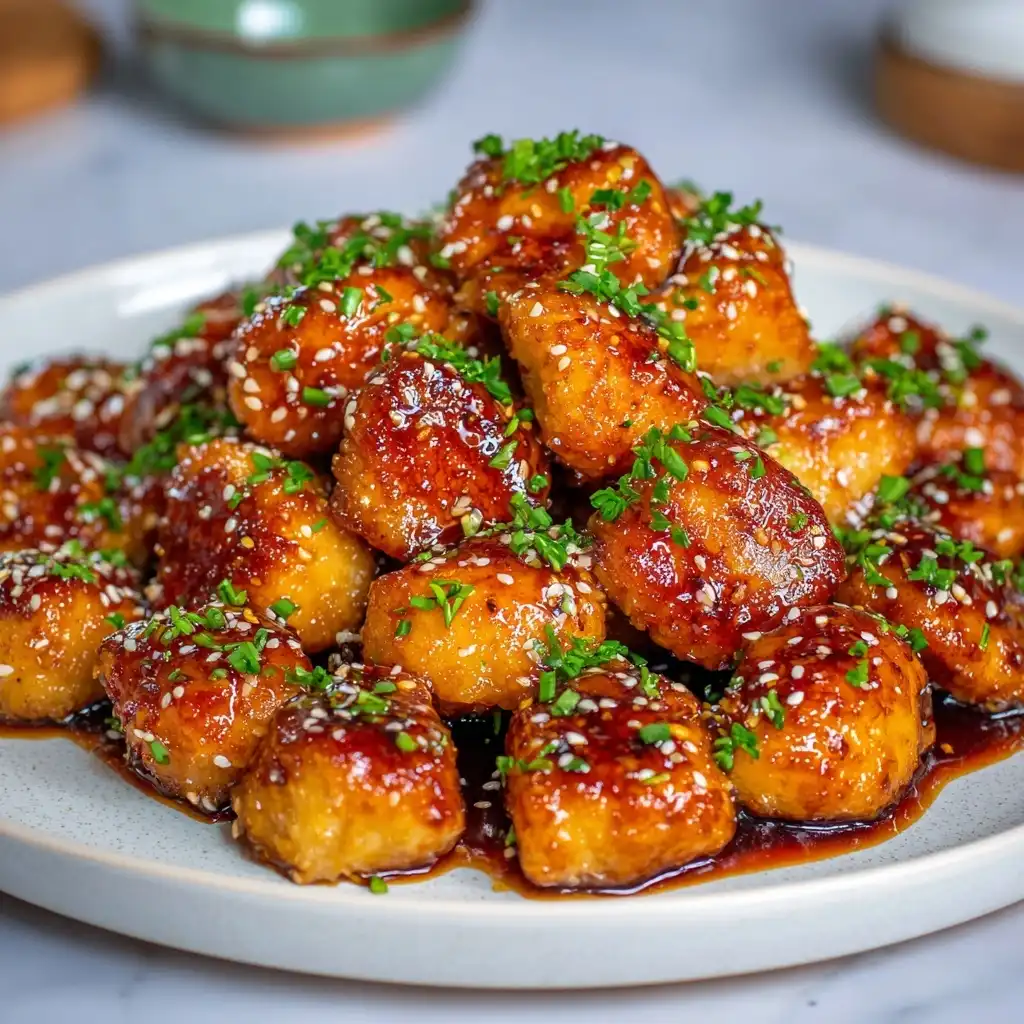
Honey Garlic Chicken Bites are a beloved, globally adored appetizer and weeknight dinner staple—celebrated for their irresistible balance of sweet, savory, tangy, and umami flavors. Crispy on the outside, tender and juicy within, these golden-brown morsels deliver bold, restaurant-quality taste with minimal effort and pantry-friendly ingredients. Whether served as finger food at game day gatherings, a protein-packed lunchbox addition, or a comforting family dinner over steamed rice or noodles, Honey Garlic Chicken Bites bridge the gap between indulgence and approachability—making them a timeless favorite across generations and culinary cultures.
The History
While no single documented origin exists, Honey Garlic Chicken Bites emerged from the broader evolution of Asian-inspired American fusion cuisine in the mid-to-late 20th century. The dish draws clear inspiration from classic Chinese-American staples like General Tso’s Chicken and sesame chicken—but swaps heavy battering and deep-frying for lighter, more versatile preparations. Garlic and honey have been used together for millennia across Eurasian and Middle Eastern cooking—not only for flavor but also for their preservative and medicinal properties. In the 1970s and ’80s, as home cooks gained wider access to soy sauce, rice vinegar, and imported garlic paste, simplified “honey-garlic” glazes began appearing in community cookbooks and magazine features. The modern bite-sized version—often baked or air-fried—gained explosive popularity in the 2010s thanks to food bloggers, Pinterest recipe trends, and the rise of quick-prep, high-flavor, low-fuss meals. Today, it’s a cornerstone of meal-prep culture, viral TikTok cooking videos, and diet-conscious adaptations—from keto to gluten-free—proving its enduring versatility and cross-cultural resonance.
Ingredients Breakdown
Every exceptional batch of Honey Garlic Chicken Bites begins with intentionality around each ingredient—not just for taste, but for texture, balance, and functional chemistry:
- Chicken Breast (or Thigh): Boneless, skinless breast offers lean protein and clean flavor, while thigh meat provides superior moisture retention and richer umami—ideal for longer marinating or reheating. Uniform 1-inch cubes ensure even cooking and maximum glaze adherence.
- Low-Sodium Soy Sauce: Provides foundational saltiness and deep umami without overwhelming sodium; tamari is an excellent gluten-free alternative, while coconut aminos offer a slightly sweeter, less intense profile for paleo or soy-sensitive diets.
- Raw Honey: Not merely sweetener—raw honey contributes enzymatic complexity, natural viscosity for glossy sheen, and subtle floral notes. Its fructose-glucose ratio helps caramelize beautifully under heat without burning prematurely (unlike refined sugar). Avoid pasteurized or “light” honeys, which lack depth and may separate when heated.
- Fresh Garlic (minced or grated): Far superior to jarred or powdered versions—fresh garlic releases allicin when crushed, delivering pungent aroma, antimicrobial benefits, and layered warmth that mellows into sweetness during cooking. Microplaned garlic integrates seamlessly into the marinade and clings to every surface.
- Rice Vinegar: Adds bright, clean acidity to cut through richness and balance honey’s sweetness. Unseasoned rice vinegar is preferred; seasoned versions contain added sugar and salt, risking flavor imbalance.
- Grated Fresh Ginger: A non-negotiable aromatic accent—adds zesty lift, subtle heat, and anti-inflammatory compounds. Freezes exceptionally well; keep a knob in the freezer and grate directly into the marinade.
- Sesame Oil (toasted): Used *only* at the end—never cooked—its nutty, smoky fragrance elevates the entire dish. A single teaspoon post-cooking transforms aroma and sophistication.
- Arrowroot Powder or Cornstarch: Critical for velveting and glaze thickening—creates a delicate protective layer during cooking and helps the sauce cling luxuriously. Arrowroot yields a clearer, glossier finish and performs better at higher heat; cornstarch is more accessible and cost-effective.
- Black Pepper & Red Pepper Flakes (optional): Freshly cracked black pepper adds earthy spice and enhances garlic’s bioavailability; red pepper flakes introduce gentle heat and visual appeal—adjustable to personal tolerance.
- Sesame Seeds & Green Onions (garnish): Textural contrast and freshness—white or black sesame seeds add crunch and nuttiness; thinly sliced scallions contribute mild onion sharpness and vibrant color.
Step-by-Step Recipe
- Prep & Cube Chicken: Pat 1.5 lbs boneless, skinless chicken breast or thighs *very dry* with paper towels. Cut into uniform 1-inch cubes—no larger (will dry out), no smaller (will overcook). Place in a large non-reactive bowl.
- Make Velveting Slurry: In a small bowl, whisk together 1 tbsp arrowroot powder (or cornstarch), 1 tsp neutral oil (like avocado or grapeseed), 1 tbsp cold water, and a pinch of baking soda (optional, for ultra-tenderizing—use only if marinating >30 min). Pour over chicken and toss vigorously for 60 seconds until evenly coated. Let rest 15 minutes at room temperature.
- Prepare Marinade/Glaze Base: In a blender or mini food processor, combine ½ cup raw honey, ⅓ cup low-sodium soy sauce, ¼ cup rice vinegar, 4–5 cloves fresh garlic (grated), 1 tbsp freshly grated ginger, 1 tsp toasted sesame oil, ½ tsp black pepper, and ¼ tsp red pepper flakes (if using). Blend until perfectly smooth—about 30 seconds. Taste and adjust: more honey for sweetness, vinegar for brightness, or soy for savoriness.
- Marinate (Optional but Recommended): Pour ¾ of the glaze over the velveted chicken. Gently fold to coat—avoid breaking cubes. Cover and refrigerate 20–45 minutes (not longer than 1 hour—acid can begin to “cook” the surface).
- Cook via Preferred Method:
- Oven-Baked (Most Consistent): Preheat oven to 425°F (220°C). Line a large rimmed baking sheet with parchment or foil + wire rack. Arrange chicken in single layer. Bake 15 minutes. Flip gently. Brush with remaining glaze. Bake 8–12 more minutes until internal temp reaches 165°F (74°C) and edges are deeply caramelized.
- Air Fryer (Fastest & Crispier): Preheat air fryer to 400°F (200°C). Place chicken in basket in single layer (work in batches). Cook 8 minutes. Shake basket. Brush with glaze. Cook 4–6 more minutes until golden and cooked through.
- Pan-Seared (Restaurant-Style Crust): Heat 2 tbsp neutral oil in large stainless or cast-iron skillet over medium-high. Add chicken in single layer—do not crowd. Sear undisturbed 3–4 min until deeply browned. Flip, sear 2–3 min more. Reduce heat to medium-low. Pour in reserved glaze. Simmer 2–3 min, stirring constantly, until sauce thickens and coats chicken.
- Final Glaze & Finish: Transfer hot chicken to a clean bowl. Pour any accumulated pan juices back into the cooking vessel. Add remaining 1–2 tbsp glaze and simmer 1 minute until glossy. Pour over chicken and toss gently to coat. Drizzle with remaining ½ tsp toasted sesame oil and garnish immediately.
- Rest & Serve: Let rest 2–3 minutes before serving—allows juices to redistribute and glaze to set. Serve warm or at room temperature.
Tips
- Dry Chicken Is Non-Negotiable: Excess moisture prevents browning and causes steaming—pat thoroughly before cubing and again after velveting.
- Uniform Size = Even Cooking: Use a ruler or guide template when cutting. A 1-inch cube is ideal—smaller dries out; larger stays raw inside.
- Velveting Is Your Secret Weapon: That thin starch-oil-water coating protects chicken fibers, locks in moisture, and creates a surface that grabs sauce like glue.
- Reserve Glaze Strategically: Never add all glaze pre-cook—reserving ¼–⅓ ensures a final glossy, non-muddy finish and prevents burning during high-heat cooking.
- Watch the Heat, Not Just the Timer: Ovens and air fryers vary wildly. Start checking at the earliest suggested time—look for deep amber edges and internal temp of 165°F (74°C).
- Don’t Skip the Toasted Sesame Oil Finish: Adding it *after* cooking preserves its volatile aromatics—this single step adds unmistakable authenticity.
- Double-Dip for Extra Crispness (Baked/Air Fryer): After first bake/fry, toss chicken in 1 tsp cornstarch, then return to oven/fryer for final 3–4 minutes before glazing.
- Marinate Smart, Not Long: 20–45 minutes is optimal. Longer than 1 hour risks texture degradation from acid and salt.
- Glaze Thickens Off-Heat Too: If sauce seems thin after tossing, let sit 1 minute—the residual heat continues thickening.
- Reheat Without Sogginess: Spread leftovers on parchment-lined sheet pan. Re-crisp in 400°F oven for 5–7 minutes—*then* drizzle with fresh glaze.
Variations and Customizations
This recipe is a canvas—adaptable across dietary needs, global flavors, and seasonal ingredients:
- Keto/Low-Carb: Replace honey with ¼ cup sugar-free maple syrup (e.g., Lakanto) + 1 tsp molasses for depth. Add 1 tbsp apple cider vinegar for tang. Thicken with xanthan gum (¼ tsp) instead of arrowroot.
- Gluten-Free: Use certified GF tamari or coconut aminos. Verify all sauces (including rice vinegar) are GF—some brands use wheat-based fermentation starters.
- Vegan “Chicken” Bites: Substitute extra-firm tofu (pressed 30+ mins), seitan strips, or soy curls. Marinate same way. Pan-sear or air-fry until crisp before glazing. Add 1 tsp liquid smoke for depth.
- Spicy Sriracha-Honey: Add 1–2 tbsp sriracha + 1 tsp lime zest to glaze. Garnish with pickled jalapeños.
- Pineapple-Ginger Fusion: Stir ¼ cup unsweetened crushed pineapple (drained) + 1 tsp lime juice into glaze. Top with toasted coconut flakes.
- Miso-Umami Boost: Whisk 1 tbsp white miso paste into warm glaze off-heat—adds profound savoriness and creamy body.
- Herb-Infused: Stir 1 tbsp chopped fresh cilantro, Thai basil, or shiso into glaze just before tossing. Best for fresh, vibrant servings.
- Smoky Chipotle: Add 1 tsp chipotle purée (canned chipotles in adobo, finely blended) + ½ tsp smoked paprika to marinade.
- Maple-Miso Variation: Replace half the honey with pure maple syrup; add 1 tbsp white miso and 1 tsp Dijon mustard for complex tang.
- Meal-Prep Friendly Bowls: Serve over cauliflower rice, quinoa, or soba noodles with quick-pickled cucumbers, edamame, and nori strips.
Health Considerations and Nutritional Value
A 4-ounce (113g) serving of Honey Garlic Chicken Bites (oven-baked, made with breast meat and standard glaze) delivers approximately:
- Calories: ~240–270 kcal
- Protein: 28–32g (excellent complete protein source—supports muscle synthesis and satiety)
- Total Fat: 5–7g (mostly unsaturated from sesame oil and chicken fat—heart-healthy in moderation)
- Carbohydrates: 22–26g (primarily from honey—natural sugars with trace enzymes and antioxidants)
- Sodium: 580–680mg (reduced by 30% using low-sodium soy sauce; further lowered with tamari or coconut aminos)
- Fiber: 0g (add fiber by serving with broccoli, snap peas, or brown rice)
- Vitamins & Minerals: Rich in selenium (immune support), niacin (B3, energy metabolism), vitamin B6 (nerve function), zinc (wound healing), and manganese (antioxidant enzyme co-factor).
Key Health Notes:
- Honey’s Role: While still a sugar, raw honey contains polyphenols, flavonoids, and hydrogen peroxide—offering mild antibacterial, anti-inflammatory, and prebiotic effects. Its lower glycemic index (GI ~58) vs. table sugar (GI ~65) means slower blood sugar impact—especially when paired with protein and fat.
- Garlic Benefits: Allicin (released upon crushing) supports cardiovascular health, reduces oxidative stress, and may modestly lower blood pressure. Cooking diminishes but doesn’t eliminate benefits.
- Soy Sauce Caution: High sodium is the main concern—opting for low-sodium versions cuts intake significantly without sacrificing umami. Fermented soy also provides beneficial isoflavones.
- Balancing the Meal: To enhance nutrition, pair with cruciferous vegetables (broccoli, bok choy) rich in sulforaphane, or leafy greens high in vitamin K—both synergize with garlic and ginger’s bioactive compounds.
- Portion Mindfulness: Due to honey content, enjoy as part of a balanced plate—aim for 3–4 oz protein, 1 cup non-starchy veggies, and ½ cup whole grains or starchy veg.
Ingredients
- 1.5 lbs boneless, skinless chicken breast or thighs, cut into 1-inch cubes
- 1 tbsp arrowroot powder or cornstarch
- 1 tsp neutral cooking oil (avocado, grapeseed, or light olive oil)
- 1 tsp cold water
- Pinch of baking soda (optional, for ultra-tenderizing)
- ½ cup raw, unfiltered honey
- ⅓ cup low-sodium soy sauce (or tamari for GF)
- ¼ cup unseasoned rice vinegar
- 4–5 cloves fresh garlic, grated (about 1½ tbsp)
- 1 tbsp fresh ginger, peeled and grated
- 1 tsp toasted sesame oil
- ½ tsp freshly ground black pepper
- ¼ tsp red pepper flakes (optional)
- ½ tsp toasted sesame oil (for finishing)
- 2 tbsp toasted white or black sesame seeds (for garnish)
- 3 green onions, thinly sliced (for garnish)
Directions
- Pat chicken cubes *extremely dry* with paper towels. Place in a large non-reactive bowl.
- In a small bowl, whisk arrowroot powder, neutral oil, cold water, and optional baking soda until smooth. Pour over chicken and massage vigorously for 60 seconds until fully coated. Let rest 15 minutes at room temperature.
- Meanwhile, prepare glaze: In a blender or food processor, combine honey, soy sauce, rice vinegar, grated garlic, grated ginger, 1 tsp toasted sesame oil, black pepper, and red pepper flakes. Blend until completely smooth (≈30 sec). Taste and adjust seasoning.
- Pour ¾ of glaze over chicken. Gently fold to coat. Cover and refrigerate 20–45 minutes.
- Preheat oven to 425°F (220°C) and line a rimmed baking sheet with parchment or foil. Place wire rack on sheet if available.
- Arrange marinated chicken in a single layer on rack or sheet. Bake 15 minutes.
- Remove sheet, carefully flip each piece with tongs. Brush generously with remaining glaze.
- Return to oven and bake 8–12 minutes more, until chicken is deeply golden at edges and registers 165°F (74°C) internally.
- Transfer chicken to a clean bowl. Pour any pan juices into a small saucepan. Add 1–2 tbsp reserved glaze and simmer 1 minute until glossy and thickened.
- Pour hot glaze over chicken and toss gently to coat. Drizzle with remaining ½ tsp toasted sesame oil.
- Garnish immediately with sesame seeds and green onions. Serve warm.
FAQ
- Can I use frozen chicken?
- Yes—but thaw *completely* in the refrigerator overnight, then pat *extra-dry*. Never marinate or cook partially frozen chicken—it leads to uneven cooking and potential food safety risk.
- Why does my glaze burn or turn bitter?
- Burning occurs when glaze is added too early or cooked over too-high heat. Always reserve part of the glaze for the final 2–3 minutes, and reduce heat when simmering on stove. Honey caramelizes quickly—watch closely!
- Can I make this ahead and reheat?
- Absolutely. Cook, cool completely, and store in an airtight container for up to 4 days refrigerated or 3 months frozen. Reheat on parchment-lined sheet pan at 400°F (200°C) for 5–7 minutes—then refresh with 1 tsp warm glaze.
- Is there a substitute for honey if I’m vegan or avoiding sugar?
- Yes. For vegan: use ¼ cup date syrup or brown rice syrup + 1 tsp molasses. For low-glycemic: monk fruit-sweetened maple syrup blend. Note texture and browning will differ slightly.
- Can I use bottled minced garlic?
- You can—but expect significantly less aromatic depth and punch. Fresh garlic contains active enzymes and volatile oils lost in processing. If using bottled, double the amount and add ¼ tsp garlic powder for backbone.
- My chicken came out dry—what went wrong?
- Most common causes: overcooking (check temp early), skipping velveting, using overly lean breast without sufficient marinating time, or crowding the pan/baking sheet (causes steaming).
- How do I prevent the sauce from being too thin or watery?
- Ensure chicken is very dry before marinating; avoid adding glaze while chicken is cold or wet; simmer reserved glaze briefly to reduce excess liquid; use arrowroot (not cornstarch) if cooking at high heat—it’s more stable.
- Can I grill these?
- Yes! Skewer soaked bamboo or metal skewers. Grill over medium heat (375°F/190°C), turning every 2–3 minutes. Brush with glaze only in the last 2 minutes to prevent charring.
- What sides pair best?
- Steamed jasmine or brown rice, quinoa, soba noodles, roasted broccoli or snap peas, quick-pickled carrots/cucumbers, or a simple kale-miso salad.
- Is this kid-friendly?
- Extremely—mild sweetness and familiar flavors appeal to most children. Omit red pepper flakes, reduce garlic to 2 cloves, and serve with dipping sauce (extra glaze thinned with 1 tsp rice vinegar).
Summary
Honey Garlic Chicken Bites are a masterclass in accessible gourmet—melding ancient umami-rich traditions with modern convenience, offering customizable nutrition and crowd-pleasing flavor in under 30 minutes. From velveting techniques and precise glaze chemistry to smart substitutions and mindful serving, every detail elevates humble ingredients into something extraordinary.
Whether you’re meal-prepping for the week, hosting friends, or simply craving comfort with integrity, this recipe proves that depth, tenderness, and dazzling shine needn’t come at the cost of time, health, or authenticity.