
Introduction
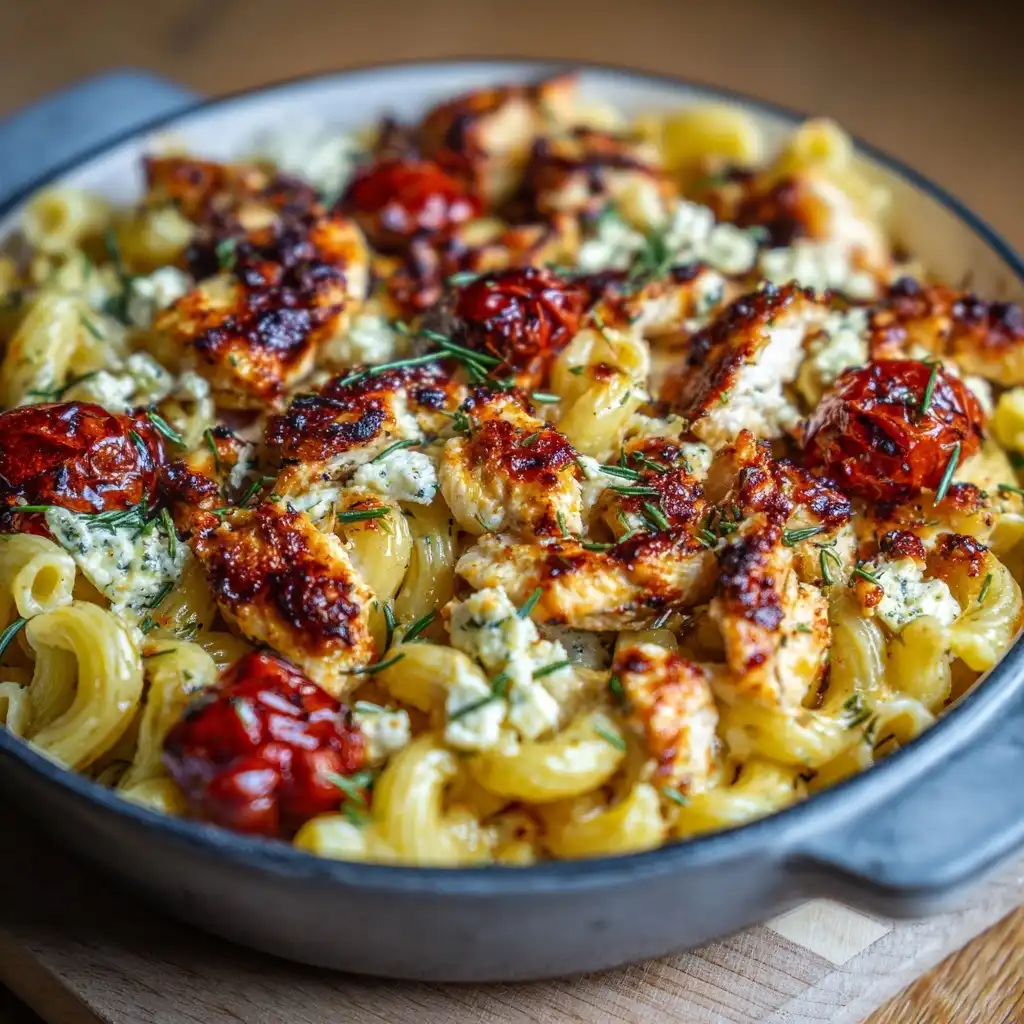
Baked Feta Pasta Chicken is a sensational, restaurant-worthy dish that has taken home kitchens—and social media feeds—by storm. This comforting, creamy, and deeply flavorful meal masterfully combines tender baked chicken breasts with a rich, tangy, herb-infused feta-and-tomato sauce baked directly over al dente pasta. Unlike traditional feta pasta (which famously features a block of feta roasted with cherry tomatoes), this elevated iteration integrates protein-rich grilled or baked chicken as the star centerpiece, transforming the viral TikTok phenomenon into a nutritionally balanced, satisfying main course. Whether you’re meal prepping for the week, hosting a casual dinner party, or simply craving something indulgent yet approachable, Baked Feta Pasta Chicken delivers bold Mediterranean flavors, minimal active prep time, and maximum culinary impact—all while remaining remarkably adaptable to dietary preferences and pantry constraints.
The History
The origins of modern feta pasta trace back to a now-iconic 2020 TikTok video by Finnish food creator @bakerella (though widely misattributed—actual credit goes to Finnish home cook @annapokka, whose August 2020 post went massively viral under the hashtag #fetapasta). Her simple recipe—roasting a block of feta cheese nestled among cherry tomatoes, garlic, olive oil, and herbs until molten and caramelized, then folding the luscious mixture into hot pasta—ignited a global baking frenzy. Within weeks, #fetapasta amassed over 1.5 billion views, inspiring countless riffs: add spinach, swap in goat cheese, use different pastas, incorporate proteins. Enter Baked Feta Pasta Chicken: an organic evolution pioneered by American home cooks and food bloggers in early-to-mid 2021, seeking to add satiety, texture contrast, and lean protein without compromising the dish’s signature creamy-tangy soul. By searing or baking chicken separately (or sometimes even roasting it alongside the feta-tomato mixture), layering sliced chicken over the finished pasta, or integrating shredded chicken directly into the warm sauce, this hybrid quickly became a staple in meal-planning communities, keto and high-protein circles, and busy parent forums alike. Its rise reflects a broader culinary trend: reimagining viral, minimalist recipes through the lens of nutrition science, cultural fusion, and real-world practicality—proving that comfort food can be both crave-worthy and conscientiously constructed.
Ingredients Breakdown
Every element in Baked Feta Pasta Chicken serves a distinct functional and sensory purpose—no ingredient is arbitrary. Let’s explore each component in depth:
- Feta Cheese (block, not crumbled): The irreplaceable heart of the dish. Authentic Greek feta made from sheep’s (or sheep/goat) milk provides the ideal balance of salty punch, lactic tang, and structural integrity—it softens luxuriously when baked but doesn’t fully dissolve, creating ribbons of creamy brine throughout the sauce. Its high salt content also acts as a natural flavor amplifier for tomatoes and herbs. Avoid pre-crumbled feta (it contains anti-caking agents that impede melting) and low-moisture or “American-style” feta (too dry and bland).
- Cherry or Grape Tomatoes: These small, sweet, thin-skinned varieties burst under heat, releasing concentrated juices that mingle with olive oil and feta brine to form the base of the sauce. Their natural acidity cuts through richness, while their sugars caramelize at the edges, adding subtle depth. Roma or plum tomatoes lack sufficient juice and sweetness; beefsteak tomatoes are too watery and fibrous.
- Extra-Virgin Olive Oil: Not just for fat—it carries volatile aromatic compounds from herbs and garlic, conducts heat evenly during roasting, and contributes polyphenols and antioxidants. Use a robust, peppery, cold-pressed EVOO (e.g., Greek Koroneiki or Spanish Picual) for best results; avoid light or refined olive oils, which lack flavor and smoke too easily.
- Garlic: Fresh, minced (not powdered) garlic provides enzymatic pungency that mellows and sweetens during roasting. Its sulfur compounds bind with tomato acids and feta proteins, stabilizing the emulsion and preventing sauce separation.
- Dried Oregano & Fresh Basil: Dried oregano offers earthy, slightly medicinal backbone notes that stand up to high heat, while fresh basil—added *after* baking—imparts bright, anise-like top notes and volatile oils that would evaporate if baked. Together, they evoke classic Greek and Italian herb gardens.
- Red Pepper Flakes (optional but recommended): A tiny amount adds gentle warmth and complexity—not heat for heat’s sake, but a subtle resonance that enhances umami perception and balances feta’s saltiness.
- Chicken Breast or Thighs: Boneless, skinless chicken breasts offer lean protein and clean flavor but require careful cooking to prevent dryness. Chicken thighs (boneless, skinless) are more forgiving, richer in collagen and fat, and deliver deeper savory notes (especially when seared first). For optimal texture, pound breasts to ½-inch thickness or marinate thighs in lemon-oregano oil for 30+ minutes prior to cooking.
- Pasta: Short, ridged shapes like cavatappi, fusilli, penne rigate, or gemelli excel—they trap the thick, clingy sauce in their grooves and spirals. Avoid long pastas (spaghetti absorbs too much sauce unevenly) or delicate shapes (orzo becomes mushy). Whole wheat or legume-based pastas (lentil, chickpea) add fiber and protein but may require shorter boil times and benefit from a splash of pasta water to maintain creaminess.
- Finishing Touches: A squeeze of fresh lemon juice post-baking brightens the entire profile, cutting residual fat and amplifying feta’s tang. Freshly cracked black pepper adds aromatic spice, while flaky sea salt (like Maldon) offers textural contrast and clean salinity.
Step-by-Step Recipe
This meticulously tested method ensures foolproof execution—from prep to plating—with zero guesswork:
- Preheat & Prep Pan: Position oven rack in upper-middle position. Preheat oven to 400°F (200°C). Line a large, rimmed baking sheet (at least 13″x18″) with parchment paper—critical for easy cleanup and preventing sticking. Lightly grease parchment with ½ tsp olive oil.
- Season & Roast Chicken: Pat 2 large boneless, skinless chicken breasts (approx. 6 oz each) *very* dry with paper towels. Rub evenly with 1 tbsp olive oil, 1 tsp dried oregano, ½ tsp garlic powder, ¼ tsp black pepper, and a pinch of salt. Place on one side of prepared sheet. Roast for 18–22 minutes, or until internal temperature reaches 155–160°F (68–71°C)—carryover cooking will bring it to safe 165°F. Remove, tent loosely with foil, and rest 5 minutes before slicing against the grain into ½-inch strips.
- Build Feta-Tomato Base: While chicken roasts, in a medium bowl, combine 1 pint (about 2 cups) halved cherry tomatoes, 4 minced garlic cloves, 2 tbsp extra-virgin olive oil, 1 tsp dried oregano, ¼ tsp red pepper flakes, ¼ tsp freshly ground black pepper, and a generous pinch of kosher salt. Gently toss. Transfer to *opposite side* of same baking sheet (keep space between chicken and tomatoes). Place a 7-oz block of feta (drained well, patted dry) snugly in center of tomato mixture—do not submerge or cover.
- Roast to Perfection: Roast tomatoes + feta together for 25–30 minutes, rotating pan halfway, until tomatoes are blistered and jammy, feta is golden at edges and softened but still holds shape (like warm brie), and oil is fragrant and shimmering. Do *not* stir during roasting—disturbing disrupts caramelization and emulsification.
- Cook Pasta Al Dente: While feta roasts, bring 4–5 quarts well-salted water (2 tbsp Diamond Crystal kosher salt per gallon) to rolling boil. Add 12 oz short pasta. Cook 1–2 minutes *less* than package’s “al dente” time (e.g., if box says 11 minutes, cook 9–10). Reserve 1 cup starchy pasta water, then drain pasta thoroughly—but do *not* rinse.
- Emulsify the Sauce: Carefully transfer hot tomato-feta mixture to a large, heatproof serving bowl (use oven mitts!). Using a fork or potato masher, gently crush feta and tomatoes together until mostly smooth but with visible chunks—about 30 seconds of vigorous mashing. Gradually whisk in ¼–½ cup reserved pasta water, 1 tbsp at a time, until glossy, velvety, and thick enough to coat the back of a spoon. Stir in 1 tbsp fresh lemon juice.
- Combine & Finish: Add hot, drained pasta to sauce. Toss vigorously with tongs for 1–2 minutes until every strand glistens and sauce clings uniformly. Fold in sliced rested chicken. Taste and adjust: more lemon for brightness, black pepper for bite, flaky salt for finishing pop.
- Garnish & Serve Immediately: Top generously with ¼ cup torn fresh basil leaves, an extra drizzle of high-quality EVOO, and a sprinkle of flaky sea salt. Serve family-style in the bowl or portion into shallow bowls. Optional: crumble additional feta or toasted pine nuts on top.
Tips
- Temperature Control is Key: Never skip the chicken rest—slicing too soon releases precious juices, leaving meat dry. Similarly, let the feta-tomato mixture cool *slightly* (2–3 minutes) before emulsifying; too-hot sauce can cause pasta to overcook or become gluey.
- Pasta Water is Non-Negotiable: That starchy liquid is the secret binder. If sauce seems thick or greasy after tossing, add pasta water 1 tsp at a time until silky. Never substitute plain water—it lacks starch and won’t create the same cohesive texture.
- Maximize Flavor Through Layering: For deeper umami, toss raw chicken in 1 tsp fish sauce or Worcestershire before roasting. For herbal intensity, add 1 tsp lemon zest to the tomato mixture pre-roast. For smoky nuance, finish with a whisper of smoked paprika or a few drops of liquid smoke in the sauce.
- Avoid Common Pitfalls: Don’t overcrowd the pan—the tomatoes need space to caramelize, not steam. Don’t use low-fat feta—it won’t melt properly and yields a chalky sauce. Don’t skip the acid—lemon juice isn’t optional; it’s the balancing act that prevents the dish from tasting flat or overly salty.
- Equipment Matters: Use a heavy-duty rimmed baking sheet (not a flimsy disposable one) for even heat distribution. A cast-iron skillet *can* work for stovetop-to-oven transitions, but monitor closely—feta browns faster in thinner metal.
- Timing Trick: Start boiling pasta water *during* the last 10 minutes of chicken roasting. That way, pasta finishes just as chicken rests and feta finishes roasting—everything comes together seamlessly.
- Leftover Magic: Store components separately (chicken, sauce, pasta) for up to 4 days. Reheat sauce gently with a splash of milk or broth; toss with fresh pasta or use as a dip for crusty bread, pizza topping, or grain bowl base.
Variations and Customizations
This recipe thrives on personalization. Here’s how to adapt it across diets, seasons, and cravings:
- Vegetarian Version: Omit chicken entirely. Boost protein with 1 cup cooked chickpeas (roasted with tomatoes for crunch) or ½ cup toasted walnuts. Add 2 cups baby spinach, stirred in off-heat until wilted.
- Vegan Adaptation: Replace feta with a high-quality almond- or tofu-based vegan feta (e.g., Violife or Follow Your Heart), roasted identically. Use maple syrup (½ tsp) to enhance tomato sweetness. Add 1 tbsp nutritional yeast for cheesy depth.
- Keto/Low-Carb Option: Swap pasta for 2 cups spiralized zucchini (“zoodles”), sautéed 2–3 minutes until tender-crisp, or shirataki noodles, rinsed and dry-sautéed. Increase healthy fats—add ¼ avocado per serving or 2 tbsp pine nuts.
- Gluten-Free Friendly: Use certified GF pasta (brown rice, quinoa, or lentil blends). Ensure all seasonings (especially garlic powder) are GF-certified. Note: GF pasta often absorbs more water—reserve extra pasta water and add gradually.
- Spice It Up: Add 1 finely diced jalapeño (seeds removed) to tomato mixture, or stir in 1 tsp harissa paste post-roast. For smoky heat, use chipotle powder instead of red pepper flakes.
- Herb Garden Twist: Substitute dried oregano with 1 tbsp chopped fresh rosemary (robust) or 2 tbsp chopped dill (bright, grassy). Add 1 tsp lemon thyme for citrusy complexity.
- Seafood Upgrade: Replace chicken with 1 lb peeled, deveined shrimp (tossed in olive oil, lemon zest, and paprika), roasted alongside tomatoes for 10–12 minutes until pink and curled.
- Winter Variation: Swap cherry tomatoes for 1½ cups roasted diced butternut squash + ½ cup caramelized red onion. Use goat cheese instead of feta for milder tang.
- Meal-Prep Pro: Roast feta-tomatoes and cook chicken ahead. Store separately. Assemble portions: 1 cup pasta, 3 oz chicken, ⅓ cup sauce. Reheat sauce + chicken gently, toss with freshly boiled pasta.
Health Considerations and Nutritional Value
Baked Feta Pasta Chicken strikes a rare balance between pleasure and nourishment—when prepared mindfully, it delivers substantial macro- and micronutrient benefits:
- Protein Powerhouse: A full serving (1.5 cups pasta + 6 oz chicken + sauce) provides ~45–55g high-quality complete protein—supporting muscle maintenance, satiety, and metabolic health. Chicken breast is lean; thighs offer more monounsaturated fats and iron.
- Heart-Healthy Fats: Extra-virgin olive oil supplies oleic acid and polyphenols linked to reduced LDL cholesterol and inflammation. Feta contributes conjugated linoleic acid (CLA), associated with improved body composition and antioxidant activity.
- Antioxidant-Rich Produce: Cherry tomatoes are loaded with lycopene (enhanced by cooking + olive oil), vitamin C, and potassium—key for blood pressure regulation and cellular repair. Garlic offers allicin, a potent antimicrobial and cardiovascular protector.
- Smart Carbohydrates: Whole-grain or legume-based pasta adds resistant starch and fiber (6–8g/serving), promoting gut microbiome diversity and steady blood sugar. Even regular pasta provides B vitamins (thiamine, niacin, folate) essential for energy metabolism.
- Sodium Awareness: Feta and added salt contribute sodium (~800–1,100mg/serving). To moderate: rinse feta briefly (reduces ~15% sodium), use low-sodium broth in place of some pasta water, and emphasize lemon/herbs for flavor instead of excess salt.
- Dietary Inclusion Notes: Naturally low in sugar (<3g/serving); contains no added sugars. Contains dairy (feta), gluten (unless substituted), and is nut-free (unless customized). For lactose-sensitive individuals, aged feta is naturally very low in lactose (<0.1g per ounce).
- Calorie Context: A balanced serving ranges from 650–850 calories—ideal for an active adult’s main meal. Reduce to 450–550 calories by using 8 oz pasta, 4 oz chicken, and increasing veggies (spinach, zucchini, artichokes).
- Nutritionist Tip: Pair with a simple arugula-lemon salad dressed in lemon juice only—adds fiber, nitrates, and vitamin K without extra fat or calories, rounding out the meal nutritionally.
Ingredients
- 2 boneless, skinless chicken breasts (about 6 oz each)
- 1 tbsp extra-virgin olive oil (for chicken)
- 1 tsp dried oregano
- ½ tsp garlic powder
- ¼ tsp freshly ground black pepper
- Pinch of kosher salt (for chicken)
- 1 pint (about 2 cups) cherry or grape tomatoes, halved
- 4 garlic cloves, minced
- 2 tbsp extra-virgin olive oil (for tomatoes)
- 1 tsp dried oregano
- ¼ tsp red pepper flakes
- ¼ tsp freshly ground black pepper
- Pinch of kosher salt (for tomatoes)
- 1 (7-oz) block authentic Greek feta cheese, drained and patted dry
- 12 oz short, ridged pasta (cavatappi, fusilli, or penne rigate)
- 2 tbsp Diamond Crystal kosher salt (for pasta water)
- 1 tbsp fresh lemon juice (plus extra for serving)
- ¼ cup fresh basil leaves, torn
- Flaky sea salt (such as Maldon), for finishing
- Extra-virgin olive oil, for drizzling
Directions
- Preheat oven to 400°F (200°C). Line a large rimmed baking sheet with parchment paper and lightly grease with olive oil.
- Pat chicken breasts very dry. Rub with 1 tbsp olive oil, 1 tsp dried oregano, ½ tsp garlic powder, ¼ tsp black pepper, and a pinch of salt. Place on one side of prepared sheet. Roast 18–22 minutes, until internal temp reaches 155–160°F. Remove, tent with foil, rest 5 minutes, then slice thinly against the grain.
- In a bowl, combine tomatoes, minced garlic, 2 tbsp olive oil, 1 tsp dried oregano, ¼ tsp red pepper flakes, ¼ tsp black pepper, and a pinch of salt. Toss gently. Spread on opposite side of same sheet. Nestle feta block in center.
- Raise oven temp to 425°F (220°C) if your oven runs cool—or keep at 400°F. Roast tomato-feta mixture 25–30 minutes, rotating pan halfway, until tomatoes blister and jam, feta softens and browns at edges.
- While roasting, bring 4–5 quarts water to boil. Add 2 tbsp kosher salt. Cook pasta 1–2 minutes less than package “al dente” time. Reserve 1 cup starchy water, then drain pasta thoroughly.
- Transfer hot tomato-feta mixture to large heatproof bowl. Mash gently with fork until partially smooth. Whisk in ¼–½ cup reserved pasta water until creamy and glossy. Stir in 1 tbsp lemon juice.
- Add hot pasta to sauce. Toss 1–2 minutes until fully coated. Fold in sliced chicken.
- Garnish generously with torn basil, flaky salt, extra virgin olive oil, and a final squeeze of lemon juice. Serve immediately.
FAQ
- Can I make this ahead of time?
- Absolutely—but for best texture, roast components separately and assemble just before serving. Cooked pasta can be tossed with 1 tsp olive oil and refrigerated up to 2 days; reheat gently in sauce. Roasted feta-tomato sauce keeps 4 days refrigerated or 3 months frozen (thaw overnight, re-emulsify with warm pasta water).
- Why does my sauce look oily or separated?
- This happens when pasta water isn’t added gradually, or the sauce cools too much before tossing. Fix it: return sauce to low heat, whisk in 1–2 tbsp warm pasta water or whole milk, and stir until cohesive. Always toss hot pasta into hot sauce.
- Can I use frozen chicken?
- Yes—but thaw completely in fridge first. Frozen chicken releases excess water, steaming instead of roasting and diluting flavor. If pressed for time, use the cold-water thaw method (sealed bag submerged 30–45 min), then pat *extremely* dry.
- Is there a dairy-free feta alternative that works?
- Yes—opt for brands specifically formulated to melt and crumble (e.g., Violife Just Like Feta or Trader Joe’s Vegan Feta). Avoid generic “vegan cheese blocks”—they often lack the necessary fat structure and acidity to mimic feta’s behavior.
- What’s the best pasta water ratio?
- Start with ¼ cup for 12 oz pasta. Add more, 1 tbsp at a time, until sauce coats pasta without pooling. Too much water makes it soupy; too little leaves it greasy. Trust your eyes—not the clock.
- Can I air fry the chicken instead of baking?
- Absolutely. Air fry at 375°F (190°C) for 12–15 minutes, flipping halfway, until 160°F internally. Rest as directed. Air frying yields crispier edges and faster cook time—ideal for weeknights.
- My feta didn’t soften—what went wrong?
- Three likely causes: 1) Feta was too cold—always use room-temp feta, patted dry. 2) Oven wasn’t hot enough—verify with oven thermometer. 3) Low-moisture feta used—stick to authentic Greek feta in brine, not shelf-stable blocks.
- How do I store and reheat leftovers?
- Store components separately in airtight containers: sauce (3–4 days), chicken (4 days), pasta (2 days). To reheat: Warm sauce + chicken in saucepan with 1–2 tbsp broth or milk over medium-low. Cook fresh pasta, toss together. Never microwave the full dish—it makes pasta gummy.
- Can kids eat this? Is it too salty?
- Yes—with minor tweaks. Rinse feta lightly before roasting, reduce added salt by half, omit red pepper flakes, and add ½ cup grated zucchini or carrots to the tomato mix for hidden veggies. Most children love the creamy, mild-tangy profile.
- What wine pairs best with this dish?
- A crisp, high-acid white complements the feta’s salt and tomato’s brightness: Assyrtiko (Greek), Vermentino (Sardinian), or unoaked Sauvignon Blanc. For red lovers, try a chilled, low-tannin Pinot Noir or Gamay.
Summary
Baked Feta Pasta Chicken is a harmonious, restaurant-caliber fusion dish born from the viral feta pasta trend—elevated with tender, herb-seasoned chicken and a luxuriously emulsified roasted tomato-feta sauce clinging to perfectly al dente pasta. It’s nutritionally intelligent, endlessly customizable, and engineered for weeknight ease without sacrificing depth, texture, or joy.
With its vibrant Mediterranean soul, smart protein integration, and make-ahead flexibility, this dish transcends trends to become a foundational recipe—one that nourishes the body, delights the palate, and invites creativity with every iteration.