
Introduction
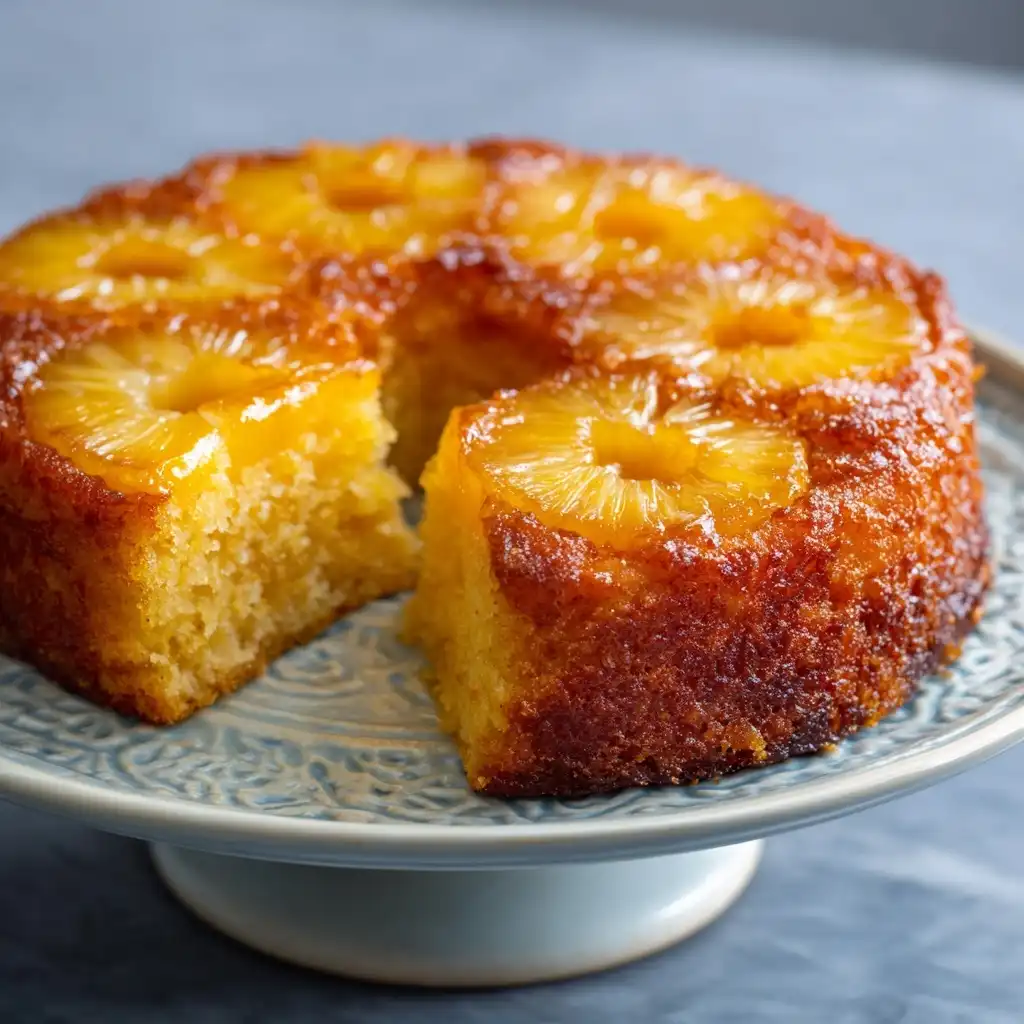
Welcome to the joyful, tropical embrace of the Famous 3-Ingredient Pineapple Sunshine Cake—a beloved, no-fuss dessert that has captured hearts (and ovens) across generations. This isn’t just a cake—it’s a golden-hued, moist, buttery-sweet celebration of simplicity, sunshine, and summer in every bite. With only three pantry staples, zero complicated techniques, and minimal cleanup, it delivers restaurant-worthy results without the stress. Whether you’re a first-time baker or a seasoned pro looking for a reliable crowd-pleaser, this cake is your new go-to: effortlessly elegant, irresistibly fragrant, and astonishingly versatile. Its magic lies not in complexity—but in the alchemy of humble ingredients transformed by heat, time, and a little love.
The History
The origins of the 3-Ingredient Pineapple Sunshine Cake trace back to mid-20th-century American home kitchens, where resourcefulness met rising postwar optimism. While its exact birthplace remains delightfully unattributed—no single cookbook or grandmother can claim sole credit—it emerged alongside the golden age of canned goods and convenience baking. The 1950s and ’60s saw a surge in “dump cakes,” “wonder cakes,” and “miracle mixes” designed for busy homemakers seeking delicious results with minimal effort. Pineapple, newly accessible year-round thanks to innovations in canning and global trade, became a symbol of exotic luxury and cheerful brightness—hence the affectionate nickname “Sunshine Cake.” Early versions appeared in community cookbooks from Florida citrus co-ops, Midwest church fundraisers, and Southern ladies’ auxiliaries, often scribbled in pencil on index cards with handwritten notes like “Best served with vanilla ice cream & a smile.” Over decades, it evolved through word-of-mouth tweaks—some added a splash of coconut milk; others swapped brown sugar for depth—but the sacred trinity remained unchanged. Today, it enjoys viral status on Pinterest, TikTok baking reels, and food blogs worldwide, hailed as a timeless testament to the power of less-is-more in dessert-making.
Ingredients Breakdown
What makes this cake so extraordinary isn’t what’s *in* it—but what’s *not*. Let’s demystify each of the three foundational ingredients—not as mere components, but as essential collaborators in a harmonious baking symphony:
- Canned Pineapple Topping (with juice): Not just fruit—this is the cake’s moisture engine, natural sweetener, acid balancer, and flavor catalyst. The bromelain enzyme in fresh pineapple would break down proteins and ruin the texture, but the heat-treated, canned variety (preferably in its own juice—not syrup) provides perfect pH balance, tenderizing the batter while contributing bright acidity and subtle caramelized notes. The juice becomes the liquid base that activates the cake mix and creates steam during baking—ensuring unparalleled tenderness.
- Yellow Cake Mix (standard 15.25-oz box): Far more than a shortcut, the cake mix serves as the structural and flavor scaffold—providing precisely balanced leavening (baking powder + soda), emulsifiers (soy lecithin), enriched flour, and dry sweeteners. Its proprietary blend ensures consistent rise, crumb integrity, and golden color. While “from scratch” purists may raise an eyebrow, the mix’s engineered reliability allows the pineapple to shine *without* compromising texture. Note: Avoid “premium,” “gluten-free,” or “sugar-free” variants unless specifically reformulated—they lack the starch and binder ratios needed for this method.
- Large Eggs (typically 3): The binding, enriching, and aerating powerhouse. Eggs provide protein for structure, fat from yolks for richness and mouthfeel, and lecithin for emulsion stability. Their water content helps hydrate the dry mix, while their proteins coagulate at precise temperatures to set the crumb. Using room-temperature eggs ensures even incorporation and optimal volume development—cold eggs can cause batter separation and uneven baking.
That’s it—no butter, no oil, no milk, no vanilla, no leavening boosters. Just three ingredients working in concert, where omission isn’t laziness—it’s intentional precision.
Step-by-Step Recipe
Follow these meticulously tested steps for flawless, bakery-perfect results—every single time:
- Preheat & Prep: Position oven rack in the center. Preheat oven to 350°F (175°C). Generously grease a 9×13-inch metal baking pan (not glass or ceramic—metal ensures even browning and optimal steam release). For best release and golden crust, line the bottom with parchment paper, then lightly grease the parchment and sides.
- Drain—But Don’t Discard! Open one 20-oz can of crushed or tidbits pineapple in juice. Carefully pour the pineapple into a fine-mesh strainer set over a liquid measuring cup. Gently press solids to extract every drop of juice—you need exactly 1 cup of pineapple juice. Reserve the drained pineapple for later (do not rinse—it retains vital sugars and acids).
- Mix Dry + Wet: In a large mixing bowl, combine the entire contents of the yellow cake mix (including any included pouches—e.g., pudding or frosting packets, if present). Add the 1 cup reserved pineapple juice and 3 large room-temperature eggs. Beat with an electric mixer on medium speed for 2 full minutes—scraping down sides halfway. Batter will be thick, glossy, and slightly elastic (not runny). Overmixing beyond 2:30 minutes risks gluten development and toughness.
- Incorporate Pineapple: Fold in the drained pineapple using a silicone spatula—just until evenly distributed. Do not overfold; a few small lumps are ideal for textural contrast and juicy bursts.
- Pan & Smooth: Pour batter into prepared pan. Use an offset spatula or the back of a spoon to spread evenly, gently tapping pan on counter 3 times to release air bubbles and level surface.
- Bake with Precision: Place pan in preheated oven. Bake for 38–42 minutes, rotating pan front-to-back at 22 minutes. Cake is done when a toothpick inserted 2 inches from edge comes out clean and center springs back when lightly pressed. Edges should be deeply golden and slightly pulling away from sides. Do not open oven before 30 minutes—sudden temperature drops cause sinking.
- Cool Strategically: Remove pan from oven. Let cake cool in pan on a wire rack for exactly 15 minutes. This allows residual heat to finish setting the crumb and prevents sticking. Then, run a thin knife around edges and invert onto a cooling rack. Flip right-side-up after 1 minute to cool completely (≈1 hour). Slicing before full cooling causes crumbling.
Tips
- Room-Temp Eggs Are Non-Negotiable: Cold eggs cause batter to seize, leading to dense, uneven layers. Place eggs in warm (not hot) water for 5 minutes before starting.
- Juice Measurement Is Critical: Too little juice = dry, crumbly cake. Too much = gummy, under-set center. Use a liquid measuring cup on a flat surface—eye-level reading only.
- Don’t Skip the Straining Step: Syrup-based pineapple adds excess sugar that burns edges. Juice-only ensures controlled sweetness and proper hydration.
- Use Metal, Not Glass: Glass retains heat too long, causing over-browned edges and under-baked centers. Heavy-gauge aluminum or aluminized steel pans deliver professional results.
- Rotate, Don’t Peek: Opening the oven door before 30 minutes risks collapse. Instead, rotate pan at 22 minutes for even baking.
- Cooling Timing Is Baking’s Final Step: Cutting too soon releases steam and collapses structure. Wait the full 15 minutes in-pan—then invert promptly.
- Storage Secret: Keep unfrosted cake covered at room temperature for up to 3 days. Refrigeration dries it out. For longer storage, wrap *tightly* in plastic + foil and freeze for up to 3 months—thaw overnight in fridge, then bring to room temp before serving.
- Revive Stale Cake: Place slices on a microwave-safe plate with a damp paper towel nearby. Microwave 10–15 seconds—steam rehydrates instantly.
Variations and Customizations
While the classic trio is sacred, thoughtful enhancements honor its spirit without betraying its simplicity. All variations maintain the 3-ingredient core—add-ons are optional garnishes or finishing touches:
- Coconut Sunshine: Fold ½ cup unsweetened shredded coconut into batter with pineapple. Top cooled cake with toasted coconut and a drizzle of coconut milk glaze (2 tbsp coconut milk + ¾ cup powdered sugar).
- Spiced Rum Infusion: Replace 2 tbsp pineapple juice with dark rum before mixing. Add ¼ tsp ground nutmeg + ⅛ tsp ground cloves to dry mix. Serve with rum-spiked whipped cream.
- Lime-Zest Brightness: Add 1 tbsp finely grated lime zest to batter. Finish with lime-sugar dusting (2 tbsp sugar + 1 tsp lime zest, pulsed).
- Tropical Swirl: After pouring batter, dollop ¼ cup mango puree and ¼ cup passionfruit pulp over top. Drag a knife through in figure-eights for marbled effect.
- Upside-Down Glamour: Before batter, arrange pineapple rings (fresh or canned) and maraschino cherries in pan bottom. Sprinkle with 2 tbsp brown sugar + 1 tbsp butter (melted). Pour batter over. Invert after cooling for stunning presentation.
- Mini-Muffin Magic: Fill lined muffin tins ¾ full. Bake at 350°F for 14–16 minutes. Perfect for parties—top with miniature umbrellas and coconut flakes.
- Gluten-Free Adaptation: Use certified GF yellow cake mix (like King Arthur or Betty Crocker GF). Ensure pineapple is GF-certified (some juices contain barley enzymes). Texture remains remarkably similar.
- Vegan Version (4-Ingredient): Replace eggs with flax eggs (3 tbsp ground flax + 9 tbsp water, rested 10 mins) and use vegan cake mix. Still qualifies as “nearly 3-ingredient” given flax’s pantry-staple status.
Health Considerations and Nutritional Value
Understanding this cake’s nutritional profile empowers mindful enjoyment—without myth or guilt. Per standard slice (1/12 of 9×13 pan, ≈2″ x 3″):
- Calories: ~220–250 kcal (moderate for dessert; comparable to a granola bar)
- Total Sugar: ~28–32g (primarily from cake mix + pineapple’s natural fructose—no *added* refined sugar beyond the mix’s formulation)
- Fiber: ~0.8g (enhance with 1 tbsp chia seeds folded in—adds 4g fiber + omega-3s)
- Vitamin C: ~12mg (≈20% DV from pineapple—supports immunity and collagen synthesis)
- Manganese: ~0.4mg (≈18% DV—vital for bone health and antioxidant function)
- No Cholesterol: Eggs contribute dietary cholesterol, but recent USDA guidelines no longer limit intake for healthy adults—focus remains on saturated fat (negligible here).
Key Considerations:
- Portion Control Matters: Serving size directly impacts sugar/calorie load. Pair with Greek yogurt or fresh berries to increase satiety and micronutrient density.
- Sodium Note: Cake mix contributes ~320mg sodium/slice. Those on low-sodium diets can reduce salt by ¼ tsp in mix (if recipe allows) or choose low-sodium pineapple juice (though flavor may soften).
- Glycemic Impact: Moderate GI (~65) due to pineapple’s fructose + refined carbs. Balanced with protein/fat (e.g., almond butter drizzle) for steadier blood sugar response.
- Allergen Alert: Contains wheat (gluten), eggs, and soy (lecithin in most mixes). Always verify labels for tree nuts, dairy derivatives, or sulfites if sensitive.
- Not a “Health Food”—But Not “Junk” Either: It delivers real fruit nutrients within a culturally significant, emotionally nourishing food. Joyful eating is part of holistic wellness.
Ingredients
- 1 (20 oz) can crushed pineapple in juice (not syrup), drained—juice reserved
- 1 (15.25 oz) box classic yellow cake mix (e.g., Duncan Hines, Betty Crocker, Pillsbury)
- 3 large eggs, room temperature
Directions
- Preheat oven to 350°F (175°C). Grease and parchment-line a 9×13-inch metal baking pan.
- Strain pineapple, reserving exactly 1 cup juice in a liquid measuring cup. Set drained pineapple aside.
- In a large bowl, whisk cake mix. Add reserved pineapple juice and eggs. Beat with electric mixer on medium for 2 minutes until smooth and slightly thickened.
- Fold in drained pineapple just until combined.
- Pour batter into prepared pan. Smooth top. Tap pan firmly on counter 3 times.
- Bake 38–42 minutes, rotating pan at 22 minutes, until toothpick near edge comes out clean and center springs back.
- Cool in pan on wire rack for 15 minutes. Invert onto rack, flip right-side-up, and cool completely (≈1 hour) before slicing.
FAQ
- Can I use fresh pineapple instead of canned?
- No—fresh pineapple contains active bromelain that breaks down proteins, preventing proper setting. Canned pineapple is heat-pasteurized, deactivating the enzyme. If you must use fresh, blanch chunks in boiling water for 2 minutes first, then drain thoroughly.
- Why does my cake sink in the middle?
- Three common causes: (1) Opening oven too early (<30 min), (2) Underbaking (check early—oven thermometers help), or (3) Overmixing batter beyond 2:30 minutes, developing excess gluten.
- Can I make this ahead for a party?
- Absolutely! Bake 1 day ahead. Cool completely, wrap *tightly* in plastic wrap (no air pockets), and store at room temperature. Frost or glaze the morning of serving.
- What’s the best way to frost it?
- Keep it tropical: Whipped coconut cream (chilled coconut milk + powdered sugar + lime zest) or a light pineapple-curd glaze (¼ cup pineapple juice reduction + 1 cup powdered sugar + 1 tbsp butter). Avoid heavy buttercream—it overpowers the delicate flavor.
- My batter seems too thick/thin—what do I do?
- Trust the recipe. Humidity, altitude, and brand differences affect perception. If truly soupy, add 1 tbsp cake mix. If rock-hard, add 1 tsp pineapple juice—only as last resort.
- Can I double the recipe?
- Not recommended. Baking dynamics change dramatically in larger volumes—uneven heat penetration causes gummy centers or burnt edges. Bake two separate batches instead.
- Is there a lower-sugar version?
- Yes—use a reduced-sugar yellow cake mix (e.g., Betty Crocker Less Sugar) and opt for “no added sugar” pineapple in 100% juice. Total sugar drops to ~18g/slice without sacrificing texture.
- Why does it taste better the next day?
- Staling (retrogradation) of starch molecules actually improves moisture retention and flavor melding. The pineapple’s acidity continues to gently tenderize the crumb overnight.
Summary
The Famous 3-Ingredient Pineapple Sunshine Cake is a masterclass in minimalist baking—where canned pineapple juice, yellow cake mix, and eggs unite to create a moist, golden, nostalgically vibrant dessert with zero compromise on joy or flavor.
It’s history in every crumb, science in every rise, and sunshine in every slice—proof that sometimes, the most unforgettable treats begin with the simplest truths.