
Introduction
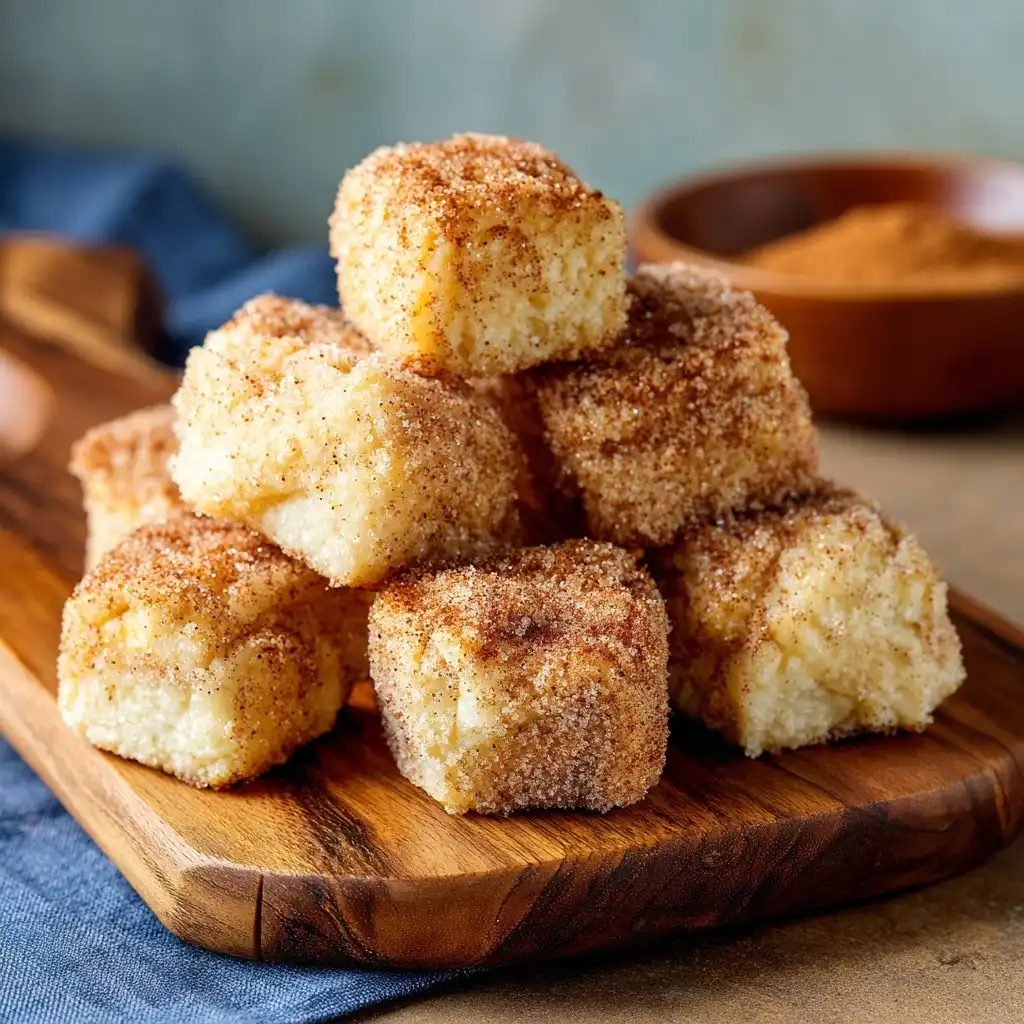
Welcome to the irresistible world of Cinnamon Sugar Biscuit Bites — a beloved, buttery, warmly spiced bite-sized treat that bridges the gap between breakfast pastry and dessert indulgence. Whether you’re prepping for a holiday brunch, hosting a casual get-together, or simply craving a cozy, nostalgic snack, these miniature delights deliver maximum flavor, aroma, and textural satisfaction in every golden-brown morsel. Crisp on the outside, tender and flaky within, and generously coated in a fragrant, melt-in-your-mouth cinnamon-sugar glaze, they’re as easy to make as they are impossible to resist. In this comprehensive guide, we’ll walk you through everything you need to know — from their charming culinary origins and pantry-friendly ingredients to foolproof techniques, creative adaptations, nutritional insights, and answers to all your burning questions.
The History
The roots of Cinnamon Sugar Biscuit Bites trace back to the broader tradition of American “drop biscuits” and pull-apart pastries that gained popularity in the early-to-mid 20th century. While classic Southern buttermilk biscuits have long been a staple across the U.S., the idea of transforming them into sweet, handheld treats emerged alongside the rise of refrigerated biscuit dough in the 1950s — a revolutionary convenience product introduced by brands like Pillsbury and Bisquick. Home bakers quickly discovered that these pre-portioned, flaky dough rounds were ideal canvases for sweet transformations. By the 1970s, cinnamon sugar–coated biscuit rolls and “monkey bread”–style pull-apart loaves had become fixtures at church potlucks, PTA bake sales, and family holiday tables. The evolution into individual, bite-sized portions — often baked in mini muffin tins or on sheet pans — reflects modern preferences for portion control, shareable appetizers, and Instagram-worthy presentation. Though not tied to a single inventor or region, Cinnamon Sugar Biscuit Bites embody a distinctly American spirit of ingenuity: taking humble, accessible ingredients and elevating them with warmth, spice, and generous sweetness.
Ingredients Breakdown
Understanding each component ensures consistent success — and opens doors for thoughtful substitutions:
- Refrigerated Buttermilk Biscuit Dough (16.3 oz tube): The foundation. Look for high-fat, low-moisture varieties with visible layers (e.g., Pillsbury Grands! or Immaculate Baking Co.) for optimal flakiness. Avoid “flaky layers” or “homestyle” varieties labeled “extra flaky” if they contain added shortening or stabilizers that may impede crispness.
- Unsalted Butter (½ cup / 1 stick, melted): Provides richness, browning, and adhesion for the cinnamon-sugar coating. Unsalted allows precise sodium control; clarified butter can be used for higher smoke point and nuttier notes.
- Granulated Sugar (⅔ cup): Offers clean sweetness and crystal structure essential for crunch and caramelization. Organic cane sugar yields a slightly deeper molasses nuance.
- Ground Cinnamon (2 tbsp): Use Ceylon (“true”) cinnamon for delicate floral notes and lower coumarin content, or Saigon cinnamon for bold, spicy-sweet intensity. Freshly ground from sticks delivers superior aroma and potency.
- Ground Nutmeg (¼ tsp, freshly grated preferred): Adds warm, earthy complexity that balances cinnamon’s heat without overpowering.
- Vanilla Extract (1 tsp, pure): Enhances depth and rounds out flavors — skip imitation versions, which impart artificial aftertaste.
- Optional Enhancements: A pinch of fine sea salt (enhances sweetness), 1 tbsp brown sugar (for molasses depth), ½ tsp cardamom (for aromatic brightness), or a light dusting of powdered sugar post-baking for visual contrast and subtle sweetness.
Step-by-Step Recipe
- Preheat & Prep: Position oven rack in center position. Preheat oven to 375°F (190°C). Line a large rimmed baking sheet with parchment paper or a silicone baking mat. Lightly grease if using bare metal.
- Prepare Cinnamon-Sugar Mixture: In a medium bowl, whisk together granulated sugar, cinnamon, nutmeg, and optional salt until fully homogenous and no streaks remain. Set aside.
- Melt Butter & Add Flavor: In a small saucepan or microwave-safe bowl, melt butter over low heat or in 20-second bursts. Stir in vanilla extract and let cool slightly (should be warm but not hot — ~110°F — to avoid cooking the dough).
- Portion & Coat Dough: Open biscuit tube and separate each round. Using kitchen shears or a sharp knife, cut each biscuit into 4 equal quarters (yielding ~16 bites per standard tube). Place one-quarter at a time into melted butter mixture, gently turning to coat all sides. Then transfer to cinnamon-sugar mixture, using fingers or a fork to roll thoroughly until completely enveloped. Shake off excess and place coated bite onto prepared sheet, leaving ~½ inch between pieces for expansion.
- Bake to Perfection: Bake for 14–17 minutes, rotating pan halfway through, until deeply golden brown, puffed, and crisp at the edges. Internal temperature should read 200–205°F when checked with an instant-read thermometer. Avoid underbaking — pale bites will be doughy; overbaking leads to dryness.
- Cool & Serve: Let rest on sheet for 3 minutes to firm up, then transfer to a wire rack. Serve warm for optimal texture — best enjoyed within 2 hours of baking.
Tips
- Chill Before Baking? No — unlike pie dough, biscuit dough benefits from being slightly softened for easier cutting and butter absorption. However, if your kitchen is very warm (>75°F), chill cut pieces for 5–7 minutes before coating to prevent excessive spreading.
- Uniform Sizing = Even Baking: Use a #60 cookie scoop (~1 tbsp) or kitchen scale (18–20g per bite) for consistent size. Irregular pieces bake unevenly — some burn while others stay gummy.
- Butter Temperature Matters: Too hot → melts dough surface, causing greasiness and poor sugar adherence. Too cold → won’t coat evenly. Ideal: warm to touch but not steaming.
- Don’t Skip the Rest: That 3-minute rest allows residual heat to finish cooking interiors and lets steam escape — preventing sogginess underneath the sugar crust.
- Sheet Pan Choice: Heavy-gauge aluminum sheets distribute heat evenly. Avoid dark nonstick pans unless reducing temp by 25°F — they accelerate browning and may scorch bottoms.
- Reviving Leftovers: Re-crisp in a 350°F air fryer for 2–3 minutes or toaster oven for 4–5 minutes. Never microwave — it makes them rubbery and soggy.
- Make-Ahead Strategy: Assemble unbaked bites, arrange on parchment-lined tray, freeze solid (2 hrs), then transfer to freezer bag. Bake straight from frozen — add 2–3 minutes to bake time.
Variations and Customizations
These versatile bites invite endless creativity — whether you’re accommodating dietary needs or chasing seasonal inspiration:
Dietary Adaptations
- Gluten-Free: Substitute certified GF refrigerated biscuits (e.g., Pillsbury Gluten Free Crescent Rolls — shaped into balls and flattened slightly) or use a trusted GF biscuit dough recipe (with xanthan gum and buttermilk substitute).
- Dairy-Free: Swap butter for refined coconut oil or dairy-free margarine (e.g., Earth Balance); ensure biscuits are dairy-free (many store-bought versions contain whey).
- Vegan: Use vegan biscuits (like Annie’s Organic Flaky Biscuits) + vegan butter + plant-based milk in place of buttermilk (if making from scratch).
- Lower-Sugar: Reduce sugar to ⅓ cup and add 1 tsp monk fruit blend or erythritol; include 1 tbsp apple butter in melted butter for moisture and natural sweetness.
Flavor & Texture Twists
- Pecan Praline: Add ⅓ cup finely chopped toasted pecans to cinnamon-sugar mix; drizzle with praline glaze (brown sugar + cream + butter) after cooling.
- Maple Walnut: Replace vanilla with 1 tsp pure maple extract; fold ¼ cup chopped toasted walnuts into sugar mixture; finish with maple icing (powdered sugar + maple syrup + splash of milk).
- Orange Cardamom: Add 1 tbsp orange zest + ½ tsp ground cardamom to sugar; brush bites with orange-infused butter before coating.
- Spiced Chai: Blend sugar with 1 tsp ginger, ½ tsp cloves, ¼ tsp black pepper, and ½ tsp cinnamon — omit nutmeg.
- Savory-Sweet: Sprinkle with flaky sea salt immediately after baking; serve alongside honey butter or bourbon-apple compote.
Format Innovations
- Mini-Muffin Tin Version: Press coated bites into greased mini muffin cups — creates defined, cupcake-like shapes ideal for parties. Bake 12–15 min.
- Stuffed Bites: Flatten each quarter, place ¼ tsp apple butter or date paste in center, fold corners inward, and seal — results in soft, jammy centers.
- Breakfast Skewers: Alternate bites with banana slices, cooked bacon, and dried cranberries on bamboo picks — perfect for buffet lines.
Health Considerations and Nutritional Value
While undeniably indulgent, understanding the nutritional profile helps inform mindful enjoyment. Based on a standard recipe using Pillsbury Grands! Buttermilk Biscuits (16.3 oz), unsalted butter, and granulated sugar (makes ~16 bites):
- Per Bite (approx. 38g): 145–160 calories | 7–8g total fat (4–4.5g saturated) | 18–20g carbohydrates | 11–13g sugars | 2g protein | 120–150mg sodium | <1g fiber
- Key Notes:
- Refined Carbs & Added Sugar: The primary nutritional considerations. One serving (3–4 bites) contains nearly half the FDA’s recommended daily limit for added sugars (50g). Opt for reduced-sugar versions or pair with high-fiber fruit to slow glucose response.
- Saturated Fat Source: Primarily from butter and palm oil in commercial dough. Choosing grass-fed butter adds conjugated linoleic acid (CLA) and vitamin K2; using avocado oil spray instead of full butter dip cuts fat by ~3g per bite.
- Sodium Awareness: Store-bought biscuits contribute significantly (220–280mg per raw biscuit quarter). Low-sodium biscuit alternatives or homemade versions allow full control.
- Nutrient Gaps: Naturally low in fiber, vitamins, and minerals. Boost nutrition by stirring 1 tbsp ground flaxseed or chia into cinnamon-sugar mix, or serving alongside Greek yogurt and mixed berries.
- Glycemic Impact: High glycemic load due to refined flour and sugar. Those managing blood sugar may benefit from smaller portions (1–2 bites) paired with protein/fat (e.g., almond butter dip) to moderate insulin response.
- Functional Upgrades: Add 1 tsp ground cinnamon per serving — clinically shown to support healthy blood sugar metabolism. Include antioxidant-rich spices like turmeric (¼ tsp) or matcha powder (½ tsp) in sugar blend for added phytonutrients.
Ingredients
- 1 (16.3 oz) tube refrigerated buttermilk biscuits (10 count)
- ½ cup (1 stick / 113g) unsalted butter
- ⅔ cup (135g) granulated sugar
- 2 tablespoons (12g) ground cinnamon (preferably Saigon or Ceylon)
- ¼ teaspoon freshly grated nutmeg (or ground)
- 1 teaspoon pure vanilla extract
- Pinch of fine sea salt (optional, ~⅛ tsp)
Directions
- Preheat oven to 375°F (190°C). Line a large rimmed baking sheet with parchment paper or a silicone baking mat.
- In a medium bowl, combine sugar, cinnamon, nutmeg, and salt (if using). Whisk until uniform and free of lumps.
- In a small saucepan or microwave-safe bowl, melt butter over low heat or in 20-second intervals. Stir in vanilla extract. Let cool 2–3 minutes until warm but not hot (about 110°F).
- Separate biscuits and cut each into 4 equal quarters (you’ll have 40 pieces). Working one piece at a time, dip into melted butter, turning to coat all sides. Transfer to cinnamon-sugar mixture and roll thoroughly until fully coated. Shake off excess and place on prepared sheet, spacing ½ inch apart.
- Bake for 14–17 minutes, rotating pan front-to-back halfway through, until deep golden brown, puffed, and crisp around the edges. A toothpick inserted into the center of a bite should come out clean; internal temp should read 200–205°F.
- Let cool on sheet for exactly 3 minutes. Transfer to a wire rack and serve warm. For best texture and flavor, enjoy within 2 hours.
FAQ
- Can I use canned crescent rolls instead of biscuits?
- Yes — but expect a different texture. Crescent dough is leaner and more elastic, yielding chewier, less flaky bites. Roll each triangle into a ball first, then cut into quarters. Reduce bake time by 1–2 minutes.
- Why do my bites come out hard or tough?
- Overworking the dough during cutting or excessive handling activates gluten. Also, overbaking dries them out. Ensure butter isn’t too hot when coating, and strictly adhere to recommended bake times — set a timer!
- Can I prepare these the night before?
- Absolutely. Assemble coated bites on parchment, cover loosely with plastic wrap, and refrigerate overnight (up to 12 hours). Let sit at room temperature for 10 minutes before baking — add 1–2 minutes to bake time.
- What’s the best way to store leftovers?
- Cool completely, then store in an airtight container at room temperature for up to 2 days. For longer storage, freeze in a single layer on a tray, then transfer to freezer bag for up to 3 months. Reheat as directed in Tips section.
- Can I make these gluten-free or keto-friendly?
- Gluten-free: Yes — see Variations section. Keto: Not directly, due to high-carb flour and sugar. However, you can create a low-carb version using almond flour biscuit dough, erythritol-based cinnamon “sugar,” and ghee — though texture and rise will differ significantly.
- My sugar coating melted and pooled — what went wrong?
- Likely caused by butter that was too hot (above 120°F), which partially dissolved the sugar, or insufficient rolling/shaking to embed crystals into the dough surface. Always cool butter slightly and coat methodically.
- Are these suitable for kids’ lunchboxes?
- Yes — especially if cooled completely and packed in a compartmentalized container. Add a small ice pack if ambient temps exceed 70°F. For school-safe versions, omit nuts and verify allergen labels on all packaged ingredients.
- Can I double or triple this recipe?
- Yes — but bake in batches. Overcrowding the pan causes steam buildup, leading to soggy, pale bottoms. Use multiple sheets or rotate batches. Keep uncooked bites covered while waiting.
Summary
Cinnamon Sugar Biscuit Bites are a timeless, approachable delight — transforming simple refrigerated dough into irresistibly aromatic, golden-crusted morsels with minimal effort and maximum payoff. Their adaptability spans dietary needs, flavor trends, and occasion types, making them equally at home on a holiday table, a classroom snack tray, or a solo midnight treat.
With smart ingredient choices, precise technique, and a willingness to experiment, these humble bites offer endless joy — proving that extraordinary comfort can begin with something beautifully ordinary.