
Introduction
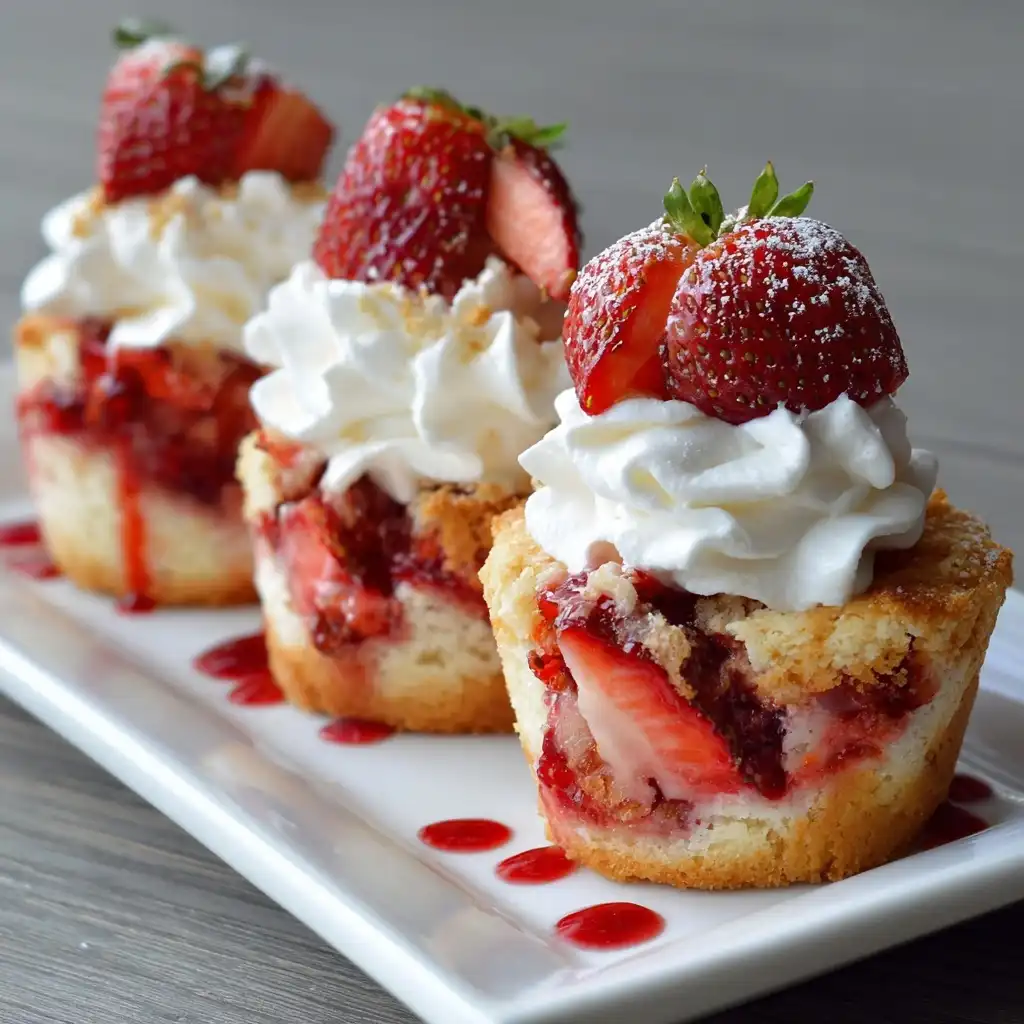
Strawberry Shortcake Cups are the elegant, portable, and portion-perfect evolution of the beloved classic American dessert. Gone are the days of wrestling with crumbling shortcake layers or soggy whipped cream—these individual servings deliver all the nostalgic charm of traditional strawberry shortcake in a tidy, no-fuss format. Whether served at a summer garden party, packed into school lunches, prepped for meal prep, or enjoyed as an after-dinner treat, these cups combine vibrant sweetness, tender crumb, and airy richness in every bite. Designed for visual appeal and textural harmony, each cup features alternating layers of golden shortcake crumbles (or baked mini shortcakes), macerated strawberries bursting with natural juice, and luxuriously smooth, lightly sweetened whipped cream—often finished with a delicate garnish that invites both Instagram-worthy presentation and genuine culinary delight. More than just a dessert, Strawberry Shortcake Cups represent accessibility, creativity, and modern convenience without sacrificing authenticity or homemade warmth.
The History
The roots of strawberry shortcake trace back centuries—to early English “shortcakes,” which were dense, biscuit-like cakes made with “shortening” (fat) to yield a crumbly, tender texture. By the 18th century, colonists in America adopted the concept but adapted it using locally abundant strawberries and newly available baking powder in the mid-1800s, giving rise to the leavened, flaky version we recognize today. The dessert became synonymous with springtime celebrations, agricultural fairs, and patriotic holidays—especially Memorial Day and the Fourth of July—where regional variations flourished: New Englanders favored biscuit-style shortcakes, Southerners leaned into buttery, cake-like versions, and Californians championed ultra-fresh, locally grown berries. The transition to “cups” emerged organically in the late 20th and early 21st centuries alongside the rise of mason jar desserts, individualized portion control trends, and social media’s demand for photogenic, layered treats. Food bloggers, celebrity chefs, and home bakers began experimenting with deconstructed, build-your-own formats—transforming the traditionally assembled dessert into a customizable, stackable, and transportable experience. Today, Strawberry Shortcake Cups honor that rich lineage while embracing contemporary lifestyles: they’re gluten-free adaptable, vegan-friendly with plant-based swaps, keto-conscious with almond flour alternatives, and endlessly stylizable for dietary needs, seasonal produce, and global flavor infusions—from balsamic reduction and black pepper to matcha-infused cream and yuzu-kissed berries.
Ingredients Breakdown
Every exceptional Strawberry Shortcake Cup begins with intentionality—not just in selection, but in understanding *why* each component matters:
- Fresh Strawberries: The star ingredient—ideally ripe, fragrant, and deeply red. Their natural pectin helps thicken the macerate, while their acidity balances sweetness. Underripe berries lack depth; overripe ones turn mushy. Varieties like Albion, Seascape, or local heirlooms offer superior flavor intensity.
- Granulated Sugar (for Maceration): Not merely for sweetness—it draws out juices via osmosis, softens berry texture, and concentrates flavor. A small amount of sugar (1–2 tsp per cup) is often enough when berries are peak-season ripe.
- Lemon Juice: A critical brightener. Its citric acid enhances strawberry aroma, prevents browning, and cuts through richness—never skip this subtle yet transformative element.
- Vanilla Extract (Pure): Adds warmth and complexity to both the macerate and whipped cream. Avoid imitation—its harsh alcohol notes overpower delicate fruit.
- Shortcake Component: Can be crumbled store-bought shortcake, homemade drop biscuits, baked mini shortcake rounds, or even toasted brioche cubes. Texture contrast is key: slightly crisp edges with tender interiors provide structural integrity against juicy berries.
- Heavy Whipping Cream (36–40% fat): Non-negotiable for stability and mouthfeel. Lower-fat alternatives (half-and-half, coconut cream) lack the body to hold peaks and resist weeping. Cold cream + chilled bowl/whisk = optimal volume and fluff.
- Powdered Sugar: Dissolves instantly into whipped cream (unlike granulated), yielding silky smoothness and gentle sweetness without graininess. Also acts as a stabilizer.
- Optional Enhancers: A pinch of sea salt heightens all flavors; a splash of bourbon or elderflower liqueur adds sophistication; fresh mint or basil lends aromatic freshness; a drizzle of reduced balsamic glaze contributes deep, tangy-sweet umami.
Step-by-Step Recipe
- Select & Prep Berries: Rinse 1 lb (about 4 cups) ripe strawberries under cool water. Hull with a paring knife or strawberry huller. Pat *thoroughly dry*—excess moisture dilutes flavor and causes layer separation.
- Macerate Strategically: Slice berries into uniform ¼-inch pieces (halves for smaller berries). In a non-reactive bowl, gently fold in ¼ cup granulated sugar, 1 tbsp fresh lemon juice, 1 tsp pure vanilla extract, and a tiny pinch of fine sea salt. Cover and refrigerate for *at least 30 minutes*, up to 4 hours—stirring once halfway. You’ll notice deep red syrup pooling—this is ideal.
- Prepare Shortcake Base: Choose your method: (A) Bake 12 mini shortcakes (2.5″ diameter) from scratch (see directions below), cool completely; (B) Use high-quality store-bought shortcake rounds or split pound cake; (C) Pulse 1 cup shortcake or pound cake into coarse, sandy crumbs (not powder). For best results, toast crumbs at 325°F for 5–7 minutes until fragrant and lightly golden—cools to crisp-tender.
- Whip Cream with Precision: Chill mixing bowl and whisk attachment for 15 minutes. Pour 1½ cups *very cold* heavy whipping cream into bowl. Add 3 tbsp powdered sugar and ½ tsp vanilla. Begin on low speed, gradually increasing to medium-high. Whip just until soft peaks form (5–7 minutes)—do not overbeat into stiff, grainy curds. Fold in 1 tsp finely grated lemon zest for brightness, if desired.
- Assemble with Layering Logic: Use 4-oz clear plastic or glass dessert cups, mason jars, or elegant footed glasses. Start with 1 tbsp shortcake crumbs (or 1 mini shortcake round) pressed gently into base. Spoon 2 generous tbsp macerated strawberries *with syrup*. Top with 2 tbsp whipped cream. Repeat layers once more (crumbs → berries → cream). Finish with a final dollop of cream, a single perfect whole strawberry, a mint leaf, and a light dusting of powdered sugar or edible flower.
- Chill & Serve: Refrigerate assembled cups for 15–20 minutes before serving—this allows flavors to meld and cream to set slightly. Serve within 2 hours for optimal texture (beyond that, crumbs soften; however, components can be prepped separately up to 24 hours ahead).
Tips
- Texture Is Everything: Never assemble more than 2 hours ahead—the shortcake absorbs moisture and turns gummy. If prepping ahead, store components separately: macerated berries (up to 24 hrs), whipped cream (up to 12 hrs, re-whip gently before use), shortcake (room temp in airtight container up to 2 days or freeze up to 1 month).
- Control Syrup Overflow: After macerating, drain excess liquid *only if overly watery*—but reserve 1–2 tbsp syrup to spoon over layers for intensified flavor. Too much draining sacrifices juiciness.
- Whipped Cream Stability Hacks: For make-ahead reliability, add ½ tsp unflavored gelatin (bloomed in 1 tsp cold water, then microwaved 5 sec) or 1 tsp cornstarch (whisked into powdered sugar first) before whipping. This prevents weeping for up to 8 hours.
- Shortcake Substitutions That Shine: Gluten-free? Use certified GF shortcake or almond flour scones. Vegan? Swap in toasted coconut flakes, crushed vegan shortbread, or spiced oat crumble. Low-carb? Try crushed toasted pecans or crushed keto-friendly shortbread cookies.
- Visual Appeal Secrets: Use a piping bag fitted with a large star tip for elegant cream swirls. Layer berries *just beneath* the cream surface so color peeks through. Garnish right before serving—mint wilts, powdered sugar clumps, and berries bleed if added too early.
- Temperature Matters: Serve cups chilled—but never frozen. Cold enhances sweetness perception and keeps cream firm. Let sit 2 minutes at room temp if cream seems overly firm.
- Taste as You Go: Adjust sweetness *after* macerating—some berries need more sugar; others need less. Always taste the syrup before assembling.
Variations and Customizations
The versatility of Strawberry Shortcake Cups is boundless—here’s how to reimagine them across seasons, cuisines, and preferences:
- Seasonal Swaps: Replace strawberries with raspberries in early summer, blackberries in late summer, roasted peaches in August, or poached pears with cardamom in fall. Winter? Try blood orange segments with candied ginger crumble.
- Global Inspirations: Japanese-style: Matcha-infused whipped cream, kinako (roasted soybean powder) shortcake crumble, and yuzu-kissed strawberries. Mediterranean: Lemon-thyme shortcake, honey-macerated berries, mascarpone whipped cream, and crushed pistachios. Mexican: Chili-lime strawberry macerate, cinnamon-sugar shortcake, dulce de leche–swirled cream, and crumbled pepitas.
- Dietary Adaptations: Gluten-Free: Almond flour shortcake rounds or GF vanilla wafers. Vegan: Coconut whipped cream (chilled full-fat coconut milk whipped with maple syrup), oat-based shortcake, and agave-sweetened macerate. Keto/Low-Carb: Almond/coconut flour shortcake, erythritol-sweetened berries, heavy cream whipped with stevia, and crushed walnuts instead of crumbs. Dairy-Free: Cashew cream (soaked cashews blended with lemon and vanilla), coconut oil shortcake, and oat milk–based macerate syrup.
- Textural Twists: Add toasted coconut flakes, crushed amaretti cookies, crumbled torched meringue, or candied rose petals between layers. For crunch lovers: sprinkle toasted quinoa, puffed millet, or caramelized white chocolate shards.
- Boozy Elegance: Stir 1 tsp Grand Marnier, Chambord, or bourbon into the macerate. Infuse whipped cream with ½ tsp bourbon or a few drops of orange blossom water. Drizzle with spiced rum caramel or lavender-infused honey.
- Breakfast Reinvention: Reduce sugar by 75%, use Greek yogurt–whipped cream blend, add chia seeds to macerate for thickness, top with granola clusters and fresh basil—perfect for brunch or healthy dessert.
- Mini Dessert Bar Setup: Set up a DIY station with shortcake bases in one bowl, 3–4 berry options (strawberries, blueberries, mango), 3 cream styles (vanilla, chocolate, matcha), and 6 toppings (cacao nibs, toasted nuts, edible flowers, sprinkles, citrus zest, crushed candy). Guests build their own—ideal for weddings, baby showers, or graduations.
Health Considerations and Nutritional Value
While traditionally viewed as an indulgent treat, Strawberry Shortcake Cups can be thoughtfully optimized for wellness without compromising joy. A standard 4-oz cup (made with homemade shortcake, ½ cup strawberries, ¼ cup heavy cream, and 1 tsp sugar) contains approximately 220–260 calories, 12–15g fat (mostly unsaturated from cream), 28–32g carbohydrates (of which 18–22g are natural sugars from fruit), 3–4g protein, and 3g fiber. Key nutritional highlights include:
- Strawberries: Exceptionally rich in vitamin C (one cup delivers >100% DV), folate, potassium, and antioxidant polyphenols like ellagic acid and anthocyanins—linked to reduced inflammation, improved cardiovascular health, and cognitive support.
- Whipped Cream: Provides fat-soluble vitamins A and D, conjugated linoleic acid (CLA) with potential anti-inflammatory properties, and satiating healthy fats that slow sugar absorption—making the dessert more metabolically balanced than high-sugar, low-fat alternatives.
- Whole-Grain Shortcake Option: Using whole wheat pastry flour or oat flour boosts fiber (aiding digestion and glycemic control) and B-vitamins. Adding ground flaxseed contributes omega-3s and lignans.
- Reduced-Sugar Strategy: Relying on ripe, in-season berries minimizes added sugar needs. Substituting 1–2 tsp maple syrup or date paste for granulated sugar adds minerals and polyphenols. Unsweetened whipped cream lets berry sweetness shine.
- Allergen & Sensitivity Notes: Naturally nut-free and egg-free in basic form. Easily dairy-free with coconut or cashew alternatives. Always verify shortcake ingredients for hidden gluten, soy, or dairy derivatives. For histamine sensitivity, avoid aged cheeses or fermented creams—opt for fresh, minimally processed components.
- Mindful Enjoyment: Portion control is built-in—individual cups prevent over-serving. Pairing with herbal tea (chamomile, peppermint) aids digestion. Serving as part of a balanced meal (e.g., post-grilled salmon or lentil salad) further stabilizes blood sugar response.
Consult a registered dietitian for personalized adaptations—especially for diabetes management, IBS (low-FODMAP shortcake options exist), or renal diets (lower-potassium berry alternatives like blueberries may be advised).
Ingredients
- 1 pound (about 4 cups) fresh, ripe strawberries, hulled and sliced ¼-inch thick
- ¼ cup granulated sugar (adjust to taste and berry sweetness)
- 1 tablespoon fresh lemon juice (preferably organic)
- 1 teaspoon pure vanilla extract
- Pinch of fine sea salt
- 1 cup high-quality shortcake, pound cake, or buttery biscuits (about 6–8 oz), crumbled or cut into ½-inch cubes
- 1½ cups cold heavy whipping cream (minimum 36% fat)
- 3 tablespoons powdered sugar, sifted
- ½ teaspoon pure vanilla extract
- Optional: 1 teaspoon finely grated lemon zest, for whipped cream
- Garnishes: whole strawberries, fresh mint leaves, edible flowers, powdered sugar, lemon zest curls
Directions
- Macenate the Strawberries: In a medium non-reactive bowl, combine sliced strawberries, granulated sugar, lemon juice, vanilla extract, and sea salt. Gently fold with a silicone spatula until evenly coated. Cover tightly with plastic wrap or a lid and refrigerate for 30 minutes to 4 hours—stirring once halfway through. The berries will release a vibrant, syrupy liquid.
- Prepare the Shortcake Component: If using store-bought shortcake or pound cake, pulse in a food processor until coarse crumbs form—avoid over-processing into dust. For extra texture and flavor, spread crumbs on a parchment-lined baking sheet and bake at 325°F for 5–7 minutes, stirring once, until fragrant and lightly golden. Cool completely. Alternatively, bake 12 mini shortcakes (2.5 inches wide) from scratch: preheat oven to 375°F; line a mini muffin tin with paper liners; whisk together 1 cup all-purpose flour, ¼ cup granulated sugar, 1½ tsp baking powder, ¼ tsp salt; cut in ¼ cup cold unsalted butter until pea-sized; stir in ⅓ cup cold heavy cream and 1 tsp vanilla until just combined; portion 1 tbsp batter per cup; bake 12–14 minutes until golden and a toothpick comes out clean; cool completely before using.
- Whip the Cream: Place mixing bowl and whisk attachment in freezer for 15 minutes. Pour cold heavy cream into chilled bowl. Add powdered sugar and ½ tsp vanilla. Starting on low speed, gradually increase to medium-high. Whip 5–7 minutes until soft peaks form—when you lift the whisk, the peak should curl gently at the tip. Do not overbeat. Optional: Gently fold in lemon zest for brightness.
- Assemble the Cups: Select 6 (4-oz) clear dessert cups or glasses. Begin layering: Spoon 1 tablespoon shortcake crumbs into the bottom of each cup and press down lightly. Top with 2 tablespoons macerated strawberries (including syrup). Add 2 tablespoons whipped cream. Repeat layers once more. Finish each cup with a final generous dollop of whipped cream.
- Garnish & Chill: Top each cup with one perfect whole strawberry, a small mint leaf, and a light dusting of powdered sugar. Refrigerate for 15–20 minutes to allow flavors to harmonize and cream to settle slightly.
- Serve Immediately: Enjoy within 2 hours for optimal texture contrast. Store any uneaten components separately for future assembly—do not refrigerate fully assembled cups beyond 2 hours.
FAQ
- Can I make these ahead of time?
- Yes—with smart planning! Macerated strawberries keep well refrigerated for up to 24 hours. Whipped cream can be made up to 12 hours ahead and stored covered in the fridge—give it a 15-second re-whip before using. Shortcake crumbs stay crisp at room temperature in an airtight container for 2 days, or freeze for up to 1 month. Assemble *no more than 2 hours* before serving for best texture.
- Why does my whipped cream get runny?
- Most often due to warm cream, a warm bowl, or overbeating. Always chill cream, bowl, and whisk for at least 15 minutes. Stop whipping at soft peaks—if you see graininess or liquid separating, it’s overdone. For foolproof stability, add ½ tsp bloomed gelatin or 1 tsp cornstarch (mixed into powdered sugar first) before whipping.
- Can I use frozen strawberries?
- You can—but with caveats. Thaw completely and drain *all* liquid (press gently in a fine-mesh strainer). Frozen berries are softer and less aromatic, so add an extra ½ tsp lemon juice and consider a pinch of grated lemon zest to boost brightness. Best for off-season use, not peak freshness.
- What’s the best shortcake substitute if I don’t have time to bake?
- High-quality store-bought shortcake rounds (look for brands with real butter and minimal preservatives), split and lightly toasted vanilla wafers, or even delicate sponge cake cubes work beautifully. Avoid overly sweet or artificial-tasting options—they compete with the berries’ natural flavor.
- How do I make these vegan?
- Use full-fat canned coconut milk (refrigerated overnight, then scoop solid cream only), whipped with 1–2 tbsp maple syrup and ½ tsp vanilla. For shortcake: try toasted coconut flakes, crushed vegan shortbread, or spiced oat crumble. Sweeten berries with maple syrup or agave instead of cane sugar.
- My shortcake layer gets soggy—how do I prevent that?
- Sogginess happens when moisture migrates too quickly. Solutions: (1) Toast crumbs before assembling; (2) Use a *light* initial press—not compacted; (3) Layer shortcake *last* if making ahead (i.e., serve with shortcake on top, not bottom); (4) Drain excess syrup from berries before layering—or reserve syrup to drizzle *just* before serving.
- Can kids help make these?
- Absolutely—and it’s a wonderful sensory cooking activity! Children can rinse berries, tear mint leaves, spoon layers, pipe cream with supervision, and choose fun garnishes. Skip sharp knives for hulling (use kid-safe hullers) and assign the whisking to adults if using electric tools.
- Are Strawberry Shortcake Cups gluten-free?
- They can be! Use certified gluten-free shortcake, GF flour blends in homemade versions (add ½ tsp xanthan gum per cup of flour), and verify all labels (vanilla, baking powder, etc.) for hidden gluten. Oat-based shortcakes must be certified GF due to cross-contamination risk.
- What wine or beverage pairs best with these?
- A dry rosé (Provence style), sparkling Moscato d’Asti, or chilled hibiscus-ginger iced tea complements the sweetness and acidity beautifully. For non-alcoholic elegance: lavender lemonade or sparkling water with fresh strawberry and basil.
- How many servings does this recipe make?
- This yields 6 generous 4-ounce servings—ideal for a small gathering. To scale: double all ingredients for 12 servings; halve for 3 servings. Note: Jar size affects layering—adjust quantities proportionally for 6-oz or 8-oz vessels.
Summary
Strawberry Shortcake Cups are a masterclass in balance—celebrating the simplicity of sun-ripened strawberries, the comforting richness of freshly whipped cream, and the buttery tenderness of shortcake—all reimagined in an elegant, portion-controlled, endlessly adaptable format.
Whether you’re honoring centuries of dessert tradition, accommodating modern dietary needs, or simply craving a joyful, beautiful, and delicious bite, these cups deliver nostalgia, nutrition, and wow-factor in equal, unforgettable measure.