
Introduction
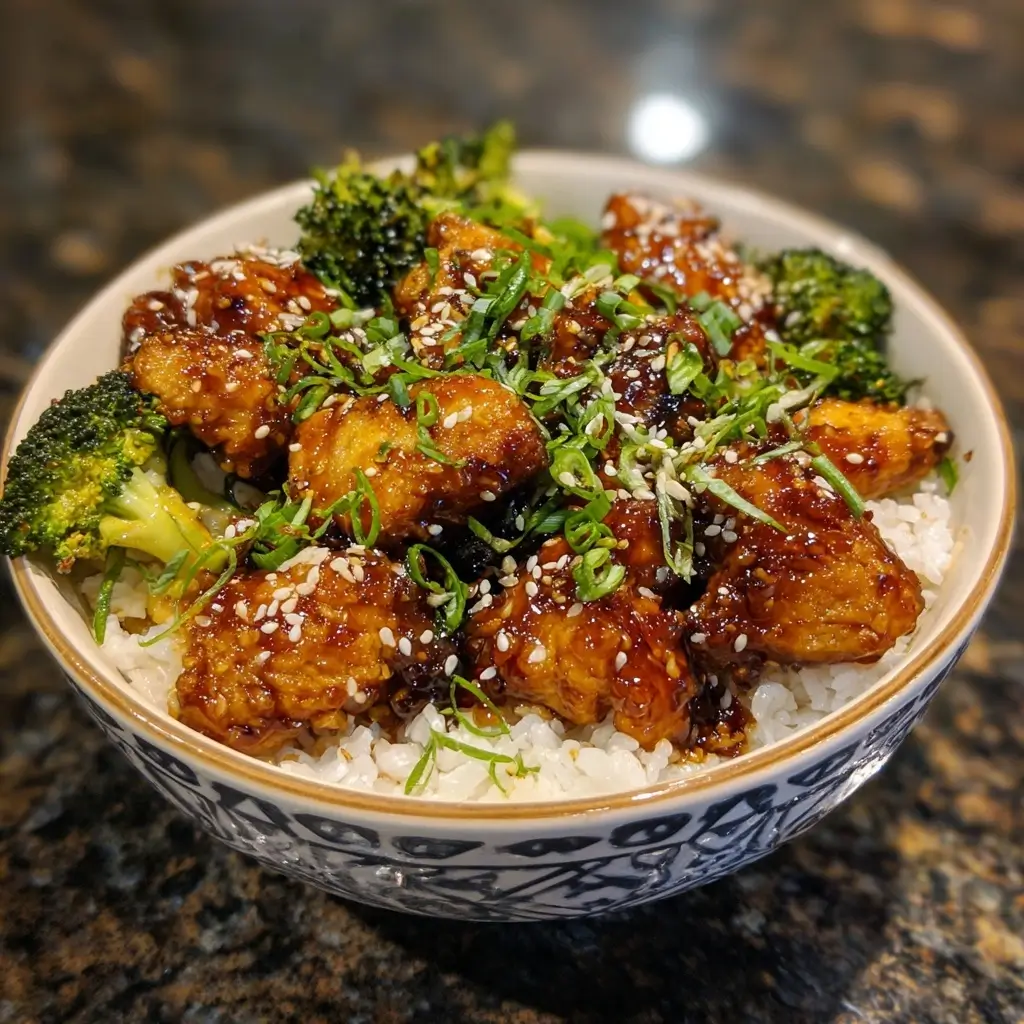
Honey Garlic Chicken Bowls are a beloved modern comfort food dish that seamlessly marries sweet, savory, umami, and aromatic flavors into a wholesome, restaurant-quality meal you can easily prepare at home. With tender, pan-seared or baked chicken thighs or breasts glazed in a glossy, deeply flavorful sauce—and served over nourishing bases like brown rice, quinoa, or cauliflower rice—this dish satisfies cravings while adapting effortlessly to dietary preferences and lifestyle goals. Whether you’re meal prepping for the week, feeding a busy family, or seeking an impressive yet approachable dinner option, Honey Garlic Chicken Bowls deliver bold taste, textural contrast, and visual appeal—all with minimal hands-on time and pantry-friendly ingredients.
The History
While no single documented origin story exists for Honey Garlic Chicken Bowls as a named “bowl” concept, the dish is a natural evolution of centuries-old culinary traditions rooted in East Asian, Southeast Asian, and North American home cooking. Garlic has been prized globally for millennia—not only for its pungent, aromatic properties but also for its preservative and medicinal qualities—while honey has served as humanity’s oldest known natural sweetener, used in ancient Egyptian, Greek, and Chinese cuisines. In 20th-century Chinese-American restaurants, sweet-and-savory sauces featuring soy, garlic, ginger, and sugar (or corn syrup) became staples—think General Tso’s and Kung Pao. As honey gained renewed popularity in the 1970s–90s for its perceived healthfulness and complex flavor profile, home cooks began substituting it for refined sugar in marinades and glazes. The “bowl” format itself surged in mainstream U.S. food culture during the early 2010s, driven by wellness trends, the rise of grain-based and veggie-forward meals, and the influence of food blogs and social media platforms like Pinterest and Instagram—where vibrant, layered, nutrient-dense bowls were celebrated for their balance, customization, and photogenic presentation. Honey Garlic Chicken Bowls thus represent a delicious fusion: honoring traditional Asian-inspired umami foundations while embracing contemporary Western ideals of convenience, nutrition, and mindful eating.
Ingredients Breakdown
Understanding each component empowers you to refine flavor, adjust texture, and accommodate allergies or preferences—all without sacrificing authenticity.
- Chicken: Boneless, skinless chicken thighs are highly recommended for this recipe—they contain more intramuscular fat than breasts, yielding unparalleled juiciness, tenderness, and flavor retention during cooking and saucing. However, chicken breasts work beautifully when sliced thinly against the grain and not overcooked. For maximum tenderness, consider velveting (a quick marinade with cornstarch, egg white, and rice wine) or brining (30 minutes in 1% saltwater) before cooking.
- Honey: Raw, unfiltered honey contributes floral notes, subtle herbal undertones, and enzymatic complexity that processed honey lacks. Its natural acidity helps balance richness, and its viscosity creates the signature clingy, lacquered glaze. Substitutes like maple syrup (earthy-sweet, vegan-friendly), agave nectar (milder, neutral), or brown rice syrup (less sweet, chewier) alter both flavor and texture—adjust simmer time accordingly.
- Garlic: Fresh, minced garlic is non-negotiable for depth and aroma. Roasted garlic adds mellow sweetness; garlic powder provides convenience but lacks volatile oils—use sparingly as a supplement, not replacement. Avoid jarred minced garlic unless absolutely necessary—it often contains preservatives and lacks brightness.
- Soy Sauce: Use low-sodium tamari for gluten-free integrity or traditional Japanese shoyu for balanced fermentation. Coconut aminos offer a soy-free, lower-sodium alternative with mild caramel notes—but increase ginger or lime zest to compensate for lost umami.
- Rice Vinegar (or Apple Cider Vinegar): Adds bright acidity to cut through sweetness and fat. Unseasoned rice vinegar is ideal—avoid seasoned versions with added sugar and salt, which disrupt sauce balance.
- Ginger: Freshly grated or microplaned ginger introduces spicy warmth and citrusy lift. Ground ginger lacks volatile compounds—reserve it only for emergency substitutions (use ¼ tsp ground per 1 tbsp fresh).
- Sesame Oil: Toasted sesame oil (added at the end) delivers nutty, roasted depth. Never use it for high-heat cooking—it burns easily. Light (untoasted) sesame oil is heat-stable but far less aromatic.
- Thickener: Cornstarch slurry (cornstarch + cold water) is classic and effective. Arrowroot powder yields a clearer, glossier finish and freezes better. Tapioca starch offers superior cling and sheen, ideal for reheated meals.
- Base Grains & Veggies: Brown rice adds fiber and earthy nuttiness; farro or freekeh contribute chew and ancient-grain nutrition; sushi rice gives creamy stickiness; riced cauliflower or shredded cabbage provide low-carb, high-volume options. Roasted broccoli, snap peas, carrots, bell peppers, edamame, and pickled red onions add color, crunch, and phytonutrient diversity.
- Garnishes: Toasted sesame seeds (white or black), chopped scallions (both green and white parts), cilantro, crushed peanuts or cashews, lime wedges, and chili flakes or gochugaru bring finishing layers of aroma, texture, acidity, heat, and visual contrast.
Step-by-Step Recipe
- Prep & Marinate (15–30 minutes): Pat chicken dry thoroughly—this ensures proper searing. Cut into uniform 1–1.5-inch pieces. In a bowl, whisk together ¼ cup soy sauce, 3 tbsp honey, 2 tbsp rice vinegar, 1 tbsp freshly grated ginger, 4–5 finely minced garlic cloves, 1 tsp toasted sesame oil, and ½ tsp black pepper. Add chicken; toss to coat. Refrigerate for at least 15 minutes (up to 2 hours)—do not exceed, or acid may begin to “cook” the surface.
- Toast Seeds & Prep Sides (5 minutes): While chicken marinates, toast sesame seeds in a dry skillet over medium-low heat until golden and fragrant (~2–3 minutes). Set aside. Cook your chosen grain according to package directions. Steam or roast vegetables until just tender-crisp.
- Cook Chicken (8–10 minutes): Heat 1 tbsp neutral oil (avocado, grapeseed, or peanut) in a large nonstick or stainless skillet over medium-high heat. Remove chicken from marinade (reserve marinade!), shaking off excess. Sear undisturbed for 3–4 minutes per side until deeply golden and cooked through (165°F internal temp). Transfer to a clean plate; cover loosely with foil.
- Reduce & Thicken Sauce (5–7 minutes): Pour reserved marinade into the same skillet. Bring to a simmer over medium heat, scraping up browned bits. Simmer uncovered for 2 minutes to concentrate flavor. In a small bowl, whisk together 1 tbsp cornstarch + 2 tbsp cold water. Slowly drizzle slurry into simmering sauce while whisking constantly. Return to gentle boil for 1–2 minutes until thickened to a glossy, coat-the-back-of-a-spoon consistency. Stir in 1 tsp additional toasted sesame oil off heat.
- Glaze & Finish (2 minutes): Return chicken to skillet. Toss gently to coat evenly in sauce. Cook 1–2 minutes more to reheat and allow flavors to meld. Optional: For extra caramelization, broil 1–2 minutes under high heat (watch closely!).
- Assemble Bowls (3 minutes): Divide warm grain among 4 bowls. Top with honey garlic chicken and sauce. Arrange roasted/steamed vegetables alongside. Drizzle with any remaining sauce pooled in skillet. Garnish generously with toasted sesame seeds, sliced scallions, fresh cilantro, and lime wedges.
Tips
- Dry Chicken = Better Sear: Excess moisture causes steaming instead of browning. Always pat chicken bone-dry with paper towels before marinating or cooking.
- Don’t Crowd the Pan: Overloading lowers pan temperature and leads to gray, soggy chicken. Cook in batches if needed—better to take 2 extra minutes than sacrifice texture.
- Reserve That Marinade: Never reuse raw chicken marinade as sauce unless boiled for at least 3 full minutes to kill pathogens. Our method safely reserves it *before* adding chicken—then simmers it thoroughly later.
- Low-and-Slow Simmer for Sauce: Boiling too vigorously breaks down honey’s delicate compounds and can cause crystallization or bitterness. Gentle reduction preserves sweetness and aroma.
- Acid Last, Heat First: Add vinegar/rice wine early for depth; finish with a splash of fresh lime or yuzu juice for brightness that cuts through richness.
- Grain Texture Matters: Rinse rice before cooking to remove excess starch (unless using sushi rice). For fluffier grains, let them steam covered off-heat for 10 minutes after cooking.
- Meal Prep Friendly: Cook chicken and sauce separately. Store sauce chilled for up to 5 days or frozen for 3 months. Reheat sauce gently—stirring constantly—to prevent separation. Assemble bowls fresh for best texture.
- Sauce Consistency Control: Too thin? Simmer 1–2 minutes longer. Too thick? Whisk in 1 tsp warm water or broth, ½ tsp at a time. Cornstarch-thickened sauces thin slightly upon cooling—account for this.
- Rest Before Serving: Let glazed chicken rest 2–3 minutes before assembling bowls—this allows juices to redistribute and prevents grain from becoming mushy.
- Double the Sauce (Wisely): Make extra sauce for dipping, drizzling over future meals, or stirring into stir-fried noodles. Freeze in ice cube trays for portion-controlled future use.
Variations and Customizations
This recipe is inherently versatile—here’s how to make it uniquely yours:
- Vegetarian/Vegan: Swap chicken for extra-firm tofu (pressed, cubed, air-fried or pan-seared), tempeh strips, seitan chunks, or king oyster mushrooms (sliced thick, roasted until meaty). Use coconut aminos and maple syrup; finish with nutritional yeast for umami boost.
- Spicy Honey Garlic: Add 1–2 tsp sambal oelek, gochujang, or sriracha to the marinade—or stir in ½ tsp crushed red pepper flakes or 1 minced Thai bird chili to the finished sauce.
- Pineapple-Honey Fusion: Add ¼ cup unsweetened crushed pineapple (with juice) to the sauce for tropical brightness and natural bromelain tenderizing action—reduce simmer time slightly to preserve freshness.
- Smoky Depth: Add ¼ tsp smoked paprika or ½ tsp liquid smoke (sparingly!) to the marinade—or finish with a whisper of chipotle powder.
- Herbaceous Twist: Stir 1 tbsp finely chopped fresh basil, mint, or Thai basil into the sauce just before serving for aromatic lift.
- Umami Bomb: Boost savoriness with 1 tsp white miso paste whisked into the sauce at the end, or ½ tsp mushroom powder blended into the marinade.
- Breakfast Bowl: Serve warm chicken and sauce over brown rice topped with a soft-poached egg, avocado slices, and everything bagel seasoning.
- Deconstructed Salad: Toss chilled, sliced chicken with mixed greens, shredded carrots, cucumber ribbons, and a light ginger-honey vinaigrette.
- Keto/Low-Carb: Use riced cauliflower, shirataki noodles, or butter lettuce cups as base. Increase healthy fats with avocado, macadamia nuts, and extra sesame oil.
- Kid-Friendly Mild: Omit garlic or reduce by half; double honey; add 1 tsp apple butter for round sweetness; serve with fun toppings like rainbow sprinkles (yes—real ones!) or yogurt drizzle.
Health Considerations and Nutritional Value
A standard serving (1 bowl: ~5 oz chicken, ½ cup cooked brown rice, 1 cup roasted broccoli, 3 tbsp sauce) provides approximately 480–540 calories, 32–38g protein, 12–16g healthy fats, 55–65g complex carbohydrates, and 8–10g fiber—with zero trans fats and minimal saturated fat. Key nutritional highlights include:
- High-Quality Protein: Chicken is a complete protein source rich in B vitamins (especially B6 and niacin), selenium, and phosphorus—supporting muscle repair, metabolism, and immune function.
- Antioxidant-Rich Garlic & Ginger: Allicin (in crushed garlic) and gingerol (in fresh ginger) possess potent anti-inflammatory, antimicrobial, and cardiovascular-protective properties—enhanced when consumed raw or lightly cooked.
- Natural Sweetness Without Refined Sugar: Honey contains flavonoids, phenolic acids, and trace enzymes. Though still a concentrated carbohydrate, its glycemic index (58) is lower than table sugar (65), and its polyphenols may support gut microbiota diversity.
- Fiber & Phytonutrients: Brown rice contributes magnesium and B vitamins; broccoli delivers sulforaphane (linked to cancer prevention) and vitamin C; sesame seeds add calcium, copper, and lignans.
- Sodium Awareness: Soy sauce is sodium-dense. Using low-sodium tamari and balancing with acid (vinegar) and aromatics helps reduce overall salt without sacrificing flavor. One serving typically contains 680–850mg sodium—well within daily limits (<2,300mg) for most adults.
- Allergen Notes: Naturally gluten-free if using tamari or coconut aminos; dairy-free and nut-free (unless garnished with peanuts); always verify labels on sauces and condiments for hidden allergens like wheat, fish, or tree nuts.
- Portion Guidance: For weight management, consider reducing grain to ⅓ cup and increasing non-starchy vegetables to 1.5 cups. Those managing blood sugar may benefit from pairing with apple cider vinegar dressing or adding cinnamon to the sauce.
- Freezer-Friendly Nutrition: Freezing does not degrade protein quality or most heat-stable nutrients (like minerals and fiber), though some vitamin C may diminish. Thaw overnight in fridge and reheat gently to preserve texture and flavor integrity.
Ingredients
- 1.5 lbs boneless, skinless chicken thighs (or breasts), cut into 1–1.5-inch pieces
- ¼ cup low-sodium soy sauce (or tamari for GF)
- ⅓ cup raw, unfiltered honey (sub maple syrup for vegan)
- 2 tbsp unseasoned rice vinegar (or apple cider vinegar)
- 4–5 garlic cloves, finely minced (about 1 tbsp)
- 1 tbsp fresh ginger, grated (use a microplane)
- 1 tsp toasted sesame oil (plus extra for garnish)
- ½ tsp freshly ground black pepper
- 1 tbsp neutral high-heat oil (avocado, grapeseed, or peanut)
- 1 tbsp cornstarch
- 2 tbsp cold water
- 1 cup cooked brown rice (or quinoa, cauliflower rice, etc.)
- 1½ cups roasted or steamed vegetables (broccoli, snap peas, carrots, bell peppers)
- Garnishes: 2 tbsp toasted sesame seeds, 3 scallions (thinly sliced), small handful fresh cilantro, lime wedges, optional chili flakes
Directions
- Pat chicken pieces completely dry with paper towels. Place in a medium bowl.
- In a separate small bowl, whisk together soy sauce, honey, rice vinegar, minced garlic, grated ginger, 1 tsp toasted sesame oil, and black pepper.
- Pour marinade over chicken and toss well to coat. Refrigerate for 15–30 minutes (no longer than 2 hours).
- Meanwhile, cook grain according to package instructions. Preheat oven to 425°F (220°C) if roasting vegetables; toss veggies with 1 tsp oil, salt, and pepper, then spread on a parchment-lined sheet. Roast 20–25 minutes until tender-crisp.
- Heat 1 tbsp neutral oil in a large skillet over medium-high heat. Remove chicken from marinade (reserve marinade!), shaking off excess. Sear chicken in a single layer without moving for 3–4 minutes until deeply golden. Flip and cook another 3–4 minutes until cooked through (165°F). Transfer to a plate; cover loosely.
- Pour reserved marinade into the hot skillet. Bring to a simmer over medium heat, scraping up browned bits. Simmer uncovered for 2 minutes.
- In a small bowl, whisk cornstarch and cold water until smooth. Slowly whisk slurry into simmering marinade. Return to a gentle boil, stirring constantly, for 1–2 minutes until thickened and glossy.
- Reduce heat to low. Return chicken to skillet. Gently toss to coat in sauce. Cook 1–2 minutes to reheat and absorb flavors.
- Divide warm grain among 4 bowls. Top with honey garlic chicken and generous sauce. Arrange roasted/steamed vegetables beside chicken.
- Garnish with toasted sesame seeds, scallions, cilantro, lime wedges, and optional chili flakes. Serve immediately.
FAQ
- Can I use chicken breast instead of thighs?
- Absolutely—but chicken breasts dry out faster. Slice thinly against the grain, avoid overcooking (pull at 160°F—they’ll carryover to 165°F), and consider marinating no longer than 15 minutes to prevent texture breakdown from acid.
- Why did my sauce separate or become greasy?
- Most commonly due to overheating the sauce after adding sesame oil, or using cold honey that hasn’t fully emulsified. Always add toasted sesame oil off-heat and whisk vigorously. If separation occurs, remove from heat, let cool slightly, then whisk in 1 tsp warm water or broth.
- Can I make this in a slow cooker or Instant Pot?
- Yes! For slow cooker: Combine marinated chicken and all sauce ingredients (except cornstarch slurry) in pot. Cook on LOW 4–5 hours. Stir in slurry, cook 15–20 minutes on HIGH until thickened. For Instant Pot: Use Saute mode to sear chicken. Add marinade, seal, cook on Manual/High Pressure 8 minutes. Quick release, thicken with slurry using Saute mode.
- How long does leftover sauce keep?
- Refrigerated in an airtight container: up to 5 days. Frozen in portioned containers or ice cube trays: up to 3 months. Thaw overnight in fridge; reheat gently on stove—do not microwave in sealed container.
- Is this dish safe for pregnant people or young children?
- Yes—when chicken is cooked to 165°F and proper food handling is followed. Honey is safe for adults and children over 1 year old (not for infants under 12 months due to botulism risk).
- Can I freeze the fully assembled bowls?
- We recommend freezing components separately for optimal texture. Grain and sauce freeze well; cooked chicken holds up fine; however, roasted vegetables (especially broccoli or zucchini) may soften upon thawing. For best results, freeze chicken + sauce and grain separately, and add fresh or newly roasted veggies when serving.
- What’s the best way to reheat leftovers?
- Stovetop is ideal: Warm sauce and chicken in a skillet over medium-low heat, adding 1 tsp water or broth to loosen. Microwave reheating works—but cover bowl and stir halfway to prevent rubbery chicken. Avoid overheating.
- My sauce isn’t thickening—what went wrong?
- Common causes: cornstarch lumped (always mix with cold liquid first); sauce not brought to a full boil after adding slurry (essential for activation); or too much acid (vinegar) interfering with starch gelatinization. Solution: Whisk in another ½ tsp cornstarch slurry and return to boil for 1 minute.
- Can I use bottled ginger or garlic paste?
- Fresh is strongly preferred for vibrancy and enzyme activity—but in a pinch, substitute 1 tsp ginger paste for 1 tbsp fresh, or 1 tsp garlic paste for 1 clove. Adjust to taste, as pastes vary in potency.
- How do I make it gluten-free reliably?
- Use certified gluten-free tamari (not “gluten-free soy sauce,” which may be cross-contaminated), ensure rice vinegar is labeled GF (some contain barley), and verify cornstarch is GF-certified (most U.S. brands are, but check if sensitive).
Summary
Honey Garlic Chicken Bowls are a harmonious, nutrient-dense meal built on tender, umami-rich chicken glazed in a glossy, balanced sauce of raw honey, fresh garlic and ginger, fermented soy, and bright rice vinegar—served over whole grains and seasonal vegetables for satisfying texture and vibrant nutrition. Effortlessly customizable for dietary needs—from keto and vegan to gluten-free and kid-approved—it’s a timeless, adaptable, and deeply comforting dish that celebrates simplicity, balance, and bold, home-cooked flavor.