
Introduction
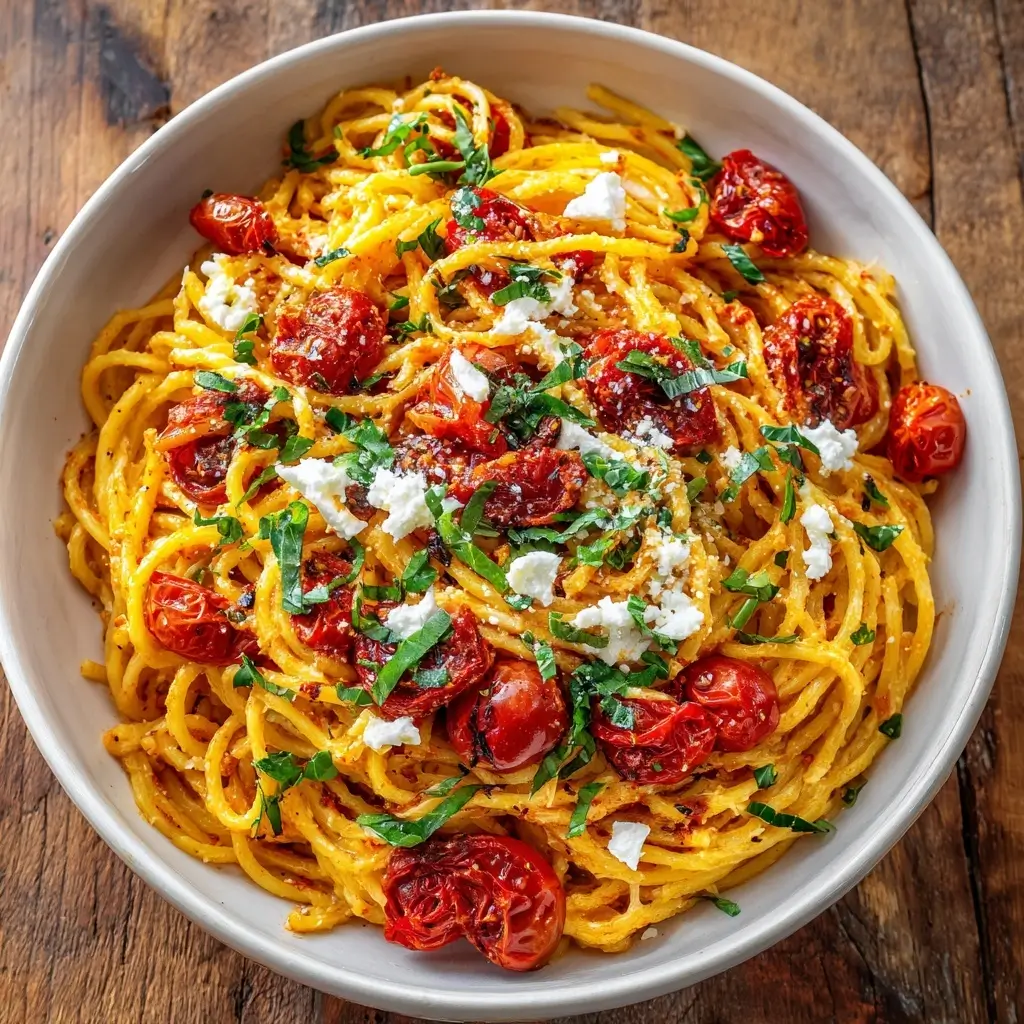
Boursin Tomato Pasta is a luxurious, restaurant-worthy dish that marries the creamy, herbaceous richness of Boursin cheese with the bright acidity and depth of ripe tomatoes—creating a harmonious, velvety sauce that clings effortlessly to al dente pasta. Far more than a simple weeknight meal, this recipe represents the elegant simplicity of French-inspired comfort food: minimal ingredients, maximum impact. Whether you’re preparing an intimate dinner for two or impressing guests at a casual gathering, Boursin Tomato Pasta delivers sophistication without fuss. Its appeal lies in its duality—rustic yet refined, creamy yet vibrant, indulgent yet surprisingly balanced. Unlike heavy Alfredo or overly acidic marinara, this dish finds its magic in the subtle interplay between sweet sun-ripened tomatoes, aromatic garlic and shallots, fresh basil and thyme, and the unmistakable tangy-garlicky-herbed character of authentic Boursin. It’s a celebration of quality ingredients elevated by thoughtful technique—and proof that extraordinary flavor doesn’t require complexity.
The History
The origins of Boursin Tomato Pasta are not rooted in centuries-old tradition but rather in modern culinary evolution—a delicious convergence of two iconic European elements: Boursin cheese and tomato-based pasta sauces. Boursin itself traces back to 1957 in the Normandy village of Gournay-sur-Marne, France, where François Boursin, a visionary fromage affiner (cheese affineur), sought to reinvent the traditional double-crème cheese by infusing it with garlic, fine herbs, and a whisper of white pepper. His innovation—creamy, spreadable, boldly flavored—quickly became a French pantry staple and later a global icon of gourmet convenience.
Meanwhile, tomato-based pasta dishes emerged in Italy in the late 18th century after tomatoes were fully accepted as edible (having previously been feared as poisonous). But the fusion of French artisanal cheese with Italian pasta traditions didn’t gain traction until the late 20th and early 21st centuries—spurred by rising consumer interest in cross-cultural flavor pairings, the proliferation of premium imported cheeses in supermarkets, and the influence of food media championing “elevated basics.” Chefs and home cooks alike began experimenting with Boursin beyond baguette spreads—melting it into risottos, swirling it into soups, and, notably, folding it into warm pasta sauces. The tomato pairing was a natural progression: the fruit’s natural sweetness and acidity cut through Boursin’s lush fat content, while its umami-rich depth complemented the cheese’s lactic tang and herbal notes. Today, Boursin Tomato Pasta stands as a testament to global gastronomy’s creative synergy—where terroir-driven French craftsmanship meets sun-drenched Mediterranean produce on the humble stage of dried durum wheat.
Ingredients Breakdown
Every exceptional Boursin Tomato Pasta begins not with technique—but with intentionality toward ingredients. Below is a detailed breakdown of each component, including why it matters, preferred varieties, and common pitfalls to avoid:
- Pasta: Use bronze-die extruded dried pasta (e.g., De Cecco, Rustichella d’Abruzzo, or Casarecci) for superior sauce adhesion due to its porous, slightly rough texture. Opt for short shapes with ridges or cavities—such as fusilli, casarecce, penne rigate, or orecchiette—to trap the creamy-tomato emulsion. Avoid ultra-smooth or fresh egg pastas unless freshly made; they can become gummy when combined with rich cheese sauces.
- Boursin Cheese: Authentic Boursin® (the brand, not generic “garlic & herb” spreads) is non-negotiable for fidelity of flavor and texture. Look for the red packaging labeled “Boursin Garlic & Fine Herbs” (original) or “Boursin Tomato & Basil” for thematic continuity. Each 5.3 oz (150g) wheel contains precisely balanced cultures, real cream, aged butterfat, roasted garlic, chives, parsley, chervil, tarragon, and white pepper—none of which can be replicated with garlic powder or dried herbs. Note: Do not substitute with cream cheese, goat cheese, or feta—they lack Boursin’s proprietary culturing process, resulting in flat flavor and grainy or chalky melt.
- Tomatoes: For peak freshness and balance, use vine-ripened heirloom tomatoes (Brandywine, Cherokee Purple, or Green Zebra) in summer—diced and lightly salted to draw out excess water. Year-round, high-quality canned San Marzano DOP tomatoes (preferably whole, packed in tomato purée—not juice) are superior: low acidity, high sugar, dense flesh, and nuanced sweetness. Crush them by hand or with a potato masher for ideal texture—never use pre-crushed or passata, which often contains citric acid and added water.
- Aromatics: Yellow or sweet onions provide foundational sweetness; however, finely minced shallots offer greater delicacy and subtlety, especially when gently sweated—not browned. Garlic must be freshly minced (not jarred), added late in cooking to preserve its aromatic volatility and prevent bitterness. A small splash of dry white wine (Sauvignon Blanc or Pinot Grigio) adds brightness and lifts the sauce’s complexity—never skip it if serving to adults.
- Fat Medium: Use extra-virgin olive oil (medium-intensity, like Spanish Picual or Italian Frantoio) for sautéing aromatics and finishing. Reserve a high-quality, fruity finishing oil (e.g., Greek Koroneiki or California Arbequina) for drizzling just before serving. Unsalted cultured butter (European-style, 82–84% fat) enhances mouthfeel and binds the emulsion—especially critical when incorporating cold Boursin into warm sauce.
- Herbs & Seasonings: Fresh basil (Genovese or Lettuce Leaf) should be torn—not chopped—to preserve volatile oils. Fresh thyme leaves (stripped from stems) add earthy nuance. Avoid dried basil—it tastes medicinal here. Sea salt (like Maldon or fleur de sel) is added in stages: to sweat vegetables, season tomatoes, and finish the dish. Freshly ground black pepper is essential; white pepper may be used sparingly for heat without visual specks. Optional: a pinch of red pepper flakes (crushed Aleppo or Marash) for gentle warmth—not heat.
Step-by-Step Recipe
- Prep Work (15 minutes): Bring a large pot of water to a rolling boil. Add 2 tbsp Diamond Crystal kosher salt (or 1.5 tbsp Morton). Meanwhile, wash and dry all herbs. Core and dice 1 lb ripe tomatoes (or drain and crush 1 (28 oz) can San Marzano tomatoes by hand). Finely mince 3 shallots and 4 garlic cloves. Tear ½ cup fresh basil leaves. Measure 8 oz (about 225g) Boursin cheese and let sit at room temperature for 10 minutes to soften slightly—but do not microwave or over-soften. Grate zest of ½ lemon (optional, for brightness).
- Sauté Aromatics (5–6 minutes): Heat 3 tbsp extra-virgin olive oil in a wide, heavy-bottomed stainless steel or enameled cast-iron skillet over medium-low heat. Add shallots and a pinch of salt. Cook gently—stirring frequently—until translucent and fragrant (~4 minutes). Do not let them brown. Add garlic and cook 60 seconds more, just until aromatic. Immediately deglaze with ¼ cup dry white wine, scraping up any fond. Simmer 1 minute until alcohol evaporates.
- Tomato Simmer (12–15 minutes): Add crushed tomatoes, 1 tsp sugar (only if using very acidic canned tomatoes), and thyme leaves. Bring to a gentle simmer. Reduce heat to low. Partially cover and cook, stirring every 3 minutes, until sauce thickens to a jammy consistency—coating the back of a spoon without dripping. This concentrates flavor and removes raw tomato edge. If sauce splatters or sticks, add 1–2 tbsp reserved tomato liquid or pasta water. Remove from heat; discard thyme stems.
- Cook Pasta (Timed to Finish Together): When sauce has 4 minutes left to simmer, add pasta to boiling salted water. Stir immediately and cook 1 minute less than package instructions for al dente (e.g., 9 minutes instead of 10). Reserve 1.5 cups starchy pasta water before draining.
- Emulsify the Sauce (Critical Step – 3 minutes): Return sauce to low heat. Whisk in cold unsalted butter, one tablespoon at a time, until fully incorporated and glossy. Remove from heat. Working quickly, add softened Boursin in 3 additions, whisking vigorously after each until smooth and homogenous. If sauce appears broken or greasy, immediately whisk in 2–3 tbsp hot pasta water—this re-emulsifies the fats and creates silkiness. Never boil after adding Boursin.
- Combine & Finish (2 minutes): Add drained, hot pasta directly to skillet. Toss vigorously over low heat for 60–90 seconds, adding reserved pasta water 1 tbsp at a time until sauce coats every strand luxuriously (you may not need all 1.5 cups). Taste and adjust: more salt? A squeeze of lemon juice? A crack of black pepper? Fold in most of the basil, reserving some for garnish. Optional: grate lemon zest over top.
- Plate & Serve Immediately: Divide among warmed shallow bowls. Drizzle with finishing olive oil. Garnish with remaining basil, flaky sea salt, freshly cracked black pepper, and optional microgreens or edible flowers. Serve with grilled sourdough or crostini for scooping.
Tips
- Temperature Control Is Everything: Boursin melts best between 105°F–120°F (40°C–49°C). If sauce is too hot, Boursin will separate into oily curds. If too cool, it won’t incorporate smoothly. Always remove sauce from heat before adding Boursin—and never return to high heat afterward.
- Pasta Water Is Your Secret Weapon: That starchy, salty, hot liquid is the binding agent that transforms disjointed ingredients into a cohesive, clingy sauce. Its amylase enzymes help stabilize the emulsion. Always reserve it *before* draining—and add gradually, not all at once.
- Undercook Pasta Slightly: Pasta continues to cook from residual heat while tossing. Overcooked pasta turns mushy when coated in creamy sauce. Err on the side of firmer-than-al-dente.
- No Blenders, No Immersion Blenders: This is not a puréed sauce. Texture matters—the slight pulpiness of hand-crushed tomatoes adds rustic charm and body. Blending oxidizes basil and dulls freshness.
- Use Stainless Steel or Enameled Cookware: Avoid aluminum or unlined copper pans when cooking acidic tomatoes + dairy—they can leach metals and impart off-flavors or discoloration.
- Resting Is Not Recommended: Unlike meat or risotto, this dish degrades rapidly upon standing. Cream separates, herbs wilt, pasta absorbs sauce and becomes gummy. Serve within 90 seconds of finishing the toss.
- Scale Thoughtfully: Boursin’s intensity increases with quantity—but so does risk of greasiness. For 1 lb pasta, 8 oz Boursin is the ideal ratio. Going above 10 oz almost guarantees separation unless expertly emulsified.
- Acid Balance Check: Before adding Boursin, taste your tomato base. If sharp or metallic, add a pinch of sugar *and/or* ½ tsp balsamic vinegar (not red wine vinegar)—it rounds acidity without sweetness.
Variations and Customizations
While the classic Boursin Tomato Pasta shines in its purity, its framework invites inspired adaptation—without compromising integrity. Here are chef-tested, home-kitchen-proven variations, categorized by dietary need, seasonal availability, and flavor exploration:
Vegetarian & Vegan Options
- Vegan Boursin-Style: Blend 1 cup raw cashews (soaked 4 hrs), ¼ cup nutritional yeast, 2 tbsp lemon juice, 1 tbsp white miso, 2 garlic cloves, 1 tsp onion powder, 1 tsp dried chives, ½ tsp dried parsley, ¼ tsp white pepper, and 3–4 tbsp water until ultra-smooth. Chill 2 hours before using ½ cup per batch. Note: Adds nutty depth—not identical, but remarkably compatible.
- Roasted Vegetable Integration: Toss 1 cup diced eggplant, zucchini, and cherry tomatoes with olive oil, salt, and thyme; roast at 425°F (220°C) for 25 minutes until caramelized. Fold into finished pasta just before plating—adds sweetness, texture, and umami.
Protein Enhancements
- Seared Shrimp: Sauté 12–16 large shrimp (peeled, deveined, tails on) in olive oil with smoked paprika and lemon zest for 2 minutes per side. Toss in at the final plating stage—adds briny sweetness and textural contrast.
- Herb-Crusted Chicken: Pan-sear 2 boneless, skinless chicken breasts pounded to ½” thickness, seasoned with lemon thyme and garlic powder. Slice thinly against the grain and arrange over plated pasta.
- White Beans (Cannellini or Butter Beans): Add 1 cup rinsed, warm cannellini beans to the sauce during emulsification—boosts fiber, protein, and creamy mouthfeel while staying vegetarian.
Seasonal Twists
- Summer Garden Edition: Replace half the tomatoes with ½ cup halved heirloom cherry tomatoes and ¼ cup fresh corn kernels (cut from cob, raw or lightly blanched). Fold in with basil at the end—bursts of sweetness and crunch.
- Winter Roasted Tomato: Roast 1.5 lbs Roma tomatoes with garlic cloves, rosemary, and olive oil at 300°F (150°C) for 2 hours until shriveled and jammy. Puree with a hand blender, then proceed—deep, concentrated, almost fig-like sweetness.
- Herb Swap: In spring, replace basil with tender pea shoots and chive blossoms; in fall, use sage-infused brown butter instead of olive oil and swap basil for fried sage leaves.
Gourmet Upgrades
- Truffle Infusion: Whisk ½ tsp white truffle oil into the finished sauce—or shave 1 tsp fresh black winter truffle over plated portions.
- Olives & Capers: Stir in 2 tbsp chopped Castelvetrano olives and 1 tsp rinsed nonpareil capers during the final toss—saline pop and Mediterranean flair.
- Smoked Element: Add ¼ tsp smoked sea salt or 1 tsp smoked paprika to the aromatics—introduces subtle campfire nuance without overpowering.
Health Considerations and Nutritional Value
Boursin Tomato Pasta occupies a thoughtful middle ground between indulgence and nourishment—offering notable benefits when prepared mindfully, while acknowledging areas requiring moderation. Below is a detailed nutritional and wellness analysis per standard serving (8 oz cooked pasta + full sauce yield for 4 servings):
Nutrient Highlights
- Lycopene Powerhouse: Tomatoes—especially when cooked with olive oil—deliver highly bioavailable lycopene, a potent antioxidant linked to reduced risk of heart disease and certain cancers. One serving provides ~12–15 mg lycopene—well above the 10 mg/day threshold associated with measurable health benefits.
- Heart-Healthy Fats: Extra-virgin olive oil contributes monounsaturated fatty acids (MUFAs), polyphenols (oleocanthal, hydroxytyrosol), and vitamin E—shown in clinical studies to improve endothelial function and reduce LDL oxidation.
- Probiotic Potential: Authentic Boursin is made with live bacterial cultures (Lactococcus lactis, Leuconostoc mesenteroides), which survive refrigeration and may support gut microbiota diversity—though heat during emulsification reduces viability. Still, fermented dairy remains gentler on digestion than unfermented alternatives for many lactose-sensitive individuals.
- Fiber & Phytonutrients: Whole-grain or legume-based pasta options (e.g., lentil or chickpea pasta) boost fiber to 8–12g/serving—supporting satiety, glycemic control, and colon health. Fresh herbs contribute flavonoids (apigenin in basil, rosmarinic acid in thyme) with anti-inflammatory properties.
Considerations & Mitigations
- Sodium Content: A typical serving contains ~650–750mg sodium—mainly from Boursin (380mg/oz), pasta water salt, and cheese. To reduce: use low-sodium Boursin (if available), omit added salt during sautéing, and rely on herb brightness and lemon for flavor. Ideal for those managing hypertension—but still well within AHA’s <2,300mg/day guideline.
- Saturated Fat: Boursin contributes ~12g saturated fat per serving (30% DV). While recent research questions blanket saturation concerns, pairing with abundant unsaturated fats (EVOO), fiber, and antioxidants mitigates cardiovascular risk. For lower-fat versions, reduce Boursin to 5 oz and supplement with ¼ cup ricotta salata or crumbled feta for salt and texture.
- Lactose Sensitivity: Boursin contains ~1–2g lactose per ounce—significantly less than milk due to fermentation. Most individuals with mild lactose intolerance tolerate it well. Vegan versions eliminate lactose entirely.
- Glycemic Impact: Traditional semolina pasta has moderate GI (~45–50). Cooling pasta post-cooking increases resistant starch, lowering effective GI by ~20%. Pairing with fat, acid (tomatoes, lemon), and fiber further slows glucose absorption.
Dietary Accommodations Summary
This recipe is naturally gluten-free adaptable (use certified GF pasta), vegetarian, and easily vegan-modified. It is nut-free (unless using cashew-based vegan Boursin), soy-free, and egg-free (check pasta label—many dried pastas are 100% durum wheat only). Not suitable for strict dairy-free or keto diets without substantial reformulation.
Ingredients
- 1 pound (450g) bronze-die dried pasta (fusilli, casarecce, or penne rigate)
- 1 (5.3 oz / 150g) wheel Boursin Garlic & Fine Herbs (authentic brand required)
- 1 pound (450g) ripe heirloom tomatoes, cored and finely diced — OR — 1 (28 oz / 794g) can whole San Marzano DOP tomatoes, drained and hand-crushed
- 3 medium shallots (about ½ cup), finely minced
- 4 large garlic cloves, finely minced
- ¼ cup (60ml) dry white wine (Sauvignon Blanc or Pinot Grigio)
- 3 tablespoons (45ml) high-quality extra-virgin olive oil, plus more for finishing
- 2 tablespoons (30g) unsalted European-style butter, cold and cubed
- ½ cup (15g) fresh basil leaves, torn (plus extra for garnish)
- 1 teaspoon fresh thyme leaves (stripped from stems)
- 1 teaspoon granulated sugar (optional, only if tomatoes taste sharply acidic)
- Diamond Crystal kosher salt (or ¾ the amount if using Morton)
- Freshly ground black pepper
- Flaky sea salt (e.g., Maldon), for finishing
- Lemon zest (from ½ lemon), optional but recommended
Directions
- Fill a large stockpot with 5 quarts water. Bring to a vigorous rolling boil over high heat. Add 2 tablespoons Diamond Crystal kosher salt and stir until dissolved.
- Prepare tomatoes: If using fresh, core, seed (optional), and finely dice. Place in a fine-mesh strainer over a bowl; sprinkle with ¼ tsp salt and let drain 10 minutes—discard liquid. If using canned, pour tomatoes and their purée into a bowl; crush thoroughly with clean hands or a potato masher until mostly smooth with small chunks remaining.
- In a 12-inch heavy-bottomed skillet (stainless steel or enameled cast iron), heat olive oil over medium-low heat. Add shallots and a pinch of salt. Cook, stirring frequently, until soft and translucent but not browned—about 4 minutes.
- Add garlic and cook 60 seconds more, stirring constantly, until fragrant. Immediately pour in white wine, scraping the bottom of the pan with a wooden spoon to lift any fond. Simmer 1 minute until alcohol evaporates and liquid reduces by half.
- Add crushed tomatoes, thyme leaves, and sugar (if using). Stir well. Bring to a gentle bubble, then reduce heat to low. Partially cover and simmer 12–15 minutes, stirring every 2–3 minutes, until thickened to a jammy, cohesive sauce that coats the back of a spoon. If sauce begins to stick, add 1 tablespoon reserved tomato liquid or hot pasta water. Remove from heat and discard thyme stems.
- When sauce has 4 minutes remaining, add pasta to boiling water. Stir immediately to prevent sticking. Cook 1 minute less than the package’s “al dente” time. Before draining, carefully scoop out and reserve 1.5 cups starchy pasta water.
- Drain pasta in a colander—do not rinse. Return sauce to low heat (do not let it boil). Whisk in cold butter, one tablespoon at a time, until fully melted and glossy—about 1 minute.
- Remove skillet from heat. Let sauce cool slightly (30 seconds). Add Boursin in three equal parts, whisking vigorously after each addition until completely smooth and creamy—no lumps or streaks. If sauce appears split or greasy, immediately whisk in 1–2 tablespoons hot pasta water to re-emulsify.
- Add hot, drained pasta directly to the skillet. Toss continuously over low heat for 60–90 seconds, adding reserved pasta water 1 tablespoon at a time until sauce is luxuriously glossy and clings evenly to every piece—adjust consistency until it flows like molten silk. Total water used typically ranges from ½ cup to 1 cup.
- Taste and adjust seasoning: add more salt if needed, several grinds of black pepper, and a tiny squeeze of lemon juice if brightness is desired. Fold in torn basil (reserving 10–12 leaves for garnish) and lemon zest (if using).
- Divide immediately among four pre-warmed shallow bowls. Drizzle each portion with ½ tsp finishing olive oil. Garnish with reserved basil, flaky sea salt, and additional black pepper. Serve immediately with crusty bread on the side.
FAQ
- Can I make this ahead of time?
- No—this dish is highly time-sensitive. Boursin-based sauces break down upon cooling and reheating, separating into oil and curds. However, you *can* prepare components ahead: chop aromatics and store covered in fridge up to 24 hours; crush tomatoes and refrigerate up to 48 hours; cook pasta, rinse under cold water, toss with 1 tsp olive oil, and refrigerate up to 2 hours—then reheat in boiling water for 30 seconds before saucing.
- What if I can’t find Boursin?
- Authentic Boursin is irreplaceable for true flavor and texture. Generic “garlic & herb” spreads lack proper culturing, contain stabilizers, and often include gums that create a gluey mouthfeel. As a last resort, blend 4 oz full-fat cream cheese + 2 tbsp real butter + 2 minced garlic cloves + 1 tbsp each fresh chives, parsley, and thyme + ¼ tsp white pepper + ¼ tsp salt. Chill 1 hour before using—but expect milder, less complex results.
- Why does my sauce look greasy or curdled?
- Three main causes: (1) Sauce was too hot when Boursin was added—always remove from heat first; (2) Boursin was too cold or added all at once—add in small increments with vigorous whisking; (3) Insufficient emulsification—whisk in hot pasta water 1 tsp at a time while whisking constantly. Once fixed, it stays stable for service.
- Can I freeze leftovers?
- Not recommended. Dairy emulsions degrade severely upon freezing and thawing—resulting in grainy, watery, unappetizing texture. If absolutely necessary, freeze *unsauced* cooked pasta (tossed with oil) separately for up to 1 month, then prepare fresh sauce and combine upon reheating.
- Is there a low-carb version?
- Yes—with caveats. Spiralized zucchini (“zoodles”) or shirataki noodles work texturally but release water. To compensate: salt zoodles, drain well, and sauté 2 minutes to evaporate moisture before adding sauce. Shirataki must be boiled 3 minutes, rinsed, and dry-sautéed until sque
Advertisment