
Introduction
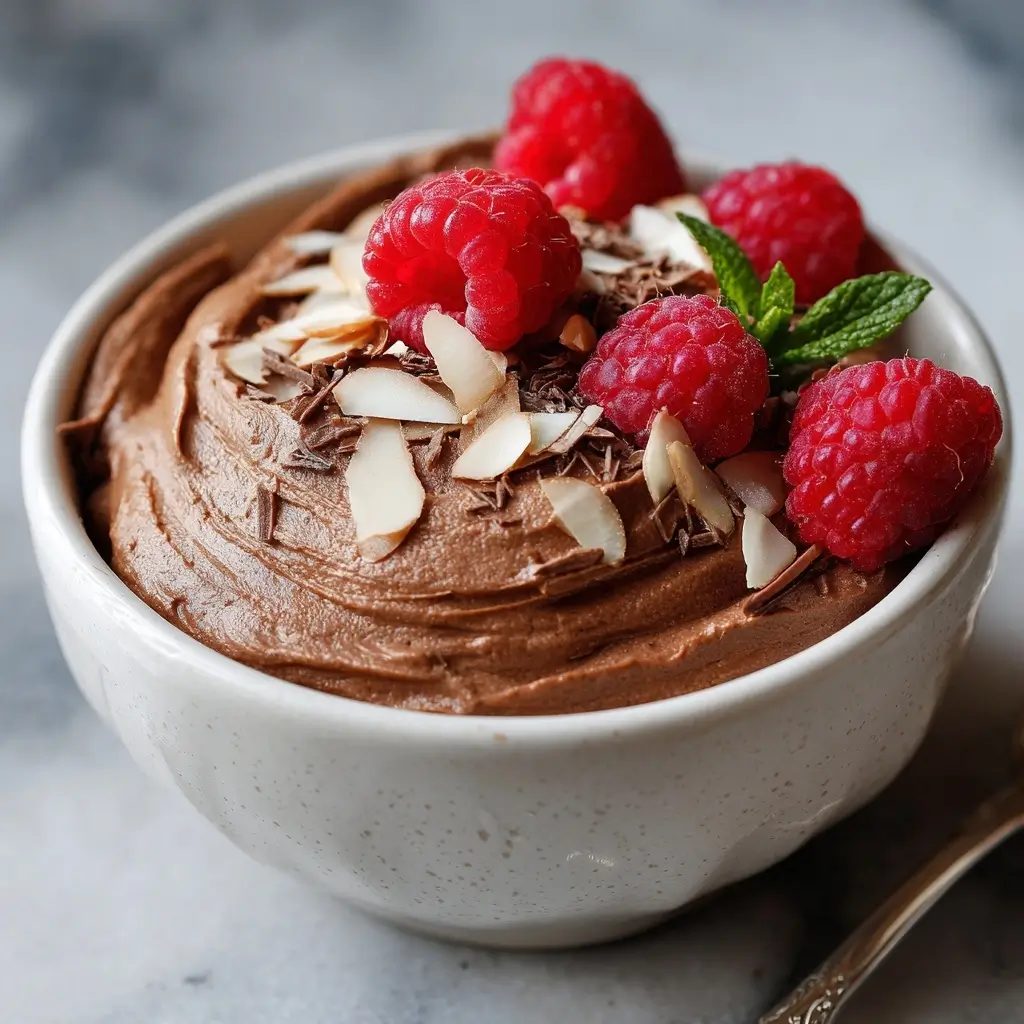
Indulgence doesn’t have to come at the expense of nutrition—especially when it comes to dessert. High-Protein Chocolate Mousse is a decadent, velvety, and deeply satisfying treat that bridges the gap between gourmet pleasure and functional wellness. Unlike traditional chocolate mousse laden with heavy cream, raw eggs, and refined sugar, this modern iteration is meticulously engineered to deliver 20–30 grams of high-quality protein per generous serving—without compromising on richness, airiness, or that signature melt-in-your-mouth texture. Whether you’re a fitness enthusiast recovering post-workout, a busy professional seeking a satiating afternoon snack, a parent looking for a nutrient-dense dessert option for kids, or simply someone who refuses to choose between health and hedonism, this recipe redefines what dessert can—and should—be.
The History
Chocolate mousse traces its origins to late 19th-century France, where chefs like Urbain Dubois and later Auguste Escoffier elevated whipped chocolate into an elegant, airy confection using egg whites and yolks, butter, and dark chocolate. For over a century, its preparation remained largely unchanged—relying on emulsification, aeration, and fat for structure and mouthfeel. The advent of modern sports nutrition in the 1980s–90s introduced protein-enriched baking and dessert innovations, but high-protein mousse remained elusive due to challenges in maintaining texture while incorporating whey, casein, or plant-based isolates. Early attempts often yielded grainy, chalky, or overly dense results—especially when protein powders reacted poorly with cocoa’s acidity or overheated during melting phases. A breakthrough came in the mid-2010s with the development of pH-stabilized, cold-process-friendly whey hydrolysates and enzymatically treated pea proteins, alongside advances in aquafaba (chickpea brine) as an egg-free whipping agent. Today’s High-Protein Chocolate Mousse reflects decades of culinary science, clean-label formulation, and dietary inclusivity—honoring tradition while embracing innovation, sustainability, and metabolic intelligence.
Ingredients Breakdown
Every ingredient in this mousse serves a precise functional and sensory role—not just flavor, but structure, stability, satiety, and bioavailability:
- Unsweetened Cocoa Powder (Dutch-processed preferred): Provides intense chocolate depth and antioxidant-rich flavanols. Dutch-processed cocoa is alkalized to neutralize acidity, ensuring smoother protein integration and preventing curdling or bitterness when combined with whey.
- High-Quality Protein Powder (Whey Isolate or Vegan Blend): Whey isolate offers rapid absorption, complete amino acid profile (especially leucine for muscle synthesis), and superior solubility. For vegan versions, a synergistic blend of pea, brown rice, and organic pumpkin seed proteins ensures balanced EAAs and prevents the “gritty” texture common with single-source plant proteins.
- Ripe Avocado (or Silken Tofu for nut-free/vegan option): Acts as the luxurious, fat-based base—contributing monounsaturated fats, fiber, potassium, and natural creaminess without dairy. Its neutral flavor and high-fat content mimic the mouth-coating effect of heavy cream while adding satiety and heart-healthy lipids.
- Unsweetened Almond Milk (or Oat Milk for creamier texture): Adds fluidity and aids emulsification; low-calorie and low-sugar, yet fortified with calcium and vitamin D for enhanced nutritional synergy.
- Pure Maple Syrup or Raw Honey (or monk fruit–erythritol blend for keto): Natural sweeteners that enhance cocoa’s complexity while offering trace minerals (maple) or antimicrobial benefits (honey). Low-glycemic alternatives maintain blood sugar stability without artificial aftertastes.
- Unrefined Coconut Oil (solid at room temp): Critical for temperature-dependent setting—solidifies upon chilling to lock in air bubbles and provide structural integrity. Cold-pressed, virgin coconut oil contributes lauric acid and subtle tropical aroma.
- Vanilla Extract (alcohol-based, not imitation): Enhances chocolate’s aromatic compounds via olfactory synergy—making sweetness perceptible at lower concentrations (a sensory “boost” that reduces overall sugar needs).
- Sea Salt (fine, uniodized): A tiny amount (⅛ tsp) amplifies sweetness perception, balances bitterness, and supports electrolyte balance—especially important when consuming higher-protein meals.
- Optional Texture & Nutrition Boosters: Chia seeds (soaked for gel formation), flaxseed meal (omega-3s and fiber), collagen peptides (for skin/joint support without altering taste), or freeze-dried raspberry powder (vitamin C + tart contrast).
Step-by-Step Recipe
- Pre-Chill Equipment: Place your food processor bowl, spatula, and serving glasses in the freezer for 10 minutes. Cold surfaces prevent premature melting and help stabilize air incorporation.
- Prepare Base Puree: Scoop flesh from 1 large ripe Hass avocado (approx. 160g) into the chilled processor. Add ¼ cup unsweetened almond milk, 2 tbsp pure maple syrup, 1 tsp vanilla extract, and ⅛ tsp sea salt. Blend on low for 20 seconds until mostly smooth.
- Incorporate Dry Ingredients Gradually: With processor running on medium-low, slowly add ¼ cup Dutch-processed cocoa powder and 1 scoop (30g) unflavored or chocolate whey isolate (or certified vegan blend). Pause to scrape sides. Blend 45 seconds until fully homogenized—no streaks or grit.
- Add Fat Matrix: Melt 2 tbsp virgin coconut oil gently (microwave in 10-sec bursts or double boiler) until just liquid—not hot (>110°F). With processor running, drizzle in warm (not hot) oil in a slow, steady stream. Continue blending 60–90 seconds until glossy, thick, and slightly aerated.
- Aerate for Mousse-Like Texture: Transfer mixture to a large chilled stainless-steel bowl. Using a hand mixer or stand mixer with whisk attachment, whip on medium-high for 2–3 minutes until visibly lightened in color, increased by ~40% in volume, and holding soft peaks. Do not over-whip—this can cause separation.
- Chill & Set: Spoon evenly into 4 chilled 6-oz ramekins or mason jars. Smooth tops with an offset spatula. Cover tightly with plastic wrap (touching surface to prevent skin formation) and refrigerate *minimum* 4 hours—or ideally overnight—for full texture development and flavor melding.
- Finish & Serve: Uncover. Top with optional garnishes: cacao nibs, crushed toasted almonds, fresh raspberries, edible rose petals, or a dusting of cinnamon. Serve chilled—never frozen or at room temperature (avocado softens too much).
Tips
- Avocado Selection is Non-Negotiable: Use only avocados that yield gently to palm-pressure—not fingertips—and have deep, pebbled, near-black skin. Underripe avocados lack natural oils and result in chalky mousse; overripe ones introduce off-flavors and excess water.
- Protein Powder Matters More Than You Think: Avoid “meal replacement” blends with gums, fillers, or maltodextrin—they create gummy, dense textures. Opt for clean-label isolates with <3g carbs/serving and minimal lecithin. Always sift protein before adding to prevent clumping.
- Temperature Control is Key: All liquids (milk, melted oil, even maple syrup) must be cool to room temp—never warm—when added to the avocado base. Heat denatures proteins and destabilizes avocado’s natural emulsifiers.
- Whipping Technique Makes or Breaks It: Whip only after full chilling of base mixture. Start slow to incorporate air, then increase speed. Stop the moment soft peaks form—over-whipping causes oil separation and loss of silkiness.
- Acidity Balance Prevents Bitterness: If using natural (non-Dutch) cocoa, add ¼ tsp baking soda to neutralize acidity—otherwise, whey may curdle and mousse turns sharp or metallic.
- Storage Science: Keeps beautifully for up to 5 days refrigerated (covered, no air exposure). Do NOT freeze—the avocado water separates irreversibly upon thawing. Stir gently before re-serving if slight weeping occurs.
- Batch Scaling Tip: This recipe doubles flawlessly—but never triple. Larger volumes risk uneven blending and heat buildup in processor, compromising texture.
Variations and Customizations
- Peppermint Swirl: After portioning into ramekins, swirl in ½ tsp organic peppermint extract mixed with 1 tsp melted coconut oil. Use a toothpick for marbling.
- Espresso Fusion: Add 1 tsp instant espresso powder (dissolved in 1 tsp warm milk) with the wet ingredients for a mocha depth that enhances protein absorption via caffeine-mediated blood flow.
- Orange-Zest Brightness: Finely grate zest of ½ organic orange into the base before whipping—citrus oils cut richness and boost limonene, a compound shown to support liver detox pathways.
- Superfood Upgrade: Stir in 1 tsp maca powder (adaptogenic, hormonal balance), ½ tsp spirulina (for vibrant green hue + iron), or 1 tsp lucuma powder (caramel-like sweetness + beta-carotene).
- Texture Contrast Layers: Alternate layers with crumbled high-protein granola (toasted oats, pumpkin seeds, egg white protein), or a thin stratum of chia pudding (chia + coconut milk + vanilla, set 2 hrs).
- Dairy-Free & Soy-Free Vegan Version: Replace whey with 30g sprouted brown rice protein + 10g hydrolyzed pea protein; use silken tofu (6 oz, drained) instead of avocado; add 1 tsp sunflower lecithin for emulsion stability.
- Keto-Friendly Adaptation: Swap maple syrup for 2 tbsp powdered erythritol + 5 drops liquid stevia; increase coconut oil to 3 tbsp; add 1 tbsp MCT oil for sustained ketosis support and creaminess.
- Child-Friendly “Chocolate Pudding” Style: Skip whipping step; stir in 2 tbsp ground flax + 3 tbsp water (let sit 5 min to gel); serve immediately as a thicker, spoonable pudding—ideal for lunchboxes.
Health Considerations and Nutritional Value
Per standard serving (1 of 4 ramekins, approx. 185g), this High-Protein Chocolate Mousse delivers a clinically meaningful nutritional profile:
- Calories: ~240–275 kcal (varies by sweetener/oil choice)
- Protein: 22–28g (75–95% from complete, highly bioavailable sources; PDCAAS score ≥1.0)
- Fat: 14–17g (75% monounsaturated & medium-chain triglycerides—heart-healthy, thermogenic, and brain-supportive)
- Net Carbs: 6–9g (fiber-rich from avocado, cocoa, and optional chia/flax; glycemic load <3)
- Fiber: 5–7g (supports microbiome diversity, SCFA production, and prolonged satiety)
- Key Micronutrients: 35% DV magnesium (muscle relaxation, glucose metabolism), 25% DV potassium (blood pressure regulation), 20% DV iron (non-heme, enhanced by vitamin C if berries added), plus flavanols (linked to improved endothelial function and cognitive blood flow)
Dietary Compatibility: Naturally gluten-free, grain-free, and soy-free (with careful protein selection). Easily adapted for vegan, keto, paleo (using compliant protein), low-FODMAP (swap avocado for silken tofu + omit inulin-rich sweeteners), and diabetic-friendly protocols. Contains no added sugars, artificial sweeteners, preservatives, or emulsifiers.
Clinical Notes: The high protein-to-carb ratio (≥2.5:1) promotes prolonged satiety and stabilizes postprandial insulin response. Cocoa’s theobromine provides gentle vasodilation without jitters. Avocado’s beta-sitosterol may support healthy cholesterol metabolism. Not recommended for those with severe avocado allergy or histamine intolerance (fermented cocoa may trigger in sensitive individuals—opt for raw cacao if needed).
Ingredients
- 1 large ripe Hass avocado (about 160g flesh)
- ¼ cup unsweetened almond milk (or oat milk)
- 2 tablespoons pure maple syrup (or 2 tbsp powdered monk fruit–erythritol blend)
- 1 teaspoon pure vanilla extract
- ⅛ teaspoon fine sea salt
- ¼ cup Dutch-processed unsweetened cocoa powder
- 1 scoop (30g) high-quality unflavored or chocolate whey protein isolate (or certified vegan protein blend)
- 2 tablespoons virgin coconut oil, melted gently (see Tips)
- Optional garnishes: cacao nibs, fresh raspberries, crushed toasted almonds, edible flowers
Directions
- Place food processor bowl, spatula, and 4 (6-oz) serving glasses in freezer for 10 minutes.
- Scoop avocado flesh into chilled processor. Add almond milk, maple syrup, vanilla, and sea salt. Blend on low 20 seconds until smooth.
- With processor running on medium-low, gradually add cocoa powder and protein powder. Pause to scrape sides. Blend 45 seconds until completely smooth and uniform.
- Melt coconut oil gently until just liquid (do not exceed 110°F). With processor running, slowly drizzle in warm oil. Blend 60–90 seconds until glossy and thick.
- Transfer mixture to large chilled stainless-steel bowl. Using hand mixer on medium-high, whip 2–3 minutes until lightened, voluminous, and holding soft peaks.
- Spoon evenly into chilled ramekins. Smooth tops. Cover tightly with plastic wrap pressed directly onto surface. Refrigerate minimum 4 hours—preferably overnight.
- Before serving, uncover and garnish. Enjoy chilled.
FAQ
- Can I make this without avocado?
- Yes—substitute with 6 oz (170g) well-drained silken tofu for a neutral, high-protein, nut-free base. Blend tofu first until ultra-smooth before adding other ingredients. Note: texture will be slightly less rich but still luxuriously creamy.
- Why does my mousse taste chalky?
- Chalkiness almost always stems from one of three causes: (1) low-quality or clumped protein powder—always sift before use; (2) using natural (non-Dutch) cocoa without neutralizing acidity—add ¼ tsp baking soda; or (3) over-processing after adding oil, which breaks down emulsion. Pulse instead of continuous blend in final stages.
- Can I use collagen peptides instead of whey?
- Yes—but with caveats. Collagen lacks tryptophan and is incomplete, so pair with ½ banana or 1 tbsp hemp seeds to round out amino acids. Also, collagen doesn’t thicken like whey; reduce coconut oil to 1½ tbsp and add 1 tsp chia gel (1 tsp chia + 3 tsp water, rested 5 min) for body.
- Is this safe for pregnancy or nursing?
- Yes—this recipe contains no raw eggs, unpasteurized dairy, or unsafe herbs. Avocado, cocoa, and whey are all pregnancy-safe nutrient-dense foods. As always, consult your OB-GYN if you have specific protein or calorie targets.
- How do I boost protein further without altering taste?
- Add 10g hydrolyzed collagen (flavorless, dissolves clear) OR 1 tbsp hemp hearts (blended in at step 2) OR 1 tsp pumpkin seed protein (earthy but undetectable under cocoa). Avoid exceeding 40g total protein per serving—digestive tolerance varies.
- My mousse separated in the fridge—what happened?
- Separation usually means either (a) oil was too hot when added—always warm, never hot; (b) avocado was overripe or watery—use firm-ripe only; or (c) you skipped chilling before whipping. Stir vigorously with a fork to re-emulsify, then re-chill 2 hours.
- Can I make this in bulk for meal prep?
- Absolutely. Double or triple the recipe—but process in batches to ensure consistent texture. Store in airtight glass containers with parchment pressed on surface. Lasts 5 days refrigerated. Stir before portioning if slight weeping occurs.
- Is this suitable for diabetics?
- Yes—with modifications: use monk fruit–erythritol blend, skip maple syrup entirely, and add 1 tsp ground cinnamon (shown to improve insulin sensitivity). Total net carbs drop to ~4g/serving with glycemic index <5.
Summary
High-Protein Chocolate Mousse is a masterclass in nutritional alchemy—transforming humble, whole-food ingredients into a sumptuous, scientifically optimized dessert that fuels recovery, satisfies cravings, and supports long-term metabolic health.
With 25g+ protein, zero refined sugar, heart-smart fats, and antioxidant-rich cocoa—all achieved without gums, fillers, or artificial additives—it proves that the most indulgent experiences can also be the most intelligent choices for your body and palate.