
Introduction
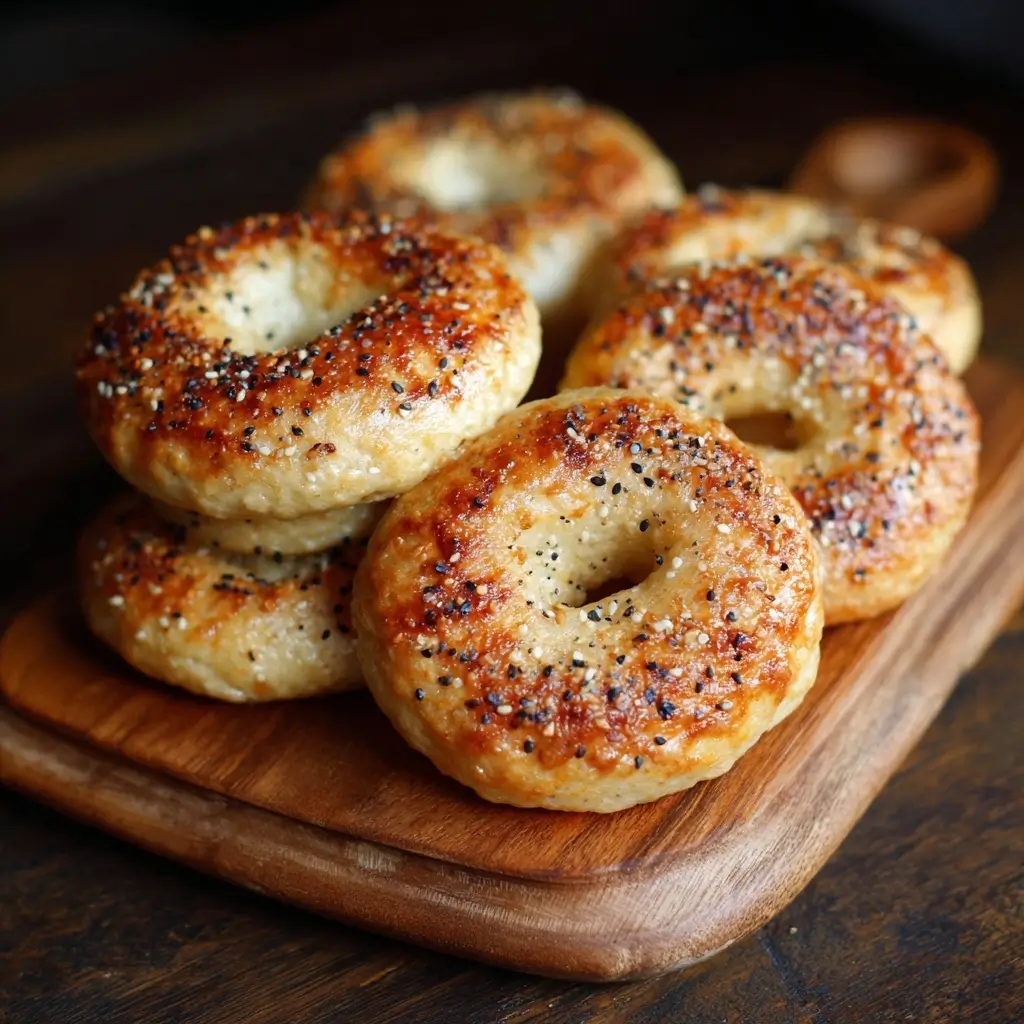
Protein Bagels—crispy on the outside, tender-chewy within, and packed with high-quality protein—are a revolutionary twist on the classic breakfast staple. Born from the growing demand for nutrient-dense, low-carb, and time-efficient foods, these bagels redefine convenience without compromising on texture, flavor, or satiety. Unlike traditional bagels loaded with refined flour and empty calories, the 2-ingredient protein bagel is a minimalist marvel: simple to prepare, pantry-friendly, gluten-free by default (when using certified gluten-free protein powder), and endlessly adaptable. Whether you’re a fitness enthusiast chasing macros, a keto dieter seeking satisfying carbs alternatives, a busy parent needing grab-and-go nutrition, or someone managing blood sugar levels, this recipe delivers foundational nourishment in under 30 minutes—with zero yeast, no proofing, no kneading, and no complicated techniques.
The History
The evolution of the protein bagel traces back to the early 2010s, when home bakers and online wellness communities began experimenting with high-protein baking as a response to the rising popularity of low-carb, paleo, and ketogenic lifestyles. Traditional bagels—originating in 17th-century Poland and later perfected in New York’s Jewish bakeries—were historically made from enriched wheat dough, boiled then baked to achieve their signature glossy crust and dense crumb. As dietary science advanced and consumer awareness grew around insulin response, glycemic load, and muscle protein synthesis, bakers sought ways to retain beloved textures while dramatically upgrading nutritional profiles. Early iterations involved adding whey or casein powders to conventional doughs—but these often yielded gummy, dry, or overly rubbery results. The breakthrough came when creators discovered that combining just two functional ingredients—protein powder and Greek yogurt—could replicate the binding, moisture retention, and structural integrity needed for bagel-like form and chew. This “2-ingredient revolution” gained viral traction on platforms like Pinterest, Instagram Reels, and TikTok around 2021–2022, where users shared stunning visuals of golden-brown, sesame-studded bagels rising perfectly in the oven—all with only two items in the bowl. Since then, food scientists, registered dietitians, and culinary educators have validated its efficacy: the lactic acid in Greek yogurt reacts gently with protein’s amino acid chains, enabling thermal gelation during baking—creating a resilient yet tender matrix. Today, the 2-ingredient protein bagel stands not as a compromise, but as a purpose-built functional food—honoring tradition through innovation.
Ingredients Breakdown
At first glance, the ingredient list seems almost too simple—but each component plays a precise, science-backed role:
- High-Quality Protein Powder (1½ cups / ~150g): The structural and nutritional cornerstone. Whey isolate is preferred for superior solubility, neutral taste, and optimal rise—though plant-based options like pea-rice blends (with added enzymes for digestibility) or egg white protein work well for dairy-free needs. Avoid protein blends heavy in fillers (maltodextrin, dextrose, inulin in excess), artificial sweeteners (sucralose, acesulfame-K), or proprietary “blends” with undisclosed ratios—these can impede binding, cause bitterness, or trigger digestive discomfort. Flavor matters: unflavored, vanilla, or lightly cinnamon-spiced powders integrate seamlessly; chocolate varieties may darken color and require slight moisture adjustments.
- Plain Non-Fat or 2% Greek Yogurt (¾ cup / ~180g): The multifunctional binder, acidulant, and moisture regulator. Its concentrated protein (17–20g per cup) synergizes with the powder to reinforce gluten-free structure; its natural acidity (pH ~4.4) slightly denatures proteins pre-bake, enhancing coagulation; and its thick, viscous consistency provides ideal hydration without excess water that could steam instead of set. Full-fat Greek yogurt adds richness and tenderness but may reduce crispness; non-dairy alternatives like unsweetened coconut or soy-based “Greek-style” yogurts are viable but require careful brand selection—many contain gums or starches that interfere with texture.
While strictly optional, enhancers (used in tiny amounts) elevate function and appeal without violating the “2-ingredient foundation”: a pinch of baking soda (⅛ tsp) boosts browning via Maillard reaction; 1 tsp apple cider vinegar improves lift and neutralizes any alkaline aftertaste from protein; and ½ tsp xanthan gum (for gluten-free flours or sensitive formulations) stabilizes air pockets. These remain *add-ons*, never core components—preserving the elegance and accessibility of the original formula.
Step-by-Step Recipe
- Preheat & Prep (5 min): Position oven rack to center position. Preheat oven to 375°F (190°C). Line a large baking sheet with parchment paper or a silicone mat—do not grease, as sticking helps shape retention. Lightly mist hands with oil or dust with protein powder to prevent excessive sticking during shaping.
- Mix Dry & Wet (3 min): In a medium mixing bowl, add the full 1½ cups protein powder. Make a well in the center and pour in the ¾ cup Greek yogurt. Using a sturdy silicone spatula or wooden spoon, fold from the outer edge inward, pressing firmly to combine. Mix until a shaggy, slightly crumbly dough forms—about 60–90 seconds. Do not overmix; unlike wheat dough, there’s no gluten to develop. If mixture feels excessively dry (crumbly, won’t hold shape), add yogurt ½ tsp at a time. If overly wet (soupy, slides off spoon), add protein powder ½ tbsp at a time.
- Knead & Rest (2 min): Turn dough onto a clean, lightly protein-dusted surface. Knead gently for 60–90 seconds—just until smooth, pliable, and no longer dusty. The dough should feel like stiff Play-Doh: cohesive, slightly tacky but not sticky. Form into a ball, cover loosely with a damp towel, and rest 3 minutes. This brief autolyse allows protein hydration and pH equilibration—critical for even baking.
- Divide & Shape (4 min): Divide dough evenly into 4 equal portions (~115g each). Roll each into a smooth rope ~8 inches long. Moisten one end with water or yogurt, wrap tightly around your thumb to form a ring, and press the moistened end firmly onto the opposite side to seal. Gently roll seam-side down on counter to smooth and elongate slightly. Place shaped bagels on prepared sheet, spaced 2 inches apart. For authentic appearance, use a bench scraper to gently press the top surface flat and widen the hole slightly.
- Optional Boil Step (0–3 min — highly recommended for authenticity): Fill a wide, shallow pot with 2 inches of water. Bring to a gentle simmer (not rolling boil). Add 1 tbsp brown sugar or honey + 1 tsp baking soda (creates alkaline bath for shine and chew). Carefully lower 2 bagels at a time using a slotted spoon; simmer 30 seconds per side (1 minute total). Remove, gently shake off excess water, and return to parchment. Repeat. Skip only if short on time—the boil enhances crust sheen, chewiness, and shelf life.
- Bake (22–26 min): Place sheet in preheated oven. Bake 12 minutes. Rotate pan front-to-back for even browning. Continue baking 10–14 minutes more until deeply golden brown, firm to light touch, and hollow-sounding when tapped. Internal temperature should read 205–210°F (96–99°C) on an instant-read thermometer. Thicker bagels may need +2 minutes; convection ovens reduce time by ~15%.
- Cool & Store (15+ min): Transfer bagels to a wire rack immediately. Cool completely—minimum 15 minutes—before slicing. This prevents gumminess by allowing residual steam to escape and protein matrix to fully set. Fully cooled bagels keep best in an airtight container at room temp up to 3 days, refrigerated up to 1 week, or frozen up to 3 months (wrap individually in parchment + foil).
Tips
- Yogurt Temperature Matters: Use cold, straight-from-the-fridge Greek yogurt—not room-temp or warmed. Cold temps slow premature protein denaturation, giving you more working time and cleaner structure.
- Protein Powder Freshness is Key: Opened protein powder degrades over time (especially whey), losing solubility and binding capacity. Store in a cool, dark, airtight container—and replace every 3–4 months for optimal performance.
- Shaping Precision: Under-sized holes (<½ inch) will close up in oven; oversized holes (>1¼ inch) weaken structural integrity. Aim for ¾-inch inner diameter pre-bake—it expands slightly during rising.
- Oven Thermometer Required: Built-in oven thermostats are notoriously inaccurate (+/- 25°F). A standalone oven thermometer ensures consistent browning and prevents underbaking (gummy centers) or overbaking (brittle edges).
- No Microwave “Fixes”: Never microwave raw dough to “soften” it—this causes irreversible protein coagulation and ruins texture. If dough firms up mid-shaping, let rest 60 seconds uncovered—ambient warmth will relax it naturally.
- Freeze for Longevity: Slice cooled bagels, flash-freeze on a tray, then transfer to freezer bags. Toast straight from frozen—no thawing needed. They’ll crisp beautifully in 4–5 minutes at 375°F.
- Batch Scaling: This recipe scales linearly—double for 8 bagels, triple for 12—but mix in batches no larger than 2 cups protein powder to ensure uniform hydration and handling.
Variations and Customizations
The 2-ingredient base is a canvas for boundless creativity—without altering core structure or prep time:
- Seeded Power Bagels: Press 1 tbsp mixed seeds (sunflower, pumpkin, flax, chia, sesame) onto shaped bagels before baking. Soak seeds in 1 tsp warm water for 2 minutes first to activate黏性 (stickiness) and enhance nutrient bioavailability.
- Everything Seasoning Bagels: After boiling (or before baking if skipping boil), brush tops lightly with olive oil or aquafaba and generously coat with homemade everything blend: 1 tbsp each dried minced garlic, onion flakes, poppy seeds, sesame seeds, and flaked salt.
- Savory Herb & Cheese: Fold in ¼ cup finely grated sharp cheddar or aged Gouda + 1 tbsp chopped fresh rosemary or thyme *after* initial mixing. Reduce yogurt by 1 tsp to compensate for cheese moisture.
- Sweet Cinnamon-Raisin: Stir in 1½ tsp ground cinnamon + 3 tbsp plumped raisins (soaked 5 min in hot water, drained well) + optional 1 tsp monk fruit blend. Top with coarse turbinado sugar before baking.
- Matcha Green Tea: Whisk 1 tsp ceremonial-grade matcha into protein powder *before* adding yogurt. Adds antioxidants, subtle earthiness, and vibrant jade hue.
- Chocolate Chip Mini-Bagels: Use chocolate protein powder, fold in ¼ cup sugar-free dark chocolate chips, and shape into 8 smaller (3-inch) bagels for kid-friendly portions.
- Dairy-Free/Vegan Version: Substitute unsweetened, plain, high-protein soy or coconut yogurt (≥15g protein/cup) + vegan protein powder (pea/rice/hemp blend with >20g protein/serving). Add ¼ tsp guar gum to improve elasticity.
- Low-Sodium Option: Choose unsalted protein powder and omit added salt in toppings. Boost umami with nutritional yeast (1 tbsp per batch) instead of sodium-laden seasonings.
Health Considerations and Nutritional Value
A single 2-ingredient protein bagel (approx. 115g, made with whey isolate + non-fat Greek yogurt) delivers approximately:
- Calories: 185–210 kcal
- Protein: 24–28g (complete amino acid profile, rich in leucine for muscle synthesis)
- Carbohydrates: 6–9g total (2–4g naturally occurring lactose + fiber from additives; net carbs ~4–6g)
- Fat: 2–4g (mostly unsaturated from yogurt cultures and minimal inherent fat)
- Fiber: 0–1g (naturally low; boost with psyllium or flaxseed additions)
- Sodium: 120–180mg (significantly lower than commercial bagels: 450–600mg+)
- Sugar: 3–5g (naturally occurring galactose/lactose—no added sugars)
Key Health Advantages:
- Blood Sugar Friendly: Low glycemic index (estimated GI ≈ 30–35) due to high protein/fat content slowing gastric emptying and glucose absorption—ideal for prediabetes, type 2 diabetes, or metabolic syndrome management.
- Gut Health Support: Greek yogurt contributes live active cultures (L. bulgaricus, S. thermophilus); pairing with prebiotic fibers (e.g., inulin-enriched protein or added chicory root) further enhances microbiome diversity.
- Appetite Regulation: High satiety value from protein + moderate fat promotes prolonged fullness, reducing between-meal snacking and supporting healthy weight maintenance.
- Muscle Preservation & Recovery: 25g+ of high-leucine protein aligns with evidence-based recommendations (2.2g/kg/day) for aging adults and athletes—supporting sarcopenia prevention and post-exercise repair.
- Allergen-Conscious: Naturally free of wheat, barley, rye, soy (if using soy-free protein), and nuts—easily adapted for multiple elimination diets when carefully sourced.
Considerations & Cautions:
- Lactose Sensitivity: While Greek yogurt removes ~90% of lactose, trace amounts remain. Lactose-intolerant individuals may tolerate small servings—or opt for lactose-free Greek yogurt or plant-based alternatives.
- Renal Health: Those with chronic kidney disease (CKD) stages 3–5 should consult a nephrology dietitian before significantly increasing daily protein intake.
- Protein Powder Quality: Avoid products containing heavy metals (lead, cadmium, arsenic) above FDA limits—choose brands with 3rd-party testing (NSF Certified for Sport, Informed Choice, or USP Verified).
- Digestive Adaptation: Rapidly increasing protein intake may cause temporary bloating or constipation. Increase water intake (≥½ oz per lb body weight) and introduce gradually over 5–7 days.
Ingredients
- 1½ cups (150g) high-quality whey protein isolate (unflavored or vanilla) — see notes for plant-based swaps
- ¾ cup (180g) plain, non-fat or 2% Greek yogurt (unsweetened, no gums or thickeners)
- Optional Enhancers (for improved texture/shine):
- ⅛ tsp aluminum-free baking soda (added to yogurt before mixing)
- 1 tsp apple cider vinegar (added to yogurt before mixing)
- For Boiling Bath (optional but recommended):
- 2 inches water in wide pot
- 1 tbsp brown sugar or honey
- 1 tsp baking soda
- For Topping (optional):
- Everything seasoning, sesame seeds, poppy seeds, flaky sea salt, or grated cheese
Directions
- Preheat oven to 375°F (190°C). Line a large baking sheet with parchment paper.
- In a medium bowl, whisk together protein powder and (if using) baking soda and apple cider vinegar.
- Add Greek yogurt. Stir with a spatula until a shaggy dough forms (~1 min). Turn onto lightly protein-dusted surface.
- Knead gently 60–90 seconds until smooth and pliable. Rest covered 3 minutes.
- Divide into 4 equal pieces. Roll each into 8-inch rope; wrap around thumb, seal ends, and smooth seam.
- For boiled version: Simmer water + brown sugar + baking soda. Boil bagels 30 sec/side. Drain well. Return to parchment.
- Brush tops with water or oil. Apply toppings generously, pressing gently to adhere.
- Bake 12 minutes. Rotate pan. Bake 10–14 minutes more until deep golden and firm.
- Cool completely on wire rack (≥15 min) before slicing. Store airtight or freeze.
FAQ
- Can I make these without Greek yogurt?
- No—Greek yogurt is irreplaceable for its unique protein concentration, acidity, and viscosity. Regular yogurt is too thin (causes spreading); sour cream is too high in fat (inhibits browning); cottage cheese must be blended ultra-smooth and strained (adds complexity and inconsistency). Stick with authentic Greek yogurt for reliable results.
- Why did my bagels spread flat or crack?
- Spreading indicates too much moisture (over-measured yogurt, low-protein yogurt, or humid environment). Cracking suggests under-hydration, over-kneading, or oven too hot initially. Always weigh ingredients, use cold yogurt, knead minimally, and verify oven temp.
- Can I add oats, almond flour, or coconut flour?
- Technically yes—but doing so transforms it into a multi-ingredient recipe and fundamentally alters texture, rise, and macro profile. These flours absorb vastly different amounts of liquid and lack the protein synergy essential for chew. We strongly recommend mastering the pure 2-ingredient version first.
- Are these suitable for meal prep?
- Exceptionally so. Bake a double batch on Sunday, slice, and freeze. Toast straight from frozen—tastes freshly baked in under 5 minutes. They reheat better than traditional bagels due to lower starch content and higher protein stability.
- Can kids eat these?
- Absolutely—and many love them! Use mild-flavored protein (vanilla or unflavored), add mini chocolate chips or blueberries, and shape into fun sizes. Protein supports focus and steady energy—no sugar crashes. Always supervise young children with chewy textures.
- How do I get a shiny, professional-looking crust?
- The alkaline boil (baking soda + sugar water) is the gold standard—it mimics traditional bagel chemistry. If skipping boil, brush with aquafaba (chickpea brine) or egg white wash + coarse sugar before baking for gloss and crunch.
- Can I air-fry these?
- Air frying yields decent results but sacrifices authentic chew and crust depth. Preheat air fryer to 360°F. Cook 10–12 minutes, flipping halfway. Best for reheating leftovers—not initial bake.
- Do I need a stand mixer?
- No—hand mixing is faster and more controlled. Stand mixers risk overworking the dough or overheating protein. A spatula and elbow grease are all you need.
- What’s the shelf life?
- Room temp: 3 days (in airtight container). Refrigerator: 7 days. Freezer: 3 months (best quality). Always cool completely before storing to prevent condensation and sogginess.
- Can I make them nut-free, soy-free, and gluten-free?
- Yes—by selecting certified gluten-free, soy-free, nut-free protein powder (e.g., egg white or pea-rice isolate) and plain Greek yogurt (check label for cross-contamination warnings). Confirm all toppings meet your allergen needs.
Summary
The 2-ingredient protein bagel is a triumph of culinary minimalism—transforming just whey protein isolate and Greek yogurt into a nutrient-dense, bakery-quality staple with remarkable chew, golden crust, and 25g+ of complete protein per serving. Backed by food science and refined through thousands of home trials, it offers unmatched flexibility for dietary needs, meal prep efficiency, and health-conscious indulgence—proving that extraordinary nutrition truly begins with extraordinary simplicity.