
Introduction
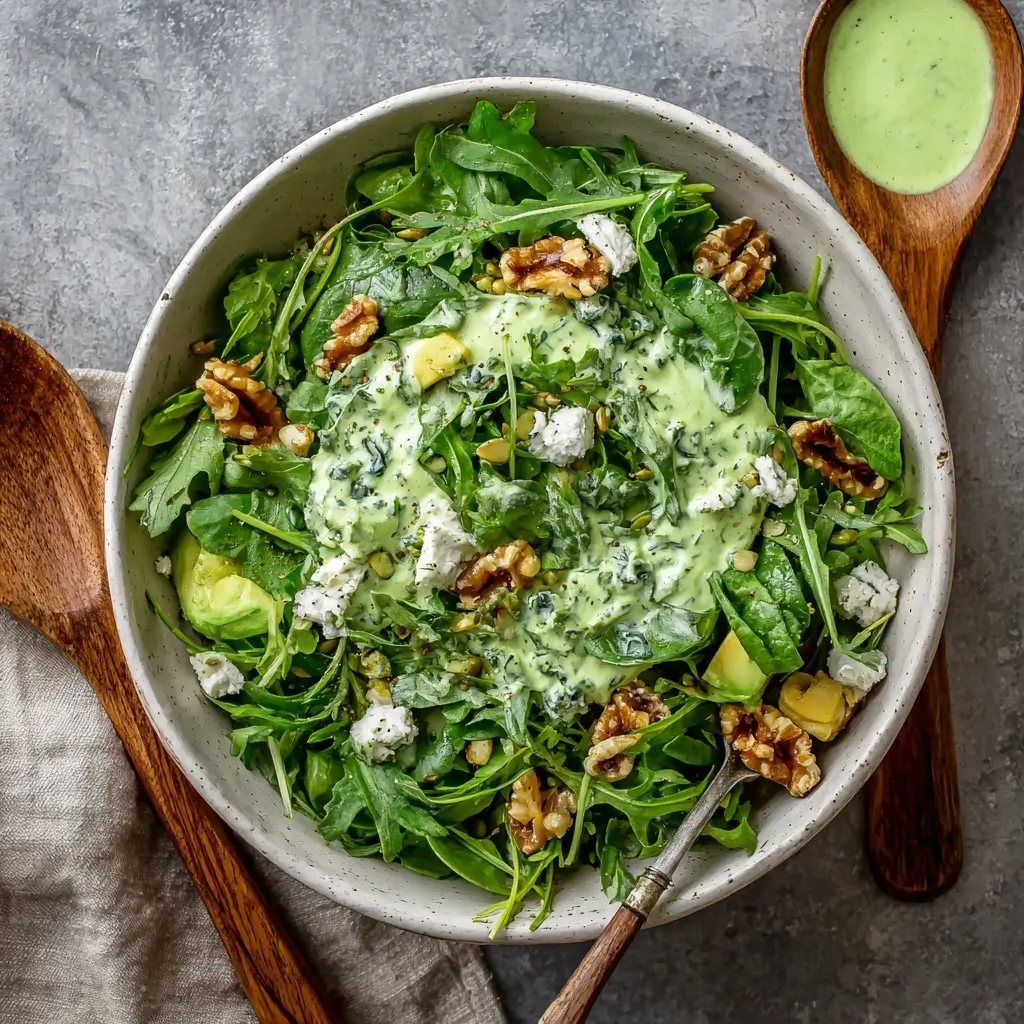
The Green Goddess Salad is a vibrant, nutrient-dense, and refreshingly herbaceous dish that embodies the very essence of fresh, whole-food eating. Far more than just a side dish, it’s a celebration of verdant flavors—crisp greens, zesty herbs, creamy avocado, tangy lemon, and umami-rich accents—all harmoniously balanced to awaken the palate and nourish the body from within. Born from the same culinary lineage as the iconic Green Goddess dressing (a 1920s San Francisco creation named in honor of actor George Arliss’s theatrical role as “The Green Goddess”), this modern salad reimagines that legacy not as a dip or condiment, but as a complete, satisfying, plant-forward meal. Whether served as a light lunch, a revitalizing dinner centerpiece, or an elegant starter at a summer gathering, the Green Goddess Salad delivers bold color, layered texture, and deep nutritional synergy—making it as functional as it is beautiful.
The History
The origins of the Green Goddess Salad trace indirectly—but meaningfully—to one of America’s most storied culinary inventions: Green Goddess dressing. Created in 1923 at the Palace Hotel in San Francisco by chef Philip Roemer, the dressing was a tribute to the hit play *The Green Goddess*, starring British actor George Arliss, who was staying at the hotel during his U.S. tour. Roemer blended mayonnaise and sour cream with anchovies, tarragon, chives, parsley, scallions, and lemon juice—a verdant, savory, and slightly briny emulsion that quickly became a national sensation. For decades, it graced lettuce wedges, seafood platters, and vegetable crudités, epitomizing mid-century American elegance and herb-forward sophistication.
As culinary trends evolved toward lighter, cleaner, and more plant-centric eating—especially from the 1990s onward—home cooks and chefs began deconstructing the dressing’s spirit into full salads. The “Green Goddess Salad” emerged organically: a canvas of raw, chlorophyll-rich vegetables and leafy greens dressed lavishly—not with heavy dairy-based emulsions—but with updated, whole-food versions of the original formula: avocado-based creams, yogurt or tahini thickeners, cold-pressed lemon and lime juices, and generous handfuls of fresh-from-the-garden herbs. By the early 2010s, it had become a staple on wellness-focused menus, farm-to-table bistros, and clean-eating blogs alike—symbolizing a return to freshness, intentionality, and reverence for botanical flavor. Today, it stands not as a nostalgic relic, but as a living, evolving expression of sustainable, seasonal, and sensorially rich cuisine.
Ingredients Breakdown
Every element in the Green Goddess Salad serves both a functional and flavorful purpose—no ingredient is merely decorative. Below is a detailed, purpose-driven breakdown:
- Base Greens (6–8 cups): A dynamic blend of tender and textural leaves—such as butter lettuce (for sweetness and suppleness), baby spinach (for iron and mild earthiness), arugula (for peppery depth and glucosinolate richness), and chopped romaine (for crisp hydration and structural integrity). This multi-layered green foundation ensures complexity in mouthfeel and phytonutrient diversity.
- Herb Medley (¾–1 cup, tightly packed, finely chopped): The soul of the salad. Includes flat-leaf parsley (vitamin K powerhouse and digestive aid), fresh chives (mild allium benefits and subtle onion brightness), tarragon (anise-kissed and anti-inflammatory), dill (digestive support and bright acidity), and optional cilantro or mint for regional or personal nuance. Herbs are added *just before serving* to preserve volatile oils and enzymatic activity.
- Avocado (1–2 ripe Hass): Serves as nature’s creamy binder and healthy fat source—rich in monounsaturated fats, potassium, fiber, and lutein. Its buttery texture emulsifies the dressing while preventing oxidation of delicate greens when tossed gently.
- Vegetable Accents (1½–2 cups total): Includes thinly sliced English cucumber (cooling, hydrating, silica-rich), julienned fennel bulb (anise-scented, digestive-supportive, and crunchy), shredded radishes (spicy bite + vitamin C), blanched sugar snap peas (sweet crunch + folate), and optional steamed asparagus tips (tender-crisp + glutathione precursor).
- Alliums (¼ cup): Finely minced red onion or shallot adds aromatic pungency and quercetin—a potent flavonoid with antioxidant and anti-allergic properties. Soaking in cold water for 5–10 minutes before use mellows sharpness and enhances digestibility.
- Protein Boosters (optional but recommended for satiety): Grilled or poached chicken breast (lean protein), marinated tempeh cubes (fermented soy, prebiotic fiber), soft-boiled eggs (choline + lutein), or hemp hearts (complete plant protein + omega-3 ALA).
- Crunch Elements (⅓–½ cup): Toasted pepitas (zinc + magnesium), slivered almonds (vitamin E + biotin), or sunflower seeds (selenium + phytosterols)—always raw or dry-toasted without oil to preserve delicate fats and avoid rancidity.
- Dressing Base (¼–⅓ cup): A living, enzyme-rich emulsion combining extra-virgin olive oil (polyphenol-rich), fresh-squeezed lemon and lime juice (citric acid for brightness + vitamin C), Greek yogurt or unsweetened coconut yogurt (probiotics + tang), Dijon mustard (emulsifier + gentle heat), and a touch of raw honey or maple syrup (only if balancing extreme acidity—never for strict keto/low-sugar diets).
- Umami & Depth Enhancers: A small amount of white miso paste (fermented soy—adds savoriness, gut-supportive microbes, and B vitamins), capers (briny pop + quercetin), or nutritional yeast (vegan “cheesy” depth + fortified B12).
- Finishing Salts & Seasonings: Flaky sea salt (mineral-rich, added last to preserve volatile aromatics), freshly cracked black pepper (piperine to boost curcumin absorption), and a whisper of lemon zest (limonene-rich citrus oil for aroma and bioavailability).
Step-by-Step Recipe
- Prep the Greens: Wash all lettuces thoroughly in cold water with a splash of apple cider vinegar (to remove residues and microbes). Spin dry *completely* using a salad spinner—excess moisture prevents proper dressing adhesion and accelerates wilting. Tear larger leaves by hand; avoid knives, which bruise cell walls and cause browning.
- Prepare the Vegetable Accents: Using a mandoline or sharp knife, julienne fennel bulb (reserve fronds for garnish), thinly slice cucumber on a bias, halve radishes micro-thin, and blanch sugar snaps in boiling salted water for exactly 45 seconds—then shock in ice water to lock in color and crunch. Pat all vegetables bone-dry with clean kitchen towels.
- Chop the Herbs: Stem parsley, chives, tarragon, and dill. Use a rocking chef’s knife to chop *coarsely*—not fine-pureed—to retain essential oils and prevent bitterness. Place in a small bowl and refrigerate uncovered until final assembly.
- Toast the Seeds/Nuts: In a dry skillet over medium-low heat, toast pepitas or almonds 3–4 minutes, shaking constantly, until fragrant and lightly golden. Cool completely before adding to salad—heat will wilt greens and melt avocado.
- Make the Dressing: In a chilled glass bowl or blender, combine 3 tbsp lemon juice, 1 tbsp lime juice, 2 tsp Dijon mustard, 1 tsp white miso paste, 2 tbsp plain Greek yogurt, ¼ tsp flaky salt, and a pinch of black pepper. Whisk vigorously or blend 15 seconds until smooth. Slowly drizzle in 3 tbsp extra-virgin olive oil while whisking continuously to create a stable emulsion. Taste and adjust: more lemon for brightness, miso for savoriness, or a single drop of raw honey only if overly tart. Refrigerate for 10 minutes to allow flavors to marry—but never longer than 1 hour, as herbs lose vibrancy.
- Avocado Integration: Just before tossing, halve, pit, and scoop avocado flesh into the dressing bowl. Using a fork, mash gently *into the dressing*—not separately—so it becomes part of the emulsion rather than clumps. This ensures even coating and prevents browning.
- Final Assembly: In a large, wide wooden or ceramic bowl (metal can react with acids), layer greens first, then vegetables, alliums, and protein (if using). Pour dressing evenly over top. Using two large salad servers or clean hands, lift and fold *gently*—never stir or toss aggressively—to coat without bruising. Add herbs and toasted seeds *only in the last 30 seconds* of mixing to preserve aroma and texture.
- Rest & Serve: Let salad sit undressed for 2 minutes to allow greens to relax, then dress and serve immediately. Garnish with reserved fennel fronds, lemon zest, and a final flake of Maldon salt. Accompany with warm whole-grain pita or seeded crackers—never croutons, which compete with the salad’s delicate herb profile.
Tips
- Temperature Matters: Chill all components—bowls, utensils, greens, and even the dressing—for optimal texture and to slow enzymatic degradation. A cold salad feels more refreshing and holds its structure longer.
- Acid Balance is Key: Lemon and lime juices oxidize rapidly. Always squeeze juice *immediately before dressing preparation*, and avoid pre-squeezing. If making ahead, add citrus last-minute—even after chilling the base emulsion.
- Herb Timing is Non-Negotiable: Adding herbs too early causes them to weep, discolor, and lose aromatic compounds. Treat them like a finishing spice—not an ingredient to be mixed in advance.
- Avocado Wisdom: Use Hass avocados at peak ripeness—yields slightly to gentle palm pressure, skin darkens to near-black. If prepping ahead, store cut avocado with its pit intact, submerged in cold water with a squeeze of lime, covered and refrigerated (max 6 hours).
- Dressing Shelf Life: This dressing is best used within 24 hours. Do not store with herbs or avocado already incorporated—separate storage preserves freshness. Emulsify again with a quick whisk before use.
- Seasoning Strategy: Salt greens *after* dressing—not before. Pre-salting draws out moisture and results in soggy, limp leaves. Finish with flaky salt for bursts of salinity and visual appeal.
- Cutting Technique: Always cut vegetables *against the grain* for maximum tenderness (e.g., fennel, cucumber) and use a serrated knife for tomatoes or soft fruits if incorporating variations.
- Serving Vessel: Use a wide, shallow bowl—not a deep container—to maximize surface area, prevent steam buildup, and allow each bite to showcase the full spectrum of colors and textures.
- Taste-as-You-Go: Adjust seasoning in stages: acid first, then salt, then fat, then umami. Never add all at once—layering builds dimension.
- Leftover Magic: Undressed salad keeps 1 day refrigerated in an airtight container lined with paper towel. Revive with a splash of citrus and fresh herbs before serving. Leftover dressing makes an exquisite marinade for grilled vegetables or fish.
Variations and Customizations
The Green Goddess Salad is inherently adaptable—designed to reflect seasonality, dietary needs, cultural preferences, and pantry availability. Below are thoughtfully curated variations, each preserving the core philosophy of vibrancy, balance, and whole-food integrity:
- Keto & Low-Carb Version: Omit sweet vegetables (snap peas, fennel), replace with endive, celery, and kohlrabi. Use full-fat coconut yogurt or avocado-only dressing (skip yogurt). Boost fats with macadamia nuts, olives, and double the avocado. Sweetener-free—rely on lemon zest and capers for brightness.
- Vegan & Soy-Free: Replace Greek yogurt with unsweetened almond or cashew yogurt (homemade preferred). Skip miso if avoiding soy; substitute ½ tsp nutritional yeast + ¼ tsp tamari (gluten-free if needed). Use hemp or pumpkin seeds instead of pepitas for zinc variety.
- Mediterranean Twist: Add Kalamata olives, roasted red peppers, artichoke hearts, and oregano. Swap tarragon for marjoram; use lemon-thyme-infused olive oil in dressing. Optional: crumbled vegan feta or sheep’s milk feta.
- Asian-Inspired Adaptation: Replace tarragon/dill with shiso and Thai basil. Use rice vinegar + yuzu juice instead of lemon/lime. Add julienned daikon, edamame, and pickled ginger. Dressing includes toasted sesame oil (1 tsp), tamari, and grated fresh ginger instead of miso.
- Root-to-Stem Celebration: Incorporate beet greens (sautéed lightly), carrot tops (blanched and chopped), broccoli stems (julienned), and radish greens—transforming food waste into nutrient-dense texture and flavor. Pair with lemon-herb vinaigrette only—no creamy base.
- Breakfast Green Goddess: Serve warm—toss massaged kale with soft-scrambled eggs, roasted cherry tomatoes, and avocado. Dress with lemon-tahini sauce and top with everything bagel seasoning.
- Grain-Bowl Evolution: Layer over cooked farro, freekeh, or tri-color quinoa. Add roasted delicata squash, pomegranate arils, and pistachios. Use a lemon-mint dressing with sumac for Middle Eastern flair.
- Detox-Focused Version: Emphasize cruciferous power: add shredded Brussels sprouts, chopped cabbage, and watercress. Boost with spirulina (¼ tsp blended into dressing) and lemon-cilantro juice. Skip all nuts/seeds initially if following a low-FODMAP or sensitive-digestion protocol.
- Herb-Only “Living Salad”: Composed entirely of edible flowers and herbs—nasturtiums, violet blossoms, chive blossoms, lemon balm, and purslane—with no greens or vegetables. Dressed minimally with floral hydrosol (rose or lavender) and cold-pressed walnut oil. Served as a palate-cleansing intermezzo.
- Kids’ Garden Edition: Feature “green shapes”—avocado stars, cucumber moons, pea-pod boats—arranged on a bed of spinach. Blend dressing with a tiny bit of banana for natural sweetness and creaminess. Let children assemble their own “green goddess garden” with herb “grass” and seed “rocks.”
Health Considerations and Nutritional Value
A single generous serving (about 5–6 cups undressed, ~1.5 cups dressed) of a well-constructed Green Goddess Salad offers extraordinary nutritional density—far exceeding typical green salads due to its intentional layering of functional ingredients. Based on USDA and peer-reviewed phytonutrient databases (e.g., USDA FoodData Central, Phenol-Explorer), here’s a clinically informed snapshot of its holistic impact:
- Antioxidant Powerhouse: The combined ORAC (Oxygen Radical Absorbance Capacity) value exceeds 8,500 µmol TE per serving—driven by lutein (kale/spinach), apigenin (parsley), limonene (citrus zest), and anthocyanins (red onion). These compounds collectively mitigate oxidative stress linked to chronic inflammation, cardiovascular aging, and neurodegenerative decline.
- Gut Microbiome Support: Prebiotic fibers from onions, garlic (if added), fennel, and chicory-family greens feed beneficial Bifidobacterium and Lactobacillus. Fermented elements (miso, yogurt) contribute live cultures—though viability depends on refrigeration and minimal heat exposure. Herbs like dill and tarragon contain antimicrobial terpenes that help modulate microbial balance.
- Cardiovascular Protection: Potassium (avocado, spinach, cucumber) counterbalances sodium and supports vascular tone. Monounsaturated fats (olive oil, avocado) reduce LDL oxidation. Nitrates from arugula and spinach convert to nitric oxide—enhancing endothelial function and blood flow.
- Hormone & Detox Optimization: Glucosinolates in arugula and radishes activate phase II liver detox enzymes (e.g., glutathione S-transferase). Indole-3-carbinol (from cruciferous additions) supports healthy estrogen metabolism—particularly relevant for hormonal balance in menstruating and perimenopausal individuals.
- Eye & Cognitive Health: Lutein and zeaxanthin (concentrated in spinach, kale, corn, and egg yolks if included) accumulate in the macula and hippocampus—protecting against blue-light damage and age-related cognitive decline. Avocado’s oleic acid enhances carotenoid absorption by up to 400%.
- Anti-Inflammatory Profile: Omega-3 ALA (hemp, walnuts), polyphenols (olive oil, herbs), and magnesium (spinach, pumpkin seeds) synergistically inhibit NF-kB signaling—the master regulator of systemic inflammation. Clinical studies associate regular consumption of such green-herb-rich salads with reduced CRP and IL-6 markers.
- Dietary Considerations: Naturally gluten-free, refined-sugar-free, and dairy-optional. Easily adapted for low-FODMAP (swap onion for chives, omit garlic and legumes), histamine-sensitive diets (avoid aged cheeses, fermented miso, and overripe avocado), and renal diets (limit potassium-rich additions like spinach if medically indicated).
- Caloric Intelligence: At approximately 320–450 kcal per full serving (depending on fat additions), it delivers exceptional satiety via volume, fiber (8–12g), protein (12–20g with add-ins), and healthy fats—making it highly effective for weight-neutral or mindful weight management without caloric deprivation.
Note: While exceptionally nutritious, this salad should complement—not replace—a varied diet. Those on blood-thinning medications (e.g., warfarin) should maintain consistent vitamin K intake (abundant in greens) and consult their provider before dramatic increases. Individuals with IBS may benefit from starting with smaller herb quantities and gradually increasing tolerance.
Ingredients
Makes 4 generous servings (or 6 side portions)
- 6 cups mixed tender greens: 2 cups butter lettuce (ripped), 2 cups baby spinach, 1 cup arugula, 1 cup chopped romaine
- 1 large ripe Hass avocado (about 200g), pitted and scooped
- 1 English cucumber (about 250g), thinly sliced on bias
- 1 small fennel bulb (about 200g), cored and julienned (fronds reserved)
- 10–12 radishes, micro-thin sliced
- ½ cup sugar snap peas, blanched 45 sec and shocked
- ¼ cup red onion or shallot, finely minced and soaked 10 min in cold water
- ¾ cup fresh herb medley: ¼ cup flat-leaf parsley (stems removed), 2 tbsp chives, 1½ tbsp tarragon, 1 tbsp dill, all finely chopped
- ⅓ cup raw pepitas or slivered almonds, dry-toasted
- 2 soft-boiled eggs or 1 cup grilled chicken breast (optional protein)
For the Dressing:
- 3 tbsp fresh lemon juice (about 1 large lemon)
- 1 tbsp fresh lime juice
- 2 tsp Dijon mustard
- 1 tsp white miso paste (or sub ½ tsp nutritional yeast + ¼ tsp tamari)
- 2 tbsp plain full-fat Greek yogurt (or unsweetened coconut yogurt)
- ¼ tsp flaky sea salt, plus more for finishing
- Freshly ground black pepper to taste
- 3 tbsp extra-virgin olive oil (cold-pressed, first-press)
- Zest of ½ lemon (finely grated)
- Optional: 1 tsp raw honey or pure maple syrup (only if balancing high acidity)
Directions
- Prep the Greens: In a large bowl of ice water, swish greens gently for 30 seconds. Lift out (don’t pour—water carries grit), then spin *thoroughly* in a salad spinner. Lay flat on clean kitchen towels and air-dry 5 minutes. Store uncovered in fridge until ready to assemble.
- Prep Vegetables: Julienne fennel (save feathery fronds), slice cucumber, halve radishes, and blanch snap peas. Drain, rinse under cold water, and pat *completely dry* with paper towels.
- Soak Alliums: Place minced red onion or shallot in a small bowl, cover with ice water, and refrigerate 10 minutes. Drain and squeeze gently in a paper towel to remove excess water.
- Toast Seeds: Heat a small skillet over medium-low. Add pepitas. Toast 3–4 minutes, shaking constantly, until fragrant and popping lightly. Transfer to a plate to cool.
- Make Dressing: In a chilled medium bowl, whisk lemon juice, lime juice, Dijon, miso, yogurt, salt, and pepper until smooth. Slowly drizzle in olive oil while whisking vigorously until thickened and emulsified (~1 min). Stir in lemon zest. Taste and adjust—add honey only if needed.
- Incorporate Avocado: Add avocado flesh to dressing. Using a fork, mash and stir until fully integrated into a creamy, vibrant green emulsion. Refrigerate 10 minutes.
- Assemble: In a very large, dry wooden or ceramic bowl, place greens. Scatter vegetables, drained alliums, and protein (if using) over top. Pour dressing evenly across surface.
- Toss Gently: Using two large spoons or clean hands, lift and fold from bottom upward—do not stir or press down. After 15 seconds, add herbs and toasted pepitas. Fold 5 more times—just until coated.
- Finish & Serve: Transfer to serving plates or a large platter. Garnish with reserved fennel fronds, extra lemon zest, and a flake of sea salt. Serve immediately alongside lemon wedges and warm whole-grain bread.
FAQ
- Can I make this salad ahead of time?
- Yes—with strategic separation. Prep all components (greens washed/dried, veggies sliced, herbs chopped, dressing made) up to 1 day ahead—but store *everything separately* in airtight containers lined with damp paper towels (except dressing, which goes in a sealed jar). Assemble no more than 15 minutes before serving to preserve texture and vibrancy.
- Why does my Green Goddess dressing separate?
- Emulsions naturally break when temperature fluctuates, when oil is added too quickly, or when acidic components dominate. To fix: whisk vigorously while slowly drizzling in 1 tsp warm (not hot) olive oil, or blend 10 seconds. Prevent future separation by always chilling ingredients, adding oil in a thin stream, and using Dijon as a stabilizer.
- What can I use instead of miso if I’m avoiding soy?
- Try ½ tsp nutritional yeast + ¼ tsp coconut aminos or tamari (gluten-free if needed). For depth without fermentation, add ¼ tsp toasted cumin or smoked paprika—but note this shifts flavor profile away from traditional umami.
- My salad turned brown—is it spoiled?
- Surface browning (especially on avocado or cut apples if added) is enzymatic oxidation—not spoilage. It’s safe to eat but less visually appealing. Prevent with immediate lemon/lime juice application, cold storage, and avoiding metal bowls during prep.
- Is this salad suitable for meal prep?
- It excels as a *component-based* meal prep. Portion undressed greens + veggies in jars (greens on top), dressing separately in small containers, and proteins in another. Assemble each day—takes under 90 seconds and ensures restaurant-quality freshness every time.
- Can I freeze any part of this salad?
- No—freezing destroys cell structure in greens, herbs, and avocado, resulting in mushy, bitter, and watery textures upon thawing. However, the dressing (without avocado or fresh herbs) freezes well for up to 2 months—thaw overnight in fridge and re-emulsify before use.
- What wine or beverage pairs best with this salad?
- A crisp, high-acid white complements its brightness: Albariño, Grüner Veltliner, or skin-contact Pinot Gris. For non-alcoholic pairings, try chilled mint-lemon verbena infusion, sparkling water with cucumber ribbons, or cold-brew green tea with a twist of lime.
- How do
Advertisment