
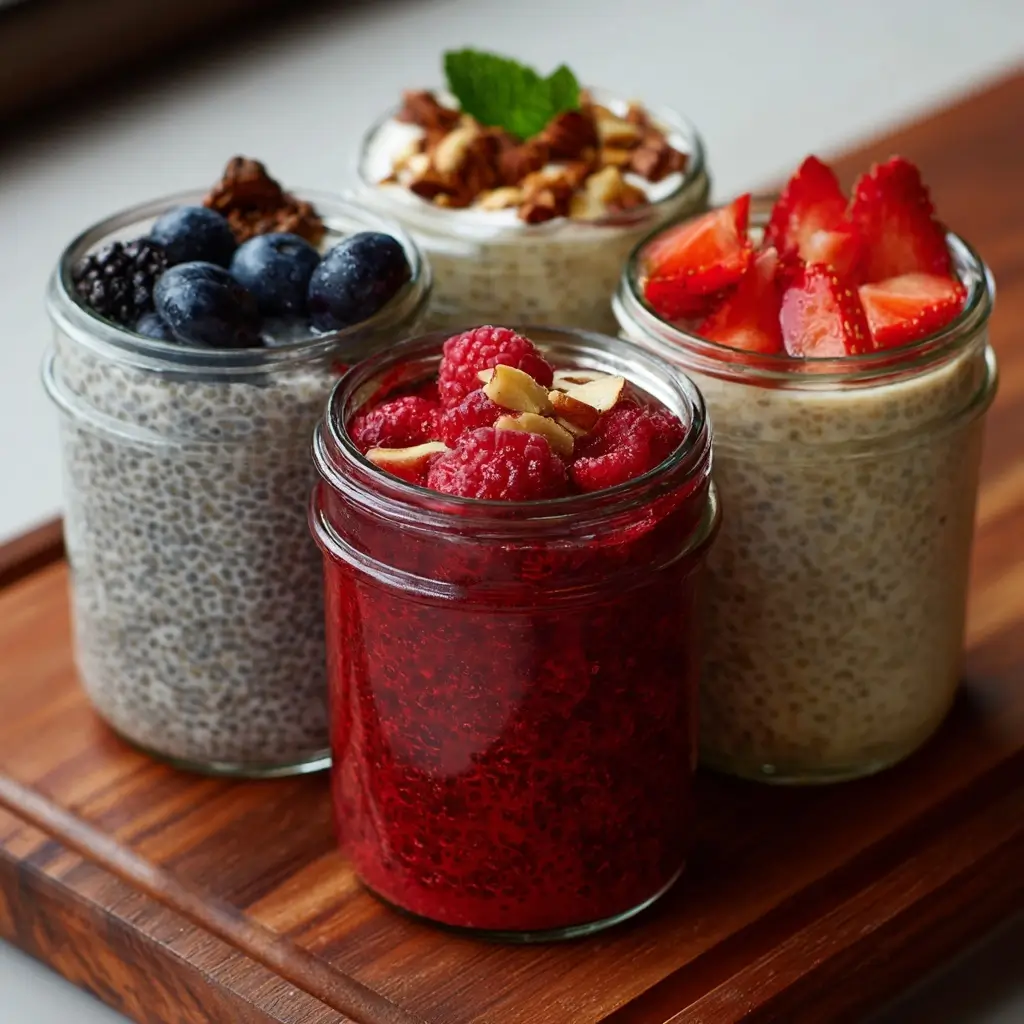
Chia Pudding: The Ultimate Guide to a Nutrient-Dense, Versatile, and Effortless Superfood Dessert (with 5 Flavor Variations)
Introduction
Chia pudding is far more than a passing health-food trend—it’s a culinary revolution rooted in ancient wisdom and modern nutritional science. Born from the humble chia seed (Salvia hispanica), this creamy, custard-like dessert (or breakfast!) requires no cooking, minimal equipment, and just minutes of active prep—yet delivers profound satiety, gut-friendly fiber, plant-based omega-3s (ALA), complete protein, and essential minerals like calcium, magnesium, phosphorus, and zinc. Its magic lies in the hydrophilic mucilage surrounding each seed: when soaked, chia absorbs up to 10–12 times its weight in liquid, swelling into delicate, gelatinous pearls suspended in a luxuriously thick, silky base. Whether you’re a time-crunched professional, a fitness enthusiast, a plant-based eater, a digestive-sensitive individual, or simply someone who craves wholesome indulgence without compromise, chia pudding adapts effortlessly—to your palate, dietary needs, schedule, and seasonal pantry. This comprehensive guide goes beyond the basics: we explore its rich cultural lineage, deconstruct every ingredient with functional nutrition insights, provide foolproof step-by-step methodology (including troubleshooting for texture issues), share 5 meticulously crafted, chef-inspired flavor variations—each with distinct sensory profiles and functional benefits—and dive deep into customization logic, evidence-informed health considerations, and real-world FAQs answered with scientific nuance and practical empathy.
The History
Long before chia pudding graced Instagram feeds and wellness blogs, chia seeds were sacred sustenance for pre-Columbian civilizations. Revered by the Aztecs and Mayans as “running food,” chia (meaning “strength” or “power” in the ancient Nahuatl language) was consumed by warriors and messengers to sustain endurance over vast distances—reportedly providing more energy per ounce than any other known grain. Historical records indicate Aztec warriors carried small pouches of chia seeds, consuming a spoonful mixed with water for instant hydration and sustained stamina—effectively nature’s original electrolyte gel. Chia was so vital it was used as currency and offered in religious ceremonies; tribute rolls from conquered regions often listed chia alongside gold and cloth. Following the Spanish conquest, chia cultivation was suppressed due to its association with indigenous spiritual practices, leading to centuries of obscurity in the Western world. It wasn’t until the late 20th century—spurred by ethnobotanical research, NASA’s interest in nutrient-dense, shelf-stable foods for long-duration spaceflight (a 2005 study confirmed chia’s exceptional omega-3, antioxidant, and hydration-retention properties), and the global rise of functional foods—that chia re-emerged. Modern chia pudding, however, is a distinctly contemporary innovation—born from the clean-eating movement of the early 2010s—blending ancestral superfood wisdom with minimalist, no-cook preparation ideal for today’s conscious, time-pressed lifestyles. Its resurgence reflects a broader cultural shift: valuing whole-food ingredients, intuitive eating, and culinary simplicity that doesn’t sacrifice depth or delight.
Ingredients Breakdown
Understanding *why* each ingredient matters—not just *what* it does—is key to mastering chia pudding. Below is a functional, science-backed dissection:
- Chia Seeds (Whole, Not Ground): The irreplaceable foundation. White or black chia seeds are nutritionally identical (black may contain marginally more anthocyanins). Their soluble fiber (primarily mucilage) forms the gel matrix. Whole seeds ensure optimal texture development and prevent premature breakdown. Grinding destroys the seed’s protective outer layer, causing rapid oxidation of fragile omega-3s and resulting in a slimy, uneven, overly dense pudding. Always use whole, organic, non-GMO chia seeds stored in a cool, dark place.
- Liquid Base: The solvent and structure-builder. Plant milks dominate for creaminess and neutrality: unsweetened almond milk (low-calorie, neutral), coconut milk beverage (light, subtly sweet), oat milk (naturally creamy, slightly oaty), or cashew milk (ultra-smooth, rich). For richer puddings, full-fat canned coconut milk (diluted 1:1 with water or another milk) adds decadence and lauric acid. Dairy milk works but masks subtle flavors and lacks the stable emulsification of plant alternatives. Avoid sweetened or flavored milks unless accounted for in overall sugar balance. Liquid temperature matters: cold or room-temp liquids yield best gel formation; warm liquids can partially cook the seeds, creating an unpleasant gummy or clumpy texture.
- Natural Sweetener (Optional but Recommended for Balance): Enhances flavor perception, aids fermentation-friendly microbes in the gut, and balances chia’s inherent earthiness. Opt for low-glycemic, enzyme-rich options: pure maple syrup (contains polyphenols and zinc), raw honey (antimicrobial, prebiotic oligosaccharides—not for infants under 1 year), date paste (fiber-rich, caramel notes), or monk fruit/erythritol blends (zero-calorie, diabetic-friendly). Avoid refined white sugar, high-fructose corn syrup, or artificial sweeteners which negate health benefits and create textural inconsistencies.
- Acid Component (Essential, Often Overlooked): A small amount of citrus juice (lemon or lime) or apple cider vinegar (raw, unfiltered) serves three critical functions: (1) Lowers pH, optimizing mucilage hydration and gel strength for a smoother, less gritty texture; (2) Brightens flavor, cutting through chia’s mild nuttiness; (3) Enhances mineral bioavailability (e.g., calcium, iron) by keeping them in soluble form. Never skip this—it’s the secret to professional-level silkiness.
- Vanilla Extract (Pure, Alcohol-Based): Not just for flavor—vanillin compounds interact synergistically with chia’s antioxidants and enhance perceived creaminess. Use only pure extract (not imitation or vanilla bean paste with thickening agents, which can interfere with gel formation).
- Pinch of Sea Salt (Unrefined, Mineral-Rich): A crucial flavor amplifier that balances sweetness and acidity, enhances all other taste dimensions (umami, richness), and supports electrolyte balance—especially important given chia’s high potassium content.
Step-by-Step Recipe (The Gold Standard Method)
This method guarantees consistent, restaurant-quality results—every time—by addressing common failure points (grittiness, separation, weak gel, blandness):
- Sanitize & Prep: Ensure your mixing bowl and whisk/jar are impeccably clean and completely dry. Residual oil or soap disrupts mucilage bonding.
- Combine Dry & Acid First: In a medium bowl, whisk together 3 tablespoons whole chia seeds, ¼ teaspoon fine sea salt, and 1 teaspoon fresh lemon or lime juice. This pre-hydration step allows the acid to begin modifying the seed coat before liquid addition, ensuring even, rapid gel formation.
- Slowly Incorporate Liquid: Gradually pour in 1 cup cold, unsweetened plant milk while whisking *vigorously* for a full 60 seconds. Whisk in one direction only to align mucilage chains for maximum strength. Avoid blenders or immersion blenders at this stage—they shear the delicate gel network, causing thin, watery puddings.
- Sweeten & Flavor: Whisk in 1–2 teaspoons pure maple syrup or raw honey and ½ teaspoon pure vanilla extract. Taste and adjust—remember flavors mellow slightly upon chilling.
- Rest & Whisk Again: Let the mixture sit undisturbed for 5 minutes. During this time, initial gel forms on the surface. Vigorously whisk *again* for 30 seconds to break up any surface skin and fully integrate the swollen seeds into the liquid. This second whisk is non-negotiable for eliminating grit and achieving uniform creaminess.
- Chill Strategically: Pour into your desired serving vessel(s) (mason jars, ramekins, glasses). Cover tightly. Refrigerate for a *minimum* of 4 hours, but ideally 8–12 hours (overnight is perfect). The longer it chills, the thicker, smoother, and more cohesive the pudding becomes. Do not freeze—the ice crystals permanently rupture the gel structure.
- Final Texture Check & Serve: Before serving, gently stir the pudding. It should be thick, glossy, and hold gentle peaks. If it appears slightly separated (a thin layer of liquid on top), this is normal—simply stir it back in. For ultimate silkiness, stir once more just before topping.
Tips for Flawless Chia Pudding Every Time
- The 3:1 Ratio Rule: Stick to the foundational ratio: 3 tbsp chia seeds per 1 cup liquid. Deviating causes failure—too little chia = runny; too much = dense, rubbery, or chalky. Adjust sweetness, acid, and flavorings freely—but never the seed-to-liquid ratio for standard pudding.
- Whisk, Don’t Shake (For Jars): While shaking in a sealed jar is convenient, it creates air bubbles and uneven hydration. Whisking ensures superior texture. If using a jar, whisk first, then seal and shake *gently* only to redistribute after chilling.
- Cold is Crucial: Always use cold liquid. Warm or hot liquid causes partial denaturation of the mucilage proteins, leading to weak gels, graininess, and separation.
- Patience Pays Off: Rushing the chill time is the #1 cause of disappointment. 4 hours yields edible pudding; 8+ hours yields transcendent texture. Prep it the night before.
- Stirring Post-Chill is Key: Chia pudding naturally separates slightly as it sets. A gentle stir before serving reincorporates the liquid and refreshes the texture.
- Layering Logic: For parfait-style presentations, layer pudding with fresh fruit or compote *just before serving*. Adding wet toppings too early makes the pudding watery.
- Storage Savvy: Properly stored in airtight containers, chia pudding keeps beautifully for up to 5 days in the fridge. The flavor and texture often improve on days 2–3 as flavors meld. Stir well before each serving.
- Reviving Leftovers: If pudding thickens excessively, stir in 1–2 tsp extra milk. If it thins, stir in ½ tsp additional chia seeds and refrigerate for 1 hour.
Variations and Customizations (5 Distinct, Chef-Crafted Flavor Profiles)
Move beyond basic vanilla! These five variations are designed for depth, balance, and functional synergy—each with precise ratios, technique notes, and intentional health pairings.
1. Madagascar Vanilla-Bourbon Maple with Toasted Walnuts & Roasted Figs
A sophisticated, autumnal indulgence: warm spice, deep caramel, and earthy crunch.
- Base Modification: Replace vanilla extract with ½ tsp pure Madagascar bourbon vanilla extract + ¼ tsp pure, alcohol-based maple extract (intensifies maple without added sugar). Add ⅛ tsp ground cardamom for aromatic complexity.
- Sweetener: Use 1½ tsp dark, robust maple syrup (Grade B).
- Toppings (Add Just Before Serving): 2 tbsp chopped walnuts, toasted in a dry pan until fragrant; 3–4 slices roasted figs (tossed with ¼ tsp balsamic vinegar and 1 pinch flaky sea salt, roasted at 375°F for 12 mins); micro mint.
- Why It Works: Walnuts provide ALA omega-3s synergizing with chia’s; figs offer prebiotic fiber and calcium; cardamom aids digestion and reduces bloating. Bourbon vanilla’s vanillin enhances antioxidant activity.
2. Tahitian Lime-Coconut with Mango Coulis & Toasted Coconut Chips
A vibrant, tropical escape: bright acidity, creamy richness, and sunny sweetness.
- Liquid Base: Use ½ cup light coconut milk beverage + ½ cup chilled coconut water (for natural electrolytes and subtle sweetness).
- Acid & Flavor: Replace lemon juice with 1½ tsp freshly grated Tahitian lime zest + 1 tsp fresh lime juice. Add ¼ tsp pure coconut extract.
- Sweetener: Optional—coconut water and mango often provide enough sweetness. If needed, use 1 tsp agave nectar.
- Toppings (Add Just Before Serving): 3 tbsp vibrant mango coulis (blend ripe mango + tiny splash lime juice); 1 tbsp unsweetened toasted coconut chips; edible orchid petal.
- Why It Works: Coconut water replenishes potassium lost during chia’s fiber fermentation; lime zest’s d-limonene supports liver detox pathways; mango’s beta-carotene boosts vitamin A absorption in the fat-rich base.
3. Blueberry-Lavender Compote with Lemon Zest & Almond Crumble
An elegant, floral-berry harmony: tart, aromatic, and delicately crunchy.
- Compote Swirl (Prepare Separately & Fold In Gently After Chilling): Simmer ½ cup frozen wild blueberries, 1 tsp honey, ½ tsp dried culinary lavender (crushed), and 1 tsp lemon juice until thickened (5 mins). Cool completely. Stir 2–3 tbsp into the set pudding.
- Base Enhancement: Add 1 tsp finely grated lemon zest to the base mixture before chilling.
- Toppings (Add Just Before Serving): 1 tbsp almond crumble (pulse 1 tbsp sliced almonds, ½ tsp oats, ¼ tsp coconut oil, pinch cinnamon, toast until golden); fresh blueberries; extra lemon zest.
- Why It Works: Wild blueberries have 2x the anthocyanins of cultivated; lavender’s linalool promotes calm and may reduce post-meal cortisol spikes; lemon zest enhances polyphenol bioavailability.
4. Double Chocolate-Peppermint with Cacao Nibs & Fresh Raspberry
A decadent, refreshing dessert: rich, cool, and antioxidant-packed.
- Base Modification: Whisk 1 tbsp unsweetened Dutch-process cocoa powder (alkalized for smoothness) and ¼ tsp pure peppermint extract (NOT oil) into the liquid *before* adding chia seeds. Cocoa binds with mucilage for ultra-creamy texture.
- Sweetener: Use 1½ tsp maple syrup + 1 tsp unsweetened cacao nibs (stirred in after chilling for crunch and magnesium).
- Toppings (Add Just Before Serving): 1 tsp cacao nibs; 3–4 fresh raspberries; tiny mint leaf.
- Why It Works: Cocoa’s flavanols + chia’s fiber create a powerful anti-inflammatory duo; peppermint soothes GI tract and enhances nutrient absorption; raspberries add ellagic acid for cellular protection.
5. Matcha-Sesame with Roasted Persimmon & Black Sesame
A Zen-inspired, umami-sweet balance: earthy, grassy, and deeply nourishing.
- Base Modification: Sift 1 tsp ceremonial-grade matcha powder and ½ tsp toasted white sesame seed paste (tahini) into the liquid before adding chia. Whisk *vigorously* to prevent matcha clumping.
- Sweetener: Use 1 tsp brown rice syrup (mild, neutral) or omit if persimmons are very ripe.
- Toppings (Add Just Before Serving): 2–3 thin slices roasted Fuyu persimmon (roast at 400°F for 15 mins with ¼ tsp tamari for umami depth); ½ tsp black sesame seeds; micro shiso.
- Why It Works: Matcha’s L-theanine synergizes with chia’s magnesium for calm focus; tahini provides bioavailable calcium and healthy fats to absorb matcha’s fat-soluble catechins; persimmons offer high-fiber, low-glycemic sweetness and vitamin C for collagen synthesis.
Health Considerations and Nutritional Value (Evidence-Informed Analysis)
Chia pudding’s reputation is well-earned, but nuanced understanding prevents misinformation:
- Fiber Powerhouse (10g per 3 tbsp): Almost entirely soluble fiber (mucilage), acting as a potent prebiotic—feeding beneficial Bifidobacteria and Lactobacilli. This fermentation produces short-chain fatty acids (SCFAs) like butyrate, which nourish colon cells, reduce inflammation, strengthen the gut barrier, and regulate appetite hormones (GLP-1, PYY). Note: Introduce gradually (start with 1 tbsp/day) to avoid gas/bloating; drink ample water.
- Plant Omega-3s (ALA – 5g per 3 tbsp): While ALA must convert to EPA/DHA (less efficient in humans), chia remains the richest whole-food source. Emerging research shows ALA itself has direct anti-inflammatory and cardioprotective effects. Pair with vitamin B6, zinc, and magnesium (all abundant in chia) to support conversion enzymes.
- Complete Plant Protein (4.7g per 3 tbsp): Contains all 9 essential amino acids in balanced ratios—rare for plants. Particularly high in lysine (often limiting in grains) and tryptophan (precursor to serotonin). Supports muscle repair and satiety.
- Mineral Density: Exceptional source of calcium (18% DV), magnesium (30% DV), phosphorus (27% DV), and zinc (12% DV)—all critical for bone health, nerve function, energy metabolism, and immune resilience. Chia’s phytic acid content is low, enhancing mineral absorption—especially when paired with vitamin C (citrus) or organic acids (vinegar).
- Hydration & Electrolyte Support: The gel matrix acts as a slow-release hydration reservoir, prolonging fluid retention in the gut. Combined with potassium-rich liquids (coconut water, certain plant milks), it supports optimal electrolyte balance—beneficial for athletes, those in hot climates, or managing mild dehydration.
- Glycemic Control: High fiber and healthy fats dramatically slow carbohydrate absorption. Studies show chia consumption significantly lowers postprandial blood glucose and insulin spikes, making it excellent for prediabetes and metabolic syndrome management.
- Contraindications & Cautions: Generally safe, but consult a healthcare provider if: on blood thinners (high omega-3s may potentiate effect), have swallowing difficulties (ensure fully hydrated seeds), or have severe IBS (FODMAP content varies; start tiny). Avoid if allergic to mint family plants (rare).
Ingredients
Makes 2 servings (1 cup each)
- 3 tablespoons whole chia seeds (white or black)
- 1 cup cold, unsweetened plant milk (almond, oat, coconut beverage, or cashew)
- 1–2 teaspoons pure maple syrup, raw honey, or date paste (adjust to taste)
- 1 teaspoon fresh lemon or lime juice
- ½ teaspoon pure vanilla extract
- ¼ teaspoon fine sea salt
Directions
- In a medium bowl, vigorously whisk together the chia seeds, sea salt, and lemon/lime juice for 15 seconds.
- Gradually pour in the cold plant milk while whisking continuously in one direction for a full 60 seconds until smooth and slightly frothy.
- Whisk in the maple syrup (or chosen sweetener) and vanilla extract. Taste and adjust sweetness or acidity if desired.
- Let the mixture sit undisturbed for 5 minutes. A thin gel layer will form on top.
- Vigorously whisk the mixture again for 30 seconds to break up the gel layer and fully incorporate all seeds.
- Pour evenly into two 8-ounce mason jars or serving glasses. Cover tightly with lids or plastic wrap.
- Refrigerate for at least 4 hours, but preferably 8–12 hours (overnight is ideal) for optimal texture and flavor development.
- Before serving, gently stir the pudding. Top with your choice of variation toppings (see above) and enjoy chilled.
FAQ
- Q: Why is my chia pudding gritty or lumpy?
A: Most commonly caused by insufficient whisking (especially the critical second whisk after the 5-minute rest), using warm liquid, or adding chia seeds directly to thick liquids (like nut butter or yogurt) without proper hydration first. Ensure vigorous, thorough whisking and always use cold liquid. - Q: Can I make chia pudding with yogurt or nut butter instead of milk?
A: Yes, but adjust ratios. For Greek yogurt: use ¾ cup yogurt + 1½ tbsp chia seeds (yogurt is already thick). For nut butter: blend ¼ cup nut butter + ¾ cup milk + chia seeds first, then proceed. These create denser, higher-protein puddings but require more precise balancing. - Q: Is chia pudding suitable for keto?
A: Yes! Using unsweetened almond or coconut milk, zero-calorie sweeteners (monk fruit), and high-fat toppings (coconut flakes, nuts, avocado), a 3-tbsp serving contains ~5g net carbs. Track total daily intake. - Q: Can I use ground chia seeds?
A: Not recommended for pudding. Ground chia oxidizes rapidly, loses omega-3 potency, and creates a pasty, gluey texture instead of distinct pearls. Reserve ground chia for smoothies or baking. - Q: How do I fix pudding that’s too thick or too thin?
A: Too thick? Stir in 1–2 tsp cold milk. Too thin? Stir in ½ tsp chia seeds and refrigerate for 1 hour. Always stir gently to preserve texture. - Q: Can I freeze chia pudding?
A: Not recommended. Freezing ruptures the delicate gel network, resulting in a watery, separated, grainy texture upon thawing. Store refrigerated for up to 5 days. - Q: Are black and white chia seeds nutritionally different?
A: No significant difference in core nutrients (fiber, omega-3s, protein, minerals). Black chia may contain slightly more anthocyanins (antioxidants), but both are exceptional choices. Choose based on preference or aesthetics. - Q: Can I make a large batch for the week?
A: Absolutely! Multiply the recipe and store in individual airtight jars. Stir each portion well before serving. Flavors often deepen and textures improve over 2–3 days.
Summary
Chia pudding is a timeless superfood transformed by modern simplicity—a nutrient-dense, endlessly adaptable, no-cook marvel that delivers profound health benefits through its unique gel-forming fiber, complete plant protein, and exceptional mineral profile. With five distinct, chef-crafted flavor variations—from zesty Tahitian lime-coconut to earthy matcha-sesame—you can savor its creamy luxury daily, knowing every spoonful actively nourishes your gut, heart, brain, and metabolism.