
Introduction
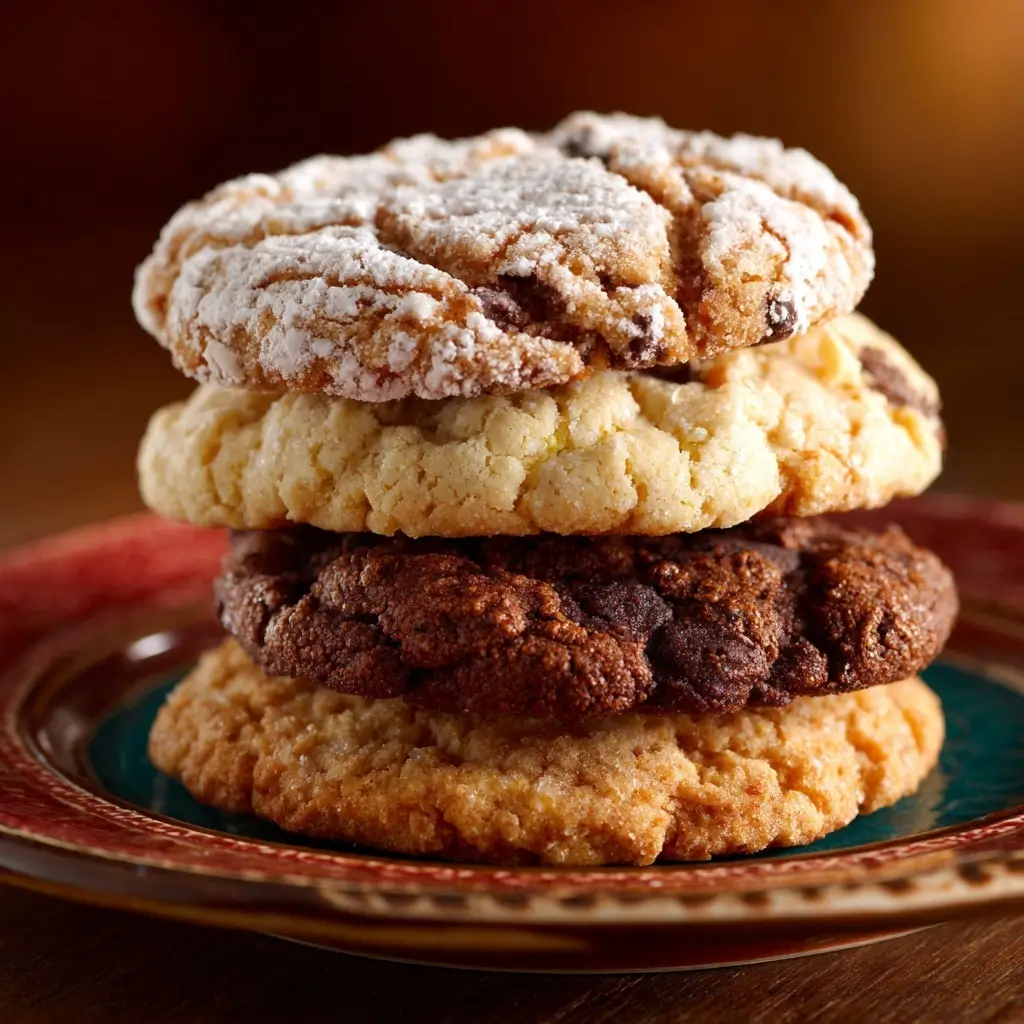
There’s something profoundly comforting about the aroma of freshly baked cookies wafting through your kitchen—warm, buttery, and sweetly nostalgic. Easy Homemade Bakery Cookies bridge the gap between artisanal bakery quality and the cozy simplicity of home baking. Designed for bakers of all experience levels—from first-time cookie creators to seasoned kitchen enthusiasts—this recipe delivers consistently soft-centered, golden-edged, bakery-style cookies with minimal effort, no fancy equipment, and ingredients you likely already have in your pantry. Whether you’re preparing a batch for a school bake sale, surprising loved ones with a thoughtful treat, or simply indulging in a mindful moment of self-care with a warm cookie and a cup of tea, these cookies promise joy in every bite—and satisfaction in every step.
The History
The story of the modern chocolate chip cookie begins in 1938 at the Toll House Inn in Whitman, Massachusetts, where Ruth Wakefield invented what would become America’s most beloved cookie. While preparing her signature Butter Drop Do cookies, she substituted broken pieces of Nestlé semi-sweet chocolate for baker’s chocolate, expecting them to melt into the dough. To her surprise—and the delight of generations to come—the chips held their shape, creating pockets of rich, gooey chocolate throughout a tender, crisp-edged cookie. The recipe was published in her 1938 cookbook *Toll House Tried and True Recipes*, and soon after, Nestlé began printing the recipe on chocolate bar wrappers—sparking a national obsession. Over the decades, the humble chocolate chip cookie evolved beyond its origins: bakers experimented with browned butter, sea salt finishes, alternative flours, and global flavor infusions (think matcha, tahini, or cardamom). Yet the heart of the tradition remains unchanged—a celebration of simplicity, generosity, and the quiet magic that happens when flour, butter, sugar, and love are combined just right. Our Easy Homemade Bakery Cookies honor that legacy while refining it for today’s home baker: streamlined techniques, foolproof measurements, and intentional choices that elevate everyday ingredients into extraordinary results.
Ingredients Breakdown
Every exceptional cookie starts with intention—not just measurement. Below is a detailed, chef-informed breakdown of each ingredient, explaining its functional role, ideal specifications, and smart substitutions:
- All-Purpose Flour (2 ¼ cups / 280g): The structural backbone. We recommend unbleached AP flour for optimal gluten development without toughness. Sift before measuring—or better yet, weigh—for consistent texture. Too much flour leads to dry, crumbly cookies; too little yields excessive spread. For gluten-free versions, use a 1:1 certified GF blend with xanthan gum (e.g., Bob’s Red Mill).
- Baking Soda (½ tsp): A fast-acting leavener that encourages lift and spread while promoting browning via the Maillard reaction. Unlike baking powder, it requires an acidic component (here, brown sugar and molasses) to activate fully. Do not substitute unless adjusting the entire acid/leavening balance.
- Sea Salt (1 tsp fine or flaky): Enhances sweetness, balances richness, and deepens overall flavor complexity. Use Diamond Crystal for precise salinity (if substituting Morton’s, reduce by ¼ tsp). A small pinch of flaky Maldon sprinkled on cookies pre-bake adds luxurious texture and sparkle.
- Unsalted Butter (1 cup / 227g, room temperature): The soul of flavor and tenderness. Room temperature (65–68°F / 18–20°C) is non-negotiable—it should yield slightly under finger pressure but not feel greasy or melty. European-style butter (82–84% fat) yields richer, more caramelized cookies. For dairy-free, use high-fat, neutral-tasting vegan butter (e.g., Miyoko’s or Country Crock Plant Butter), not margarine or oil.
- Granulated Sugar (¾ cup / 150g): Provides sweetness, aids in spreading, and contributes to crisp edges and delicate crunch. Its fine crystals dissolve easily and encourage air incorporation during creaming.
- Packed Light Brown Sugar (1 cup / 215g): Adds moisture, chewiness, and nuanced molasses depth. Dark brown sugar intensifies flavor and softness but may increase spread; if using, reduce granulated sugar by 2 tbsp to balance sweetness.
- Large Eggs (2, cold or room temp): Bind structure, add moisture, and contribute to lift. Cold eggs are perfectly acceptable here and help prevent over-creaming. For egg-free, use 3 tbsp unsweetened applesauce + ½ tsp baking powder per egg (note: cookies will be denser and less puffy).
- Pure Vanilla Extract (2 tsp): Not optional. Use only pure, alcohol-based extract—not imitation—for aromatic warmth and complexity. For elevated flavor, add ¼ tsp vanilla bean paste or scrape one half of a split bean into the sugar-butter mixture.
- High-Quality Semi-Sweet Chocolate Chips or Chopped Chocolate (2 cups / 340g): The star. Opt for 52–65% cacao bars chopped into uneven shards (they melt more beautifully than uniform chips). Guittard, Valrhona, or Callebaut are excellent choices. Avoid “baking chips” with stabilizers—they resist melting and create waxy texture.
- (Optional) Flaky Sea Salt for Finishing: A finishing touch that transforms each bite—sprinkled immediately after baking.
Step-by-Step Recipe
This method prioritizes control, consistency, and sensory awareness—no timers required for critical steps. Follow in order for best results:
- Prep & Weigh: Line two large baking sheets with parchment paper (do not use silicone mats—they inhibit bottom browning). Weigh all ingredients using a digital kitchen scale (grams recommended). Set oven rack to center position and preheat to 375°F (190°C). Let butter sit at room temp 60–90 minutes before starting.
- Dry Whisk: In a medium bowl, whisk together flour, baking soda, and salt until fully homogenous. Set aside.
- Cream Butter & Sugars: In a stand mixer fitted with paddle attachment (or large bowl + hand mixer), beat butter on medium speed 1 minute until smooth and creamy—not melted. Add both sugars. Beat on medium-high for 3–4 minutes, stopping to scrape bowl twice, until mixture is pale, fluffy, and nearly tripled in volume. This step incorporates air critical for lift and texture. It should look like wet sand—not glossy or soupy.
- Add Eggs & Vanilla: Add eggs one at a time, beating on medium speed for 30 seconds after each addition until fully incorporated. Scrape bowl thoroughly. Add vanilla and mix 15 seconds more. Mixture should be cohesive, slightly glossy, and hold soft peaks.
- Gradual Dry Incorporation: Reduce mixer to low speed. Add dry ingredients in three equal additions, mixing only until no streaks remain after each (~10 seconds per addition). Overmixing develops gluten → tough cookies. When finished, dough will be thick, slightly sticky, and pull away from bowl sides.
- Fold in Chocolate: Using a flexible spatula, gently fold in chocolate until evenly dispersed—about 15–20 folds. Some small flour pockets are okay; they’ll vanish during baking.
- Chill Strategically: Cover bowl tightly and refrigerate dough for at least 60 minutes—or up to 72 hours. Chilling solidifies butter, prevents overspread, concentrates flavors, and allows flour to fully hydrate. For thicker, chewier cookies: chill 2+ hours. For slightly crisper edges: chill 60–90 min. Do not skip this step—even 30 minutes helps significantly.
- Scoop & Space: Use a 2-tbsp (or #30) ice cream scoop to portion dough into 12–14 even balls. Roll gently between palms to smooth surfaces. Place 4 inches apart on prepared sheets (cookies expand dramatically). For extra height and bakery-style domes, press a shallow thumbprint into center of each ball before baking.
- Bake with Precision: Bake one sheet at a time in preheated oven for 10–12 minutes. Rotate pan halfway through. Cookies are done when edges are deeply golden and set, centers look soft and slightly underdone (they’ll firm as they cool), and surface appears rippled—not shiny or wet. Do not overbake: pulling them out at 10.5 minutes yields perfect chew. At 12 minutes, expect crisp-chewy hybrid texture.
- Cool & Finish: Let cookies rest on baking sheet for 5 minutes—this sets structure and prevents breakage. Then transfer carefully to wire racks to cool completely (15–20 min). Sprinkle warm cookies with flaky sea salt within the first 60 seconds of removal from oven.
Tips
- Butter Temperature Is Everything: Too cold? Creaming fails → dense cookies. Too warm? Dough melts mid-bake → flat, greasy discs. Test with fingertip: leaves slight indentation, no oil pooling.
- Weigh, Don’t Scoop Flour: A cup of spooned-and-leveled flour weighs ~120g; scooped directly from bag can hit 150g+—enough to ruin texture. Invest in a $20 digital scale—it pays for itself in saved ingredients and stress.
- Don’t Skip the Chill: Even 45 minutes makes a visible difference in thickness and chew. Overnight chilling yields complex, almost caramel-like depth and superior browning.
- Rotate Pans Mid-Bake: Ovens have hot spots. Rotating ensures even browning and prevents lopsided spread.
- Underbake Intentionally: Remove cookies when centers still look soft and glossy—they carryover cook on the hot sheet. Err on the side of underdone; you can always return them to oven for 30 seconds.
- Use Parchment, Not Greased Sheets: Grease encourages runaway spread. Parchment provides grip and even heat transfer. Reuse parchment up to 3 times per batch.
- Let Cookies Breathe: Never stack warm cookies—they’ll steam and turn soggy. Cool completely on racks before storing.
- Room-Temp Eggs Are Ideal—but Not Essential: Cold eggs work fine; just ensure butter is truly room-temp to avoid seizing the batter.
- Consistent Scooping = Uniform Baking: A spring-loaded scoop ensures identical size and bake time across the batch. Mark your scoop with tape if sharing with kids or helpers.
- Keep a Baking Journal: Note oven temp variance (many run hot/cold), altitude, humidity, and any tweaks. You’ll quickly learn how to adapt for perfect results every time.
Variations and Customizations
Once you’ve mastered the base, let creativity bloom—without compromising texture or integrity. All variations maintain the same creaming, chilling, and baking framework:
- Classic Chewy Oatmeal Raisin: Replace 1 cup flour with 1 cup old-fashioned rolled oats. Add 1 tsp ground cinnamon, ½ tsp nutmeg, and 1 cup plump raisins (soaked 10 min in warm rum or orange juice, then drained). Optional: ½ cup toasted walnuts.
- Double Chocolate Espresso: Add ¼ cup unsweetened cocoa powder + 1 tbsp instant espresso powder to dry ingredients. Use dark chocolate (70%) and fold in ⅓ cup mini chocolate chips for melty pockets.
- Peanut Butter Swirl: Replace ½ cup butter with ½ cup smooth, natural peanut butter (no added sugar/oil). Swirl 2 tbsp extra PB into each dough ball before baking. Sprinkle with roasted peanuts.
- Lemon Blueberry White Chocolate: Zest 1 large lemon into sugar before creaming. Replace vanilla with 1 tsp lemon extract. Fold in 1 cup dried blueberries (coated in 1 tbsp flour) and 1 cup white chocolate chunks.
- Snickerdoodle-Inspired: Omit chocolate. Roll chilled dough balls in cinnamon-sugar (2 tbsp granulated sugar + 1½ tsp cinnamon + ¼ tsp cream of tartar). Bake at 350°F for 11–13 minutes.
- Vegan Almond Joy Style: Use vegan butter, flax eggs (2 tbsp ground flax + 5 tbsp water), coconut sugar (reduce by 1 tbsp), and dairy-free chocolate. Fold in ½ cup toasted coconut and ⅓ cup chopped almonds.
- Gluten-Free Maple Pecan: Use certified GF 1:1 flour blend. Add 2 tbsp pure maple syrup to wet ingredients and 1 tsp maple extract. Fold in ¾ cup toasted pecans and 2 tbsp maple sugar.
- Everything Bagel Savory Cookie (Yes, Really!): Omit sugar, chocolate, and vanilla. Add 2 tsp everything bagel seasoning, 1 tsp garlic powder, ½ tsp onion powder, ¼ cup grated sharp cheddar, and 2 tbsp sunflower seeds. Bake 9–10 minutes. Serve with soup or charcuterie.
Pro Tip: Always test one “control cookie” when trying a new variation—bake a single portion first to assess spread, rise, and doneness timing before committing the full batch.
Health Considerations and Nutritional Value
While cookies are inherently a treat food—not a health food—mindful ingredient choices and portion awareness make them part of a balanced, joyful lifestyle. Here’s a realistic, evidence-informed perspective:
- Nutrition Snapshot (per standard 3-inch cookie, ~45g): Approximately 195 kcal, 10g fat (6g saturated), 24g carbohydrate (15g sugars), 2g protein, 0g fiber. Values vary based on chocolate type, flour choice, and add-ins.
- Sugar Consciousness: Brown sugar’s molasses offers trace minerals (calcium, potassium, iron), though not in clinically significant amounts. Consider reducing total sugar by 1–2 tbsp and enhancing flavor with spices (cinnamon, cardamom) or citrus zest instead of relying solely on sweetness.
- Fat Quality Matters: Butter contains butyrate (linked to gut health) and fat-soluble vitamins (A, D, E, K2). Choosing grass-fed butter increases omega-3s and CLA. Vegan alternatives should be minimally processed and free from palm oil.
- Whole Grain Option: Substitute up to ½ cup flour with whole wheat pastry flour—adds 1g fiber per cookie and mild nuttiness without heaviness. Avoid regular whole wheat flour—it’s too dense.
- Portion Control Without Deprivation: Bake smaller cookies (1.5-inch) using a #60 scoop—yields ~28 cookies per batch, lowering per-unit calories and encouraging mindful enjoyment. Store extras frozen for spontaneous cravings.
- Allergen Awareness: This base is naturally nut-free and soy-free (check chocolate labels). For top-8 allergen safety, use certified allergy-friendly chocolate and verify all ingredient packaging.
- Emotional Nutrition: Studies affirm that denying beloved foods can trigger restrictive cycles. Enjoying a homemade cookie intentionally—with presence and pleasure—supports long-term metabolic and mental well-being more than rigid restriction ever could.
Ingredients
- 2 ¼ cups (280g) unbleached all-purpose flour
- ½ teaspoon baking soda
- 1 teaspoon fine sea salt (or 1¼ tsp Diamond Crystal)
- 1 cup (227g / 2 sticks) unsalted butter, room temperature
- ¾ cup (150g) granulated sugar
- 1 cup (215g) packed light brown sugar
- 2 large eggs
- 2 teaspoons pure vanilla extract
- 2 cups (340g) high-quality semi-sweet chocolate chips or chopped chocolate (52–65% cacao)
- Flaky sea salt, for finishing (optional but highly recommended)
Directions
- Line two large baking sheets with parchment paper. Preheat oven to 375°F (190°C) with rack in center position.
- In a medium bowl, whisk together flour, baking soda, and salt. Set aside.
- In the bowl of a stand mixer fitted with paddle attachment, beat butter on medium speed for 1 minute until smooth. Add granulated and brown sugars; beat on medium-high for 3–4 minutes until pale, fluffy, and greatly increased in volume. Scrape bowl thoroughly.
- Add eggs one at a time, beating for 30 seconds after each until fully incorporated. Add vanilla and mix 15 seconds more.
- Reduce speed to low. Add dry ingredients in three equal parts, mixing just until no flour streaks remain after each addition (~10 seconds per addition). Do not overmix.
- Fold in chocolate using a flexible spatula until evenly distributed.
- Cover bowl tightly and refrigerate dough for at least 60 minutes—or up to 72 hours.
- When ready to bake, scoop dough using a 2-tablespoon ice cream scoop (or #30 scoop) into 12–14 even balls. Roll gently to smooth, place 4 inches apart on prepared sheets. Optional: press shallow thumbprint into center of each.
- Bake one sheet at a time for 10–12 minutes, rotating halfway through, until edges are deeply golden and set and centers appear soft and slightly underdone.
- Let cookies cool on baking sheet for 5 minutes, then transfer to wire racks to cool completely. Sprinkle warm cookies with flaky sea salt within 60 seconds of removing from oven.
FAQ
- Can I freeze the dough?
- Absolutely! Portion dough into balls, freeze on a parchment-lined tray for 1 hour, then transfer to airtight freezer bag. Bake straight from frozen—add 1–2 minutes to bake time. Dough keeps up to 3 months.
- Why did my cookies spread too much?
- Most common causes: butter too warm, insufficient chilling, excess sugar, under-measured flour, or hot baking sheets. Always chill dough, use room-temp (not melted) butter, weigh flour, and cool sheets between batches.
- Can I make these without a mixer?
- Yes! Use a sturdy wooden spoon or silicone spatula. Cream butter and sugars vigorously by hand for 4–5 minutes until very light and fluffy. It’s arm-day worthy—but doable.
- How do I get crispy edges AND chewy centers?
- That’s the bakery hallmark! Achieve it with: proper creaming (aerates dough), sufficient chilling (controls spread), high initial oven temp (375°F), and strategic underbaking (remove when centers look soft).
- Can I double the recipe?
- Yes—but cream in two separate batches. Doubling in one bowl risks under-creaming and uneven mixing. Chill both portions equally.
- My cookies turned out cakey. What happened?
- Too much leavening (extra baking soda), over-creaming (trapped excess air), or too much egg. Also check expiration date on baking soda—it loses potency after 6 months.
- What’s the best way to store cookies?
- Cool completely, then store in an airtight container at room temperature for up to 5 days. Add a slice of sandwich bread to retain softness (replace daily). For longer storage, freeze baked cookies for up to 3 months—thaw at room temp or re-crisp in 350°F oven for 3 minutes.
- Can I use dark brown sugar instead of light?
- Yes—it adds deeper molasses flavor and extra chew. Reduce granulated sugar by 1 tablespoon to balance sweetness and prevent overspread.
- Why does the recipe call for chilling for up to 72 hours?
- Extended chilling allows enzymes in flour to break down starches into sugars, enhancing caramelization and flavor complexity. It also improves dough cohesion and sliceability for rolled or bar-style versions.
- Are these cookies suitable for high-altitude baking?
- At 3,000+ ft: reduce baking soda to ¼ tsp, increase flour by 1 tbsp, and bake at 385°F for 9–11 minutes. Monitor closely—high-altitude ovens often require shorter bake times.
Summary
Easy Homemade Bakery Cookies deliver professional-grade texture, flavor, and appearance using simple tools, accessible ingredients, and time-honored techniques—no culinary degree required. With meticulous attention to butter temperature, measured flour, strategic chilling, and intentional underbaking, you’ll achieve cookies that rival your favorite local bakery: crisp-golden edges, tender-chewy centers, deep caramelized notes, and puddles of glossy, high-cocoa chocolate.
They’re endlessly adaptable, nutritionally mindful when approached with awareness, and deeply rooted in baking tradition—yet entirely yours to customize, celebrate, and share with love, one warm, fragrant, soul-soothing batch at a time.