
Introduction
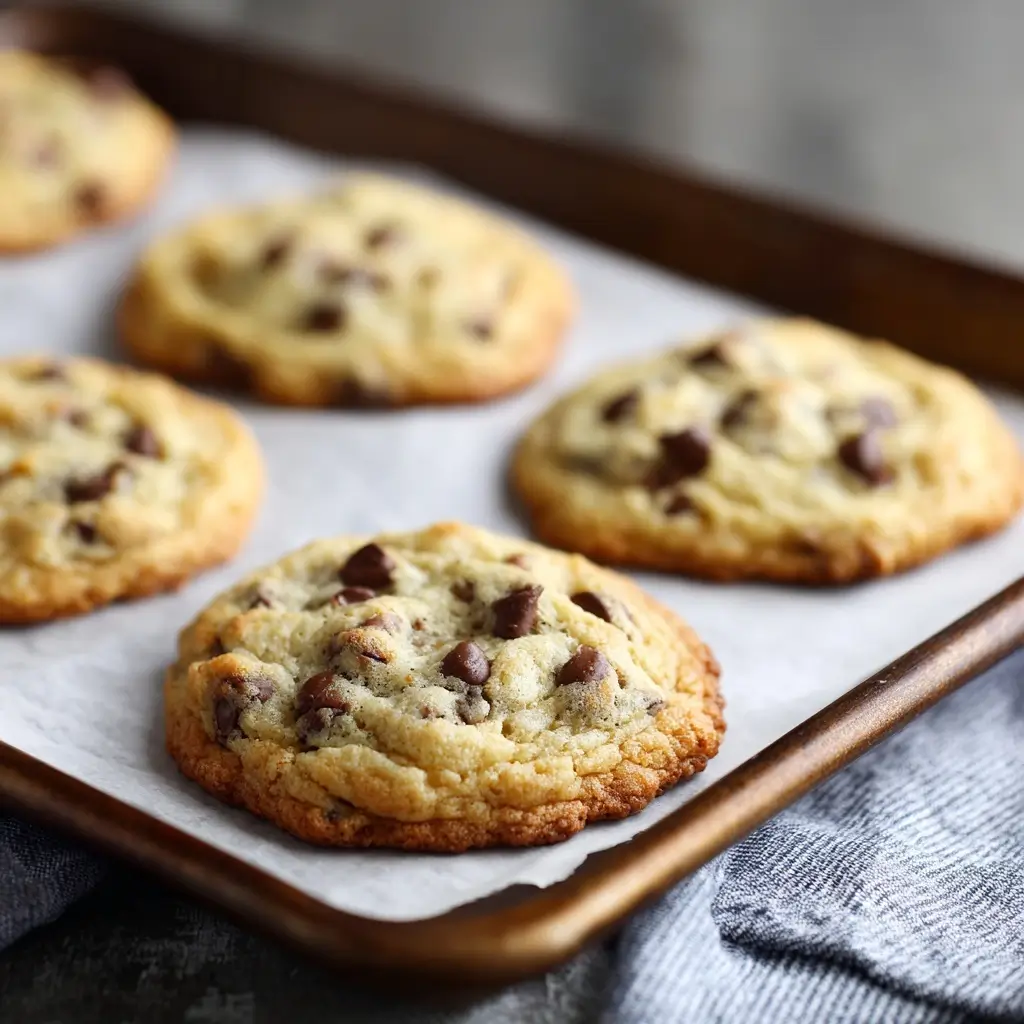
Imagine pulling a cookie from the jar three, five, or even seven days after baking—and still enjoying its tender, melt-in-your-mouth softness, with a delicate chew and a buttery aroma that hasn’t faded. That’s not wishful thinking—it’s entirely achievable with the right science-backed techniques and thoughtful ingredient choices. “Cookies That Stay Soft for Days” isn’t just a catchy phrase; it’s a carefully engineered outcome rooted in food chemistry, moisture retention strategies, and time-tested baking wisdom. Whether you’re a home baker craving consistent results, a meal-prepper looking for grab-and-go snacks, or someone who bakes in batches for gifting or family enjoyment, mastering this category of cookies transforms your baking from occasional treat-making into a reliable, joyful ritual. This comprehensive guide walks you through every dimension—from the historical evolution of soft-cookie craftsmanship to modern nutritional insights—so you don’t just bake soft cookies—you sustain their softness, day after delicious day.
The History
The quest for enduring softness in cookies traces back centuries—but the modern understanding emerged alongside advances in food science in the mid-20th century. Early colonial American recipes relied on molasses, brown sugar, and lard to yield dense, moist cakes and drop cookies, but shelf-stable softness wasn’t yet a targeted goal. The real turning point came with the rise of commercial bakeries in the 1930s–40s, where consistency, extended shelf life, and consumer preference for “chewy” over “crisp” drove innovation. Brands like Nestlé Toll House (founded in 1939) popularized the chocolate chip cookie—but early versions often hardened within 24–48 hours due to starch retrogradation and moisture migration. Pioneering food scientists at institutions like the USDA’s Western Regional Research Center began studying hygroscopic ingredients (like corn syrup and invert sugar) and emulsifiers (such as lecithin in egg yolks and cocoa butter) that could bind water and delay staling. By the 1960s, home economics textbooks started emphasizing brown sugar ratios, underbaking cues, and airtight storage—not as tips, but as *principles*. Today, the “soft-for-days” cookie is both a nostalgic comfort food and a triumph of applied food chemistry: a testament to how tradition and science, when harmonized, create something profoundly satisfying—and reliably soft.
Ingredients Breakdown
Every ingredient in a long-lasting soft cookie plays a functional role—not just flavor. Understanding *why* each is included—and how substitutions impact texture and shelf life—is essential to mastery:
- Brown Sugar (packed, light or dark): The cornerstone of softness. Its molasses content is highly hygroscopic—meaning it attracts and binds water molecules, slowing evaporation and inhibiting starch crystallization (the main cause of hardening). Dark brown sugar adds more molasses (6.5% vs. 3.5% in light), yielding deeper moisture retention and richer caramel notes—ideal for extended softness.
- Granulated Sugar: Provides structure and crisp edges but also aids in spreading and thinning the dough. Too much granulated sugar accelerates drying; balancing it with brown sugar (ideally a 1:1 to 2:1 brown-to-white ratio) optimizes tenderness without sacrificing shape.
- Unsalted Butter (softened, not melted): Delivers richness, flavor, and shortening power. Its milk solids contain lactose and proteins that caramelize gently and contribute to moisture-holding capacity. Using softened (not warm or melted) butter ensures proper creaming—aeration that creates fine, tender crumb structure. Melted butter leads to spreadier, thinner, faster-drying cookies.
- Eggs (large, room temperature): Act as emulsifiers and binders. Egg yolks contain lecithin, which helps suspend fat and water, creating a stable, uniform batter that resists separation and moisture loss. Egg whites add protein structure—but too many can dry out cookies. Most soft-cookie formulas use whole eggs + an extra yolk for optimal hydration and chew.
- All-Purpose Flour (spooned & leveled): Provides gluten-forming proteins—but excess gluten = toughness. Measuring by weight (120g/cup) or using the spoon-and-level method prevents over-flouring. A small amount of cornstarch (1–2 tbsp per cup of flour) further softens texture by diluting gluten and absorbing excess surface moisture.
- Leavening Agents (baking soda only, or soda + minimal baking powder): Baking soda reacts with acidic ingredients (brown sugar, yogurt, molasses) to create carbon dioxide and lift—yet it also promotes Maillard browning and pH shifts that enhance tenderness. Too much soda causes soapy off-notes and accelerates moisture loss; precise measurement (¼–½ tsp per 2 cups flour) is critical.
- Salt (fine sea or kosher): Enhances flavor perception and controls yeast activity (if used), but crucially, it strengthens gluten bonds *just enough* to support structure without hardness. Omitting salt doesn’t make cookies softer—it makes them bland and structurally unstable.
- Vanilla Extract (pure, not imitation): While primarily aromatic, real vanilla contains alcohols and phenolics that interact with proteins and sugars, subtly stabilizing the crumb matrix. Its antioxidant properties may also slow lipid oxidation—the cause of rancidity in stored cookies.
- Optional Hygroscopic Boosters: Corn syrup (light or dark), honey, maple syrup, or golden syrup dramatically extend softness by adding invert sugars that resist crystallization and lock in water. Even 1–2 tablespoons replace part of the granulated sugar and yield measurable improvements in 5–7-day freshness.
Step-by-Step Recipe
Makes 24–30 standard cookies (3-inch diameter); stays soft up to 7 days at room temperature when stored properly.
- Prep & Weigh Ingredients: Line two baking sheets with parchment paper. Preheat oven to 350°F (175°C). Weigh all ingredients for precision—especially flour (120g/cup) and sugars. Room-temperature butter should indent slightly when pressed but hold its shape.
- Cream Butter & Sugars: In a stand mixer fitted with paddle attachment, beat softened butter, brown sugar, and granulated sugar on medium speed for 2 minutes until light, fluffy, and pale—scraping bowl twice. Proper creaming incorporates air and dissolves sugar crystals, ensuring even texture and preventing graininess.
- Add Eggs & Vanilla: Add eggs one at a time, beating 30 seconds after each addition until fully incorporated. Add vanilla and beat 15 seconds more. Batter should be smooth, glossy, and homogenous—no streaks or separation.
- Whisk Dry Ingredients: In a separate bowl, whisk together flour, cornstarch (if using), baking soda, and salt. Sift once to aerate and ensure no lumps remain—this prevents pockets of unmixed leavener or salt.
- Combine Gently: Reduce mixer speed to low. Gradually add dry ingredients in three additions, mixing only until *just combined* after each—about 15–20 seconds total mixing time. Overmixing develops gluten and yields tough cookies. Dough will be thick, slightly sticky, and pull away from bowl sides.
- Chill Dough (Non-Negotiable Step): Cover bowl tightly and refrigerate for *at least 60 minutes*, preferably 90–120 minutes. Chilling solidifies butter, slows spread, enhances flavor development, and allows flour to fully hydrate—critical for even baking and long-term softness. Do not skip or shorten.
- Portion & Bake: Scoop chilled dough using a 1.5-tablespoon cookie scoop (≈30g each). Roll into balls and place 3 inches apart on parchment-lined sheets. Bake one sheet at a time on center oven rack for 10–11.5 minutes—until edges are set and lightly golden, centers look *slightly underdone*, puffed, and soft to gentle touch. They will not appear fully baked—that’s intentional. Rotate sheet halfway for even browning.
- Cool Strategically: Remove from oven and let cookies rest on baking sheet for 5 full minutes—this allows carryover cooking to finish *gently*, setting structure without over-drying. Then transfer with thin spatula to wire racks to cool completely (20–25 minutes). Rushing this step traps steam and causes sogginess—or conversely, overcooling on hot sheets dries edges.
- Store Immediately & Correctly: Once fully cooled, place cookies in a single layer in an airtight container. Insert a slice of plain white bread (½ inch thick) on top—its starches act as a humidity buffer, releasing moisture slowly to keep cookies soft. Seal tightly and store at cool room temperature (68–72°F), away from sunlight or heat sources.
Tips
- Underbake, Then Rest: Pull cookies from the oven when centers still look soft and glossy—even slightly raw-looking. Their residual heat will finish cooking them gently without dehydrating the interior.
- Measure Flour Accurately: Never scoop flour directly from the bag—it compacts and adds up to 25% more flour per cup. Use the spoon-and-level method or, better yet, a digital kitchen scale.
- Use Real Butter, Not Margarine or Shortening: Butter’s natural water content (15–18%) contributes to steam formation during baking, creating tender layers. Margarine has more water and less fat, leading to unpredictable spread and faster drying. Shortening lacks flavor and browning compounds essential for depth and perceived moistness.
- Don’t Skip the Chill: Warm dough spreads excessively, creating thin, crisp-edged cookies that lose moisture rapidly. Chilled dough holds shape, bakes evenly, and produces thicker, softer centers.
- Rotate & Position Sheets Correctly: Always bake on the center rack. If baking two sheets, rotate top-to-bottom and front-to-back halfway through—oven hotspots vary dramatically.
- Cool Completely Before Storing: Trapped warmth creates condensation inside containers, resulting in soggy bottoms or mold. Patience here preserves texture integrity.
- Refresh Stale Cookies (If Needed): If cookies begin firming at day 6–7, place them on a parchment-lined sheet and bake at 300°F for 3–4 minutes. The brief heat re-plasticizes sugars and redistributes moisture.
- Freeze Dough, Not Baked Cookies: Portion chilled dough balls onto a tray, freeze until solid (2 hours), then transfer to freezer bags. Bake straight from frozen—add 1–2 minutes to bake time. Frozen dough maintains peak freshness for up to 3 months; baked cookies freeze well too, but thawing can introduce texture inconsistencies.
Variations and Customizations
These foundational techniques adapt beautifully across flavors and dietary needs—without compromising softness longevity:
- Classic Brown Butter Chocolate Chip: Brown 1 cup butter in a saucepan until nutty and golden (cool to room temp before creaming). Replace ¼ cup brown sugar with 2 tbsp maple syrup. Use bittersweet chocolate chunks (60–70% cacao) for complex depth.
- Oatmeal Raisin (Soft & Chewy Version): Substitute ¾ cup old-fashioned rolled oats (not quick oats) and fold in 1 cup plump raisins soaked 10 minutes in warm apple juice. Add 1 tsp cinnamon and ¼ tsp ground cloves. The oats absorb and retain moisture; the juice-soaked raisins prevent drying.
- Double Chocolate Espresso: Replace ¼ cup flour with unsweetened cocoa powder (Dutch-process preferred). Add 1 tbsp instant espresso powder to dry ingredients. Use dark chocolate chunks and 1 oz finely chopped white chocolate for contrast. Cocoa’s fat content enhances softness; espresso deepens flavor without adding liquid.
- Ginger Molasses (Spiced & Tender): Replace all granulated sugar with additional brown sugar. Add 2 tbsp unsulphured molasses, 1½ tsp ground ginger, 1 tsp cinnamon, ¼ tsp cloves, and ¼ tsp black pepper. Molasses’ high invert sugar content makes these cookies exceptionally long-lasting—often staying soft 8–10 days.
- Gluten-Free Adaptation: Use a 1:1 gluten-free flour blend containing xanthan gum (e.g., King Arthur Measure for Measure or Bob’s Red Mill 1-to-1). Add 1 extra egg yolk and 1 tsp apple cider vinegar to improve binding and tenderness. Chill dough minimum 90 minutes—GF flours hydrate slower.
- Vegan Soft Cookie: Replace butter with refined coconut oil (solid at room temp) or vegan butter with ≥80% fat. Use flax egg (1 tbsp ground flax + 2.5 tbsp water per egg) and increase brown sugar by 1 tbsp to compensate for moisture loss. Add 1 tsp soy lecithin granules to emulate egg yolk emulsification.
- Lower-Sugar Option: Reduce total sugar by 25%, replacing the cut with 1–2 tbsp unsweetened applesauce or mashed ripe banana. Add 1 tsp inulin (chicory root fiber) to maintain bulk and hygroscopic function without sweetness.
Health Considerations and Nutritional Value
While cookies are inherently indulgent, optimizing for softness doesn’t require sacrificing nutritional intelligence. Here’s how to approach them mindfully:
- Calorie Density Awareness: A typical soft chocolate chip cookie (30g) contains ~120–140 kcal—moderate for a treat, especially given its satiating fat and carbohydrate profile. Portion control remains key; using a consistent scoop ensures predictable intake.
- Sugar Quality Matters: Brown sugar, honey, and maple syrup—though still added sugars—contain trace minerals (potassium, calcium, zinc) and antioxidants absent in refined white sugar. The FDA permits “No Added Sugar” labeling only if no sugars are added—but for softness, some added sugar is functionally necessary. Focus on minimizing *refined* sugar, not eliminating sweetness entirely.
- Fat Source Implications: Butter provides vitamin A, K2, and butyrate—a gut-health-supportive short-chain fatty acid. Grass-fed butter offers higher CLA (conjugated linoleic acid) levels, linked in studies to anti-inflammatory benefits. For heart-conscious bakers, clarified butter (ghee) removes milk solids while preserving fat integrity and shelf stability.
- Fiber Integration: Adding 1–2 tbsp oat bran, ground flaxseed, or psyllium husk increases soluble fiber—slowing glucose absorption and enhancing satiety. These also absorb water, contributing to perceived softness and extending freshness.
- Allergen Transparency: Clearly label common allergens (wheat, dairy, eggs, tree nuts, soy) when gifting or sharing. Many soft-cookie variations adapt seamlessly to allergen-free needs—as shown in the Variations section—without textural penalty.
- Shelf Life ≠ Nutrient Degradation: While texture remains soft for days, fat oxidation (rancidity) begins around day 5–6 in warm/humid conditions. Store in cool, dark places; refrigeration is unnecessary and may introduce condensation. Freezing halts degradation entirely.
- Pairing for Balance: Serve soft cookies with Greek yogurt, fresh berries, or a glass of cold milk—adding protein, antioxidants, and calcium to round out the snack nutritionally.
Ingredients
- 1 cup (227g) unsalted butter, softened to room temperature (65°F)
- 1 cup (200g) packed light brown sugar
- ½ cup (100g) granulated sugar
- 1 large egg + 1 large egg yolk (room temperature)
- 2 tsp pure vanilla extract
- 2 cups (240g) all-purpose flour (spooned & leveled, or weighed)
- 2 tbsp (16g) cornstarch
- ½ tsp baking soda
- 1 tsp fine sea salt
- 1½ cups (270g) semi-sweet chocolate chips or chunks (60% cacao)
Directions
- In the bowl of a stand mixer fitted with paddle attachment, beat softened butter, brown sugar, and granulated sugar on medium speed for 2 minutes, scraping bowl halfway, until pale, fluffy, and well-combined.
- Add egg, egg yolk, and vanilla; beat on medium for 1 minute until smooth and cohesive. Batter will be glossy and thick.
- In a separate medium bowl, whisk together flour, cornstarch, baking soda, and salt until fully homogenous.
- Reduce mixer speed to low. Gradually add dry ingredients in three parts, mixing only until no dry streaks remain—about 15 seconds after final addition. Do not overmix.
- Fold in chocolate chips by hand with a flexible spatula until evenly distributed.
- Cover dough tightly with plastic wrap and refrigerate for 90 minutes (minimum) or up to 72 hours. For longer storage, freeze dough balls.
- Preheat oven to 350°F (175°C). Line two baking sheets with parchment paper.
- Scoop 1.5-tablespoon portions (≈30g each), roll into balls, and space 3 inches apart on prepared sheets.
- Bake one sheet at a time on center rack for 10 minutes 30 seconds—until edges are golden and set, centers are puffed and soft, and surface looks slightly underbaked.
- Let cookies rest on baking sheet for exactly 5 minutes—then transfer to wire racks to cool completely (20–25 minutes).
- Once fully cooled, store in airtight container with a half-slice of plain white bread on top. Seal tightly. Enjoy soft cookies for up to 7 days.
FAQ
- Why do my cookies harden after 2 days—even when stored airtight?
- Likely causes: (1) Overbaking—pull cookies out sooner next time; (2) Under-chilled dough—always chill ≥60 minutes; (3) Too much granulated sugar relative to brown sugar; (4) Flour measured incorrectly (scooped = too much); (5) Missing the bread slice in storage—this simple trick restores ambient humidity.
- Can I use melted butter instead of softened?
- No—it changes the entire structure. Melted butter creates denser, chewier, faster-drying cookies because it eliminates air pockets formed during creaming. Softened butter is non-negotiable for the signature tender-soft crumb.
- Do I really need cornstarch?
- It’s highly recommended. Cornstarch inhibits gluten development, absorbs excess surface moisture, and contributes to a finer, more delicate crumb—directly supporting multi-day softness. You can omit it, but expect slightly firmer cookies by day 3.
- Can I make these gluten-free and still get soft results?
- Absolutely—use a high-quality 1:1 GF blend *with xanthan gum*, add an extra egg yolk, chill dough 90+ minutes, and consider adding 1 tsp apple cider vinegar. Texture will be nearly indistinguishable from wheat-based versions when done precisely.
- What’s the best container for storage?
- An airtight plastic or glass container with a silicone-sealed lid. Avoid thin plastic bags or Tupperware with weak seals—they allow micro-leaks that accelerate drying. Wide, shallow containers prevent stacking pressure that compresses soft cookies.
- Can I freeze baked cookies?
- Yes—but freezing dough is superior. Baked cookies freeze well for up to 3 months: cool completely, layer between parchment in a rigid container, seal tightly. Thaw at room temperature in sealed container to retain moisture. Avoid microwaving unless absolutely necessary (10-second bursts only).
- Why does the recipe call for both an egg and an extra yolk?
- The extra yolk adds lecithin (a powerful emulsifier) and fat—both critical for moisture binding, tenderness, and shelf-stable softness. Whole eggs alone lack sufficient emulsifying power for multi-day resilience.
- My cookies spread too much—even when chilled. What’s wrong?
- Possible culprits: butter too warm despite chilling (try freezing dough balls for 15 minutes pre-bake), expired baking soda (test by mixing ¼ tsp with 2 tsp vinegar—if no vigorous fizz, replace), or altitude adjustments needed (reduce baking soda by ⅛ tsp at 3,000+ ft).
Summary
Soft-for-days cookies are born from intentional ingredient selection—brown sugar’s hygroscopic magic, butter’s moisture-rich fat, egg yolks’ emulsifying power—and precise technique: thorough creaming, strategic chilling, purposeful underbaking, and humidity-balanced storage with a slice of bread.
This isn’t about shortcuts—it’s about understanding the science of tenderness so every batch, whether classic chocolate chip or spiced molasses, delivers consistent, cloud-like softness, rich flavor, and joyful reliability from day one through day seven and beyond.