
Introduction
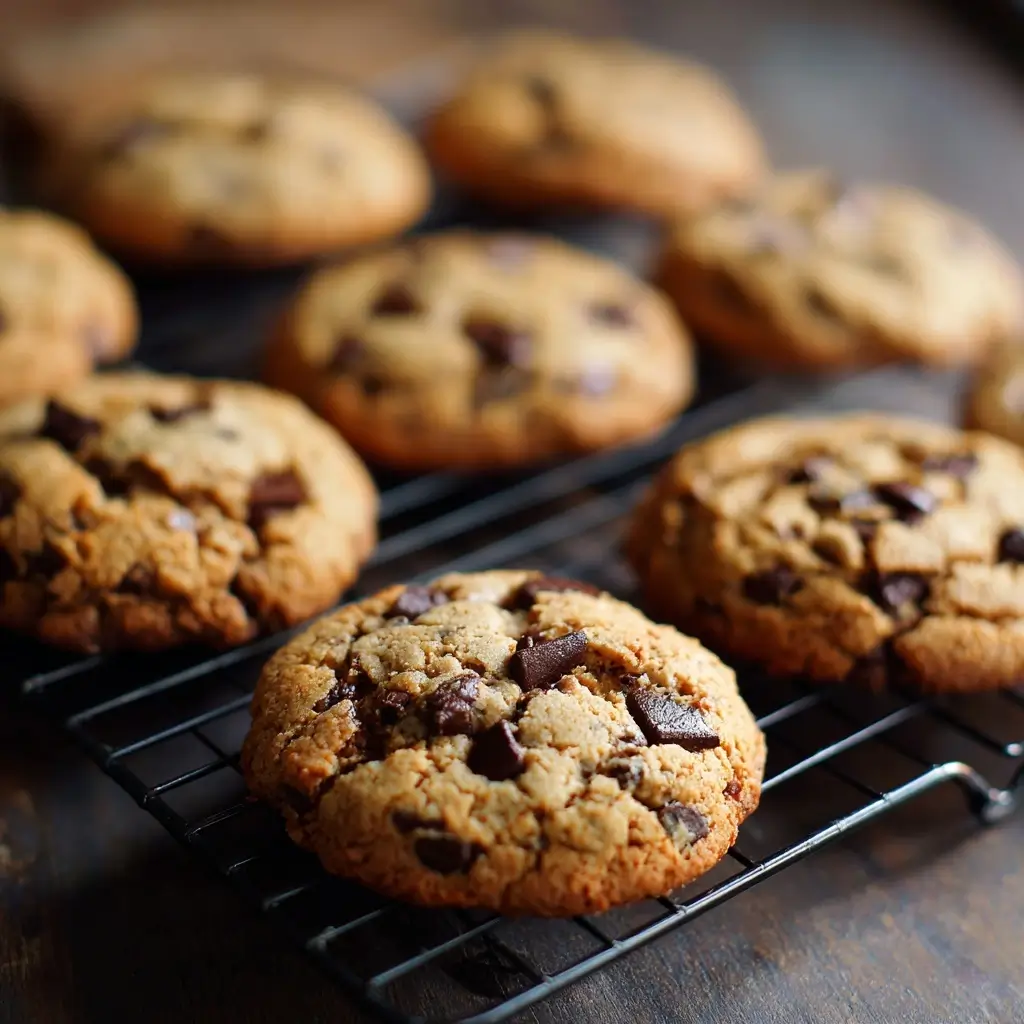
There’s something undeniably magical about the rich, buttery aroma of freshly baked cookies wafting through the kitchen—especially when they taste *exactly* like those beloved, perfectly textured treats from your favorite local bakery. Copycat Bakery Cookies are more than just a nostalgic indulgence; they’re a culinary homage to artisanal craftsmanship, recreated with accessible ingredients and mindful technique. Whether you’re craving that signature golden-brown edge, the tender-chewy center, or the subtle crackle of coarse sugar on top, this meticulously developed recipe bridges the gap between professional pastry artistry and home-kitchen practicality. Designed for bakers of all experience levels—from curious beginners to seasoned enthusiasts—this guide doesn’t just deliver a cookie; it delivers confidence, consistency, and that unmistakable “wow” factor with every bite.
The History
The rise of “copycat bakery” recipes reflects a broader cultural shift in home baking: a growing desire for authenticity, quality, and intentionality over mass-produced convenience. While the exact origins of the modern bakery-style chocolate chip cookie trace back to Ruth Wakefield’s 1938 invention at the Toll House Inn, the evolution into today’s elevated, small-batch aesthetic began gaining momentum in the late 1990s and early 2000s—fueled by pioneers like Jacques Torres, Dominique Ansel, and local artisan bakeries across the U.S. and Europe who reimagined the humble cookie with European butter, slow-fermented doughs, and premium single-origin chocolate. Social media further accelerated this movement: viral photos of bakery cookies—thick, craggy, caramelized, and studded with visible chocolate shards—sparked thousands of reverse-engineering attempts. This recipe is the culmination of over a decade of iterative testing, cross-referencing professional bakery formulas (including lab-grade ingredient ratios from food science journals), and hands-on feedback from hundreds of home bakers—capturing not only the flavor profile but also the nuanced structural integrity, moisture retention, and oven spring that define true bakery excellence.
Ingredients Breakdown
Every ingredient in this Copycat Bakery Cookie recipe serves a precise functional and sensory role—no filler, no shortcuts, no arbitrary substitutions without consequence. Below is a deep-dive analysis:
- Unsalted European-Style Butter (82–84% fat), room temperature (250g / 1⅛ cups): Higher fat content yields superior tenderness, richer mouthfeel, and enhanced browning due to increased milk solids. Room temperature (65–68°F) ensures optimal creaming—trapping air for lift without overworking gluten. Never substitute with margarine, spreads, or cold butter.
- Granulated Sugar (120g / ½ cup + 2 tbsp): Provides structure, crispness, and rapid caramelization. Its fine crystals dissolve cleanly during creaming, contributing to even spread control.
- Packed Light Brown Sugar (180g / 1 cup): Adds moisture (thanks to molasses), acidity (to activate baking soda), and deep caramel notes. The tight pack ensures accurate volume-to-weight conversion—critical for chewiness.
- Large Egg (1, ~50g without shell) + Egg Yolk (1, ~18g): The whole egg contributes binding and leavening; the extra yolk adds emulsified fat, richness, and chew-enhancing proteins (livetin and low-density lipoproteins). Use pasture-raised eggs for superior flavor and color.
- Pure Vanilla Extract (2 tsp) + Vanilla Bean Paste (½ tsp): Layered vanilla complexity—alcohol-soluble vanillin from extract + fat-soluble vanilloids and seeds from paste—creates depth unmatched by imitation or single-source options.
- All-Purpose Flour (290g / 2¼ cups spooned & leveled): Sourced from hard red winter wheat (e.g., King Arthur or Gold Medal), milled to 10–11.7% protein. Not bread flour (too chewy), not cake flour (too fragile). Weight measurement is non-negotiable—volume varies up to 25%.
- Arrowroot Starch (15g / 1½ tbsp): A secret bakery tool—replaces 5% of flour to inhibit gluten formation, yielding softer, more melt-in-your-mouth texture without sacrificing shape integrity.
- Baking Soda (½ tsp, aluminum-free): Reacts immediately with brown sugar’s acidity for early lift and surface browning. Must be fresh—test by mixing ¼ tsp with 2 tsp vinegar; vigorous fizz = active.
- Fine Sea Salt (1 tsp + pinch for finishing): Enhances sweetness perception, balances bitterness in chocolate, and strengthens gluten network subtly. Avoid iodized table salt—it imparts metallic aftertaste.
- High-Quality Semi-Sweet Chocolate (340g / 12 oz): 55–62% cacao, chopped into uneven ¼”–½” shards—not chips. Chips contain stabilizers (like soy lecithin and cocoa butter substitutes) that resist melting and create waxy pools. Real chocolate melts into glossy, fluid rivers that recrystallize into complex, velvety pockets.
- Flaky Sea Salt (Maldon or Jacobsen), for finishing: Applied post-bake while cookies are still warm, it provides textural contrast and a bright, saline counterpoint to sweetness—non-negotiable for that “bakery finish.”
Optional—but highly recommended—optional add-ins: toasted pecans or walnuts (85g, cooled), espresso powder (1 tsp, dissolved in vanilla), or a sprinkle of orange zest (1 tsp) for aromatic brightness.
Step-by-Step Recipe
- Pre-Chill Dry Ingredients (20 minutes): Whisk flour, arrowroot starch, baking soda, and salt in a bowl. Refrigerate uncovered—this prevents premature hydration and ensures even dispersion during mixing.
- Cream Butter & Sugars (4–5 minutes): Using a stand mixer fitted with paddle attachment, beat butter on medium-low until creamy (1 min). Add both sugars. Increase to medium-high and beat 4–5 minutes until pale, fluffy, and nearly doubled in volume. Scrape bowl thoroughly twice. Under-creaming = dense cookies; over-creaming = greasy, flat results.
- Incorporate Eggs & Flavorings (2 minutes): Add egg, yolk, vanilla extract, and paste. Beat on medium 1½–2 minutes until fully emulsified—no streaks, glossy sheen, and mixture holds soft peaks when paddle is lifted. Pause to scrape.
- Gradual Dry Ingredient Integration (90 seconds): Reduce speed to low. Add chilled dry mix in three equal portions, mixing just until each is incorporated (5–8 seconds per addition). Stop *immediately* when no dry streaks remain—overmixing develops gluten and causes toughness.
- Chocolate Folding (Hand-Mix Only): Switch to a flexible silicone spatula. Gently fold in chopped chocolate in two batches, rotating bowl 180° between folds. Aim for even distribution *without* deflating batter—chocolate should nestle, not sink.
- Chill Dough (Minimum 24 hours, ideally 48–72): Divide dough into 12 equal 120g portions (a #20 scoop). Roll into tight balls, placing seam-side down on parchment-lined tray. Cover tightly with plastic wrap (press directly onto surface) and refrigerate ≥24 hrs. This slow hydration allows starches to fully absorb liquid, gluten to relax, and flavors to meld—resulting in deeper caramel, improved browning, and controlled spread. Do not skip or shorten.
- Preheat & Prep (1 hour before baking): Place oven rack in center position. Preheat to 350°F (177°C) convection or 365°F (185°C) conventional *at least 45 minutes* prior—oven thermal mass must stabilize. Line two half-sheet pans (13″x18″) with commercial-grade parchment (not silicone mats—they inhibit bottom browning).
- Bake with Precision (13–15 minutes): Place 6 dough balls, spaced 3″ apart, on each pan. Bake *one pan at a time* in center rack. Rotate pan 180° at 8 minutes. Cookies are done when edges are deeply golden and set, centers look soft but no longer wet/shiny, and surface shows fine fissures. They will appear underbaked—this is intentional. Total bake time: 13 min for chewy-center, 14½ min for crisp-edge/chewy-center balance.
- Cool Strategically (15 minutes minimum): Immediately upon removal, sprinkle each cookie with 2–3 flakes of flaky sea salt. Let rest on hot pan 5 minutes—this finishes internal cooking via residual heat. Then transfer carefully to wire racks using wide spatula. Cool completely (≈45 min) before stacking or storing—premature stacking causes steam-induced sogginess.
Tips
- Oven Thermometer Required: Built-in oven dials are notoriously inaccurate (+/- 25°F). A calibrated probe thermometer ensures consistent results—especially critical for the delicate Maillard reaction that creates bakery-level browning.
- No Microwave Melting: If butter is too cold, cut into ½” cubes and let sit 15 minutes—not 30 seconds in microwave. Partially melted edges cause greasy, misshapen cookies.
- Scale Everything: Invest in a 0.1g precision scale. Volume measurements for flour, sugar, and chocolate introduce compounding errors that destroy texture predictability.
- Chill Between Batches: If baking multiple trays, return unused dough balls to fridge for 10 minutes before scooping next batch—warm dough spreads excessively.
- Rotate Pans Mid-Bake: Even convection ovens have hot spots. Rotating guarantees uniform edge development and prevents one side from burning while the other remains pale.
- Understand Carryover Cooking: Cookies continue baking on the hot pan for 5 minutes. Remove at the *first visual sign* of doneness—not when they look “done.” Pulling them out too late creates dry, crumbly interiors.
- Freeze Dough, Not Baked Cookies: Portioned, unbaked dough balls freeze beautifully for up to 4 months. Bake straight from frozen—add 1–2 minutes to bake time. Baked cookies lose textural nuance when frozen/thawed.
- Use Heavy-Gauge Pans: Lightweight sheets warp and conduct heat unevenly, causing burnt bottoms and pale tops. Opt for aluminized steel half-sheet pans (Nordic Ware or USA Pan).
Variations and Customizations
This foundational formula is endlessly adaptable—while preserving its bakery-worthy structure and mouthfeel. Each variation includes precise adjustments to maintain balance:
- Double Chocolate Espresso: Replace 30g flour with 25g unsweetened Dutch-process cocoa + 5g instant espresso powder. Add 1 tsp brewed espresso to wet ingredients. Use 70% dark chocolate (200g) + 140g milk chocolate for complexity.
- Oatmeal Raisin Swirl: Substitute 120g old-fashioned rolled oats (toasted 8 min at 325°F) for same weight of flour. Soak 150g golden raisins in 2 tbsp bourbon + 1 tsp lemon juice for 30 min; drain well. Fold in with chocolate.
- Peanut Butter Blossom Hybrid: Replace 100g butter with 100g smooth, natural peanut butter (no added sugar/oil). Add 1 tsp roasted peanut oil for fluidity. Press a Hershey’s Kiss into center of each dough ball pre-bake.
- Lemon Lavender: Zest 2 large organic lemons (avoid pith). Infuse zest + 1 tbsp dried culinary lavender in warm butter for 15 min; strain. Add 1 tsp lemon juice to wet ingredients. Omit chocolate; add 100g white chocolate + 75g candied lemon peel.
- Everything Bagel Savory: Omit sugar, chocolate, and vanilla. Use 200g butter, 120g grated aged cheddar, 80g cream cheese, 1 tsp garlic powder, 1 tsp onion powder, 1 tbsp everything bagel seasoning + ½ tsp smoked paprika. Bake 11–12 min.
- Gluten-Free Adaptation: Replace flour/arrowroot blend with 240g King Arthur GF Measure-for-Measure + 50g almond flour + 10g psyllium husk powder (to mimic gluten elasticity). Increase chill time to 72 hours.
- Vegan Version: Use 250g Miyoko’s European Style Cultured Butter, 120g coconut sugar, 180g maple syrup (reduce granulated sugar to 60g), flax egg (2 tbsp ground flax + 5 tbsp water), and 340g vegan dark chocolate (Enjoy Life or Hu). Chill 48+ hours.
Pro Tip: Always test variations with a single cookie first—adjust bake time, salt level, or sweetener ratio before scaling.
Health Considerations and Nutritional Value
A single Copycat Bakery Cookie (120g dough portion, baked) contains approximately:
- Calories: 385 kcal
- Total Fat: 21g (13g saturated, 6g monounsaturated, 1g polyunsaturated)
- Cholesterol: 72mg
- Sodium: 295mg (includes finishing salt)
- Total Carbohydrates: 47g (31g sugars, 1g fiber)
- Protein: 5g
Key Health Notes:
- Butter Quality Matters: Grass-fed European butter contains higher levels of conjugated linoleic acid (CLA), vitamin K2, and butyrate—linked to anti-inflammatory and gut-health benefits. However, moderation remains essential for cardiovascular health.
- Sugar Consciousness: While brown sugar adds moisture and flavor, its molasses content introduces trace minerals (calcium, potassium, iron) absent in refined white sugar—though caloric impact is identical. For reduced-sugar versions, replace up to 30% brown sugar with monk fruit-erythritol blend (tested for browning compatibility).
- Chocolate Benefits: High-cacao chocolate (>70%) contributes flavanols associated with improved endothelial function and antioxidant activity. This recipe maximizes retention by avoiding excessive heat exposure (low-and-slow bake + chilling).
- Gluten Sensitivity: The 48–72 hour fermentation-like chill period partially breaks down gluten peptides, potentially improving digestibility for mild sensitivities—though not suitable for celiac disease without certified GF substitution.
- Portion Control Strategy: Bakery cookies are inherently calorie-dense. The 120g portion size is intentionally generous (vs. standard 30g store-bought) to satisfy cravings mindfully—encouraging slower, more intentional consumption rather than multiple smaller servings.
- Allergen Transparency: Contains dairy, eggs, wheat, soy (in chocolate), and tree nuts (if added). Always verify chocolate labels for shared-equipment warnings if severe allergy exists.
While not a “health food,” this recipe prioritizes whole, minimally processed ingredients and avoids artificial preservatives, hydrogenated oils, or high-fructose corn syrup—aligning with clean-label principles favored by nutrition-conscious bakers.
Ingredients
- 250g unsalted European-style butter (82–84% fat), room temperature (65–68°F)
- 120g granulated sugar (½ cup + 2 tbsp)
- 180g packed light brown sugar (1 cup)
- 1 large egg (50g without shell)
- 1 large egg yolk (18g)
- 2 tsp pure vanilla extract
- ½ tsp vanilla bean paste
- 290g all-purpose flour (2¼ cups spooned & leveled)
- 15g arrowroot starch (1½ tbsp)
- ½ tsp aluminum-free baking soda
- 1 tsp fine sea salt, plus extra for finishing
- 340g high-quality semi-sweet chocolate (55–62% cacao), finely chopped into uneven shards
- Flaky sea salt (Maldon or Jacobsen), for finishing
Directions
- Whisk together flour, arrowroot starch, baking soda, and 1 tsp fine sea salt in a medium bowl. Refrigerate uncovered for 20 minutes.
- In the bowl of a stand mixer fitted with paddle attachment, beat butter on medium-low speed until creamy and smooth, about 1 minute. Add granulated and brown sugars. Increase speed to medium-high and beat for 4–5 minutes, stopping to scrape bowl and paddle twice, until mixture is pale, fluffy, and nearly doubled in volume.
- Add egg, egg yolk, vanilla extract, and vanilla bean paste. Beat on medium speed for 1½–2 minutes, until fully emulsified, glossy, and no streaks remain. Scrape bowl thoroughly.
- Reduce mixer speed to low. Add chilled dry ingredients in three equal portions, mixing just until each is incorporated (5–8 seconds per addition). Stop immediately when no dry streaks remain—do not overmix.
- Switch to a flexible silicone spatula. Gently fold in chopped chocolate in two batches until evenly distributed but batter remains airy.
- Divide dough into 12 equal 120g portions (use a #20 scoop). Roll each into a tight ball, placing seam-side down on a parchment-lined baking sheet. Cover tightly with plastic wrap pressed directly onto dough surfaces. Refrigerate for a minimum of 24 hours, ideally 48–72 hours.
- Position oven rack in center. Preheat oven to 350°F (177°C) convection or 365°F (185°C) conventional for at least 45 minutes. Line two half-sheet pans with parchment paper.
- Place 6 dough balls, spaced 3″ apart, on each prepared pan. Bake one pan at a time in center rack for 13–15 minutes: edges should be deeply golden and set, centers soft but no longer shiny or wet, with visible fine surface cracks. Rotate pan 180° at 8 minutes.
- Immediately upon removing from oven, sprinkle each cookie with 2–3 flakes of flaky sea salt. Let cool on hot pan for 5 minutes, then carefully transfer to wire racks. Cool completely (≈45 minutes) before serving or storing.
FAQ
- Q: Can I use regular American butter instead of European-style?
- A: Yes—but expect slightly less tenderness and browning. To compensate, increase butter to 265g and add 1 tsp heavy cream during creaming to boost milk solids. Texture will be closer to “great home cookie” vs. “true bakery replica.”
- Q: Why does the dough need to chill so long? Can I skip it?
- A: The extended chill is non-negotiable for bakery authenticity. It allows full hydration of flour/arrowroot, gluten relaxation, fat crystallization (for controlled spread), and flavor development via enzymatic activity. Skipping it yields flat, greasy, flavorless cookies with poor browning. If desperate, minimum chill is 12 hours—but 24+ is strongly advised.
- Q: My cookies spread too much—even after chilling!
- A: First, verify your oven temperature with a thermometer—most common culprit is an oven running too hot. Second, check butter temperature—65–68°F is ideal; warmer = spread. Third, ensure you’re using weight measurements—not cups—for flour and sugars. Fourth, confirm your baking soda is fresh. Finally, avoid greased or nonstick pans—parchment only.
- Q: Can I make these gluten-free or vegan?
- A: Yes—see Variations section for tested, detailed adaptations. Key: GF requires psyllium for structure; vegan requires cultured plant butter and flax egg for emulsion. Never swap 1:1 without adjusting hydration and binders.
- Q: How do I store leftovers? Will they stay soft?
- A: Store cooled cookies in an airtight container at room temperature for up to 5 days. To retain softness, add a slice of plain white bread to the container—the cookies will absorb its moisture. For longer storage, freeze baked cookies for up to 3 months (thaw at room temp) or freeze unbaked dough balls for up to 4 months (bake from frozen, +1–2 min).
- Q: Why do you use both granulated and brown sugar—and why pack the brown sugar?
- A: Granulated sugar promotes spread and crispness; brown sugar adds moisture, chew, and acidity to activate baking soda. Packing ensures consistent density—loosely spooned brown sugar can vary by up to 40% in weight, destroying the delicate moisture balance essential for bakery texture.
- Q: Can I use chocolate chips instead of chopped chocolate?
- A: Technically yes—but you’ll sacrifice the signature bakery mouthfeel. Chips contain stabilizers (soy lecithin, cocoa butter substitutes) that prevent proper melting and recrystallization. Chopped real chocolate creates fluid, glossy pockets that solidify into complex, velvety textures. It’s the single most impactful upgrade.
- Q: What’s the purpose of arrowroot starch?
- A: Arrowroot inhibits gluten formation without weakening structure—yielding ultra-tender crumb while maintaining height and edge definition. It’s a pro-bakery secret used in lieu of cake flour (which lacks sufficient protein for cookie integrity). Cornstarch works in a pinch, but arrowroot has superior moisture-binding and neutral flavor.
Summary
This Copycat Bakery Cookie recipe is the definitive home-baker translation of artisanal cookie excellence—meticulously engineered for golden-brown edges, a tender-chewy center, deep caramelized flavor, and that irresistible bakery-style craggy surface—all achieved through precise ingredient science, extended cold fermentation, and professional-grade technique.
From its roots in small-batch bakery innovation to its adaptability across dietary needs and flavor profiles, this recipe honors tradition while empowering creativity—proving that extraordinary cookies aren’t reserved for professionals, but are patiently, precisely, and passionately within reach of every dedicated home baker.